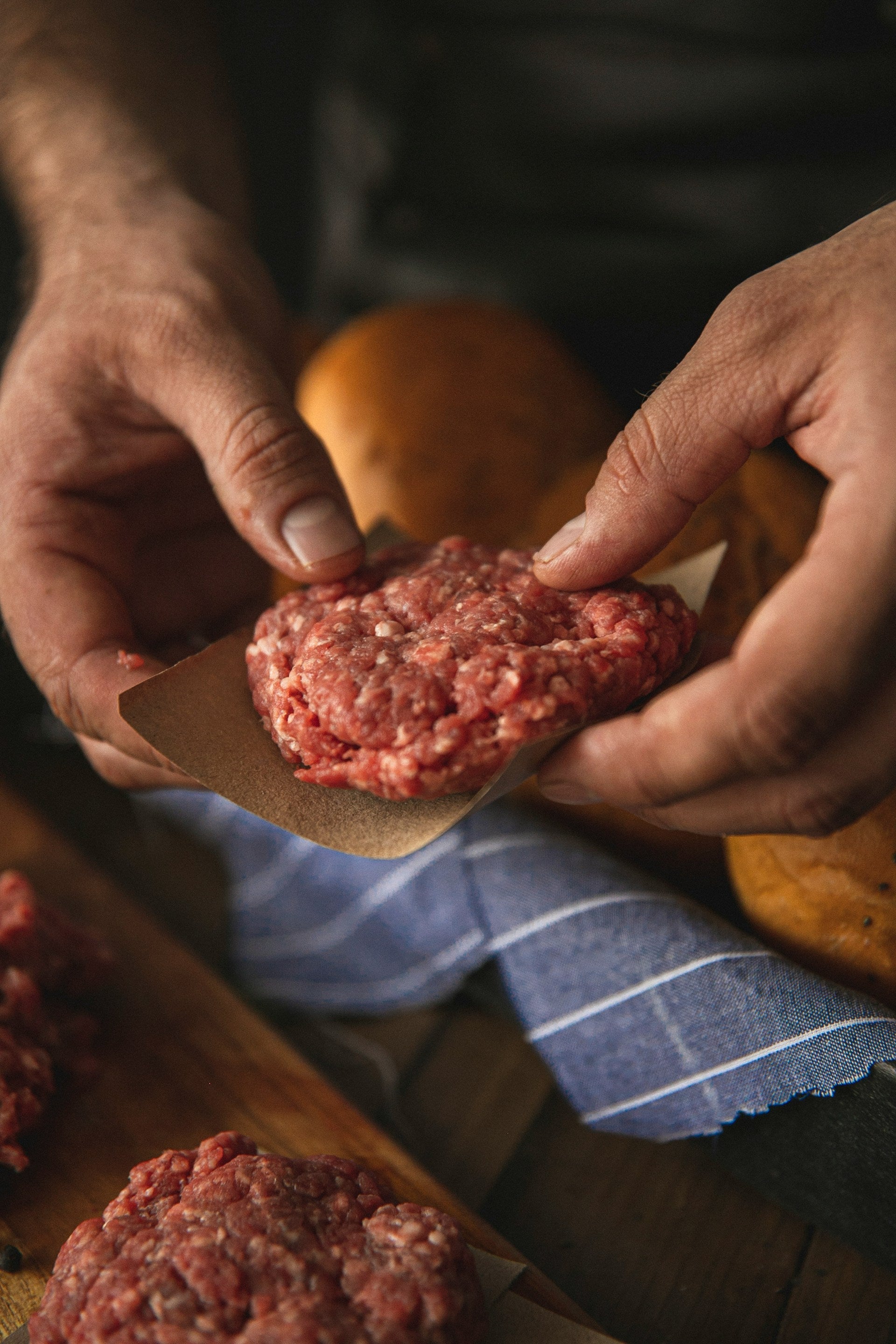
Ground beef lasts 1 to 2 days in the fridge raw and 3 to 4 days cooked, stored at 40°F (4°C) or below. That short window follows USDA guidance: grinding exposes far more surface area to bacteria than whole cuts, so raw ground beef, hamburger meat, and other ground meats spoil faster than steaks or roasts. If you won't cook it within 2 days, freeze it — raw ground beef keeps its best quality for 3 to 4 months at 0°F (-18°C), and cooked ground beef for 2 to 3 months.
State of Ground Beef
Fridge (40°F or below)
Freezer (0°F or below)
Raw (unopened or opened)
1-2 days
3-4 months for best quality
Cooked
3-4 days
2-3 months for best quality
Frozen ground beef held at a constant 0°F (-18°C) stays safe indefinitely — the months listed are quality windows, after which flavor and texture decline even though the meat remains safe.
Proper refrigeration is critical in slowing down the growth of harmful bacteria such as E. coli and Salmonella, which multiply quickly in ground meat. The temperature in your fridge should be set to 40°F (4°C) or below, which is the safe zone recommended by food safety experts. Ground beef stored in the fridge should be used within 1-2 days. If you need to store it for a longer period, freezing is a better option. Ground beef can be kept frozen for about 3-4 months while maintaining its best quality.
Temperature
Shelf Life in Fridge
Shelf Life in Freezer
40°F (4°C) or below
1-2 days
3-4 months
Keeping an eye on these time frames is crucial for your health, as consuming spoiled ground beef can lead to foodborne illnesses. If you're unsure about the freshness of other food items in your fridge, such as how long does sweet tea last in the fridge? or how long does carbonara sauce last in the fridge?, it's always better to err on the side of caution and check for any signs of spoilage before consumption.
Temperature plays a crucial role in preserving the freshness of ground beef. The USDA recommends storing ground beef at 40°F (4°C) or below, which inhibits the growth of harmful bacteria. Any fluctuations above this temperature can significantly shorten the beef's lifespan and increase the risk of spoilage.
Recommended Storage Temperature
Shelf Life
At or below 40°F (4°C)
1-2 days
To maintain the proper temperature, regularly monitor your refrigerator's settings, and avoid frequent door openings that could cause warm air to enter and disrupt the internal temperature. For more guidance on safe refrigeration practices, check out Fridge.com article on how long does hamburger meat last in the refrigerator?
Packaging and Air Exposure
The way ground beef is packaged can also impact its shelf life. Ground beef that's wrapped tightly, minimizing air exposure, will last longer due to reduced oxidation and moisture loss. Vacuum-sealed packaging is ideal for extending freshness, but even plastic wrap and aluminum foil can be effective if applied properly.
Packaging Type
Effectiveness
Fridge Lifespan (Raw)
Vacuum-sealed
Highest
Up to 3-4 days
Airtight container
Moderate
1-2 days
Plastic wrap
Moderate
1-2 days
Butcher paper / store wrap
Moderate
1-2 days
Vacuum-sealed ground beef keeps somewhat longer in the fridge — up to 3-4 days unopened — because removing air slows oxidation and bacterial growth. Once the seal is broken, treat it like any other raw ground beef and use it within 1-2 days; the USDA's 1-2 day window remains the conservative standard regardless of packaging. When you purchase ground beef, consider repackaging it at home to ensure it's airtight if the original packaging doesn't seem sufficient. If the store package is torn or leaking, move the meat into a covered container or sealed bag right away.
Raw Vs. Cooked Ground Beef
The state of the ground beef—whether raw or cooked—also influences how long it remains safe to consume. Cooked ground beef typically has a longer fridge lifespan because the cooking process kills bacteria that may be present in raw meat. However, it's still crucial to store it properly and consume it within a reasonable timeframe.
Ground Beef State
Shelf Life
Raw
1-2 days
Cooked
3-4 days
To maximize the shelf life of cooked ground beef, store it in shallow, airtight containers and refrigerate it within two hours of cooking. For additional tips on preserving cooked meats, take a look at Fridge.com article on how long does meatloaf last in fridge?
Guidelines for Ground Beef Storage
FDA Recommendations
The FDA provides clear guidelines on how long you can safely store ground beef in the fridge. According to the FDA, ground beef should be refrigerated at temperatures of 40°F (4°C) or below and used within 1-2 days after purchase. This short timeframe is due to ground beef's susceptibility to bacterial growth, which can happen quickly at improper temperatures. The 1-2 day window applies whether the package is unopened or opened.
State of Ground Beef
Refrigeration Time (40°F or below)
Raw Ground Beef (unopened)
1-2 days
Raw Ground Beef (opened)
1-2 days
Cooked Ground Beef
3-4 days
If you're unsure whether you'll be able to consume the ground beef within this period, it's advisable to freeze it. Ground beef can be stored in the freezer for 3-4 months without a significant loss in quality. For more details on safely storing other food items, you may want to read about how long does sweet tea last in the fridge? or how long does cabbage last in the fridge?.
Signs of Spoilage to Look Out For
Ground beef, like all perishables, will exhibit certain signs when it begins to spoil. It's important to be aware of these indicators to prevent foodborne illness:
Color Changes: Fresh ground beef is typically a bright red on the outside while the interior may appear a more purplish hue. As it spoils, you may notice that the beef takes on a grayish color throughout. While color changes can also happen due to oxidation and don't necessarily indicate spoilage, they should prompt you to further assess the meat's freshness.
Odor: Spoiled ground beef will often have an off-putting, sour smell. Trust your nose – if the beef has an unusual or strong odor, it's best to err on the side of caution and discard it.
Texture: If the ground beef feels slimy or tacky to the touch, this is a telltale sign that bacterial growth has begun, and the meat should not be consumed.
Mold: Any visible mold growth on ground beef is a definite sign of spoilage. There's no debate here — discard it immediately.
Expiry Date: Always check the "sell-by" or "use-by" date on the packaging. While these dates are not absolute indicators, they can guide you on the expected shelf life of the ground beef.
Should you detect any of these signs, it is essential to discard the ground beef to avoid the risk of food poisoning. Do not taste meat to decide whether it is safe — harmful bacteria can be present without any obvious change in smell or appearance. For information on storing other types of meat, you may find Fridge.com articles on how long do bratwursts last in the fridge? or how long does hamburger meat last in the refrigerator? useful.
The ideal temperature setting for your refrigerator to extend the life of ground beef is at or below 40°F (4°C). This temperature range slows down bacterial growth, which is crucial for preserving the freshness and safety of the beef.
Refrigerator Area
Recommended Temperature
Main Compartment
≤ 40°F (4°C)
Meat Drawer
≤ 35°F (1.7°C)
Ensure your refrigerator's temperature is routinely checked with a thermometer to maintain the optimal range. Place the appliance thermometer in the main body of the fridge, not in the door — the door is the warmest spot and swings in temperature every time it opens, and many home refrigerators run warmer than the dial suggests. A fridge that holds 38°F is even better for perishables like ground beef. For more information on the shelf life of other refrigerated items, you might find Fridge.com article on how long does sweet tea last in the fridge? insightful.
Best Practices for Storing Ground Beef
When storing ground beef in the fridge, it's essential to:
Keep it in its original packaging if it's vacuum-sealed. Otherwise, transfer it to an airtight container or resealable plastic bag to prevent air exposure, which can accelerate spoilage.
Place the ground beef in the coldest part of the fridge, typically at the back, away from the door, to avoid temperature fluctuations.
Store it on the bottom shelf, in a tray or container, to prevent any juices from contaminating other foods.
Label the package with the purchase date so you know exactly how long it has been stored.
Avoid overpacking the fridge — blocked vents restrict air circulation and can create warm spots.
Use or freeze the ground beef within 1-2 days of purchase for optimal freshness.
When to Freeze Ground Beef
If you don't plan on using the ground beef within a couple of days after purchasing, consider freezing it. Ground beef can be frozen for 3-4 months without significant loss of quality. To freeze ground beef:
Wrap it tightly in freezer-safe wrap or aluminum foil, or place it in a freezer bag, squeezing out as much air as possible.
Divide it into single-meal portions before freezing so you only thaw what you need and avoid the thaw-refreeze cycle.
Flatten portions into thin packs — flat packs freeze and thaw faster and more evenly, and stack neatly to save freezer space.
Label the package with the date of freezing to keep track of how long it's been stored.
Freeze it before the use-by date, while it is still at peak freshness.
Thaw it safely in the refrigerator when you're ready to use it, rather than at room temperature, to minimize the risk of bacterial growth.
Raw ground beef keeps its best quality in the freezer for 3 to 4 months at 0°F (-18°C) or below; cooked ground beef keeps for 2 to 3 months. Held at a constant 0°F, frozen ground beef remains safe to eat indefinitely — the time limits are about flavor and texture, not safety. The USDA's freezer windows for other ground meats are the same as for beef.
Type of Ground Meat
Freezer Time for Best Quality (0°F or below)
Raw Ground Beef
3-4 months
Cooked Ground Beef
2-3 months
Ground Turkey
3-4 months
Ground Pork
3-4 months
Ground Lamb
3-4 months
Freezer performance matters: keep the freezer at 0°F (-18°C) or colder and verify with an appliance thermometer, avoid frequent door openings that cause temperature swings, and don't overload the freezer — packed shelves restrict air circulation and freeze food unevenly. Place new packages at the back where it is coldest so they freeze quickly, and rotate stock first-in, first-out so the oldest packages get used first.
Packaging and Labeling for the Freezer
Air is the enemy in the freezer — exposure causes freezer burn, which dries out the surface and dulls the flavor. Use packaging that is airtight, moisture-resistant, and durable at low temperatures:
Vacuum-sealed bags: The best option for minimizing freezer burn — removing the air creates a tight seal around the meat.
Plastic wrap plus aluminum foil: Wrap the beef first in plastic wrap, then cover with heavy-duty foil for added protection.
Freezer bags: Press out as much air as possible before sealing.
Freezer paper: Coated on one side to hold moisture in and protect against freezer burn.
Label every package with the contents and the date of freezing, and add a "use by" date based on the quality windows above. A running freezer list or calendar helps you use the oldest packages first and prevents forgotten meat from drifting past its prime.
Freezer Burn: What It Looks Like and What to Do
Freezer burn occurs when air reaches the surface of the meat, dehydrating and oxidizing it. Freezer-burned ground beef is still safe to eat, but the affected areas turn dry and flavorless. Watch for:
Dry, leathery spots: Grayish-brown or whitish patches with a tough texture.
Ice crystals: A buildup of ice inside the package or on the meat means the package was not sealed well or has been frozen too long.
Faded color: A significant color shift across the surface signals dehydration.
If freezer burn only affects small areas, trim those spots away and cook the rest — a sauce-heavy dish like chili or Bolognese helps mask any dryness. If the freezer burn is extensive and the texture and flavor are affected throughout, discard the meat.
Time in Freezer
Quality Indicators
0-4 months
Optimal quality, minimal risk of freezer burn
4-12 months
Possible quality degradation; check for freezer burn before using
Over 12 months
Safe if held at 0°F, but expect noticeably lower quality — best discarded
When preparing ground beef, always start with clean hands and surfaces. Use separate cutting boards for raw meat and other foods to avoid cross-contamination. Marinating should be done in the refrigerator, not on the counter, and marinades used on raw ground beef should not be reused on cooked foods unless boiled first.
Wash your hands with soap and water for at least 20 seconds before and after handling ground beef.
Clean all surfaces and utensils with hot, soapy water.
Keep raw meat separate from other foods.
Thawing Ground Beef Correctly
Thawing ground beef correctly is crucial to its quality and safety. The refrigerator allows for slow, safe thawing and ensures that the meat remains at a safe temperature throughout the process. For quicker thawing, you can use the microwave or place the beef in a leak-proof plastic bag and submerge it in cold water, changing the water every 30 minutes.
Refrigerator thawing: Takes about 24 hours for each 1 to 1.5 pounds of ground beef.
Cold water thawing: Usually takes about 1 hour per pound of ground beef.
Microwave thawing: Follow your microwave's instructions for defrosting meat.
Never thaw ground beef on the counter. At room temperature, the outer layer quickly enters the danger zone — 40°F to 140°F — where bacteria multiply fastest, even while the center is still frozen. How soon you must cook the beef depends on how it was thawed:
Thawing Method
When to Cook
Refrigerator
Within 1-2 days of thawing
Cold water
Immediately after thawing
Microwave
Immediately after thawing (edges may begin to cook)
Refreezing Thawed Ground Beef
You can refreeze thawed ground beef, but only under the right conditions. If the beef was thawed in the refrigerator and has not sat at room temperature for more than 2 hours, it can be safely refrozen — do so within 1-2 days of thawing. Expect a slight loss of quality from moisture loss with each freeze-thaw cycle, so portion the meat before freezing and thaw only what you need. If the beef was thawed using the cold water or microwave method, cook it first; only the cooked meat should go back into the freezer.
Cooking Ground Beef to Safe Temperatures
Ground beef should be cooked to a safe minimum internal temperature to destroy harmful bacteria. Use a food thermometer to ensure the beef has reached the appropriate temperature. The USDA recommends cooking ground beef to an internal temperature of 160°F (71°C) — the same target applies to burgers, meatballs, meatloaf, and casseroles.
Doneness
Internal Temperature
Medium
160°F (71°C)
Well Done
160°F (71°C)
Do not rely on color to judge doneness: ground beef can turn brown before it reaches a safe temperature, and it can still look pink after it has — a thermometer inserted into the thickest part is the only reliable check. After cooking, let the ground beef rest for a few minutes to allow the juices to redistribute, and refrigerate any leftovers within 2 hours (1 hour if the room is above 90°F). Always clean the thermometer with hot, soapy water before reusing it.
Cooking Ground Beef From Frozen
You can cook ground beef straight from frozen — no thawing required — as long as it still reaches 160°F (71°C) internally. It works best in dishes where the beef simmers in a sauce, such as chili or Bolognese. Frozen beef releases more moisture in the pan, so season generously.
Cooking Method
How to Do It
Pan frying
Start on low-to-medium heat, breaking the beef apart as it thaws, then increase the heat to brown and cook through.
Slow cooker
Frozen ground beef can go directly into the slow cooker on low if it will cook for several hours.
Oven
Thaw slightly in the microwave first, then bake in casseroles or meatloaf at 350°F.
By following these guidelines, you can help ensure that your ground beef is prepared, thawed, and cooked safely, reducing the risk of foodborne illness. Remember, when in doubt, it's better to err on the side of caution and discard any meat that you suspect may be spoiled. For more information on food safety and storage times, explore other Fridge.com articles, such as how long do chili dogs last in the fridge? and how long does soup last in the fridge?.
Using Leftover Cooked Ground Beef
Cooked ground beef keeps 3-4 days in the fridge in a shallow, airtight container. When reheating, bring it to 165°F (74°C) — verified with a food thermometer — and reheat only the portion you plan to eat: repeated reheating cycles give bacteria more chances to grow, so reheat once, not multiple times. Refrigerate any unused portion within 2 hours.
Leftover ground beef turns into a fast second meal:
Tacos or burritos: Reheat the beef, load it into shells or tortillas, and top with salsa, cheese, or avocado.
Chili: Simmer with beans, tomatoes, and spices for a hearty pot that also freezes well.
Stuffed peppers: Mix with rice, beans, and cheese, stuff into bell pepper halves, and bake until tender.
Meat sauce: Stir into marinara and serve over any pasta on hand.
Casseroles: Combine with vegetables and a creamy sauce, top with cheese, and bake.
Meatloaf: Blend with breadcrumbs, egg, and seasonings, shape into a loaf, and bake to 160°F.
Quesadillas: Layer beef and cheese in tortillas and cook until crispy.
Raw ground beef can stay in the fridge 1-2 days at 40°F (4°C) or below; cooked ground beef can stay 3-4 days. Past those windows, cook it, freeze it, or discard it.
How long can hamburger meat stay in the fridge?
Hamburger meat is ground beef, so the same USDA windows apply: 1-2 days raw and 3-4 days cooked at 40°F or below. Cooked hamburgers and patties last 3-4 days in an airtight container; reheat them to 165°F before eating.
How long is ground beef good in the fridge uncooked?
Uncooked ground beef is good for 1-2 days, whether the package is opened or unopened. Store it on the bottom shelf in a tray so juices can't drip onto other foods, and cook or freeze it within 2 days of purchase.
How long is vacuum-sealed ground beef good for in the fridge?
Unopened vacuum-sealed ground beef holds its quality up to 3-4 days in the fridge because the packaging minimizes air exposure. Once opened, the standard 1-2 day window applies. Check the use-by date on the package and never exceed it.
How long can cooked ground beef stay in the fridge?
Cooked ground beef lasts 3-4 days in the refrigerator. Cool it quickly in shallow containers no more than about 2 inches deep, cover, and refrigerate within 2 hours of cooking (1 hour if the room is above 90°F). Never put a large pot of hot food directly in the fridge — it can raise the internal temperature and put other foods at risk.
How long can thawed ground beef stay in the fridge?
Ground beef thawed in the refrigerator can stay there 1-2 more days before cooking. Beef thawed in cold water or the microwave must be cooked immediately — it cannot go back into the fridge raw.
How long can ground beef stay out of the fridge?
No more than 2 hours at room temperature — or 1 hour if the temperature is above 90°F (32°C). Beyond that, bacteria multiply rapidly in the 40°F-140°F danger zone and the meat should be discarded, raw or cooked.
Can you refreeze thawed ground beef?
Yes, if it was thawed in the refrigerator and hasn't been out at room temperature for more than 2 hours — refreeze within 1-2 days of thawing. If it was thawed in cold water or the microwave, cook it before refreezing. Expect some moisture and texture loss with each freeze-thaw cycle.
How long can ground beef stay in the freezer?
Raw ground beef keeps its best quality for 3-4 months at 0°F (-18°C) or below; cooked ground beef keeps for 2-3 months. It remains safe indefinitely at a constant 0°F, but flavor and texture decline the longer it sits.
Can frozen ground beef go bad?
Frozen ground beef held at 0°F stays safe, but its quality degrades over time — especially with temperature fluctuations or poor packaging. Freezer burn (dry grayish-brown patches, ice crystals, leathery texture) is the main culprit. Trim minor freezer-burned spots and cook the rest; discard meat with extensive freezer burn or any off odor after thawing.
How long is beef good in the fridge?
Whole cuts of beef — steaks and roasts — keep 3-5 days in the refrigerator, noticeably longer than ground beef's 1-2 days. Grinding exposes more of the meat to air and handling, which is why ground beef and poultry share the shortest refrigerator window of common meats.
Is ground beef still safe after a power outage?
Keep the fridge and freezer doors closed: a full refrigerator keeps food cold for about 4 hours, and a full freezer keeps food frozen for about 48 hours. Once power returns, check the temperature — if the fridge has been above 40°F for more than 2 hours, discard the ground beef and other perishables. Do not taste food to judge safety; when in doubt, throw it out.
What do the sell-by, use-by, and best-by dates mean?
Sell-by dates are for store stock rotation. Best-by dates indicate peak quality, not safety. Use-by dates mean the product should be used by that date for best quality and safety. Once the package is opened, follow the refrigerator storage windows above — 1-2 days raw, 3-4 days cooked — regardless of the printed date.
It also has tons of awesome articles about kitchen stuff and home news. Enhance your home, garage, backyard, patio, and office with the coolest essentials. With every necessary type of residential refrigerator or freezer in the collection, you're covered.
The way ground beef is packaged can also impact its shelf life. Ground beef that's wrapped tightly, minimizing air exposure, will last longer due to reduced oxidation and moisture loss. Vacuum-sealed packaging is ideal for extending freshness, but even plastic wrap and aluminum foil can be effective if applied properly. Packaging Type. Effectiveness. Fridge Lifespan (Raw). Vacuum-sealed. Highest. Up to 3-4 days. Airtight container. Moderate. 1-2 days. Plastic wrap. Moderate. 1-2 days. Butcher paper / store wrap. Moderate. 1-2 days. Vacuum-sealed ground beef keeps somewhat longer in the fridge — up to 3-4 days unopened — because removing air slows oxidation and bacterial growth. Once the seal is broken, treat it like any other raw ground beef and use it within 1-2 days; the USDA's 1-2 day window remains the conservative standard regardless of packaging. When you purchase ground beef, consider repackaging it at home to ensure it's airtight if the original packaging doesn't seem sufficient. If the store package is torn or leaking, move the meat into a covered container or sealed bag right away.