Storing Butter in the Freezer
Properly storing butter in the freezer can extend its shelf life and ensure it remains fresh for longer periods. Here we discuss the importance of freezing butter and the best methods for doing so.
Importance of Freezing Butter
Freezing butter is essential for preserving its quality and flavor, especially if you buy in bulk or don't use it frequently. Butter contains fats that can spoil if not stored correctly, leading to rancidity. Freezing helps maintain the freshness and prevents spoilage, making it a practical option for long-term storage.
| Storage Method | Shelf Life |
|---|---|
| Refrigerator | 1 - 2 months |
| Freezer | 6 - 9 months |
Freezing butter also allows you to take advantage of sales and bulk purchases. By freezing, you can ensure a steady supply without worrying about it going bad quickly. This is particularly useful for home chefs, families, and anyone who enjoys baking.
Proper Storage Methods
To maximize the shelf life and quality of butter in the freezer, it's crucial to follow proper storage methods. Here are key steps to ensure your butter stays fresh:
- Wrap Butter Properly: Use aluminum foil, plastic wrap, or freezer bags to wrap the butter tightly. This prevents exposure to air, which can cause freezer burn and affect the taste.
- Label and Date: Always label the packaging with the date of freezing. This helps you keep track of how long the butter has been stored.
- Use Airtight Containers: Place the wrapped butter in an airtight container or a freezer-safe bag to provide an extra layer of protection.
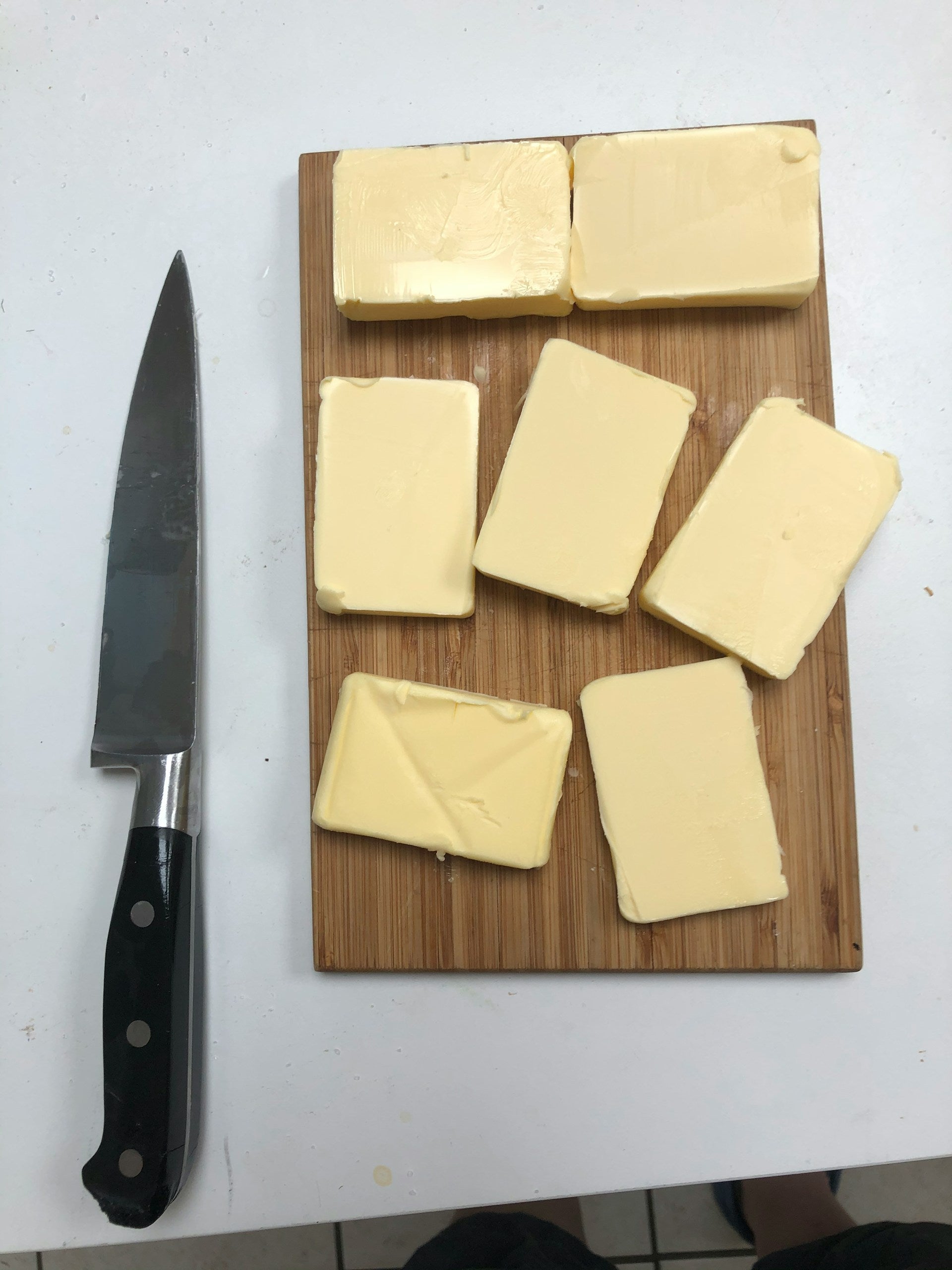
- Divide into Portions: If you don't plan to use the entire block at once, consider cutting the butter into smaller portions before freezing. This makes it easier to thaw only what you need.
By following these methods, you can ensure that your butter remains of high quality while stored in the freezer. For more information on the shelf life of other frozen foods, check out our article on how long does bone broth last in freezer?.
Understanding the importance of freezing butter and the correct storage methods will help you maintain its freshness and quality, making it a great addition to your kitchen essentials. For tips on how to store other dairy products, read our article on how long does cheese last in the freezer?.
Shelf Life of Frozen Butter
Understanding the shelf life of frozen butter is essential for maintaining its quality and ensuring it remains safe to consume. This section will provide general guidelines and discuss the factors that can affect how long butter lasts in the freezer.
General Guidelines
Butter can be stored in the freezer for an extended period while maintaining its quality. Generally, both salted and unsalted butter can last up to 6-9 months when properly stored. However, the actual shelf life can vary based on several factors, which will be discussed in the next section. Here is a quick reference table for the shelf life of frozen butter:
| Type of Butter | Shelf Life in Freezer |
|---|---|
| Unsalted Butter | 6-9 months |
| Salted Butter | 6-9 months |
For more details on specific types of butter, you can refer to our article on how long does butter keep in the freezer.
Factors Affecting Butter Shelf Life
Several factors can influence how long butter lasts in the freezer. Here are some key considerations:
Packaging: Proper packaging is crucial for preserving the quality of butter in the freezer. Butter should be wrapped tightly in its original packaging or in an airtight container to prevent exposure to air and moisture, which can lead to freezer burn and spoilage.
Temperature Consistency: Maintaining a consistent freezing temperature is important for extending the shelf life of butter. Fluctuations in temperature can cause the butter to deteriorate more quickly. Ensure your freezer is set to a consistent temperature of 0°F (-18°C) or lower.
Type of Butter: The type of butter can also affect its shelf life. Salted butter generally has a longer shelf life than unsalted butter due to the preservative nature of salt. However, both types can last up to 9 months if stored correctly.
Storage Conditions: The overall condition of your freezer can impact the shelf life of butter. A well-maintained and clean freezer will help preserve the quality of the butter for a longer period.
By following these guidelines, you can ensure that your frozen butter remains fresh and safe to use. For more information on other frozen foods, check out our article on how long does bone broth last in freezer.
How Long Does Butter Last in the Freezer?
When it comes to storing butter in the freezer, both unsalted and salted varieties have different shelf lives. Understanding the longevity of each type can help you make informed decisions about freezing butter.
Unsalted Butter
Unsalted butter generally has a shorter shelf life in the freezer compared to salted butter. This is because the absence of salt makes it more susceptible to spoilage. On average, unsalted butter can last up to six months in the freezer. Proper storage is crucial to maintain its freshness and prevent freezer burn.
| Unsalted Butter | Freezer Shelf Life |
|---|---|
| Unsalted Butter | Up to 6 months |
To maximize the shelf life of unsalted butter, ensure it is tightly wrapped in its original packaging or transferred to an airtight container. This minimizes exposure to air and prevents the absorption of other odors from the freezer.
Salted Butter
Salted butter has a longer shelf life in the freezer due to the preservative qualities of salt. On average, salted butter can last up to nine months when stored in the freezer. The salt acts as a natural preservative, helping to extend its longevity.
| Salted Butter | Freezer Shelf Life |
|---|---|
| Salted Butter | Up to 9 months |
Just like unsalted butter, it's important to store salted butter properly. Keep it in its original packaging or place it in an airtight container to maintain its quality and prevent contamination.
Whether you are freezing unsalted or salted butter, it's essential to label the packaging with the date of freezing. This helps you keep track of its shelf life and ensures you use the butter within the recommended time frame.
For more information on how to maintain the quality of your frozen butter, check out our article on how long does butter keep in the freezer?. If you're interested in exploring the shelf life of other frozen foods, you might find our guides on how long does bone broth last in freezer? and how long does cheese last in the freezer? helpful.
Maintaining Quality
Preserving the quality of butter when stored in the freezer is essential for ensuring its taste and usability. Knowing how to identify signs of spoilage and following best practices can help you maintain butter's freshness.
Signs of Spoiled Butter
Recognizing spoiled butter is key to preventing unpleasant surprises. Here are the common signs of spoiled butter:
- Rancid Smell: Fresh butter has a mild, pleasant aroma. If it smells sour or off, it is likely spoiled.
- Discoloration: Butter should maintain its creamy, yellow color. A change to a darker or uneven color indicates spoilage.
- Texture Changes: Fresh butter is smooth and spreadable. Spoiled butter may become hard, grainy, or develop mold.
- Taste: Spoiled butter will have an unpleasant taste, often sour or bitter.
Tips for Preserving Butter Quality
To ensure your butter remains fresh and tasty, follow these tips for preserving its quality:
- Proper Wrapping: Store butter in its original packaging or wrap it tightly in aluminum foil or plastic wrap to prevent exposure to air and odors.
- Airtight Containers: Place wrapped butter in an airtight container to further protect it from air and moisture.
- Labeling: Label the container with the date of freezing to keep track of its storage time.
- Consistent Temperature: Maintain a consistent freezer temperature of 0°F (-18°C) or lower. Fluctuating temperatures can lead to spoilage.
- Avoid Light Exposure: Keep butter away from light, as it can cause oxidation and spoilage.
By following these guidelines, you can maximize the shelf life of your butter in the freezer. For more information on how long various foods last in the freezer, check out our articles on how long does bone broth last in freezer? and how long does bread stay good in freezer?.
Thawing Frozen Butter
Safe Thawing Methods
Thawing frozen butter correctly is crucial to maintaining its quality and texture. Here are some safe methods to thaw your butter:
- Refrigerator Thawing: Place the frozen butter in the refrigerator. This method takes several hours to a day, but it ensures the butter thaws evenly and remains safe to consume.
- Countertop Thawing: For quicker thawing, you can leave the butter on the countertop for a few hours. However, this method is best used when you need the butter immediately.
- Microwave Thawing: Use the defrost setting on your microwave for short intervals, checking frequently to avoid melting the butter.
| Thawing Method | Time Required |
|---|---|
| Refrigerator | 6-8 hours |
| Countertop | 1-2 hours |
| Microwave | 1-2 minutes (short intervals) |
For more information on thawing other frozen items, check out our article on how long does chicken last in the fridge?.
Using Frozen Butter in Recipes
Using frozen butter directly in recipes can be practical for certain cooking and baking needs. Here are some tips:
- Baking: Cold butter is often required for making pastries and pie crusts. You can grate frozen butter directly into your flour mixture to achieve the desired flaky texture.
- Cooking: If you need to melt butter for cooking, you can place the frozen butter directly in the pan on low heat.
- Spreading: For spreading on bread or toast, thaw the butter in the refrigerator or on the countertop until it reaches a spreadable consistency.
For more tips on using frozen ingredients, see our article on how long does cheese last in the freezer?.
By following these methods, you can ensure your butter retains its quality and is safe to use in your favorite recipes.
Other Considerations
Refreezing Butter
Refreezing butter is generally not recommended. Once butter has been thawed, it can lose some of its quality and texture. The repeated freezing and thawing process can cause changes in the butter's consistency, making it grainy or crumbly. This can affect the overall taste and usability in recipes.
If you must refreeze butter, ensure it has been thawed in the refrigerator and not at room temperature. Butter that has been left out for extended periods can spoil more quickly, increasing the risk of foodborne illnesses. Always store butter in an airtight container to maintain its freshness.
Alternative Storage Options
While freezing is a popular method to extend the shelf life of butter, there are other storage options to consider:
Refrigeration: Butter can last in the refrigerator for several weeks. Ensure it is stored in its original packaging or an airtight container to prevent it from absorbing other odors.
Butter Bell Crock: This method involves storing butter at room temperature in a butter crock. The crock keeps the butter fresh by creating an airtight seal with water. This is a good option for those who prefer soft, spreadable butter.
Vacuum Sealing: Vacuum sealing butter can extend its shelf life by reducing exposure to air and moisture. This method is useful for long-term storage in the freezer.
| Storage Method | Shelf Life |
|---|---|
| Freezer | 6-9 months |
| Refrigerator | 1-3 months |
| Butter Bell Crock | Up to 1 week |
| Vacuum Sealing | 6-9 months (frozen) |
For more information on storing other foods, check out our articles on how long does boudin last in the freezer? and how long does cheese last in the freezer?.
Understanding these storage options and their respective shelf lives can help you make informed decisions about how to store butter and maintain its quality. For more tips on freezing and thawing butter, visit our article on how long does butter keep in the freezer?.
Get Your Upgrade or New Addition at Fridge.com
Whether you're searching for your perfect fridge, freezer, wine fridge, beer fridge, ice maker, or kegerator, we have what you need.
Shop the world's best brands at Fridge.com.
We also have tons of awesome articles about kitchen stuff and home news. Enhance your home, garage, backyard, patio, and office with the coolest essentials. With every necessary type of residential refrigerator or freezer in our collection, we've got you covered.
Elevate your game and shop now at Fridge.com!