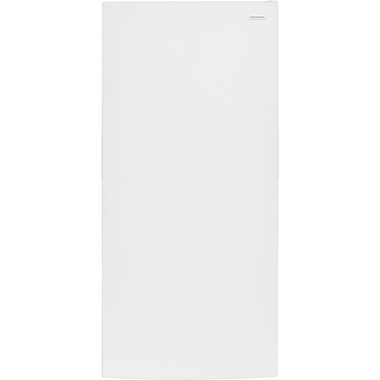
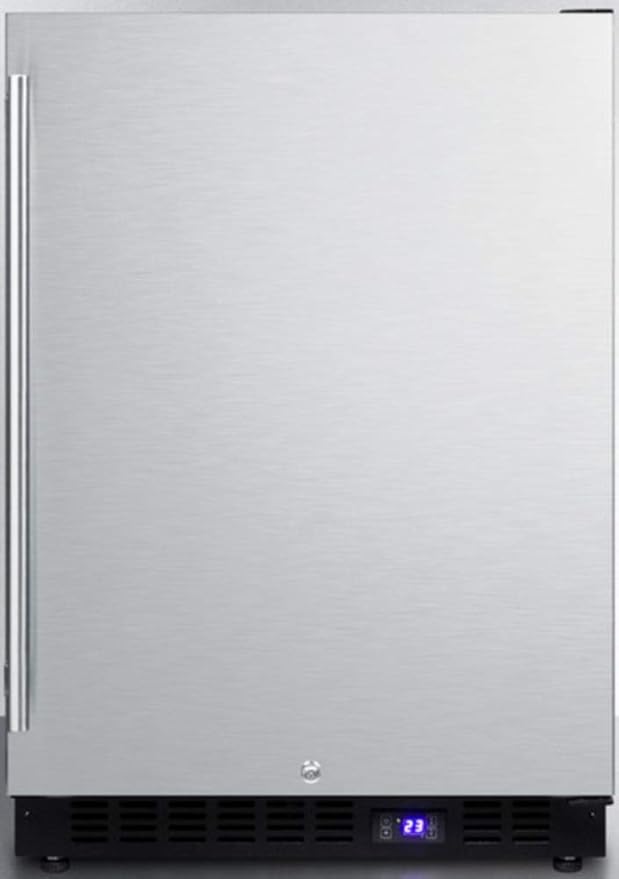
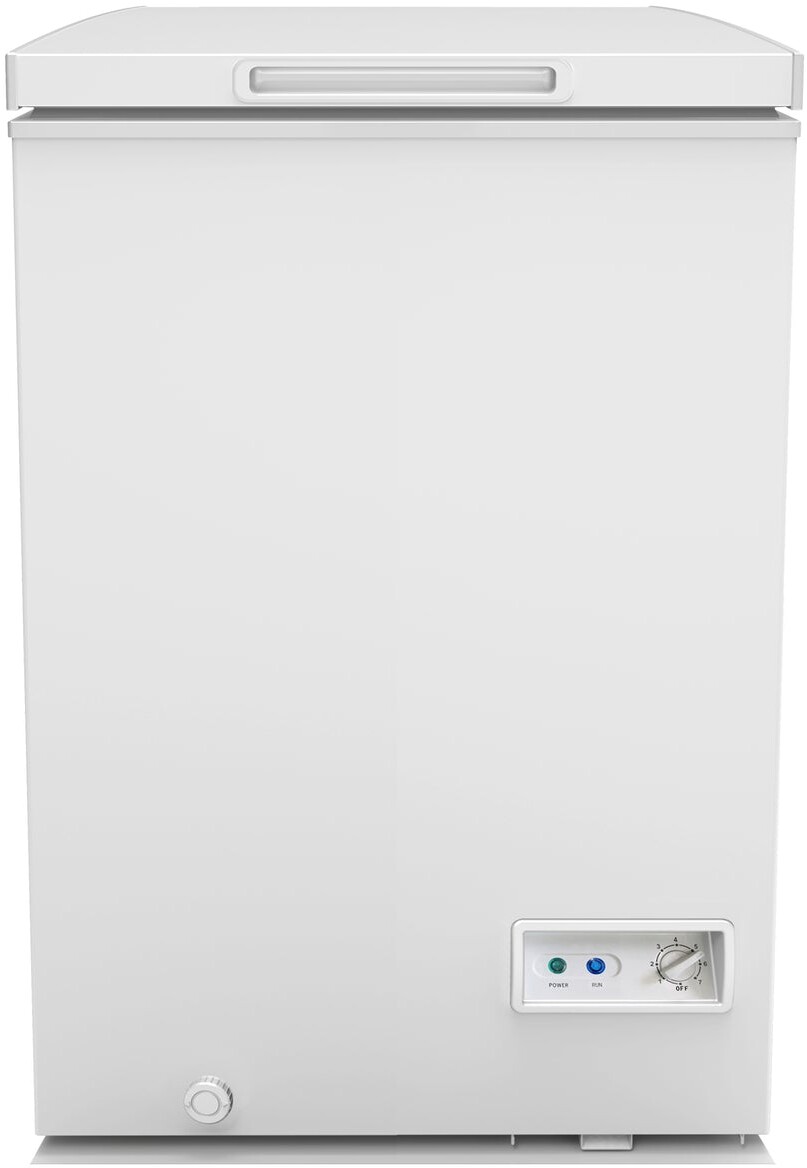
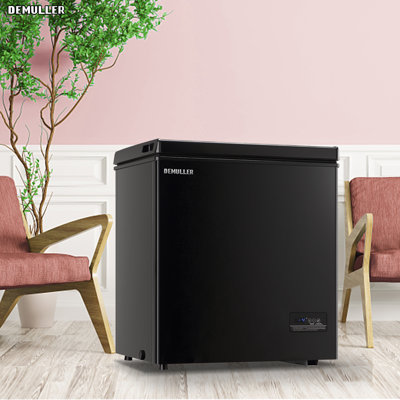
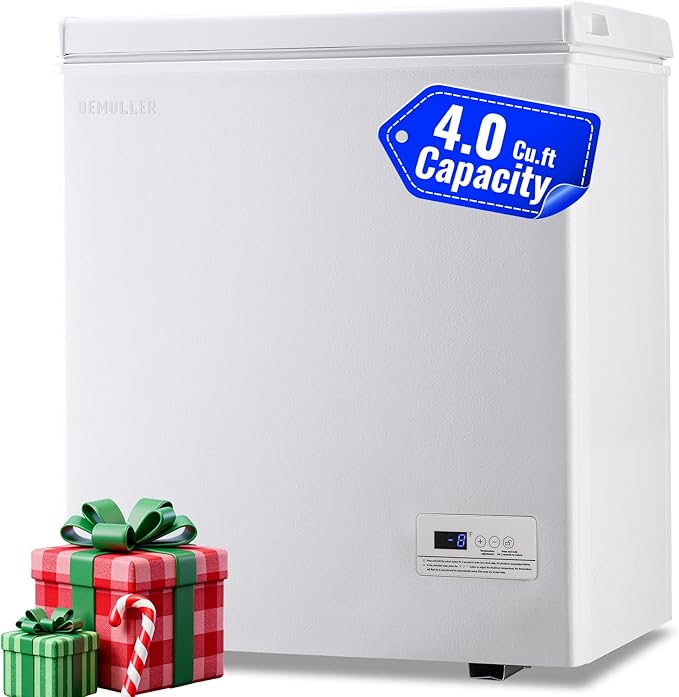
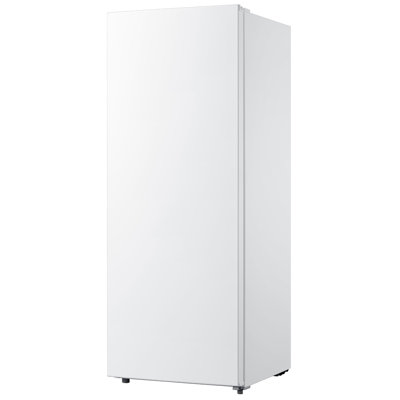
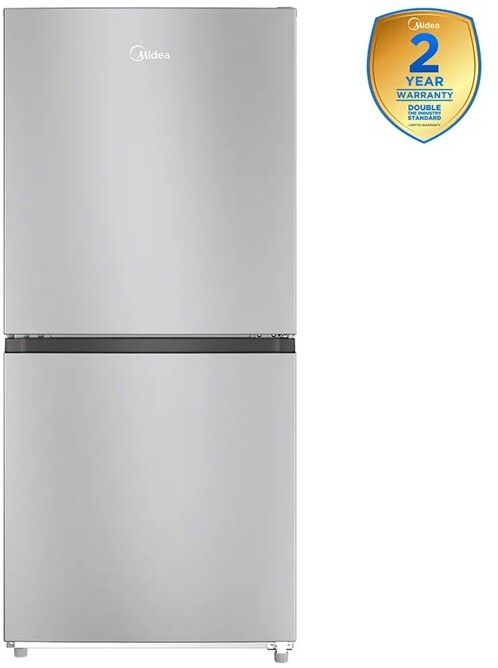
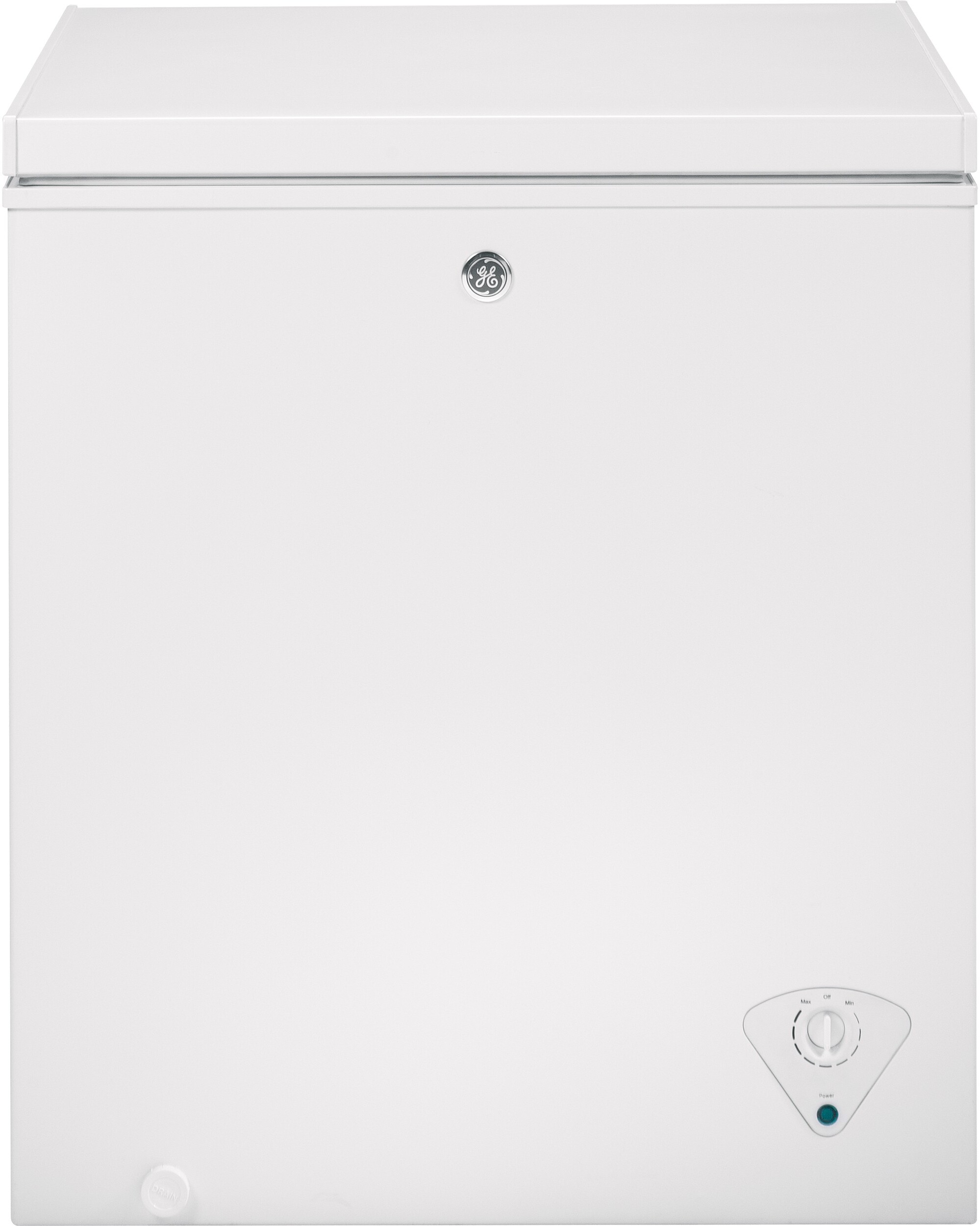
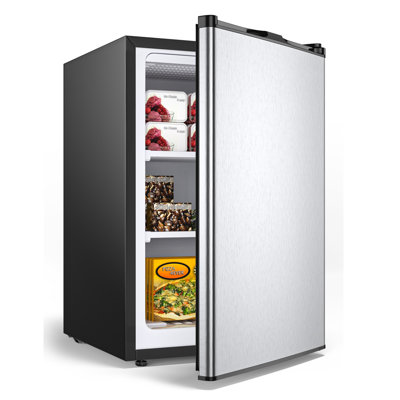
Temperature Control: Most reach-in freezers come with precise temperature control settings, ensuring your items are kept at the ideal freezing temperature.
They typically range between 10 to 20 cubic feet in capacity, providing ample storage for daily needs.
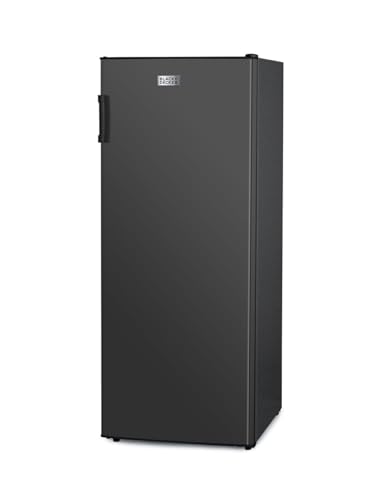
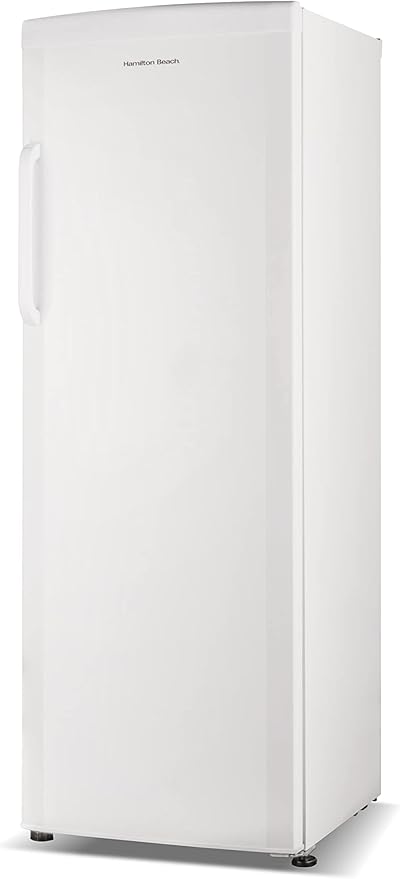
Column Refrigerator Freezer: Typically taller and narrower, making them ideal for kitchens with limited width but ample height.
This design allows for precise temperature control and efficient use of space, making it ideal for those who want a tailored refrigeration system.
Choosing the right refrigeration system is crucial for maintaining the freshness and quality of your food. Whether you're a homeowner, chef, or a foodie, understanding the differences between a column refrigerator freezer and a reach-in freezer can help you make an informed decision.
Importance of Choosing the Right Refrigeration System
Selecting the appropriate refrigeration system ensures you can store your food efficiently and conveniently. The right system can help you maximize space, manage energy consumption, and maintain the quality of your stored items. A well-chosen refrigeration system can also enhance the aesthetics of your kitchen or storage area, fitting seamlessly into your environment.
Key Differences: Column Refrigerator Freezer Vs. Reach-In Freezer
When comparing a column refrigerator freezer to a reach-in freezer, several key differences arise. Each system has unique features and benefits that cater to different needs and preferences.
Feature
Column Refrigerator Freezer
Reach-In Freezer
Design
Tall, narrow units; separate fridge and freezer columns
Single, upright unit; integrated fridge and freezer
Capacity
Customizable; can mix and match fridge and freezer columns
Fixed capacity; optimal for large quantities
Installation
Requires more space; often built-in
Freestanding; can fit in smaller spaces
Temperature Control
Precise; independent controls for fridge and freezer columns
Unified control; may lack precision
Cost
Higher initial investment
Typically lower initial cost
A column refrigerator freezer offers the flexibility to customize your storage setup with separate fridge and freezer columns. This design allows for precise temperature control and efficient use of space, making it ideal for those who want a tailored refrigeration system.
On the other hand, a reach-in freezer provides a more traditional, all-in-one solution. These units are typically freestanding, making them easier to install in various environments. They offer ample storage capacity, making them suitable for those who need to store large quantities of food.
For more information on other refrigeration options, explore Fridge.com articles on drawer fridge freezer Vs. refrigerator cooler and standard fridge size Vs. upright freezer.
Column Refrigerator Freezer Overview
When considering the best refrigeration options, understanding the features and design of column refrigerator freezers is essential. This section provides a comprehensive overview of their characteristics, advantages, and disadvantages.
Features and Design
Column refrigerator freezers are designed to offer flexibility and customization in both residential and commercial settings. These units are distinct in their vertical, narrow build, often designed to be integrated seamlessly into cabinetry.
Key Features:
Separate Compartments: Columns typically feature separate refrigeration and freezer compartments, allowing for precise temperature control.
Customizable Interiors: Adjustable shelves, bins, and drawers provide tailored storage solutions.
Sleek Aesthetic: Their design often complements modern kitchen layouts, providing a built-in, seamless look.
Advanced Cooling Technology: Many column units come with advanced cooling technologies for optimal food preservation.
Feature
Description
Compartments
Separate refrigeration and freezer
Interior
Adjustable shelves, bins, drawers
Aesthetic
Built-in, seamless look
Cooling Technology
Advanced for optimal preservation
Pros and Cons of Column Refrigerator Freezers
Understanding the advantages and disadvantages of column refrigerator freezers can help you make an informed decision.
Pros:
Customizability: Allows for tailored storage solutions to fit your specific needs.
Aesthetic Appeal: Enhances the kitchen's visual appeal with a seamless, integrated look.
Temperature Control: Offers precise control over temperature for both the refrigerator and freezer compartments.
Space Efficiency: Ideal for optimizing space in kitchens with specific design requirements.
Cons:
Cost: Generally higher initial investment compared to other types of refrigeration units.
Installation Complexity: May require professional installation due to their built-in design.
Limited Width: Narrower design may limit storage capacity compared to wider reach-in freezers.
For more detailed comparisons on refrigeration systems, visit Fridge.com articles on counter depth refrigerator Vs. portable freezer and refrigerator freezer combo Vs. small upright freezer.
By weighing these pros and cons, you can better determine if a column refrigerator freezer meets your specific needs and preferences.
Reach-In Freezer Overview
Features and Design
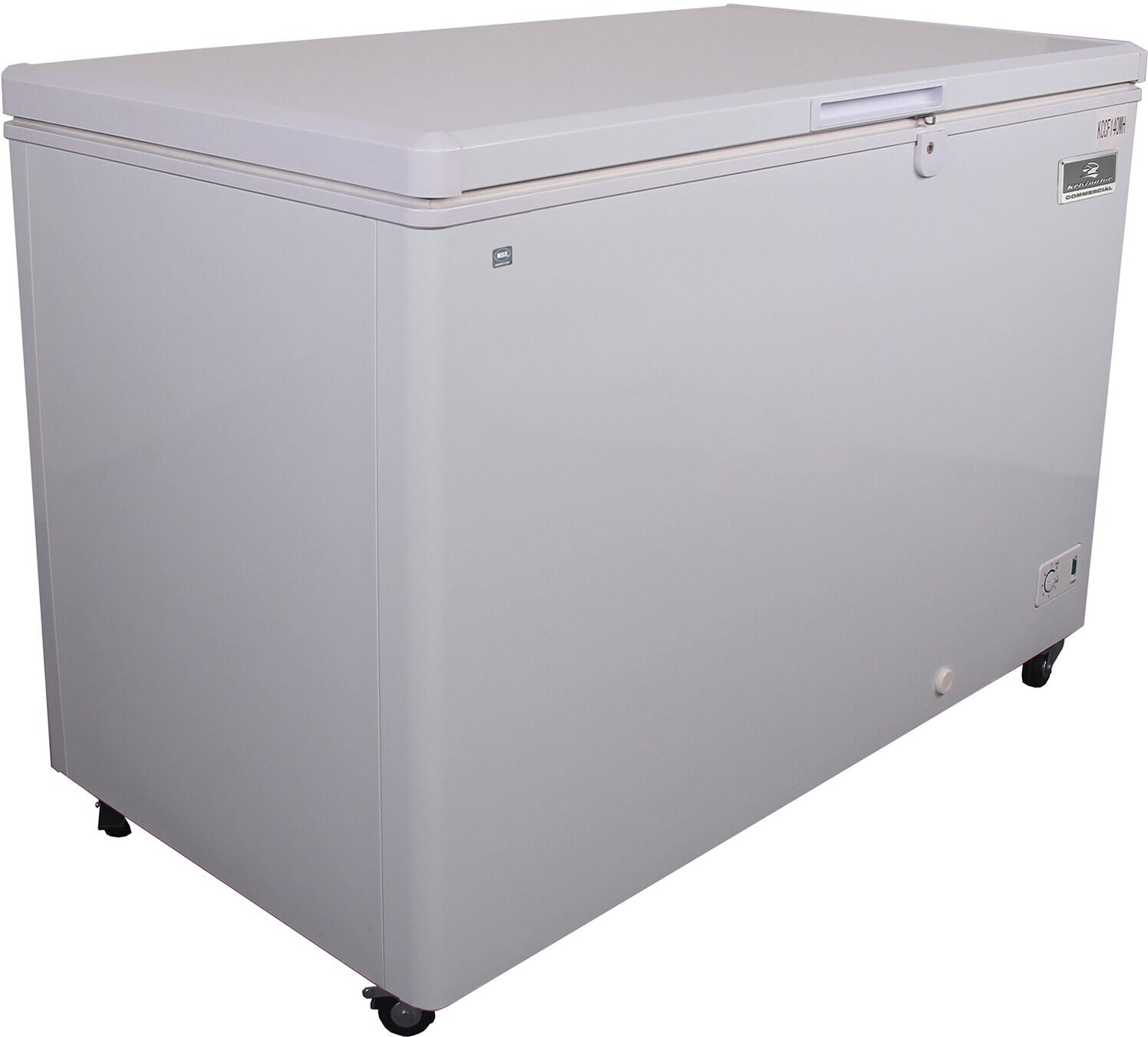
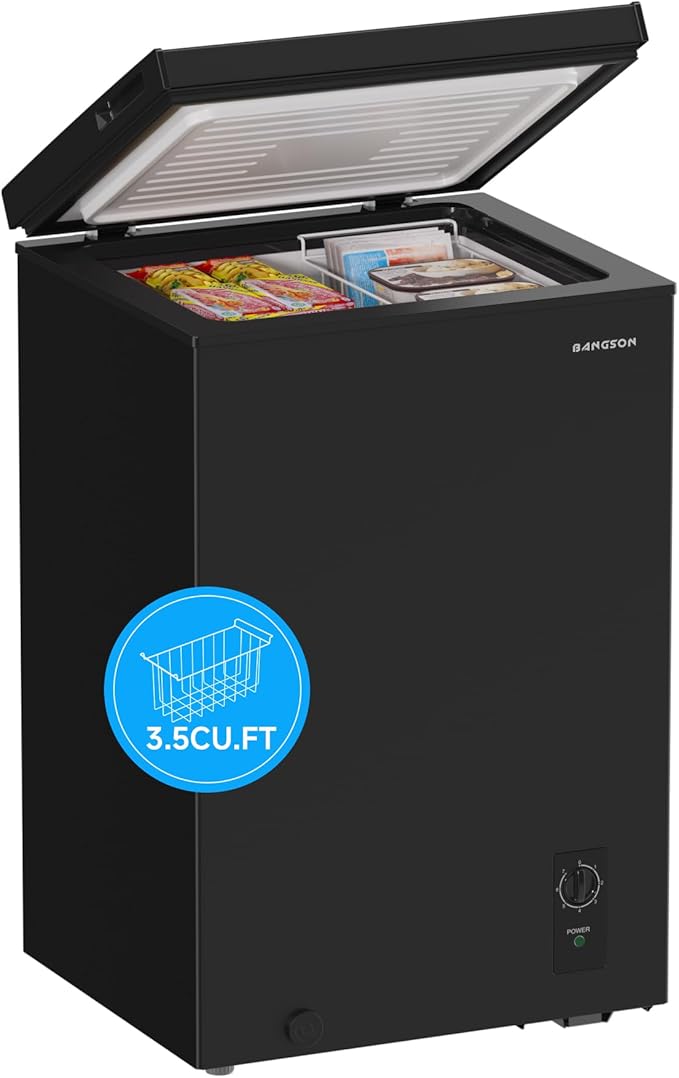
Reach-in freezers are a popular choice for many homeowners and businesses due to their accessibility and versatility. These freezers are designed with one or more doors that open to reveal a large storage area, making it easy to organize and access your frozen goods. Here are some key features:
Capacity: Reach-in freezers come in various sizes, offering ample storage space for your frozen items. They typically range from single-door to triple-door models.
Shelving: Adjustable shelves allow for flexible storage options, enabling you to customize the interior space according to your needs.
Temperature Control: Most reach-in freezers come with precise temperature control settings, ensuring your items are kept at the ideal freezing temperature.
Lighting: Interior lighting makes it easier to locate items, especially in larger models.
Defrost System: Many reach-in freezers feature automatic defrost systems to prevent ice build-up, reducing maintenance efforts.
Pros and Cons of Reach-In Freezers
Understanding the advantages and disadvantages of reach-in freezers can help you decide if this type of freezer meets your needs.
Pros
Accessibility: The design of reach-in freezers makes it easy to access and organize your items. The shelves and door compartments provide convenient storage solutions.
Variety of Sizes: Available in different sizes, reach-in freezers can fit various spaces, from small kitchens to large commercial areas.
Temperature Consistency: Reach-in freezers maintain a consistent temperature, ensuring your frozen goods remain at the optimal freezing point.
Ease of Maintenance: Many models come with auto-defrost features, reducing the need for manual defrosting and minimizing maintenance.
Cons
Space Requirements: Reach-in freezers require adequate floor space for installation and door clearance. They may not be suitable for smaller living spaces.
Energy Consumption: Due to their size and features, reach-in freezers can consume more energy compared to smaller freezer types. It’s essential to consider energy efficiency when choosing a model.
Initial Cost: The initial investment for a reach-in freezer can be higher compared to other freezer types. However, the benefits and storage capacity may justify the expense.
When comparing column refrigerator freezer Vs. reach-in freezer, it's important to weigh these pros and cons. For more insights into different refrigeration options, you might also be interested in Fridge.com articles on standard fridge size Vs. upright freezer and chest refrigerator Vs. wine cellar.
Choosing between a column refrigerator freezer and a reach-in freezer often boils down to capacity and storage flexibility. Understanding these differences can help you make an informed decision based on your specific needs.
Capacity Comparison: Column Vs. Reach-In Freezers
When it comes to capacity, both column refrigerator freezers and reach-in freezers offer varying storage volumes. However, there are distinct differences in their overall capacities and how they are utilized.
Feature
Column Refrigerator Freezer
Reach-In Freezer
Average Capacity (cubic feet)
10 - 20
15 - 30
Suitable for
Smaller households, limited space
Larger families, commercial use
Cooling Zones
Separate refrigerator and freezer zones
Single large freezer compartment
Column refrigerator freezers generally have a more compact design, making them suitable for smaller spaces like apartments or condos. They typically range between 10 to 20 cubic feet in capacity, providing ample storage for daily needs.
Reach-in freezers, on the other hand, are designed for larger storage needs and can range from 15 to 30 cubic feet. These are more suitable for large families or commercial settings where bulk storage is essential.
Storage Flexibility and Organization
Storage flexibility and organization are key factors when comparing a column refrigerator freezer with a reach-in freezer. Each type has its unique approach to organizing food items.
Column Refrigerator Freezers:
Adjustable Shelves: Many column models come with adjustable shelves, allowing you to customize space based on your storage needs.
Drawers and Compartments: These often include separate drawers for fruits, vegetables, and meats, enabling better organization and accessibility.
Separate Cooling Zones: The distinct refrigerator and freezer sections help in maintaining optimal temperatures for different types of food.
Reach-In Freezers:
Wire Shelves: Reach-in freezers typically feature wire shelves that can be adjusted or removed to accommodate larger items.
Door Storage: Many models include door storage options for smaller items or frequently used ingredients.
Bulk Storage: Due to their larger capacity, reach-in freezers are ideal for bulk storage, making them suitable for commercial use or large families.
To explore more about different freezer options, check out Fridge.com comparison on standard fridge size Vs. upright freezer and how they can fit into your storage needs.
Choosing between a column refrigerator freezer and a reach-in freezer depends on your storage requirements, available space, and organization preferences. By understanding the capacity and storage flexibility of each type, you can make a decision that best suits your lifestyle. For more insights on refrigeration options, read Fridge.com articles on counter depth refrigerator Vs. portable freezer and drawer fridge freezer Vs. refrigerator cooler.
Installation Considerations
When deciding between a column refrigerator freezer and a reach-in freezer, it's important to consider the installation requirements. This section will help you understand the space and installation needs for each type.
Space Requirements
Column refrigerator freezers and reach-in freezers have different space requirements. It's essential to measure your available space accurately to ensure the appliance fits comfortably.
Feature
Column Refrigerator Freezer
Reach-In Freezer
Width (inches)
24-36
28-48
Depth (inches)
24-30
24-30
Height (inches)
84
79-84
Clearance (inches)
1-2 (sides)
1-2 (sides)
Column Refrigerator Freezer: Typically taller and narrower, making them ideal for kitchens with limited width but ample height.
Reach-In Freezer: Generally wider, requiring more horizontal space. They are suitable for larger kitchens or commercial settings.
For more information on different refrigeration options, refer to Fridge.com article on standard fridge size Vs. upright freezer.
Installation Process and Cost
The installation process and cost can vary significantly between column refrigerator freezers and reach-in freezers. It's important to factor in these considerations when making your decision.
Aspect
Column Refrigerator Freezer
Reach-In Freezer
Installation Complexity
Moderate to High
Low to Moderate
Professional Installation
Often Required
Optional
Average Installation Cost
$500-$1000
$200-$500
Column Refrigerator Freezer: Installation can be more complex, often requiring professional help. These units may need custom cabinetry and precise measurements for a seamless fit.
Reach-In Freezer: Easier to install and may not require professional assistance. These units can be placed in a designated space with minimal modifications.
For further details on refrigeration installations, you can explore Fridge.com comparison on counter depth refrigerator Vs. portable freezer.
By understanding the space requirements and installation process for each type of freezer, you can make an informed decision that best suits your needs and space constraints. For more insights on refrigeration options, visit Fridge.com articles on portable freezer Vs. refrigerator cooler and chest refrigerator Vs. wine cellar.
Energy Efficiency
When deciding between a column refrigerator freezer and a reach-in freezer, energy efficiency is a crucial factor. Understanding energy consumption and environmental impact can help you make an informed decision.
Energy Consumption Comparison
Energy consumption varies significantly between column refrigerator freezers and reach-in freezers. Column refrigerator freezers tend to consume more energy due to their dual functionality, while reach-in freezers are often more energy-efficient.
Type
Average Energy Consumption (kWh/year)
Column Refrigerator Freezer
600 - 800
Reach-In Freezer
400 - 600
Column refrigerator freezers typically require more power to maintain separate temperature zones for refrigeration and freezing. Reach-in freezers, on the other hand, focus solely on freezing, which can lead to lower energy use. For more detailed comparisons, check out Fridge.com guides on standard fridge size Vs. upright freezer and refrigerator freezer combo Vs. small upright freezer.
Environmental Impact
Energy efficiency directly affects the environmental footprint of your refrigeration system. Column refrigerator freezers, with their higher energy demands, can contribute more to greenhouse gas emissions compared to reach-in freezers.
Type
CO2 Emissions (kg/year)
Column Refrigerator Freezer
500 - 700
Reach-In Freezer
300 - 500
Choosing an energy-efficient model can reduce your environmental impact. Additionally, consider models with eco-friendly features or certifications to further minimize your carbon footprint. For alternative refrigeration options, visit Fridge.com articles on counter depth refrigerator Vs. portable freezer and portable freezer Vs. refrigerator cooler.
By understanding both energy consumption and environmental impact, you can make a more eco-conscious choice between a column refrigerator freezer and a reach-in freezer.
When considering the best refrigeration system for your needs, it's crucial to understand the maintenance requirements and durability of both column refrigerator freezers and reach-in freezers. These aspects can significantly impact the longevity and performance of your appliance.
Maintenance Requirements
Proper maintenance is key to ensuring the longevity and efficiency of any refrigeration system. Here’s a comparison of the maintenance requirements for column refrigerator freezers and reach-in freezers:
Maintenance Task
Column Refrigerator Freezer
Reach-In Freezer
Cleaning
Regular cleaning of shelves and compartments. Air filters need periodic cleaning.
Regular cleaning of shelves and compartments. Gasket and condenser maintenance.
Defrosting
Often equipped with auto-defrost feature.
Manual or auto-defrost, depending on the model.
Inspection
Regular inspection of door seals and gaskets.
Regular inspection of door seals and gaskets.
Temperature Monitoring
Digital controls make monitoring easy.
Digital or dial controls, depending on the model.
Both types require regular cleaning and inspection to maintain optimal performance. Column refrigerator freezers often come with advanced features like auto-defrost and digital temperature controls, making maintenance somewhat easier. Reach-in freezers may require more frequent attention to gaskets and condensers.
Longevity and Durability
The durability of your refrigeration system is influenced by several factors, including build quality, usage, and maintenance. Here’s a look at the longevity and durability aspects of column refrigerator freezers versus reach-in freezers:
Factor
Column Refrigerator Freezer
Reach-In Freezer
Build Quality
Typically built with high-quality materials.
Varies from commercial-grade to home-use models.
Usage
Suitable for both residential and commercial use.
Primarily used in commercial settings but also suitable for residential use.
Maintenance Impact
Regular maintenance prolongs lifespan.
Regular maintenance is crucial for longevity.
Average Lifespan
10-15 years.
10-20 years, depending on usage and maintenance.
Column refrigerator freezers are generally built with high-quality materials, making them durable and suitable for both residential and commercial use. Reach-in freezers, especially those designed for commercial use, are built to withstand heavy usage and can last longer with proper maintenance.
Understanding the maintenance requirements and durability of these refrigeration systems can help you make an informed decision. Whether you opt for a column refrigerator freezer or a reach-in freezer, regular upkeep is essential for long-lasting performance. For more comparisons, check out Fridge.com article on standard fridge size Vs. upright freezer.
Cost Analysis
Evaluating the financial implications of choosing between a column refrigerator freezer and a reach-in freezer is crucial. This section delves into the initial investment and the operating costs over time for both options.
Initial Investment
The initial investment for column refrigerator freezers and reach-in freezers can vary based on several factors, including size, features, and brand. Typically, column refrigerator freezers tend to have a higher upfront cost compared to reach-in freezers due to their advanced features and design.
Feature
Column Refrigerator Freezer
Reach-In Freezer
Average Initial Cost
$3,000 - $7,000
$1,000 - $3,500
Advanced Features
High
Medium
Customization Options
Extensive
Limited
Column refrigerator freezers often come with more advanced features, such as customizable configurations and high-end aesthetics, which contribute to their higher price point. Reach-in freezers, on the other hand, are generally more affordable but may lack the same level of customization and advanced features.
Operating Costs Over Time
When considering the long-term costs, it's important to factor in energy consumption, maintenance, and potential repairs. Operating costs can have a significant impact on your budget over the lifespan of the appliance.
Cost Factor
Column Refrigerator Freezer
Reach-In Freezer
Average Annual Energy Cost
$100 - $150
$80 - $120
Maintenance Frequency
Moderate
Low
Typical Lifespan (Years)
10 - 15
8 - 12
Column refrigerator freezers tend to have higher energy consumption due to their larger size and advanced features. However, they also offer better organization and storage flexibility, which can lead to less food waste. Reach-in freezers are generally more energy-efficient but may require more frequent defrosting and organization.
For more details on energy efficiency comparisons, take a look at Fridge.com article on energy consumption comparison.
In terms of maintenance, column refrigerator freezers may require more frequent servicing due to their complex components, whereas reach-in freezers typically have simpler designs and lower maintenance needs. However, both types of freezers are built to last, with column refrigerator freezers often having a slightly longer lifespan.
Considering all these factors will help you make an informed decision based on your budget and long-term needs. For further comparison, you might find Fridge.com articles on standard fridge size Vs. upright freezer and freestanding drawer freezer Vs. large refrigerator helpful.
Compare prices on Fridge.com
Compare current prices and specifications on Fridge.com, then buy from the retailer you choose; delivery, installation and warranty terms are the retailer’s.
It also has tons of awesome articles about kitchen stuff and home news. Enhance your home, garage, backyard, patio, and office with the coolest essentials. With every necessary type of residential refrigerator or freezer in the collection, you're covered.
Free tool
Food Storage Calculator
Free interactive tool from Fridge.com — get a quick answer while you read.