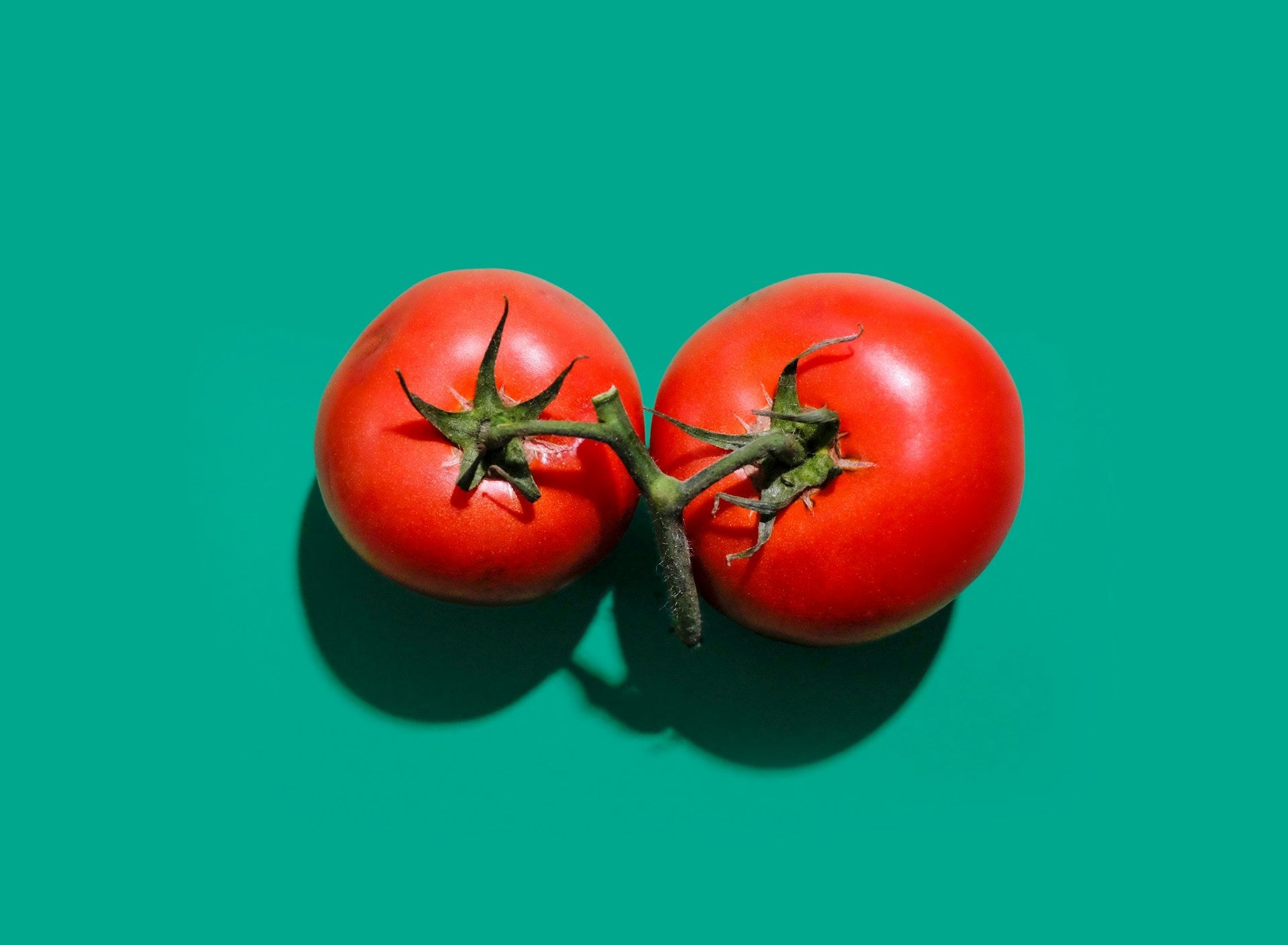
Storing Tomatoes in the Fridge
Storing your tomatoes in the fridge can be a matter of contention for some, as it may impact their taste and texture. However, refrigeration can also significantly extend their shelf life when done properly.
Importance of Proper Tomato Storage
Proper storage of tomatoes is crucial to maintain their freshness, flavor, and nutritional value. When you store tomatoes correctly, you not only prolong their usability but also ensure that they remain safe to eat. Improper storage can lead to premature spoilage, which can be wasteful and costly.
Factors Affecting Tomato Shelf Life
Several factors can influence how long your tomatoes will last in the fridge:
| Factor | Description |
|---|---|
| Ripeness | Riper tomatoes will have a shorter fridge life than those that are slightly underripe. |
| Temperature | Tomatoes should be stored in a part of the fridge with consistent, cool temperatures. |
| Humidity | Excessive humidity can promote mold growth, while not enough can dry them out. |
| Air Circulation | Good air circulation helps to prevent moisture accumulation that can lead to spoilage. |
| Ethylene Exposure | Tomatoes produce ethylene gas, which can accelerate ripening and spoilage. They should be stored away from ethylene-sensitive produce. |
To understand how these factors apply to other produce, you might be interested in reading about how long do carrots last in the fridge? or how long does fresh tuna last in the fridge?.
By considering these factors, you can make informed decisions about whether to refrigerate your tomatoes and how to do so effectively. Remember, the key is to find a balance that works for the specific types of tomatoes you have and how soon you plan to use them.
How Long Do Tomatoes Last in the Fridge?
Proper storage of tomatoes can significantly impact their shelf life and taste. If you're wondering 'how long do tomatoes last in the fridge?', the answer varies depending on whether they are whole or have been sliced.
Whole Tomatoes
Whole tomatoes can last longer in the fridge than their cut counterparts, but refrigeration can affect their flavor and texture. Ideally, whole tomatoes should be kept at room temperature to preserve their taste. However, if you must refrigerate them, they can last in the fridge for about 1 to 2 weeks. Remember, once refrigerated, keep them in the fridge until you're ready to use them.
| Storage Location | Expected Shelf Life |
|---|---|
| Counter (ripe) | 1 - 3 days |
| Fridge | 1 - 2 weeks |
For more information on the best practices for storing tomatoes to maintain their freshness, you might find our articles on how long do soursops last in the fridge? and how long do gooseberries last in the fridge? useful.
Sliced or Cut Tomatoes
Once tomatoes are sliced or cut, their shelf life decreases due to increased exposure to air and moisture, which can lead to faster spoilage. In the fridge, sliced tomatoes should be stored in an airtight container to prevent them from absorbing odors and to slow the growth of bacteria. Typically, sliced tomatoes can last in the fridge for about 3 to 5 days.
| Storage Location | Expected Shelf Life |
|---|---|
| Fridge (airtight container) | 3 - 5 days |
If you're interested in learning about the longevity of other foods in the fridge, similar to sliced tomatoes, have a look at our article on how long does tuna salad last in the refrigerator?.
Understanding the proper storage methods and shelf life for both whole and sliced tomatoes ensures that you can enjoy their freshness for as long as possible. For those times when you have more tomatoes than you can use while they're fresh, consider exploring options like cooking with overripe tomatoes or freezing them for later use.
Signs of Spoiled Tomatoes
Recognizing when tomatoes have gone bad is crucial to prevent consuming spoiled produce, which can be harmful to your health. Here are some tell-tale signs that indicate your tomatoes are no longer suitable for eating.
Mold Growth
Mold is a common sign of spoilage in tomatoes. It can appear as fuzzy spots in different colors like white, green, or black. Mold may grow on any part of the tomato, including the stem, skin, or even inside if the tomato has been cut or damaged. If you notice even a small amount of mold, it is best to discard the tomato to avoid the risk of ingesting harmful bacteria or toxins.
Changes in Texture and Color
Tomatoes that are starting to spoil will often undergo noticeable changes in texture and color:
-
Texture: A fresh tomato is firm yet slightly yielding to gentle pressure. Spoiled tomatoes can become excessively soft, mushy, or even leak liquid. If the tomato feels slimy or sticky when you touch it, it's a sign that it has gone bad.
-
Color: Tomatoes that are starting to spoil may develop discolored spots that could be darker or lighter than the rest of the fruit. A healthy tomato will have a consistent color throughout.
If you're unsure about the freshness of your tomatoes or other produce, you can reference our articles on the shelf life of various fridge items, such as how long does salsa last in the fridge? or how long do carrots last in the fridge?.
By being vigilant and checking for these signs, you can ensure that the tomatoes you consume are fresh and safe. Remember, when in doubt, it's better to err on the side of caution and dispose of any tomatoes that show even minor indications of spoilage.
Storing Tomatoes for Extended Freshness
To maximize the lifespan of tomatoes in your refrigerator, it's essential to follow best practices for storage. Proper storage not only extends the shelf life of tomatoes but also maintains their flavor and nutritional value.
Best Practices for Storing Tomatoes
When storing tomatoes, the goal is to maintain an environment that slows down ripening without causing damage or hastening spoilage. Here are some best practices to consider:
- Temperature: Store tomatoes in the crisper drawer of your refrigerator, where the temperature is slightly warmer than the rest of the appliance.
- Humidity: Use the humidity control feature of the crisper drawer, setting it to a medium level, to prevent tomatoes from becoming too dry or too moist.
- Ventilation: Ensure that tomatoes are not packed too tightly together, as proper air circulation is crucial to prevent mold growth and ethylene gas buildup.
- Separation: Keep tomatoes away from other ethylene-producing fruits and vegetables, like bananas and avocados, as ethylene can accelerate ripening.
Tips for Prolonging Tomato Shelf Life
Extending the shelf life of your tomatoes goes beyond mere storage; it also involves handling and preparation techniques. Here are some tips:
- Inspect Regularly: Check your tomatoes frequently for signs of spoilage, and remove any that are starting to go bad to prevent them from affecting others.
- Wash Before Use: Avoid washing tomatoes before storing them, as excess moisture can encourage mold growth. Instead, wash them just before use.
- Use Ripe Tomatoes First: Prioritize using the ripest tomatoes to prevent them from overripening and spoiling.
- Avoid Cutting: Store tomatoes whole, as cut tomatoes have a significantly shorter shelf life and should be used within a few days.
By following these guidelines, you can help ensure your tomatoes stay fresh for as long as possible. For more insights on preserving other perishables, explore our articles on how long do carrots last in the fridge? and how long does salsa last in the fridge?.
Reviving Tomatoes
If you find your tomatoes have become less firm than you'd prefer, don't toss them out just yet. There are methods to revive soft tomatoes and extend their usefulness.
Reviving Soft Tomatoes
Tomatoes that have gone soft are not necessarily spoiled. These tomatoes can often be salvaged for cooking purposes. One way to revive them is by immersing them in ice water for a few minutes. This can sometimes firm them up enough to be sliced and used in cooked dishes.
For a more detailed guide on reviving soft vegetables, you might find useful tips in our article on how long do carrots last in the fridge?
Preserving Excess Tomatoes
If you have more tomatoes than you can use while they're fresh, consider preserving them. Canning is a popular method for preserving tomatoes. You can either can whole tomatoes or turn them into sauces, salsas, or pastes that will last for months when stored properly.
Another preservation method is drying. Dehydrated tomatoes can be kept in a cool, dry place and can be rehydrated later for use in cooking.
Lastly, consider freezing your tomatoes. While they may not retain the firm texture suitable for salads, frozen tomatoes work wonderfully in cooked dishes. Simply cut the tomatoes into your desired size, place them on a baking sheet to freeze individually, and then transfer them to a freezer-safe bag or container. This method is particularly useful for recipes like stews, soups, and sauces.
For more information on shelf life and preservation methods for various foods, check out articles like how long does salsa last in the fridge? and how long does bolognese last in the fridge?.
By employing these techniques, you can reduce waste and make the most of your tomato purchases. Whether reviving soft tomatoes for immediate use or preserving excess tomatoes for future recipes, these methods can help ensure that you enjoy your tomatoes in various forms for as long as possible.
Using Tomatoes Beyond Freshness
When you notice your tomatoes are past their prime, it doesn't necessarily mean they're destined for the compost bin. There are ways to utilize overripe tomatoes or preserve them for future use.
Cooking with Overripe Tomatoes
Overripe tomatoes may not have the firmness and aesthetic appeal for a fresh salad, but they are perfect for cooking. Their enhanced sweetness and softer texture make them ideal for sauces, soups, and stews. Here's how you can transform overripe tomatoes into culinary delights:
- Tomato Sauce: Simmer down the tomatoes with herbs like basil or oregano to create a rich, homemade tomato sauce.
- Soup: Blend your tomatoes into a creamy tomato soup that's both comforting and nutritious.
- Salsa: Overripe tomatoes can be used for a rustic salsa, bringing a depth of flavor to the dish.
When cooking with overripe tomatoes, it's important to remove any moldy spots or areas that have begun to rot. For a variety of ways to incorporate overripe tomatoes into your meals, see our article on how long does salsa last in the fridge? for inspiration.
Freezing Tomatoes for Later Use
Freezing is an excellent way to preserve tomatoes that are about to go bad. Here's a simple guide to help you freeze your tomatoes effectively:
- Cleaning: Wash the tomatoes thoroughly.
- Preparation: Cut out the stems and any blemished areas. You can freeze them whole, sliced, or diced.
- Blanching (Optional): Blanching tomatoes before freezing can help preserve their texture and flavor.
- Bagging: Place your tomatoes in freezer bags or containers, leaving some space for expansion.
- Freezing: Label your containers with the date and place them in the freezer.
By freezing your tomatoes, you can extend their shelf life for several months. This method is particularly useful for large harvests or when you've purchased too many tomatoes to use before they spoil. For more details on the shelf life of different foods in the refrigerator, check out our comprehensive list of articles, such as how long does hummus last in the fridge? and how long do carrots last in the fridge?.
Utilizing tomatoes beyond their freshest point not only reduces food waste but also provides you with a versatile ingredient for your cooking needs. Whether you choose to cook with them or freeze them for later, you can ensure that no tomato goes to waste.
Get Your Upgrade or New Addition at Fridge.com
Whether you're searching for your perfect fridge, freezer, wine fridge, beer fridge, ice maker, or kegerator, we have what you need.
Shop the world's best brands at Fridge.com.
We also have tons of awesome articles about kitchen stuff and home news. Enhance your home, garage, backyard, patio, and office with the coolest essentials. With every necessary type of residential refrigerator or freezer in our collection, we've got you covered.
Elevate your game and shop now at Fridge.com!