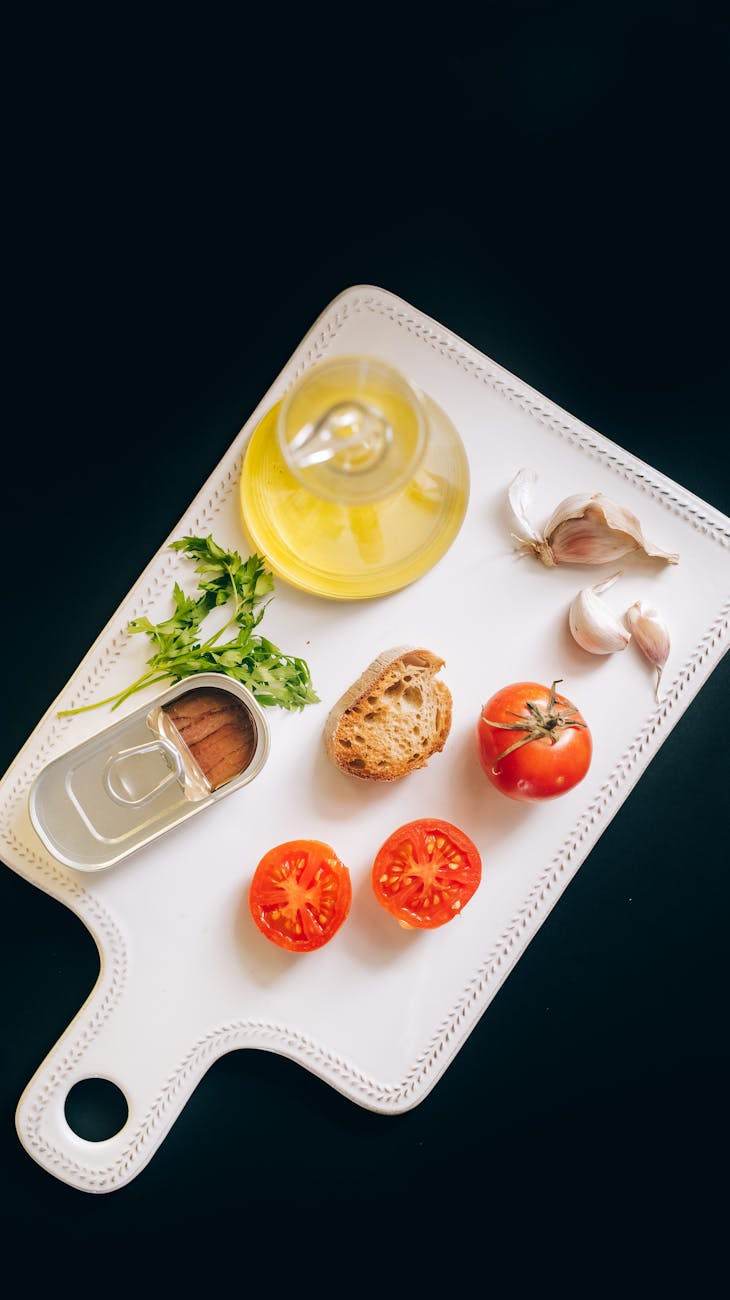
How Long Can Tomatoes Last In The Fridge?
Storing Tomatoes in the Fridge
Understanding how to store tomatoes in the fridge can help extend their freshness and usability. Proper storage techniques are essential to ensure that your tomatoes remain flavorful and nutritious.
The Shelf Life of Tomatoes
The shelf life of tomatoes can vary based on their ripeness and how they are stored. Generally, tomatoes can last anywhere from a few days to over a week when kept in the fridge. Here's a general guideline on how long different types of tomatoes can last in the refrigerator:
| Tomato Type | Shelf Life in the Fridge (Days) |
|---|---|
| Whole Tomatoes | 7 - 10 |
| Sliced or Cut Tomatoes | 2 - 3 |
| Cherry Tomatoes | 5 - 7 |
These timeframes can vary, so it's essential to check your tomatoes regularly for any signs of spoilage.
Factors Affecting Tomato Freshness
Several factors can impact the freshness of your tomatoes while they are stored in the fridge. Understanding these factors can help you make the best decisions to keep your tomatoes fresh for as long as possible:
- Ripeness: The ripeness of tomatoes at the time of purchase plays a significant role in their shelf life. Ripe tomatoes will not last as long as those that are still slightly firm.
- Temperature: The ideal temperature for storing tomatoes in the fridge is between 45°F and 50°F. Too cold or too warm, and the tomatoes may spoil more quickly.
- Humidity: Tomatoes prefer a humid environment. Storing them in the crisper drawer of your fridge can help maintain the necessary humidity levels.
- Storage Method: How you store your tomatoes also matters. Whole tomatoes should be kept in a breathable container or loosely wrapped to allow for air circulation. Sliced or cut tomatoes should be stored in an airtight container to prevent moisture loss and contamination.
- Handling: Gentle handling of tomatoes can prevent bruising and damage, which can lead to quicker spoilage.
By paying attention to these factors, you can maximize the freshness of your tomatoes and enjoy them for a longer period. For more tips on how to prolong the freshness of various foods, check out our article on how long can raw steak sit in the fridge?.
Refrigerating Tomatoes
Should You Refrigerate Tomatoes?
The decision to refrigerate tomatoes is often debated. While refrigeration can extend the shelf life of tomatoes, it can also impact their flavor and texture. Generally, if you plan to consume tomatoes within a few days, storing them at room temperature is preferable. However, if you need to keep them longer, refrigeration can be a practical solution.
Tomatoes stored in the fridge can last longer than those kept at room temperature. For more detailed information on the shelf life of various foods in the fridge, you can refer to our articles on how long can salmon be in the fridge for? and how long can raw steak sit in the fridge?.
Impact of Refrigeration on Tomatoes
Refrigeration can have both positive and negative effects on tomatoes. While it helps to prolong their freshness, it can also alter their taste and texture.
Positive Effects:
- Extended Shelf Life: Refrigeration slows down the ripening process, allowing tomatoes to last longer.
- Reduced Spoilage: Lower temperatures inhibit the growth of mold and bacteria.
Negative Effects:
- Flavor Loss: Cold temperatures can mute the natural flavors of tomatoes, making them taste less vibrant.
- Texture Changes: Refrigerated tomatoes can become mealy and lose their firm texture.
| Storage Method | Shelf Life (Days) | Impact on Flavor | Impact on Texture |
|---|---|---|---|
| Room Temperature | 3-5 | Best | Firm |
| Refrigerated | 7-10 | Diminished | Mealy |
To mitigate the negative effects of refrigeration, consider taking tomatoes out of the fridge an hour before use to allow them to reach room temperature. This can help in partially restoring their flavor.
For additional tips on prolonging the freshness of refrigerated items, you may find our article on how long can sriracha last in the fridge? helpful.
How Long Can Tomatoes Last in the Fridge?
Storing tomatoes in the fridge can extend their shelf life, but the duration varies based on their form. Here is a closer look at how long whole tomatoes, sliced tomatoes, and cherry tomatoes can last in the fridge.
Whole Tomatoes
Whole tomatoes can generally last longer in the fridge compared to sliced or cut tomatoes. When stored properly, whole tomatoes can retain their freshness for about one to two weeks.
| Tomato Type | Shelf Life in Fridge |
|---|---|
| Whole Tomatoes | 1 - 2 weeks |
Sliced or Cut Tomatoes
Sliced or cut tomatoes have a shorter shelf life due to increased exposure to air and potential contaminants. These should be consumed within one to three days for the best quality and safety.
| Tomato Type | Shelf Life in Fridge |
|---|---|
| Sliced or Cut Tomatoes | 1 - 3 days |
Cherry Tomatoes
Cherry tomatoes, being smaller in size, can last a bit longer than sliced tomatoes but typically not as long as whole tomatoes. When stored correctly, cherry tomatoes can stay fresh for up to one week.
| Tomato Type | Shelf Life in Fridge |
|---|---|
| Cherry Tomatoes | Up to 1 week |
By understanding how long each type of tomato can last in the fridge, you can better manage your storage and reduce waste. For more tips on proper storage techniques and extending the shelf life of your tomatoes, see our section on extending tomato shelf life.
Signs of Spoilage
Identifying spoiled tomatoes is essential to ensure food safety and avoid consuming potentially harmful produce. Here’s how you can tell if your tomatoes have gone bad.
How to Identify Spoiled Tomatoes
Spoiled tomatoes exhibit various signs that indicate they are no longer safe to eat. When checking your tomatoes for spoilage, consider the following:
- Texture: A fresh tomato should feel firm to the touch. If your tomato feels excessively soft, mushy, or has developed wrinkles, it is likely spoiled.
- Smell: Fresh tomatoes have a distinct, pleasant aroma. If your tomato emits a sour or off-putting odor, it is probably spoiled.
- Appearance: Look for any signs of mold or dark spots on the surface of the tomato. Mold typically appears as white, green, or black fuzzy patches. Dark, sunken spots may indicate rot.
Common Spoilage Indicators
To make it easier, here’s a table summarizing the common indicators of tomato spoilage:
| Spoilage Indicator | Description |
|---|---|
| Texture | Soft, mushy, wrinkled |
| Smell | Sour, unpleasant odor |
| Appearance | Mold (white, green, black), dark spots |
By recognizing these signs, you can ensure your tomatoes are fresh and safe to consume. For more information on storing other foods, check our articles on how long can raw steak sit in the fridge? and how long can raw tuna stay in the fridge?.
Extending Tomato Shelf Life
Proper storage and care can significantly extend the shelf life of your tomatoes. Here are some tips and techniques to help you keep your tomatoes fresh for longer periods.
Tips for Prolonging Tomato Freshness
- Select Firm Tomatoes: Choose firm and unblemished tomatoes. Avoid tomatoes with soft spots or wrinkles.
- Avoid Moisture: Keep tomatoes dry. Moisture can accelerate spoilage.
- Store at Room Temperature: If your tomatoes are not fully ripe, store them at room temperature until they ripen.
- Use Breathable Containers: Store tomatoes in breathable containers to allow air circulation.
- Refrigerate Ripe Tomatoes: Once fully ripe, place them in the fridge to slow down the ripening process.
Proper Storage Techniques
Proper storage techniques can help maintain the freshness of your tomatoes. Here are the best practices for storing different types of tomatoes in the fridge.
Whole Tomatoes
Whole tomatoes should be stored in the fridge to extend their shelf life once they are fully ripe. Place them in the crisper drawer to maintain the right humidity levels.
| Tomato Type | Storage Method | Shelf Life |
|---|---|---|
| Whole Tomatoes | Crisper Drawer | 5-7 Days |
Sliced or Cut Tomatoes
Sliced or cut tomatoes should be stored in an airtight container to prevent moisture loss and contamination.
| Tomato Type | Storage Method | Shelf Life |
|---|---|---|
| Sliced or Cut Tomatoes | Airtight Container | 2-3 Days |
Cherry Tomatoes
Cherry tomatoes can be stored in the fridge in a breathable container or a plastic bag with holes to allow air circulation.
| Tomato Type | Storage Method | Shelf Life |
|---|---|---|
| Cherry Tomatoes | Breathable Container | 4-5 Days |
By following these tips and techniques, you can extend the shelf life of your tomatoes and reduce waste. For more information on storing other foods, check out our articles on how long can raw steak sit in the fridge? and how long can salsa be open in the fridge?.
Utilizing Refrigerated Tomatoes
Tomatoes stored in the fridge can still be a versatile ingredient in your cooking. Here are some ways to make the most out of your refrigerated tomatoes.
Cooking with Refrigerated Tomatoes
Refrigerated tomatoes are great for a variety of dishes. They may lose some of their texture and flavor when chilled, but they can still be used effectively in cooked dishes where texture is less critical.
- Sauces: Use your refrigerated tomatoes in homemade pasta sauces, pizza sauces, or stews. The cooking process will bring out their flavor, making them perfect for these dishes.
- Soups: Tomatoes from the fridge can be a key ingredient in tomato soup or gazpacho.
- Casseroles: Incorporate them into casseroles, where they'll blend well with other ingredients.
- Roasting: Roasting refrigerated tomatoes can bring out their natural sweetness. Use them in roasted vegetable medleys or as a side dish.
- Salsas: While fresh tomatoes are ideal for salsa, refrigerated ones can still be used in cooked salsas.
Recipes for Using Refrigerated Tomatoes
Here are a few simple recipes to try with your refrigerated tomatoes:
-
Tomato Basil Soup
- Ingredients:
- 4 cups refrigerated tomatoes
- 1 onion, diced
- 2 cloves garlic, minced
- 4 cups vegetable broth
- 1 cup fresh basil leaves
- Salt and pepper to taste
- Instructions:
- Sauté the onion and garlic in a large pot until translucent.
- Add the refrigerated tomatoes and cook for 5 minutes.
- Pour in the vegetable broth and bring to a boil. Then reduce heat and simmer for 20 minutes.
- Add basil leaves, salt, and pepper. Use an immersion blender to puree the soup.
- Serve hot.
- Ingredients:
-
Homemade Marinara Sauce
- Ingredients:
- 5 cups refrigerated tomatoes, chopped
- 1 onion, finely chopped
- 3 cloves garlic, minced
- 1/4 cup olive oil
- 1 tsp dried oregano
- 1 tsp dried basil
- Salt and pepper to taste
- Instructions:
- Heat the olive oil in a large skillet. Add the onion and garlic, cooking until softened.
- Add the chopped tomatoes, oregano, and basil. Simmer for 30 minutes, stirring occasionally.
- Season with salt and pepper.
- Use immediately or store in the fridge for up to a week.
- Ingredients:
-
Roasted Tomato Salsa
- Ingredients:
- 3 cups refrigerated cherry tomatoes
- 1 jalapeño, seeded and chopped
- 1 onion, quartered
- 2 cloves garlic
- 1/4 cup fresh cilantro
- Juice of 1 lime
- Salt to taste
- Instructions:
- Preheat your oven to 400°F.
- Arrange the tomatoes, jalapeño, onion, and garlic on a baking sheet. Roast for 20 minutes.
- Let the vegetables cool slightly, then transfer to a food processor.
- Add cilantro, lime juice, and salt. Pulse until you reach your desired consistency.
- Serve with chips or as a topping for tacos.
- Ingredients:
Using refrigerated tomatoes effectively in your kitchen is a great way to minimize food waste and make the most of their shelf life. For more tips on food storage, visit our article on how long can tomato paste stay in the fridge?.
Get Your Upgrade or New Addition at Fridge.com
Whether you're searching for your perfect fridge, freezer, wine fridge, beer fridge, ice maker, or kegerator, we have what you need.
Shop the world's best brands at Fridge.com.
We also have tons of awesome articles about kitchen stuff and home news. Enhance your home, garage, backyard, patio, and office with the coolest essentials. With every necessary type of residential refrigerator or freezer in our collection, we've got you covered.
Elevate your game and shop now at Fridge.com!