Sriracha lasts six to nine months in the refrigerator after opening, with its best flavor in the first six months, and an unopened bottle stays good for one to two years past the printed date when kept cold. The chili sauce's vinegar, salt, and sugar act as natural preservatives, which is why sriracha does not need refrigeration to stay safe — but chilling it at 35°F to 40°F protects its vibrant red color, garlicky heat, and pourable consistency far longer than pantry storage. Below is exactly how long sriracha keeps in every storage scenario, whether it truly needs the fridge, how to tell when it has gone bad, and what to do with a bottle that is past its date.
How Long Does Sriracha Last in the Fridge?
Sriracha's shelf life depends on two things: whether the bottle has been opened and where you keep it. Vinegar and preservatives give it one of the longest lifespans of any refrigerated condiment.
Unopened Sriracha Bottle
An unopened bottle of Sriracha can last quite a long time due to the preservatives in its ingredients. Stored in the fridge, an unopened bottle can maintain its quality well beyond the printed expiration date.
| Storage Location | Expected Shelf Life |
|---|---|
| Pantry | Up to the expiration date |
| Refrigerator | 1-2 years past expiration date |
While the pantry is an acceptable place to store your unopened Sriracha, keeping it in the fridge can extend its shelf life and preserve its flavors for a longer period. For more information on shelf life and storage tips, you might want to read about how long does sweet chili sauce last in the fridge?
Opened Sriracha Bottle
Once opened, the clock starts ticking on the freshness of your Sriracha sauce. However, due to its acidic nature, it remains safe to consume for quite some time if stored properly in the fridge — plan on six to nine months, with the fullest flavor and brightest color in the first six.
| Storage Location | Expected Shelf Life |
|---|---|
| Refrigerator | 6-9 months after opening |
To ensure that your opened Sriracha bottle retains its optimal flavor and quality, keep it refrigerated and tightly sealed when not in use. If you're curious about the longevity of other condiments, explore articles like how long does curry sauce last in the fridge?
Sriracha Shelf Life at a Glance
Here is every storage method side by side, using the most conservative figures:
| Storage Method | Shelf Life |
|---|---|
| Pantry, unopened | Up to the printed expiration date |
| Refrigerator, unopened | 1-2 years past the printed date |
| Room temperature, opened | About 6 months |
| Refrigerator, opened | 6-9 months (best flavor in the first 6) |
| Freezer, airtight container | Up to 1 year |
| Home-canned, sealed jars | 2-5 years |
Does Sriracha Need to Be Refrigerated?
No — sriracha does not have to be refrigerated to remain safe, because its vinegar content inhibits bacterial growth even at room temperature. Refrigeration is still the better choice for an opened bottle: the cold slows oxidation, which would otherwise dull the sauce's red color and alter its taste, and it keeps the solids and liquids from separating into an inconsistent texture. Refrigerated sriracha also carries a lower risk of mold and bacterial growth than a bottle left on the counter.
| Storage Method | Estimated Shelf Life | Flavor and Texture Retention |
|---|---|---|
| Shelf | 6 - 12 months | Moderate |
| Fridge | 1 - 2 years | High |
When to Keep Sriracha at Room Temperature
Room-temperature storage is practical if you use sriracha frequently and will finish the bottle within a few months. If you go this route:
- Screw the cap on tightly after every use — an airtight seal prevents contamination and preserves flavor.
- Store the bottle in a cool, dark place, away from direct sunlight and heat sources like the stove.
- Watch for changes in color, texture, or smell; if any appear, discard the sauce rather than risk it.
Storing Sriracha in Different Climates
Your local climate should influence the decision:
| Climate Type | Recommendation | Reason |
|---|---|---|
| Hot and humid | Refrigerate | Heat and moisture accelerate spoilage; the cold slows bacterial growth and mold formation |
| Cold and dry | Refrigeration optional | Low ambient temperatures naturally inhibit bacterial growth; seal tightly so dry air doesn't thicken the sauce |
What Is Sriracha Sauce — and Why It Keeps So Long
Sriracha sauce is a hot chili sauce made from a paste of chili peppers, distilled vinegar, garlic, sugar, and salt. It is named after the coastal city of Si Racha, in the Chonburi Province of Eastern Thailand, where it was first created, and it is known for its potent garlic flavor and balanced acidity that complement its heat.
Several factors determine how long any given bottle lasts:
- Preservatives: The vinegar in sriracha inhibits bacteria growth and extends shelf life — this is the main reason the sauce keeps for months, not days.
- Storage conditions: Exposure to light, heat, or fluctuating temperatures degrades the sauce more quickly.
- Packaging: The container affects the sauce's exposure to air and contaminants; the original bottle with its cap tightly closed works best.
- Usage habits: Every time you open the bottle you can introduce bacteria, so clean handling directly affects lifespan.
For those looking to explore the shelf life of other condiments, Fridge.com articles on how long does sweet chili sauce last in the fridge? and how long does cocktail sauce last in the fridge? are valuable resources.
Storing Sriracha in the Fridge
Proper Storage Guidelines
To maximize the longevity of your sriracha sauce, adhere to the following storage guidelines:
- Keep the bottle sealed tightly when not in use to prevent the introduction of air, which can lead to oxidation and flavor degradation.
- Store the sriracha in the refrigerator, even though its preservatives would allow room-temperature storage — refrigeration slows the degradation process.
- Place the bottle upright to prevent leakage and to keep the sauce from prolonged contact with the cap, which could contribute to spoilage.
- Avoid the door of the fridge, where temperatures fluctuate most widely; a spot further back holds a more consistent temperature.
- If you transfer sriracha to another container, use one with an airtight seal — a loose-fitting lid lets in air and shortens the sauce's life.
For more tips on arranging condiments and everything else on your shelves, see Fridge.com guide on organizing my fridge.
Recommended Refrigeration Temperature
The ideal refrigerator temperature for storing sriracha and other condiments is between 35°F (1.7°C) and 40°F (4.4°C). This range is sufficient to inhibit bacterial growth and slow down the spoilage process without freezing the sauce.
| Condiment | Ideal Refrigeration Temperature (°F) |
|---|---|
| Sriracha Sauce | 35 - 40 |
| Sweet Chili Sauce | 35 - 40 |
| Cocktail Sauce | 35 - 40 |
It's important to regularly check your refrigerator's temperature, as fluctuations can occur. If you're unsure how long your fridge will take to reach the ideal temperature, especially if it's a new appliance, you may want to read Fridge.com article on how long does a new fridge take to get cold?
Avoiding Flavor Contamination
Strong odors from other foods in the fridge can seep into the sauce if the container is not sealed properly, altering sriracha's flavor profile. Store the bottle on a shelf away from pungent items:
| Food Item | Risk of Flavor Contamination |
|---|---|
| Onions | High |
| Garlic | High |
| Cheese | Medium |
| Vegetables | Low |
Also avoid dipping utensils directly into the bottle — pour the amount you need onto a plate or spoon instead. This keeps bacteria and food particles out of the sauce and protects both its safety and its flavor.
Does Sriracha Go Bad? Signs of Spoiled Sriracha
Yes — sriracha can go bad over time, even in the fridge. There are specific indicators to look for to determine if your bottle has spoiled.
Visual Changes
One of the first signs that sriracha sauce may no longer be good to use is a change in its appearance. You might notice:
- Color: Sriracha is known for its vibrant red hue. Any discoloration — a dull, brownish tinge, or a shift toward dark brown or black — is a sign of degradation.
- Consistency: A change in texture, such as thickening or separating of the sauce, can indicate spoilage. Some separation is normal after long storage, but extensive separation that doesn't resolve with shaking means it's time to discard the bottle.
- Mold: Visible mold growth is a clear indication that the sriracha should not be consumed. Mold can appear as fuzzy white or green spots, or spots of other colors.
Aroma and Taste Changes
Spoilage can also affect the smell and taste of sriracha:
- Smell: A fresh bottle of sriracha has a spicy and slightly garlicky aroma. An off, sour, rancid, or unusually strong smell signals that the sauce has gone bad.
- Taste: While it's not recommended to taste a sauce you suspect is spoiled, a significant change from the sauce's typical spicy, tangy flavor to something bitter, sour, or unpleasant is another telltale sign.
If you notice any of these signs, it's safest to err on the side of caution and dispose of the sriracha sauce. For comparisons to other products' shelf lives, you can explore articles like how long does coleslaw last in the fridge? or how long does sweet chili sauce last in the fridge?.
Extending Sriracha's Freshness
Tips for Prolonging Shelf Life
- Keep It Sealed: Always make sure the cap is tightly secured after each use to prevent exposure to air, which can lead to spoilage.
- Refrigerate After Opening: While sriracha is stable at room temperature thanks to its vinegar content, refrigeration is recommended to extend its shelf life. Check out Fridge.com guide on how long does sweet chili sauce last in the fridge? for comparison with similar condiments.
- Minimize Light Exposure: Store the bottle in a dark area of the refrigerator to protect it from light, which degrades the sauce over time.
- Avoid Contamination: Use clean utensils, and pour rather than dip, when taking sriracha from the bottle to prevent introducing bacteria.
- Handle Gently: Avoid shaking the bottle too vigorously, which can accelerate oxidation and alter the flavor.
For those interested in exploring the longevity of other condiments and ingredients, Fridge.com articles on how long does curry sauce last in the fridge? and how long does mayonnaise last in the fridge? offer further insights into proper storage practices.
Can You Freeze Sriracha?
Yes. Freezing sriracha extends its life beyond what the fridge can offer — a frozen batch keeps its flavor and spiciness for up to one year. To freeze sriracha:
- Pour the sriracha into an airtight container or freezer-safe bag.
- Remove as much air as possible to prevent freezer burn.
- Label the container with the date of freezing.
Canning Sriracha for Long-Term Storage
Canning is the longest-lasting storage option: sealed, water-bath-processed jars of sriracha keep for 2 to 5 years in a cool, dark place. The vacuum seal prevents bacterial growth. The steps:
- Sterilize your canning jars and lids.
- Pour the sriracha into the jars, leaving some headspace.
- Seal the jars tightly and process them in a water bath canner.
- Label the jars with the date.
How Long Is Sriracha Good For After the Expiration Date?
An unopened bottle kept in the refrigerator can maintain its quality for one to two years past the printed expiration date, because the date marks peak quality rather than a hard safety cutoff. Once a bottle is opened, judge it by its condition rather than the date alone: if the color is still vibrant red, the smell is spicy and garlicky, and there is no mold or off taste, it is generally still usable. If any spoilage sign is present, discard it regardless of the date.
Risks of Consuming Expired Sriracha
Using sriracha sauce beyond its expiration date might not always lead to foodborne illness, but it can compromise both safety and your culinary experience:
- Potential for Bacterial Growth: Over time, even refrigerated sauces can become a breeding ground for bacteria if not stored properly, and eating spoiled sriracha can lead to foodborne illness.
- Decreased Flavor Quality: The vibrant flavor of sriracha may diminish, leaving your dishes lacking the intended zest.
- Altered Texture: A watery or separated consistency signals the sauce is past its prime and affects its appearance and mouthfeel.
- Presence of Mold: If any mold is visible, the sauce must not be consumed, as it can cause adverse health effects.
Ways to Use Sriracha That's Past Its Prime
If your sriracha is past its printed date but shows no spoilage signs — no mold, no off smell, no dark discoloration — you can still put it to work rather than waste it:
- Marinades: Mix it with other ingredients into a spicy marinade for meats or vegetables.
- Cooking Sauces: Stir it into soups, stews, or stir-fries, where a slightly faded sauce still delivers heat.
- Spicy Dips: Combine it with yogurt or sour cream for a dip for chips or vegetables, or a sandwich spread.
- Fermented Foods: Fold it into homemade kimchi or sauerkraut for an extra kick.
Safe Practices for Discarding Expired Sriracha
When a bottle is genuinely done: seal the cap tightly to prevent spills and pests, place it in your regular garbage in line with any local food-disposal rules, and wipe down the fridge shelf where it sat to maintain hygiene. For more information on shelf life and refrigeration for similar items, explore Fridge.com articles on how long does coleslaw last in the fridge? or how long does curry sauce last in the fridge?.
FAQs About Sriracha Shelf Life
How long is sriracha good for after opening?
Six to nine months in the refrigerator, with the best flavor in the first six months. At room temperature, plan on about six months before quality drops noticeably.
Does sriracha expire?
Sriracha carries a printed expiration date, but it marks quality, not a safety deadline. An unopened, refrigerated bottle stays good one to two years past that date. Always confirm with a look and a sniff before using an old bottle.
Can you eat sriracha after the expiration date?
Generally yes, if it has been stored properly and shows no spoilage signs — the vinegar acts as a preservative. Discard it if you see mold, dark brown or black discoloration, extensive separation, or notice a sour or rancid smell.
Should sriracha be refrigerated?
It's not mandatory — sriracha is shelf-stable thanks to its vinegar content — but refrigeration is recommended after opening. The fridge roughly doubles usable life compared with the shelf and best preserves the sauce's color, heat, and consistency.
Can refrigeration affect sriracha's flavor?
Slightly. The cold may make the sauce a bit thicker, and the spiciness can mellow over time, though the core flavor profile remains intact. The trade-off strongly favors refrigeration, since it slows the oxidation that dulls flavor far more.
Does sriracha go bad in the fridge?
Eventually, yes. Even refrigerated, an opened bottle degrades after six to nine months. Watch for discoloration, separation that won't shake back together, mold, or an off smell — any one of these means it's time for a new bottle.
Can you freeze sriracha?
Yes. In an airtight container with the air pressed out, frozen sriracha keeps its flavor and heat for up to one year.
For more shelf-life answers, see Fridge.com guides on how long can yogurt stay in the fridge? and how long can salsa be open in the fridge?.
Get Your Upgrade or New Addition at Fridge.com
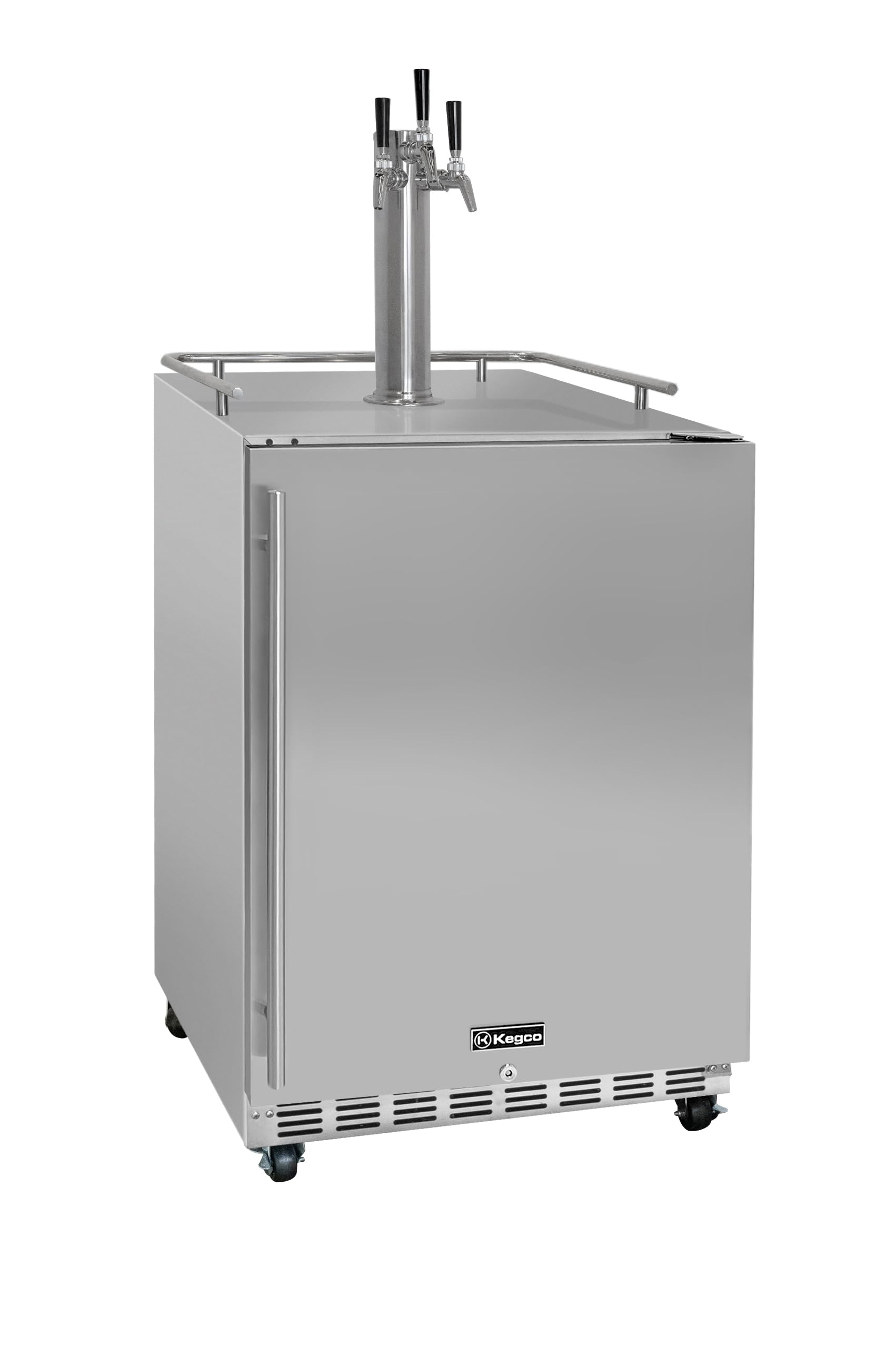
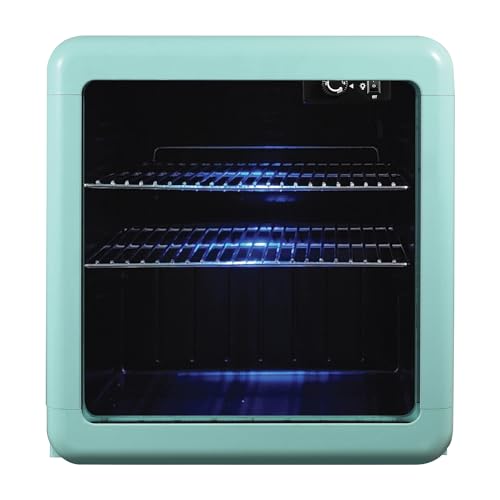
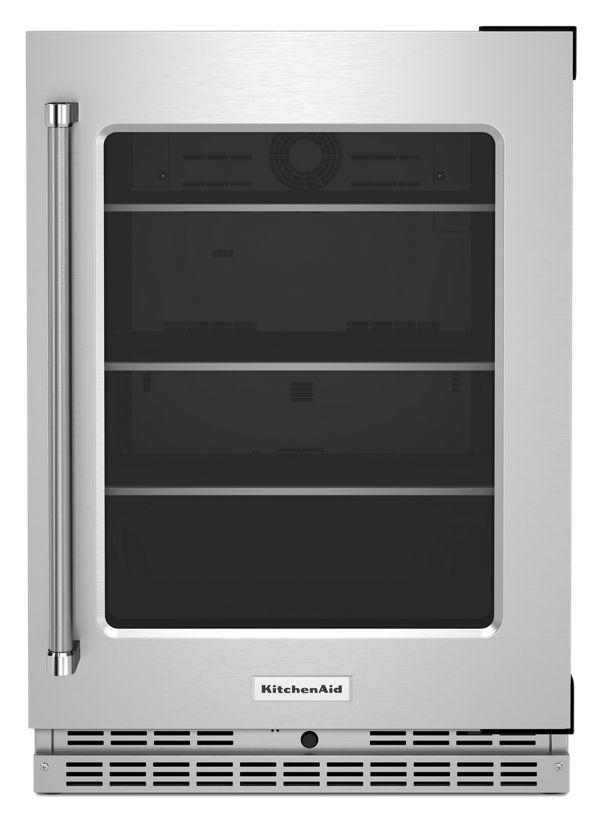
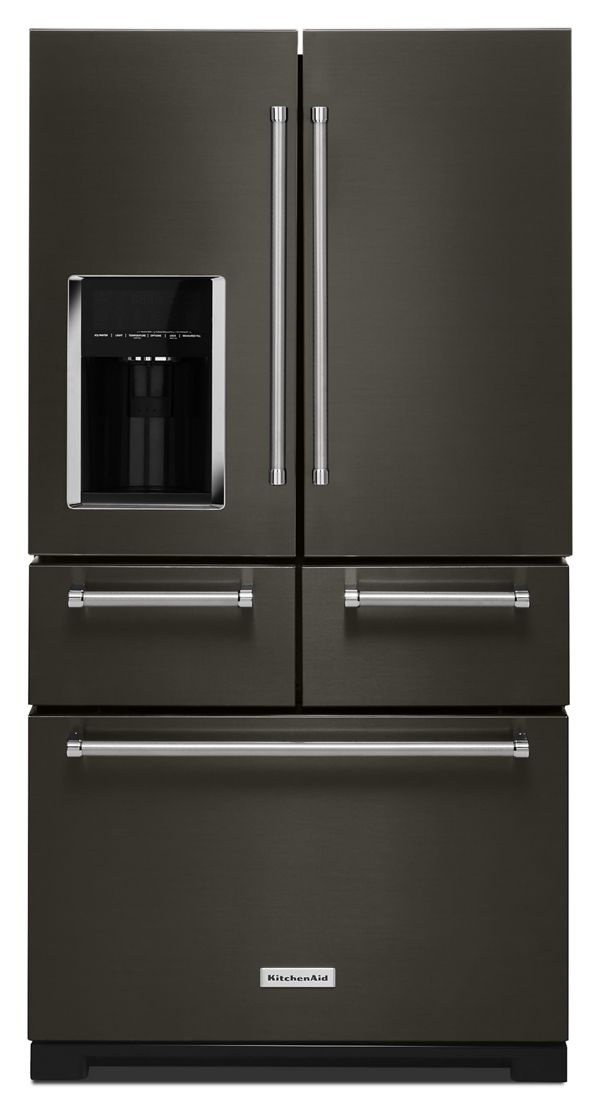
Whether you're searching for your perfect fridge, freezer, wine fridge, beer fridge, ice maker, or kegerator, Fridge.com has what you need.
Shop the world's best brands at Fridge.com.
It also has tons of awesome articles about kitchen stuff and home news. Enhance your home, garage, backyard, patio, and office with the coolest essentials. With every necessary type of residential refrigerator or freezer in the collection, you're covered.
Elevate your game and shop now at Fridge.com!