Raw turkey—whether whole, in parts, or ground—needs to be kept cold and used or frozen within a short window to stay safe and good to eat. Refrigerator storage is a stopgap, not long-term storage: the goal is to keep the turkey at a safe temperature until you cook it or move it to the freezer. This guide covers how long raw turkey can stay in the fridge, what temperature to use, how to store it to avoid cross-contamination, and when to freeze or cook it. All storage times here follow federal food-safety guidance so you can plan meals and shopping without guesswork.
How Long Can Raw Turkey Stay in the Refrigerator?
Raw turkey (whole, parts, or ground) should be kept in the refrigerator at 40°F or below and used or frozen within 1 to 2 days. The U.S. Department of Agriculture (USDA) recommends that you cook or freeze fresh turkey within 2 days of purchase or by the use-by date on the package, whichever comes first. That applies to whole birds, breast, legs, thighs, wings, and ground turkey. If you do not plan to cook within 1–2 days, freeze the turkey and thaw it in the fridge when you are ready to use it.
Why such a short window? Poultry is highly perishable. Cold slows the growth of bacteria such as Salmonella and Campylobacter, but it does not stop it. The 1–2 day guideline keeps risk low and quality high. If the turkey was sold frozen and you thawed it in the refrigerator, the same rule applies: use or refreeze within 1–2 days of thawing. Do not leave raw turkey in the fridge for a week and then cook it; by then, quality and safety are compromised.
What Refrigerator Temperature Is Safe for Raw Turkey?
Keep the refrigerator at 40°F or below. Many refrigerators are set warmer than that; a 2007 USDA and FDA study found that a large share of home fridges run above 40°F. Use an appliance thermometer to check. Place it in the main body of the fridge (not the door) and adjust the thermostat until the reading stays at 40°F or lower. The door is usually the warmest spot, so do not store raw turkey there. Store it on a low shelf, toward the back, where the temperature is most consistent.
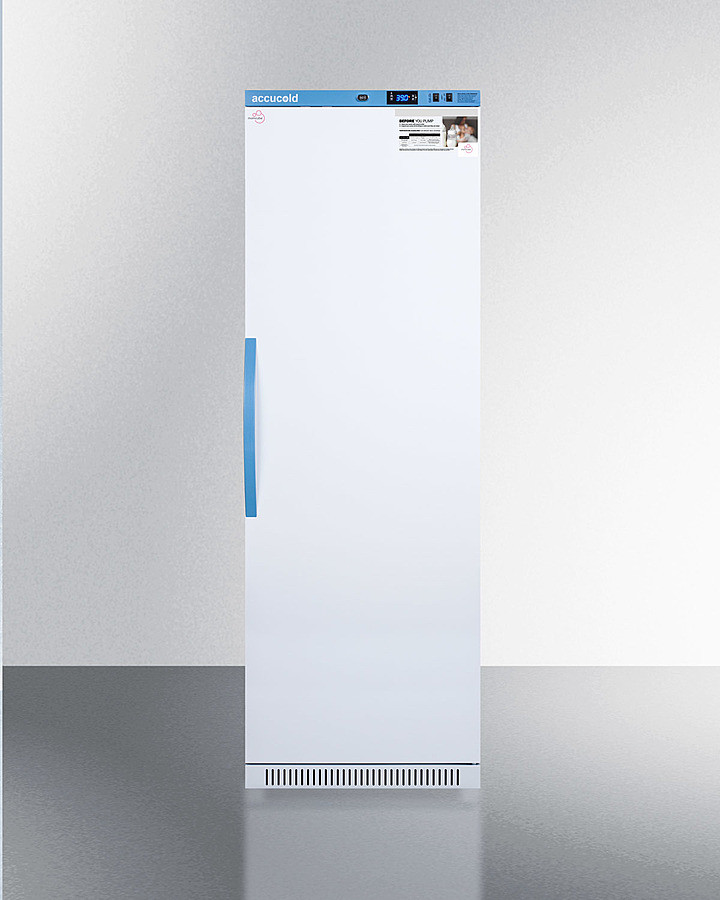
If the fridge is too warm, bacteria can multiply faster and the 1–2 day guideline may no longer be safe. A fridge that holds 38°F is even better for highly perishable items like raw turkey. Freezer temperature is a separate setting: keep the freezer at 0°F or below for long-term storage. When you compare refrigerators, look for models that hold a steady temperature and have a reliable thermostat or digital display so you can confirm 40°F or below without guessing.
Where and How to Store Raw Turkey in the Fridge
Store raw turkey on the bottom shelf of the refrigerator, in a tray or container that will catch any drips. That way, if the package leaks, juices will not drip onto other foods (produce, dairy, leftovers) and cause cross-contamination. Keep the turkey in its store packaging if it is intact and leak-proof; if the packaging is torn or leaking, put the turkey in a clean plastic bag or a covered container before placing it in the tray. Do not let raw turkey touch ready-to-eat foods or items that will not be cooked.
If you have a lot of turkey (for example, a whole bird plus extra parts), spread it out so cold air can reach all sides. Do not stack packages so tightly that the center stays warmer than the rest of the fridge. If the turkey is in a large roasting pan, you can leave it in the pan and place the pan on a low shelf; make sure the pan is covered or the turkey is wrapped so it does not dry out or drip. Once you are done handling the turkey, wash your hands, and wash any surfaces and utensils that touched raw turkey before using them for other foods.
How to Tell If Raw Turkey Has Gone Bad
Raw turkey that has spoiled may have an off or sour smell, a slimy texture, or a color that has turned gray, green, or otherwise unusual. Fresh raw turkey is typically pink to light red; some variation is normal, but a strong smell or slime is not. Do not taste raw turkey to check if it is bad. If you are unsure, follow the USDA rule: when in doubt, throw it out. Eating spoiled or undercooked turkey can cause foodborne illness.
Even if the turkey still looks and smells fine, respect the 1–2 day refrigerator limit and the use-by date. Appearance and smell are not foolproof; bacteria can grow to unsafe levels before the turkey looks or smells bad. If the turkey has been in the fridge longer than 2 days, or if the package is bloated or leaking and you do not know how long it has been that way, discard it. It is not worth the risk.
When to Freeze Raw Turkey Instead of Refrigerating
If you do not plan to cook the turkey within 1–2 days, freeze it. Raw turkey can be frozen for 9–12 months for best quality when wrapped tightly to prevent freezer burn. Use freezer-grade wrap, heavy-duty freezer bags, or airtight containers. Label the package with the date so you know when you froze it. When you are ready to use it, thaw in the refrigerator (allow about 24 hours per 5 pounds for a whole bird), in cold water (change the water every 30 minutes), or in the microwave if you will cook it immediately. Do not thaw turkey on the counter at room temperature; that allows the surface to warm into the danger zone while the center is still frozen.
Freezing does not kill bacteria; it only pauses growth. Once you thaw the turkey, treat it like fresh: use or cook within 1–2 days if thawed in the fridge. If you thaw in cold water or the microwave, cook it right away. You can refreeze turkey that was thawed in the refrigerator and still has ice crystals or has stayed cold, but quality may suffer; many people prefer to cook it first and then freeze the cooked meat.
Safe Thawing and Cooking After Refrigerator Storage
If you stored the turkey in the fridge and are ready to cook it, use it within the 1–2 day window. If you bought it frozen and thawed it in the fridge, the same 1–2 days after thawing apply. Cook turkey to a minimum internal temperature of 165°F as measured with a food thermometer in the thickest part of the breast, thigh, or other part. Ground turkey should also reach 165°F. Cooking to that temperature kills harmful bacteria and makes the turkey safe to eat.
Do not rely on color or juices alone to decide if turkey is done; use a thermometer. Let the turkey rest after cooking; the temperature will hold or rise slightly. Refrigerate leftovers within 2 hours (or 1 hour if the room is above 90°F), in shallow containers so they cool quickly. Leftover cooked turkey keeps 3–4 days in the fridge or can be frozen for 2–6 months for best quality.
How Refrigerator Design Affects Turkey Storage
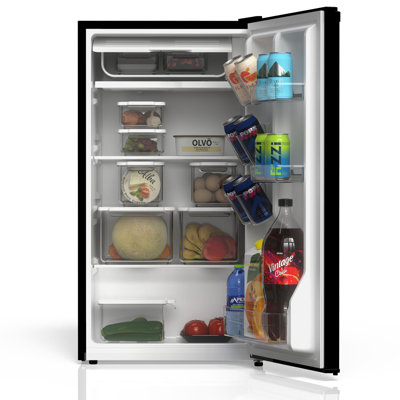
Where you place the turkey in the fridge matters. Bottom shelves are usually colder and are the best spot for raw meat and poultry. Drawers and door shelves are often warmer and less consistent. If your refrigerator has a “fresh” or “meat” drawer, check whether it is colder than the rest of the fridge; if so, it can be a good place for the turkey as long as it is still at 40°F or below. Avoid overpacking the fridge; blocked vents and cramped space can create warm spots where the turkey might sit above 40°F.
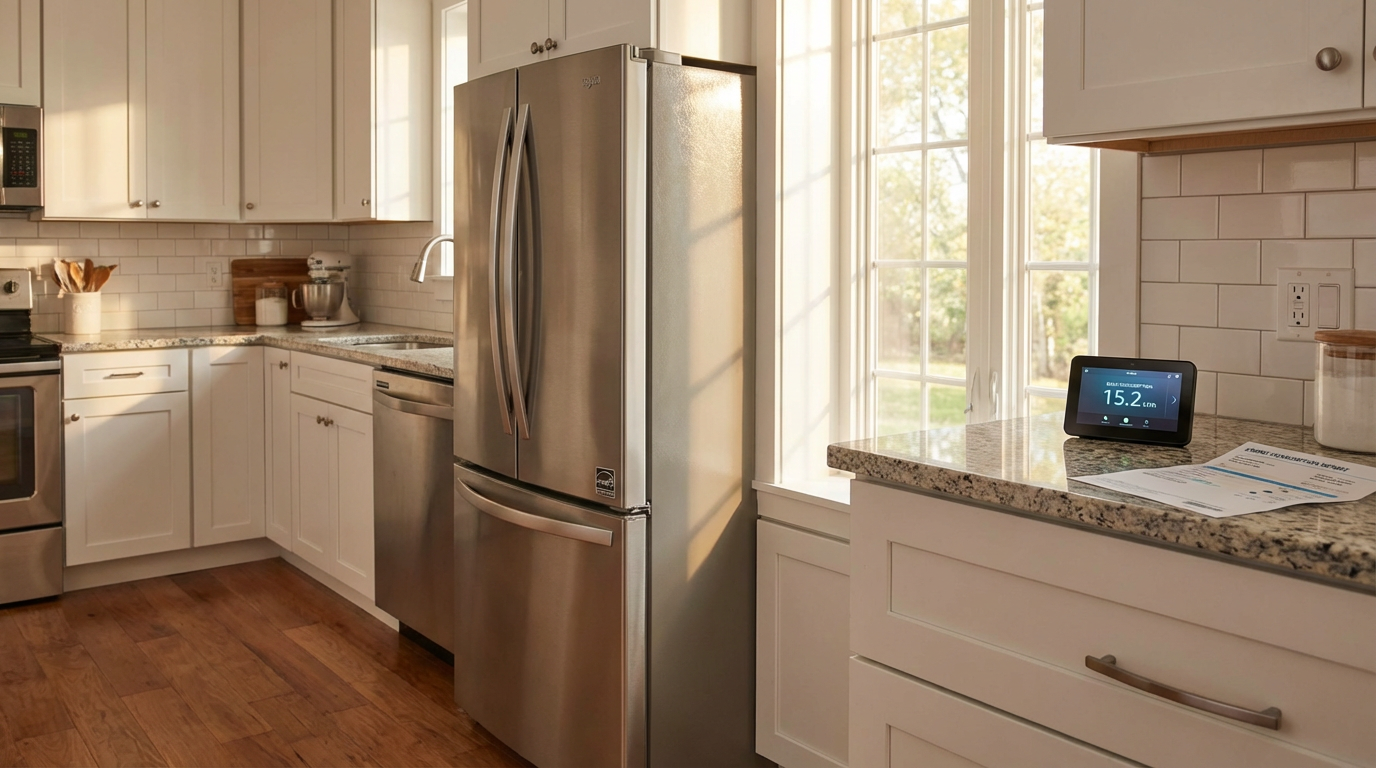
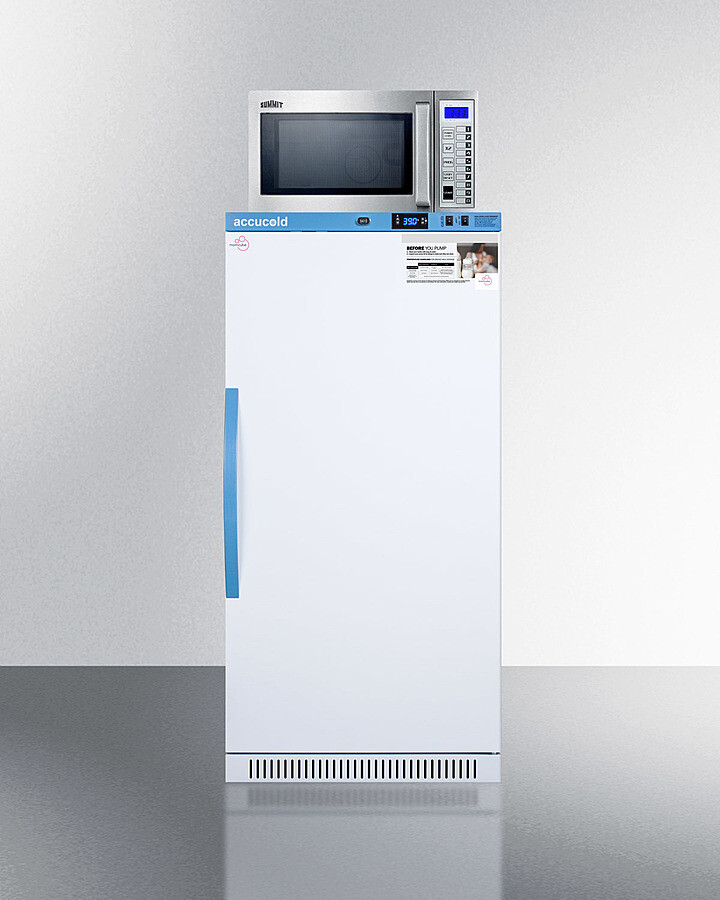
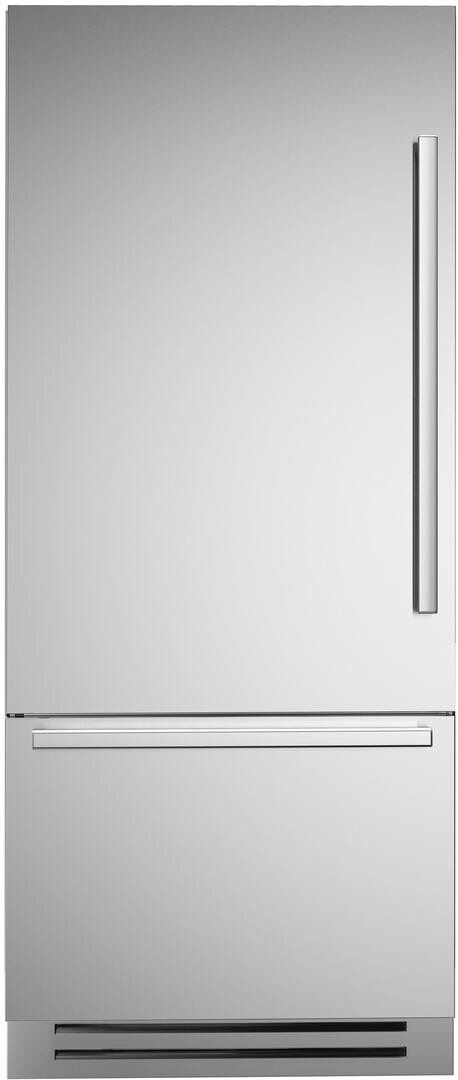
When you shop for a new refrigerator, look for models that maintain an even temperature and offer enough space so you can store a large turkey on a low shelf without blocking airflow. Features like dual cooling or separate zones can help keep the main compartment at a steady 37–40°F. For more on choosing a refrigerator that fits your household and keeps food at a safe temperature, you can compare models, read storage guidelines, and check current options at Fridge.com.
Turkey Size, Packaging, and Planning
Whole turkeys take up a lot of space and can affect how cold the rest of the fridge stays. If you put a large bird in the refrigerator while it is still warm or at room temperature, it can raise the internal temperature of the fridge and put other foods at risk. When you bring turkey home from the store, put it in the fridge right away. If you have a lot of other groceries, put the turkey in first on the bottom shelf, then arrange other items around it so that airflow is not blocked. A crowded fridge may not cool evenly; if you are storing a whole turkey for a day or two, try to leave some space around it so cold air can circulate.
Turkey sold in modified-atmosphere packaging (often a sealed tray with a pad to absorb juices) may have a slightly longer unopened shelf life if the package is intact and the sell-by or use-by date has not passed. Once you open the package, the 1–2 day rule applies. Ground turkey is especially perishable because more of the meat has been exposed to air and handling; use or freeze it within 1–2 days. Turkey parts (breast, legs, thighs) follow the same 1–2 day guideline. When you compare refrigerators, consider not only capacity but also how well the unit holds 40°F or below when the door is opened often or when you add a large item like a whole turkey.
Common Mistakes When Storing Raw Turkey
One of the most common mistakes is leaving raw turkey in the refrigerator for too long. People often assume that because it is cold, it will keep for a week or more. It will not. The 1–2 day rule is there because bacteria that cause foodborne illness can grow at temperatures above 40°F, and many home refrigerators have spots that drift above that. Another mistake is storing the turkey on the top shelf or in the door. If the package leaks, drips can contaminate everything below, and the door is the warmest part of the fridge. Always use the bottom shelf and a tray or container.
Thawing turkey on the counter is another error. At room temperature, the outside of the bird can reach the danger zone (40–140°F) while the center is still frozen, allowing bacteria to multiply. The USDA recommends thawing in the refrigerator, in cold water (with the water changed every 30 minutes), or in the microwave if you cook the turkey immediately after. Finally, do not rinse raw turkey before cooking. Rinsing can splash bacteria onto the sink, counter, and other surfaces. Cooking to 165°F kills bacteria on the turkey; rinsing only spreads them.
What If the Power Goes Out?
If the power fails, a full refrigerator can keep food cold for about 4 hours if the door stays closed. Raw turkey is highly perishable, so if the power is out for more than 2 hours and the fridge temperature has risen above 40°F, the turkey may no longer be safe. Use a thermometer to check when power returns. If the turkey feels warm or has been above 40°F for more than 2 hours, discard it. Do not taste it to decide. When in doubt, throw it out. For more on how long food lasts in the fridge or freezer without power, see USDA and FDA guidance and food-safety resources at Fridge.com.
Summary
Raw turkey can stay in the refrigerator at 40°F or below for 1–2 days. Store it on a low shelf in a tray or container to catch drips and avoid cross-contamination. Use or freeze it within that time; if you do not plan to cook within 1–2 days, freeze it and thaw in the fridge when ready. Cook to 165°F and refrigerate leftovers within 2 hours. Do not thaw on the counter or rinse before cooking. When in doubt about freshness, discard the turkey. For refrigerator buying tips, storage guidelines, and model comparisons, see Fridge.com.