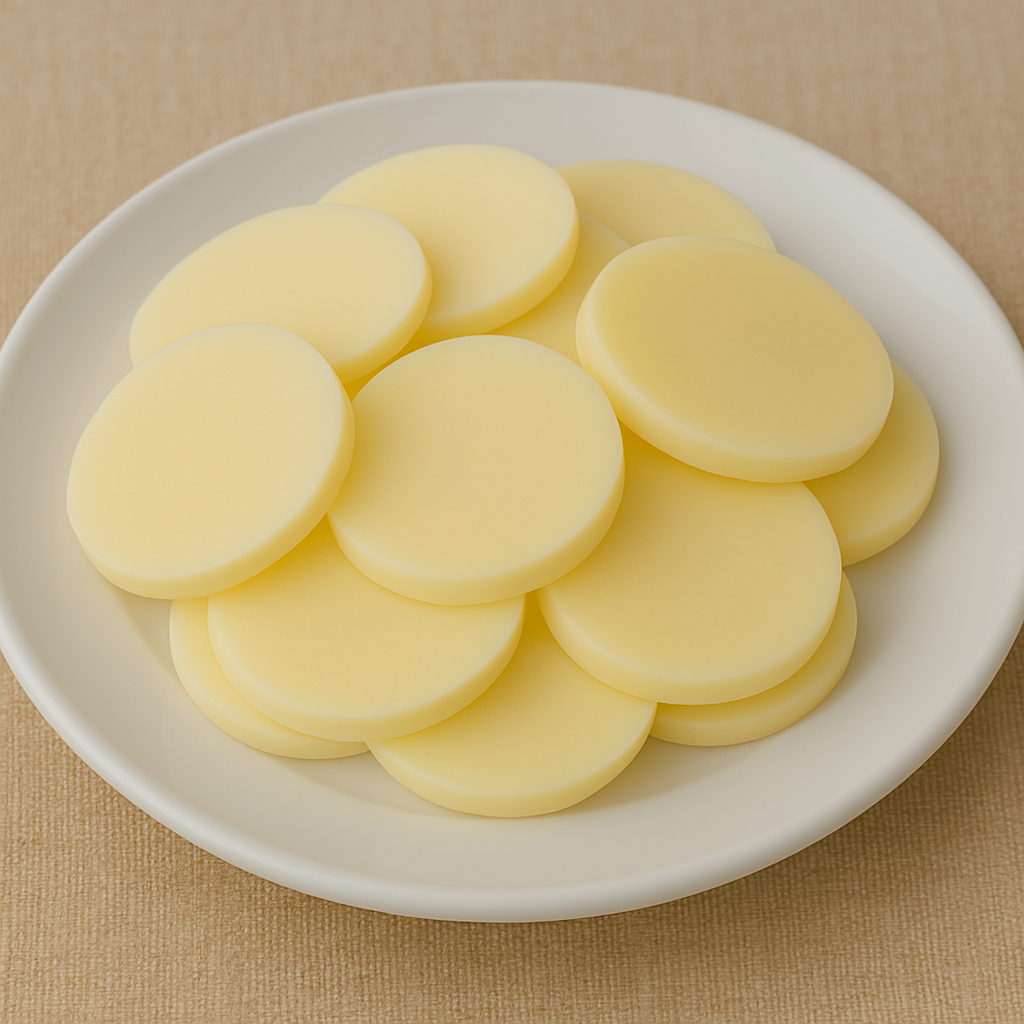
Storing Provolone Cheese in the Fridge
Proper Storage Guidelines for Provolone Cheese
To ensure your provolone cheese remains fresh and delicious, proper storage is essential. Follow these guidelines for the best results:
- Use Airtight Packaging: After opening, wrap the cheese tightly in wax paper, parchment paper, or plastic wrap. Avoid using aluminum foil, as it can react with the cheese.
- Store in a Cheese Box: If available, use a cheese box or container designed for cheese storage. This helps maintain humidity levels.
- Keep in the Right Spot: Place the cheese in the main compartment of the fridge rather than the door, where temperatures fluctuate more.
| Storage Method | Recommended Duration |
|---|---|
| Wrapped in Wax Paper | 2-3 weeks |
| In a Cheese Box | 3-4 weeks |
| Vacuum-Sealed | Up to 6 months |
Understanding the Shelf Life of Provolone Cheese
The shelf life of provolone cheese can vary based on several factors, including storage conditions and whether the cheese is opened or unopened. Generally, unopened provolone cheese can last longer than opened cheese.
| Cheese Condition | Refrigerator Shelf Life |
|---|---|
| Unopened | 3-4 months |
| Opened | 1-2 weeks |
Always keep an eye on the expiration date printed on the packaging. If you need further insights into food storage, check out our article on how long can yogurt sauce last in the fridge?. Proper storage and understanding the shelf life will help you enjoy your provolone cheese at its best.
Factors Affecting Provolone Cheese Shelf Life
Understanding the factors that affect the shelf life of provolone cheese can help you keep it fresher for longer. Two key aspects to consider are the impact of temperature on cheese freshness and the importance of packaging for longevity.
Impact of Temperature on Cheese Freshness
Temperature plays a significant role in maintaining the freshness of provolone cheese. Ideally, cheese should be stored in the fridge at a consistent temperature to prevent spoilage. Fluctuating temperatures can lead to changes in texture and flavor, ultimately shortening the cheese's shelf life.
| Temperature Range | Effect on Provolone Cheese |
|---|---|
| 32°F - 36°F (0°C - 2°C) | Optimal: Maintains freshness for an extended period |
| 37°F - 40°F (3°C - 4°C) | Acceptable: May shorten shelf life gradually |
| Above 40°F (4°C) | Unsafe: Rapid spoilage and risk of bacteria growth |
Ensure your fridge maintains a stable temperature, especially if you have a glass door mini fridge or a stainless steel refrigerator that might be more exposed to temperature changes.
Importance of Packaging for Longevity
Proper packaging is essential for prolonging the life of provolone cheese. The way you wrap or store it can make a significant difference in its freshness. Here are some effective packaging methods:
- Original Packaging: Keeping provolone cheese in its original packaging can provide adequate protection against air and moisture.
- Wax Paper or Parchment Paper: Wrapping cheese in wax paper allows it to breathe while protecting it from excess moisture. This method helps maintain flavor and texture without trapping humidity.
- Plastic Wrap: For short-term storage, using plastic wrap can help keep out air. However, it is crucial to ensure the cheese is well-wrapped to prevent moisture buildup.
- Airtight Containers: Storing provolone cheese in an airtight container can help keep it fresh by minimizing exposure to air. Just make sure to place a paper towel inside to absorb excess moisture.
Utilizing proper packaging techniques can help maintain the quality of provolone cheese longer. For more tips on effectively storing cheese and other food items, check out our article on how long can yogurt sauce last in the fridge?.
Signs of Spoiled Provolone Cheese
When it comes to enjoying your provolone cheese, it's essential to know the signs of spoilage. Detecting spoilage early can help you avoid consuming cheese that is no longer safe to eat. Here are some key indicators to look for.
Visual Cues of Spoilage
The appearance of your provolone cheese can provide important clues about its freshness. Here are some visual signs that your cheese may be spoiled:
| Sign of Spoilage | Description |
|---|---|
| Mold Growth | Any visible mold that is not part of the cheese's natural aging process indicates spoilage. This can appear as green, blue, or white fuzz. |
| Discoloration | A change in color, such as dark spots or an overall dull appearance, can signal that the cheese is no longer fresh. |
| Dryness or Cracking | If the cheese looks excessively dry or has cracks, it may be past its prime. |
Smell and Texture Changes to Watch For
In addition to visual signs, the smell and texture of provolone cheese can help you determine its freshness. Pay attention to the following changes:
| Change | Description |
|---|---|
| Off Odor | If the cheese emits a strong, unpleasant smell, it may be spoiled. Fresh provolone should have a mild, pleasant aroma. |
| Slimy Texture | A slimy or sticky feel on the surface of the cheese is a sign of bacterial growth and spoilage. |
| Hard or Crumbly Texture | While provolone can be aged, if it becomes excessively hard or crumbly, it may no longer be good to consume. |
If you notice any of these signs, it is best to discard the cheese to avoid any foodborne illnesses. For more tips on preserving your cheese, check out our articles on how long can provolone cheese last in the fridge? and proper storage guidelines for provolone cheese.
Extending the Shelf Life of Provolone Cheese
Keeping your provolone cheese fresh for as long as possible requires some careful practices. Here are some tips and proper handling methods to help you maximize the shelf life of this delicious cheese.
Tips for Prolonging the Freshness
Wrap Properly: Use wax paper or parchment paper to wrap the cheese. Afterward, place it in an airtight container or a resealable plastic bag. This prevents exposure to air, which can lead to spoilage.
Keep It Cool: Store the cheese in the coldest part of your refrigerator, usually towards the back where temperatures are more consistent. Avoid storing it in the door, as the temperature fluctuates more there.
Monitor Moisture: To prevent mold growth, make sure the cheese is not too moist. If you notice excess moisture in the container, consider replacing the wrapping.
Use a Cheese Keeper: If you frequently use provolone, consider investing in a cheese keeper. This specialized container helps maintain the right humidity level for cheese.
Proper Handling and Storage Practices
| Storage Method | Duration of Freshness |
|---|---|
| Wrapped in wax paper and stored in an airtight container | 1-2 weeks |
| Vacuum-sealed | Up to 6 months |
| In original packaging (unopened) | Check expiration date |
Avoid Cross-Contamination: Always use clean utensils when cutting or serving cheese. This reduces the risk of introducing bacteria that could spoil the cheese.
Check Regularly: Inspect the cheese for any signs of spoilage, such as mold or off odors. If you see any, it's best to discard the affected portion.
Freeze for Long-Term Storage: If you need to keep the cheese for an extended period, freezing is an option. Wrap the cheese tightly in plastic wrap, then place it in a freezer bag. It can last for several months in the freezer, though the texture may change upon thawing.
Implementing these tips can help you enjoy your provolone cheese for a longer time, ensuring it stays flavorful and fresh. For more information on storing various food items, check out our articles on how long do you blanch corn to freeze? and how long can yogurt sauce last in the fridge?.
Using Provolone Cheese After Expiration
Safety Considerations
When considering using provolone cheese past its expiration date, it is essential to prioritize safety. Even though some cheeses can still be safe to eat after their expiration, provolone may have specific indicators that suggest it has spoiled. Here are key safety points to consider:
- Check for Spoilage: Inspect the cheese for signs of mold or unusual odors. If you see mold that is not typical for provolone, it is best to discard the cheese.
- Smell Test: If the cheese has an off or sour smell, it is a sign of spoilage. Fresh provolone should have a pleasant, milky aroma.
- Texture Changes: If the cheese feels slimy or overly dry, these can both indicate that it is no longer safe to consume.
| Indicator | Safe to Eat | Not Safe to Eat |
|---|---|---|
| Mold | Cut off the moldy part (if it's firm cheese) | Presence of unusual mold |
| Odor | Pleasant, milky aroma | Sour or foul smell |
| Texture | Firm and smooth | Slimy or excessively dry |
Creative Ways to Use Aged Provolone Cheese
If your provolone cheese has passed its expiration but shows no signs of spoilage, there are several delicious ways to use it. Aged provolone can add flavor and depth to various dishes. Consider the following ideas:
- Cheese Grater: Use aged provolone in recipes that call for grated cheese. It can enhance pasta dishes, salads, and casseroles.
- Melting Delight: Incorporate it into grilled cheese sandwiches or as a topping for baked dishes. The rich flavor can elevate the meal.
- Flavorful Soups: Shred aged provolone into soups for added creaminess and taste. It pairs well with vegetable and meat-based broths.
- Gourmet Pizza: Use it as a topping on homemade pizza. Its robust flavor complements other ingredients beautifully.
- Cheese Board Star: Combine aged provolone with crackers, olives, and cured meats on a cheese board for entertaining.
Using provolone cheese in these creative ways can prevent waste and add a tasty twist to your meals. If you want to learn more about storing cheese properly, check out our article on how long can provolone cheese last in the fridge?.
Get Your Upgrade or New Addition at Fridge.com
Whether you're searching for your perfect fridge, freezer, wine fridge, beer fridge, ice maker, or kegerator, we have what you need.
Shop the world's best brands at Fridge.com.
We also have tons of awesome articles about kitchen stuff and home news. Enhance your home, garage, backyard, patio, and office with the coolest essentials. With every necessary type of residential refrigerator or freezer in our collection, we've got you covered.
Elevate your game and shop now at Fridge.com!