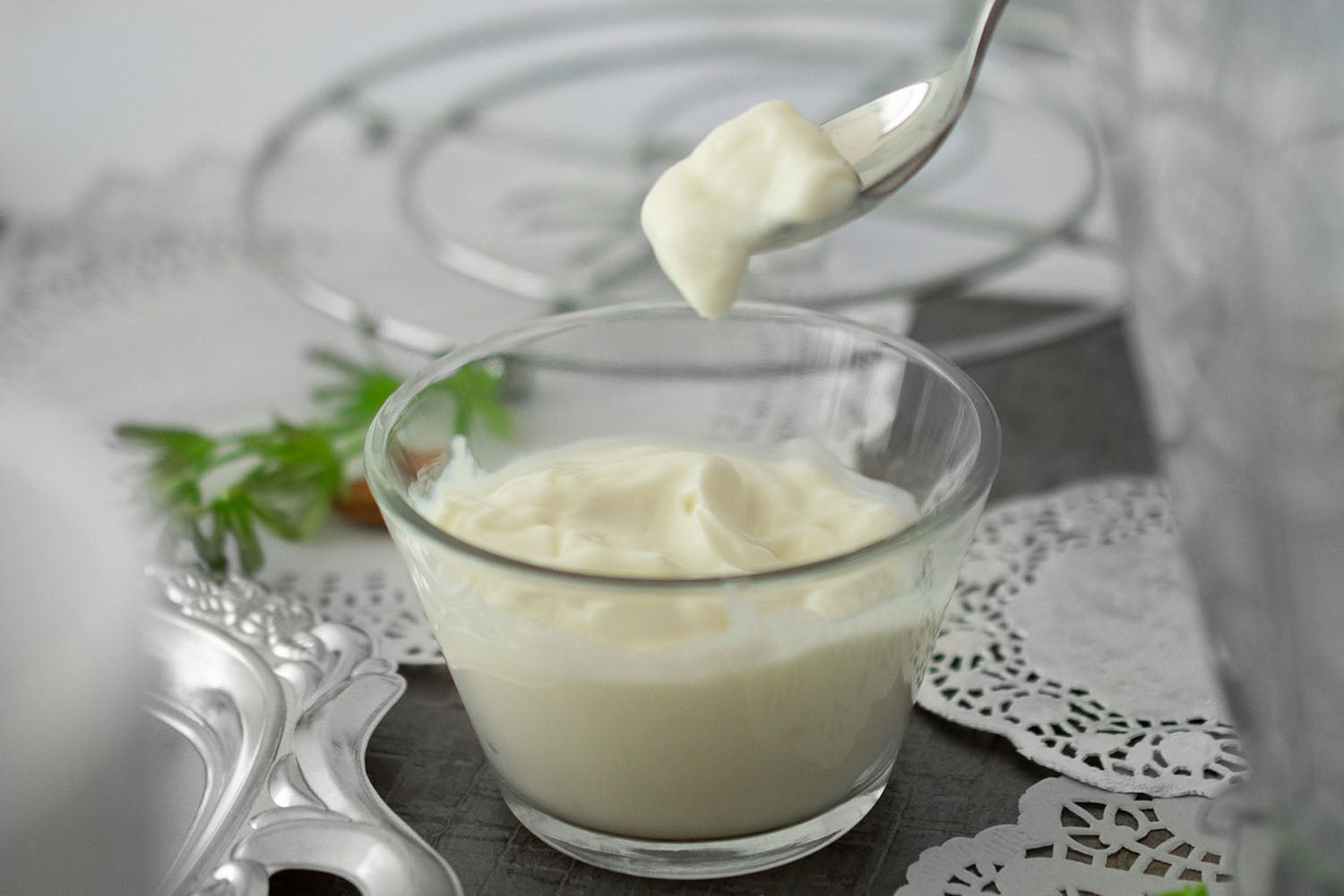
Understanding Food Safety
Proper food storage is crucial to ensure the safety and longevity of the foods you consume. This section will delve into the importance of storing food correctly and the risks associated with leaving food, such as mayonnaise, out of the fridge.
Importance of Proper Food Storage
Proper food storage helps to maintain the quality and safety of your food. By storing food correctly, you can avoid the growth of harmful bacteria, which can lead to foodborne illnesses. Here are some key reasons why proper food storage is essential:
- Prevents Spoilage: Correct storage conditions help to keep food fresh for longer, reducing waste.
- Maintains Nutritional Value: Proper storage preserves the nutrients in your food, ensuring it remains healthy and safe to eat.
- Avoids Cross-Contamination: Storing food properly prevents the spread of bacteria between different food items.
Risks of Leaving Food Out of the Fridge
Leaving food out of the fridge can pose significant health risks. Foods that require refrigeration, like mayonnaise, can quickly become breeding grounds for bacteria when left at room temperature. Here are some of the risks associated with leaving food out:
- Bacterial Growth: Bacteria such as Salmonella and E. coli thrive at room temperature. Consuming food contaminated with these bacteria can lead to severe food poisoning.
- Spoilage: Food left out of the fridge can spoil quickly, developing off smells, flavors, and textures.
- Foodborne Illness: Consuming food that has been left out for too long can result in symptoms like nausea, vomiting, diarrhea, and stomach cramps.
| Food Item | Safe Room Temperature Duration |
|---|---|
| Mayonnaise | 2 hours |
| Cooked Chicken | 2 hours |
| Milk | 2 hours |
| Eggs | 2 hours |
Understanding these risks underscores the importance of following proper storage guidelines. For more information on how long various foods can be left out, check our detailed articles on how long can eggs be left out of the refrigerator and how long can milk be left out of the refrigerator.
Proper food safety practices are essential to avoid health risks and ensure the longevity of your food. For more tips on food safety and storage, explore related topics like how long can food sit in the fridge without power and how long can food last in a freezer without power.
Shelf Life of Mayonnaise
Understanding the shelf life of mayonnaise is essential for ensuring food safety and quality. Various factors can affect how long mayonnaise remains safe to consume. Proper storage conditions are crucial for extending its shelf life.
Factors Affecting Mayonnaise Shelf Life
Several elements influence the longevity of mayonnaise, including its ingredients, packaging, and storage. Homemade mayonnaise typically has a shorter shelf life compared to store-bought versions due to the absence of preservatives. Additionally, the type of oil and eggs used in the preparation can impact its durability.
Another critical factor is the packaging. Mayonnaise stored in airtight containers tends to last longer as it minimizes exposure to air and contaminants. Furthermore, the manufacturing date and expiration date provided by the manufacturer are essential indicators of its shelf life.
| Factor | Impact on Shelf Life |
|---|---|
| Ingredients | Homemade: Shorter Store-bought: Longer |
| Packaging | Airtight: Longer |
| Storage Conditions | Refrigerated: Longer Room Temperature: Shorter |
Recommended Storage Conditions
To maximize the shelf life of mayonnaise, proper storage is crucial. Always store mayonnaise in the refrigerator at a temperature below 40°F (4°C). This helps to slow down the growth of bacteria and maintain its quality. After each use, ensure that the lid is tightly sealed to prevent contamination and exposure to air.
If you accidentally leave mayonnaise out of the fridge, it is generally safe for up to 2 hours at room temperature. However, in hot weather conditions, the safe duration decreases to just 1 hour. For more details on how long mayonnaise can be left out, refer to our guide on how long can mayonnaise be left out of the fridge?.
| Storage Condition | Recommended Duration |
|---|---|
| Refrigerator (< 40°F / 4°C) | Until expiration date |
| Room Temperature (up to 70°F / 21°C) | Up to 2 hours |
| Hot Weather (> 90°F / 32°C) | Up to 1 hour |
By following these recommended storage practices, you can ensure the safety and quality of mayonnaise for a longer period. For more information on food storage, check out our articles on how long can eggs be left out of the refrigerator? and how long can half and half stay out of the fridge?.
How Long Can Mayonnaise Be Left Out?
Understanding how long mayonnaise can be left out of the fridge is crucial for ensuring food safety. Mayonnaise, like many other perishable items, requires proper storage to prevent spoilage and potential health risks.
Room Temperature Guidelines
Mayonnaise should not be left out of the refrigerator for extended periods. According to food safety guidelines, perishable foods, including mayonnaise, should not be left at room temperature for more than 2 hours. If the ambient temperature is above 90°F (32°C), this time reduces to 1 hour.
| Temperature | Maximum Time Out of Fridge |
|---|---|
| Below 90°F (32°C) | 2 hours |
| Above 90°F (32°C) | 1 hour |
Leaving mayonnaise out beyond these time frames can lead to bacterial growth, which can cause foodborne illnesses. For more information on how long other foods can be left out, check out our article on how long can milk be left out of the refrigerator?.
Signs of Spoilage
Knowing the signs of spoiled mayonnaise can help you avoid consuming unsafe food. Spoiled mayonnaise often exhibits the following characteristics:
- Off Smell: A sour or rancid odor indicates spoilage.
- Color Change: Discoloration, such as turning yellow or brown, suggests it is no longer safe to eat.
- Texture Change: Separation of the oil or a lumpy texture can be a sign of spoilage.
- Off Taste: A sour or bitter taste means the mayonnaise has gone bad.
If you notice any of these signs, it is best to discard the mayonnaise to prevent potential health risks. To learn more about safe food storage practices, you can read our guide on how long can eggs be left out of the refrigerator?.
By following these guidelines, you can ensure that your mayonnaise remains safe to consume and avoid the risks associated with spoiled food.
Handling Mayonnaise Safely
When it comes to handling mayonnaise, safety is paramount. Proper handling can prevent foodborne illnesses and ensure that your mayo stays fresh and safe to eat.
Tips for Safe Handling
- Always Refrigerate After Opening: Once you open a jar of mayonnaise, it should be stored in the refrigerator. Keeping it cool helps maintain its quality and safety.
- Use Clean Utensils: Always use clean utensils to scoop out mayonnaise. This prevents contamination from other foods or bacteria.
- Avoid Double-Dipping: Never dip a spoon or knife back into the jar after spreading mayo on food. This can introduce bacteria into the jar.
- Check Expiration Dates: Always pay attention to the expiration date on the jar. Consuming expired mayonnaise can be risky.
- Store in an Airtight Container: If you transfer mayonnaise to another container, ensure it is airtight to prevent exposure to air and contaminants.
Preventing Foodborne Illness
Foodborne illnesses can be prevented by following these steps:
- Monitor Room Temperature: Mayonnaise should not be left out at room temperature for more than two hours. In hot weather (above 90°F), this time reduces to one hour.
- Look for Signs of Spoilage: Be vigilant for signs of spoilage, such as an off smell, discoloration, or separation. If in doubt, discard it.
- Follow Storage Guidelines: Store mayonnaise in the refrigerator at temperatures below 40°F to prevent the growth of harmful bacteria.
- Use a Cooler for Outdoor Events: If you're serving mayonnaise-based dishes outdoors, keep them in a cooler with ice packs to maintain a safe temperature.
For more information on how long other foods can be safely left out or stored, check out our articles on how long can eggs be left out of the refrigerator and how long can frozen vegetables last in the fridge.
By following these tips for safe handling and storage, you can enjoy mayonnaise without the risk of foodborne illness.
Storing Mayonnaise
Proper storage of mayonnaise is essential to ensure its safety and quality. Let's explore the best practices for refrigeration and options for extended storage.
Refrigeration Best Practices
Refrigeration is crucial for maintaining the freshness and safety of mayonnaise. Once opened, mayonnaise should always be kept in the fridge. Here are some key points to consider:
- Optimal Temperature: Store mayonnaise at a temperature below 40°F (4°C). Higher temperatures can increase the risk of bacterial growth.
- Seal Tight: Always ensure the lid is tightly sealed to prevent contamination and maintain the quality of the mayonnaise.
- Shelf Life: Typically, opened mayonnaise can last in the fridge for about 2 months. However, always check the expiration date and follow the manufacturer's guidelines.
| Storage Method | Temperature | Duration |
|---|---|---|
| Refrigerated (Opened) | Below 40°F (4°C) | Up to 2 months |
| Refrigerated (Unopened) | Below 40°F (4°C) | Until expiration date |
Extended Storage Options
In some cases, you may need to store mayonnaise for a more extended period. Here are some methods to consider:
- Freezing: Although not commonly recommended, mayonnaise can be frozen. However, freezing may alter its texture and consistency. If you choose to freeze mayonnaise, use an airtight container and store it for up to 3 months.
- Commercially Sealed Packs: Unopened commercially sealed packs of mayonnaise can be stored in a cool, dark place like a pantry until the expiration date. Once opened, transfer to the fridge immediately.
| Storage Method | Temperature | Duration |
|---|---|---|
| Freezing (Opened) | 0°F (-18°C) | Up to 3 months |
| Pantry (Unopened) | Cool, dark place | Until expiration date |
For more information on storing other foods, you can check our articles on how long can defrosted chicken last in the fridge? and how long can fresh ground beef stay in the fridge?.
Proper storage practices are essential to prevent foodborne illnesses and maintain the quality of your mayonnaise. Always follow these guidelines to ensure your mayonnaise remains safe to eat.
FAQs About Mayonnaise
Can you leave mayo out for a few hours?
Mayonnaise can be left out at room temperature for a short period, but it should not exceed two hours. This is because bacteria can grow rapidly in perishable foods when they are kept at temperatures between 40°F and 140°F, which is known as the "danger zone." If you need to leave it out for a short time, ensure the environment is cool and limit exposure as much as possible.
| Time | Safety |
|---|---|
| Less than 2 hours | Generally safe |
| More than 2 hours | Risk of bacterial growth |
Can you eat mayo that has been left out overnight?
It is not safe to eat mayonnaise that has been left out overnight. Extended exposure to room temperature increases the risk of bacterial contamination, which can lead to foodborne illnesses. It's best to discard any mayonnaise that has been left out for an extended period to avoid health risks.
| Time Period | Safety |
|---|---|
| Less than 2 hours | Safe to consume |
| More than 2 hours | Not safe to consume |
For more information on food safety, check out our related articles on how long can eggs be left out of the refrigerator and how long can food sit in the fridge without power.
How can you tell if mayonnaise is bad?
Identifying spoiled mayonnaise involves checking for several signs, including changes in color, texture, and odor. Spoiled mayonnaise may develop a sour or off smell, and the texture might become lumpy or separated. Discoloration, such as a yellow or brown tint, is another indication that the mayonnaise has gone bad.
| Indicator | Description |
|---|---|
| Smell | Sour or off odor |
| Texture | Lumpy or separated |
| Color | Yellow or brown tint |
If you notice any of these signs, it's best to discard the mayonnaise to prevent the risk of foodborne illnesses. For more tips on food safety, read our article on how long can fish stay in the fridge after cooked.
Get Your Upgrade or New Addition at Fridge.com
Whether you're searching for your perfect fridge, freezer, wine fridge, beer fridge, ice maker, or kegerator, we have what you need.
Shop the world's best brands at Fridge.com.
We also have tons of awesome articles about kitchen stuff and home news. Enhance your home, garage, backyard, patio, and office with the coolest essentials. With every necessary type of residential refrigerator or freezer in our collection, we've got you covered.
Elevate your game and shop now at Fridge.com!