Understanding Food Storage in Freezers
Importance of Proper Freezer Storage
Proper freezer storage is essential for maintaining the quality and safety of your food. When food is stored correctly in a freezer, it can last for extended periods without losing its nutritional value or taste. Freezing food slows down the growth of bacteria and other pathogens, which helps in preserving its freshness. For those wondering, "how long can food last in a freezer without power?", understanding freezer storage is the first step.
Factors Affecting Food Longevity in Freezers
Several factors influence how long food can last in a freezer, especially during a power outage:
- Temperature: The ideal temperature for a freezer is 0°F (-18°C) or lower. Maintaining this temperature ensures that food remains frozen and safe to eat. If the temperature rises, the food's longevity decreases.
- Freezer Type: Refrigerator freezers and chest freezers have different insulation levels, affecting how long they can maintain their temperature without power.
- Food Type: Different foods have varying freezing points and storage requirements. For example, meats and dairy products may spoil faster than vegetables and fruits.
- Packaging: Proper packaging prevents freezer burn and protects food from air and moisture. Vacuum-sealed bags and airtight containers are ideal for freezing food.
- Freezer Load: A fully packed freezer retains cold better than a half-empty one. The frozen items help to keep each other cold.
- Room Temperature: The ambient temperature where the freezer is located also impacts how long the food will remain frozen in case of a power outage.
| Factors | Impact on Food Longevity |
|---|---|
| Temperature | Higher temperatures reduce longevity |
| Freezer Type | Chest freezers usually last longer |
| Food Type | Meats spoil faster than vegetables |
| Packaging | Proper packaging extends shelf life |
| Freezer Load | Full freezers retain cold better |
| Room Temperature | Cooler rooms help preserve frozen food |
By understanding these factors, you can better manage your freezer's contents and ensure that your food lasts as long as possible, even during power outages. For more tips on food storage, check out our articles on how long can food sit in the fridge without power? and how long can food stay in a freezer without power?.
Initial Steps During Power Outages
When a power outage occurs, it's essential to take immediate action to ensure the safety and longevity of your frozen food. Here are the initial steps you should follow:
Identifying Power Loss
First, it's crucial to determine if your freezer has lost power. Check for obvious signs such as:
- No lights on the freezer display
- No sound of the compressor running
- Digital clocks and other electrical appliances in your home not working
If these signs are present, it's likely that your freezer has lost power. Confirm by checking your main electrical panel for any tripped breakers. If the power outage affects your entire home, contact your utility company for updates on the situation.
Taking Action When Power Goes Out
Once you've identified a power outage, follow these steps to manage your frozen food:
Keep the Freezer Closed: The most crucial step is to keep the freezer door closed. This helps maintain the cold temperature inside, preserving the food for a longer period. Opening the door allows cold air to escape and warm air to enter, accelerating the thawing process.
Monitor the Temperature: If you have a freezer thermometer, place it inside the freezer to monitor the temperature. Food remains safe as long as the internal temperature stays below 40°F (4°C).
Group Items Together: If your freezer isn't full, group items together. This helps retain the cold temperature longer. Frozen food items act like ice packs, keeping each other cold.
Use Dry Ice: If the power outage is expected to last for an extended period, consider using dry ice to keep your freezer cold. Place dry ice on top of the food, as cold air sinks. Be sure to handle dry ice with care and follow safety guidelines.
Relocate Food: If you have access to another freezer, such as a friend's or neighbor's, consider relocating your food. This is especially useful if the power outage is anticipated to last more than 24 hours.
Monitor the Time: Keep track of how long the power has been out. Generally, a full freezer can keep food frozen for about 48 hours, while a half-full freezer will last approximately 24 hours.
For more detailed guidelines on how long different types of food can last in a freezer without power, refer to our article on how long can food stay in a freezer without power?.
By taking these initial steps during a power outage, you can help ensure the safety and quality of your frozen food. For further information on handling specific types of food, such as poultry or seafood, check out our related articles on how long can defrosted chicken last in the fridge? and how long can fresh caught fish stay in the fridge?.
Timeline for Frozen Food Safety
Understanding how long food can last in a freezer without power is crucial for maintaining food safety during an outage. Several factors can impact the longevity of frozen food, including the type of freezer you have, room temperature, and the kind of food stored.
Refrigerator Freezer Vs. Chest Freezer
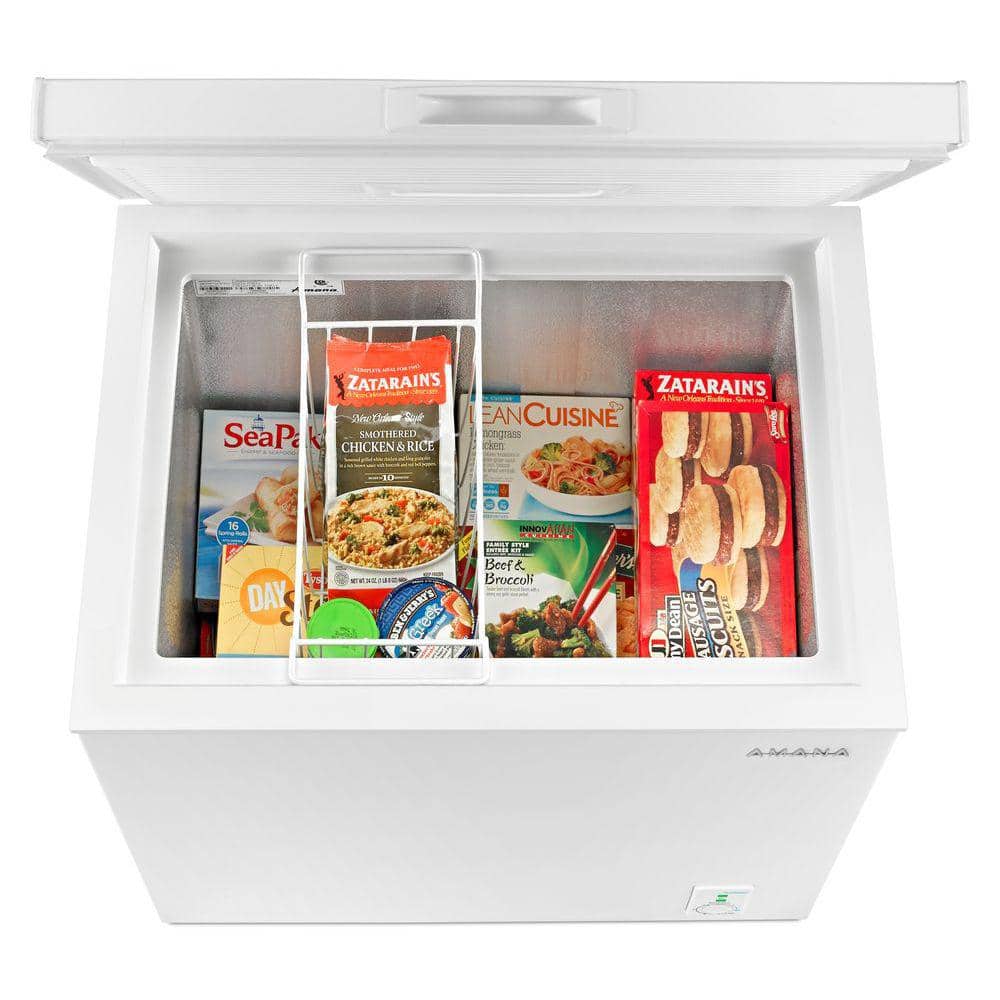
Different types of freezers hold cold temperatures for varying lengths of time during a power outage. A refrigerator freezer typically retains its temperature for around 24-48 hours, depending on how full it is and how often the door is opened. On the other hand, a chest freezer, due to its design and insulation, can keep food frozen for up to 48-72 hours.
| Freezer Type | Duration Without Power |
|---|---|
| Refrigerator Freezer | 24-48 hours |
| Chest Freezer | 48-72 hours |
Room Temperature Impact
The ambient temperature where your freezer is located can also significantly affect how long food remains frozen. Higher room temperatures lead to faster thawing, while cooler ambient temperatures can extend the duration your food remains safely frozen.
| Room Temperature | Duration Without Power (Refrigerator Freezer) | Duration Without Power (Chest Freezer) |
|---|---|---|
| 60°F (15°C) | Up to 48 hours | Up to 72 hours |
| 70°F (21°C) | Up to 36 hours | Up to 60 hours |
| 80°F (27°C) | Up to 24 hours | Up to 48 hours |
Guidelines for Different Types of Food
Different types of food have varying safe time frames for remaining frozen without power. Here are some general guidelines for common frozen foods:
- Meat and Poultry: Generally safe for up to 48 hours in a refrigerator freezer and up to 72 hours in a chest freezer.
- Seafood: More perishable, typically safe for up to 24 hours in a refrigerator freezer and up to 48 hours in a chest freezer.
- Fruits and Vegetables: Can last up to 48 hours in both types of freezers, but the texture may degrade.
- Prepared Meals: Safe for up to 24 hours in a refrigerator freezer and up to 48 hours in a chest freezer.
- Dairy Products: Can last up to 24 hours in a refrigerator freezer and up to 48 hours in a chest freezer.
| Food Type | Refrigerator Freezer Duration | Chest Freezer Duration |
|---|---|---|
| Meat and Poultry | Up to 48 hours | Up to 72 hours |
| Seafood | Up to 24 hours | Up to 48 hours |
| Fruits and Vegetables | Up to 48 hours | Up to 48 hours |
| Prepared Meals | Up to 24 hours | Up to 48 hours |
| Dairy Products | Up to 24 hours | Up to 48 hours |
Knowing these timelines can help you determine whether your food is still safe to eat during a power outage. For more detailed information on specific foods, such as how long can defrosted chicken last in the fridge? or how long can frozen crab legs stay in the freezer?, check our related articles.
Signs of Spoilage
When a power outage occurs, it's essential to know how to determine if your frozen food is still safe to eat. Identifying spoilage can help prevent foodborne illnesses and ensure the safety of your household.
How to Determine If Food Is Safe to Eat
To assess if your frozen food is still safe, consider the following factors:
- Temperature: If the freezer temperature rises above 40°F (4°C) for more than two hours, the food may no longer be safe to eat. A thermometer can help monitor the temperature.
- Ice Crystals: If the food still has ice crystals and feels cold to the touch, it may be safe to refreeze or cook.
- Smell: A strong, unpleasant odor is a clear indicator that the food has spoiled.
- Texture: Changes in texture, such as sliminess or mushiness, can be signs of spoilage.
- Color: Discoloration or unusual color changes in food can indicate that it has gone bad.
Common Spoilage Indicators
It's important to recognize common signs of spoilage in different types of food. Here are some indicators to help you determine if your frozen food has spoiled:
| Food Type | Spoilage Indicators |
|---|---|
| Meat and Poultry | Rancid smell, slimy texture, gray or brown discoloration |
| Fish and Seafood | Strong fishy odor, soft or mushy texture, dull color |
| Fruits and Vegetables | Off smell, mushy texture, mold growth |
| Dairy Products | Sour smell, curdled texture, mold |
| Baked Goods | Stale smell, mold, dry and hard texture |
For more detailed information on specific food items, you can refer to our articles on how long can defrosted chicken last in the fridge? and how long can frozen vegetables last in the fridge?.
By being vigilant and using these guidelines, you can ensure that your frozen food remains safe to consume. If in doubt, it's always better to err on the side of caution and dispose of any food that shows signs of spoilage. For further guidance on handling thawed food and disposal, check out our section on handling thawed food.
Safety Measures and Recommendations
When faced with a power outage, it's crucial to ensure the safety of the food stored in your freezer. Here are some essential safety measures and recommendations to follow.
General Guidelines for Food Safety
Understanding general food safety guidelines can help you protect your food during a power outage. Here are some key points to keep in mind:
- Keep the Freezer Door Closed: The less you open the freezer door, the longer the cold air will stay inside.
- Monitor Freezer Temperature: Use a freezer thermometer to ensure the temperature remains at or below 0°F (-18°C).
- Group Foods Together: Organizing food items close together can help them stay colder for longer.
Handling Thawed Food
Once the power is restored, it's important to assess the condition of the food in your freezer. Here are some guidelines for handling thawed food:
- Check for Ice Crystals: If food still has ice crystals and feels cold to the touch, it can be refrozen.
- Assess Temperature: If the temperature inside the freezer has remained at or below 40°F (4°C), the food is generally safe to refreeze or cook.
- Smell and Appearance: Be wary of any unusual odors, colors, or textures, as these can indicate spoilage.
| Food Type | Safe to Refreeze? |
|---|---|
| Meat and Poultry | Yes, if ice crystals are present |
| Vegetables | Yes, if ice crystals are present |
| Fruits | Yes, may lose texture but safe |
| Dairy | No, discard if thawed |
For more specific details on how long certain foods can last in the fridge or freezer, check our articles on how long can frozen chicken defrost in the fridge? and how long can frozen crab legs stay in the freezer?.
Disposing of Spoiled Food Properly
If you determine that some of the food in your freezer has spoiled, it's crucial to dispose of it properly to prevent any health risks. Here are some tips for disposing of spoiled food:
- Seal in Bags: Place spoiled food in sealed plastic bags to contain any potential bacteria.
- Avoid Drains: Do not dispose of spoiled food down the sink or toilet to avoid clogging and contamination.
- Use Trash Bins: Dispose of the sealed bags in an outdoor trash bin to keep odors and bacteria away from your living space.
Knowing how to handle food safety during a power outage can help you make informed decisions and minimize waste. For more detailed guidelines, you can refer to our articles on how long can food stay in a freezer without power? and how long can food sit in the fridge without power?.
Get Your Upgrade or New Addition at Fridge.com
Whether you're searching for your perfect fridge, freezer, wine fridge, beer fridge, ice maker, or kegerator, we have what you need.
Shop the world's best brands at Fridge.com.
We also have tons of awesome articles about kitchen stuff and home news. Enhance your home, garage, backyard, patio, and office with the coolest essentials. With every necessary type of residential refrigerator or freezer in our collection, we've got you covered.
Elevate your game and shop now at Fridge.com!