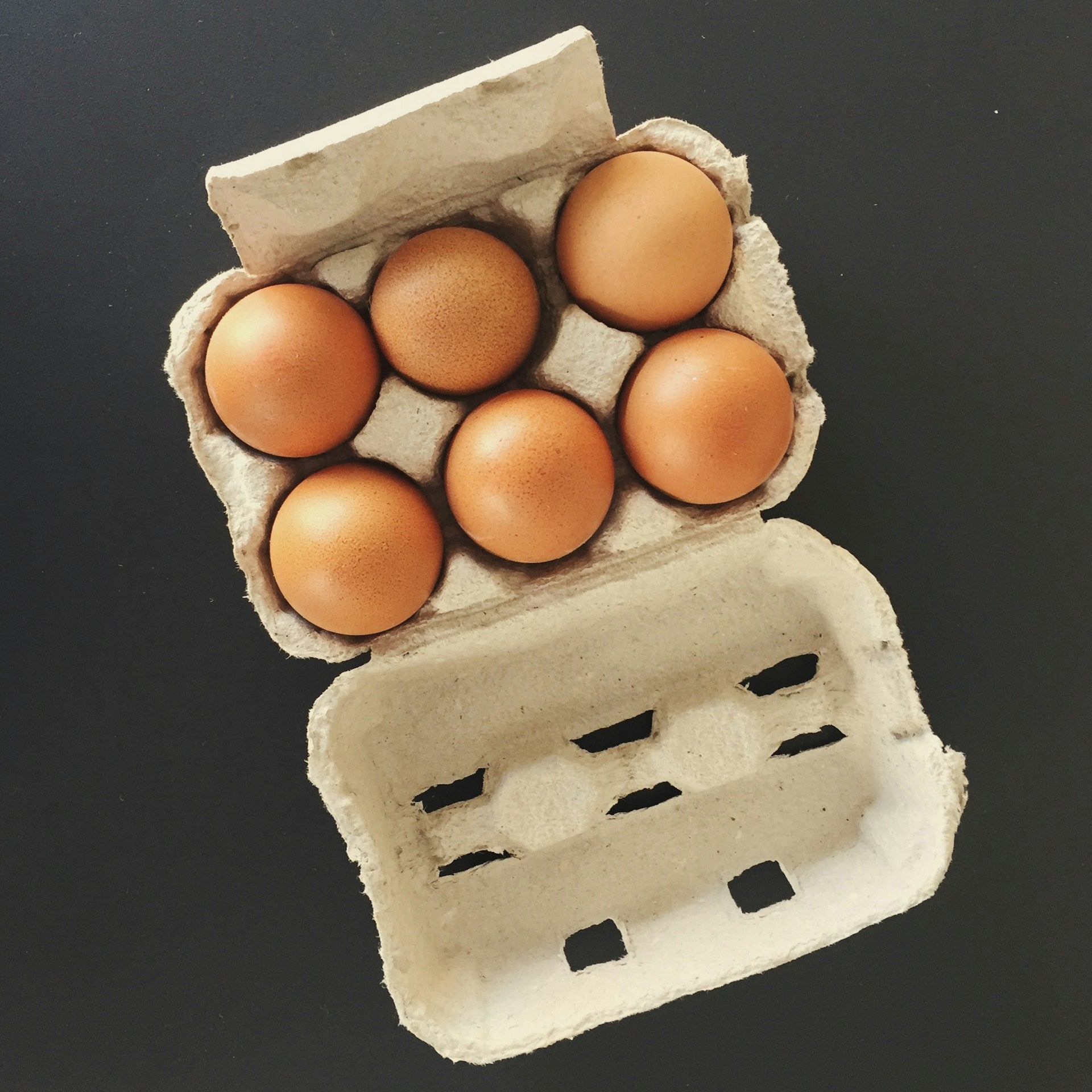
How Long Can I Leave Eggs Out Of The Fridge?
Why Storing Eggs Right is a Big Deal
Keeping your eggs in tip-top shape isn't just about taste—it's about staying healthy too. Knowing how to store your eggs properly can save you from a nasty bout of food poisoning and keep your breakfast game strong.
Why You Should Care About Egg Storage
Eggs are packed with nutrients, but they can go bad fast if you don't store them right. Keeping them at the right temperature means they stay fresh, tasty, and safe to eat. When you pop them in the fridge, you slow down the growth of nasty bacteria like Salmonella, which can make you seriously sick.
What Happens When You Don't Store Eggs Right
Leaving eggs out on the counter for too long can turn them into a health hazard. Spoiled eggs can lead to food poisoning, with symptoms like nausea, vomiting, diarrhea, and stomach cramps. Not fun.
Plus, eggs left at room temp can get smelly and weird in texture. That means your omelets and cakes won't taste as good. To avoid this, always keep your eggs in their original carton in the coldest part of the fridge. And keep them away from strong-smelling foods that can mess with their flavor.
For more tips on keeping your food fresh, check out our articles on how long can egg casserole be in the fridge and how long can i keep egg salad in the fridge.
By storing your eggs the right way, you can enjoy all the goodness they offer without worrying about getting sick. So, keep those eggs cool and enjoy your meals!
How Long Can Eggs Stay Out of the Fridge?
Let's talk eggs. How long can they chill outside the fridge before they turn into a bacterial playground? Here's the lowdown on keeping your eggs fresh and safe.
Room Temperature Guidelines
Eggs love the fridge. But sometimes, they end up on the counter. So, how long can they hang out there? According to food safety experts, eggs shouldn't be left out for more than two hours. If it's a scorcher outside (over 90°F or 32°C), cut that time down to one hour.
| Temperature | Max Time Eggs Can Stay Out |
|---|---|
| Below 90°F (32°C) | 2 hours |
| Above 90°F (32°C) | 1 hour |
Leave them out longer, and you're inviting bacteria to the party, which can lead to food poisoning. No one wants that.
Factors Affecting Egg Safety
A few things can mess with how long your eggs can safely stay out:
- Temperature: The hotter it is, the faster bacteria grow. Pop those eggs back in the fridge ASAP.
- Egg Freshness: Fresh eggs are like little bacterial fortresses. To check if your eggs are fresh, plop them in a bowl of water. Fresh eggs sink; old ones float. For more on this, check out our egg freshness guide.
- Eggshell Condition: Cracked eggshells are like open doors for bacteria. Only leave out eggs with perfect shells.
- Humidity: High humidity can also speed up bacterial growth. If you have to leave eggs out, keep them dry.
Stick to these tips, and your eggs will stay safe and tasty. For more egg-cellent advice, see our articles on how long can egg casserole be in the fridge? and how long can i keep egg salad in the fridge?.
How to Tell If Your Eggs Are Fresh
Wondering if those eggs in your fridge are still good? Let's crack the mystery wide open. Here’s how you can easily check if your eggs are fresh and spot the signs of bad ones.
Easy Ways to Check Egg Freshness
You don’t need fancy gadgets to figure out if your eggs are fresh. Here are some simple tricks:
- Float Test: Fill a bowl with water and gently place the egg in it. Fresh eggs sink and lay flat, while older ones stand upright or float.
| Egg Freshness | Result in Water |
|---|---|
| Fresh | Sinks and lays flat |
| Slightly old | Stands upright |
| Spoiled | Floats |
Shake Test: Hold the egg close to your ear and give it a gentle shake. If you hear a sloshing sound, it’s probably old. Fresh eggs stay quiet.
Sniff Test: Crack the egg open and take a whiff. Fresh eggs have a neutral smell, while bad ones stink like sulfur.
Candling: Hold the egg against a bright light. Fresh eggs show a small air cell and a clear yolk. Older eggs have a bigger air cell and a more visible yolk shadow.
How to Spot Bad Eggs
Nobody wants to deal with a bad egg. Here’s how to tell if an egg has gone off:
Bad Smell: A rotten egg smells like sulfur. If it stinks, toss it.
Weird Colors: Fresh egg whites are clear and slightly thick, and the yolk is bright yellow or orange. If the whites are pink, green, or iridescent, or if the yolk looks dull, it’s bad.
Shell Issues: Look for cracks, a slimy feel, or a powdery look on the shell. These can mean bacteria or mold.
Runny Texture: When you crack it open, a fresh egg has a firm white. If it’s runny and watery, it’s spoiled.
By keeping an eye on your eggs, you can avoid the nasty surprise of a bad one. Want to know how long other foods last in the fridge? Check out our articles on how long ground beef lasts in the fridge and how long fresh salsa stays good.
Tips for Safely Handling Eggs
Keeping eggs safe isn't just about avoiding a bad breakfast—it's about dodging foodborne illnesses and keeping them fresh. Here’s how to do it right.
Storing Eggs in the Fridge
Eggs belong in the fridge, plain and simple. This keeps them fresh and cuts down on the chance of bacteria making a home in your breakfast.
| Storage Method | Temperature | Duration |
|---|---|---|
| Refrigerator | ≤ 40°F (4°C) | 3-5 weeks |
| Room Temperature | 68-77°F (20-25°C) | Up to 2 hours |
For best results:
- Keep eggs in their original carton to stop them from soaking up other food smells.
- Store the carton in the main part of the fridge, not the door, since the door’s temperature changes more.
- Don’t wash eggs before storing them; washing can strip away their protective layer and invite bacteria.
Safe Practices for Handling Eggs
Handling eggs safely is key to avoiding nasty bugs like Salmonella. Here’s what you need to know:
- Wash Hands and Surfaces: Always scrub your hands with soap and water before and after touching eggs. Clean any surfaces and utensils that come into contact with raw eggs.
- Avoid Cross-Contamination: Keep raw eggs away from other foods, especially those ready to eat. Use separate utensils and cutting boards for eggs and other ingredients.
- Inspect Eggs: Check for cracks before using eggs. Toss any with visible cracks since bacteria can sneak in through them.
- Cook Eggs Thoroughly: Make sure both the yolk and white are firm. For dishes with eggs, ensure the internal temperature hits 160°F (71°C).
- Use Pasteurized Eggs: If your recipe calls for raw or lightly cooked eggs, go for pasteurized eggs to lower the risk of getting sick.
For more tips on egg safety, check out our articles on how long can i keep egg yolks in the fridge? and how long can i keep egg salad in the fridge?.
Follow these tips to keep your eggs safe and fresh, making sure your meals are both tasty and healthy.
Cooking with Eggs
Cooking with eggs can be a breeze if you follow some simple tips and tricks. This section will help you whip up egg dishes that are both delicious and safe to eat.
Cooking Tips for Eggs
Perfectly cooked eggs are all about timing and temperature. Here’s a quick guide to help you nail it every time:
| Egg Dish | Cooking Time (minutes) | Temperature (°F) |
|---|---|---|
| Scrambled Eggs | 3-5 | Medium |
| Fried Eggs | 2-3 per side | Medium |
| Boiled Eggs (Soft) | 4-6 | N/A |
| Boiled Eggs (Hard) | 9-12 | N/A |
| Poached Eggs | 3-4 | N/A |
| Baked Eggs | 12-15 | 350 |
Stick to these times and temps, and you’ll have eggs cooked just right, keeping all that good stuff inside.
Keeping Eggs Safe in Recipes
No one wants to get sick from their breakfast, so here’s how to keep your egg dishes safe:
- Use Fresh Eggs: Always check if your eggs are fresh before using them. Need help? Check out our egg freshness guide.
- Store Eggs Right: Keep those eggs in the fridge until you’re ready to use them. For more tips, see our egg storage guide.
- Avoid Cross-Contamination: Use different utensils and cutting boards for raw eggs and other foods. And don’t forget to wash your hands after handling raw eggs.
- Cook Eggs Thoroughly: Make sure both the yolk and white are firm. This is key for dishes like scrambled eggs, omelets, and casseroles.
- Use Pasteurized Eggs: If your recipe calls for raw or lightly cooked eggs (think dressings or sauces), go for pasteurized eggs to cut down on the risk of salmonella.
Follow these tips, and you can enjoy your egg dishes without any worries. For more detailed info, check out our article on safe egg handling.
Cooking with eggs can be a lot of fun when you know what you’re doing. By following these tips and keeping safety in mind, you can make tasty and healthy meals for everyone.
Got Questions About Egg Storage? We've Got Answers!
Can I Leave Eggs Out Overnight?
Leaving eggs out overnight? Not a great idea. While they can chill at room temp for a bit, overnight is pushing it. Bacteria love warm eggs, and you don't want to invite them to the party. Best bet? Pop those eggs in the fridge to keep them fresh and safe.
| Time Left Out | Safety Risk |
|---|---|
| Up to 2 hours | Low |
| 2-4 hours | Moderate |
| Over 4 hours | High |
Curious about other foods? Check out our guide on how long can ground beef stay out of the fridge?.
How Long Can Hard-Boiled Eggs Sit Out?
Hard-boiled eggs are like that friend who can't handle the heat. Leave them out for more than two hours, and you're asking for trouble. Bacteria can crash the party and cause food poisoning. Keep those eggs in the fridge if you want to snack on them later.
| Temperature | Maximum Time |
|---|---|
| Room Temperature (68-72°F) | 2 hours |
| Refrigerated (32-40°F) | Up to 7 days |
Want more tips on storing cooked foods? Check out our article on how long can I keep egg salad in the fridge?.
What Should I Do If I Accidentally Left Eggs Out?
Oops, left the eggs out? No worries, it happens. If it's been less than two hours, you're probably in the clear. More than two hours, especially if it's warm? Better safe than sorry—toss them to avoid any nasty surprises.
Need more food safety tips? We've got you covered with articles on how long can fresh steak stay in the fridge? and how long can fruit salad last in the fridge?.
Get Your Upgrade or New Addition at Fridge.com
Whether you're searching for your perfect fridge, freezer, wine fridge, beer fridge, ice maker, or kegerator, we have what you need.
Shop the world's best brands at Fridge.com.
We also have tons of awesome articles about kitchen stuff and home news. Enhance your home, garage, backyard, patio, and office with the coolest essentials. With every necessary type of residential refrigerator or freezer in our collection, we've got you covered.
Elevate your game and shop now at Fridge.com!