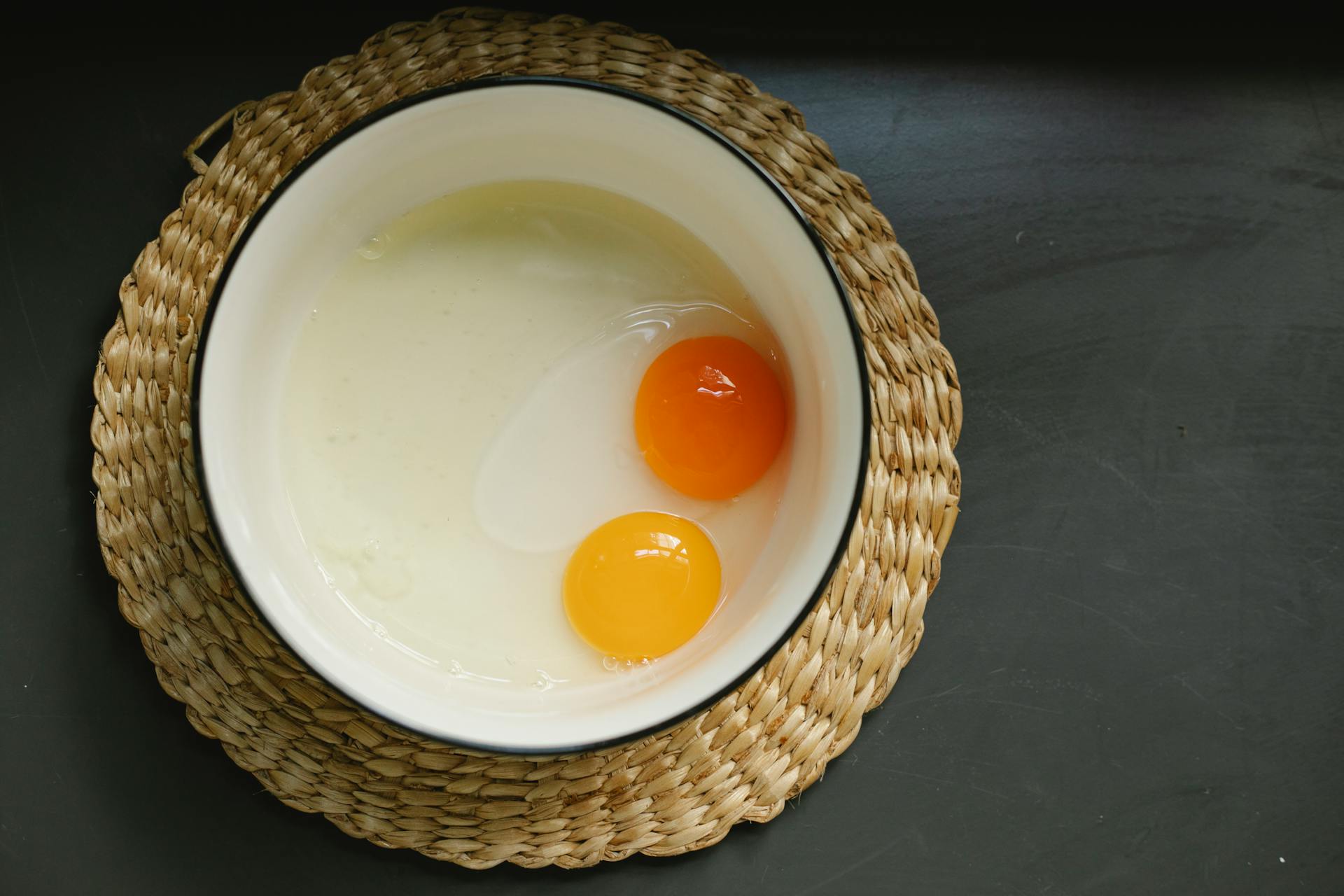
Storing Egg Yolks in the Fridge
Proper storage of egg yolks is essential to maintain their freshness and prevent spoilage. Understanding the importance of correct storage and the factors that affect egg yolk shelf life will help you make the most out of your ingredients.
Importance of Proper Egg Yolk Storage
Proper storage of egg yolks ensures that they remain fresh and safe for consumption. Storing egg yolks correctly helps to maintain their texture and flavor, which is crucial for various culinary applications. By keeping them in optimal conditions, you can extend their usability and minimize food waste.
When egg yolks are not stored properly, they can spoil quickly, leading to potential health risks. Consuming spoiled egg yolks can cause foodborne illnesses, which is why it’s important to follow best practices for storage. For more information on storing different foods, check out our article on how long can fresh steak stay in the fridge.
Factors Affecting Egg Yolk Shelf Life
Several factors influence how long egg yolks can be kept in the fridge:
- Temperature: Keeping egg yolks at a consistent, cold temperature slows down bacterial growth. The ideal storage temperature for egg yolks is below 40°F (4°C).
- Humidity: High humidity can cause condensation, which may lead to bacterial growth. Storing egg yolks in an airtight container helps maintain the right humidity levels.
- Exposure to Air: Air exposure can cause egg yolks to dry out and develop a crusty texture. Storing them in a sealed container reduces air contact.
- Contamination: Cross-contamination with other foods can introduce bacteria to the egg yolks. Ensure that the storage container is clean and avoid contact with raw meats or other contaminants.
| Factor | Effect on Shelf Life |
|---|---|
| Temperature | Must be below 40°F (4°C) to prevent spoilage |
| Humidity | Low humidity preferred; use airtight containers |
| Air Exposure | Reduces shelf life; store in sealed containers |
| Contamination | Increases risk of spoilage; avoid cross-contamination |
By considering these factors, you can keep your egg yolks fresh for a longer period. For more tips on food storage, check out our article on how long can ground beef stay out of fridge.
Fresh Egg Yolks
Refrigerating Fresh Egg Yolks
When you have fresh egg yolks that need to be stored, refrigerating them properly is essential to maintain their quality and safety. To refrigerate fresh egg yolks, place them in an airtight container. To prevent them from drying out, you can cover them with a thin layer of water or plastic wrap directly on the surface of the yolks.
How Long Can You Keep Fresh Egg Yolks?
Fresh egg yolks can be kept in the refrigerator for a limited time. It's important to use them within a certain period to ensure they remain safe for consumption.
| Storage Method | Duration |
|---|---|
| Refrigerated in an airtight container | 2-4 days |
For more information on storing other types of food in the refrigerator, you can refer to our articles on how long can fresh steak stay in the fridge and how long can green juice stay in the fridge.
By keeping these guidelines in mind, you can ensure that your fresh egg yolks stay fresh and safe to use. If you have leftover egg yolks, the storage methods and durations may differ. For further details, see our section on storing leftover egg yolks.
Leftover Egg Yolks
Properly storing leftover egg yolks is essential to maintain their freshness and prevent spoilage. Understanding the best practices for storage can help you make the most of these versatile kitchen staples.
Storing Leftover Egg Yolks
When you have leftover egg yolks, it's crucial to store them correctly to extend their shelf life. To do this, place the egg yolks in a small airtight container. To prevent the yolks from drying out, add a small amount of water or milk to cover them completely. Seal the container tightly and store it in the refrigerator.
| Storage Method | Description |
|---|---|
| Airtight Container | Use a small container with a tight seal |
| Covering Liquid | Add water or milk to prevent drying out |
How Long Can You Keep Leftover Egg Yolks?
The shelf life of leftover egg yolks in the fridge is relatively short. When stored properly, you can keep them for up to 2 days. After this period, the yolks may start to spoil and should be discarded.
| Storage Condition | Shelf Life |
|---|---|
| Refrigerated (in airtight container with liquid) | Up to 2 days |
For extended storage methods, consider freezing the yolks. This can significantly prolong their usability. For more information on freezing and thawing yolks, see our section on freezing egg yolks.
Being aware of the signs of spoilage is also important. Always check for off smells, discoloration, or any changes in texture before using stored yolks. For guidance on checking yolks for freshness, see our section on safe practices for using egg yolks.
By following these storage tips, you can ensure that your leftover egg yolks remain fresh and safe to use for as long as possible.
Extended Storage Methods
When you have more egg yolks than you can use immediately, freezing them is an effective way to extend their shelf life. Below, we explore the methods for freezing and thawing egg yolks.
Freezing Egg Yolks
Freezing egg yolks is a straightforward process, but it's important to follow proper steps to maintain their quality. Egg yolks can become gelatinous when frozen, which can be prevented by adding a stabilizer.
- Separate the Yolks: Carefully separate the yolks from the whites.
- Add a Stabilizer: For every four yolks, add 1/8 teaspoon of salt or 1 1/2 teaspoons of sugar. This helps to prevent the yolks from becoming gelatinous.
- Mix Well: Beat the yolks gently until they are well mixed with the salt or sugar.
- Package for Freezing: Place the yolks in an airtight container, leaving some space for expansion.
- Label and Freeze: Label the container with the date and whether salt or sugar was added. Store in the freezer.
| Number of Yolks | Stabilizer Added |
|---|---|
| 4 | 1/8 tsp salt or 1 1/2 tsp sugar |
Thawing Frozen Egg Yolks
When you're ready to use your frozen egg yolks, proper thawing is key to maintaining their quality.
- Transfer to Fridge: Move the container from the freezer to the refrigerator. This allows the yolks to thaw slowly and evenly.
- Use Within 24 Hours: Once thawed, use the egg yolks within 24 hours for the best quality.
- Check Consistency: If the yolks appear too thick, you can thin them with a small amount of water.
| Thawing Method | Time Required |
|---|---|
| In the refrigerator | 4-6 hours |
For more tips on safe storage practices, you might find our articles on how long can fresh steak stay in the fridge and how long can frozen salmon be in the fridge helpful. By following these methods, you can make the most out of your egg yolks and reduce food waste.
Checking Egg Yolks for Freshness
Proper storage and handling of egg yolks are essential to ensure their freshness and safety. Knowing the signs of spoilage and following safe practices can help you make the most of your egg yolks.
Signs of Spoiled Egg Yolks
Recognizing the signs of spoiled egg yolks can prevent foodborne illnesses and ensure that your dishes are safe to consume. Here are some indicators to look out for:
| Sign | Description |
|---|---|
| Color Change | Fresh egg yolks are bright yellow or orange. Spoiled yolks may turn green, gray, or develop dark spots. |
| Odor | Fresh egg yolks have a mild smell. If the yolk has a sour or sulfur-like odor, it is likely spoiled. |
| Texture | Fresh egg yolks are smooth and slightly runny. Spoiled yolks may become thick, sticky, or lumpy. |
| Separation | If the yolk separates into clumps or has an unusual consistency, it may be spoiled. |
Always check for these signs before using egg yolks in your recipes. If in doubt, it's safer to discard the yolk to avoid any health risks.
Safe Practices for Using Egg Yolks
To ensure the safety and quality of your egg yolks, follow these best practices:
Store Properly: Keep egg yolks in an airtight container in the refrigerator. For more on this, refer to our section on storing egg yolks in the fridge.
Monitor Shelf Life: Fresh egg yolks can be kept in the fridge for up to 2 days, while leftover egg yolks should be used within 1-2 days. For extended storage, consider freezing them. Learn more about freezing egg yolks.
Use Heat: When cooking with egg yolks, ensure they reach a safe internal temperature to kill any potential bacteria. This is particularly important for dishes like custards, sauces, and creams.
Use Clean Utensils: Always use clean utensils and containers to prevent cross-contamination. This practice helps maintain the freshness and safety of your egg yolks.
Avoid Room Temperature: Do not leave egg yolks at room temperature for extended periods. Refrigerate them promptly after separating from the whites.
By following these guidelines, you can safely enjoy the versatility and richness that egg yolks bring to your culinary creations. For additional information on storing other foods, check out our articles on how long can egg casserole be in the fridge? and how long can ground turkey be in the fridge?.
Get Your Upgrade or New Addition at Fridge.com
Whether you're searching for your perfect fridge, freezer, wine fridge, beer fridge, ice maker, or kegerator, we have what you need.
Shop the world's best brands at Fridge.com.
We also have tons of awesome articles about kitchen stuff and home news. Enhance your home, garage, backyard, patio, and office with the coolest essentials. With every necessary type of residential refrigerator or freezer in our collection, we've got you covered.
Elevate your game and shop now at Fridge.com!