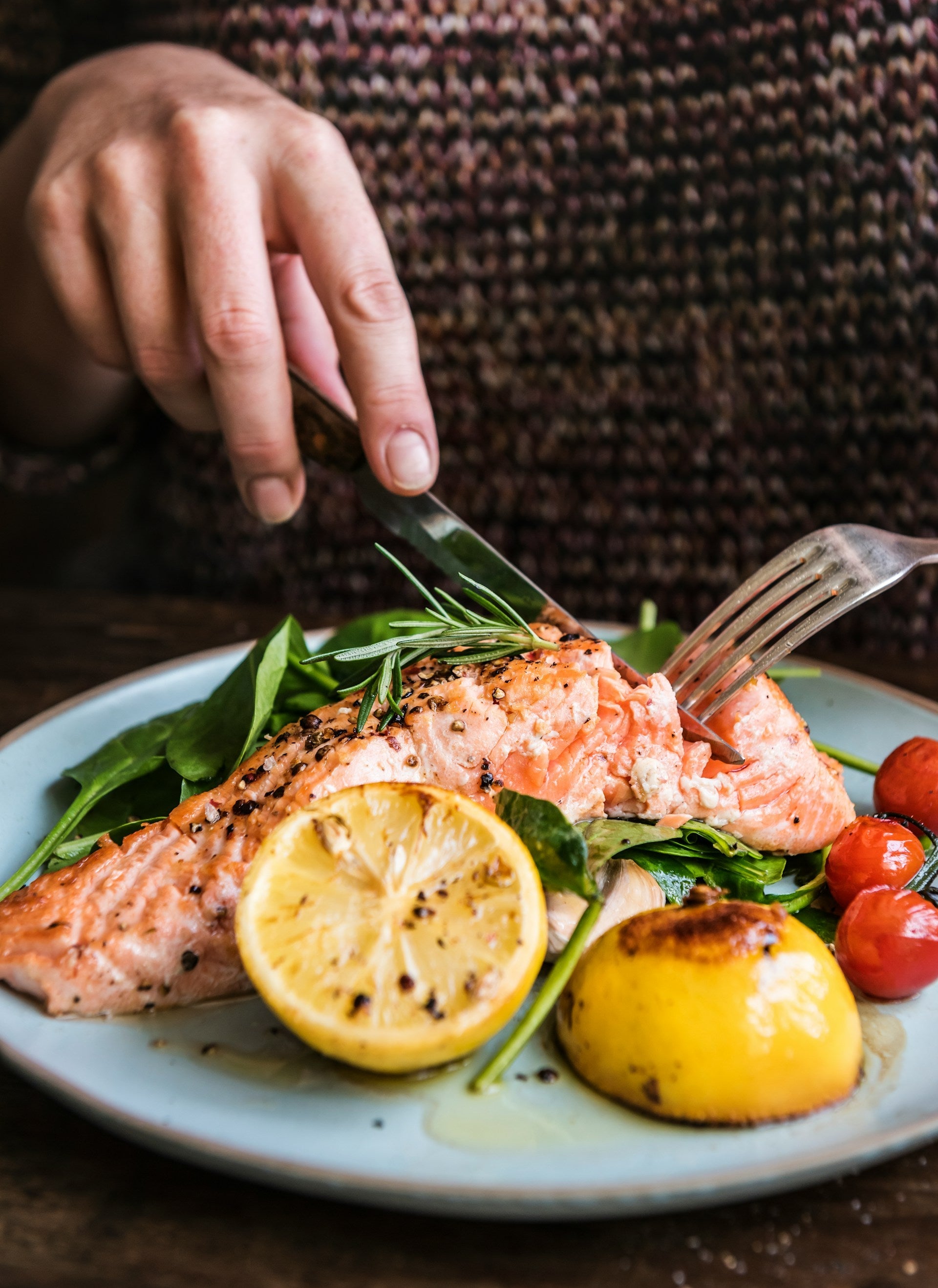
Keeping Cooked Salmon Fresh in the Fridge
Got some leftover salmon? Let's make sure it stays tasty and safe to eat. Here's how to store your cooked salmon the right way.
Why Proper Storage Matters
Storing cooked salmon properly isn't just about keeping it tasty—it's about keeping it safe. If you don't store it right, you risk it going bad and making you sick. But if you do it right, you can enjoy your salmon for days to come.
First things first: pop that salmon in the fridge within two hours of cooking. Use a reliable fridge, like a 4.5 cu ft refrigerator or a dorm room refrigerator, to keep it at the right temperature.
What Affects How Long It Lasts?
Several things can make your salmon last longer or spoil faster:
Fridge Temperature: Keep your fridge at or below 40°F (4°C). A steady, cool environment, like in a 7 cu ft refrigerator, is key.
Packaging: Use airtight containers or heavy-duty aluminum foil to keep air and moisture out. This helps prevent spoilage.
Freshness Before Cooking: The fresher the salmon was before you cooked it, the longer it will last in the fridge.
Exposure to Air: Less air means fewer bacteria and a longer shelf life.
Here's a quick look at what affects your salmon's storage time:
| Factor | Why It Matters |
|---|---|
| Fridge Temperature | Keep it at or below 40°F (4°C) |
| Packaging | Airtight containers or foil are best |
| Freshness Before Cooking | Fresher salmon lasts longer |
| Exposure to Air | Less air means less spoilage |
Want to know more about storing other foods? Check out our articles on how long boiled eggs last in the fridge and how long defrosted chicken stays good.
By keeping these tips in mind, you can make sure your cooked salmon stays fresh and safe to eat. Enjoy those leftovers!
How to Keep Your Cooked Salmon Fresh
Want to make sure your cooked salmon stays tasty and safe to eat? Here’s how you can store it like a pro.
Keep It Cool
The fridge is your best friend when it comes to keeping cooked salmon fresh. Here’s what you need to do:
- Chill Fast: Pop that salmon in the fridge within two hours of cooking. Bacteria love warm food, so don’t give them a chance.
- Right Temp: Your fridge should be at or below 40°F (4°C). Need help with fridge settings? Check out our fridge temp guide.
- Shelf Life: Cooked salmon is good for about 3 to 4 days in the fridge. Here’s a quick look:
| Storage Method | Duration |
|---|---|
| Refrigerator (40°F or below) | 3 - 4 days |
Wrap It Up
How you package your salmon can make a big difference. Here’s how to do it right:
- Airtight Containers: These are your best bet. They keep air and moisture out, which means fresher salmon.
- Plastic Wrap or Foil: No airtight container? No problem. Just wrap the salmon tightly in plastic wrap or aluminum foil.
- Vacuum Sealing: Want it to last even longer? Vacuum sealing is the way to go. It sucks out all the air, giving your salmon a longer shelf life.
Follow these tips, and you’ll be enjoying your cooked salmon for days. For more food storage tips, check out our articles on how long defrosted chicken lasts in the fridge and how long cooked eggs last in the fridge.
How Long Does Cooked Salmon Last?
How Long Can You Keep It?
Got some leftover salmon from last night's dinner? Great! But don't let it sit too long. Cooked salmon is good in the fridge for about 3 to 4 days. This keeps it tasty and safe to eat.
| Storage Method | Duration |
|---|---|
| Fridge (32°F - 40°F) | 3-4 days |
| Freezer (-0.4°F or below) | Up to 3 months |
Want to know more about keeping your fridge at the right temp? Check out our article on recommended fridge temp.
How to Tell If It's Gone Bad
Nobody wants to eat spoiled fish. Here’s how to know if your cooked salmon has turned:
- Smell: Fresh salmon smells mild. If it smells sour, rancid, or just too fishy, toss it.
- Feel: If it’s slimy, mushy, or super dry, it’s time to say goodbye.
- Look: Salmon should stay pink or orange. If it looks gray or has dark spots, it's probably bad.
- Taste: If it tastes weird, don’t eat it.
| Signs of Spoilage | Description |
|---|---|
| Smell | Sour, rancid, or too fishy |
| Feel | Slimy, mushy, or very dry |
| Look | Gray or dark spots |
| Taste | Weird or off-flavor |
Keep an eye out for these signs to make sure your salmon is still good. For more tips on storing food, check out our articles on how long are boiled eggs good in the refrigerator? and how long can defrosted chicken stay in the fridge?.
Making Your Cooked Salmon Last Longer
Want to keep that delicious cooked salmon fresh for longer? Freezing and reheating it the right way can help you enjoy it without losing its taste or safety.
Freezing Cooked Salmon
Freezing cooked salmon is a great way to make it last. But, you gotta do it right to keep that yummy texture and flavor. Here's how:
- Cool It Down: Let the salmon cool completely before you freeze it.
- Portion Control: Cut the salmon into meal-sized pieces. It makes thawing a breeze.
- Wrap It Up: Use heavy-duty aluminum foil, plastic wrap, or freezer paper to wrap each piece tightly.
- Airtight Containers: Put the wrapped pieces in airtight containers or freezer bags to avoid freezer burn.
- Label and Date: Always label the containers with the date so you know how long it's been in there.
Properly stored, cooked salmon can chill in the freezer for up to three months.
| Storage Method | Duration |
|---|---|
| Fridge | 3 to 4 days |
| Freezer | Up to 3 months |
Check out our articles on how long can food stay in freezer without power? and how long is cooked rice good for in the fridge? for more tips.
Reheating Safely
Reheating salmon needs a bit of care to keep it tasty and safe. Here’s how to do it right:
- Thaw It Right: If it's frozen, thaw the salmon in the fridge overnight. Don't leave it out on the counter.
- Microwave: Put the salmon in a microwave-safe dish, cover it, and heat on medium power in short bursts until it's warm.
- Oven: Preheat your oven to 275°F (135°C). Place the salmon on a baking sheet, cover with foil, and heat for about 15 minutes or until it hits 145°F (63°C) inside.
- Stovetop: Heat a non-stick skillet over medium heat, add a bit of oil, and reheat the salmon for 3-4 minutes on each side.
| Reheating Method | Temperature | Time |
|---|---|---|
| Microwave | Medium Power | Short Bursts |
| Oven | 275°F (135°C) | 15 minutes |
| Stovetop | Medium Heat | 3-4 minutes each side |
Reheat gently to avoid drying out the salmon. For more safety tips, see our articles on food safety practices and when to toss cooked salmon.
By following these tips, you can keep your cooked salmon fresh and tasty for longer. For some fun ways to use leftover salmon, check out our section on creative ways to use leftover cooked salmon.
Keeping Your Cooked Salmon Safe
Storing cooked salmon in your fridge isn't just about keeping it fresh—it's about keeping you safe from nasty foodborne illnesses. Let's make sure your salmon stays tasty and safe to eat.
Smart Storage Tips
Keeping your salmon safe involves a few simple steps. Here's what you need to know:
- Get It in the Fridge Fast: Pop your cooked salmon in the fridge within two hours of cooking. Bacteria love room temperature, so don't give them a chance.
- Cool It Down: Let the salmon cool off a bit before refrigerating. Speed things up by splitting it into smaller portions.
- Seal It Tight: Use airtight containers or tightly wrapped plastic to keep air and germs out.
- Keep It Cold: Your fridge should be at or below 40°F (4°C). Need help with fridge settings? Check out our guide on recommended fridge temp.
When to Toss It
Knowing when to throw out cooked salmon is key to avoiding a bad time. Here’s how to tell if your salmon's gone bad:
| Sign | What to Look For |
|---|---|
| Time's Up | Eat your salmon within 3-4 days of refrigerating. |
| Looks Weird | If it’s slimy, discolored, or moldy, it’s trash. |
| Smells Funky | A sour or off smell means it’s spoiled. |
| Feels Off | Mushy or weird texture? Time to toss it. |
Stick to these tips, and you'll keep your salmon safe to eat. When in doubt, it's always better to be safe and throw it out.
For more handy tips on food storage, check out our articles on how long are boiled eggs good in the refrigerator? and how long is cooked rice good for in the fridge?.
Enjoying Leftover Salmon
Got some leftover salmon? Don't just nuke it and call it a day. With a bit of imagination, you can turn that salmon into a whole new meal. Here are some fun and tasty ways to use your leftover salmon and tips to make it taste even better.
Fun Ways to Use Leftover Cooked Salmon
- Salmon Salad
- Mix flaked salmon with mayo, diced celery, and a splash of lemon juice. Throw it on some greens or slap it between two slices of bread.
- Salmon Patties
- Mix salmon with breadcrumbs, an egg, and your favorite spices. Shape into patties and fry until crispy and golden.
- Salmon Tacos
- Use flaked salmon as taco filling. Add avocado, salsa, and a squeeze of lime for a fresh twist.
- Salmon Pasta
- Toss flaked salmon with cooked pasta, olive oil, garlic, and cherry tomatoes. Sprinkle with Parmesan cheese.
- Salmon Fried Rice
- Mix leftover salmon with cooked rice, peas, carrots, and soy sauce. Stir-fry for a quick meal.
- Salmon Quiche
- Add salmon to a quiche with eggs, cheese, and spinach. Bake until set for a hearty breakfast or brunch.
Tips for Making It Taste Even Better
Store It Right: Keep your salmon fresh by storing it in an airtight container in the fridge. This keeps it from picking up any weird fridge smells.
Reheat Gently: When reheating, use low heat in the oven or microwave with a cover to keep it from drying out.
Add Some Zing: Fresh herbs, citrus, or a drizzle of olive oil can really perk up leftover salmon. Try different seasonings to keep things interesting.
Fix the Texture: If your salmon's a bit dry, add it to dishes with some moisture, like soups or casseroles.
Balance the Flavors: Pair your salmon with light and fresh ingredients like salads, citrus fruits, and veggies to balance its rich flavor.
For more tips on handling leftovers and storage, check out our articles on how long is cooked rice good for in the fridge? and how long do cooked eggs last in the fridge?. These tips will help you keep your salmon safe and tasty, cut down on waste, and expand your cooking skills.
Get Your Upgrade or New Addition at Fridge.com
Whether you're searching for your perfect fridge, freezer, wine fridge, beer fridge, ice maker, or kegerator, we have what you need.
Shop the world's best brands at Fridge.com.
We also have tons of awesome articles about kitchen stuff and home news. Enhance your home, garage, backyard, patio, and office with the coolest essentials. With every necessary type of residential refrigerator or freezer in our collection, we've got you covered.
Elevate your game and shop now at Fridge.com!