Keeping your food fresh and safe in the freezer is a game-changer. Whether you're in a cozy apartment or a sprawling house, knowing how to use your freezer right can save you cash, time, and cut down on food waste.
Why Freezer Storage Matters
Good freezer habits keep your food tasty and nutritious. It slows down those pesky bacteria, making sure your meals stay safe longer. Plus, a well-organized freezer means you can stash more goodies without the chaos.
What Affects Freezer Storage?
Several things can mess with how well your food stays fresh in the freezer, especially if the power goes out. Here's the lowdown:
Type of Food: Different foods freeze differently. Meats and dairy can last longer than fruits and veggies.
Temperature: Keep your freezer at 0°F (-18°C). This is the sweet spot for keeping things frozen and safe.
Packaging: Avoid freezer burn by using airtight containers or vacuum-sealed bags. Proper packaging keeps your food in top shape.
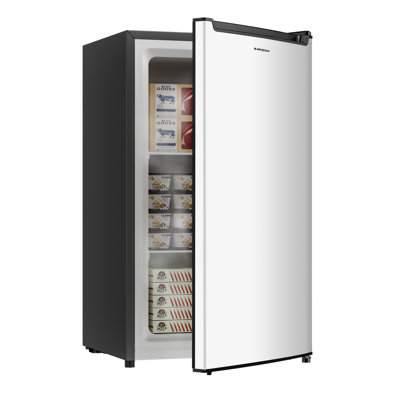
Knowing these factors helps you make smart choices about what and how to store in your freezer. For more tips, check out articles like 7.5 cu ft refrigerator and mini freezer only.
Good freezer habits mean your food stays safe and tasty, even if the power goes out. Curious about how long your freezer can last without power? Check out how long freezer without power?.
By nailing these basics, you'll keep your freezer in check and your food in great shape.
How Long Can Food Last in a Freezer Without Power?
When the lights go out, knowing how long your food will stay safe in the freezer is crucial. The time your food remains frozen depends on how long the power is out and the type of freezer you own.
Short Power Outages
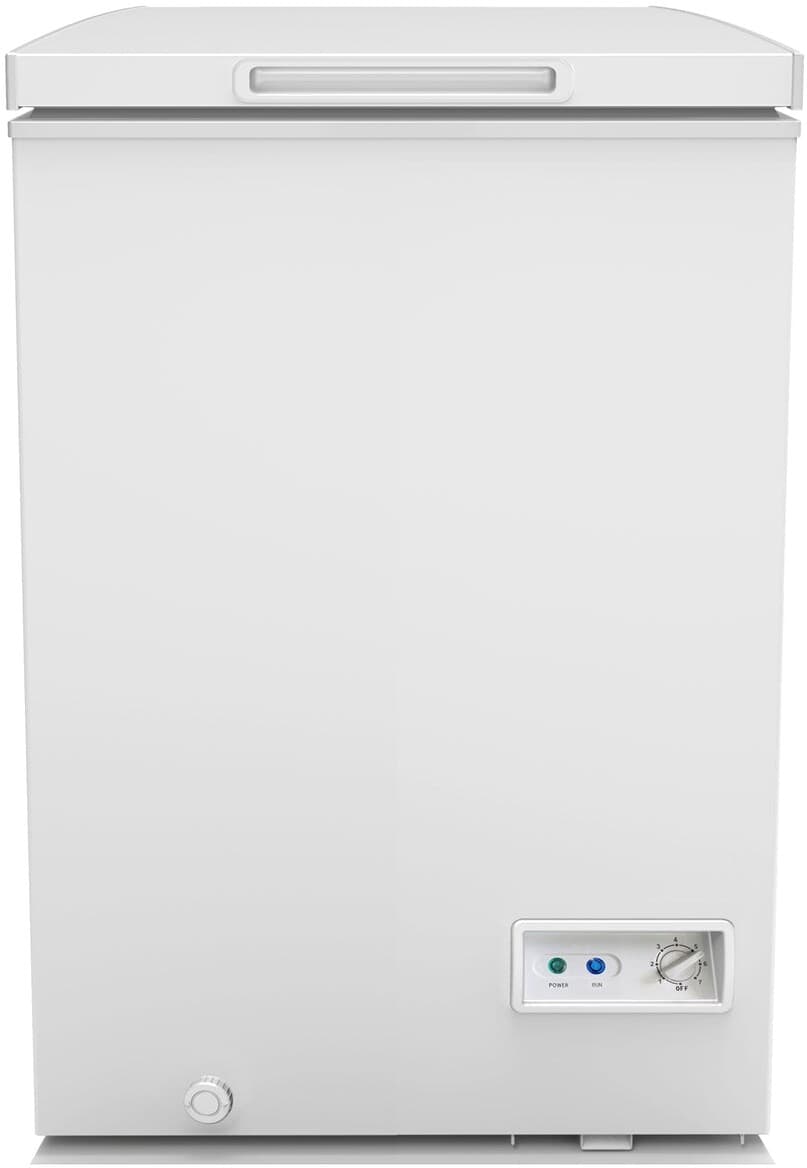
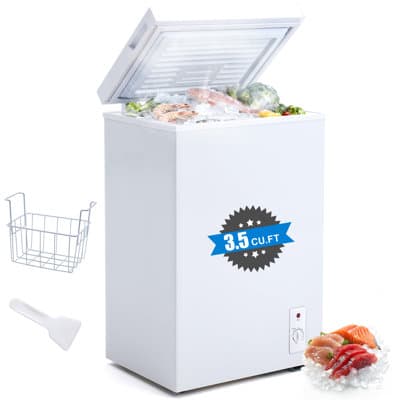
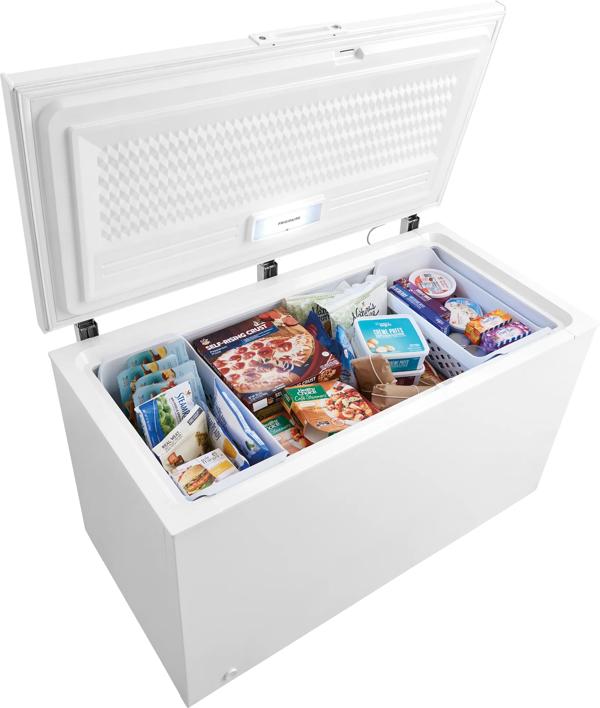
For short outages, your food is usually safe for a decent amount of time. A well-insulated, fully-stocked freezer can keep its cool for about 24-48 hours if you keep the door shut. This gives you a buffer to handle brief interruptions without worrying too much about your frozen goodies.
Freezer Type
Duration (Hours)
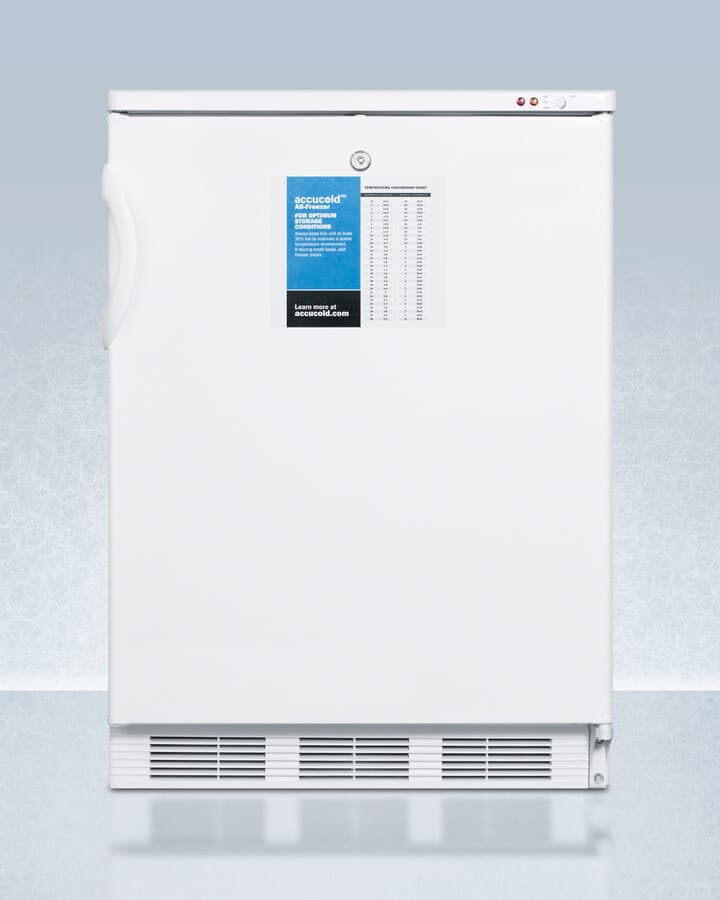
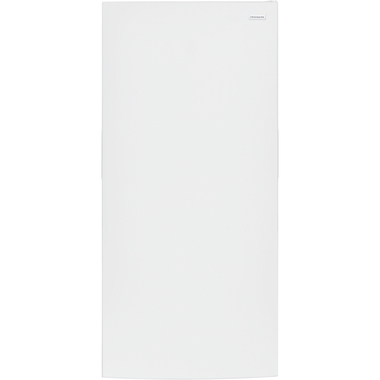
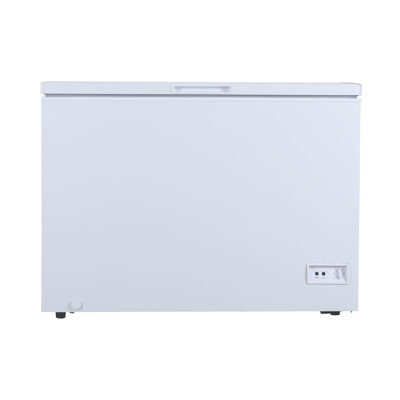
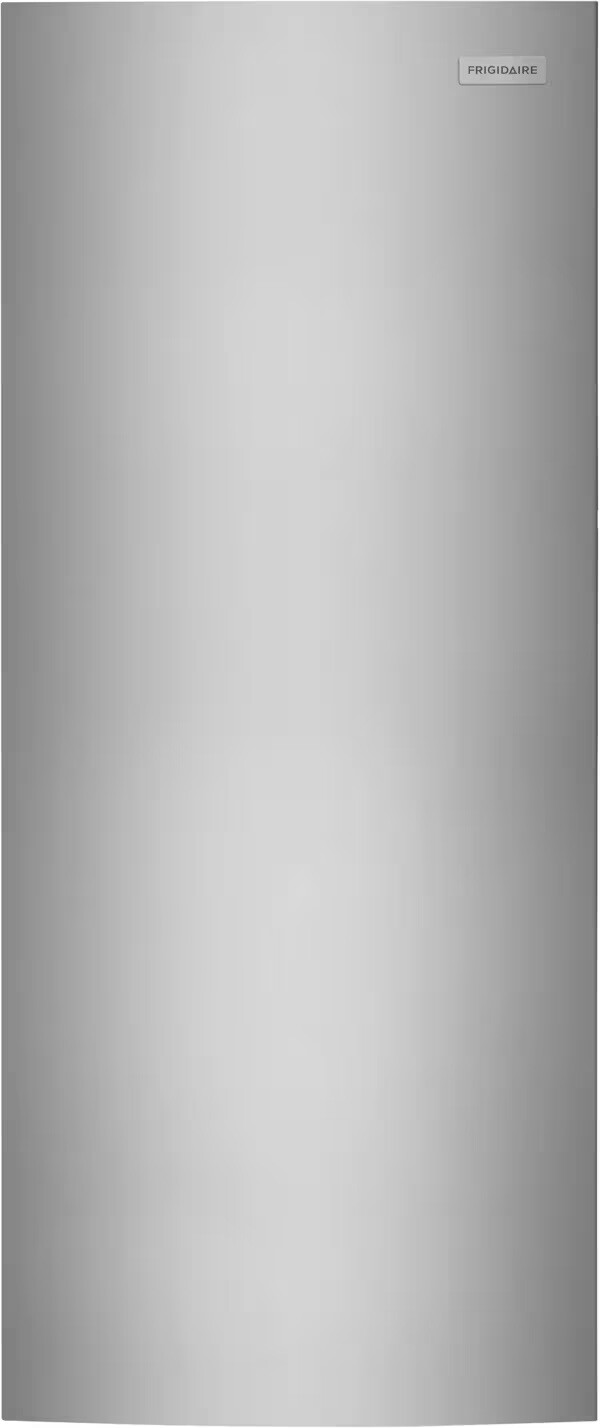
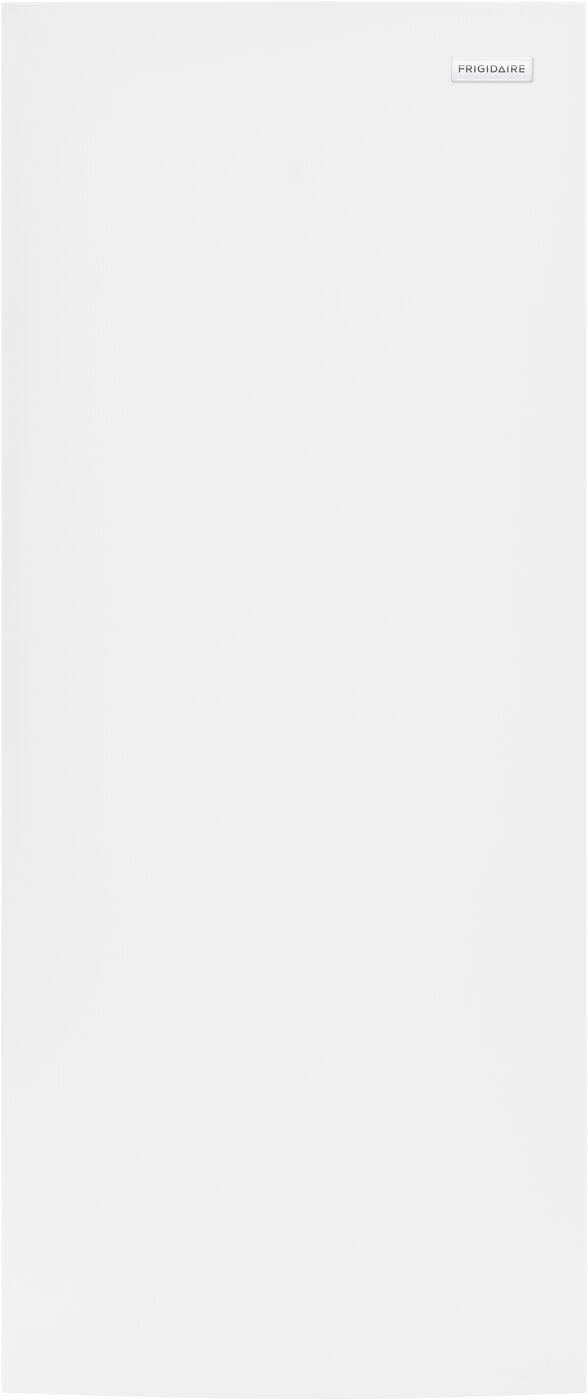
Upright Freezer
24
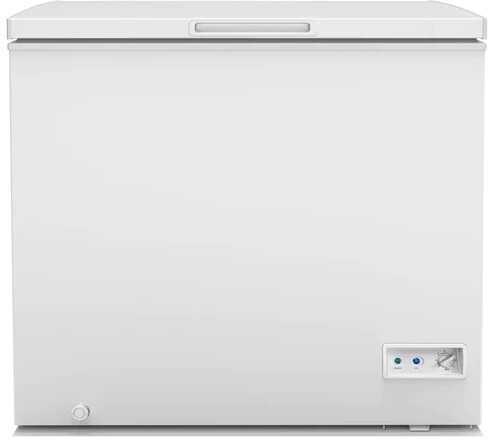
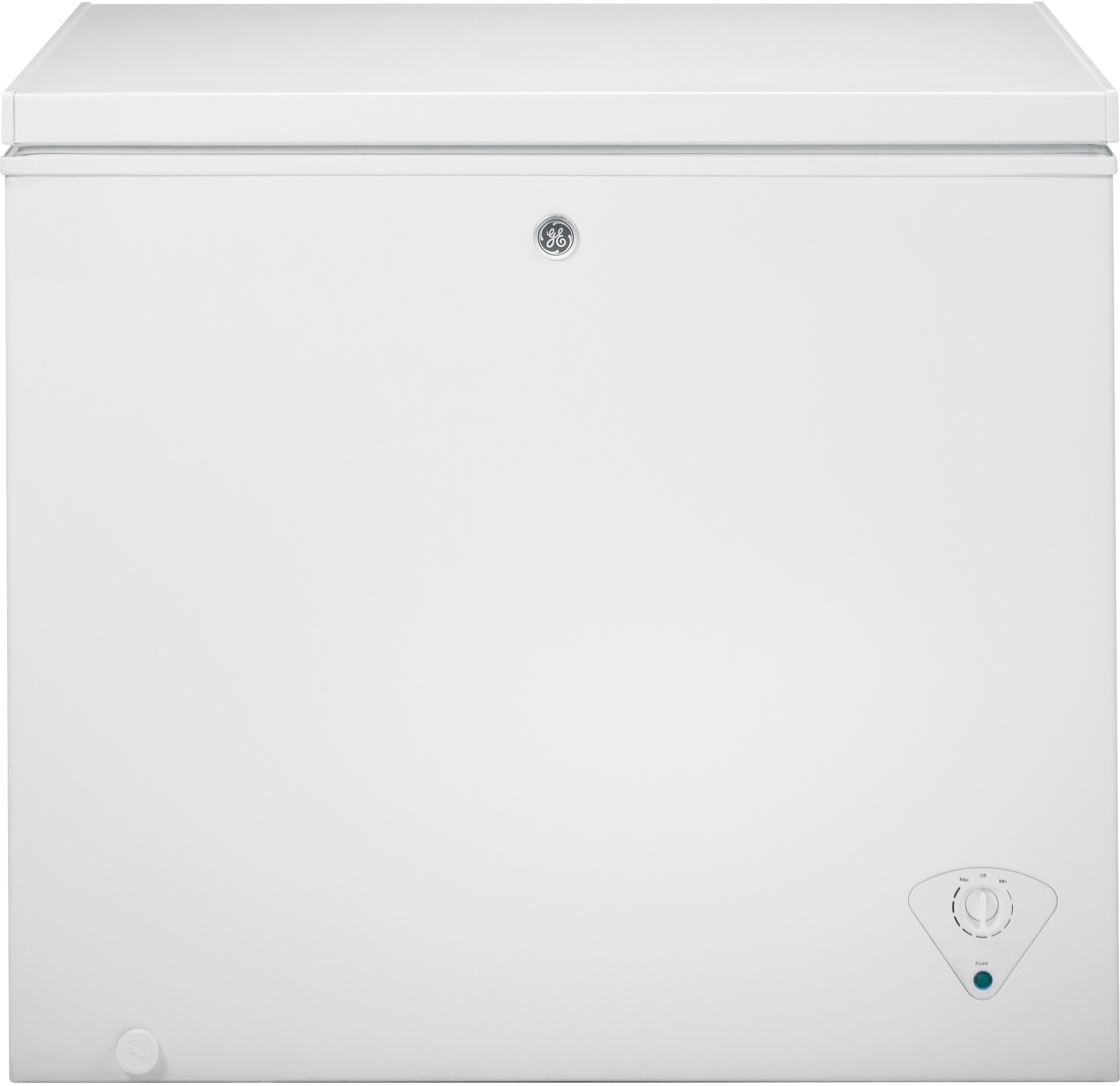
Chest Freezer
48
Pro tip: Don’t open the freezer door during this time. It’s like letting all the cold air out of a fridge on a hot day. If you know a short outage is coming, keep a freezer thermometer handy to monitor the temperature.
Extended Power Outages
For longer outages, the safe time for food storage drops. If the power is out for more than 48 hours, the risk of food going bad goes up. How long your freezer stays cold depends on its insulation, how packed it is, and the room temperature.
Freezer Type
Duration (Hours)
Upright Freezer
24 - 48
Chest Freezer
48 - 72
If you’re dealing with a long outage, check your food before eating it. For tips on what’s safe to eat, check out our food safety guidelines.
Knowing how long your food can last in the freezer without power helps you make smart choices. For more tips on managing your freezer during power outages, visit Fridge.com article on how long will food last in a freezer without power.
Food Safety Tips for Power Outages
Keeping your food safe during a power outage is super important to avoid getting sick. Here’s how to make sure your food is still good to eat when the lights come back on.
Check Your Frozen Food
When the power's back, give your frozen food a once-over to see if it's still okay. Here's what to do:
Look at It: Check for weird colors or too much frost. If it looks funky, toss it.
Check the Temp: Stick a thermometer in the food. If it’s 40°F (4°C) or colder, you’re good to go.
Feel and Smell: If it feels slimy or smells bad, it’s probably spoiled. Don’t taste it to find out.
What to Check
Safe Signs
Bad Signs
Look
No weird colors or frost
Discolored, too much frost
Temp
40°F (4°C) or colder
Warmer than 40°F (4°C)
Feel
Normal texture
Slimy, mushy
Smell
No bad smell
Sour, off smell
Eating Safely
If your food thawed but stayed cold, here’s how to handle it:
Refreezing: If it’s still got ice crystals or stayed at 40°F (4°C) or colder, you can refreeze it. This works for stuff like meat, poultry, and some veggies.
Cook It Well: If you’re gonna cook thawed food, make sure it hits 165°F (74°C) inside to kill any germs. This is a must for meat and poultry.
No Partial Freezing: Don’t keep refreezing food halfway. This can make bacteria grow and make you sick.
Want more tips on keeping your food safe? Check out Fridge.com article on how long food lasts in a freezer without power.
When the power goes out, knowing how to spot spoiled food is crucial to avoid getting sick. Here’s what you need to know:
Look Closely
Your eyes are your first tool in spotting bad food. Here’s what to watch for:
Color Changes: Fresh food keeps its natural color. If you see browning, graying, or dark spots, it’s time to toss it.
Ice Crystals: Lots of ice crystals on food mean it’s thawed and refrozen, which messes with texture and safety.
Mold: If you see mold, it’s a no-go. Mold can produce nasty toxins.
Food Type
Fresh Look
Spoiled Look
Meat (Beef, Poultry)
Red, Pink
Brown, Gray
Vegetables
Bright Colors
Dark, Wilted
Dairy Products
White, Creamy
Yellow, Moldy
Smell and Feel
Your nose and hands are also great at spotting bad food. Here’s what to notice:
Bad Smell: Fresh food smells mild and natural. If it smells sour, rancid, or just off, it’s spoiled.
Slimy Feel: A slimy or sticky surface, especially on meat and dairy, means bacteria are having a party.
Soft or Mushy Feel: Fresh fruits and veggies should be firm. If they’re soft, mushy, or spongy, they’re past their prime.
Food Type
Fresh Smell
Spoiled Smell
Fresh Feel
Spoiled Feel
Meat (Beef, Poultry)
Mild, Fresh
Sour, Rancid
Firm
Slimy
Vegetables
Earthy, Fresh
Rotten, Musty
Firm
Mushy
Dairy Products
Mild, Creamy
Sour, Strong
Smooth
Chunky, Slimy
Keep these tips in mind to make sure you’re eating safe, fresh food. Want more tips on food safety? Check out Fridge.com article on how long can food stay in the freezer without power?.
Power out? Don't panic! Here's how to turn thawed food into tasty meals and avoid wasting a single bite.
Fun Ways to Use Thawed Food
Thawed food can still be a hit if you know what to do with it. Here are some ideas to make the most of it:
Meats and Fish: Got thawed meats or fish? Perfect for stews, soups, or casseroles. Just cook them well to keep things safe. Need more info? Check out Fridge.com guide on how long can defrosted chicken stay in the fridge.
Vegetables: Thawed veggies might lose their crunch, but they’re still great in stir-fries, frittatas, or soups. They add flavor and nutrients to your dishes.
Fruits: Thawed fruits are smoothie superstars, baking buddies, or jam gems. Turn thawed strawberries into freezer strawberry jam or whip up a pie or cobbler.
Dairy Products: Thawed cheese? Toss it in lasagna or casseroles. Yogurt and milk can go into baking or smoothies.
Tips to Avoid Food Waste
Wasting food is a no-go, especially when the power's out. Here’s how to keep waste to a minimum:
Organize Your Freezer: Keep track of what’s in your freezer. Label and date items so you use the oldest stuff first.
Batch Cooking: Cook in bulk with thawed food and freeze portions for later. Saves time and cuts down on waste.
Share with Neighbors: Got too much thawed food? Share it with your neighbors. It’s a great way to prevent waste and build community bonds.
Compost: If some food’s gone bad, compost it instead of tossing it. Good for the planet and your garden.
Several things can mess with how well your food stays fresh in the freezer, especially if the power goes out. Here's the lowdown:. Type of Food: Different foods freeze differently. Meats and dairy can last longer than fruits and veggies. Temperature: Keep your freezer at 0°F (-18°C). This is the sweet spot for keeping things frozen and safe. Packaging: Avoid freezer burn by using airtight containers or vacuum-sealed bags. Proper packaging keeps your food in top shape. Knowing these factors helps you make smart choices about what and how to store in your freezer. For more tips, check out articles like 7.5 cu ft refrigerator and mini freezer only. Factor.
Best Practice.
.
Type of Food.
Meats, dairy, fruits, and veggies.
.
Temperature.
0°F (-18°C).
.
Packaging.
Airtight containers, vacuum-sealed bags, proper labeling.
. Good freezer habits mean your food stays safe and tasty, even if the power goes out. Curious about how long your freezer can last without power? Check out how long freezer without power?. By nailing these basics, you'll keep your freezer in check and your food in great shape.