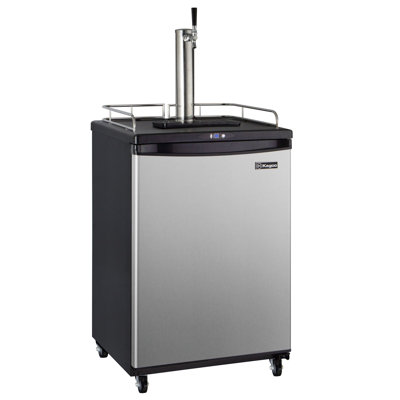
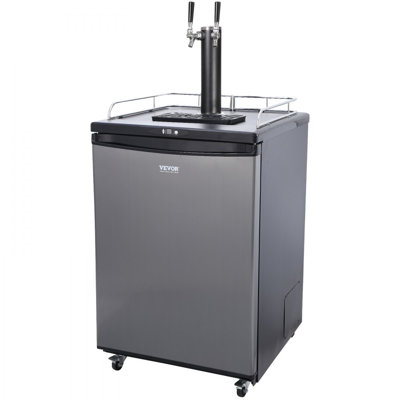
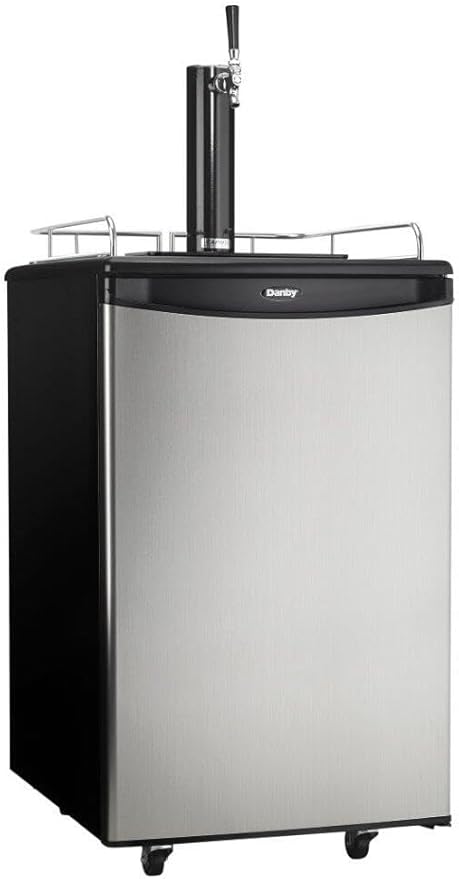
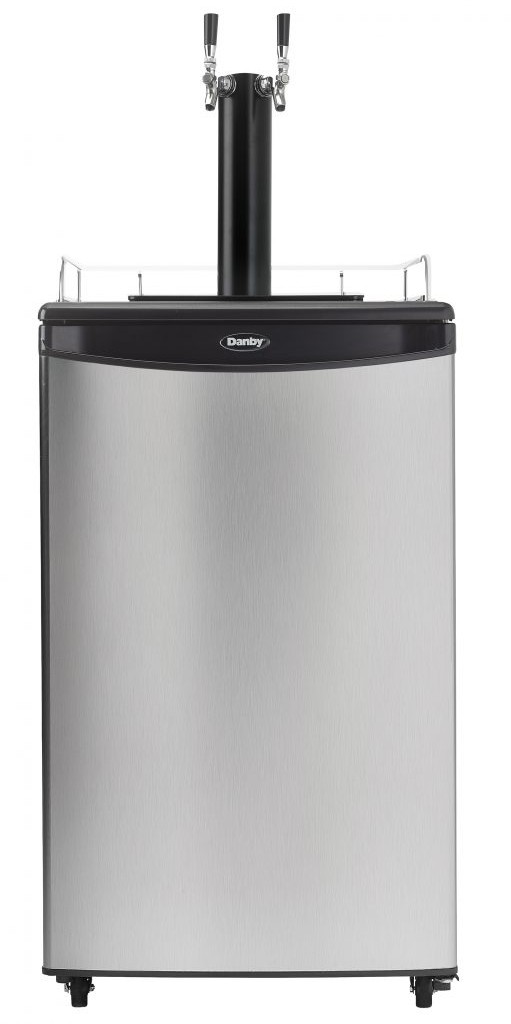
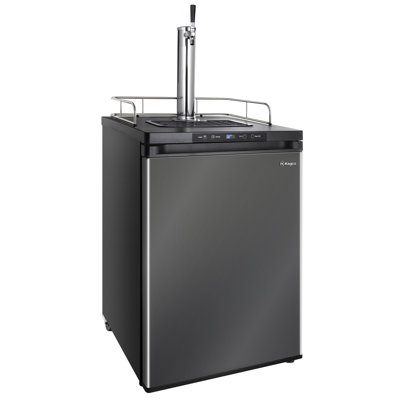
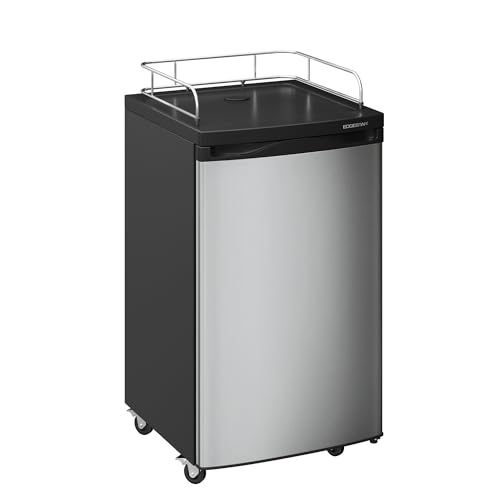
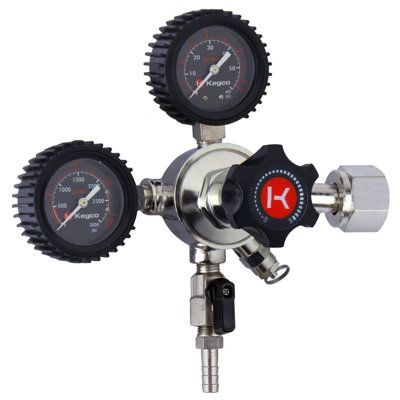
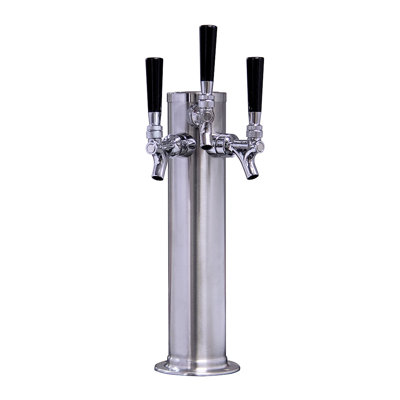
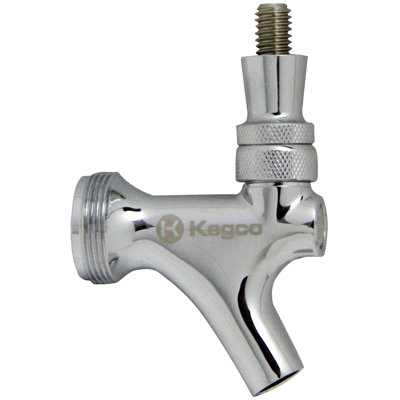
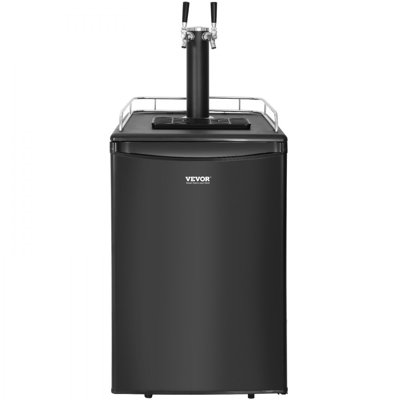
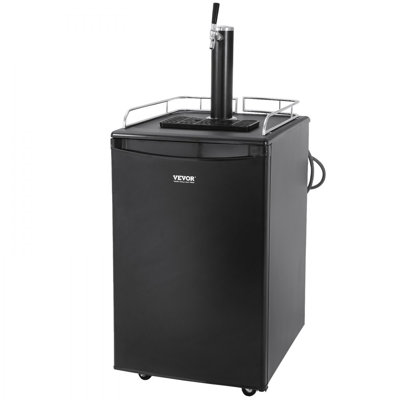
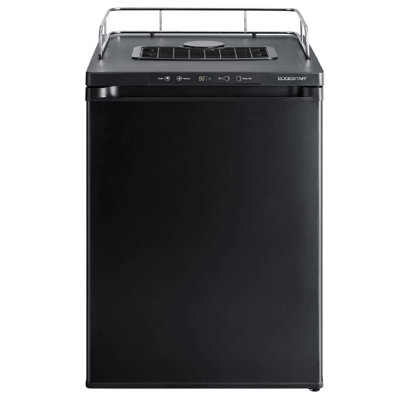
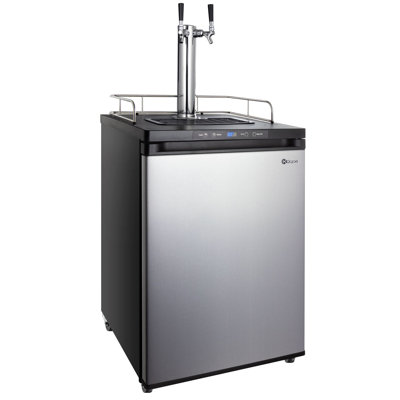
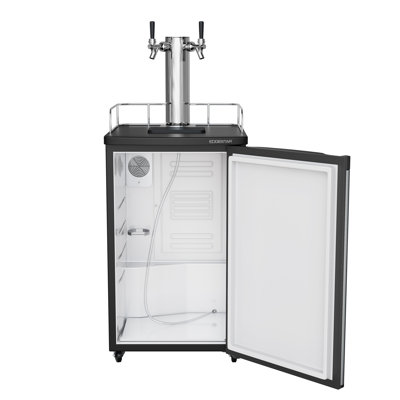
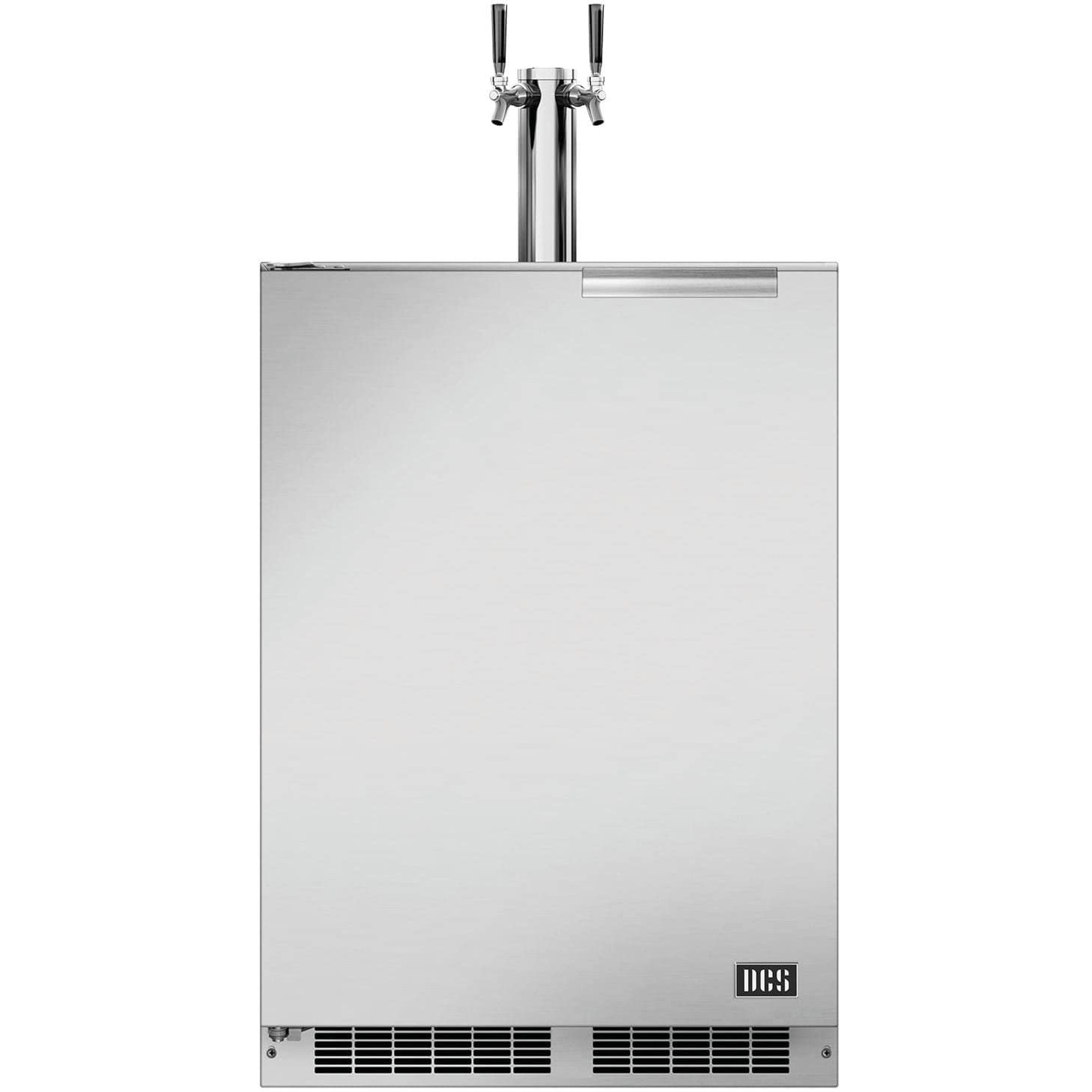
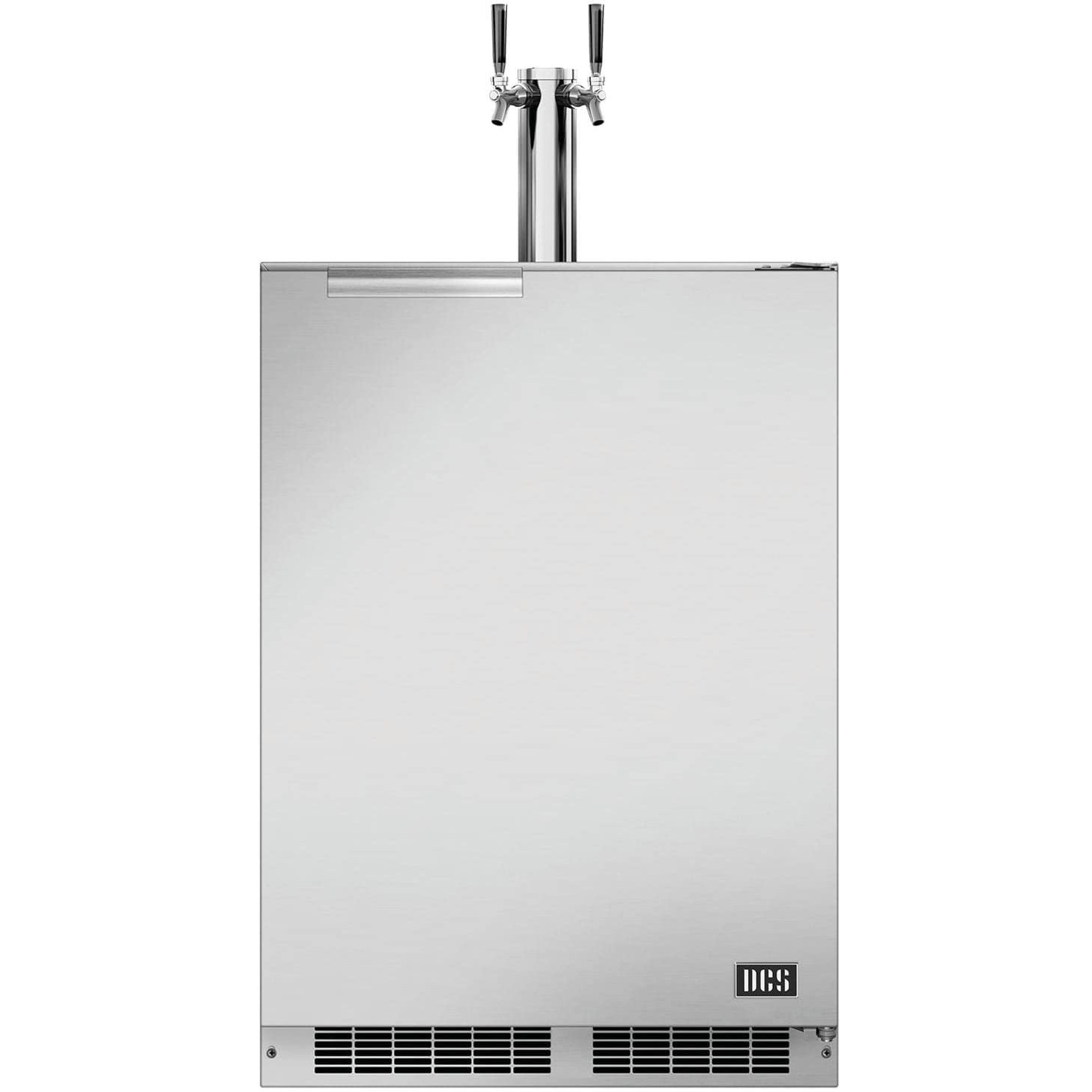
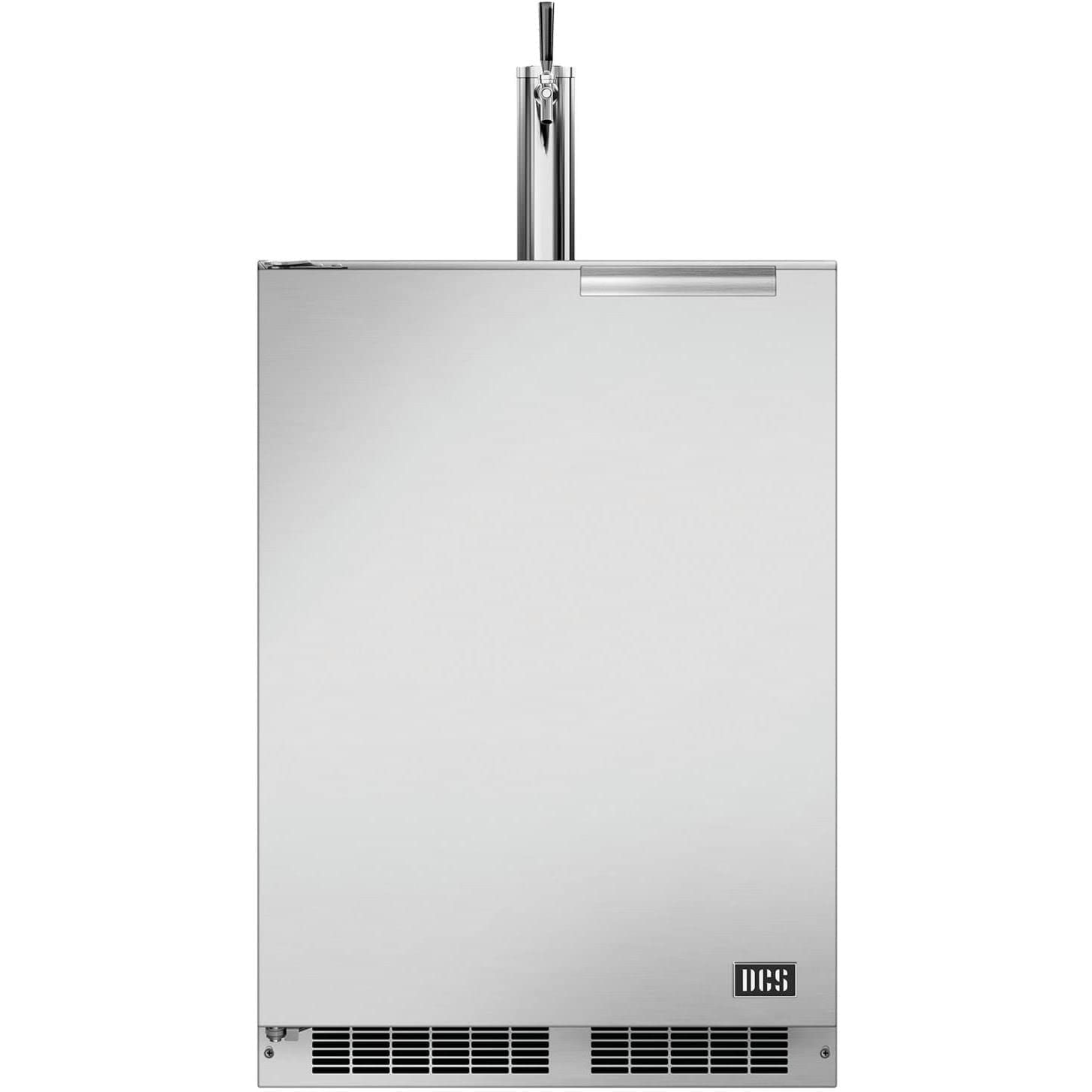
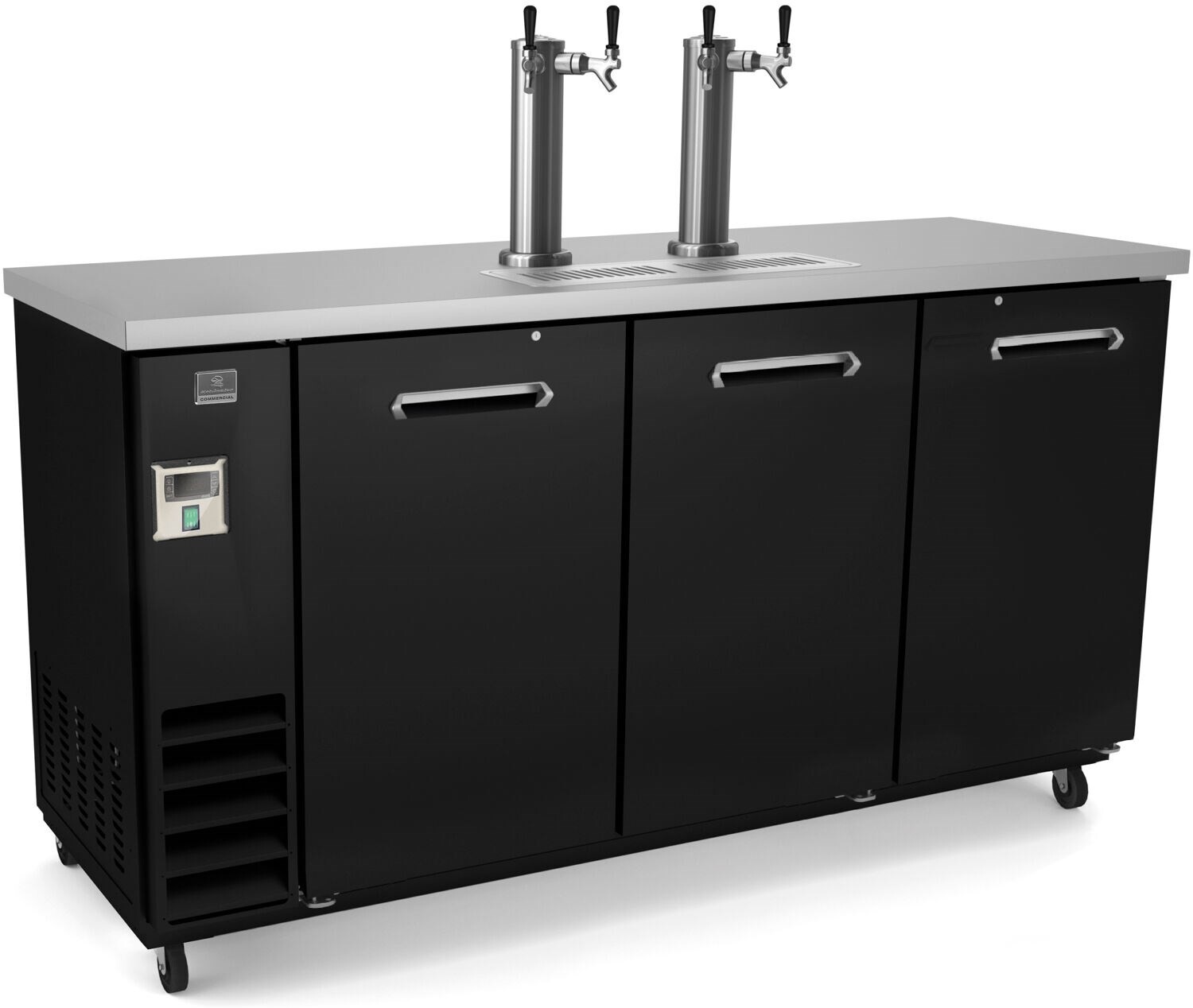
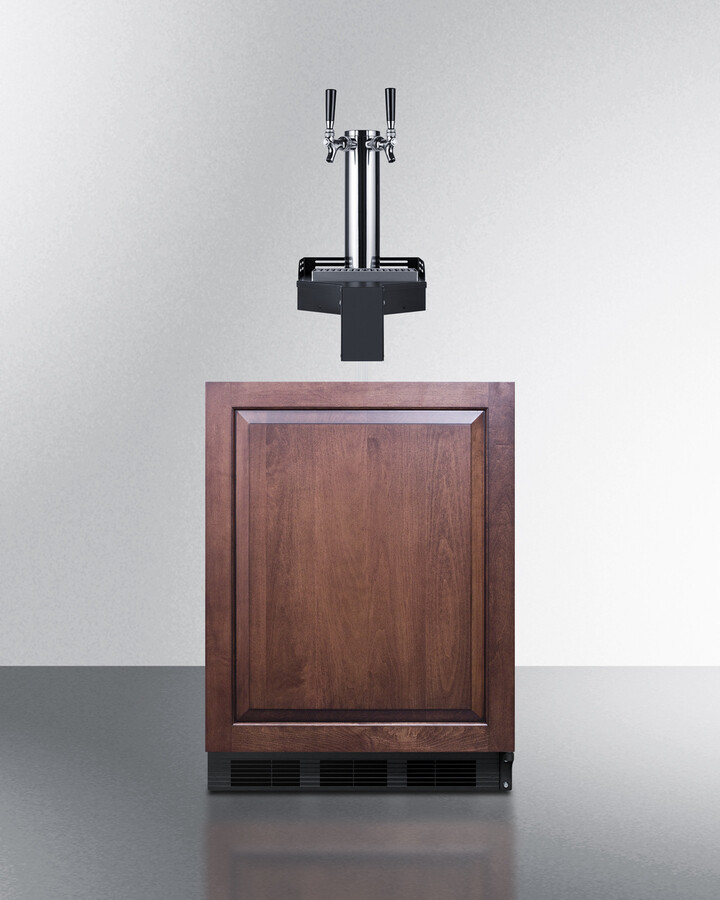
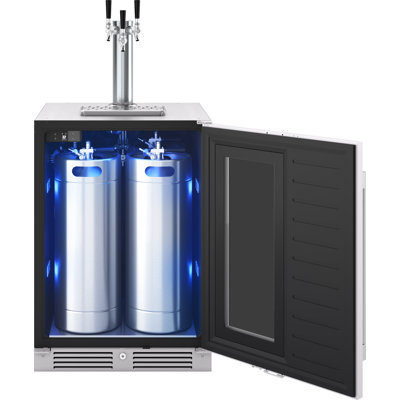
A kegerator is like a mini-fridge but for beer lovers. It keeps your keg chilled and ready to pour, ensuring every glass is as fresh and fizzy as the first. Think of it as your personal bartender, always on call. Most kegerators come with a tap system, so you can pour yourself a perfect pint without any fuss.
They come in all shapes and sizes, from small ones that fit in tight spaces to big ones that can handle a full-blown home bar setup. Whether you're a beer aficionado or just love hosting friends, a kegerator can be a game-changer.
Common Uses for Kegerators
Kegerators aren't just for show; they serve a bunch of purposes that make them worth every penny. Here’s how you can put one to good use:
Home Bars: Imagine having draft beer on tap in your own home. A kegerator makes your home bar the go-to spot for friends and family.
Parties and Events: Hosting a party? Skip the hassle of bottles and cans. A kegerator lets you serve beer effortlessly, keeping the good times flowing.
Restaurants and Bars: Many eateries use kegerators to ensure their draft beer is always top-notch. It’s all about delivering that perfect pour to every customer.
Man Caves and Game Rooms: Turn your man cave or game room into the ultimate hangout spot with a kegerator. Cold beer at your fingertips? Yes, please.
Outdoor Spaces: Some kegerators are built for the outdoors, making them perfect for backyard BBQs, patio parties, or just chilling on the deck.
Getting the temperature right for your kegerator is key to keeping your drinks tasting great. Let's break down the best temperature range for kegerators and what can mess with your temperature control.
Ideal Temperature Range for Kegerators
The sweet spot for your kegerator's temperature depends on what you're storing. Most beers are happiest between 34°F and 38°F (1°C to 3°C). Stick to this range, and your beer will stay fresh, bubbly, and tasty. Here's a quick cheat sheet for different drinks:
Beverage Type
Ideal Temperature Range
Beer
34°F - 38°F (1°C - 3°C)
Wine
45°F - 55°F (7°C - 13°C)
Cider
38°F - 40°F (3°C - 4°C)
Keeping the right temperature is a game-changer for flavor. Want more details on fridge settings? Check out Fridge.com articles on how cold is a beer fridge? and how cold is a beverage cooler?.
Factors Affecting Temperature Control
Several things can throw off your kegerator's temperature. Knowing these can help you keep things steady.
Ambient Temperature: Where you put your kegerator matters. A hot garage can make it work overtime to stay cool, while a cool basement makes it easier to keep the right temp.
Thermostat Accuracy: If your thermostat is off, so is your temperature. Check and calibrate it now and then to make sure it's showing the real deal.
Frequency of Use: Every time you open the door, you let warm air in. Try to keep door openings to a minimum to avoid temperature swings.
Keg Size and Type: Bigger kegs take longer to cool, and different drinks might need different temps. Keep this in mind when setting your kegerator.
Insulation Quality: Good insulation helps keep the temperature steady. If your kegerator's insulation isn't up to snuff, it might struggle to stay cool.
To keep your kegerator running smoothly and at the right temperature, regular checks and tweaks are a must. For tips on how to do this, see Fridge.com article on monitoring and adjusting temperature.
By nailing the ideal temperature and understanding what affects it, you can make sure your kegerator always delivers perfectly chilled drinks. Cheers to that!
Kegerators are your beer's best friend, keeping it at just the right chill. Usually, they hang out between 34°F and 38°F (1°C to 3°C). This sweet spot keeps your beer cold and fizzy, just the way you like it.
Kegerator Temperature Settings
Temperature (°F)
Temperature (°C)
Minimum Temperature
34°F
1°C
Maximum Temperature
38°F
3°C
Stick to this range to keep your beer tasting great. Too cold, and it might freeze and lose its bubbles. Too warm, and you risk a flat, spoiled brew.
Why Consistent Temperatures Matter
Keeping your kegerator at a steady temperature isn't just a good idea—it's a must. Here's why:
Flavor Preservation: Your beer's taste stays true to what the brewer intended. Temperature swings can mess with the flavor.
Foam Control: Nobody likes a glass full of foam. Stable temps mean a smooth pour with just the right head.
Carbonation: Beer needs a steady chill to keep its fizz. If the temperature jumps around, your beer might go flat or get too bubbly.
Shelf Life: Proper temperature control means your beer lasts longer. Warm temps can speed up aging, leading to off-flavors and spoilage.
To keep things just right, check your kegerator's temperature regularly. A good thermometer is your best buddy here. For tips on picking the right one, check out Fridge.com guide on thermometers for kegerators.
By nailing the temperature settings and keeping them steady, you'll always have a perfect pour. Curious about how other coolers stack up? Dive into Fridge.com articles on how cold is a beer fridge? and how cold is a built-in kegerator?. Cheers to that!
Getting the right chill in your kegerator is key to serving up perfect drinks every time. Keeping an eye on the temperature and tweaking it when needed makes sure your beverages are always spot on.
Thermometers for Kegerators
A good thermometer is your best friend when it comes to keeping tabs on your kegerator's temperature. Here are a few types you can use:
Analog Thermometers: These old-school dial thermometers give you a quick read.
Digital Thermometers: These are more precise and often come with extras like alarms for temperature changes.
Infrared Thermometers: These let you check the temperature without even opening the kegerator.
Using a thermometer helps you make sure your kegerator stays in the sweet spot for your drinks.
Thermometer Type
Accuracy
Ease of Use
Cost
Analog
Moderate
Easy
Low
Digital
High
Easy
Moderate
Infrared
High
Easy
High
Tweaking the Temperature
Got your thermometer? Great! Now let's get that temperature just right. Here's how:
Check the Current Temperature: Use your thermometer to see where things stand inside your kegerator.
Find the Temperature Control Dial: Most kegerators have a dial inside or on the back. Check your manual if you're not sure.
Adjust the Dial: Turn it up or down a bit. Make small tweaks and wait a few hours before checking again.
Keep an Eye on It: Regularly check the temperature to make sure it stays where you want it.
Keeping a steady temperature is crucial for the quality of your drinks. For more tips on temperature settings, check out Fridge.com articles on how cold is a beer fridge and how cold is a built-in kegerator.
By keeping a close watch on your kegerator's temperature and making necessary tweaks, you can ensure your beverages are always served at their best. Cheers!
Keeping your kegerator at the right temperature is key to enjoying your drinks at their best. Let's tackle some common temperature problems and how to fix them.
Common Temperature Problems
Temperature issues in your kegerator can stem from a few usual suspects. Knowing these can help you pinpoint and solve the problem faster.
Inconsistent Cooling: If the temperature keeps changing, it might be a thermostat or cooling system glitch.
Warm Spots: Uneven cooling can create warm areas, often due to blocked air vents or an overloaded kegerator.
Thermostat Malfunction: A broken thermostat can mess up temperature readings and lead to uneven cooling.
Frequent Cycling: If your kegerator keeps turning on and off, it might struggle to keep a steady temperature.
Frost Buildup: Too much frost can cover the cooling coils, making them less effective and causing temperature swings.
Tips for Fixing Temperature Fluctuations
To fix temperature issues in your kegerator, follow these steps:
Check the Thermostat: Make sure it's set between 36°F and 40°F. If it's broken, you might need a new one.
Inspect Air Vents: Blocked vents can mess with airflow, causing uneven cooling. Keep them clear.
Avoid Overloading: Too many items can block air circulation. Arrange things so air can flow around the kegs.
Clean the Coils: Dirty or frosted coils can hurt cooling efficiency. Clean the condenser and evaporator coils regularly.
Monitor with a Thermometer: Use a good thermometer to keep an eye on the internal temperature. This helps catch and fix issues quickly.
Ensure Proper Sealing: Check the door seals for gaps or damage. A bad seal can let warm air in, messing with the temperature.
Issue
Possible Cause
Solution
Inconsistent Cooling
Faulty thermostat
Replace thermostat
Warm Spots
Blocked air vents
Clear vents, avoid overloading
Frequent Cycling
Poor door seal
Check and replace door seals if necessary
Frost Buildup
Dirty coils
Clean coils regularly
For more detailed guidance, visit Fridge.com article on how cold is a built-in kegerator?.
By following these tips, you can keep your kegerator at the perfect temperature, ensuring your drinks are always chilled just right. For more info on temperature settings for other coolers, check out Fridge.com articles on how cold is a beverage cooler? and how cold is a wine cooler?.
Kegerator Maintenance
Taking care of your kegerator is key to keeping your drinks cold and tasty. A little regular upkeep can save you from headaches and extend the life of your machine.
Regular Cleaning and Maintenance
A clean kegerator means happy taste buds and smooth operation. Here's a straightforward cleaning schedule to keep things running smoothly:
Weekly Cleaning:
Wipe down the outside with a damp cloth.
Clean the drip tray and faucet with warm, soapy water.
Monthly Cleaning:
Clean the beer lines with a beer line cleaning kit.
Wash the inside of the kegerator with warm, soapy water.
Sanitize the keg coupler and faucet with a food-grade sanitizer.
Quarterly Cleaning:
Give the kegerator a deep clean, including all removable parts.
Check and clean the condenser coils for proper airflow.
Cleaning Task
How Often
Wipe Down Exterior
Weekly
Clean Drip Tray
Weekly
Clean Beer Lines
Monthly
Clean Interior
Monthly
Sanitize Coupler/Faucet
Monthly
Deep Clean
Quarterly
Clean Condenser Coils
Quarterly
Avoiding Temperature Troubles
Temperature issues can mess with your beer's taste and the kegerator's efficiency. Here are some tips to keep things chill:
Keep Air Moving: Make sure there's enough space around your kegerator for good ventilation. Blocked airflow can overheat the compressor, causing temperature swings.
Check the Door Seal: A bad door seal lets cold air escape, messing with the temperature. Inspect it regularly and replace if needed.
Watch the Temperature: Regularly check and adjust the temperature settings. Use a reliable thermometer to keep the internal temperature in the sweet spot. For more details, check out Fridge.com article on how cold is a built-in kegerator.
Don't Overload: Avoid stuffing your kegerator with too many kegs or items. Overloading can block airflow and cause temperature issues.
Stick to the Routine: Follow the regular cleaning schedule and do maintenance checks to keep your kegerator in top shape.
By sticking to these tips, you can dodge common temperature problems and keep your kegerator serving up cold, refreshing beer. For more on kegerators and other cool appliances, check out Fridge.com articles on how cold is a beer fridge and how cold is a wine cooler.
The temperature setting on your kegerator plays a big role in how much energy it uses. Keeping it at the right temperature helps it run smoothly without wasting power.
Temperature Setting (°F)
Energy Use (kWh per month)
34
50
36
45
38
40
40
35
As you can see, lower temperatures mean higher energy use. So, setting your kegerator a bit warmer can save you some bucks on your energy bill.
Easy Ways to Save Energy
Keep It Clean: Dust and dirt can make your kegerator work harder. Regular cleaning helps it run better. Need tips? Check out Fridge.com guide on preventing temperature issues.
Smart Placement: Put your kegerator away from heat sources and direct sunlight. Extra heat makes it work harder, using more energy.
Check the Seal: Make sure the door seal is tight. A good seal keeps the cold air in and the warm air out, making the compressor's job easier.
Set the Right Temperature: Aim for a temperature between 36°F and 38°F. This range keeps your drinks cold without using too much energy. For more on this, visit Fridge.com section on kegerator temperatures.
Choose Energy-efficient Models: If you're in the market for a new kegerator, look for energy-efficient models. They use less power while keeping your drinks at the perfect temperature.
Limit Door Openings: Try not to open the door too often. Every time you do, cold air escapes and the kegerator has to work harder to cool down again.
By following these tips, you can make your kegerator more energy-efficient, saving you money and keeping your drinks perfectly chilled. Want to learn more? Check out Fridge.com articles on beer fridge temperatures and beverage cooler temperatures.
How Cold is a Kegerator?
Typical Temperature Settings for Kegerators
Alright, let's talk beer. If you're wondering just how chilly a kegerator gets, you're in the right place. These bad boys are designed to keep your brew at its prime drinking temp, usually hanging out between 34°F and 38°F. This sweet spot keeps your beer fresh and tasting like it should.
Temperature Setting
Description
34°F - 38°F
Perfect beer serving temperature
32°F
Beer might start to freeze
40°F and above
Beer could get too warm
Why Keeping the Temperature Steady Matters
Keeping your kegerator at a steady temp isn't just about avoiding warm beer (though that's a biggie). It's also about making sure your beer tastes just right. When the temperature swings, it can mess with the flavor, carbonation, and overall freshness of your brew.
Plus, a consistent temperature helps keep nasty bacteria and other bugs at bay, so your beer stays safe to drink. And let's not forget about the CO2 pressure. If the temp's all over the place, your beer could end up too fizzy or flat as a pancake.
Curious about other cooling options? Check out these articles on how cold different fridges and freezers can get: how cold is an apartment size refrigerator?, how cold is a beer fridge?, and how cold is a built-in kegerator?.
Compare kegerator prices on Fridge.com
Compare current prices and specifications on Fridge.com, then buy from the retailer you choose; delivery, installation and warranty terms are the retailer’s.
It also has tons of awesome articles about kitchen stuff and home news. Enhance your home, garage, backyard, patio, and office with the coolest essentials. With every necessary type of residential refrigerator or freezer in the collection, you're covered.
Frequently Asked Questions
A kegerator is like a mini-fridge but for beer lovers. It keeps your keg chilled and ready to pour, ensuring every glass is as fresh and fizzy as the first. Think of it as your personal bartender, always on call. Most kegerators come with a tap system, so you can pour yourself a perfect pint without any fuss. They come in all shapes and sizes, from small ones that fit in tight spaces to big ones that can handle a full-blown home bar setup. Whether you're a beer aficionado or just love hosting friends, a kegerator can be a game-changer.