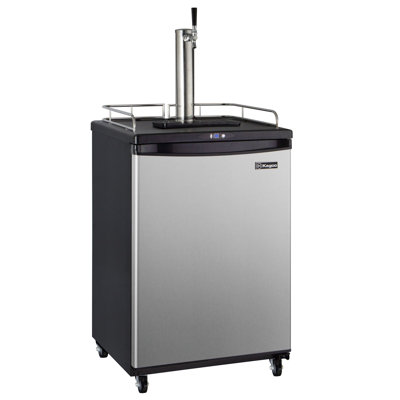
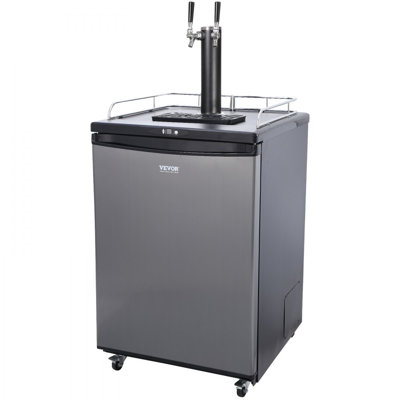
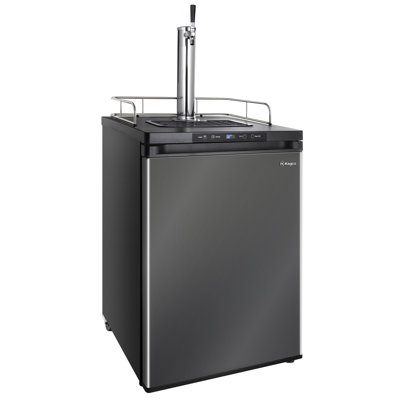
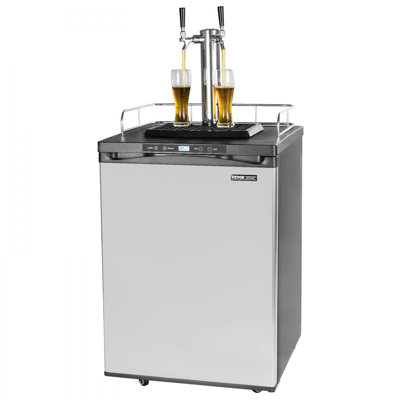
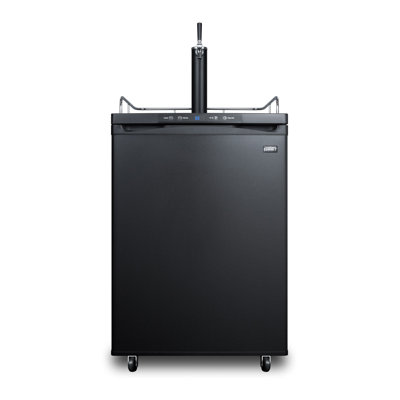
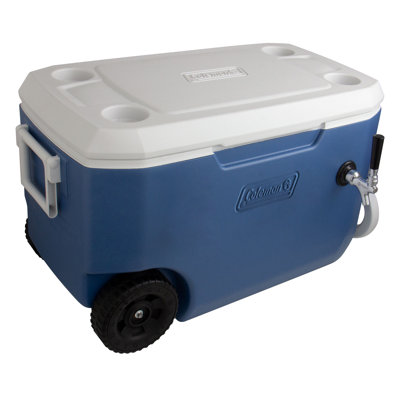
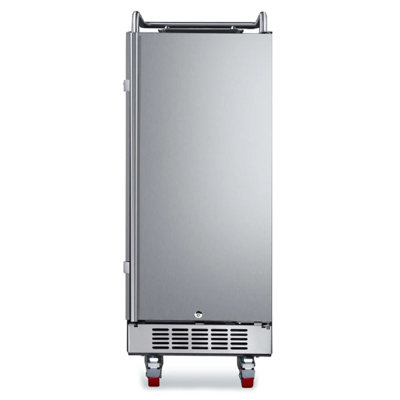
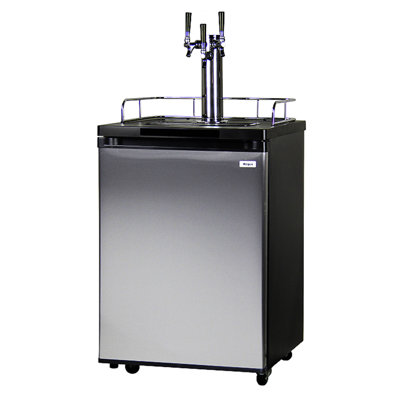
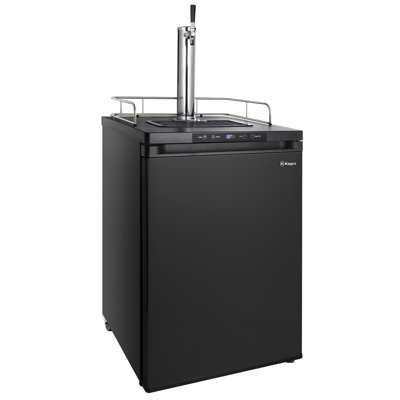
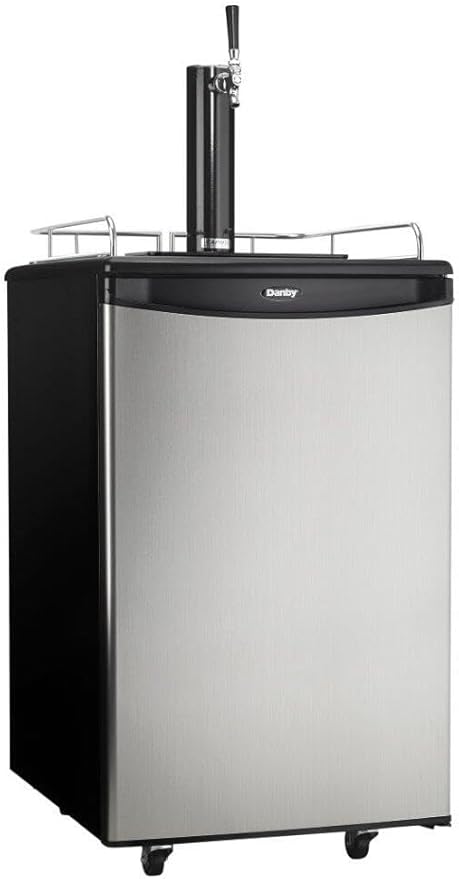
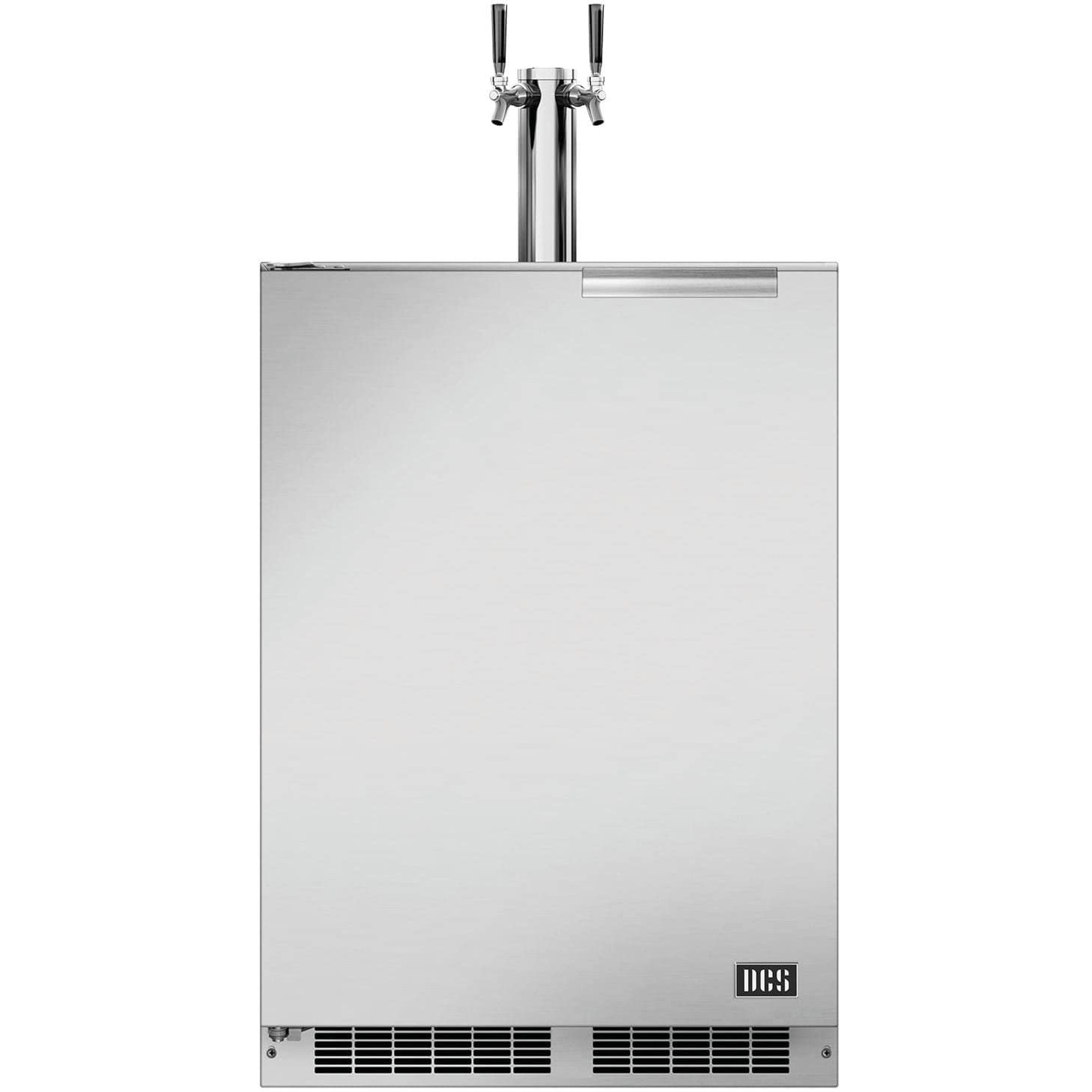
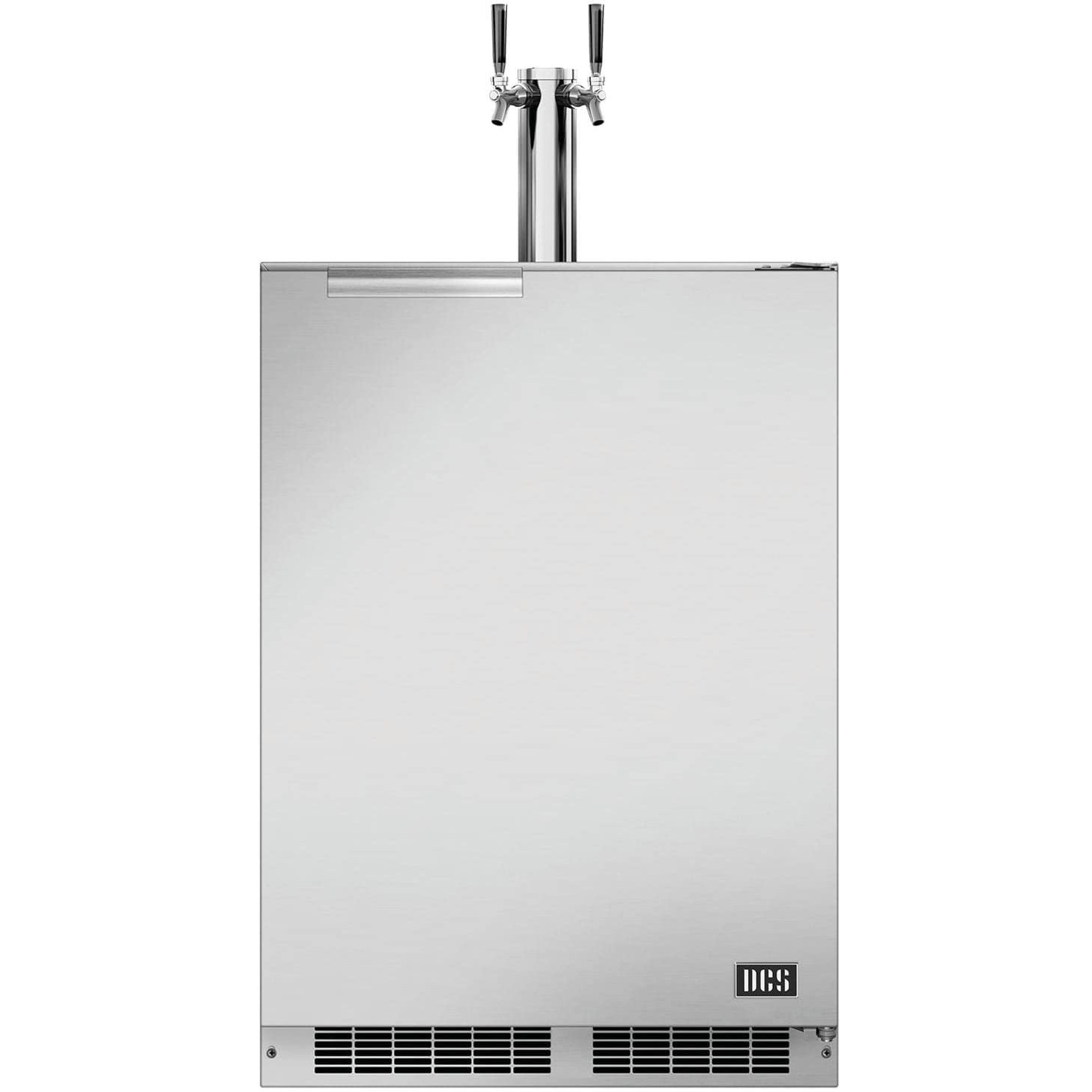
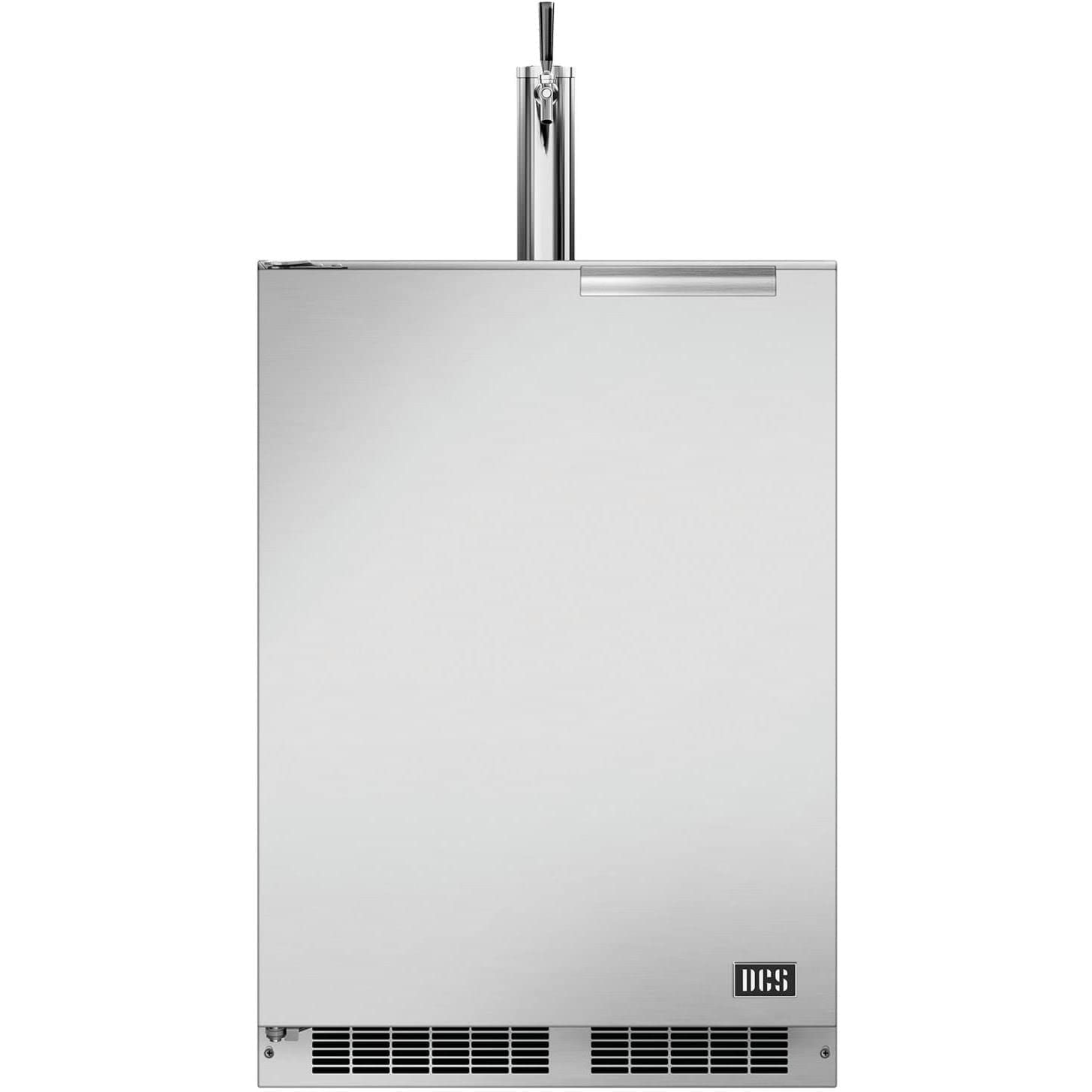
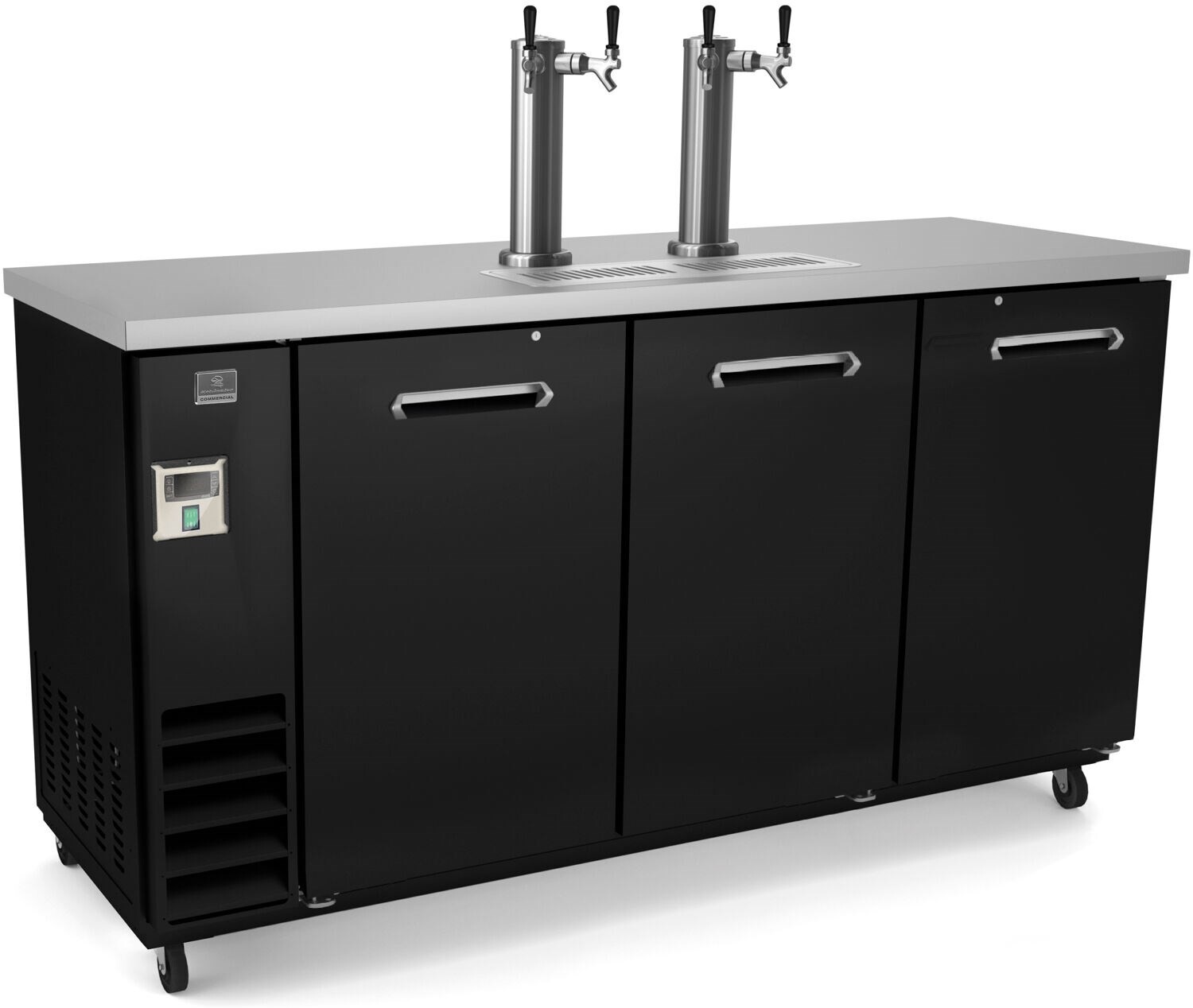
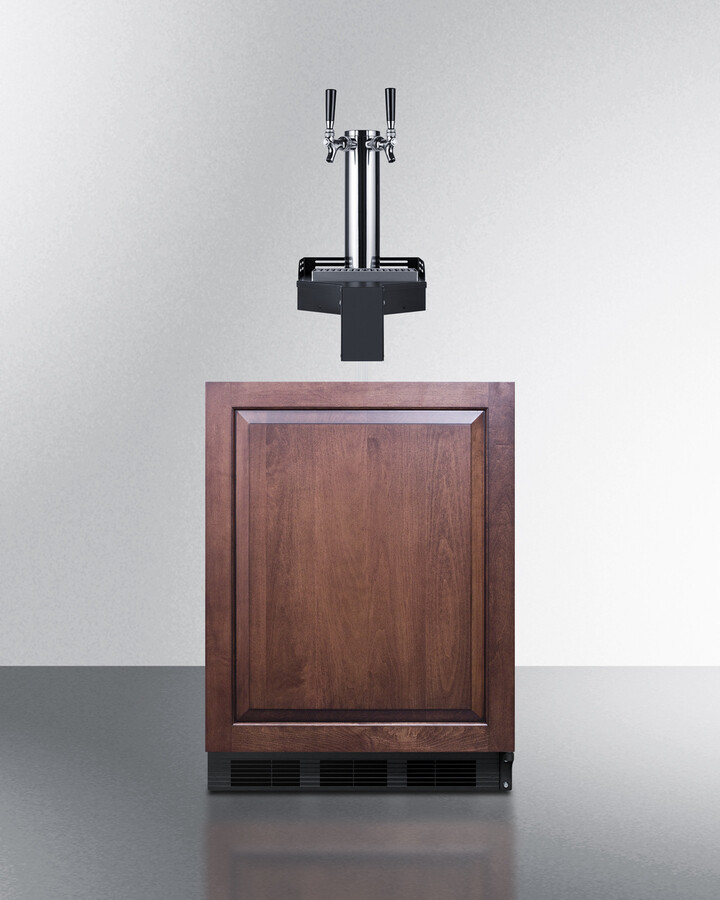
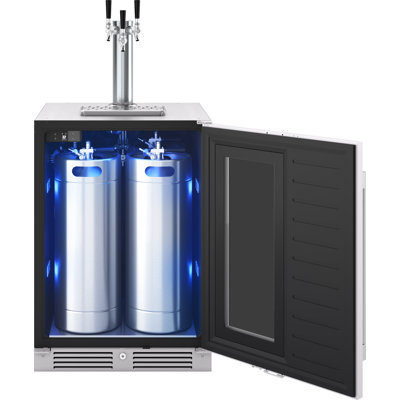
So, you're thinking about getting a built-in kegerator? Great choice! These nifty gadgets are like the VIP section for your beer, keeping it at just the right chill and ready to pour. Unlike your regular fridge, a kegerator is designed to keep your beer at the perfect temperature and pressure, making sure every glass tastes just like it would at your favorite bar.
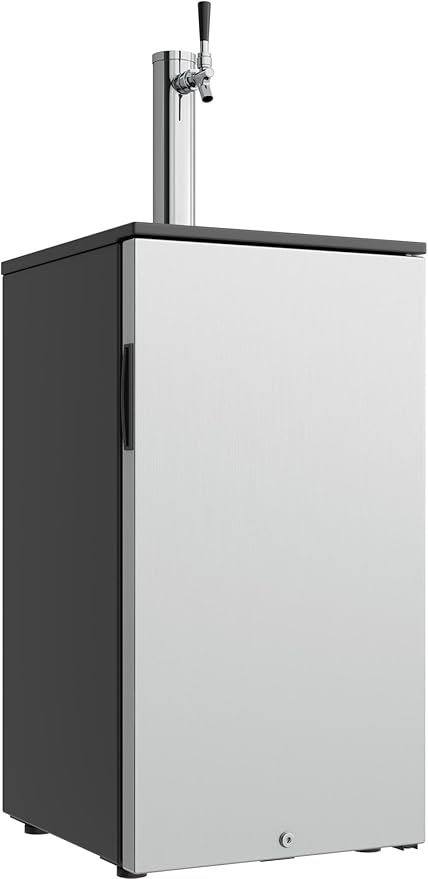
Built-in kegerators fit snugly into your kitchen cabinets or under your countertops, blending in seamlessly with your decor. They come in different sizes and styles, so you can pick one that fits your space and your beer needs. The main job of a kegerator is to keep your beer at the perfect serving temperature, making sure every sip is as refreshing as the last.
Why Temperature Control Matters
Temperature control isn't just a fancy feature; it's the secret sauce to great-tasting beer. If your beer's too warm, it can taste flat and foamy. Too cold, and you lose out on some of those delicious flavors and aromas. For built-in kegerators, keeping a steady temperature is key to keeping your beer fresh and tasty.
Most beers are happiest between 36°F and 38°F (2°C to 3°C). But different beers have different sweet spots. Lagers like it colder, while ales can handle a bit more warmth. Knowing these little details can help you get the best out of your kegerator.
Beer Type
Ideal Serving Temperature
Lager
36°F - 38°F (2°C - 3°C)
Ale
38°F - 42°F (3°C - 6°C)
Stout
42°F - 48°F (6°C - 9°C)
Keeping your kegerator at the right temperature also helps avoid foaming issues. Warm beer can get too foamy, while beer that's too cold can lose its flavor. By dialing in the right temp, you ensure every pour is just right.
Curious about how temperature affects other coolers? Check out Fridge.com articles on how cold is a beer fridge and how cold is a beverage cooler. Knowing how to control the temperature will help you get the most out of your built-in kegerator and make every beer-drinking moment a joy.
Want your beer to taste just right every time? Getting the temperature right in your built-in kegerator is key. The temperature settings can make or break the taste, carbonation, and overall quality of your brew.
What Affects the Temperature?
Several things can mess with how cold your kegerator needs to be. Here’s the lowdown:
Type of Beer: Different beers like different temps. Lighter beers need to be cooler, while darker beers can handle a bit more warmth.
Room Temperature: The temperature of the room where your kegerator lives will impact its internal temp. A cooler spot helps keep things steady inside.
How Often You Use It: If you’re always opening and closing the door, the temperature inside will fluctuate.
Insulation: Good insulation keeps the inside temperature stable, no matter what’s happening outside.
Best Temperature Settings
For most built-in kegerators, you want to keep the temperature between 34°F and 38°F (1°C to 3°C). This range keeps your beer cold enough to be refreshing but not so cold that it loses its flavor or fizz.
Keeping your kegerator at the right temperature means your beer is always served just the way it should be—cold, crisp, and delicious. Cheers!
Keeping Your Kegerator Cool
Making sure your built-in kegerator stays at the right temperature is key to keeping your drinks fresh and tasty. Keeping an eye on the temperature and making adjustments when needed can help you avoid any changes that might mess with the quality of your beverages.
Thermometers for Built-In Kegerators
To keep tabs on the temperature inside your kegerator, you need a good thermometer. Here are a few options:
Digital Thermometers: These give you accurate readings and often have alarms to let you know if the temperature goes out of whack.
Analog Thermometers: Simple and easy to read, though not as precise as digital ones.
Infrared Thermometers: These let you check the temperature without opening the kegerator, so you don't lose any cold air.
Using a thermometer made for kegerators helps you keep your drinks at the perfect chill. For more tips on keeping your kegerator cool, check out Fridge.com article on how cold is a kegerator.
Calibration and Maintenance Tips
Keeping your kegerator's thermometer and temperature control system in good shape is crucial. Here are some handy tips:
Calibrate Regularly: Make sure your thermometer is accurate. Compare it with a known accurate thermometer and adjust as needed.
Check Seals and Insulation: Look at the door seals and insulation regularly to make sure cold air isn't escaping. Good seals help keep the temperature steady.
Clean the Coils: Dust and gunk can build up on the condenser coils, making your kegerator work harder. Clean the coils regularly to keep things running smoothly.
Avoid Overloading: Don't cram too much into your kegerator. Overloading can block air circulation and cause temperature swings. Leave enough space for air to move around your kegs.
Monitor Ambient Temperature: The temperature of the room where your kegerator is can affect its performance. Keep it in a cool, shaded spot to make things easier on the cooling system.
Maintenance Task
How Often
Calibrate Thermometer
Monthly
Check Seals and Insulation
Every 3 Months
Clean Condenser Coils
Twice a Year
Avoid Overloading
Always
Monitor Ambient Temperature
All the Time
By sticking to these tips, you can keep your built-in kegerator running smoothly and your drinks at the perfect temperature. For more advice on keeping your kegerator in top shape, see Fridge.com article on how cold is a built-in refrigerator.
Keeping your built-in kegerator at the right temperature is key to serving top-notch drinks. But sometimes, things go haywire. Let's tackle some common temperature problems and how to fix them.
Too Cold: Causes and Fixes
If your kegerator's too cold, you might end up with frozen beer lines, foamy pours, or even frozen kegs. Here's why it happens and what to do about it.
Why It Happens:
Bad thermostat
Wrong temperature settings
Poor insulation
How to Fix It:
Check the Thermostat: Make sure it's working right and set to the recommended range.
Adjust Temperature Settings: Look at the user manual and tweak the settings to the sweet spot.
Improve Insulation: Check the door seals and insulation. Replace any worn-out seals to keep the cold air in.
Problem
Cause
Fix
Frozen Beer Lines
Bad thermostat
Check and replace thermostat
Foamy Pours
Wrong temperature settings
Adjust temperature settings
Frozen Kegs
Poor insulation
Improve insulation and replace seals
Too Warm: Causes and Fixes
If your kegerator's too warm, your drinks might spoil, and that's a buzzkill. Here's how to spot and solve the issues.
Why It Happens:
Not enough ventilation
High room temperature
Cooling system issues
How to Fix It:
Ensure Proper Ventilation: Make sure there's enough space around the kegerator for air to flow.
Control Room Temperature: Keep the kegerator in a cooler spot, away from direct sunlight and heat.
Service the Cooling System: Regularly check and maintain the cooling system to keep it running smoothly.
Problem
Cause
Fix
Spoiled Drinks
Not enough ventilation
Ensure proper ventilation
Warm Beer
High room temperature
Control room temperature
Inefficient Cooling
Cooling system issues
Service cooling system
For more tips on keeping your drinks at the perfect temperature, check out Fridge.com articles on how cold is a kegerator and how cold is a beverage fridge
. Good temperature control means better drinks, whether you're using a built-in beverage center or a beer fridge.
Placement and Environment Tips for Your Built-In Kegerator
Getting your built-in kegerator in the right spot and understanding how the surroundings affect it is key to keeping your beer cold and tasty.
Best Spot for Your Built-In Kegerator
Where you put your kegerator can make a big difference in how well it works. Here’s what to keep in mind:
Airflow: Make sure there's enough space around the kegerator for air to move freely. This keeps the compressor from overheating and helps it cool efficiently.
Power Source: Place your kegerator near an outlet. Avoid using extension cords—they can be a fire hazard.
Flat Surface: Set your kegerator on a level, stable surface. A tilted kegerator can mess with the cooling system.
Away from Heat: Keep it out of direct sunlight and away from ovens or other heat sources. Heat makes the kegerator work harder to stay cool.
How Ambient Temperature Affects Your Kegerator
The temperature around your kegerator can really impact its performance. Here’s a quick rundown:
Ambient Temperature
Effect on Kegerator
Below 50°F (10°C)
Can make the inside too cold, messing with beer quality
50°F - 75°F (10°C - 24°C)
Sweet spot for keeping things cool and efficient
Above 75°F (24°C)
Makes the kegerator work overtime, using more energy and causing temperature swings
To keep things running smoothly, try these tips:
Insulation: Make sure your kegerator is well-insulated to keep outside temps from messing with the inside.
Regular Check-Ups: Check the door seals and gaskets regularly to make sure they’re not letting warm air in.
Temperature Checks: Use a good thermometer to keep an eye on the internal temperature. For more on this, check out Fridge.com article on how cold is a kegerator.
By picking the right spot and keeping an eye on the environment, you can make sure your built-in kegerator keeps your drinks at the perfect temp. For more tips on keeping things cool and efficient, take a look at Fridge.com articles on how cold is a built-in refrigerator and how cold is a built-in beverage center.
Keep Your Drinks Cool Without Breaking the Bank
A built-in kegerator is a game-changer for keeping your drinks fresh and chilled. But let's be real—keeping it at the right temperature can rack up your energy bill. Here’s a lowdown on how much juice these bad boys use and some handy tips to keep them running efficiently.
How Much Energy Does Your Kegerator Use?
Knowing how much energy your kegerator guzzles is key to keeping your electricity bill in check. The energy use depends on a few things like the size of the kegerator, how well it's insulated, and how often you use it.
Kegerator Size
Average Energy Consumption (kWh/year)
Small (1-2 taps)
150 - 300
Medium (3-4 taps)
300 - 400
Large (5+ taps)
400 - 600
These numbers give you a ballpark idea of what to expect. To keep your energy use in check, you’ll need to keep an eye on your kegerator’s settings and make adjustments as needed.
Tips to Save Energy and Money
Want to keep your kegerator from being an energy hog? Here are some practical tips to help you out:
Smart Placement: Put your kegerator in a cool, shaded spot away from direct sunlight and heat sources. Keep it away from ovens, dishwashers, or anything else that gets hot. Check out Fridge.com guide on Optimal Placement for Built-In Kegerators for more details.
Regular Cleaning: Dust and grime on the condenser coils make your kegerator work harder. Clean those coils regularly to keep things running smoothly.
Check the Seals: Make sure the door seals and gaskets are in good shape. A tight seal keeps the cold air in and the warm air out, making your kegerator more efficient. For more tips, see Fridge.com section on Insulation and Sealing.
Set the Right Temperature: Don’t set the temperature too low. Find the sweet spot for your drinks to avoid wasting energy. For the best settings, see Fridge.com section on Recommended Temperature Settings.
Go Energy-Efficient: If you’re in the market for a new kegerator, look for one with energy-saving features like a programmable thermostat or energy-saving mode. It might cost more upfront, but you’ll save in the long run.
By following these tips, you can keep your kegerator running efficiently and save some cash on your energy bill. For more tips on keeping your kegerator at the perfect temperature, check out Fridge.com section on Maintaining Temperature Stability.
Keeping your built-in kegerator at the right temperature is crucial for making sure your drinks taste just right. Good insulation, sealing, and regular upkeep are the secret ingredients to keeping things cool.
Insulation and Sealing
Think of insulation and sealing as your kegerator's best friends. They keep the cold air in and the warm air out, making sure your drinks stay frosty.
Top Tips for Insulation and Sealing:
Check the Door Seal: Look at the door gasket. If it’s worn out or damaged, your kegerator might be losing its chill.
Add Extra Insulation: If your kegerator is in a warm spot, a bit more insulation can help keep things cool.
Seal Gaps: Make sure there are no gaps around the door or other openings. Weather stripping can help seal any leaks.
Insulation and Sealing Tips
Benefits
Check the Door Seal
Keeps the cold air in
Add Extra Insulation
Helps maintain a steady temperature
Seal Gaps
Stops cold air from escaping
Regular Maintenance Practices
Regular check-ups are key to keeping your kegerator running smoothly. A little bit of TLC goes a long way.
Maintenance Checklist:
Clean the Condenser Coils: Dust and dirt can build up on the coils, making your kegerator work harder. Clean them regularly to keep things running efficiently.
Inspect the Thermostat: Make sure the thermostat is working right. If it’s off, your drinks might not be as cold as you want.
Defrost the Unit: If you see ice building up, it’s time to defrost. Ice can mess with the cooling.
Check for Leaks: Look for any refrigerant leaks. They can cause temperature swings.
Maintenance Task
How Often
Clean the Condenser Coils
Every 3-6 months
Inspect the Thermostat
Monthly
Defrost the Unit
When needed
Check for Leaks
Monthly
Keeping your kegerator at the right temperature means your drinks will always be ready to enjoy. For more tips, check out Fridge.com articles on how cold is a kegerator?, how cold is a beer fridge?, and how cold is a built-in beverage center?.
Compare kegerator prices on Fridge.com
Compare current prices and specifications on Fridge.com, then buy from the retailer you choose; delivery, installation and warranty terms are the retailer’s.
It also has tons of awesome articles about kitchen stuff and home news. Enhance your home, garage, backyard, patio, and office with the coolest essentials. With every necessary type of residential refrigerator or freezer in the collection, you're covered.
Frequently Asked Questions
Several things can mess with how cold your kegerator needs to be. Here’s the lowdown:. Type of Beer: Different beers like different temps. Lighter beers need to be cooler, while darker beers can handle a bit more warmth. Room Temperature: The temperature of the room where your kegerator lives will impact its internal temp. A cooler spot helps keep things steady inside. How Often You Use It: If you’re always opening and closing the door, the temperature inside will fluctuate. Insulation: Good insulation keeps the inside temperature stable, no matter what’s happening outside.