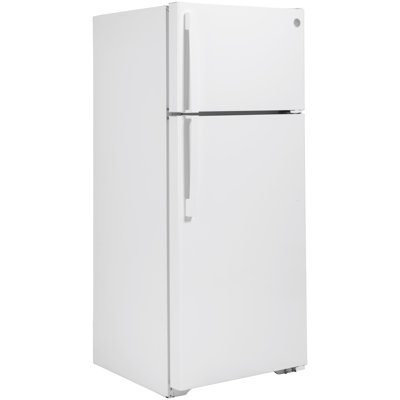
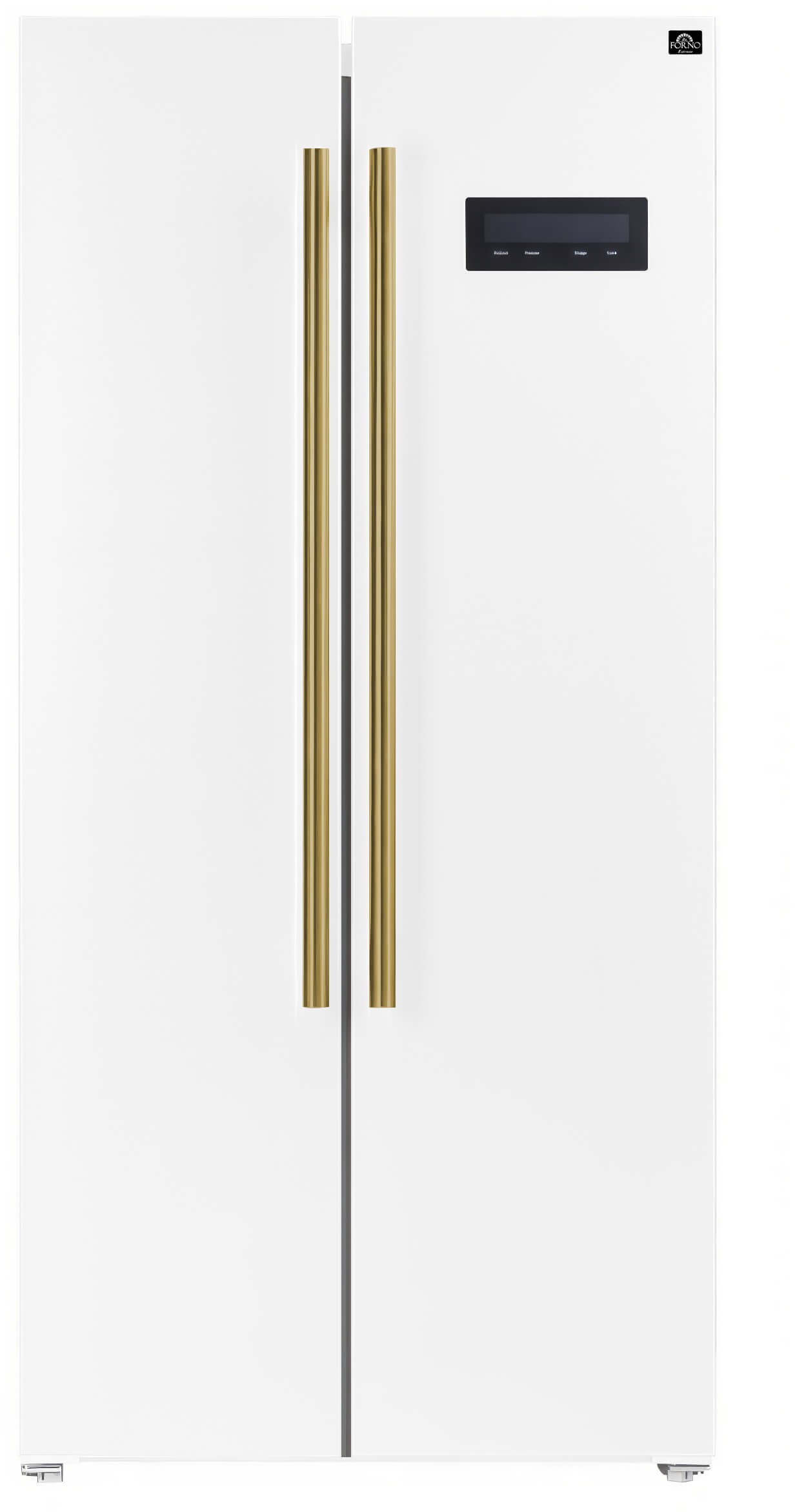
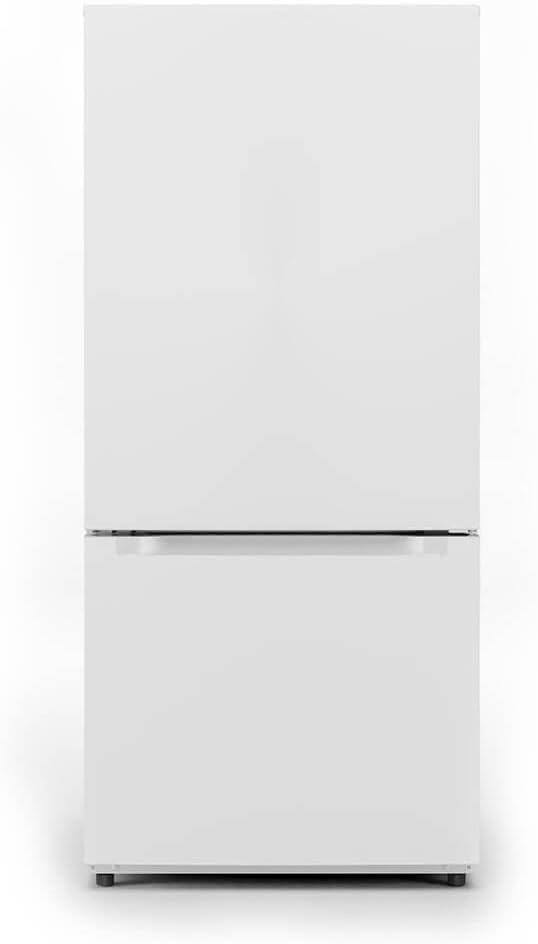
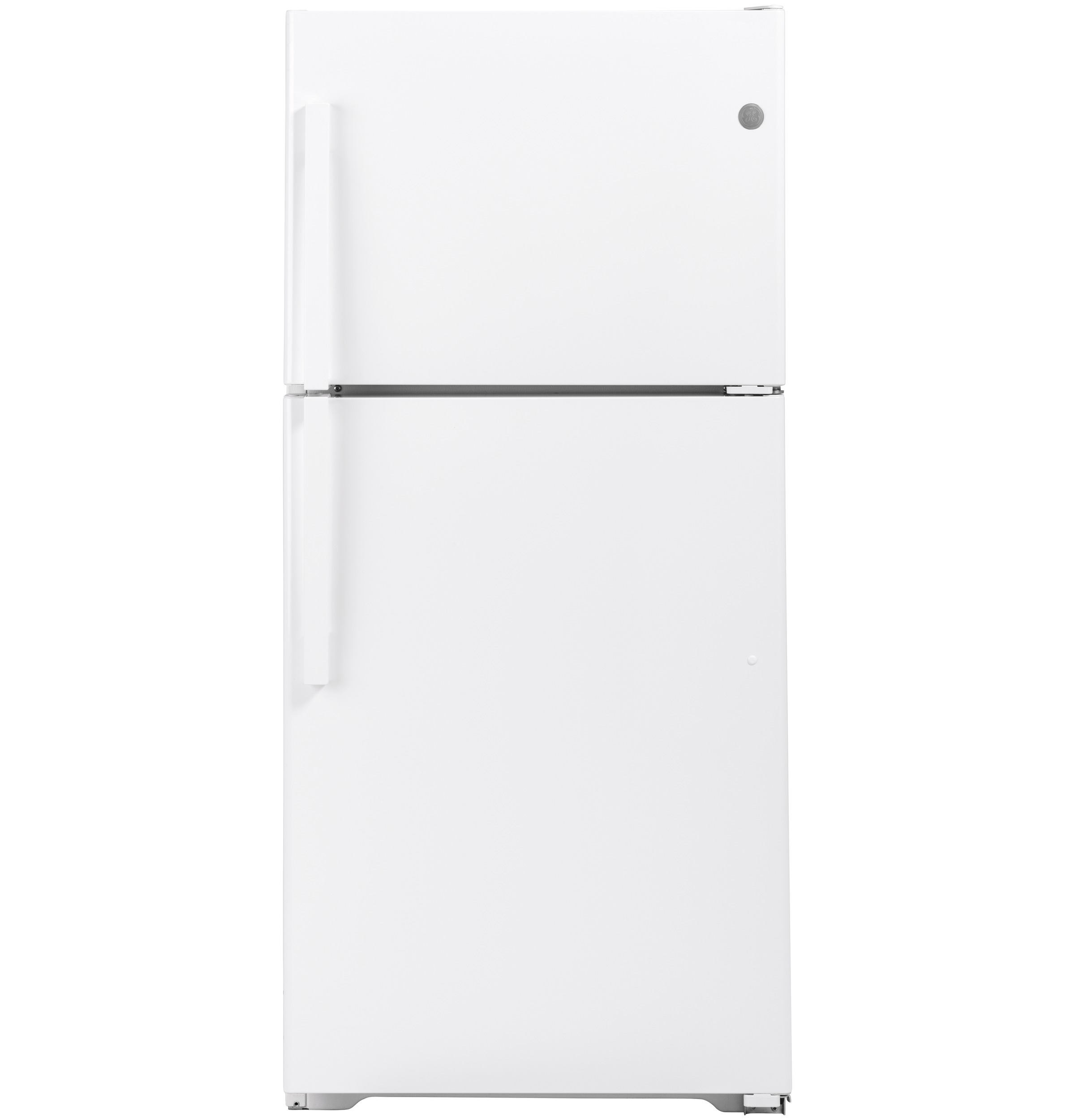
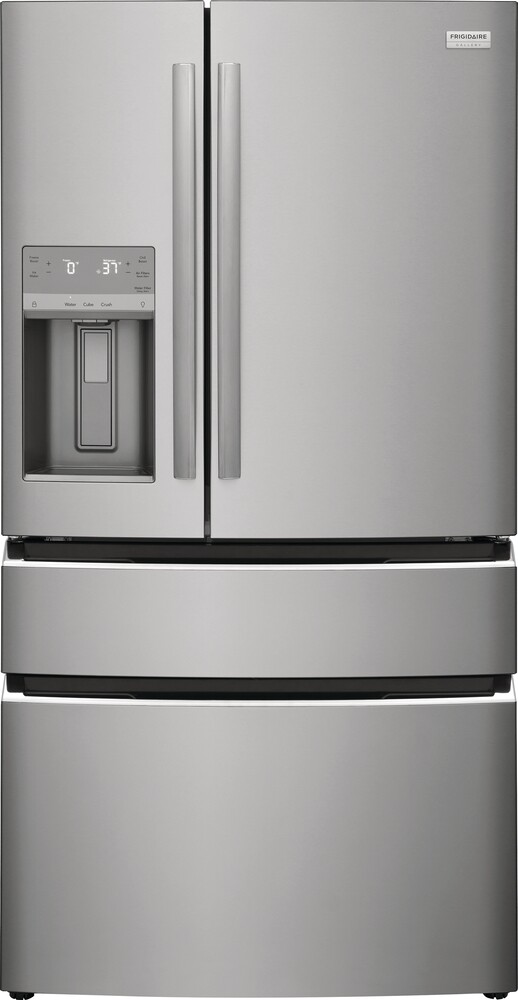
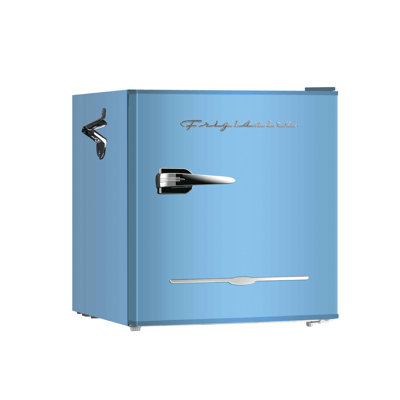
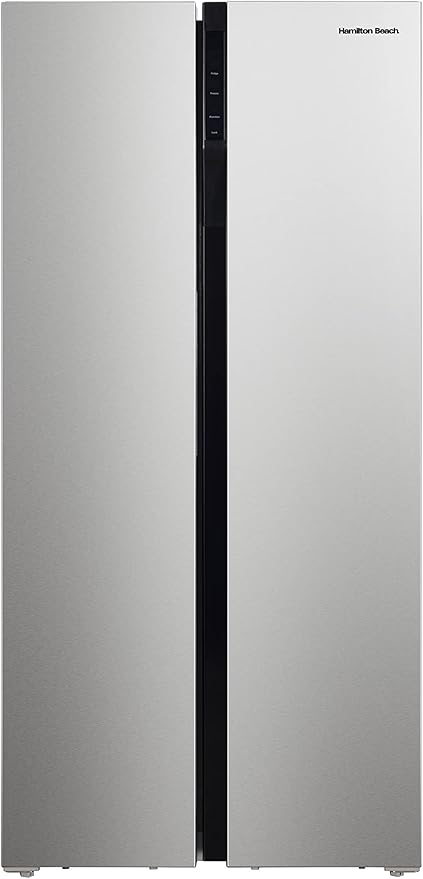
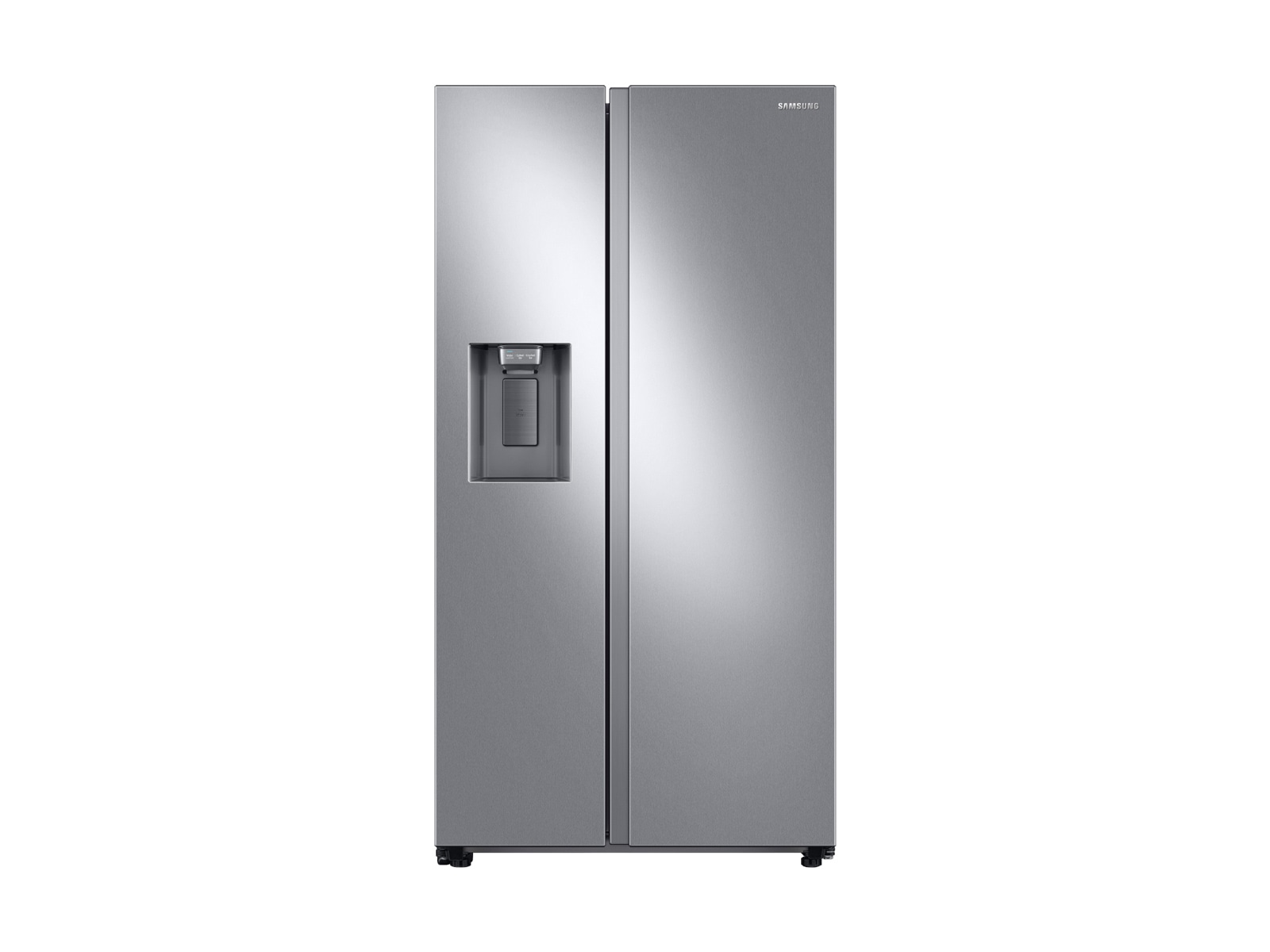
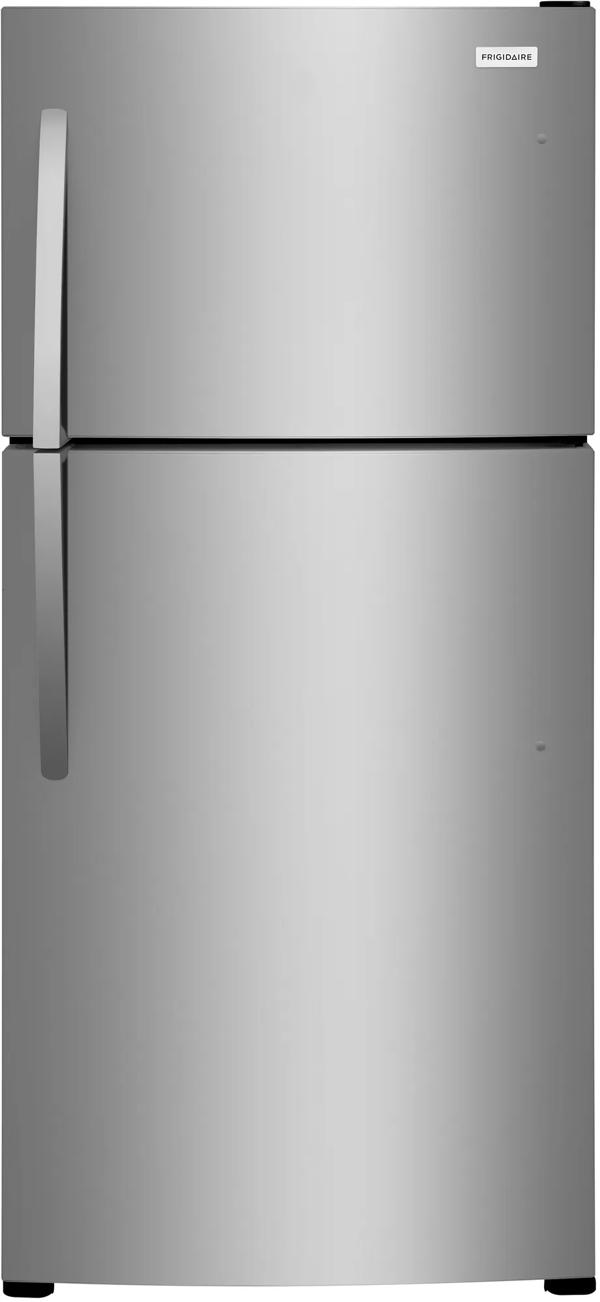
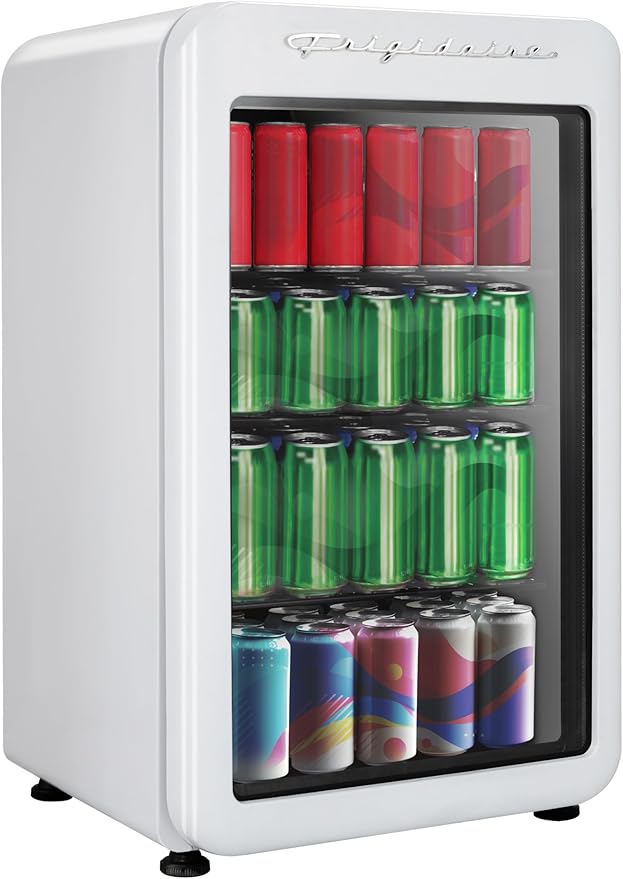
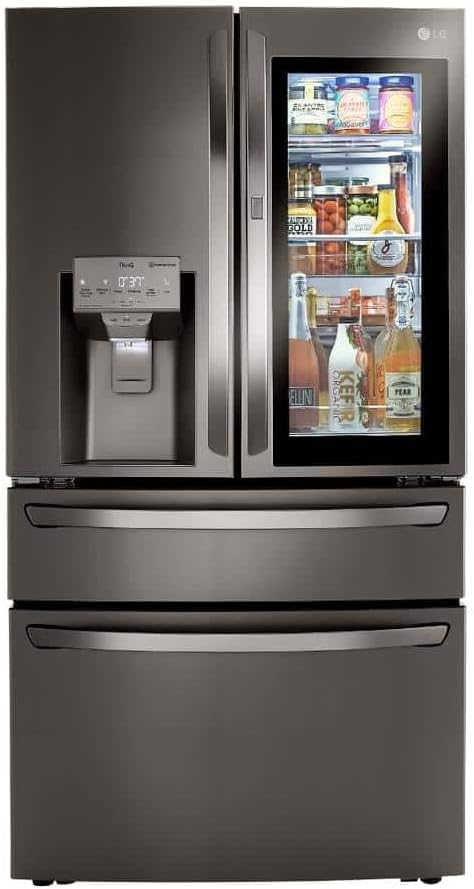
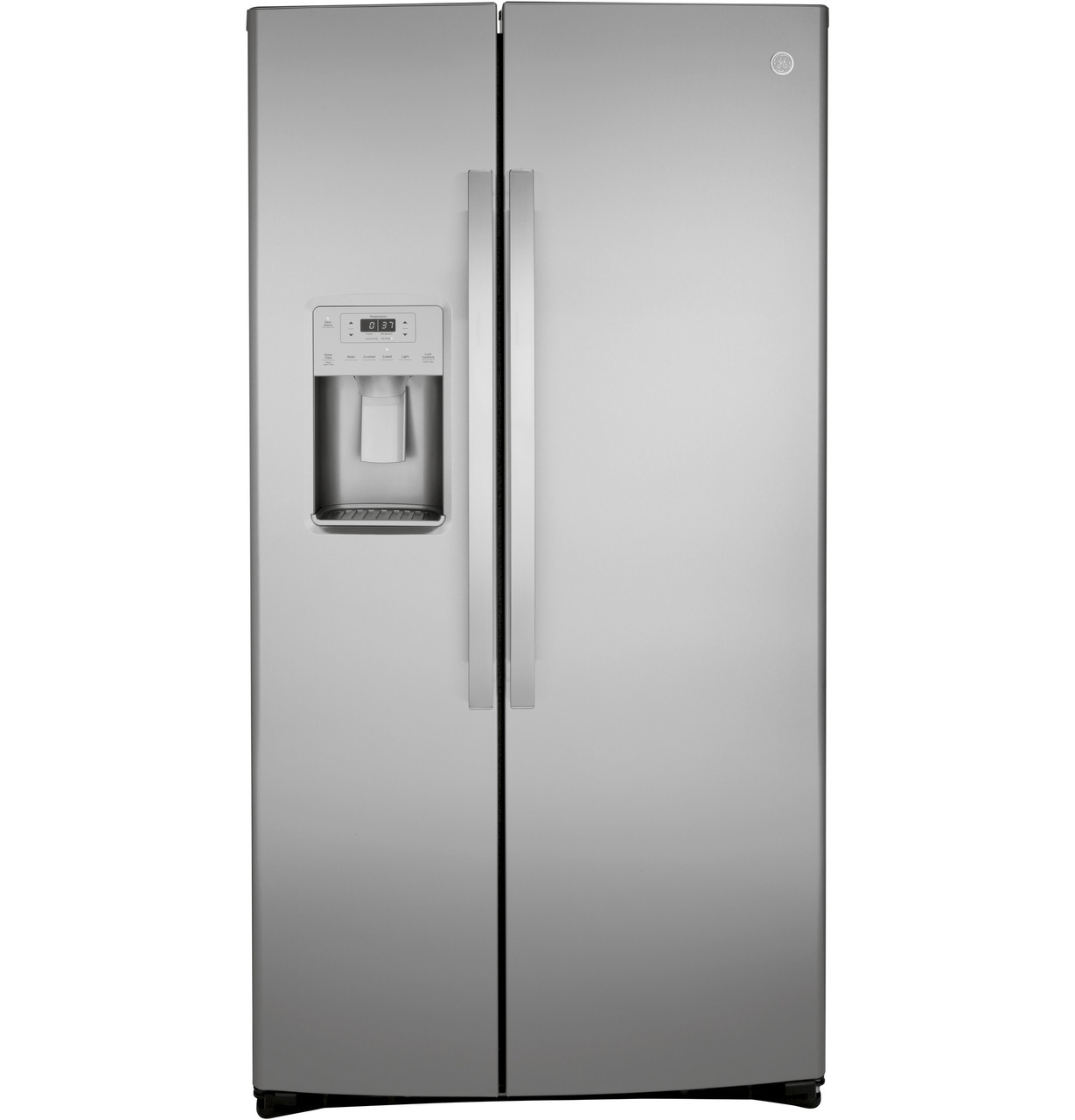
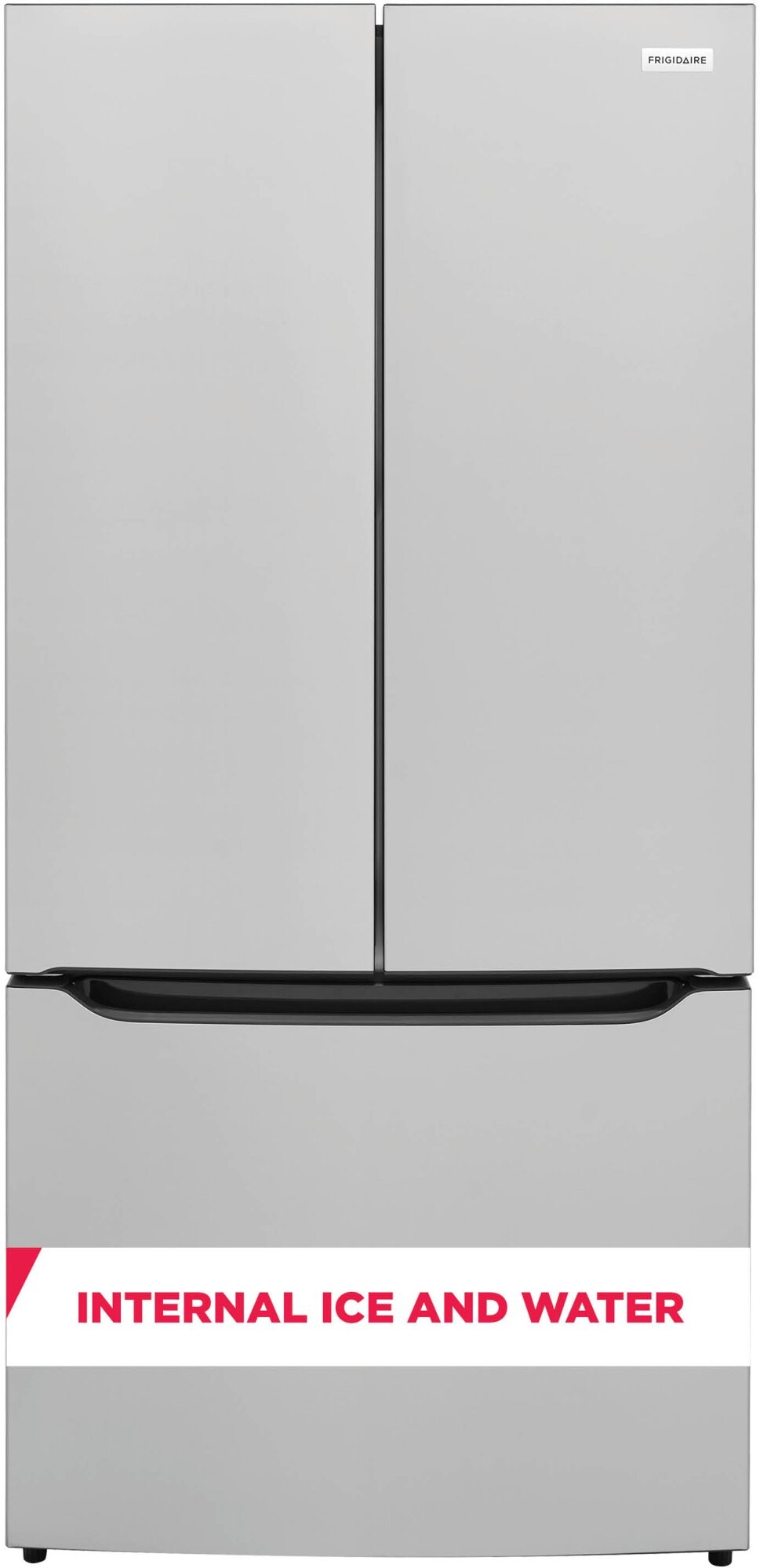
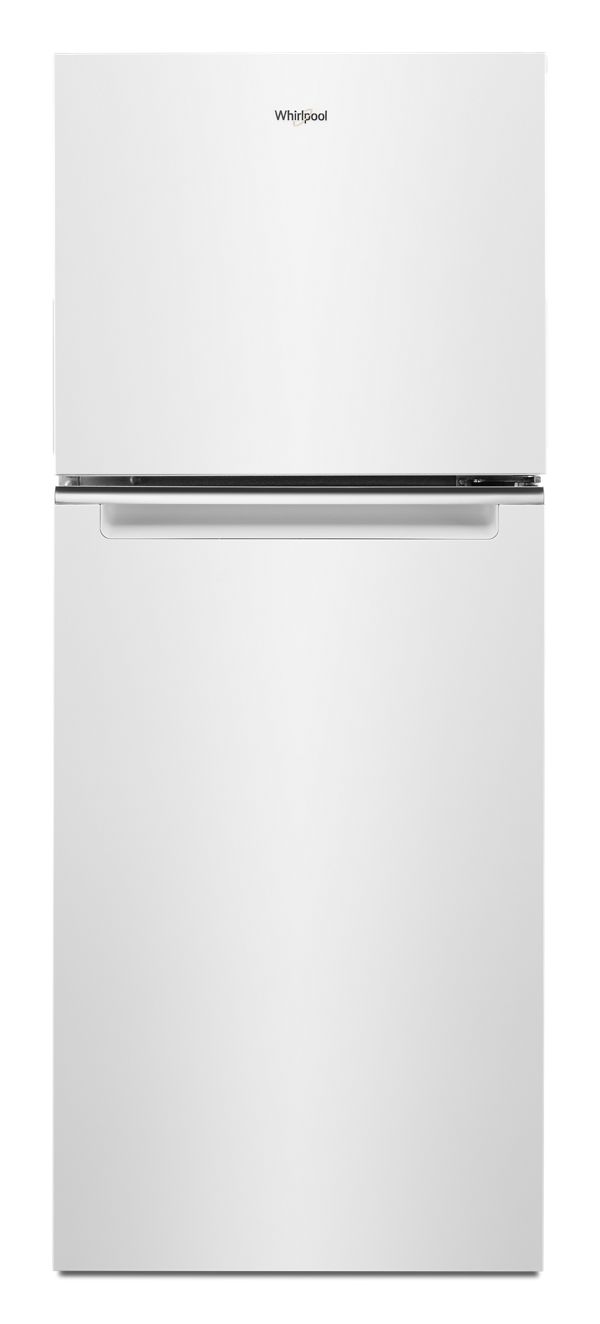
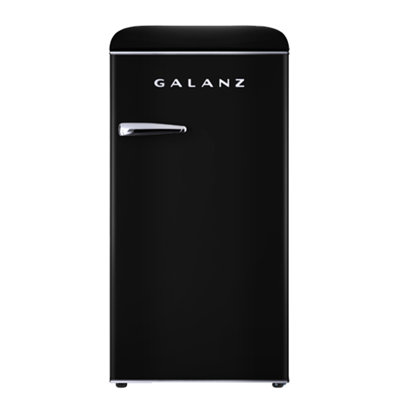
In an unconditioned garage or a kitchen that regularly tops 90°F, a standard refrigerator may run almost constantly, drive up your electric bill, and wear out sooner.
Leaving space behind and beside the unit for airflow is important everywhere, but especially when room temperatures routinely reach the 80s or higher.
Many manufacturers design units for room temperatures up to about 110°F; beyond that, cooling can fail or the compressor may shut down to protect itself.
Department of Energy and ENERGY STAR program test refrigerators at a standard room temperature (around 70°F).
Refrigerators in hot climates—whether in a garage, a sunlit kitchen, or an outdoor kitchen—work harder and use more energy than the same unit in a cool, air-conditioned space. If you live in a hot region or plan to put a fridge in a garage or patio, choosing a model rated for high ambient temperatures and giving it enough ventilation can prevent breakdowns and keep energy bills in check. This guide covers what “garage ready” and high-ambient ratings mean, how to place and vent the unit, what to expect for energy use, and how to compare options so you get a refrigerator that holds up in the heat.
Why Hot Climates Are Hard on Refrigerators
Refrigerators remove heat from the inside and reject it to the room. The hotter the room, the harder the compressor and condenser work. In an unconditioned garage or a kitchen that regularly tops 90°F, a standard refrigerator may run almost constantly, drive up your electric bill, and wear out sooner. Many manufacturers design units for room temperatures up to about 110°F; beyond that, cooling can fail or the compressor may shut down to protect itself.
The U.S. Department of Energy and ENERGY STAR program test refrigerators at a standard room temperature (around 70°F). A unit’s stated energy use assumes that condition. In a hot garage or a poorly ventilated space, actual consumption can be significantly higher, and the appliance may struggle to maintain safe food temperatures during heat waves. That is why “garage-ready” or “high-ambient” ratings matter when you know the fridge will sit in a hot environment. In the hottest parts of the country—the Southwest, the South, and inland areas with long summers—shoppers often look for these ratings first, then narrow by size and features.
What “Garage Ready” and High-Ambient Ratings Mean
Some refrigerators are marketed as garage-ready or rated for high ambient temperatures. That usually means the compressor, refrigerant, and controls are designed to start and run reliably when the surrounding air is well above normal room temperature—often 90°F to 110°F or higher, depending on the brand. These models often have a wider operating range than standard kitchen units and may include features such as a heated compressor compartment or a different refrigerant blend that performs better in heat.
Not every manufacturer uses the same wording or the same test conditions. When comparing models, check the product specifications or the owner’s manual for the stated “ambient temperature range” or “operating environment.” If you plan to put the fridge in a garage that regularly hits 100°F in summer, choose a unit that explicitly lists an upper limit at or above that. Relying on a standard kitchen refrigerator in that setting can void the warranty or lead to early failure. Online product pages and comparison tools often filter by “garage ready” or “high ambient” so you can narrow the list before you dig into specs.
Where you put the refrigerator matters as much as which model you buy. Even a garage-ready unit needs adequate airflow around the condenser (usually at the back or bottom). Cramming the fridge into a tight corner, against a wall with no gap, or inside a cabinet with no vent can cause the condenser to overheat and the refrigerator to run inefficiently or shut down. Leave the clearance recommended in the manual—often several inches at the back and sides—and avoid blocking the grille or coil.
In a garage, try to keep the fridge out of direct sunlight and away from hot equipment such as water heaters or furnaces. If the garage is uninsulated and gets very hot, consider adding a small fan to move air past the back of the unit during the hottest part of the day. Some homeowners use a garage exhaust fan or leave the garage door cracked to reduce heat buildup. Every degree you lower the ambient temperature helps the refrigerator run less and last longer.
In hot, humid regions, condensation can form on the cabinet or around the door. That is normal to some extent, but if you see persistent puddles or heavy sweating, check that the door seal is clean and intact and that the room is not so humid that the unit is constantly fighting moisture. Improving ventilation or moving the fridge slightly away from the warmest spot can help.
Expect higher electricity use when the room is hot. The compressor will run more often and for longer, so your summer bills may be noticeably higher than in winter or in an air-conditioned kitchen. ENERGY STAR-certified models are generally more efficient than non-certified ones at the same test conditions, but in a 100°F garage both will use more energy than their label suggests. Comparing kWh per year on the EnergyGuide label still helps you choose a relatively efficient model; just plan for real-world use to be above the label in hot environments.
If you have time-of-use electricity rates, running the refrigerator when rates are lower can save money, but you cannot turn the fridge off during peak hours without risking food safety. The main lever is choosing an efficient, appropriately rated unit and giving it a cool, well-ventilated spot. In regions with very high summer rates, the difference between a standard and a garage-ready unit in a hot garage can be dozens of dollars per year; the Energy Cost Calculator at Fridge.com uses local electricity data to help you estimate.
Outdoor and Patio Refrigerators
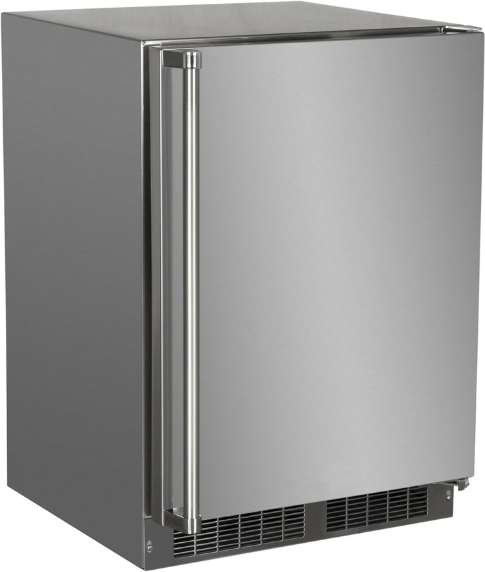
Refrigerators intended for outdoor use—on a patio, in a covered outdoor kitchen, or in a screened enclosure—are built to withstand wider temperature swings, humidity, and sometimes rain or splashing. They are typically rated for high ambient temperatures and may have stainless or weather-resistant finishes. If you are placing a fridge outdoors, use a model that is explicitly designed for outdoor or “all-weather” use; a standard indoor unit can fail quickly and may not be safe in wet conditions.
Even outdoor-rated units should be protected from direct rain and standing water. Place them under a roof or in an enclosure that allows airflow but limits exposure. Check the manufacturer’s specifications for the exact temperature and humidity range. In desert climates, dust and wind can blow into grilles and coils; cleaning the condenser more often in those areas keeps performance from dropping.
Maintenance in Hot Climates
In hot, dusty, or humid environments, condenser coils can clog faster with dirt and lint. Cleaning the coils at least once or twice a year helps the refrigerator reject heat efficiently and can reduce run time and energy use. Keep the area around the fridge clear of boxes, bags, and debris so air can circulate. If the unit has a fan (e.g. on the condenser), make sure it runs when the compressor runs; if it does not, you may need service.
Door seals are important in any climate. In a hot garage, a worn or dirty seal lets warm air in and forces the compressor to work harder. Wipe the gaskets periodically and check that the door closes firmly. If the seal is damaged or no longer snug, replace it to restore efficiency. In humid areas, wipe down the door frame and gasket to prevent mold or stickiness that can affect the seal.
If the refrigerator runs constantly, never seems to get cold enough, or the compressor cuts out during the hottest part of the day, the first things to check are placement and ventilation. Move anything blocking the back or sides, clean the condenser coils, and confirm that the room temperature is within the unit’s rated range. If the space is routinely above the maximum ambient in the manual, you may need to relocate the fridge or add cooling or shade (e.g. a fan, better insulation, or moving it away from a west-facing wall).
During a heat wave, even a garage-ready model may run nearly nonstop. That is normal in extreme conditions. If the interior temperature rises above safe levels for food (above 40°F in the fridge section), reduce how often you open the door, avoid adding large amounts of room-temperature food at once, and consider moving the most perishable items to a cooler or another fridge until the weather breaks. If the unit repeatedly fails to hold temperature in summer, it may be undersized for the space or the conditions; upgrading to a model with a higher ambient rating or moving it to a cooler spot can resolve the issue.
Kitchen Refrigerators in Hot Climates
Even if your refrigerator stays indoors, a kitchen that gets very hot—because of poor insulation, a hot stove, or limited air conditioning—can stress the unit. In the South, Southwest, or other hot regions, placing the fridge away from the oven and direct sunlight helps. Leaving space behind and beside the unit for airflow is important everywhere, but especially when room temperatures routinely reach the 80s or higher. If your kitchen stays hot for long periods, consider a model with a high-ambient rating even for indoor use; some brands offer the same garage-ready technology in their main kitchen line.
Warranty and Service Considerations
Many warranties exclude or limit coverage when the refrigerator is used in a garage or in conditions outside the manufacturer’s specified ambient range. If you install the unit in a hot garage or outdoors, read the warranty and installation instructions to confirm that your use is covered. Using a standard refrigerator in a 110°F garage when the manual states a maximum of 90°F can void the warranty. Choosing a model that is explicitly rated for your conditions avoids that risk and gives you a better chance of reliable operation.
When shopping for a refrigerator for a hot climate, garage, or outdoor space, prioritize: (1) an explicit high-ambient or garage-ready rating that matches or exceeds your expected peak temperatures; (2) adequate clearance and ventilation in your chosen location; (3) ENERGY STAR certification for baseline efficiency; and (4) for outdoor use, an outdoor-rated design. Read the specs and manual rather than assuming a standard kitchen model will hold up. Filtering by “garage refrigerators” or “outdoor refrigerators” on comparison sites makes it easy to see only models that are built for tough conditions.
Comparing dimensions, capacity, and features across several models helps you find one that fits your space and budget. Use the Energy Cost Calculator at Fridge.com to estimate running costs in your area, and compare current prices and specs across retailers so you can choose with confidence. If you are replacing an older garage or outdoor fridge that failed in the heat, note its ambient rating (if any) and choose a replacement that meets or exceeds that range so you do not repeat the same problem.
Summary
Hot climates and unconditioned spaces like garages or patios demand refrigerators that are rated for high ambient temperatures and given enough ventilation. Look for garage-ready or high-ambient models, leave the recommended clearance, avoid direct sun and heat sources, and plan for higher energy use in summer. For outdoor placement, use an outdoor-rated unit and protect it from rain. Clean the condenser regularly, keep the door seal in good shape, and check the warranty so your use is covered. With the right choice and placement, your refrigerator can perform reliably in the heat for years. Compare specs and prices for garage-ready and outdoor models.
Frequently Asked Questions
Standard kitchen refrigerators are typically rated for room temperatures up to about 90°F. In a hot garage that regularly exceeds that, performance can suffer and the warranty may not cover use outside the stated range. Look for garage-ready or high-ambient models instead.