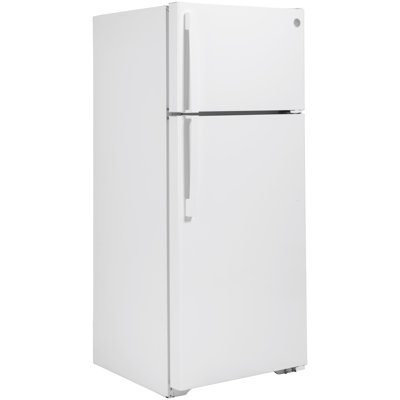
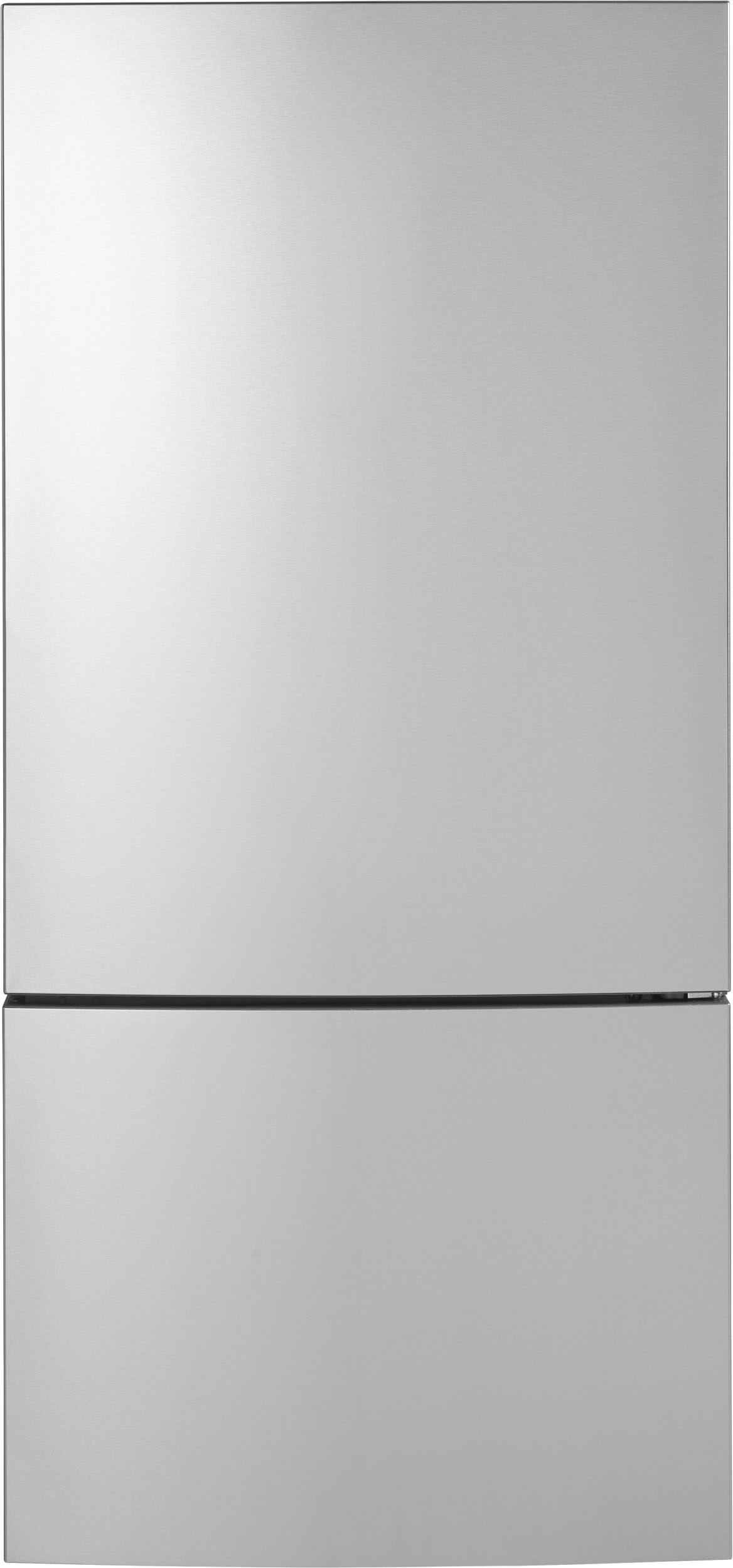
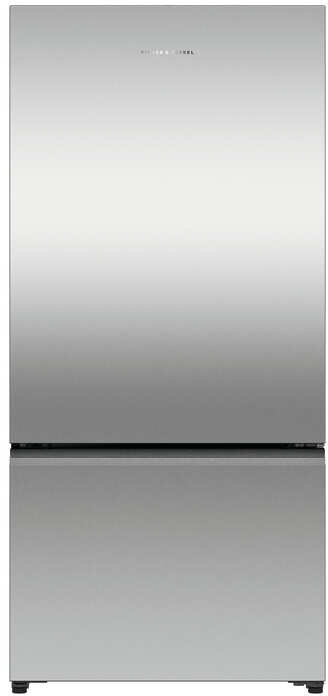
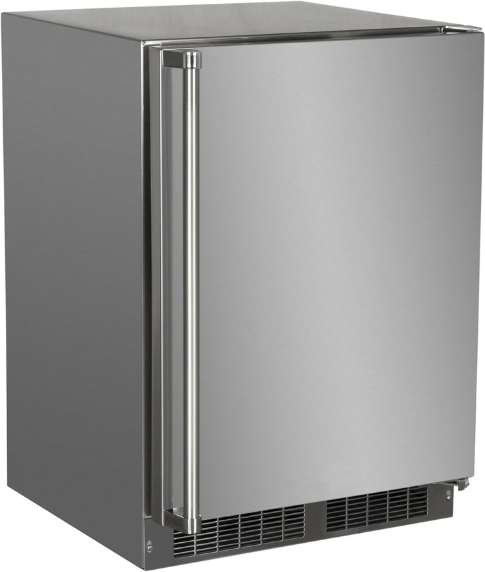
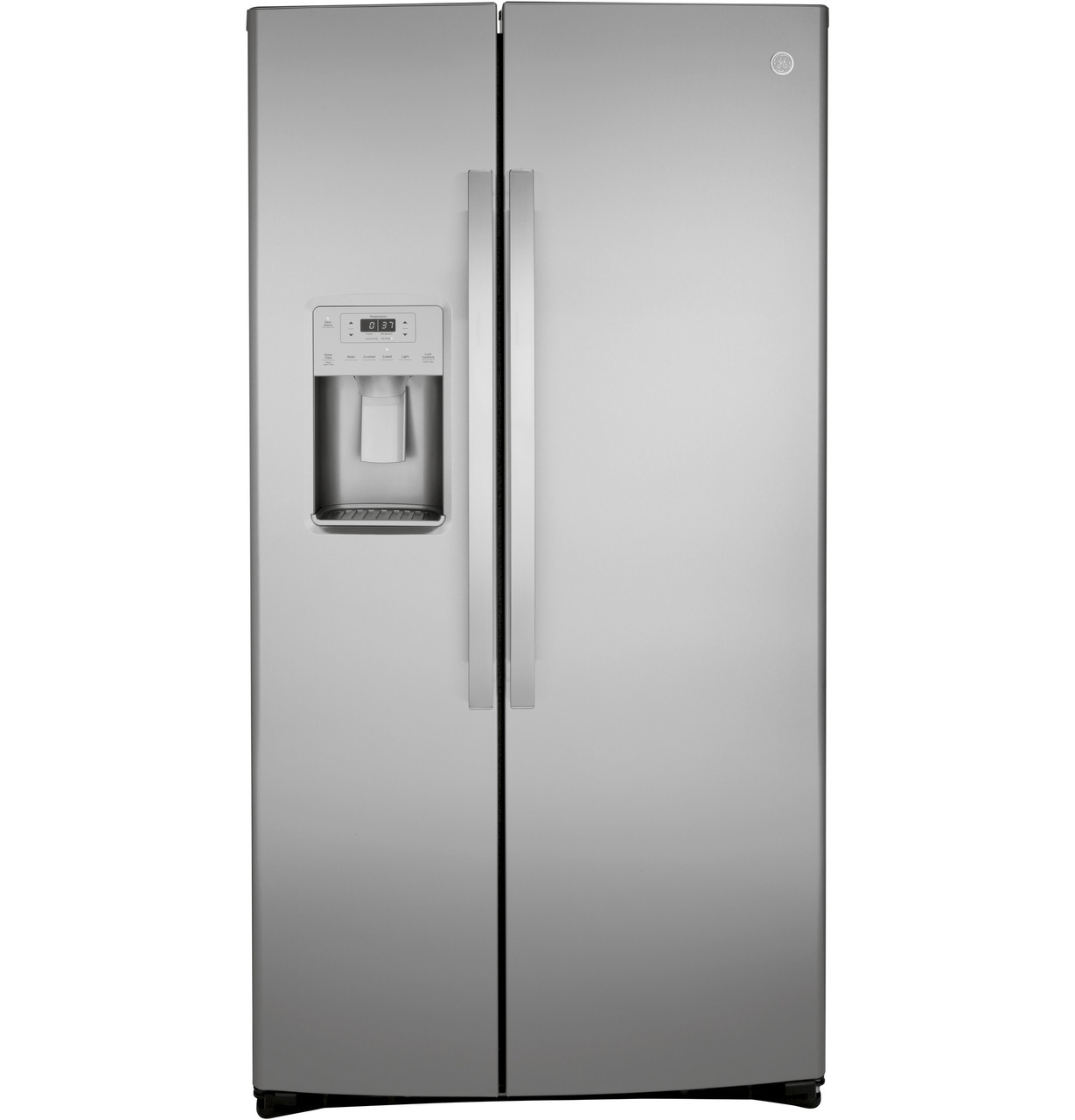
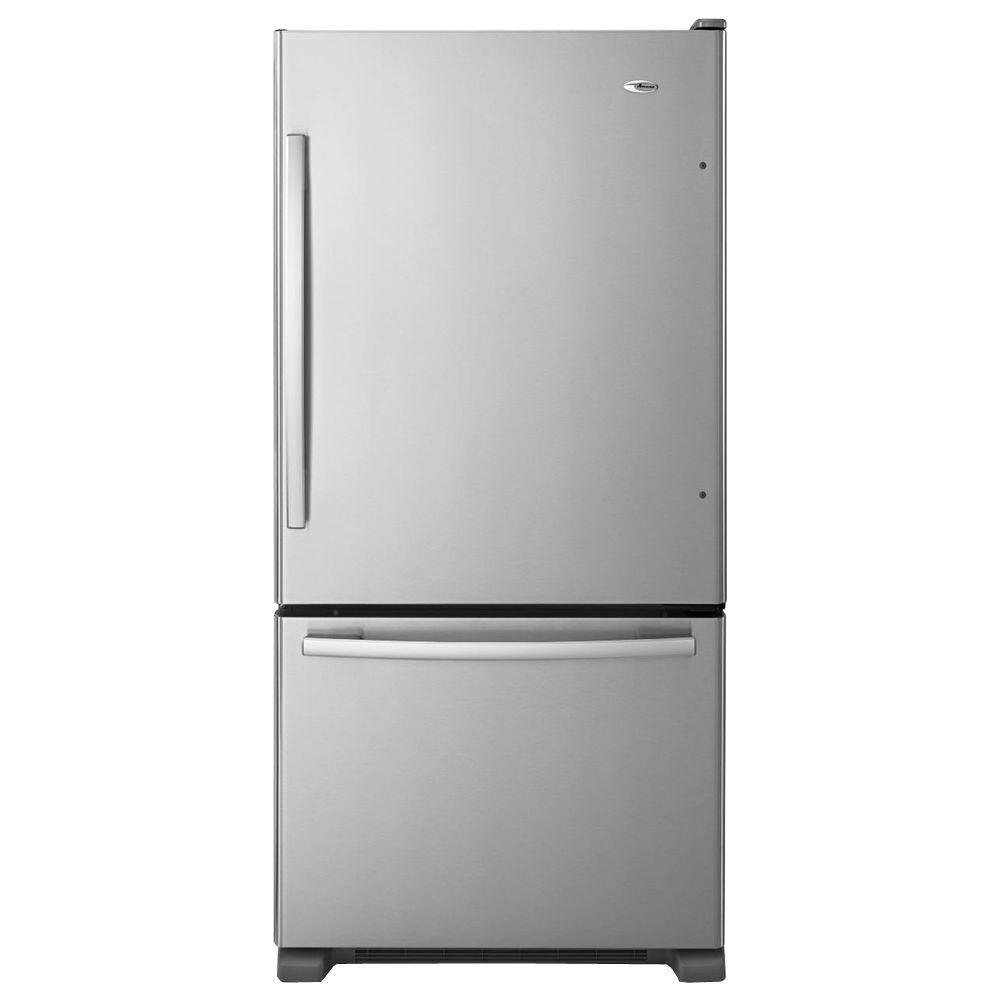
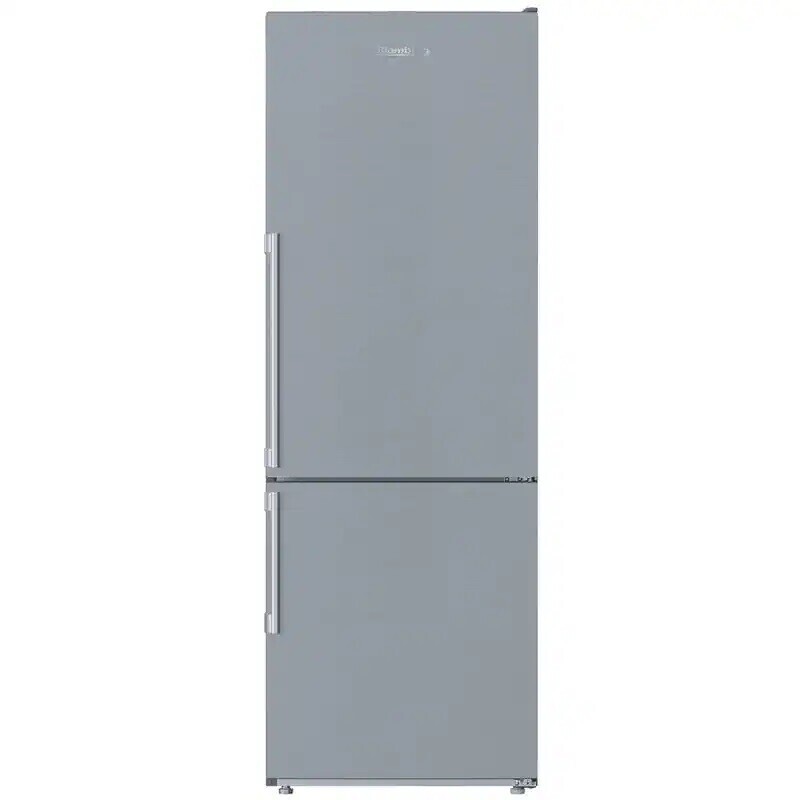
If your second fridge sits in a conditioned space—for example, a finished basement that stays between 65°F and 75°F—a standard kitchen refrigerator is usually fine.
Manufacturers use “garage ready” or similar terms for refrigerators designed to operate in a wide range of ambient temperatures—often from well below freezing in winter to 110°F or higher in summer.
In an unheated garage, the room can drop into the 30s or 20s in cold climates and climb past 100°F in hot climates.
0°F or -10°F) is safer than one that only states “garage ready” without a number.
A garage-ready refrigerator is built to start and run in spaces that get much hotter or colder than a typical kitchen. If you keep a second fridge in the garage for extra storage, beverages, or overflow, using a model that is explicitly rated for that environment can avoid breakdowns, warranty issues, and sky-high energy bills. This guide explains what “garage ready” means, who it is for, what to look for when you shop, and how to compare models so you get a unit that holds up year-round.
What “Garage Ready” Means
Manufacturers use “garage ready” or similar terms for refrigerators designed to operate in a wide range of ambient temperatures—often from well below freezing in winter to 110°F or higher in summer. In an unheated garage, the room can drop into the 30s or 20s in cold climates and climb past 100°F in hot climates. A standard kitchen refrigerator is typically designed for room temperatures between about 55°F and 110°F; outside that range, the compressor may not start, or the unit may run constantly and fail early. Garage-ready models use components and controls that work across a broader range so the fridge reliably holds temperature in both extremes.
The exact range varies by brand and model. Some list “garage ready” with a stated minimum and maximum ambient (e.g. 0°F to 110°F). Others market “all-season” or “extended temperature” operation. When comparing, check the product specifications or owner’s manual for the “operating ambient temperature range” or “approved installation environment.” If your garage regularly goes below or above those limits, choose a model that covers your conditions or consider improving insulation or ventilation.
Who Needs a Garage-Ready Refrigerator
Garage-ready models are for anyone who places a refrigerator in a garage, shed, basement, or other space that is not climate-controlled. That includes homeowners who want extra capacity for drinks, backup food storage, or hunting and gardening harvests; families who entertain often and need a second fridge for party supplies; and anyone replacing an old garage fridge that failed or ran poorly in winter or summer. If you have ever had a garage refrigerator that would not cool in the heat or that ran nonstop and tripped breakers, a garage-ready unit is designed to avoid those problems.
If your second fridge sits in a conditioned space—for example, a finished basement that stays between 65°F and 75°F—a standard kitchen refrigerator is usually fine. Garage ready becomes important when the installation location routinely falls outside the range printed in a typical refrigerator manual.
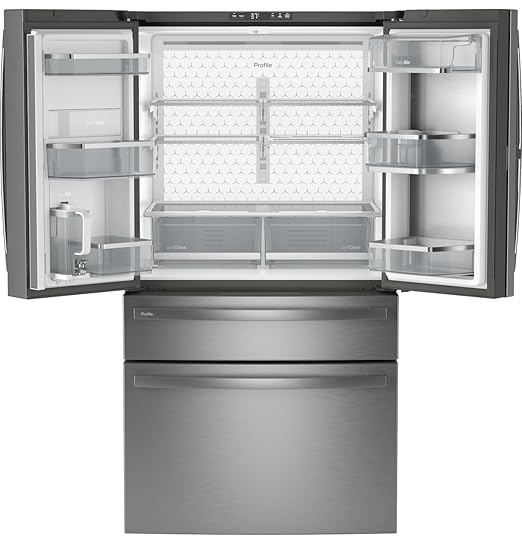
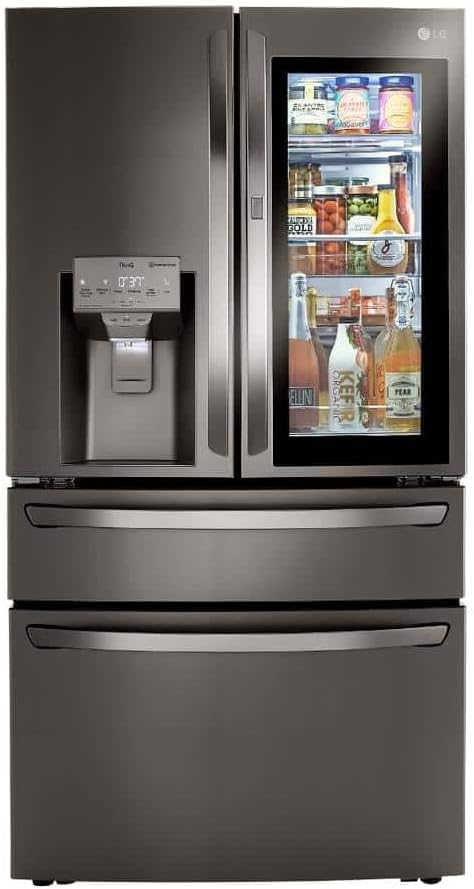
Beyond the stated ambient range, look for a unit that fits your space and usage. Capacity matters: a compact 10–15 cubic foot model may be enough for beverages and overflow, while a full-size 20–25 cubic foot garage fridge suits large families or serious stockpiling. Door style (top freezer, bottom freezer, or French door) is mostly preference; what matters for garage use is that the model is rated for your garage’s temperature range.
Some garage-ready refrigerators include a “cold weather kit” or heated compressor compartment so the unit can start when the room is very cold. Others rely on refrigerant and compressor design alone. If you live in a region where the garage regularly drops below freezing in winter, a model that explicitly lists a low minimum ambient (e.g. 0°F or -10°F) is safer than one that only states “garage ready” without a number. ENERGY STAR-certified garage-ready models are available; the label indicates efficiency at standard test conditions, but in a hot garage real-world use will be higher. Still, comparing EnergyGuide labels helps you choose a relatively efficient model among garage-ready options.
Placement and Ventilation
Even a garage-ready refrigerator needs adequate clearance and airflow. Leave the clearance specified in the manual—typically several inches at the back and sides—so the condenser can reject heat. Do not push the unit flush against the wall or pack boxes around it. In summer, a garage can heat up quickly; keeping the fridge out of direct sunlight and away from water heaters, furnaces, or other heat sources reduces the load on the compressor.
In cold climates, avoid placing the refrigerator in an unheated corner where the room temperature can plunge well below freezing unless the unit is rated for that. Some manuals state a minimum ambient (e.g. 38°F or 0°F); if your garage gets colder, the fridge may not start or may run incorrectly. Insulating the garage or adding a small heater in extreme cold can help, but the best approach is choosing a model whose stated range includes your lowest and highest garage temperatures. A small fan behind the unit in summer can also help move hot air away from the condenser and reduce run time.
Sizing Your Garage Refrigerator
Garage refrigerators come in compact (under 18 cubic feet), medium (18–22 cubic feet), and full-size (22 cubic feet and up) capacities. Consider how you will use the space: mostly drinks and occasional overflow, or regular storage for bulk shopping, meal prep, or entertaining. A smaller unit uses less energy and fits in tighter spots; a larger one reduces the need to juggle space. Measure the spot where the fridge will go—height, width, and depth—and check the model’s dimensions plus the recommended clearance so it fits and the doors can open fully.
If you are replacing an existing garage fridge, note its capacity and whether you routinely ran out of space. That will guide whether to size up, stay the same, or downsize. Comparison tools at Fridge.com let you filter by capacity, dimensions, and garage-ready designation so you can narrow the list quickly.
Many standard refrigerator warranties exclude or limit coverage when the unit is used in a garage or in conditions outside the manufacturer’s specified ambient range. Installing a non–garage-ready refrigerator in a garage that regularly hits 110°F or drops to 20°F can void the warranty. Garage-ready models are intended for that use, so the warranty typically applies when you follow the installation and ambient range in the manual. Read the warranty and installation section before you buy so you know your use is covered.
Installation is straightforward: level the unit, connect power, and leave the required clearance. If you are replacing an old fridge, have the old one removed and recycled; many retailers offer haul-away with delivery. Do not block the condenser grille or place the refrigerator where the door will hit walls or other obstacles when opened.
Energy Use in the Garage
Refrigerators in garages use more energy when the room is hot and may use slightly more in very cold weather if the heater or defrost runs more often. Expect summer electricity use to be higher than the EnergyGuide label, which is based on a 70°F room. Choosing an ENERGY STAR garage-ready model and keeping the unit well ventilated helps. Use the Energy Cost Calculator at Fridge.com to estimate annual running costs based on your local electricity rate and typical use. In regions with very hot summers, the difference between an old, inefficient garage fridge and a new garage-ready model can be hundreds of dollars per year in electricity savings.
Garage Ready vs. Standard Refrigerators
The main difference is the operating range and warranty. A standard refrigerator is built for indoor, climate-controlled spaces. A garage-ready model is built for wider temperature swings. If you put a standard fridge in a garage that gets very hot or very cold, you risk poor performance, early failure, and no warranty coverage. If you need a fridge in the garage, buying one that is explicitly garage ready is the reliable choice. The upfront cost may be a bit higher than a comparable non–garage-ready model, but avoiding a premature replacement and high repair bills usually makes it worthwhile.
If your current garage refrigerator is more than 10–15 years old, runs constantly in summer, will not get cold enough in a heat wave, or will not start in cold weather, it may be nearing the end of its life or it may never have been rated for garage use. Older units are also much less energy efficient than modern ENERGY STAR models. Replacing with a new garage-ready refrigerator can cut energy use by half or more and give you reliable cooling in both seasons. When you replace, measure the space, note the capacity you need, and choose a model whose ambient range matches your garage. Haul-away of the old unit is often included with delivery.
Brands and Availability
Several major brands offer garage-ready refrigerators in a range of sizes and styles. Availability varies by region and retailer; use comparison tools and filters to see only models that are explicitly rated for garage or extended-temperature use. Do not assume a given brand or product line is garage ready unless the specifications or manual say so. Checking the “ambient temperature range” or “installation location” in the specs is the only way to confirm. Some brands offer garage-ready versions of popular kitchen models, so you can get similar features and capacity in a unit that is rated for the garage. Once you have a short list, compare prices, dimensions, and energy use to choose the best value for your needs.
What to Look for When Comparing
When shopping for a garage refrigerator, filter or search for “garage ready,” “garage rated,” or “all-season” models. Check the stated ambient temperature range and confirm it includes your garage’s typical low and high. Compare capacity, dimensions, and energy use (EnergyGuide and ENERGY STAR). Read reviews from buyers who use the unit in a garage to see how it holds up in heat and cold. Compare prices across retailers; the same model may be sold at several stores with different promotions.
Fridge.com lists garage-ready refrigerators and lets you compare specs, current prices, and energy estimates. Use the filters to see only models rated for garage use, then narrow by size, style, and brand to find the best fit for your space and budget. Checking dimensions and clearance requirements before you buy avoids the frustration of a unit that does not fit or cannot be vented properly.
Garage-ready refrigerators are designed to operate in the temperature swings typical of garages and other unconditioned spaces. They offer a wider ambient range and warranty coverage for that use. When shopping, confirm the stated range covers your garage’s extremes, leave adequate clearance for ventilation, and choose a size and style that matches how you will use the fridge. Replacing an old garage fridge with a new garage-ready model can cut energy use and avoid the headaches of a unit that quits in the heat or cold. With the right model and placement, a garage refrigerator can provide years of reliable extra storage. Compare garage-ready models and current prices.
Frequently Asked Questions
A garage ready refrigerator is built to start and run in a wide range of ambient temperatures—often from below freezing in winter to 110°F or higher in summer—so it holds temperature in an unheated garage year-round.