A garage freezer and a garage refrigerator both live in the garage, but they serve different temperature needs and different storage roles. The garage freezer stores bulk frozen food at 0°F — meats, vegetables, meal prep, and overflow from the kitchen. The garage refrigerator stores cold beverages, extra fresh food, and party supplies at 35 to 42°F. Both must handle the temperature extremes of an unconditioned garage — the factor that makes standard indoor appliances fail in this environment. This guide covers what makes an appliance garage-ready, which type to add first, and whether you need both.
The Garage Environment Challenge
Garages are not climate-controlled. Summer temperatures can reach 100 to 120°F in sunbelt states. Winter temperatures can drop below freezing in northern states. This temperature swing — potentially 130+ degrees between summer peak and winter low — is outside the operating range of standard indoor appliances.
A standard refrigerator rated for 60 to 90°F ambient will struggle or fail in a garage. In extreme heat, the compressor runs continuously and may overheat. In extreme cold, the thermostat may not trigger the compressor because the ambient temperature is already near the target — but temperature zones within the unit vary, causing some food to freeze while other areas warm above safe levels.
What Makes an Appliance Garage-Ready
Garage-ready appliances feature wider ambient temperature operating ranges — typically 0 to 110°F. This is achieved through heavier-duty compressors rated for continuous operation in heat, thermostat systems that function in cold ambient conditions, thicker insulation that protects against both heat and cold extremes, and reinforced gaskets that maintain seal integrity through temperature cycling.
When shopping for any garage appliance — freezer or refrigerator — confirm the manufacturer rates it for garage use. Look for specific language like garage-ready, wide temperature range, or garage-rated on the product specifications. Not all freezers and refrigerators carry this rating.
Garage Freezer Options
Type
Capacity
Energy (Annual)
Price Range
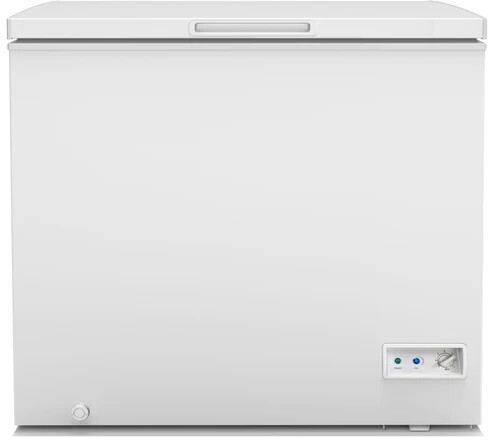
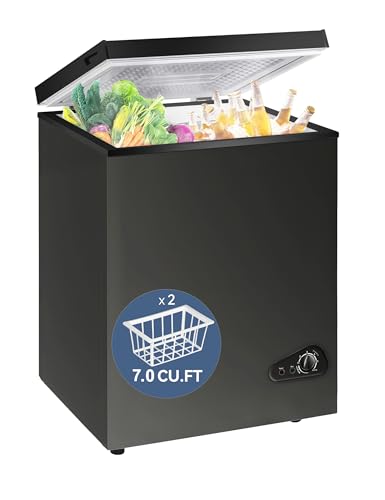
Garage-Ready Chest Freezer (7 cu ft)
7 cu ft
$17 - $32
$200 - $400
Garage-Ready Chest Freezer (15 cu ft)
15 cu ft
$29 - $55
$350 - $700
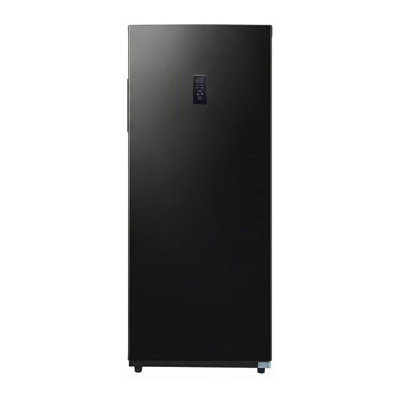
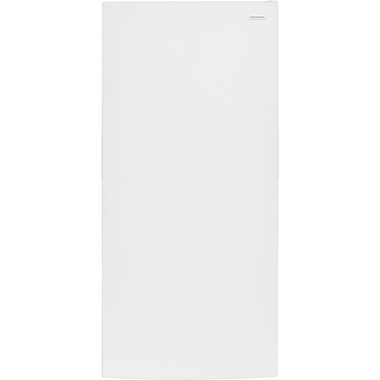
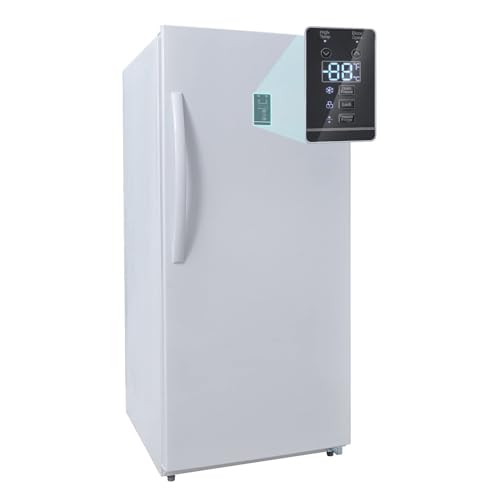
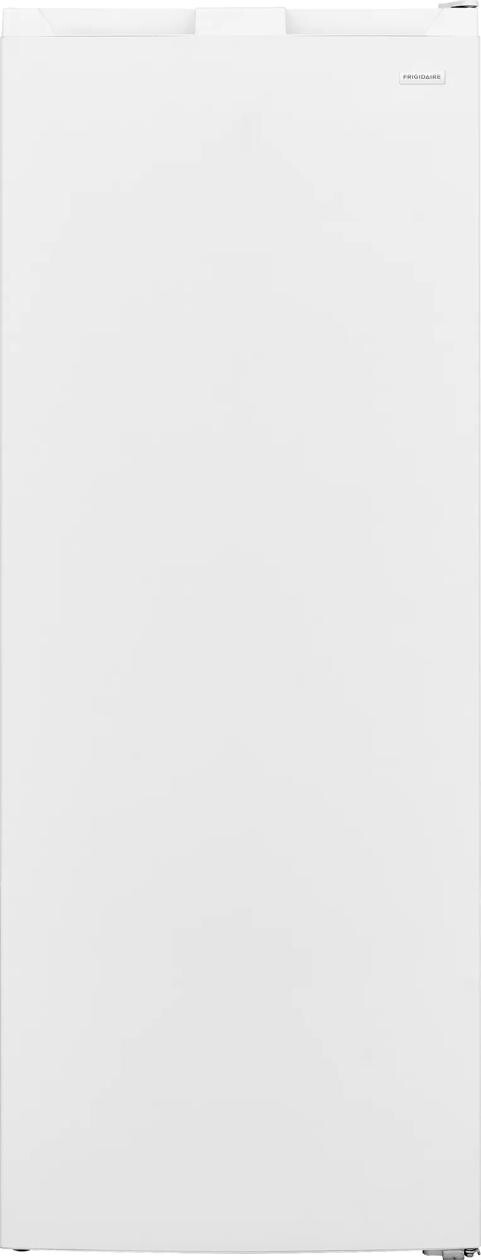
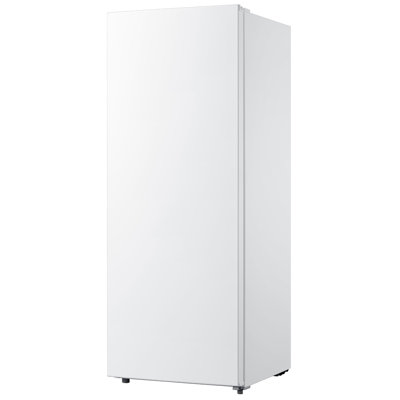
Garage-Ready Upright Freezer (14 cu ft)
14 cu ft
$46 - $70
$500 - $900
Chest freezers are the most popular garage freezer because of their efficiency, durability, and bulk storage capacity. The top-opening design handles garage heat well — cold air stays inside when the lid opens. Upright freezers offer better organization but use more energy and lose more cold air through front-door openings.
Garage Refrigerator Options
Type
Capacity
Energy (Annual)
Price Range
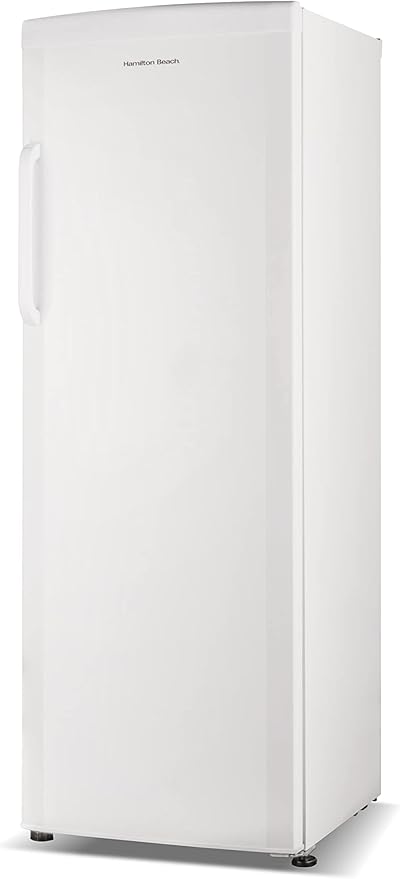
Garage-Ready Top Freezer Fridge (18 cu ft)
18 cu ft
$50 - $80
$600 - $1,200
Garage-Ready All-Fridge (14 cu ft)
14 cu ft
$45 - $65
$500 - $900
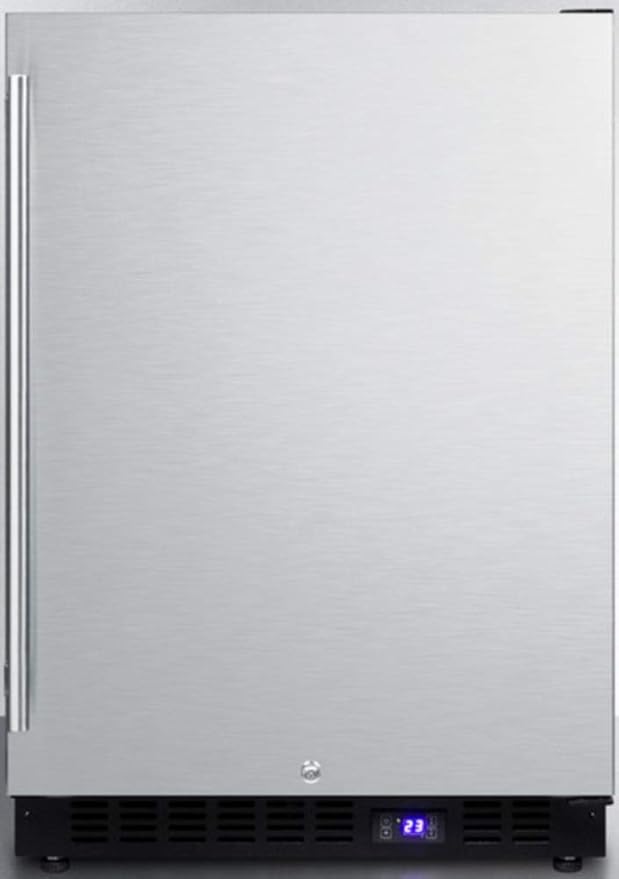
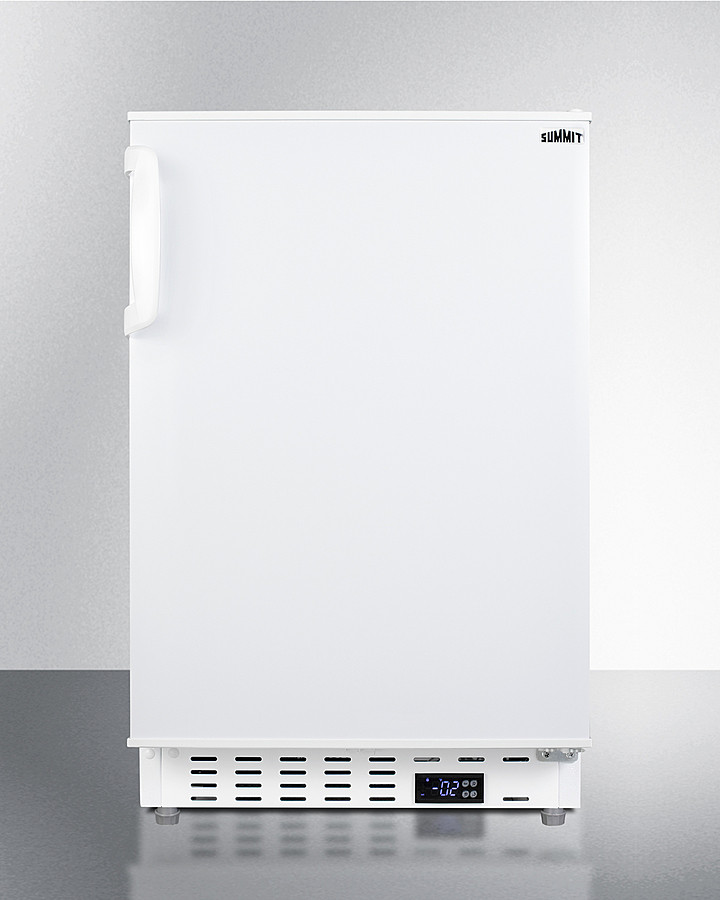
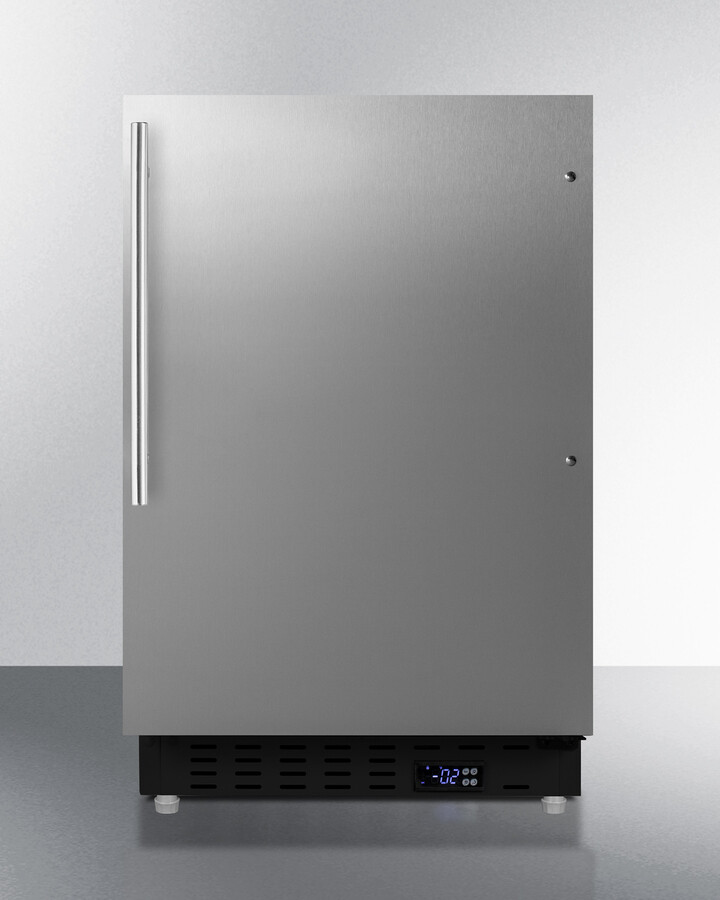
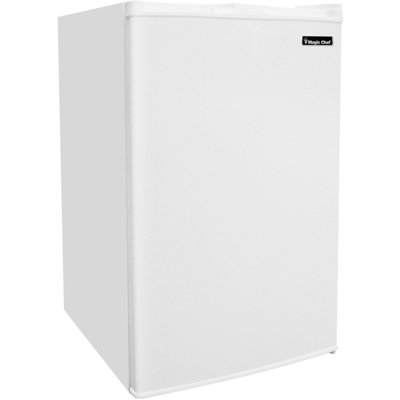
Garage-Ready Beverage Center
3.5 - 5 cu ft
$30 - $55
$300 - $700
A garage-ready full-size fridge provides overflow fresh food storage and cold beverage access. A garage-ready beverage center is a dedicated drink cooler for the garage workshop, home gym, or car project area. Both require the garage-ready temperature rating to function reliably year-round.
Which to Add First
If your kitchen freezer is consistently full and you buy food in bulk → add a garage freezer first. The frozen overflow need is more urgent and the chest freezer is the most affordable, efficient option.
If your kitchen fridge is overflowing with beverages and party supplies → add a garage refrigerator first. A second fridge or beverage center in the garage offloads drink storage from the kitchen.
Most households that add garage cold storage start with a chest freezer because the bulk frozen storage need is more common than the overflow fresh food need. The freezer also costs less to buy and run.
Energy Use in Garage Conditions
Garage appliances use 10 to 40 percent more energy than the same units in a 72°F kitchen. The extreme ambient temperatures force the compressor to work harder — especially during summer heat. A chest freezer rated at 200 kWh in a climate-controlled room may use 260 to 280 kWh in a hot garage. A garage fridge rated at 450 kWh indoors may use 550 to 630 kWh in a garage that regularly exceeds 90°F.
Shade the appliance from direct sun within the garage. Position away from the garage door where radiant heat is strongest. Insulate the garage door and walls if possible. These steps reduce the ambient heat load and lower energy consumption.
Garage freezers — especially chest models — hold temperature for 24 to 48 hours during power outages. The thick insulation and full thermal mass of frozen food create excellent heat resistance. During outages, do not open the lid.
Garage refrigerators hold temperature for 4 to 6 hours during outages — shorter than freezers because the 37°F target is closer to ambient temperature and the fridge contents have less thermal mass than frozen food. Perishable items in a garage fridge are at higher risk during extended outages than frozen items in a garage freezer.
Pricing
Type
Budget
Mid-Range
Premium
Garage Chest Freezer (7 cu ft)
$200 - $300
$300 - $450
$450 - $600
Garage Chest Freezer (15 cu ft)
$350 - $500
$500 - $700
$700 - $900
Garage Fridge (top freezer, 18 cu ft)
$600 - $900
$900 - $1,200
$1,200 - $1,600
Garage Beverage Center
$300 - $500
$500 - $700
$700 - $1,000
Noise in the Garage
Noise is rarely a concern for garage appliances. Both freezers and fridges run at 38 to 46 decibels — inaudible over typical garage ambient noise (cars, tools, HVAC). Unless the garage shares a wall with a bedroom (common in some home layouts), noise is not a factor in the purchase decision.
Durability in Garage Conditions
Garage environments accelerate wear on appliances. Dust, humidity, temperature extremes, and occasional water exposure (from car washing or rain blowing in) all stress components. Garage-ready models are built to handle these conditions, but maintenance matters more in a garage than in a kitchen. Clean condenser coils every 6 months (garage dust accumulates faster). Check door gaskets annually. Wipe exterior surfaces to prevent rust in humid garages.
Chest freezers last 10 to 20 years in garage conditions with proper care. Garage fridges last 10 to 15 years. Non-garage-rated appliances placed in garages may last only 3 to 7 years before compressor failure.
The complete garage cold storage system includes a chest freezer for bulk frozen storage and a full-size or beverage fridge for cold drinks and overflow fresh food. Combined annual energy cost: $47 to $135 depending on sizes and ambient conditions. Combined purchase cost: $500 to $2,000. For households that entertain, cook from scratch, and buy in bulk, both appliances earn their space.
Who Should Buy Which
Buy a garage freezer first if your primary need is bulk frozen storage — meats, meal prep, seasonal produce. The chest freezer is the most affordable and efficient starting point.
Buy a garage refrigerator first if your primary need is cold beverage access in the garage — for the workshop, home gym, or entertaining area — or overflow fresh food capacity during holidays and parties.
Compare prices on Fridge.com
Compare garage-ready freezers and garage-ready refrigerators. Filter by garage-ready rating, capacity, format, and price to find the right cold storage for your garage environment.
Frequently Asked Questions
Not recommended unless it is rated for garage use. Standard appliances rated for 60-90°F ambient will struggle in garages that reach 100°F+ in summer or below freezing in winter. Look for garage-ready models rated for 0-110°F. Check ratings at Fridge.com.
Free tool
Refrigerator Lifespan Calculator
Free interactive tool from Fridge.com — get a quick answer while you read.