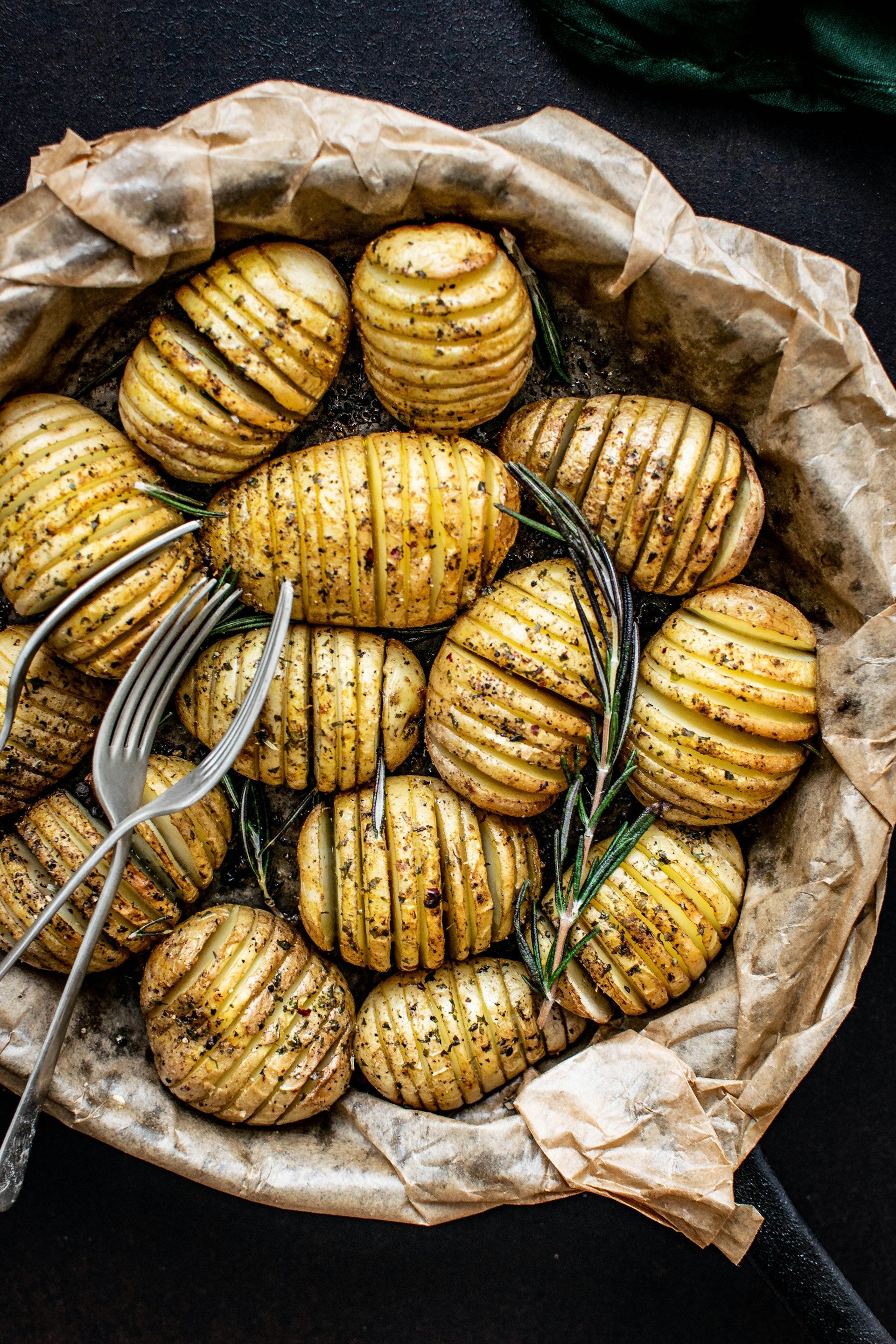
Freezing Scalloped Potatoes: A Handy Guide
Introduction to Freezing Scalloped Potatoes
Freezing scalloped potatoes is an excellent way to preserve this delicious dish for future enjoyment. Whether you are preparing for a special occasion or simply want to have a homemade meal on hand, knowing how to freeze scalloped potatoes effectively can save you time and effort in the kitchen.
Scalloped potatoes, made with layers of sliced potatoes and creamy sauce, can be frozen before or after baking. This flexibility allows you to choose the best method that suits your needs and preferences.
Benefits of Freezing Scalloped Potatoes
Freezing scalloped potatoes offers several advantages:
Convenience: Having a pre-prepared dish in your freezer means you can easily enjoy a comforting meal without the hassle of cooking from scratch.
Time-Saving: Preparing scalloped potatoes in advance allows you to spend less time cooking on busy days or during entertaining events.
Reduced Food Waste: Freezing leftovers or excess potatoes can help minimize waste and make the most of your ingredients.
Versatility: Frozen scalloped potatoes can be served as a side dish for various meals or can be transformed into a main course with the addition of protein or vegetables.
Long Shelf Life: Properly frozen scalloped potatoes can last for several months in the freezer, making them a great option for meal planning.
Consider these benefits when deciding to freeze your scalloped potatoes. With the right preparation and storage techniques, you can enjoy this classic dish at your convenience. For more tips on maximizing your fridge and freezer storage, visit our article on all refrigerator.
Preparing Scalloped Potatoes for Freezing
Freezing scalloped potatoes requires careful preparation to ensure they maintain their flavor and texture. This section outlines the steps involved in cooking, cooling, and packaging scalloped potatoes for freezing.
Cooking Scalloped Potatoes
Start by cooking your scalloped potatoes according to your favorite recipe. This usually involves layering thinly sliced potatoes with cheese, cream, and seasonings before baking. Here’s a simple overview of the cooking process:
- Ingredients: Gather potatoes, cheese, cream, butter, flour, and seasonings.
- Preparation: Peel and slice the potatoes thinly, ensuring they cook evenly.
- Layering: In a baking dish, alternate layers of potatoes, cheese, and the cream mixture.
- Baking: Bake in the oven until the potatoes are tender and the top is golden brown.
| Step | Description |
|---|---|
| 1 | Gather ingredients |
| 2 | Peel and slice potatoes |
| 3 | Layer potatoes and cheese |
| 4 | Bake until tender |
After baking, allow the dish to cool before proceeding to the next step.
Cooling and Packaging
Once your scalloped potatoes have finished cooking, it is essential to cool them properly. Cooling helps prevent condensation, which can lead to freezer burn.
- Cooling Time: Let the baked scalloped potatoes cool at room temperature for about 30 minutes.
- Packaging: Once cooled, transfer the scalloped potatoes into freezer-safe containers or heavy-duty freezer bags. Make sure to leave some space at the top of the container or bag to allow for expansion during freezing.
When sealing, ensure as much air as possible is removed to maintain quality. Label each container with the date and contents for easy identification later.
| Packaging Option | Description |
|---|---|
| Freezer-safe containers | Rigid containers that protect against freezer burn |
| Heavy-duty freezer bags | Flexible bags that can be flattened for space-saving |
With these steps, you can successfully prepare your scalloped potatoes for freezing. For more tips on freezing techniques, consider exploring our article on how long do you blanch corn to freeze? to learn about effective methods for preserving food.
Freezing and Storing Scalloped Potatoes
Freezing scalloped potatoes is a convenient way to preserve this delicious dish for future meals. Proper techniques and storage guidelines will help maintain their flavor and texture.
Proper Freezing Techniques
To effectively freeze scalloped potatoes, follow these steps:
- Prepare your scalloped potatoes according to your favorite recipe.
- Allow the dish to cool completely at room temperature. This prevents condensation and ice crystals from forming, which can affect the texture.
- Portion the potatoes into meal-sized servings. This makes it easier to thaw only what you need.
- Wrap the portions tightly in plastic wrap or aluminum foil, ensuring no air is trapped inside.
- Place the wrapped portions in airtight freezer bags or containers. Label them with the date and contents.
- Remove as much air as possible from the bags before sealing to prevent freezer burn.
Following these steps helps protect the integrity of your scalloped potatoes during freezing.
Storage Guidelines
Storing your frozen scalloped potatoes properly is key to retaining their quality. Use the following guidelines:
| Storage Method | Recommended Duration |
|---|---|
| Airtight Freezer Bags | Up to 3 months |
| Rigid Freezer Containers | Up to 3 months |
- Do not freeze scalloped potatoes for longer than 3 months for the best flavor and texture.
- Store your potatoes in the coldest part of your freezer to maintain a consistent temperature.
- Avoid refreezing thawed scalloped potatoes as this can lead to changes in texture and taste.
For additional tips on storing various foods, check out our articles on how long do you blanch corn to freeze? and how long can you eat refrigerated leftovers?. By following these proper techniques and storage guidelines, you can enjoy scalloped potatoes at your convenience without sacrificing quality.
Thawing and Reheating Scalloped Potatoes
After freezing scalloped potatoes, you will need to properly thaw and reheat them to enjoy their delicious flavors and creamy texture.
Thawing Methods
There are a few methods you can use to thaw your frozen scalloped potatoes. Each method has its own advantages, so choose the one that best fits your schedule.
| Thawing Method | Description | Time Required |
|---|---|---|
| Refrigerator Thawing | Place the frozen dish in the refrigerator overnight. This method is safe and helps retain texture. | 8-12 hours |
| Cold Water Thawing | Seal the dish in a waterproof bag and submerge it in cold water, changing the water every 30 minutes. | 1-3 hours |
| Microwave Thawing | Use the defrost setting on your microwave, but be cautious as it may start cooking edges. | 5-10 minutes |
Reheating Options
Once thawed, reheating scalloped potatoes can be done in several ways. Each method can yield great results, depending on your preference.
| Reheating Method | Description | Temperature/Time |
|---|---|---|
| Oven Reheating | Preheat your oven to 350°F (175°C). Cover the dish with foil to prevent drying out. Bake until heated through. | 25-30 minutes |
| Microwave Reheating | Place a portion in a microwave-safe dish, cover with a microwave-safe lid or wrap. Heat on medium power, stirring occasionally. | 3-5 minutes |
| Stovetop Reheating | Transfer the portion to a skillet over low heat. Stir occasionally until heated through. Add a splash of milk for moisture if needed. | 5-10 minutes |
These methods will help you enjoy your frozen scalloped potatoes, keeping them creamy and flavorful. For additional tips on preparing and storing your favorite dishes, consider exploring our articles on freezing techniques and storing tips.
Tips for Successful Freezing
Freezing scalloped potatoes can be a great way to meal prep and save time in the kitchen. Here are some helpful tips to ensure your freezing process is successful.
Choosing the Right Potatoes
Selecting the appropriate type of potato is essential for achieving the best texture and flavor in your scalloped potatoes. Here are some types of potatoes that work well for freezing:
| Potato Type | Characteristics | Best For |
|---|---|---|
| Russet Potatoes | High starch content, fluffy when cooked | Creamy scalloped potatoes |
| Yukon Gold Potatoes | Medium starch, buttery flavor, and creamy texture | Rich and flavorful dishes |
| Red Potatoes | Lower starch, waxy texture, holds shape well | Chunky, hearty recipes |
Using starchy potatoes can help maintain a smooth consistency in your dish when you freeze and reheat it.
Seasoning and Flavoring Suggestions
Proper seasoning can enhance the flavor of your scalloped potatoes before freezing. Here are some ideas to elevate your dish:
- Cheese: Incorporate shredded cheese such as cheddar, Gruyère, or Parmesan for a rich taste.
- Herbs: Fresh or dried herbs like thyme, rosemary, and parsley can add depth.
- Spices: Consider using garlic powder, onion powder, or paprika for an extra kick.
- Creamy Additions: Use heavy cream or a mixture of milk and sour cream for a creamier texture.
You can experiment with different combinations to find the flavors that suit your palate best. For more tips on freezing vegetables, check out our article on how long do you blanch corn to freeze?.
By choosing the right potatoes and seasoning your dish thoughtfully, you can ensure your frozen scalloped potatoes are delicious and satisfying when reheated.
Enjoying Frozen Scalloped Potatoes
Frozen scalloped potatoes can be a delightful addition to any meal. They offer convenience and flavor, making them a versatile dish for various occasions. Here, you will find serving ideas and important safety considerations to ensure that your frozen scalloped potatoes are enjoyed to the fullest.
Serving Ideas
There are numerous ways to serve frozen scalloped potatoes, making them suitable for both casual and formal dining. Here are some ideas to inspire your next meal:
| Occasion | Serving Suggestion |
|---|---|
| Family Dinner | Serve alongside roasted chicken or grilled steak for a hearty meal. |
| Holiday Gathering | Pair with glazed ham or turkey, topped with fresh herbs for a festive touch. |
| Potluck | Bring a warm dish in a slow cooker to keep it hot and ready to serve. |
| Casual Lunch | Enjoy them with a fresh garden salad or steamed vegetables for a lighter option. |
| Brunch | Combine with eggs and bacon for a delicious take on a breakfast spread. |
Feel free to customize your serving options by adding toppings such as cheese, breadcrumbs, or fresh herbs to enhance the flavor.
Safety Considerations
When enjoying frozen scalloped potatoes, it is essential to follow safety guidelines to ensure both food quality and health. Here are some important considerations:
- Storage Duration: Frozen scalloped potatoes are best consumed within 2 to 3 months for optimal taste and texture. After that, they may still be safe to eat but could lose quality.
- Thawing: Always thaw scalloped potatoes in the refrigerator or use the microwave's defrost setting. Avoid thawing at room temperature, as it can promote bacterial growth.
- Reheating: Ensure the dish is heated to an internal temperature of 165°F (74°C) to kill any harmful bacteria. Use a food thermometer for accuracy.
- Leftovers: If there are any leftovers after reheating, consume them within 3 to 4 days and store them in the refrigerator.
By following these serving suggestions and safety tips, you can enjoy your frozen scalloped potatoes while ensuring a delicious and safe dining experience. For more information on freezing techniques, check out our article on how to blanch corn to freeze.
Get Your Upgrade or New Addition at Fridge.com
Whether you're searching for your perfect fridge, freezer, wine fridge, beer fridge, ice maker, or kegerator, we have what you need.
Shop the world's best brands at Fridge.com.
We also have tons of awesome articles about kitchen stuff and home news. Enhance your home, garage, backyard, patio, and office with the coolest essentials. With every necessary type of residential refrigerator or freezer in our collection, we've got you covered.
Elevate your game and shop now at Fridge.com!