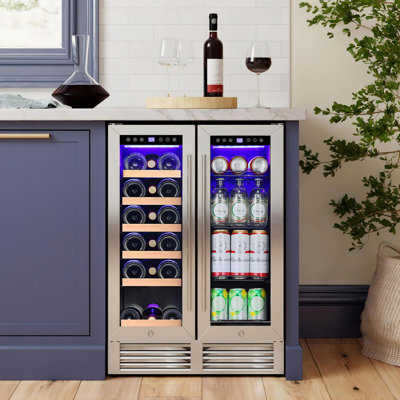
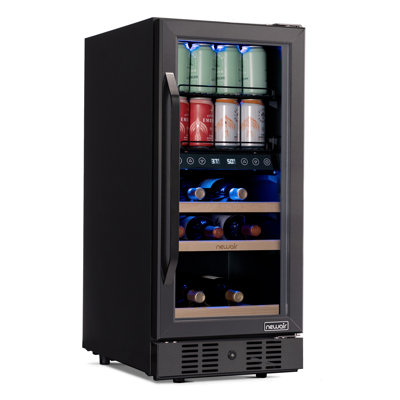
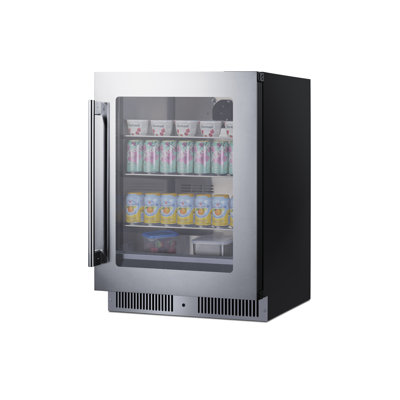
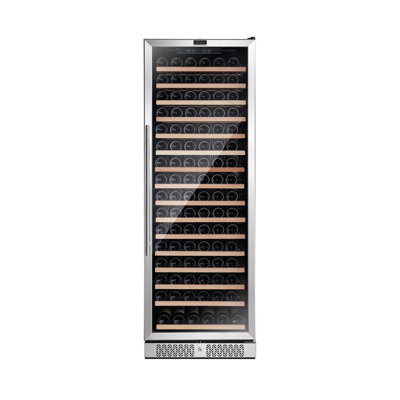
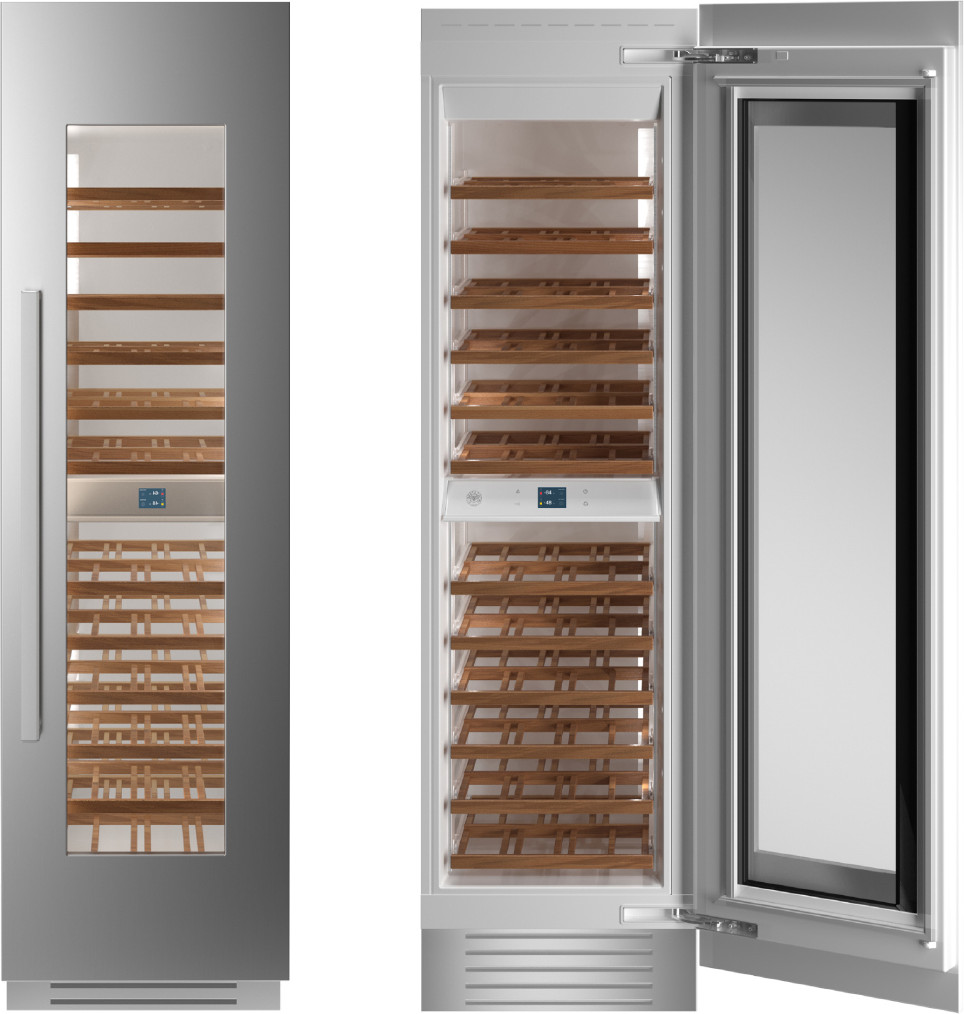
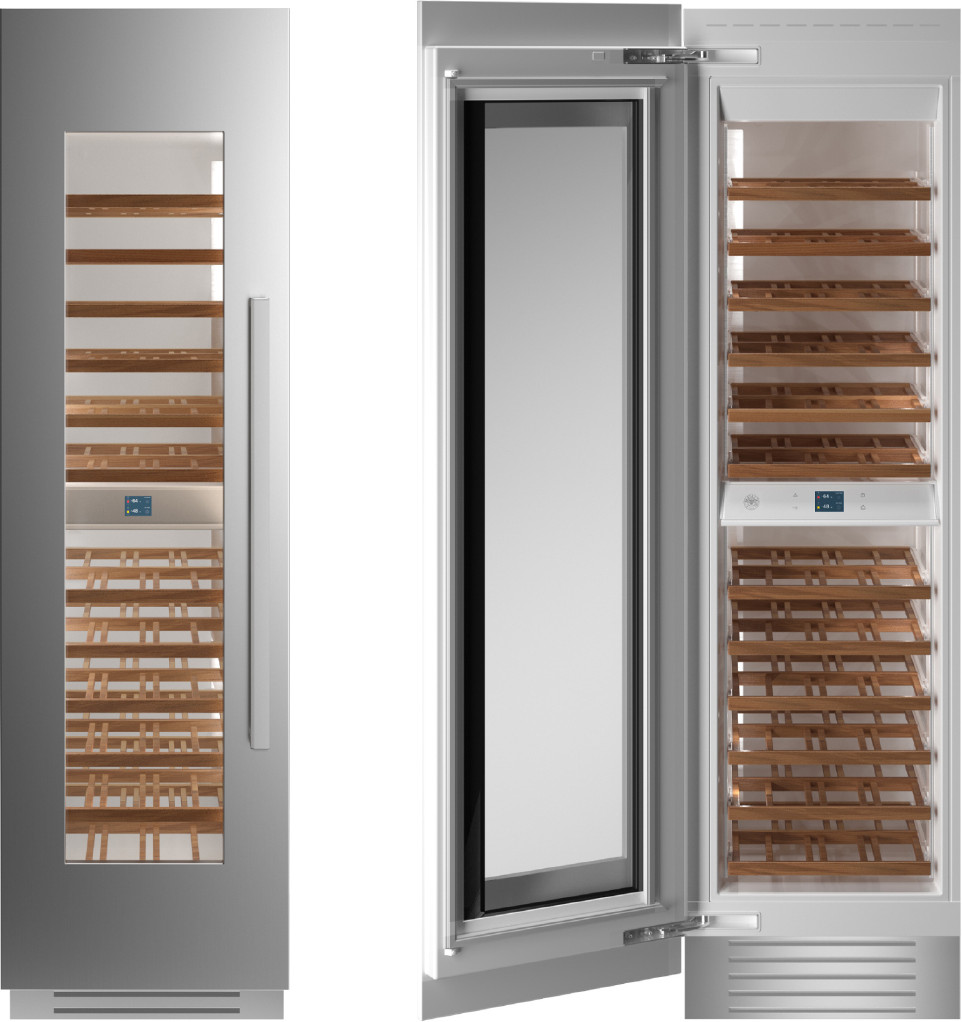
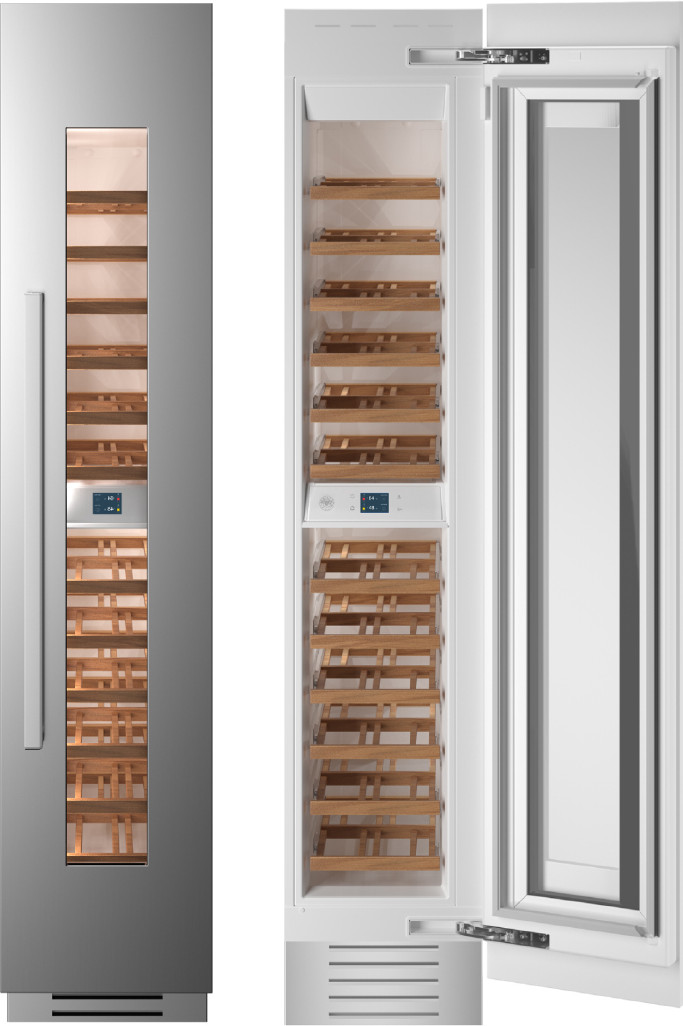
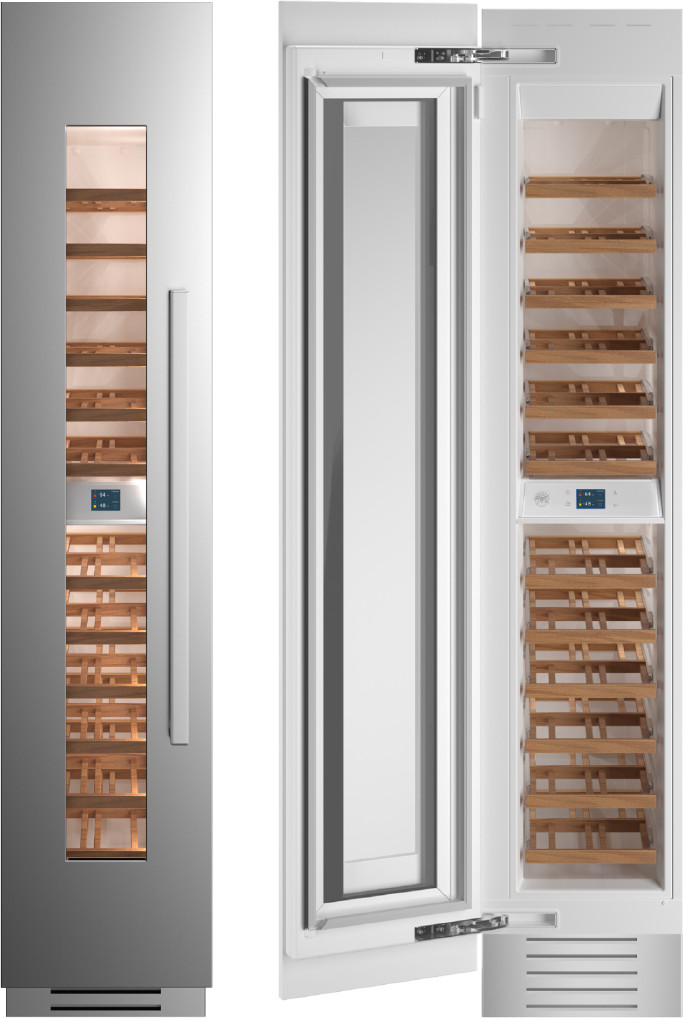
Choosing between a freestanding wine cooler and a glass door freezer? Let's break it down so you can make the best choice for your needs. Each has its perks, and it all boils down to what you're looking to store.
What Do You Need?
First things first, figure out what you need. Are you a wine lover wanting to keep your collection in top shape, or do you need a freezer where you can easily see and grab your frozen goodies?
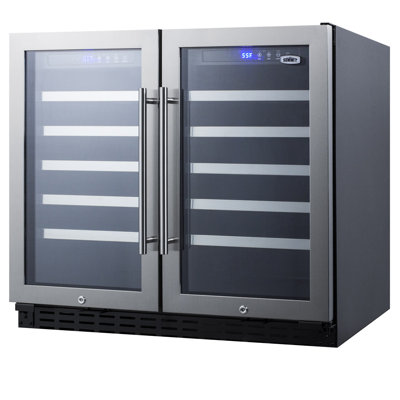
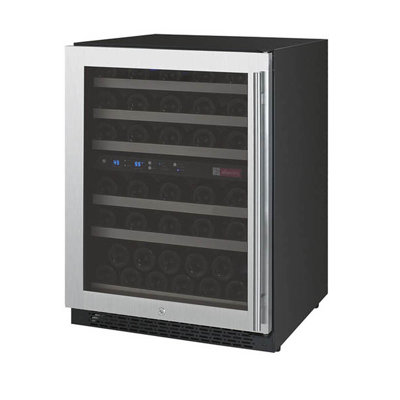
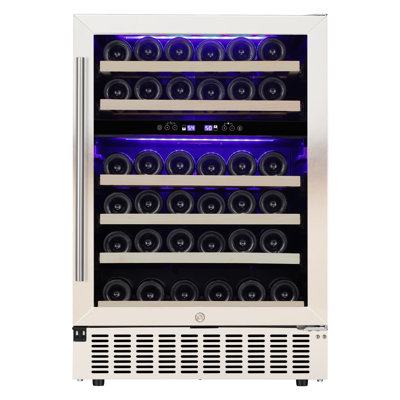
A freestanding wine cooler is perfect for keeping your wine at just the right temperature and humidity. It's like a cozy little home for your bottles, making sure they age gracefully. If you love wine, this is your go-to.
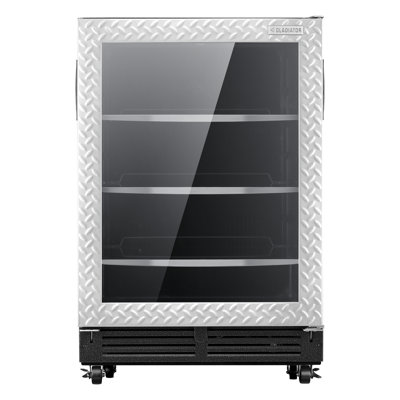
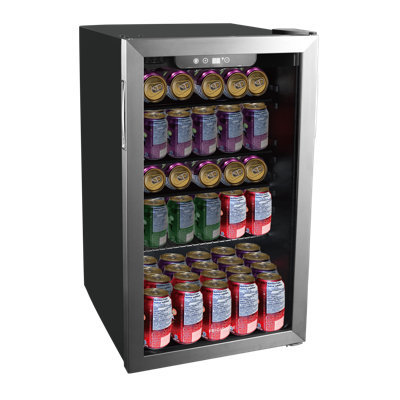
On the flip side, a glass door freezer is great for those who want to see their frozen foods without opening the door. The clear door lets you peek inside, keeping the cold air in and saving energy.
What to Think About
Here are some things to keep in mind when deciding between a wine cooler and a glass door freezer:
Temperature Control:
Wine Cooler: Keeps your wine at 45°F to 65°F, perfect for reds, whites, and bubbly.
Glass Door Freezer: Stays around 0°F, ideal for frozen foods.
Storage Space:
Wine Cooler: Comes with racks designed for wine bottles, holding anywhere from a few to over a hundred bottles.
Glass Door Freezer: Has adjustable shelves for all kinds of frozen items.
Energy Use:
Wine Cooler: Uses less energy since it maintains a moderate temperature.
Glass Door Freezer: Uses more energy to keep things frozen, but you can find energy-efficient models.
Looks:
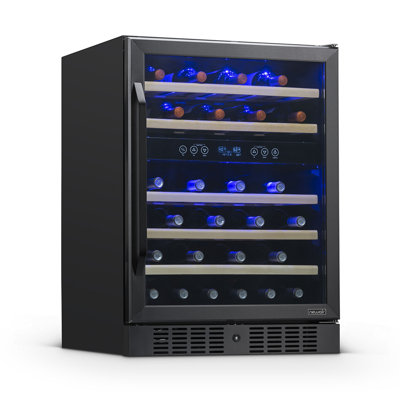
Wine Cooler: Adds a touch of class with wooden shelves and soft lighting.
Glass Door Freezer: Modern look with a clear door, making it easy to organize.
Noise:
Wine Cooler: Runs quietly, great for living or dining areas.
Glass Door Freezer: Can be a bit noisier because of the compressor.
A freestanding wine cooler is a fantastic addition to any home, especially for those who love collecting and enjoying wine. Let's break down its purpose, how it works, and the best spots to set it up in your home.
Purpose and Functionality
A freestanding wine cooler keeps your wine bottles at the perfect temperature and humidity. This preserves the wine's taste, smell, and overall quality. These coolers have adjustable temperature settings, so you can store different types of wine—red, white, or sparkling—at their best temperatures.
Wine Type
Ideal Temperature (°F)
Red Wine
55-65
White Wine
45-55
Sparkling Wine
40-50
Wine coolers often come with features like UV-resistant glass doors to protect your wine from harmful light and vibration-dampening technology to keep the sediment in the wine undisturbed. Some models even offer dual-zone cooling, which is great if you have a mix of wines.
Best Spots in Your Home
Picking the right spot for your freestanding wine cooler can make it more efficient and convenient. Here are some top places to consider:
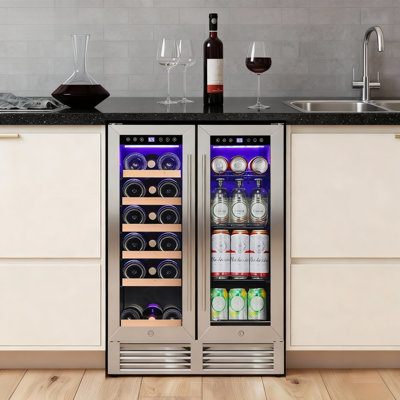
Kitchen: Putting a wine cooler in the kitchen makes it easy to grab a bottle while cooking or entertaining. Just make sure there's enough ventilation around it.
Dining Room: A wine cooler in the dining room adds a touch of class and keeps your wine handy during meals.
Living Room: If you often have guests over, placing the cooler in the living room makes it easy to serve wine.
Basement: The basement is naturally cooler, which can help the wine cooler maintain its temperature more efficiently.
Home Bar: If you have a home bar, a wine cooler fits right in, keeping your collection within arm's reach.
When deciding where to place your cooler, think about these factors:
Ventilation: Make sure there's enough space around the cooler for proper air circulation.
Temperature Stability: Avoid areas with direct sunlight or big temperature changes.
Convenience: Pick a spot that's easy to get to when you want a bottle of wine.
For more comparisons on different cooling appliances, check out Fridge.com articles on built-in freezer Vs. retro mini fridge and beverage cooler Vs. countertop freezer. These can help you make a smart choice based on what you need and like.
Glass Door Freezer
Why You Need One
A glass door freezer is like the VIP section of your kitchen or store. You get to see everything inside without opening the door and letting all the cold air escape. This is super handy for both home cooks and businesses that need to grab frozen stuff quickly.
These freezers come with adjustable shelves, so you can fit everything from ice cream tubs to frozen pizzas. Plus, the built-in lighting means you won't be squinting to find that last bag of peas.
Where to Use a Glass Door Freezer
These freezers aren't just for fancy restaurants. They're perfect for:
Kitchens: For the home chef who needs to see all their frozen goodies at a glance.
Garages and Basements: Extra storage for those bulk buys.
Offices: Great for storing frozen lunches and snacks for the team.
Retail Spaces: Ideal for grocery stores to show off frozen goods.
Restaurants: Keeps ingredients fresh and easy to grab in a busy kitchen.
Environment
Why It's Awesome
Kitchens
Quick access to all your frozen ingredients
Garages/Basements
Extra storage space for bulk items
Offices
Convenient for employees to store their frozen meals and snacks
Retail Spaces
Displays products clearly to attract customers
Restaurants
Keeps ingredients fresh and easily accessible in a fast-paced kitchen
Want to know more about different cooling appliances? Check out Fridge.com comparisons like drink fridge Vs. refrigerator cooler and beverage cooler Vs. countertop freezer.
A glass door freezer isn't just practical; it also looks pretty cool. The clear door and internal lighting make it a stylish addition to any space, whether you're using it for function or decoration.
Choosing between a freestanding wine cooler and a glass door freezer? Let's talk about how each one looks and fits into your home.
Freestanding Wine Coolers: A Touch of Class
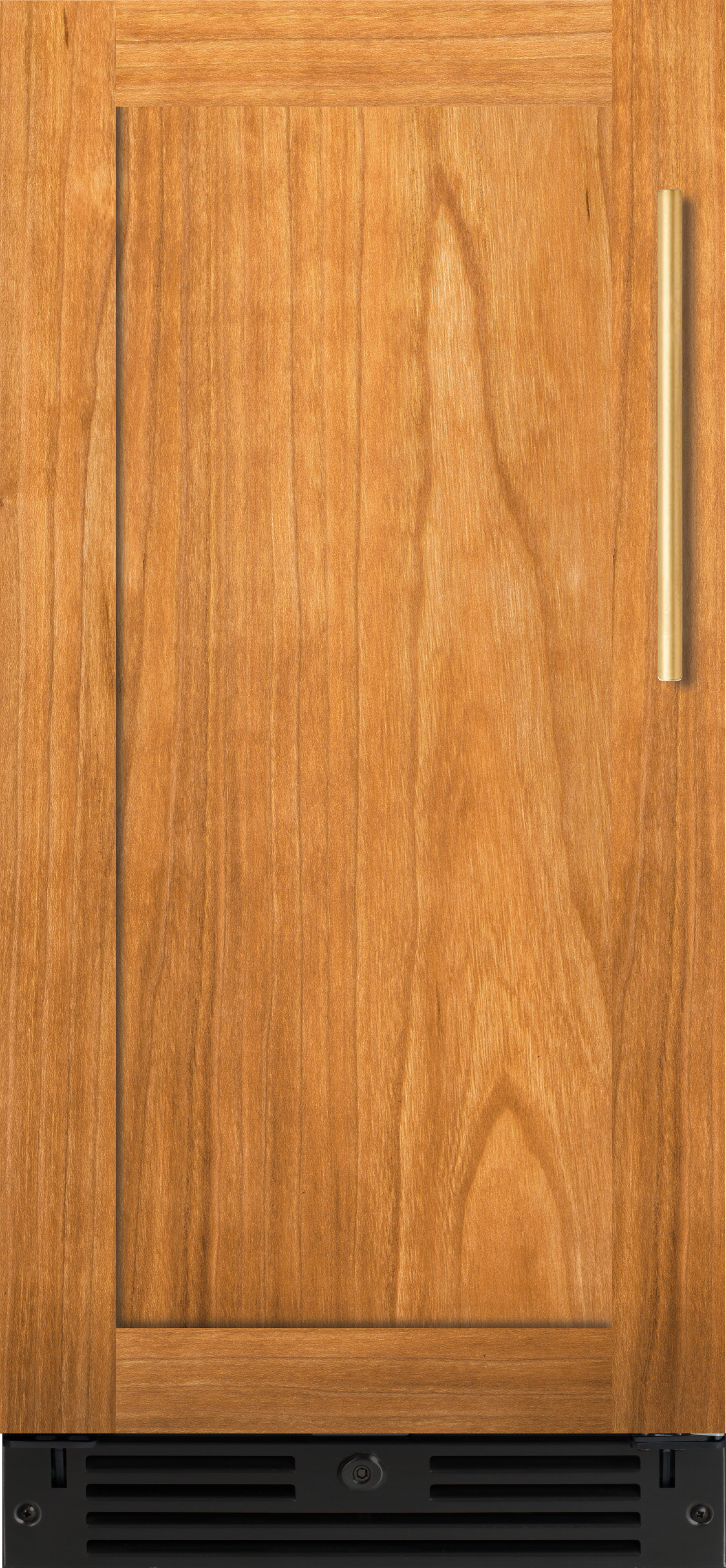
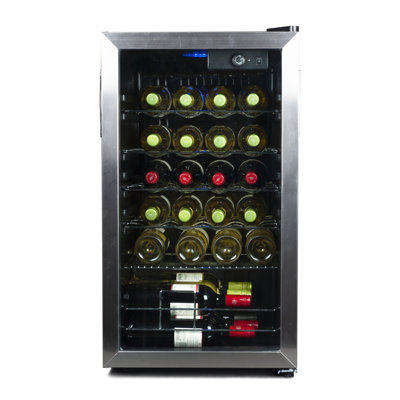
Freestanding wine coolers are all about style and sophistication. They come with sleek lines, modern finishes, and a compact size that fits anywhere. You can find them in stainless steel, black, or wood tones, so there's always one that matches your decor.
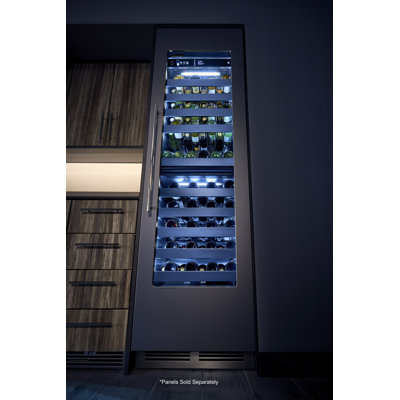
The glass door on these coolers isn't just for show—it lets you flaunt your wine collection. With LED lights inside, your bottles get a warm, inviting glow. It's like having a mini wine bar right in your kitchen, dining room, or wherever you entertain guests.
Glass Door Freezers: Cool and Practical
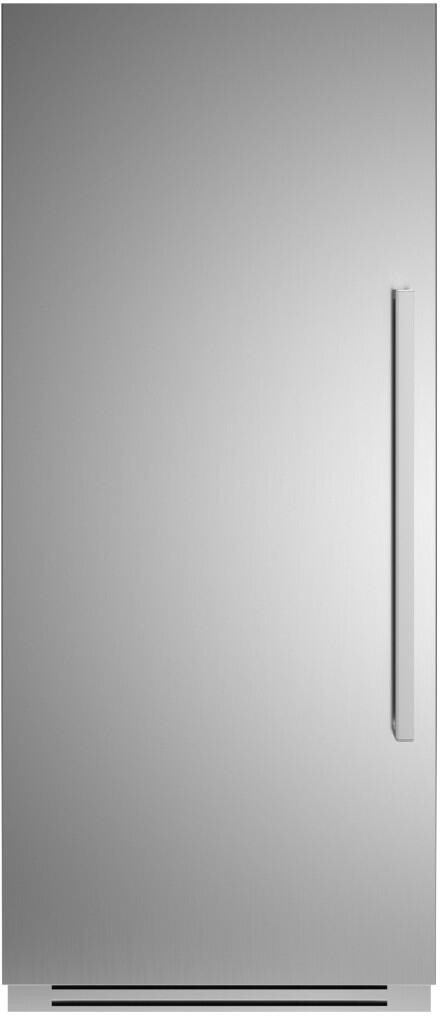
Glass door freezers are both stylish and practical. You can see what's inside without opening the door, which is super handy. These freezers fit right into modern or industrial-style kitchens with their clean lines and stainless steel touches.
You can choose between clear or frosted glass doors. Clear glass gives an open feel, while frosted glass keeps things a bit more private. Inside, you'll find adjustable shelves and compartments, making it easy to organize your frozen goodies. LED lights inside make everything easy to see and add a bit of flair.
Quick Comparison
Here's a quick look at how freestanding wine coolers and glass door freezers stack up:
Feature
Freestanding Wine Coolers
Glass Door Freezers
Style
Sleek, modern, elegant
Minimalist, industrial, contemporary
Finish Options
Stainless steel, black, wood tones
Stainless steel, clear or frosted glass
Door Type
Glass door
Glass door
Interior Lighting
LED, highlights bottles
LED, enhances visibility
Best Spots
Kitchen, dining room, entertainment area
Kitchen, basement, utility room
Knowing how each option looks and fits into your home can help you pick the right one. Want more comparisons? Check out Fridge.com articles on drink fridge Vs. refrigerator cooler and built-in freezer Vs. retro mini fridge.
When you're deciding between a freestanding wine cooler and a glass door freezer, temperature control is a big deal. Each appliance handles temperature in its own way, designed for what it’s meant to do.
Why Temperature Consistency Matters
Keeping the temperature steady is super important for both wine coolers and freezers. For wine coolers, a stable temperature means your wine ages just right and keeps its taste. For freezers, it’s all about keeping your food frozen and safe to eat.
How They Keep Their Cool
Freestanding wine coolers and glass door freezers have their own tricks for staying cool.
Freestanding Wine Cooler:
Keeps wine at the sweet spot, usually between 45°F and 65°F.
Uses either thermoelectric or compressor-based cooling.
Often has dual zones so you can store different wines at their best temperatures.
Comes with digital controls for easy temperature tweaking.
Glass Door Freezer:
Keeps food super cold, usually around 0°F.
Uses a strong compressor-based cooling system.
Has thick insulation to stay cold even when you open the door a lot.
Comes with either digital or manual thermostats for adjustments.
Appliance Type
Temperature Range
Cooling System
Temperature Control
Freestanding Wine Cooler
45°F - 65°F
Thermoelectric/Compressor
Digital Controls
Glass Door Freezer
Around 0°F
Compressor
Digital/Manual Thermostats
For more info on different cooling options, check out Fridge.com articles on beverage cooler Vs. countertop freezer and column freezer Vs. freezer cooler.
Picking between a freestanding wine cooler and a glass door freezer really comes down to what you need—whether it’s keeping wine perfect or storing frozen food. Knowing how each one handles temperature can help you choose. For more comparisons, you might like Fridge.com articles on drink fridge Vs. mini fridge and black slate refrigerator Vs. wine fridge.
Energy Efficiency
Choosing between a freestanding wine cooler and a glass door freezer? Let's talk energy efficiency. Both have their quirks when it comes to power use.
Freestanding Wine Coolers: Sipping Energy, Not Guzzling
Freestanding wine coolers are all about keeping your vino at the perfect temp. They usually sip less energy than your average fridge because they're built for one job: preserving wine. How much juice they use depends on their size, age, and tech.
Wine Cooler Type
Average Energy Use (kWh/year)
Small (12-18 bottles)
100-150
Medium (30-50 bottles)
200-250
Large (100+ bottles)
300+
These coolers often come with nifty energy-saving features like thermoelectric cooling systems. These systems are quieter and more efficient than the old-school compressor types. Want to know more about different cooling gadgets? Check out Fridge.com article on drink fridge Vs. refrigerator cooler.
Glass Door Freezers: Cool Looks, Higher Bills
Glass door freezers are usually found in stores but are sneaking into homes for their convenience and style. They tend to gulp more energy because they need to stay super cold and are opened and closed a lot, causing temperature swings.
Freezer Type
Average Energy Use (kWh/year)
Small (Under 10 cu. ft.)
350-400
Medium (10-20 cu. ft.)
500-600
Large (20+ cu. ft.)
700+
While these freezers let you see what's inside without opening the door, they often need more power to keep things frozen, especially if the glass isn't well insulated. Some newer models have low-emissivity glass and LED lighting to cut down on energy use. Curious about different freezers? Check out our column freezer Vs. freezer cooler comparison.
The Bottom Line
Freestanding wine coolers usually use less energy than glass door freezers. But the best choice depends on what you need. Whether you're keeping wine perfect or storing frozen goodies, knowing how much energy each appliance uses can help you pick the right one.
When you're choosing between a freestanding wine cooler and a glass door freezer, storage capacity is a big deal. Each one has its own way of keeping your stuff organized and fresh.
Storage Space in Freestanding Wine Coolers
Freestanding wine coolers are all about keeping your wine bottles in perfect shape. They usually come with adjustable shelves, so you can fit different bottle sizes. Most can hold standard 750ml bottles, but some have room for bigger ones too.
Type
Bottle Capacity
Shelf Type
Compact
12 - 20 bottles
Fixed shelves
Mid-size
20 - 40 bottles
Adjustable shelves
Large
40+ bottles
Sliding shelves
These coolers are great for wine lovers who need a special spot for their collection. They keep your wine at the right temperature and humidity, so it stays tasty. Want to know more about wine coolers? Check out Fridge.com article on black slate refrigerator Vs. wine fridge.
Storage Capacity of Glass Door Freezers
Glass door freezers are super handy for all kinds of frozen stuff. They usually have adjustable shelves or bins, making it easy to organize everything. The glass door lets you see what's inside without opening it, which helps keep the temperature steady.
Type
Storage Volume (cu. ft.)
Shelf/Bin Type
Small
3 - 6 cu. ft.
Adjustable shelves
Medium
6 - 12 cu. ft.
Adjustable shelves and bins
Large
12+ cu. ft.
Sliding bins and shelves
These freezers are perfect if you need to store a mix of frozen foods and drinks. They're roomy and you can see everything at a glance, making them great for both homes and businesses. For more on freezer options, check out Fridge.com article on column freezer Vs. freezer cooler.
Knowing the storage capacities of freestanding wine coolers and glass door freezers helps you pick the right one for your needs. Whether you're a wine buff or just need a versatile freezer, thinking about how much space you need will guide you to the best choice for your home.
Noise Levels
Picking between a freestanding wine cooler and a glass door freezer? Noise levels can make or break your choice, especially if it's going in your living room or where you entertain guests.
Noise Considerations for Freestanding Wine Coolers
Freestanding wine coolers are built to keep your wine collection in tip-top shape. They usually have quiet compressor systems or thermoelectric cooling tech, which are way quieter than your average fridge. If you're thinking about putting one in your dining room, kitchen, or living area, the noise level is something to think about.
Appliance Type
Average Noise Level (dB)
Freestanding Wine Cooler
35 - 45
Noise Levels of Glass Door Freezers
Glass door freezers, often seen in stores showing off products, can be louder. They need strong compressors and fans to keep things super cold. These are great for garages, basements, or commercial spots where noise isn't a big deal. But if you're looking for peace and quiet, these might be too loud.
Appliance Type
Average Noise Level (dB)
Glass Door Freezer
42 - 52
Knowing these noise levels can help you decide where to put the appliance and how much noise you can handle. For more comparisons, check out Fridge.com articles on drink fridge Vs. refrigerator cooler and freestanding drawer refrigerator Vs. freestanding refrigerator.
Compare prices on Fridge.com
Compare current prices and specifications on Fridge.com, then buy from the retailer you choose; delivery, installation and warranty terms are the retailer’s.
It also has tons of awesome articles about kitchen stuff and home news. Enhance your home, garage, backyard, patio, and office with the coolest essentials. With every necessary type of residential refrigerator or freezer in the collection, you're covered.
Frequently Asked Questions
First things first, figure out what you need. Are you a wine lover wanting to keep your collection in top shape, or do you need a freezer where you can easily see and grab your frozen goodies? A freestanding wine cooler is perfect for keeping your wine at just the right temperature and humidity. It's like a cozy little home for your bottles, making sure they age gracefully. If you love wine, this is your go-to. On the flip side, a glass door freezer is great for those who want to see their frozen foods without opening the door. The clear door lets you peek inside, keeping the cold air in and saving energy.