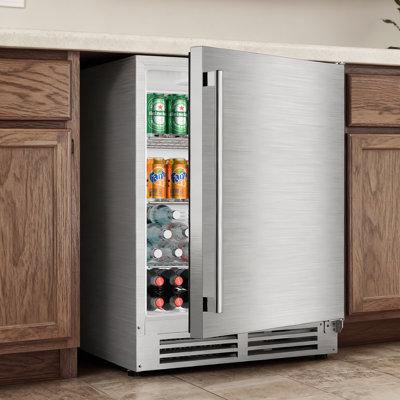
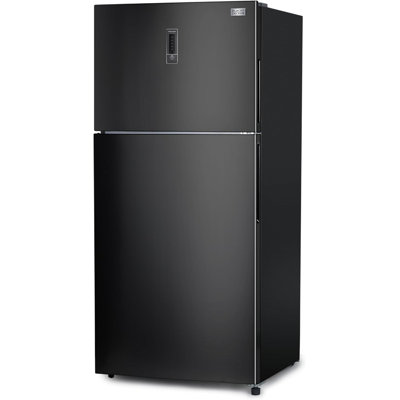
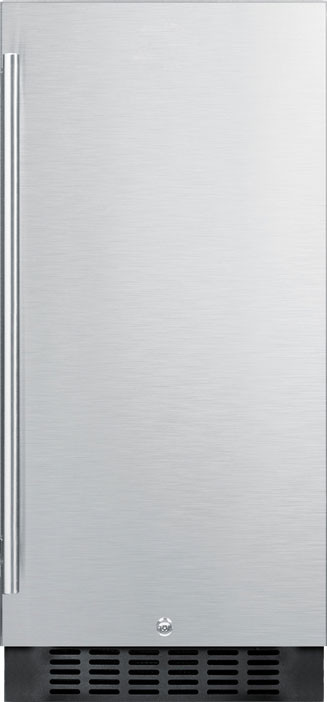
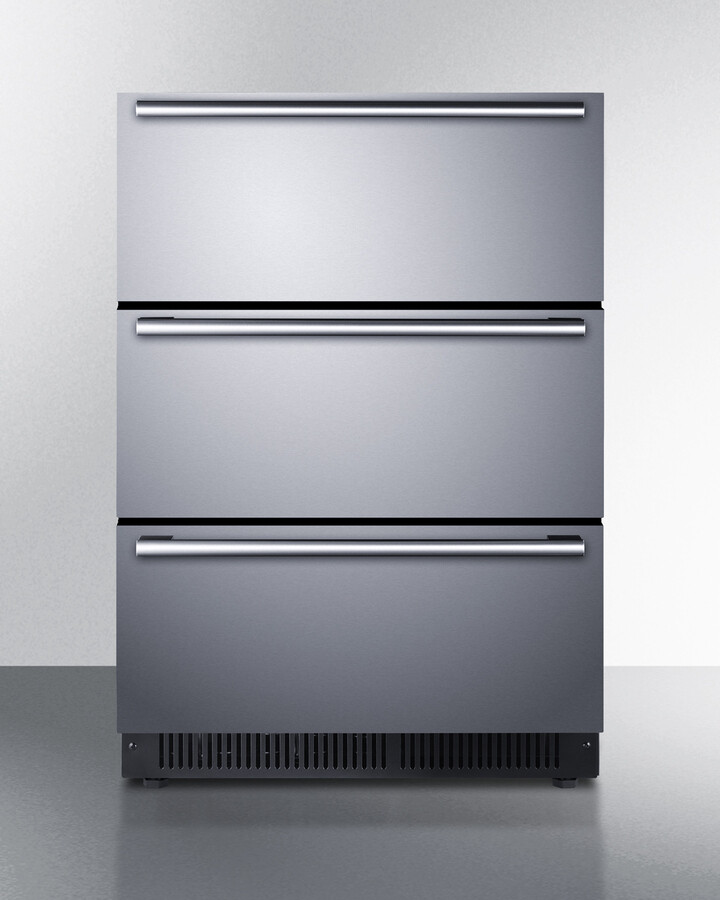
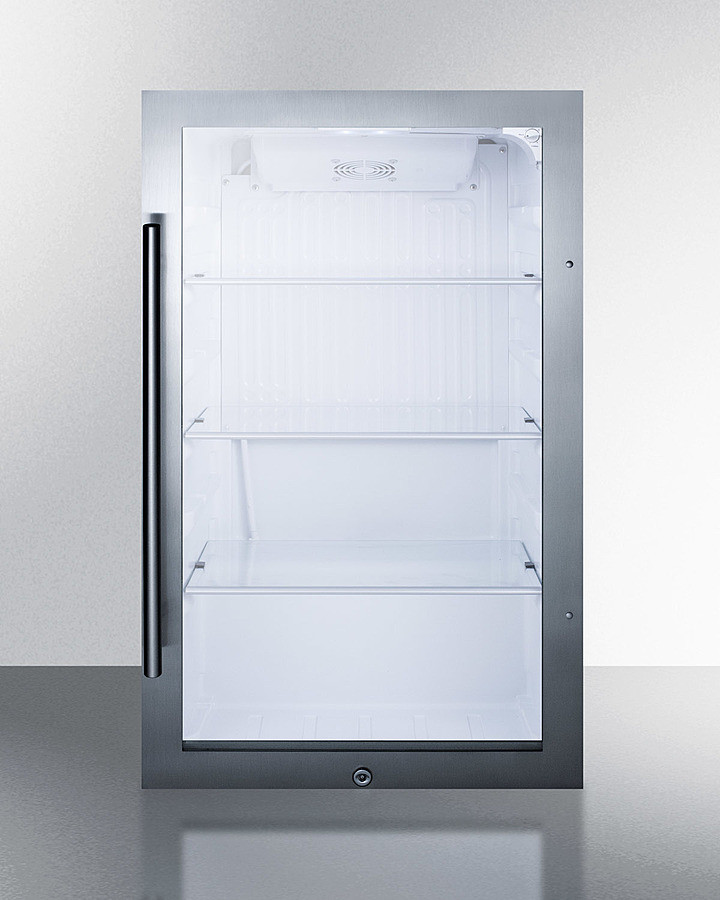
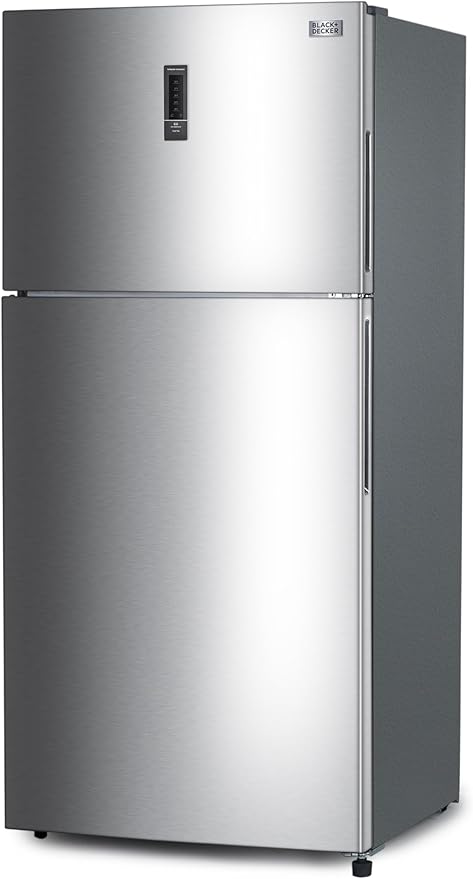
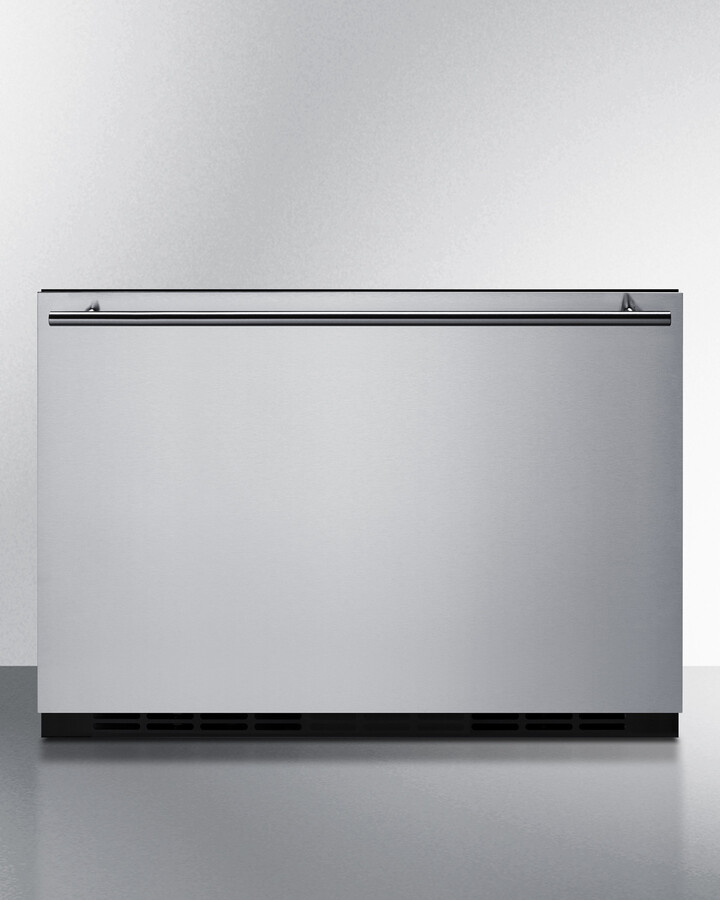
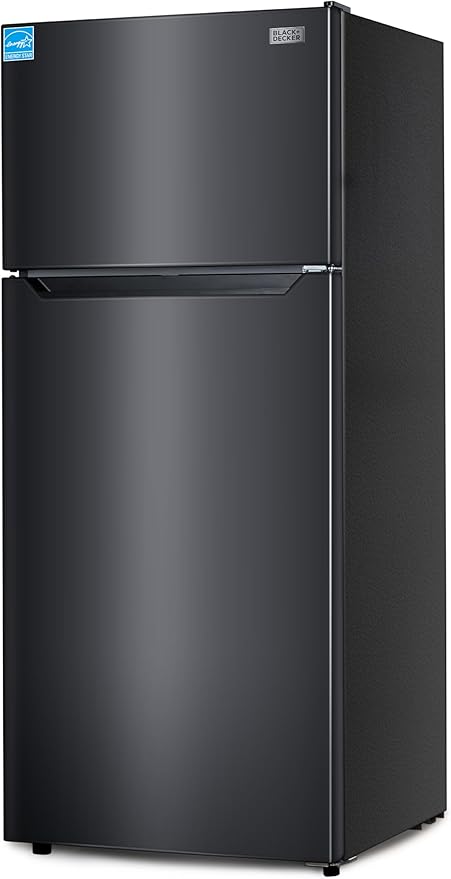
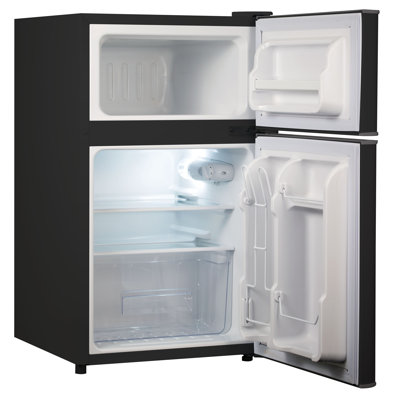
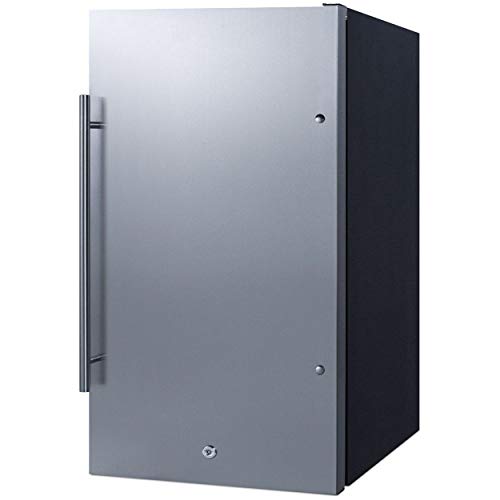
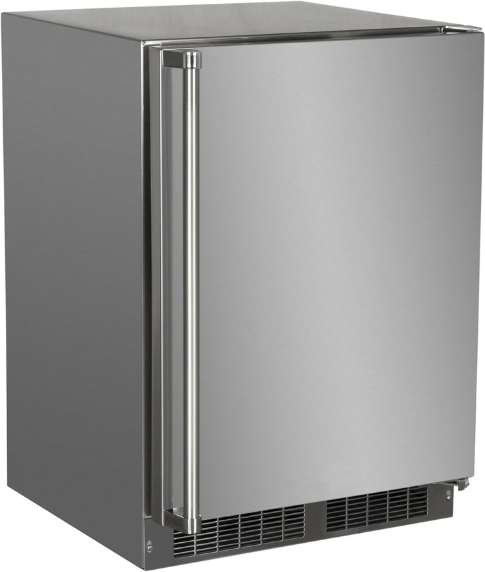
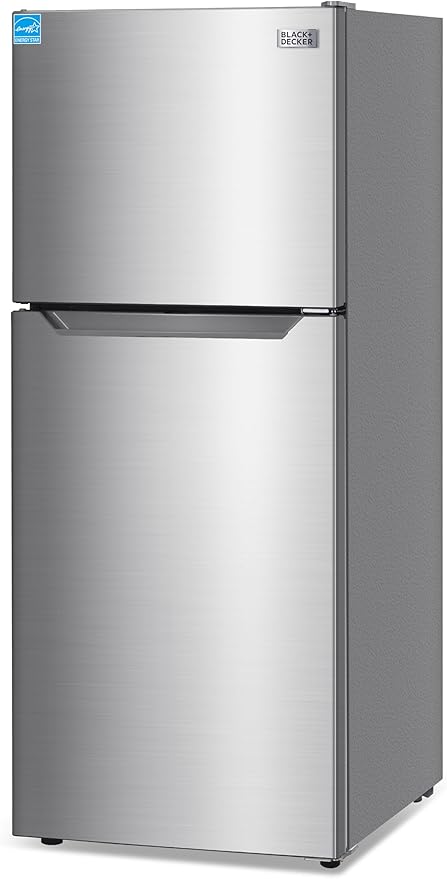
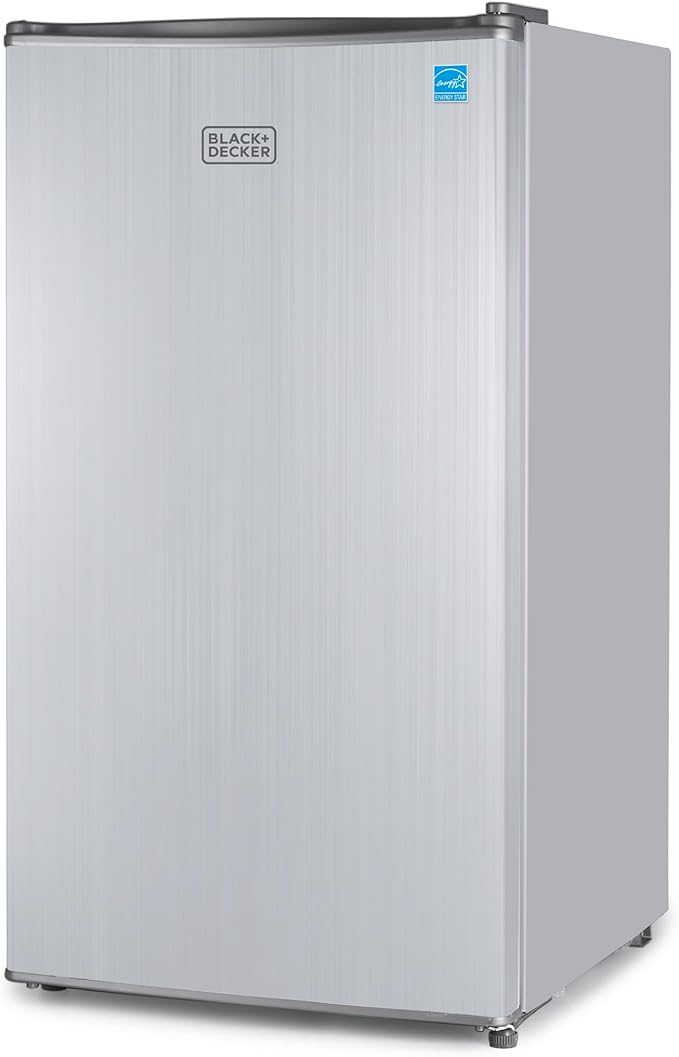
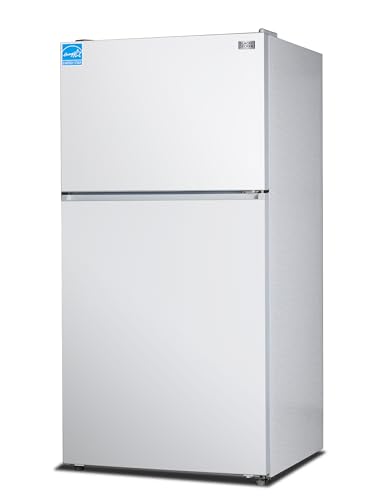
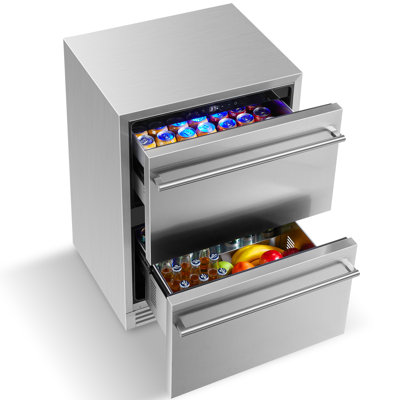
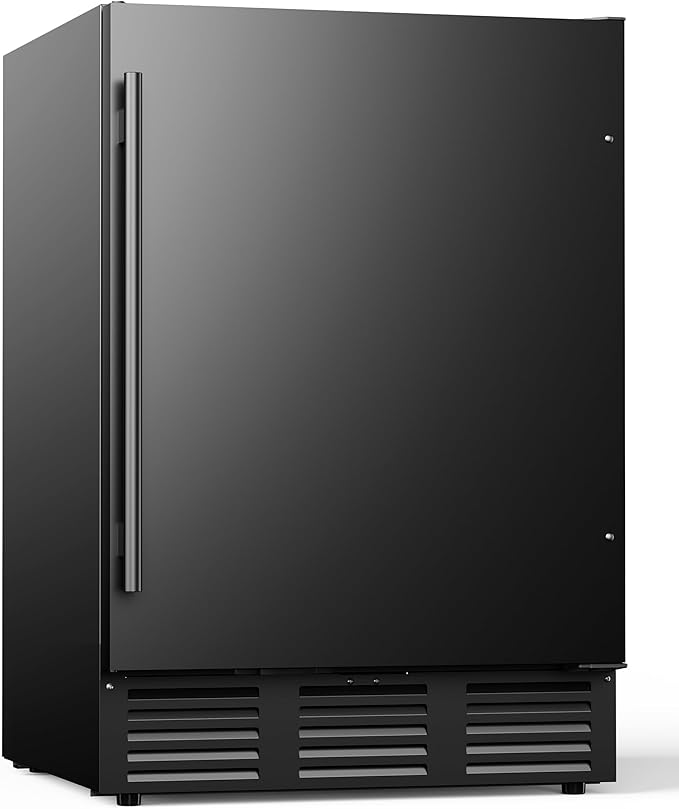
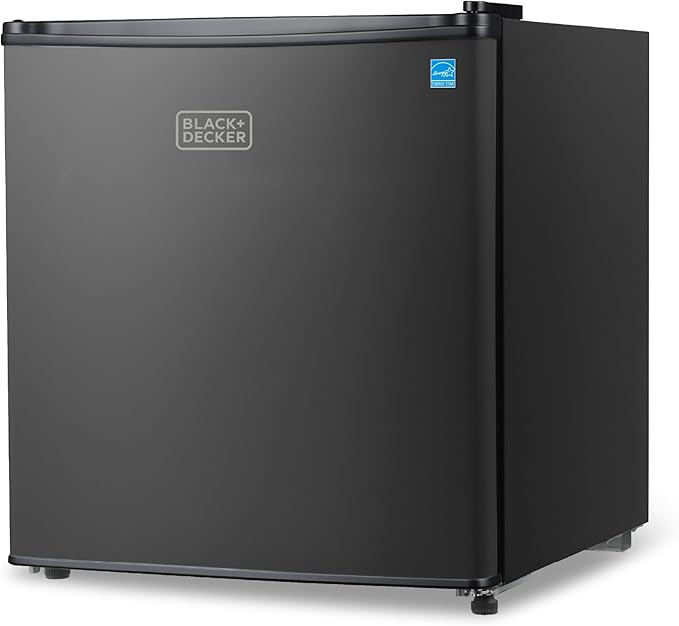
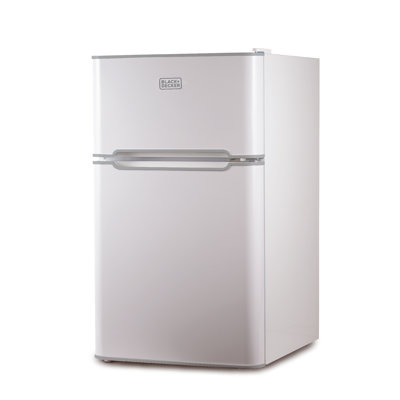
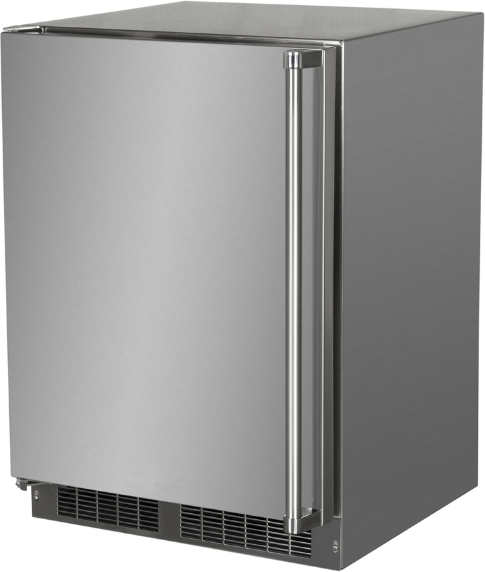
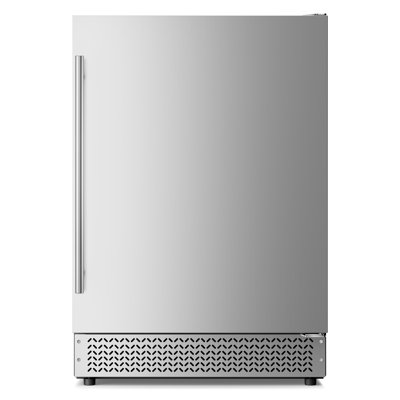
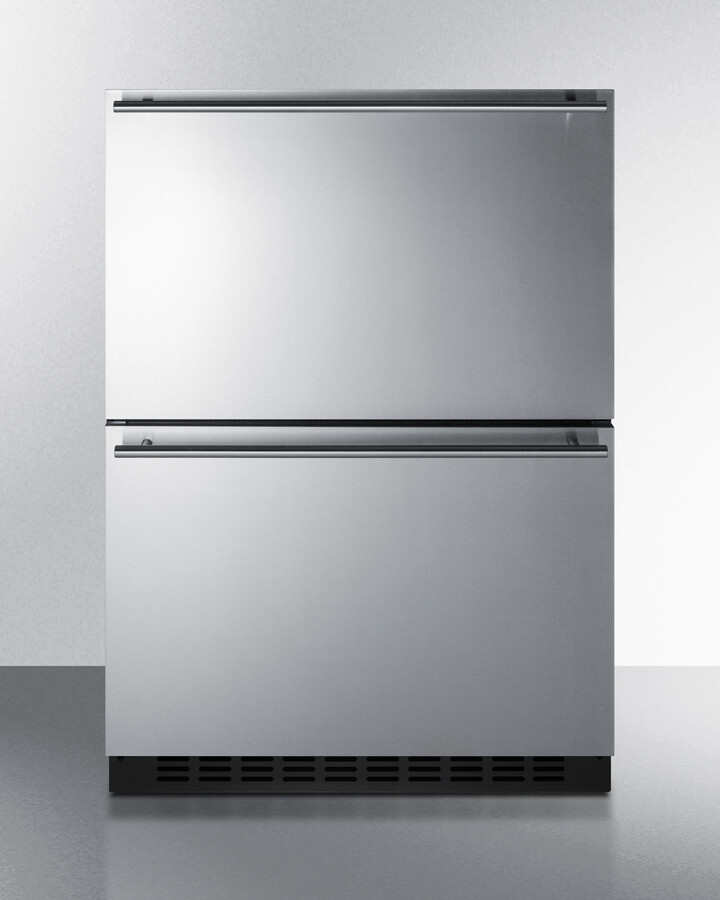
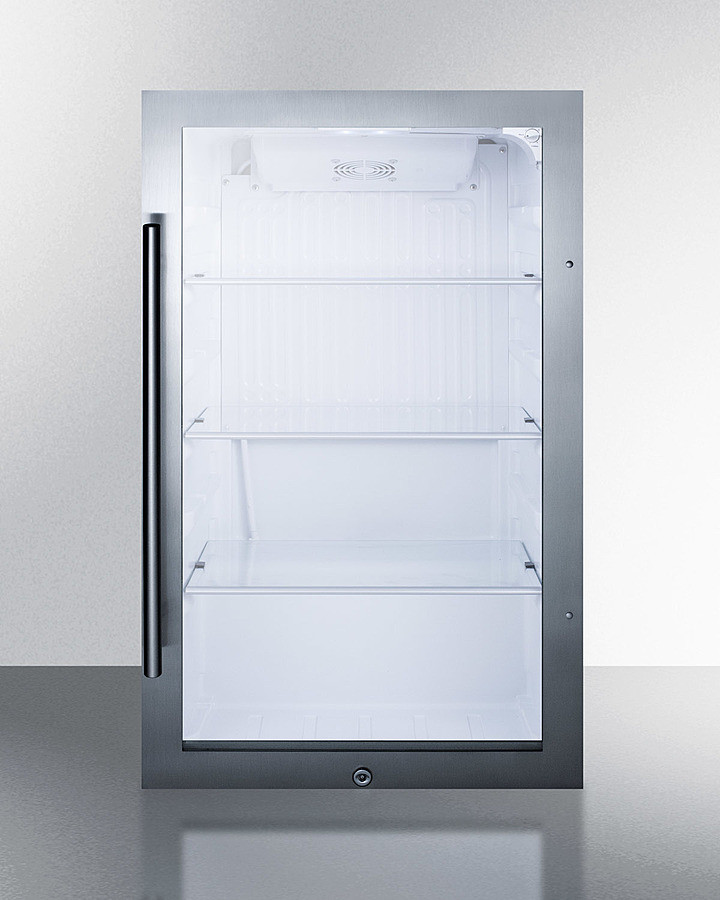
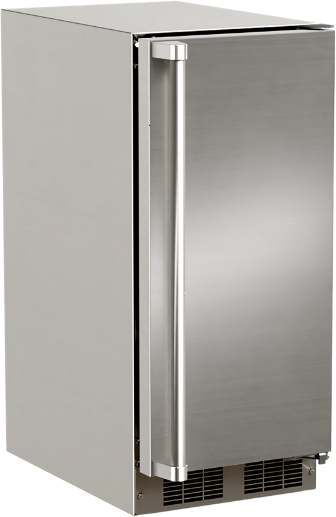
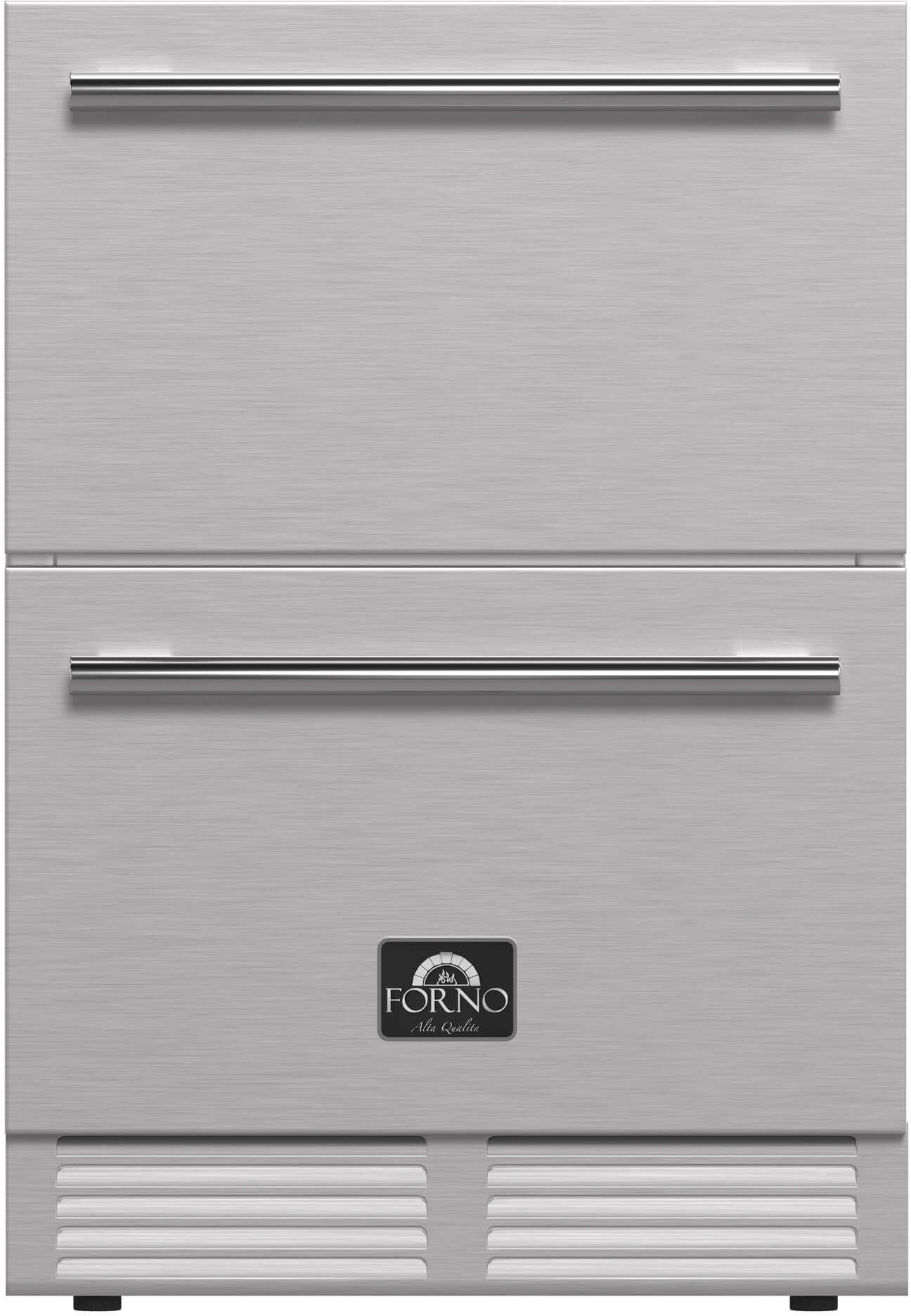
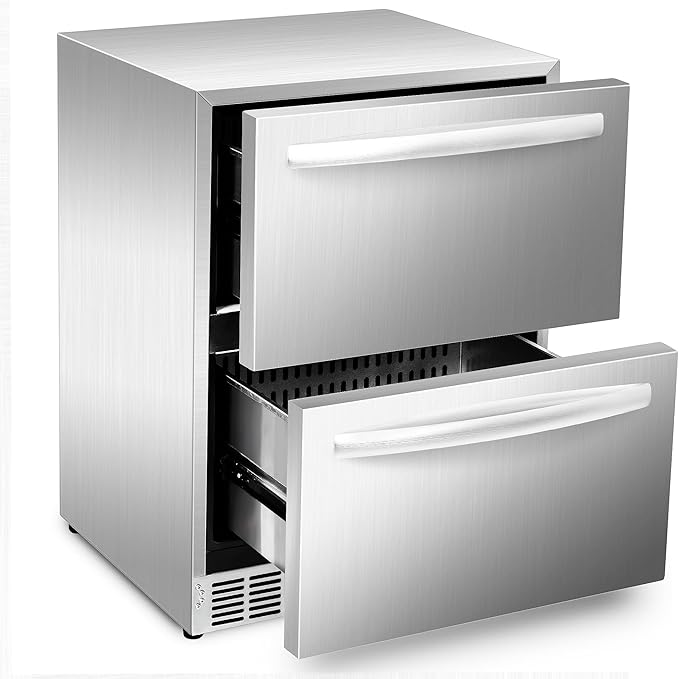
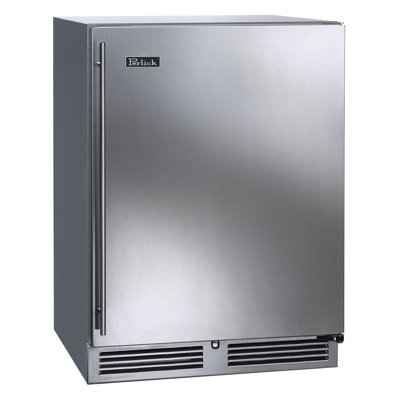
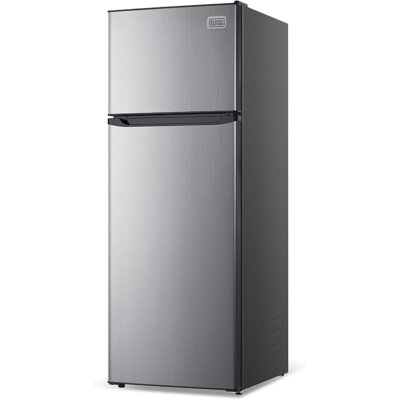
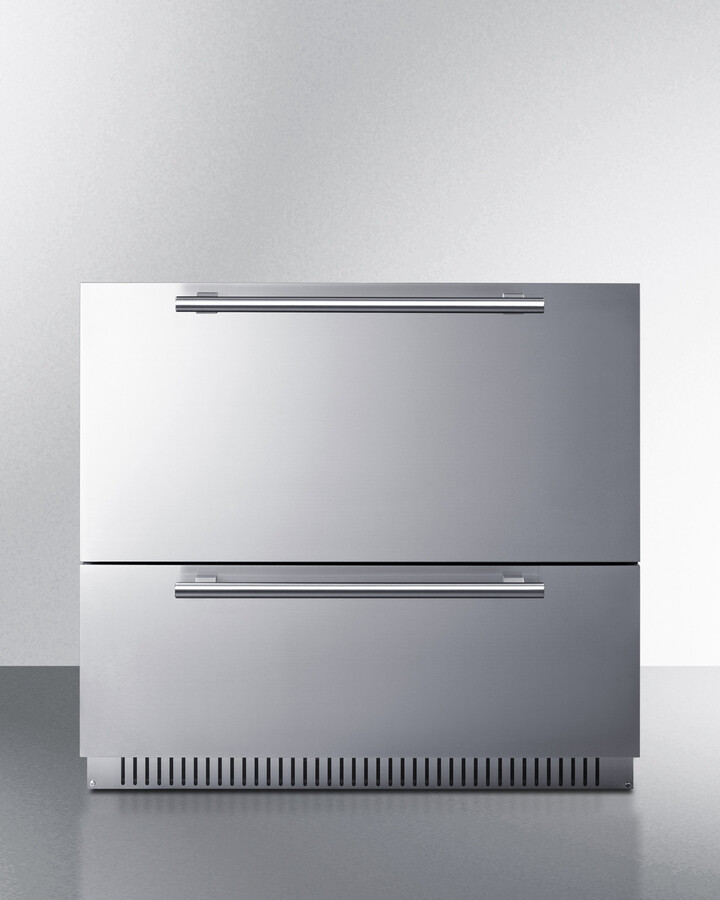
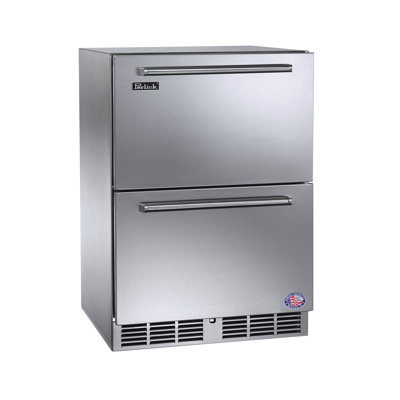
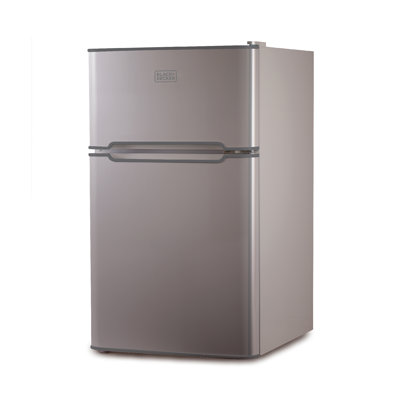
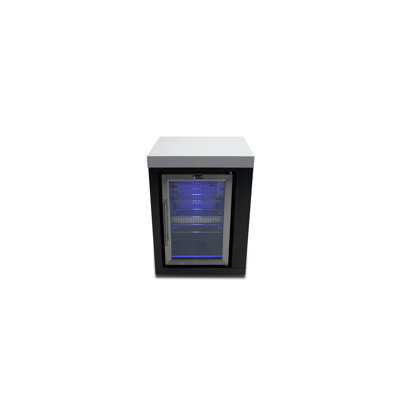
Freestanding outdoor refrigerators are designed to sit on a patio, deck, or in a covered outdoor kitchen. They resist weather and temperature swings better than a standard indoor fridge. This guide covers what to look for when choosing an outdoor refrigerator.
Outdoor-Rated Design
Outdoor refrigerators are built for damp and temperature extremes. They often have stainless or weather-resistant cabinets, sealed components, and a wider operating temperature range. Do not use a standard indoor fridge outdoors unless the manual allows it; moisture and heat can damage it.
Outdoor units are designed for ambient temperatures that can reach 100°F or more in summer and drop below freezing in winter. The compressor and seals are built to handle these swings. Indoor refrigerators are typically rated for 55°F to 110°F ambient; exceeding that range can cause failure. Check the manual for the unit's operating temperature range.
Stainless steel cabinets resist rust better than painted steel. Sealed components protect against moisture. Outdoor-rated units may have additional insulation to maintain temperature in extreme conditions. The U.S. Department of Energy (DOE) does not have separate efficiency standards for outdoor units; compare the EnergyGuide label when available.
ENERGY STAR certifies some outdoor models. The USDA recommends 40°F or below for perishables; outdoor refrigerators maintain the same temperatures as indoor units. The difference is durability in harsh conditions.
Indoor refrigerators placed outdoors often fail within a few years. Moisture corrodes components; temperature extremes stress the compressor; UV degrades seals and plastic. Outdoor-rated units use materials and design that withstand these conditions. The U.S. Department of Energy (DOE) does not have separate efficiency standards for outdoor units; compare the EnergyGuide label when available.
Placement and Shelter
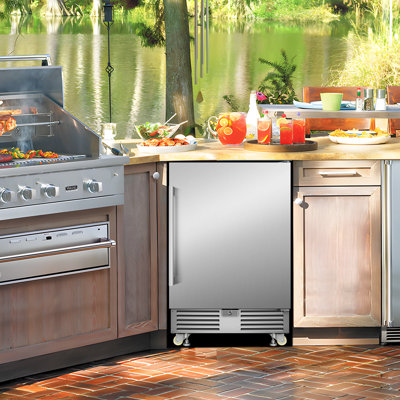
Even outdoor units last longer with some shelter—under an eave, in a covered outdoor kitchen, or away from direct rain and sun. Ensure the unit is level and on a stable surface. Check the manual for minimum clearances and whether the unit can sit in direct sun.
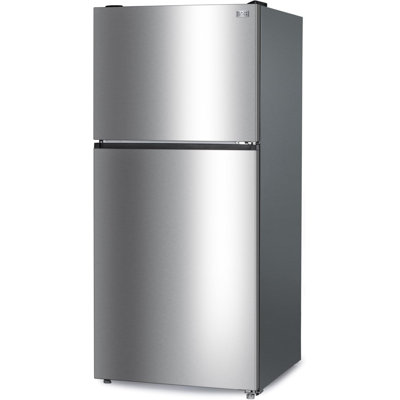
Direct sunlight makes the compressor work harder. Place the refrigerator in shade—under a canopy, eave, or awning. Rain can damage electrical components and cause rust. Even outdoor-rated units benefit from a covered location. Ensure the unit is on a level surface; an uneven base can affect door operation and cooling.
Ventilation is critical. Outdoor units need clearance at the back and sides so the condenser can reject heat. Do not enclose the unit in a tight cabinet without vents. Follow the manual's clearance requirements. In hot climates, adequate ventilation is even more important.
Electrical access matters. Outdoor refrigerators need a GFCI-protected outlet. Ensure the unit is within reach of power. Extension cords are not recommended for refrigerators—they can overheat and cause safety issues.
The U.S. Energy Information Administration (EIA) reports that refrigeration accounts for a meaningful share of household electricity use. Outdoor units in hot climates work harder and use more energy. Place the refrigerator in shade to reduce load. Ensure adequate ventilation—blocking vents causes overheating and shortened compressor life.
Capacity and Features
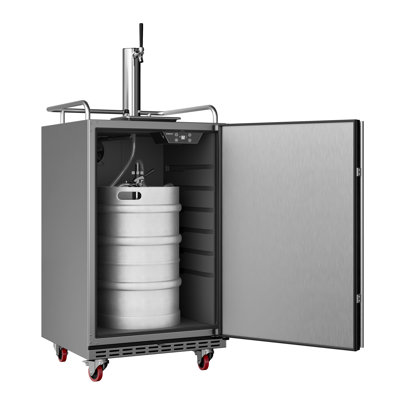
Outdoor fridges range from compact (2–4 cu ft) to larger (10+ cu ft). Many are beverage-focused with shelves for cans and bottles. Some have a small freezer. The DOE measures capacity in cubic feet; numbers are comparable across brands.
Compact outdoor units (2 to 4 cubic feet) hold a few dozen cans and bottles—enough for a small gathering. Larger units (6 to 10 cubic feet) hold more beverages, condiments, and party supplies. Match capacity to your typical use. Outdoor refrigerators are often secondary units—the main fridge stays indoors.
Beverage shelving is common—wire shelves, can racks, or bottle holders. Some units have a small freezer for ice. Glass doors let you see contents; solid doors protect from light and may be more durable. Consider what you will store and choose the layout that fits.
The USDA recommends 40°F or below for refrigerated food and 0°F or below for frozen food. Outdoor refrigerators with a freezer compartment maintain both. Compact units without a freezer are refrigerator-only—suitable for beverages and condiments. Match capacity to your typical use. Outdoor refrigerators are often secondary units; the main fridge stays indoors.
Energy and Climate
Outdoor refrigerators work harder in hot weather. The compressor must reject heat into ambient air that may be 90°F or higher. The U.S. Energy Information Administration (EIA) reports that refrigeration accounts for a meaningful share of household electricity use.
An outdoor unit in a hot climate may use 20 to 30 percent more energy than the same unit indoors. Place the refrigerator in shade to reduce load. The DOE does not have separate efficiency standards for outdoor units; check the EnergyGuide label when available. At 15 cents per kWh, a 4-cubic-foot outdoor unit might cost $40 to $60 per year in a hot climate.
In cold climates, some outdoor units may struggle when ambient temperature drops below the unit's operating range. Check the manual for the minimum ambient temperature. Units in unheated garages or sheds may need to be winterized or moved indoors if temperatures regularly fall below the specified range.
Maintenance and Longevity
Outdoor units need more frequent maintenance than indoor units. Dust, pollen, and debris can accumulate on the condenser coils. Clean them every 3 to 6 months—more often in dusty or windy locations.
Check the door seal for wear; UV exposure and temperature swings can degrade seals over time. Cover the unit during extended non-use (e.g., winter in cold climates) if the manual allows. Proper care extends the life of an outdoor refrigerator.
Clean the condenser coils more frequently than an indoor unit—every 3 to 6 months. Dust, pollen, and debris accumulate faster outdoors. A dirty coil reduces heat rejection and forces the compressor to work harder. The DOE notes that dirty coils can increase energy use by 10 to 30 percent.
When to Choose Outdoor-Rated
Choose an outdoor-rated refrigerator when the unit will sit on a patio, deck, or in an outdoor kitchen. Do not use a standard indoor fridge outdoors unless the manual explicitly allows it. Indoor units are not built for moisture, temperature extremes, or UV exposure.
Outdoor-rated units cost more but are designed for the conditions. For a covered outdoor kitchen or patio with shelter, an outdoor-rated unit is the right choice.
If you entertain outdoors frequently, an outdoor refrigerator keeps beverages and food cold without trips indoors. It also frees up space in the main kitchen fridge during parties. Match the unit to your typical use—a compact unit for occasional use, a larger unit for regular outdoor cooking and entertaining.
Common Mistakes to Avoid
Do not use an indoor refrigerator outdoors. Even in a covered area, humidity and temperature swings can damage it. Do not place the unit in direct sunlight—it forces the compressor to run constantly. Do not block ventilation. Do not use an extension cord—use a properly installed GFCI outlet.
Summary
Freestanding outdoor refrigerators are built for patios and outdoor kitchens. They resist weather and temperature extremes better than indoor units. The USDA recommends 40°F or below for refrigerated food. Choose an outdoor-rated unit, provide shelter from direct sun and rain, and follow clearance and ventilation guidelines. Capacity ranges from 2 to 10+ cubic feet; match to your typical use. The DOE does not have separate efficiency standards for outdoor units; the EIA reports electricity rates for cost estimates. For more help comparing models and current prices, browse outdoor refrigerators at Fridge.com.