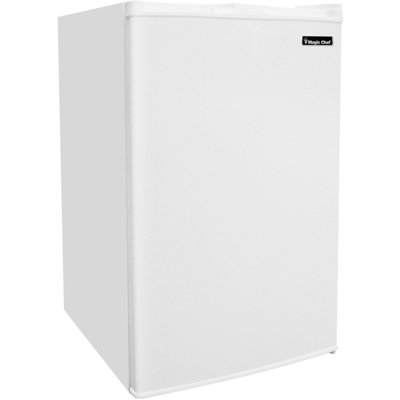
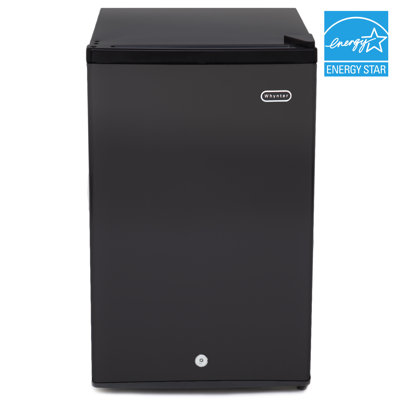
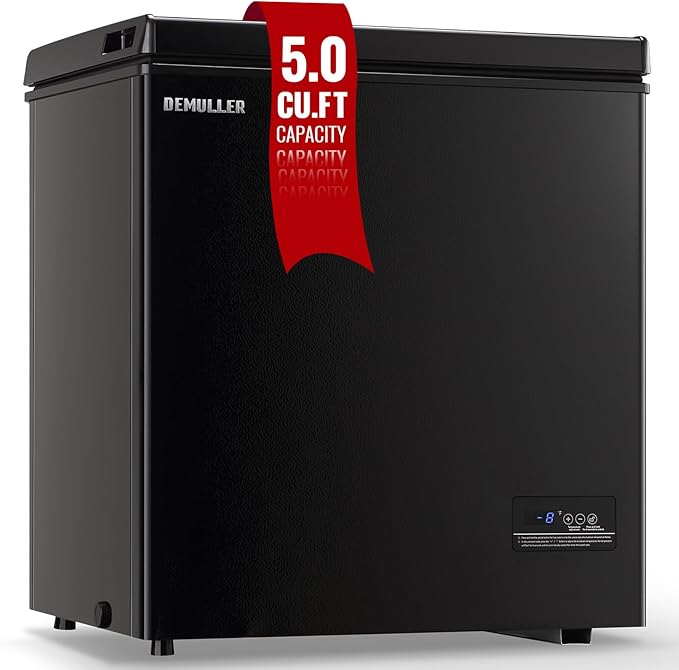
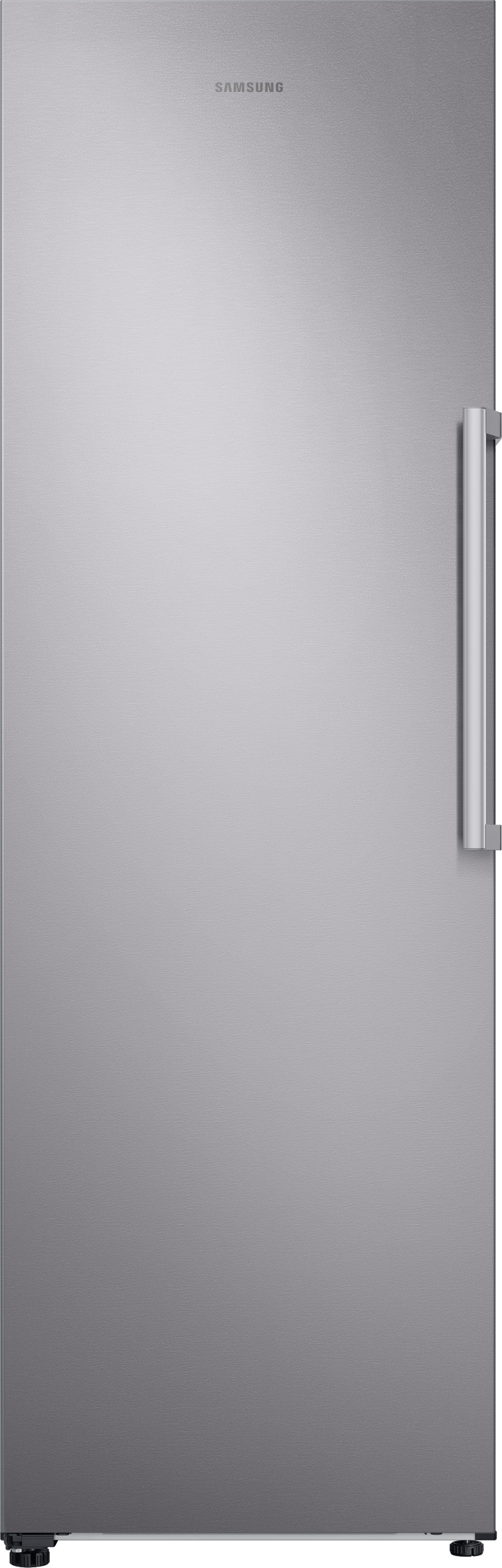
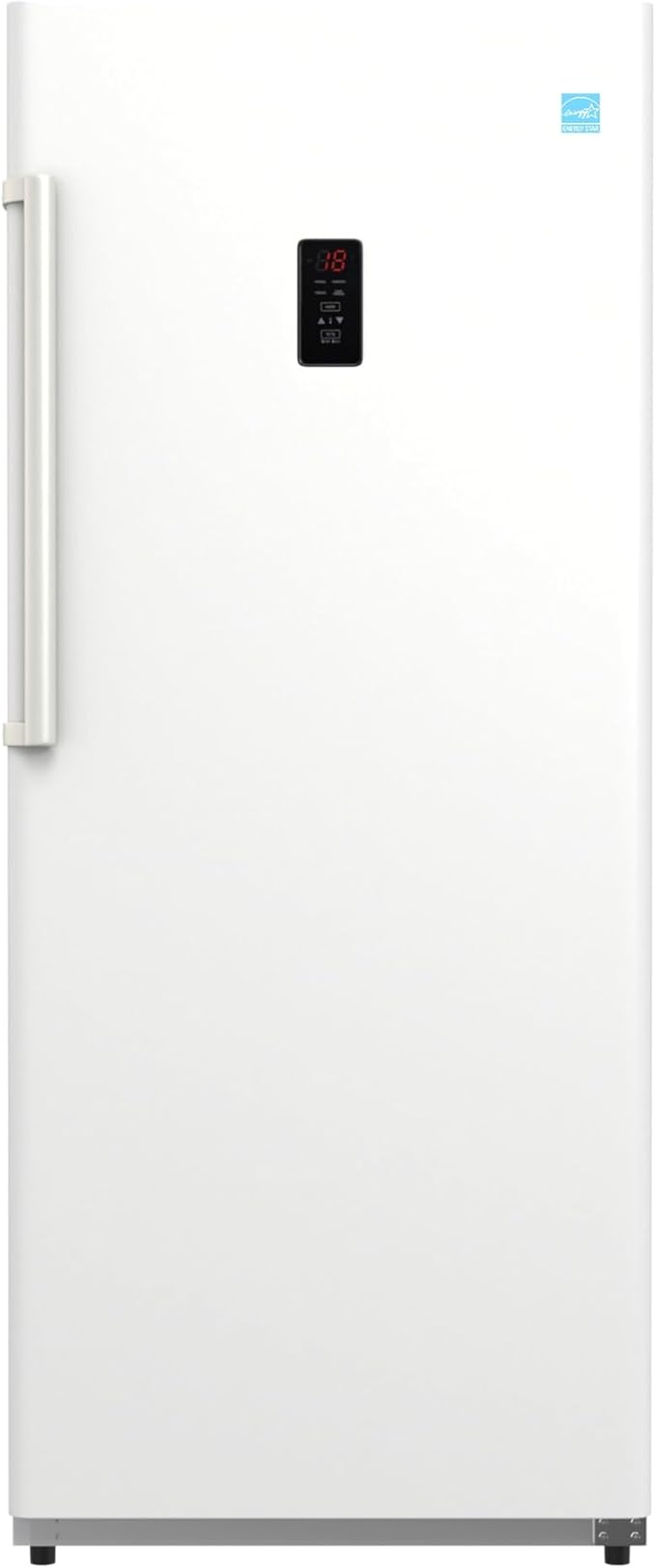
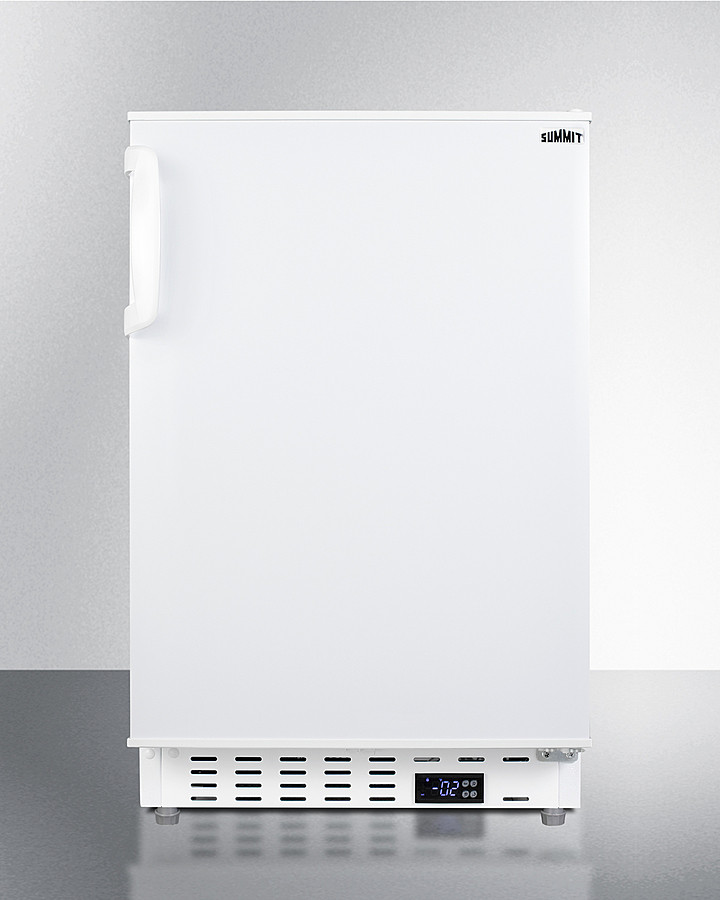
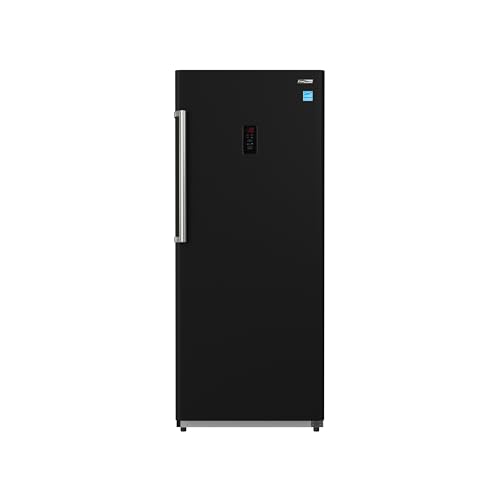
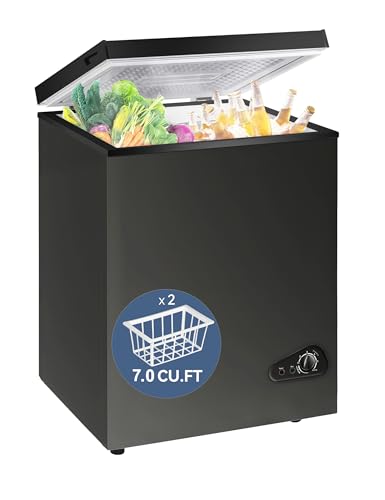
A freestanding fridge-freezer is a refrigerator with an integrated freezer that is not built into cabinetry. It stands on the floor, plugs in, and can be moved. Most home refrigerators are freestanding. This guide covers what to expect and what to look for when choosing a freestanding fridge-freezer.
What Freestanding Means
Freestanding means the unit is not built into custom cabinetry. It has a finished back and sides and can sit anywhere with floor space, power, and clearance for the door. Most home refrigerators are freestanding. Built-in units are installed flush with cabinets and cost more.
Freestanding refrigerators have finished sides and back—they are designed to be visible. They do not require a cabinet cutout or trim kit. You place them where you have space, plug them in, and use them. They can be moved if you relocate. Built-in units are designed to sit flush with cabinetry and typically require professional installation.
The U.S. Department of Energy (DOE) sets efficiency standards for refrigerators. Freestanding units are tested and rated like built-in units; the classification is about installation, not performance. ENERGY STAR certification applies to both. When comparing, look at capacity, layout, and the EnergyGuide label for estimated yearly kWh.
Renters and those who may relocate benefit from freestanding units. Homeowners doing a custom remodel may choose built-in for integrated design, but freestanding remains the most common and flexible option.
The U.S. Energy Information Administration (EIA) reports that refrigeration accounts for a significant share of residential electricity use. Freestanding and built-in refrigerators use similar technology; the main difference is installation. Choose based on your space, budget, and whether you plan to move.
Common layouts: top-freezer (freezer above fridge), bottom-freezer (freezer drawer below), French door (two fridge doors, freezer drawer), side-by-side (fridge and freezer next to each other). Choose by how you like to access the freezer and fresh food.
Top-freezer is the most common for compact and apartment-size units. The freezer is above the refrigerator; you reach up for frozen items. It is simple, reliable, and often the most energy-efficient layout. Bottom-freezer puts the freezer in a drawer below; you bend for frozen items but have the refrigerator at eye level. French door has two fridge doors and a freezer drawer; you open only what you need. Side-by-side has narrow doors—fridge on one side, freezer on the other—and suits tight kitchens.
The USDA recommends 40°F or below for the refrigerator and 0°F or below for the freezer. All fridge-freezer layouts maintain these temperatures. The choice is about access and convenience, not food safety.
Consider which section you use most often. If you access the refrigerator daily and the freezer occasionally, a bottom-freezer or French door puts fresh food at eye level. If you use both equally, a top-freezer or side-by-side may work well.
Four-door refrigerators add another option—two fridge doors and two freezer drawers. They offer maximum organization but require more space and budget. Match the layout to your kitchen dimensions and how you use the appliance.
Freestanding fridge-freezers range from compact (10–14 cu ft) to large (28+ cu ft). Width is often 24–36 in.; depth 24–34 in. Measure your space and delivery path before you buy.
Compact units (10 to 14 cubic feet) suit small kitchens, apartments, and one- or two-person households. Full-size units (22 to 28 cubic feet) suit families and anyone who stocks up. Capacity is measured in cubic feet using DOE procedures; the number is comparable across brands.
Dimensions matter for fit. Width determines whether the unit fits the opening. Depth affects how far it sticks out—counter-depth units are shallower (24 to 28 inches) but hold less; standard-depth units (30 to 34 inches) offer more capacity. Height must fit under upper cabinets or in an alcove. Measure the opening and the delivery path before you buy.
Do not buy more capacity than you need. The EIA notes that larger refrigerators use more electricity. An empty fridge-freezer wastes energy. Match capacity to your household size and shopping habits. A couple may need 18 to 22 cubic feet; a family of five may need 24 to 28.
The USDA provides guidelines for food storage. Proper organization—crispers for produce, dedicated meat drawer, freezer sections—helps you use space efficiently. A well-organized refrigerator reduces waste and makes it easier to find items.
Features
Common features include adjustable shelves, humidity-controlled crispers, ice makers, and water dispensers. Adjustable shelves let you fit tall bottles or large platters. Humidity-controlled crispers keep produce fresher—the USDA notes that proper storage extends produce life. Ice makers and water dispensers require a water line.
ENERGY STAR models use 15 to 20 percent less energy than the minimum standard. The EnergyGuide label shows estimated yearly kWh. Compare models within the same size class for efficiency.
Through-the-door ice and water add convenience but require a water line and filter changes. If you do not have a water line, choose a model without that feature. Manual defrost freezers use less energy than frost-free but require periodic defrosting; most freestanding fridge-freezers are frost-free.
Smart features (Wi-Fi, touchscreens, cameras) add cost. They can help with inventory and temperature monitoring but are not essential for basic refrigeration. Prioritize capacity, layout, and efficiency first.
The DOE sets efficiency standards for refrigerators. All freestanding fridge-freezers must meet these standards. ENERGY STAR certifies models that exceed them. The EnergyGuide label shows estimated yearly kWh. The U.S. Energy Information Administration (EIA) reports average electricity prices.
At typical rates (15 cents per kWh), a 20-cubic-foot unit might cost $60 to $90 per year to run. Larger units use more energy; compact units use less. Clean coils and a good seal reduce run time.
Freestanding fridge-freezers need clearance at the back and sides. The manual specifies how much—typically 2 to 4 inches at the back and 1 to 2 inches on the sides. Blocking ventilation causes the compressor to overwork and can shorten the unit's life.
Clean the condenser coils every 6 to 12 months; dirty coils increase energy use by 10 to 30 percent, according to the DOE. Ensure the door can open fully—90 degrees or more for loading and cleaning. In a tight kitchen, a unit with a reversible door may help.
Freestanding is the choice when you want flexibility, easier installation, and lower cost. Built-in units integrate with cabinetry and cost more. Freestanding units can be moved, replaced without cabinet work, and placed anywhere with floor space and power.
For most homes, freestanding is the practical option. Match the unit to your household size, shopping habits, and kitchen layout.
Maintenance
Clean the coils periodically. Check the door seal—a worn seal lets cold air escape. Wipe the interior occasionally. Keep the refrigerator at 37–40°F and the freezer at 0°F. Proper care extends the life of the unit.
Freestanding fridge-freezers are standalone units with a refrigerator and freezer. They stand on the floor, plug in, and can be moved. Choose by layout (top-freezer, bottom-freezer, French door, side-by-side), capacity (10–28+ cu ft), and dimensions. Leave clearance for ventilation and door swing. For more help comparing models and current prices, you can browse refrigerators.
Frequently Asked Questions
Freestanding means the unit is not built into cabinetry; it has finished sides and back, plugs into a standard outlet, and can be moved. You do not need a cabinet cutout or built-in installation.
From Fridge.com research
Figures below come from data Fridge.com builds and maintains. Each links to the record behind it.
Fridge.com Energy Index, built on U.S. EPA and DOE ENERGY STAR records
Across 5,455 ENERGY STAR certified refrigerators and freezers from 263 brands, median use is 360 kWh per year.