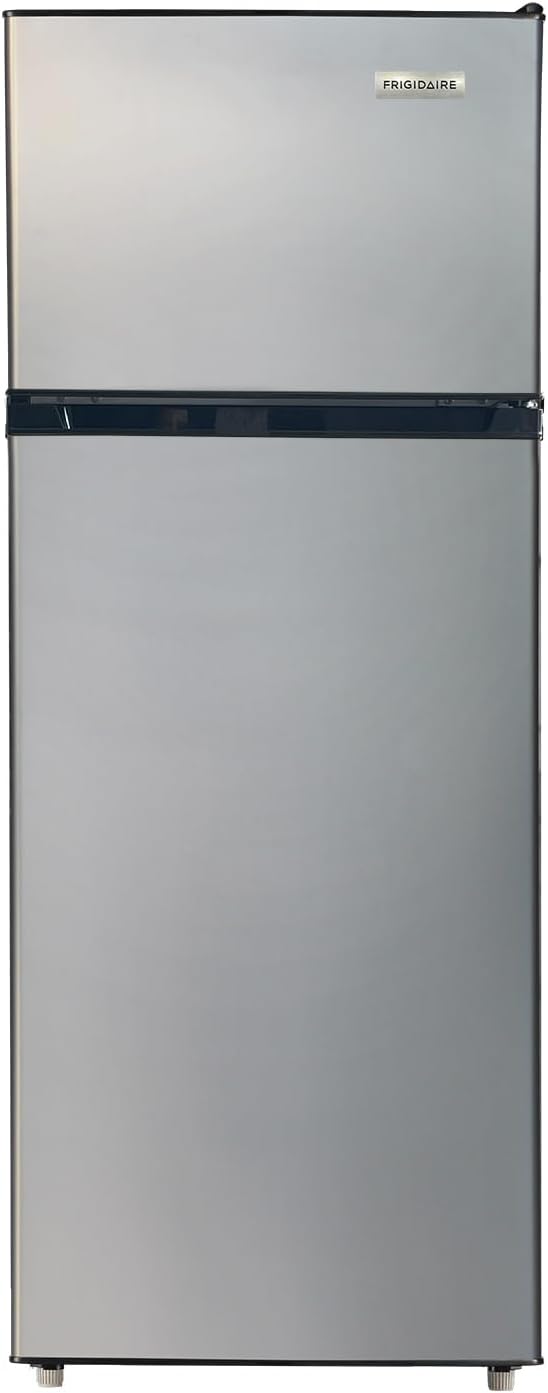
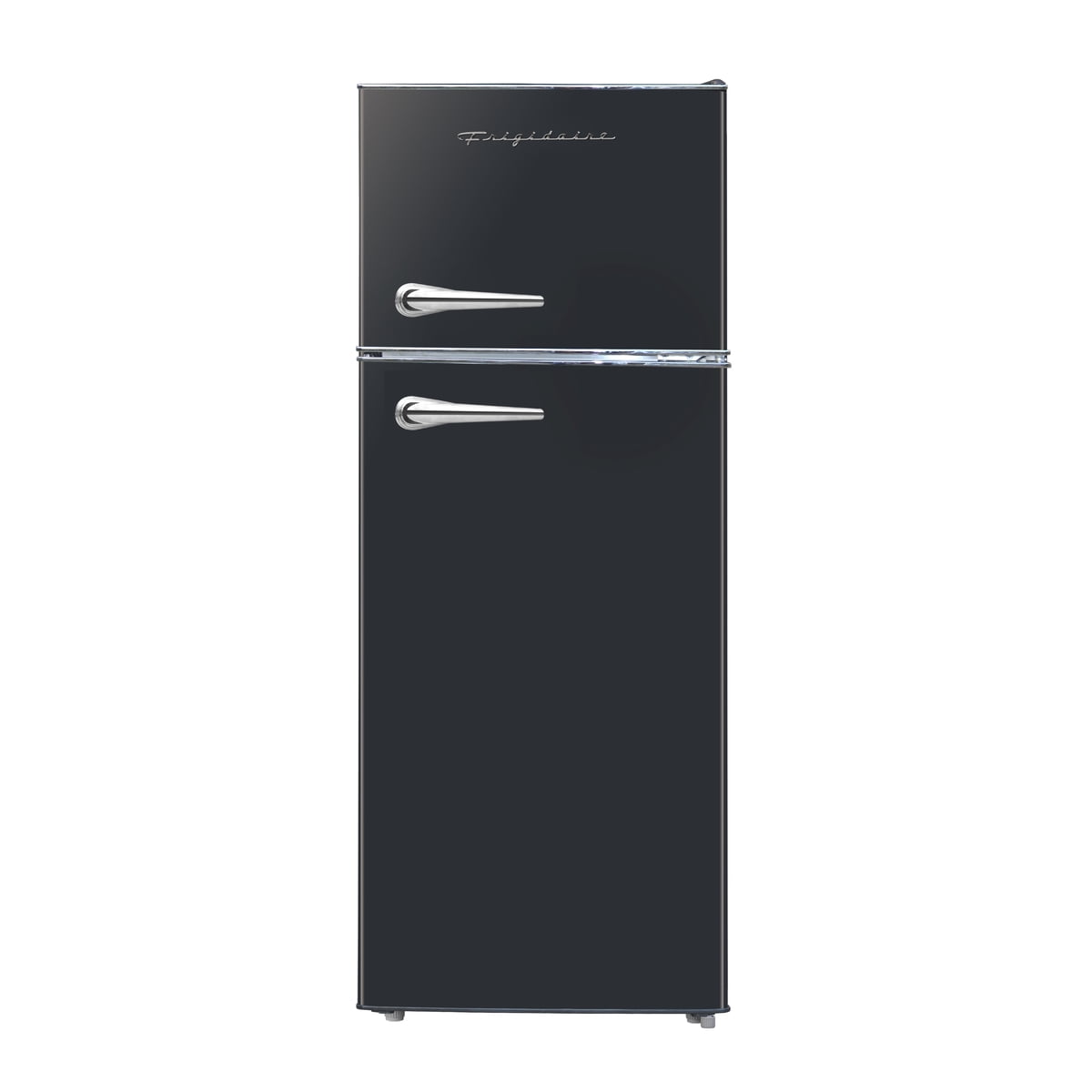
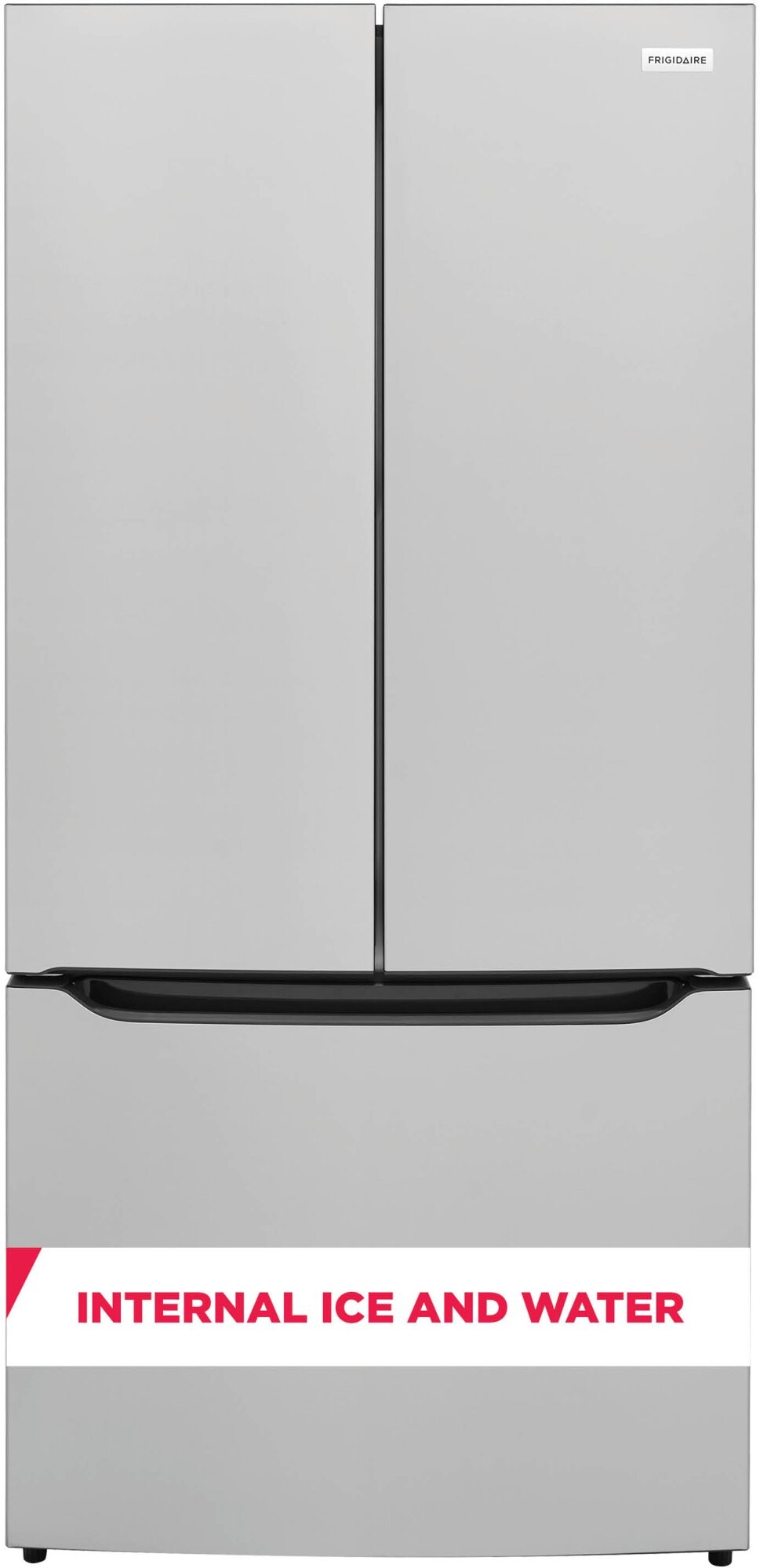
Freestanding drawer refrigerators fit under counters with pull-out drawers; medium-size refrigerators are standard upright units (about 18–22 cu ft) that stand on the floor. This guide compares them.
Drawer Refrigerator
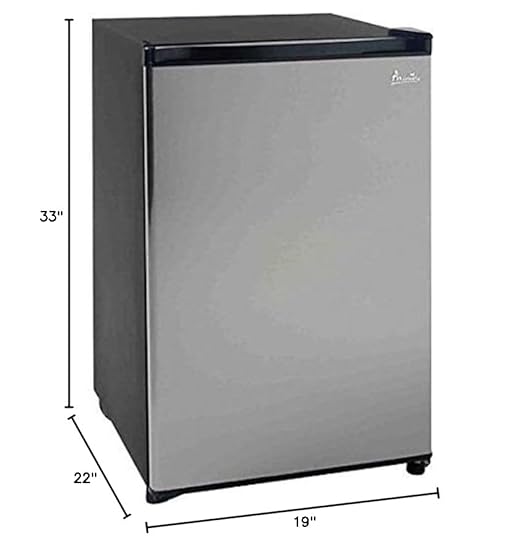
Drawer units are short (under-counter height), with 5–15 cu ft typically. They go under a counter or in an island. No door swing; you pull drawers. Often used as a second fridge or for beverages.
Drawer refrigerators are typically 34 to 35 inches tall. They fit in the space under a standard 36-inch counter. Capacity of 5 to 15 cubic feet provides storage for beverages, overflow, or party supplies. They do not have a freezer compartment—they are refrigerator only. The U.S. Department of Energy (DOE) measures capacity in cubic feet; drawer units are designed for secondary use, not as a primary kitchen fridge.
Drawer units are often used in bars, butler's pantries, or kitchen islands. They keep drinks cold and provide overflow storage when the main fridge is full. They run at standard refrigerator temperature (37–40°F, as the USDA recommends) but lack the capacity and freezer of a full refrigerator.
The drawer design offers ergonomic benefits. You pull out a drawer to access contents at waist level rather than bending into a deep cabinet. Drawers can be organized by type—one for beverages, one for overflow produce or party platters. The lack of a door swing makes them suitable for tight spaces where a swinging door would block traffic.
Installation requires a 34- to 35-inch cabinet opening, electrical supply, and adequate ventilation. Drawer units vent from the front or back; blocking vents causes overheating. They are often installed during a kitchen remodel or bar build-out when the cabinet layout is being designed.
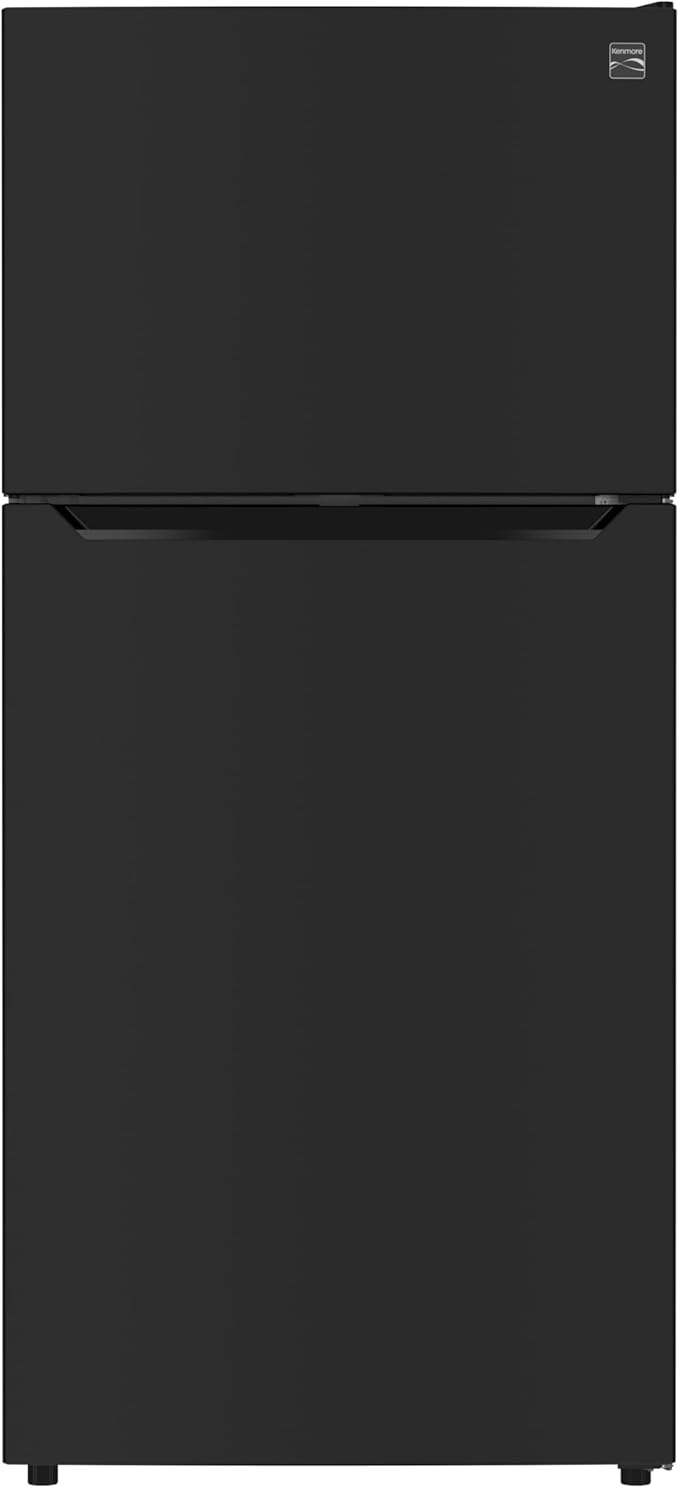
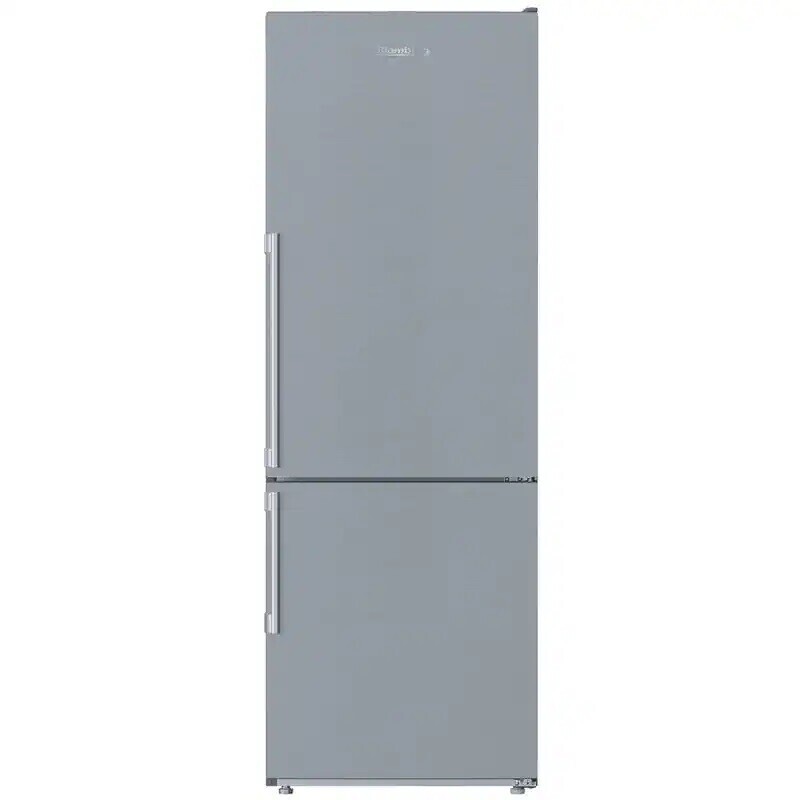
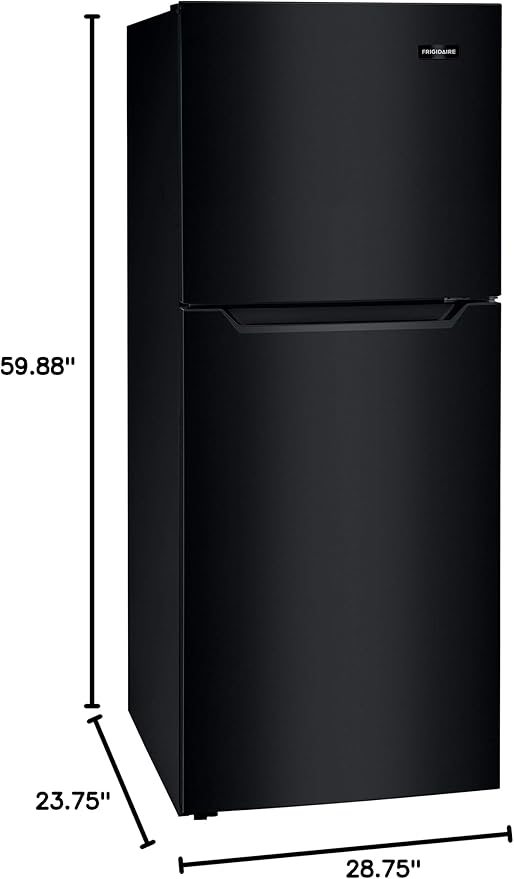
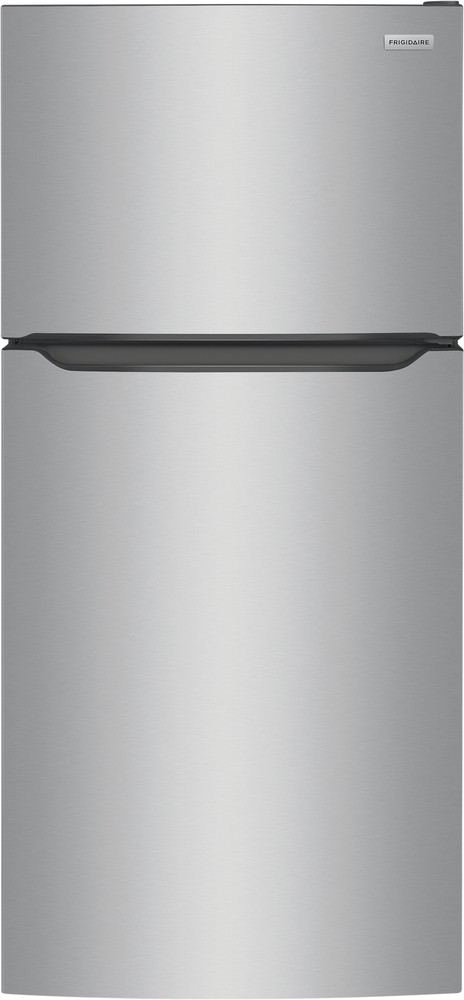
Medium refrigerators are full-height (60–67 in.), 18–22 cu ft, with a door and freezer. They are the main kitchen fridge for many households. More capacity and freezer space than a drawer unit.
Medium refrigerators include a freezer compartment—typically 4 to 7 cubic feet. They hold fresh food, dairy, produce, and frozen items. The USDA recommends 40°F or below for the refrigerator and 0°F or below for the freezer. Medium refrigerators maintain both. They are the primary food storage for most households.
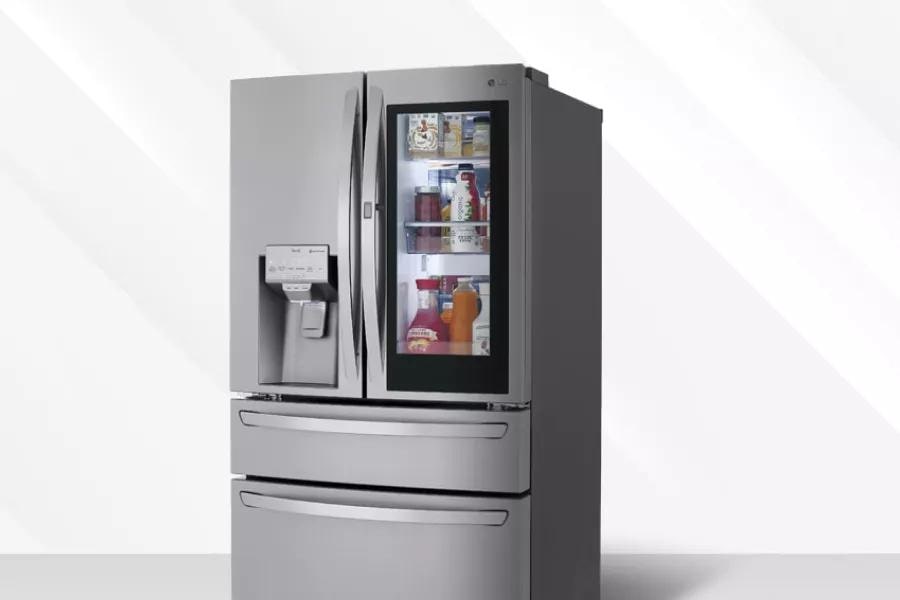
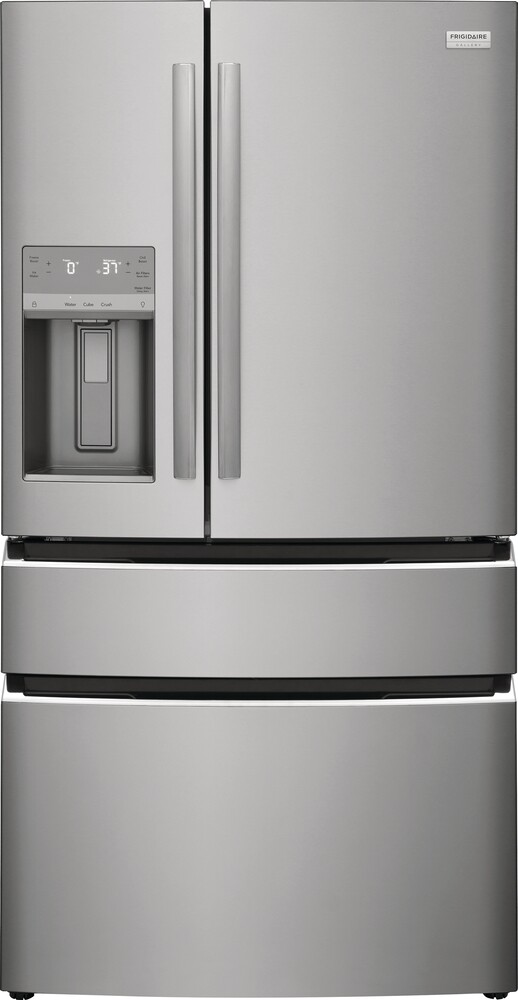
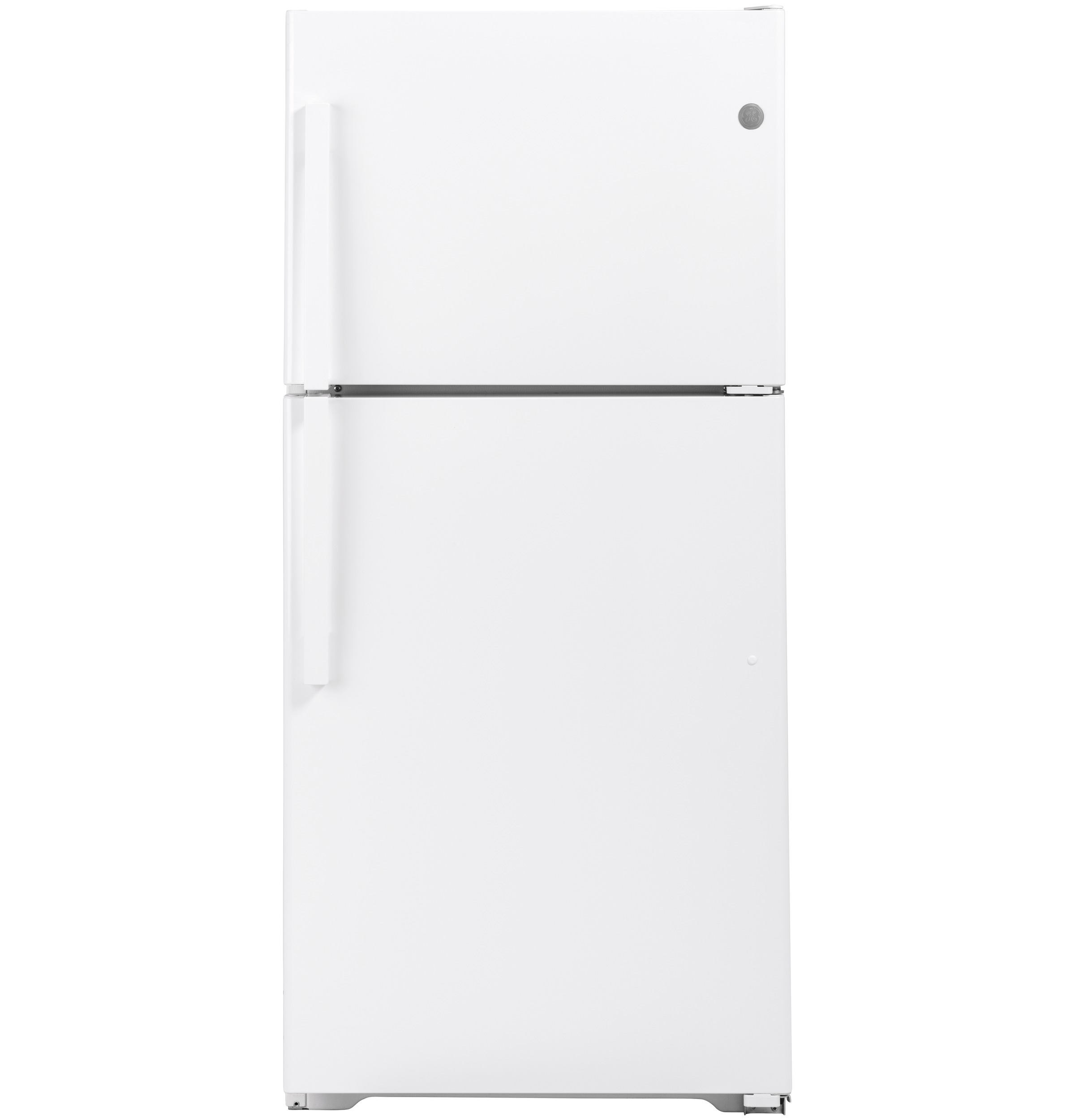
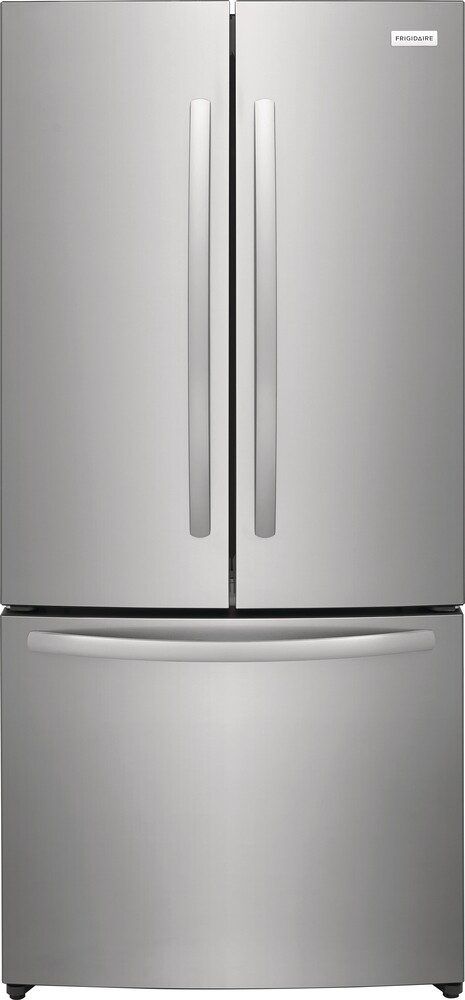
Capacity of 18 to 22 cubic feet suits families of two to four. It holds a week or more of groceries, leftovers, and frozen food. Medium refrigerators are available in top-freezer, bottom-freezer, and French door layouts. They require floor space and door clearance—typically 30 to 36 inches wide.
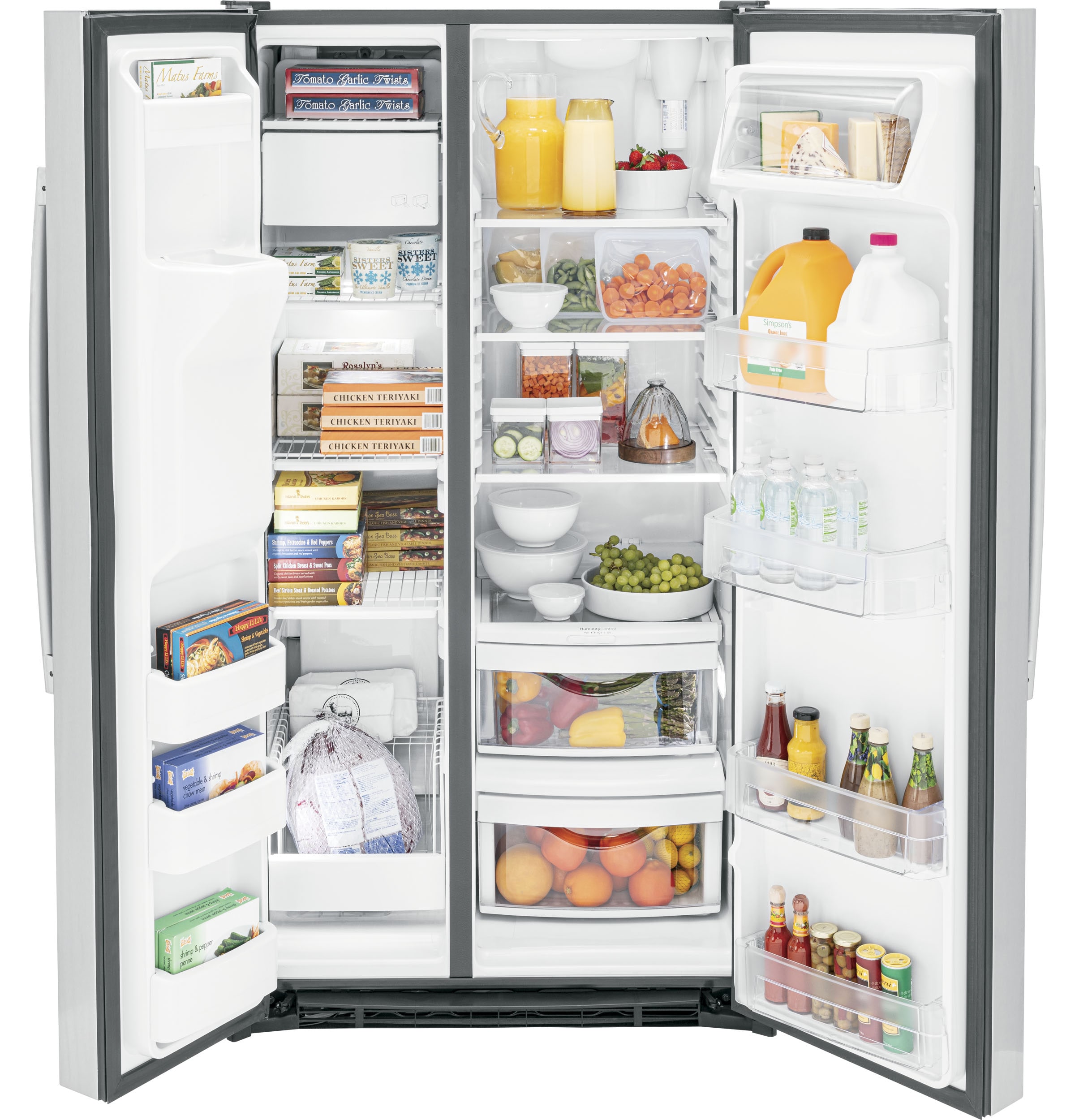
Medium refrigerators offer features that drawer units lack: adjustable shelves, humidity-controlled crispers, ice makers, and water dispensers. These features support daily meal prep and food storage. The freezer compartment stores frozen vegetables, meat, ice cream, and prepared meals—essential for most households.
The DOE sets efficiency standards for refrigerators; ENERGY STAR certifies models that exceed those standards. Medium refrigerators are tested as a category, and efficient models can save $50 or more per year compared to older units. The EnergyGuide label shows estimated yearly kWh and operating cost.
Choose a drawer refrigerator for a bar, island, or second cooling zone where you do not need a full fridge. Choose a medium refrigerator for the primary kitchen fridge.
Drawer refrigerators cannot replace a primary fridge. They lack the capacity, freezer, and organization for full grocery storage. They are supplementary—for beverages, overflow, or a specific zone. If you need a main kitchen fridge, a medium or full-size refrigerator is the choice.
Medium refrigerators are the default for most homes. They provide the capacity and features needed for daily cooking and food storage. A drawer unit is an addition, not a substitute. Some households have both: a medium refrigerator in the kitchen and a drawer unit in an island or bar.
Households that entertain frequently may value a drawer unit for drink storage—keeping wine, beer, and mixers cold without crowding the main fridge. Home offices or basement bars can use a drawer unit as the sole cooling appliance if the space is used only for beverages and light snacks. For a primary residence with regular cooking and grocery shopping, a medium refrigerator is essential.
Capacity and Freezer
Drawer refrigerators hold 5 to 15 cubic feet with no freezer. Medium refrigerators hold 18 to 22 cubic feet with a 4- to 7-cubic-foot freezer. The USDA recommends 0°F or below for frozen food; only a refrigerator with a freezer compartment can achieve that. Drawer units cannot store frozen items. If you need ice, frozen meals, or long-term frozen storage, a medium refrigerator is required. The capacity gap is significant—a drawer unit holds roughly one-quarter to one-half of a medium refrigerator's fresh food space.
The USDA FoodKeeper app and storage guidelines emphasize that frozen food must be kept at 0°F or below to maintain safety and quality. Refrigerated food should be kept at 40°F or below. Drawer refrigerators meet the refrigerator requirement but cannot provide freezer storage. A medium refrigerator meets both requirements in a single unit.
For households that rely on frozen vegetables, ice, or bulk meat purchases, the lack of a freezer in a drawer unit is a dealbreaker. Even a small freezer compartment in a medium refrigerator provides essential storage. Drawer units are designed for supplemental cold storage, not comprehensive food preservation.
The U.S. Department of Energy (DOE) sets efficiency standards for refrigerators. Medium refrigerators are tested as a category; drawer refrigerators may be classified as compact or standard depending on size. ENERGY STAR certifies efficient models. The U.S. Energy Information Administration (EIA) reports that refrigeration accounts for a meaningful share of household electricity use. A medium refrigerator might use 400 to 600 kWh per year; a drawer unit might use 200 to 300 kWh. Drawer units cost less to run but cannot replace a primary fridge.
At typical U.S. electricity rates reported by the EIA—around 14 to 16 cents per kWh—a medium refrigerator might cost $56 to $96 per year to run. A drawer unit might cost $28 to $48 per year. The savings from a drawer unit alone are modest; the real question is whether you need a primary fridge at all. If you have both a medium refrigerator and a drawer unit, you are paying to run two appliances.
ENERGY STAR-certified refrigerators use at least 15 percent less energy than the federal minimum standard. When comparing models, check the EnergyGuide label for estimated yearly kWh. Newer models are significantly more efficient than units from 10 or 15 years ago. Upgrading an old medium refrigerator to an ENERGY STAR model can cut energy use by a third or more.
Drawer refrigerators fit under a 34- to 35-inch counter. They need clearance for the drawer to pull out—typically the full depth. Medium refrigerators need floor space—30 to 36 inches wide, 60 to 67 inches tall—and door clearance. They are placed between cabinets or in an alcove. Drawer units are often installed during a remodel or bar build-out. Medium refrigerators are the standard kitchen appliance. Placement constraints differ; match the type to your layout.
Drawer units require a cabinet opening with precise dimensions. Standard widths are 24 and 30 inches; height is typically 34 inches. The unit slides in and may need to be secured. Ventilation requirements vary—some units vent from the front and can be fully enclosed; others need rear clearance. Check the manual before finalizing the cabinet design.
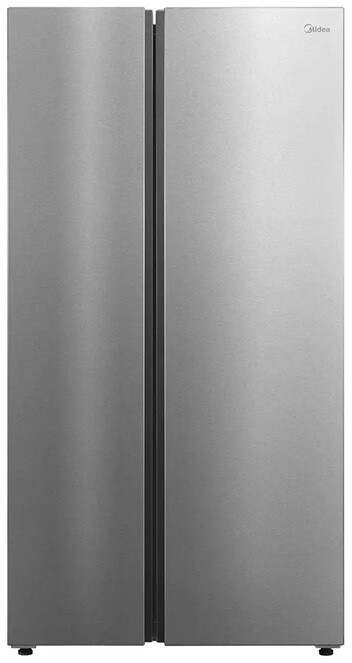
Medium refrigerators need space for the door to swing open—typically 90 degrees or more for full access. French door and bottom-freezer models may need less clearance than side-by-side units. Consider traffic flow: a refrigerator door opening into a busy walkway can be inconvenient. Measure the space and the unit's dimensions, including door swing, before purchasing.
Both drawer and medium refrigerators require similar maintenance: periodic cleaning of the interior, wiping door gaskets, and cleaning condenser coils if accessible. Drawer units have fewer shelves and compartments, so cleaning may be quicker. Medium refrigerators with ice makers and water dispensers need additional maintenance—replacing filters, descaling—that drawer units do not.
Drawer refrigerators are less common than medium refrigerators, so repair parts and service may be harder to find. Medium refrigerators are a mature product category with broad manufacturer support. Consider long-term serviceability when choosing, especially for a primary appliance.
Common Mistakes to Avoid
Do not use a drawer refrigerator as a primary fridge. It lacks the capacity, freezer, and organization for full grocery storage. Households that try to make a drawer unit work as the main fridge often find themselves constantly restocking or using a separate freezer elsewhere. The drawer unit is designed for supplemental use.
Do not assume a drawer unit will fit any cabinet opening. Standard dimensions are 24 or 30 inches wide and 34 inches tall. Custom cabinets may have non-standard openings. Measure the space before purchasing and verify the unit's dimensions. Installation may require a professional if the opening needs modification.
Do not ignore ventilation. Drawer units that vent from the front can be fully enclosed, but those that vent from the back need clearance. Blocking vents causes overheating, increased energy use, and shortened compressor life. Follow the manufacturer's installation instructions.
Drawer refrigerators are under-counter units with 5–15 cubic feet and no freezer; medium refrigerators are full-height primary fridges with 18–22 cubic feet and a freezer. Drawer units suit bars, islands, and second cooling zones for beverages and overflow. Medium refrigerators are the default for most households and provide the capacity and features needed for daily cooking and food storage. The USDA recommends 40°F or below for refrigerated food and 0°F or below for frozen food—only a refrigerator with a freezer compartment meets both. Match the type to your role, space, and storage needs. For more help choosing a model, compare specs and current prices.
Frequently Asked Questions
A medium-size refrigerator is a full-height unit (about 18–22 cu ft) with a refrigerator section and a freezer. It is designed as a main kitchen fridge and stands about 66–70 inches tall.
From Fridge.com research
Figures below come from data Fridge.com builds and maintains. Each links to the record behind it.
Fridge.com Energy Index, built on U.S. EPA and DOE ENERGY STAR records
Across 5,455 ENERGY STAR certified refrigerators and freezers from 263 brands, median use is 360 kWh per year.