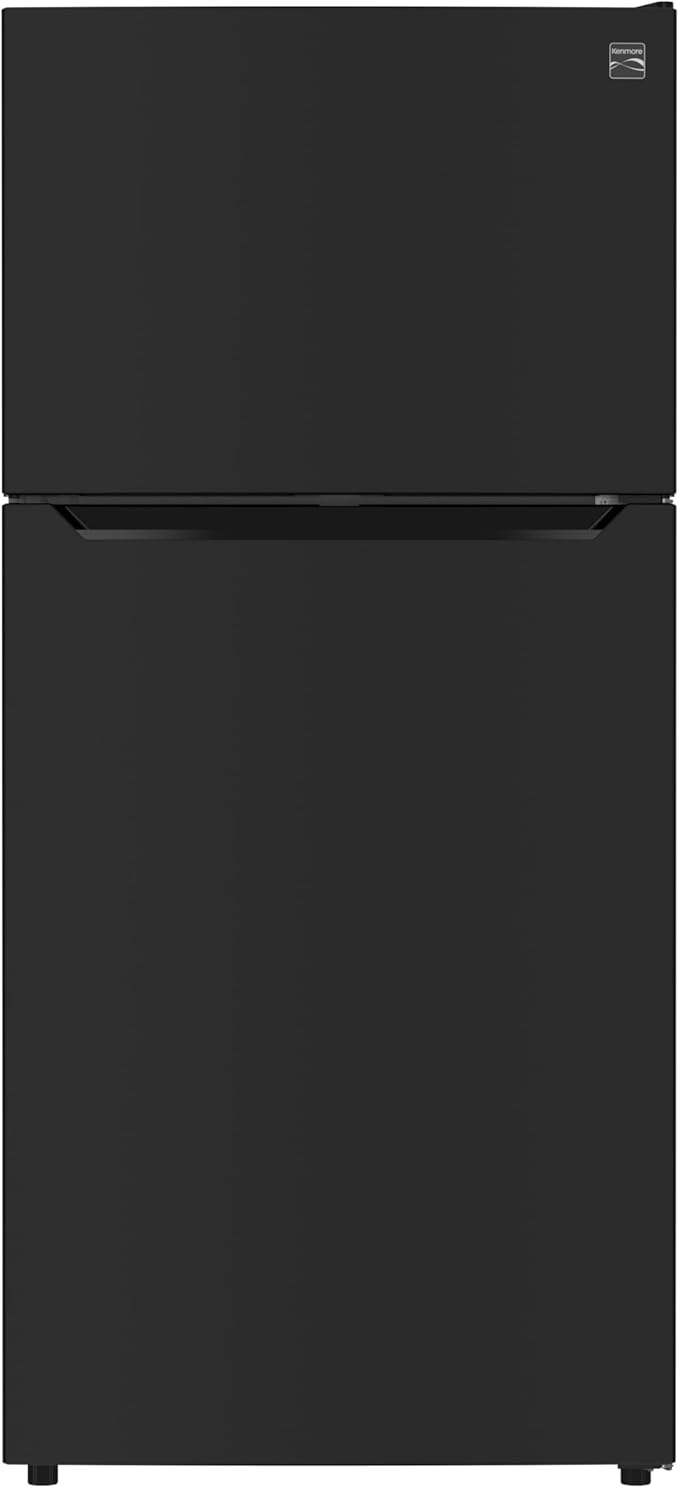
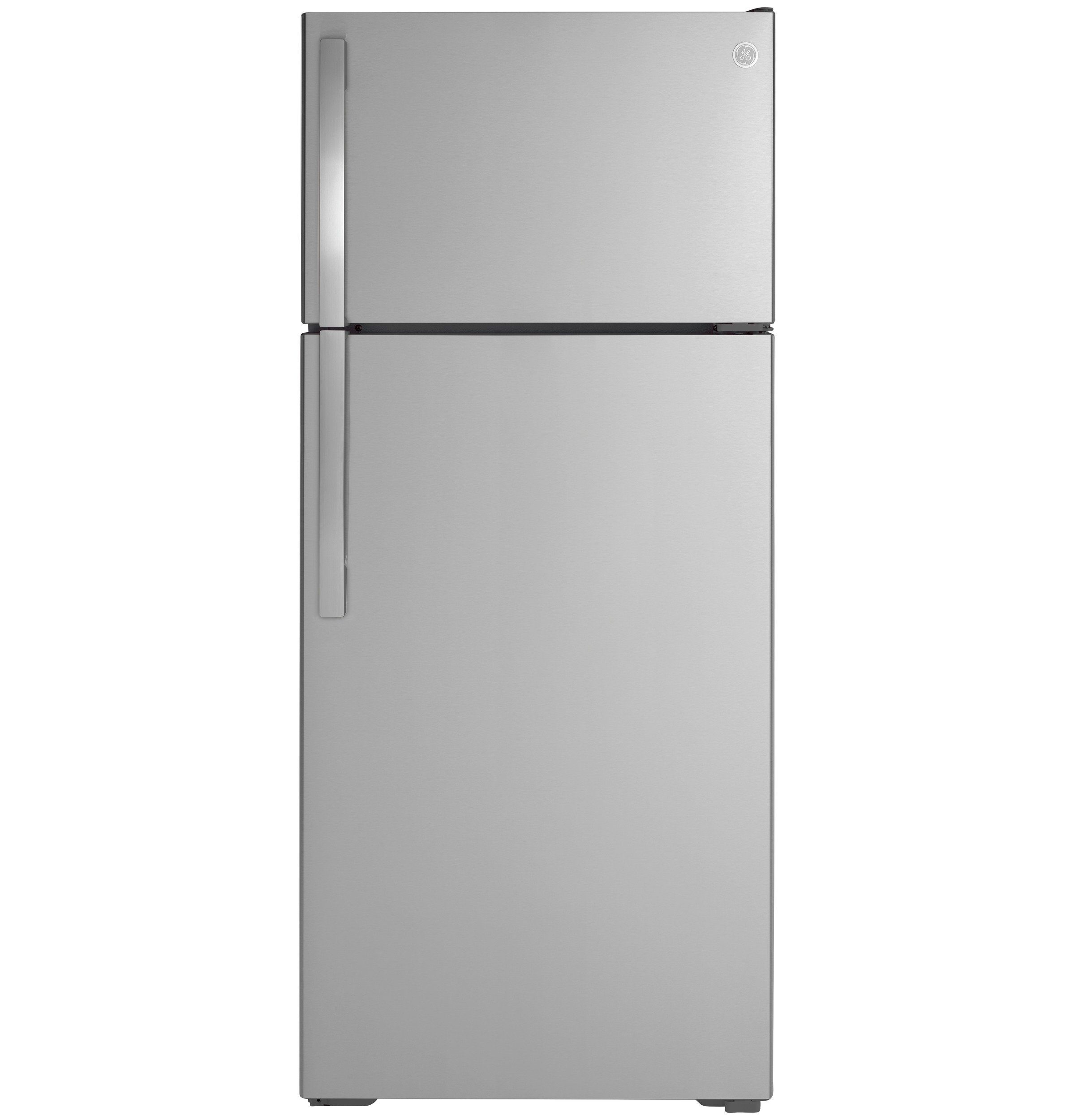
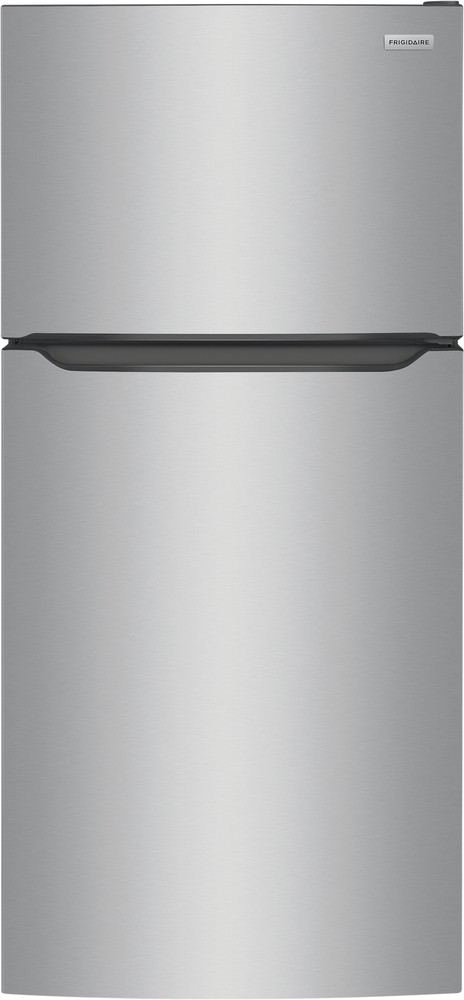
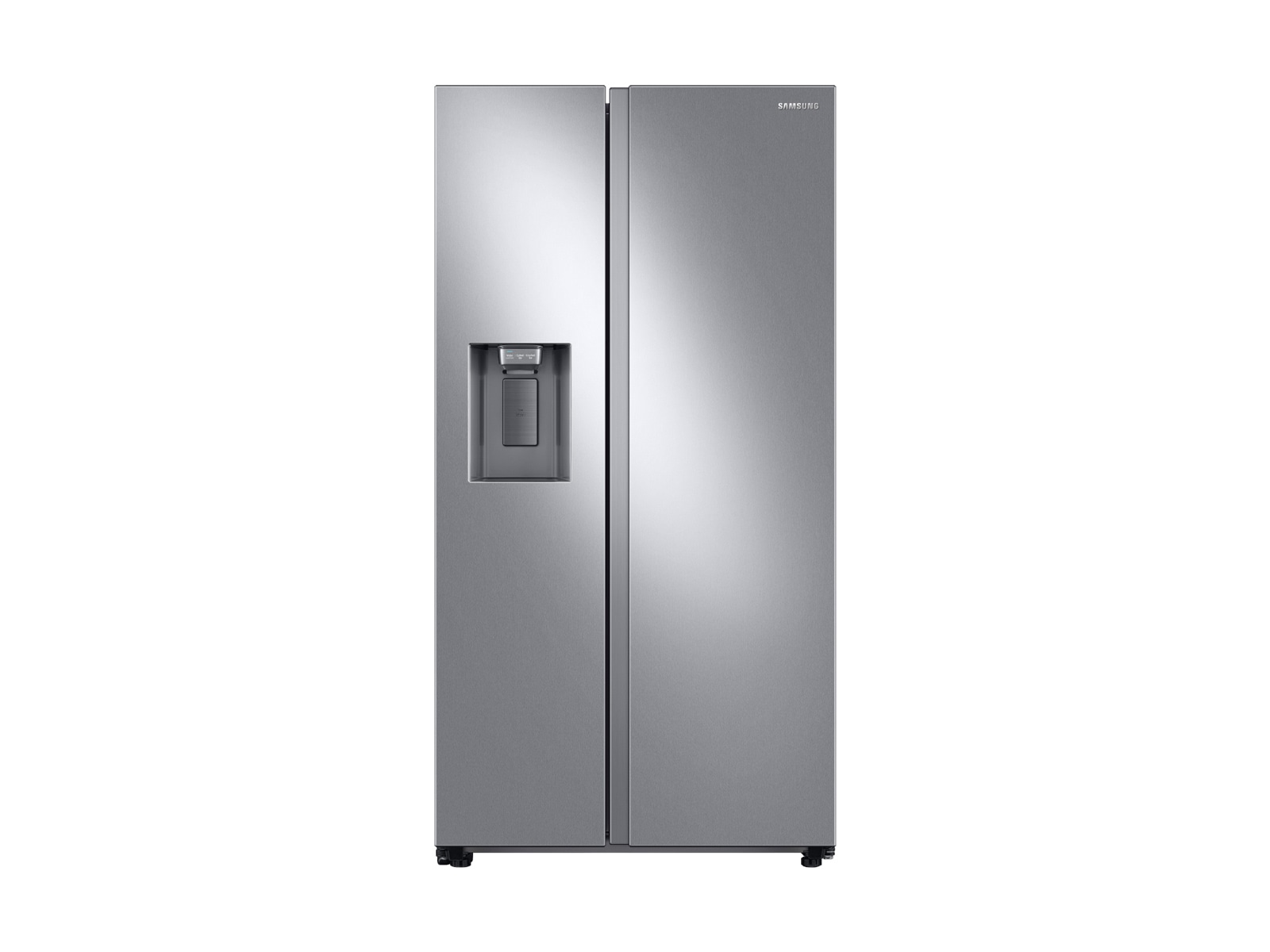
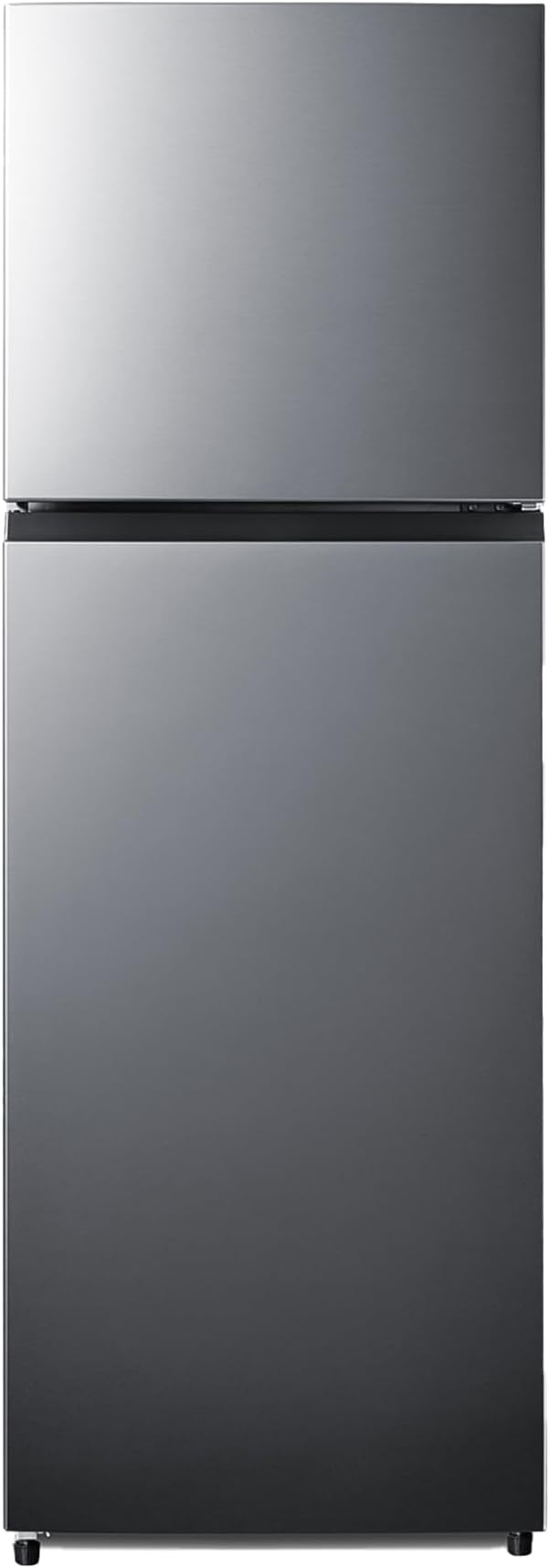
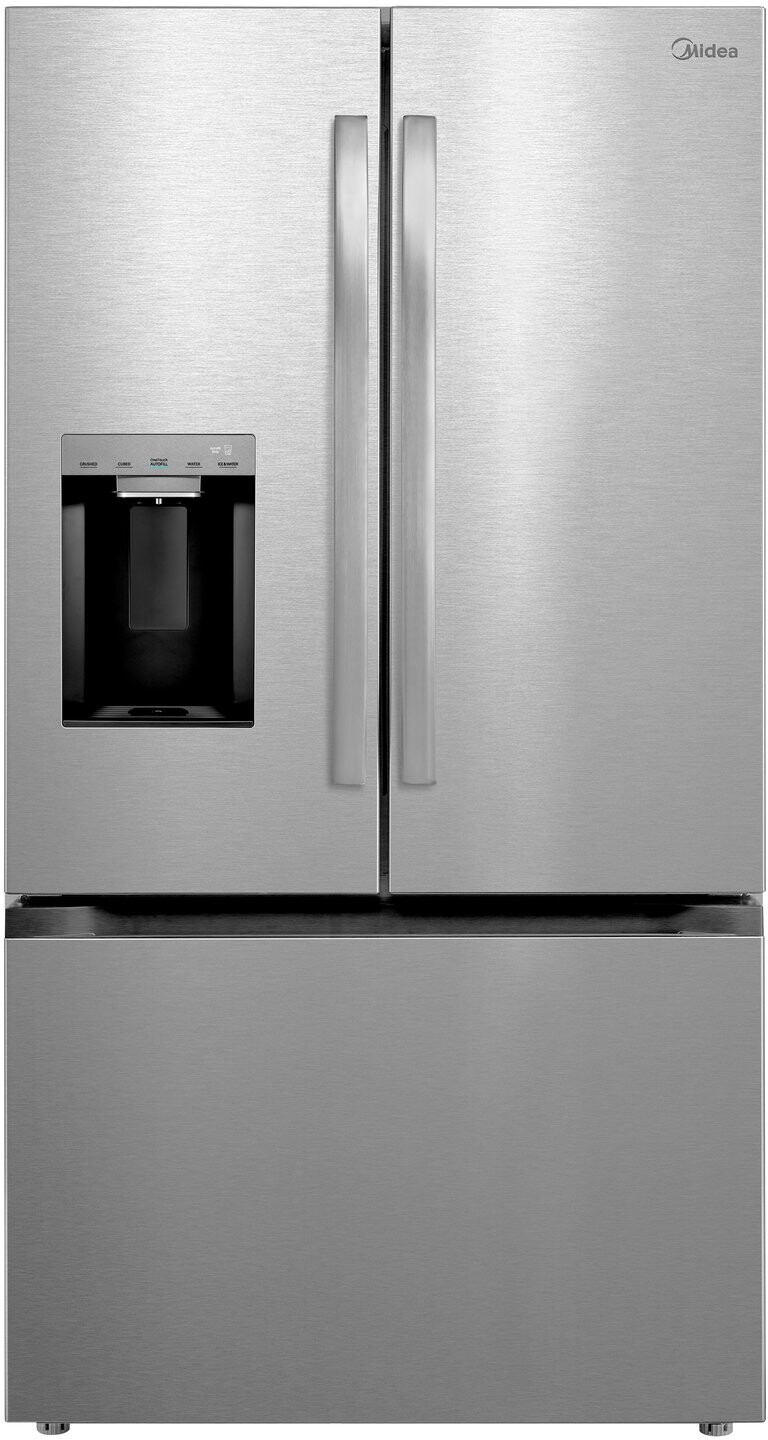
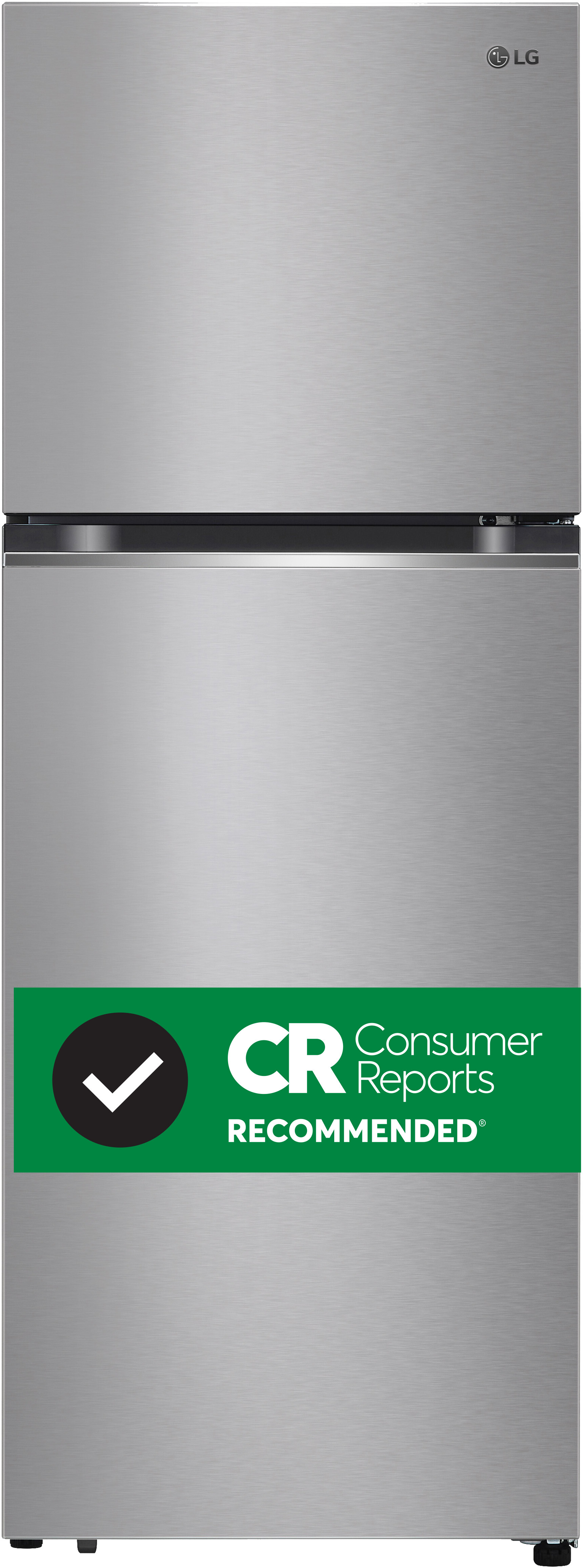
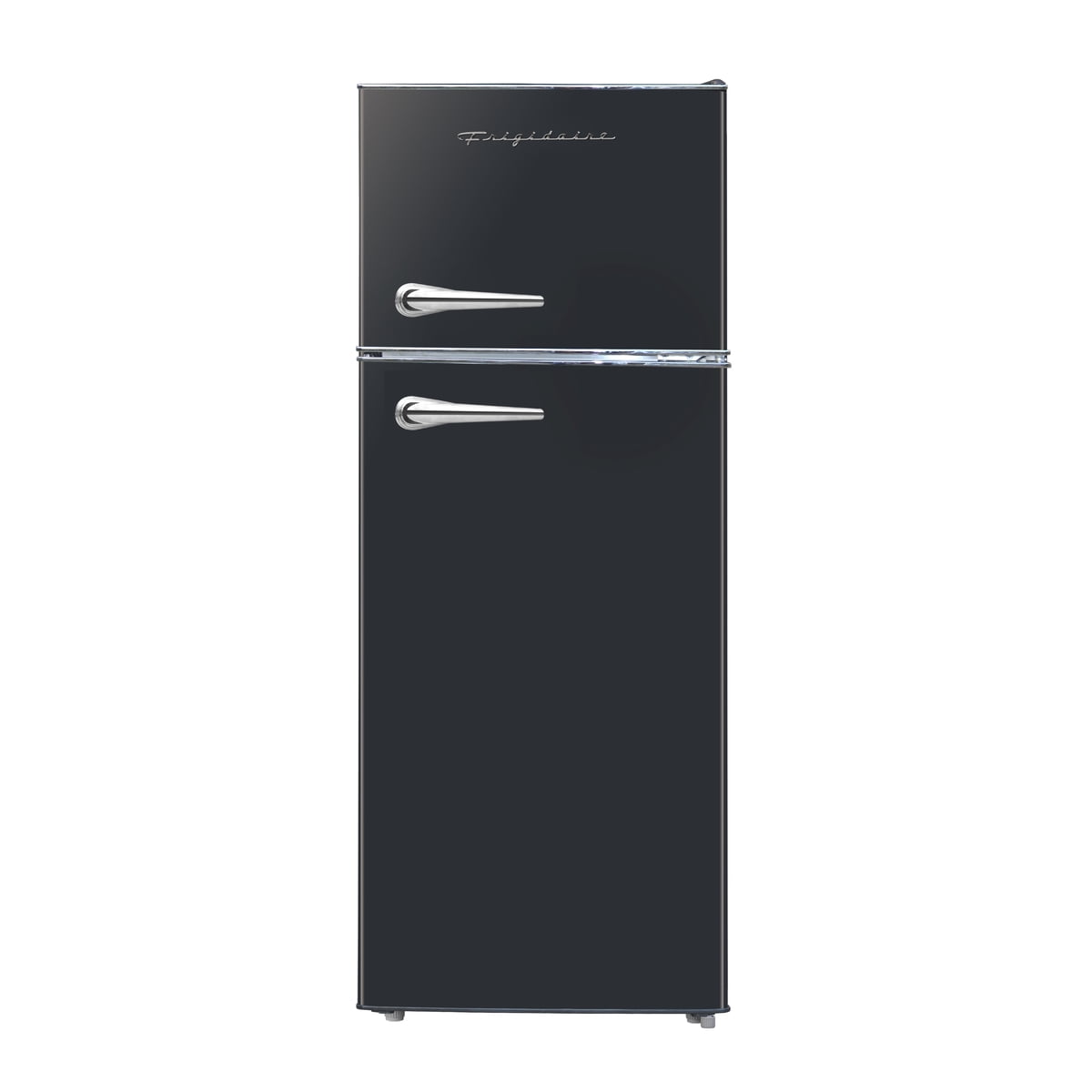
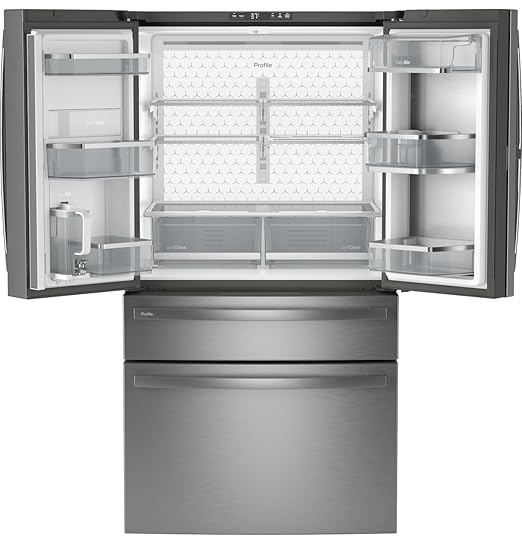
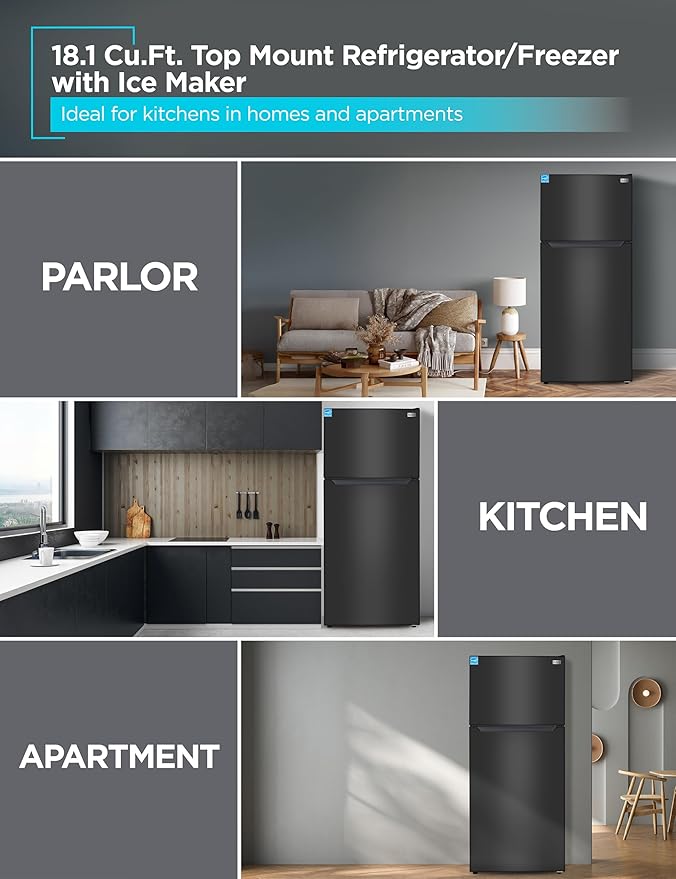
A family size refrigerator and a standard size refrigerator differ primarily in capacity — and the capacity gap determines whether a growing household has enough room for weekly groceries, meal prep, beverages, and leftovers. The family size fridge offers 25 to 30+ cubic feet with wide shelves, deep crisper drawers, and generous freezer sections. The standard size provides 18 to 22 cubic feet with adequate storage for smaller households. This guide covers dimensions, capacity planning, features, pricing, and how to determine exactly how much fridge your family needs.
Defining the Size Tiers
| Tier | Total Capacity | Fridge Section | Freezer Section | Best For |
|---|---|---|---|---|
| Standard | 18 - 22 cu ft | 12 - 15 cu ft | 5 - 7 cu ft | 1-3 people |
| Family | 25 - 30+ cu ft | 16 - 21 cu ft | 7 - 10 cu ft | 4-6+ people |
The 3 to 8 cubic feet of extra capacity in a family size fridge translates to 2 to 4 additional shelves of food storage. For a family of four that shops weekly, buys in bulk, packs school lunches, and stores leftovers from multi-serving meals, that extra space is not luxury — it is necessity.
Capacity Per Person
The standard sizing guideline is 4 to 6 cubic feet of total refrigerator capacity per adult, plus 2 cubic feet for general household items (condiments, beverages, leftovers). Children under 12 count as roughly half an adult for capacity planning.
| Family Composition | Calculated Need | Recommended Size |
|---|---|---|
| 2 adults | 10 - 14 cu ft | Standard (18 cu ft) |
| 2 adults + 1 child | 12 - 17 cu ft | Standard (20 cu ft) |
| 2 adults + 2 children | 14 - 20 cu ft | Standard or Family (22 cu ft) |
| 2 adults + 3 children | 16 - 23 cu ft | Family (25 cu ft) |
| 2 adults + 4 children | 18 - 26 cu ft | Family (27+ cu ft) |
| 3 adults + 2 children | 19 - 27 cu ft | Family (27+ cu ft) |
Most families of four cross into family size territory at 22 to 25 cubic feet. Families of five or more definitively need 25+ cubic feet. Families that cook from scratch, buy fresh produce in bulk, or run a household meal prep operation need the upper end of the range.
Dimensions
| Size | Width | Height | Depth |
|---|---|---|---|
| Standard (18-22 cu ft) | 29 - 33 inches | 65 - 70 inches | 29 - 33 inches |
| Family (25-28 cu ft) | 33 - 36 inches | 68 - 72 inches | 30 - 35 inches |
| Family (28-30+ cu ft) | 35 - 36 inches | 70 - 72 inches | 33 - 36 inches |
Family size fridges are wider and deeper. The 33 to 36 inch width requires a kitchen opening that accommodates the extra inches. Measure carefully — a 36-inch fridge does not fit in a 34-inch opening. Depth also increases, which means family fridges protrude further past counters unless you choose a counter-depth model (which sacrifices 3 to 5 cu ft of capacity).
Configuration at Each Size
Standard size is available in top freezer, bottom freezer, and some French door configurations. Top freezer is the most common and most affordable at this size.
Family size is dominated by French door (most popular) and side-by-side configurations. The wider body supports the split-door designs that provide the widest shelves and most convenient freezer access. 4-door and 5-door configurations with flex zones are available only at family size.
Features by Size
Family size refrigerators pack the most features of any fridge category. Expect adjustable glass shelves at many heights, dual humidity-controlled crisper drawers (one for fruits, one for vegetables), a full-width deli drawer for meats and cheeses, gallon-size door bins, through-the-door ice and water dispensers, ice makers (some with nugget ice), digital temperature controls with degree-level precision, LED lighting throughout, door-in-door panels on select models, flex zones or convertible drawers on premium models, and smart connectivity with interior cameras on flagship units.
Standard size fridges include the basics — adjustable shelves, a crisper drawer, door bins, interior lighting, and mechanical or digital temperature controls. Ice makers are available on some models. Smart features, dispensers, and flex zones are uncommon at standard sizes.
Energy Use
| Size | ES Annual kWh | ES Annual Cost |
|---|---|---|
| Standard Top Freezer (18 cu ft) | 300 - 420 kWh | $39 - $55 |
| Standard Bottom Freezer (22 cu ft) | 380 - 530 kWh | $49 - $69 |
| Family French Door (25 cu ft) | 420 - 600 kWh | $55 - $78 |
| Family French Door (28 cu ft) | 500 - $700 kWh | $65 - $91 |
Family size fridges use $15 to $35 more per year in energy than standard models. Per cubic foot, the energy cost is comparable — $2 to $3.50 at both sizes. The larger fridge costs more total but is not less efficient per unit of storage. You pay proportionally for the additional capacity.
Pricing
| Size | Budget | Mid-Range | Premium |
|---|---|---|---|
| Standard Top Freezer (18-20 cu ft) | $500 - $800 | $800 - $1,200 | $1,200 - $1,800 |
| Standard Bottom Freezer (20-22 cu ft) | $800 - $1,400 | $1,400 - $2,000 | $2,000 - $2,800 |
| Family French Door (25-28 cu ft) | $1,200 - $2,000 | $2,000 - $3,500 | $3,500 - $5,000+ |
| Family 4-Door (28-30 cu ft) | $2,000 - $3,000 | $3,000 - $4,500 | $4,500 - $6,000 |
The jump from standard to family size adds $500 to $2,000 to the purchase price depending on configuration and feature tier. For a family that outgrows the standard fridge and starts supplementing with a mini fridge ($100-$300 plus $18-$45/year energy), the family size fridge is often a better investment — one unit versus two, with better efficiency and organization.

Signs You Need to Upgrade to Family Size
Your fridge is always full after a single grocery run. You cannot fit a gallon of milk and a produce box simultaneously. Leftovers get stacked precariously or pushed to the back where they are forgotten and wasted. You have added a mini fridge or beverage center to handle overflow. The freezer section is permanently stuffed with no room for new frozen items. Weekly grocery runs turn into twice-weekly trips because the fridge cannot hold a full week of food. If three or more of these apply, you have outgrown standard size.


10-Year Total Cost
| Size | Purchase (mid) | 10-Year Energy | Total |
|---|---|---|---|
| Standard Top Freezer (18 cu ft) | $900 | $470 | $1,370 |
| Family French Door (25 cu ft) | $2,500 | $670 | $3,170 |
| Family 4-Door (28 cu ft) | $3,500 | $780 | $4,280 |
Who Should Choose Which
Choose standard size (18-22 cu ft) if your household has 1 to 3 people, shops weekly, and fits groceries comfortably. The standard tier delivers the best value per dollar for smaller households.
Choose family size (25-30 cu ft) if your household has 4+ people, cooks from scratch, buys in bulk, or consistently runs out of fridge space. The premium buys capacity, organization, and features that make daily kitchen life smoother for larger families.
Shop at Fridge.com
Compare family size refrigerators and standard size refrigerators at Fridge.com. Filter by capacity, configuration, family-friendly features, and price to find the fridge that matches your household size and cooking style.