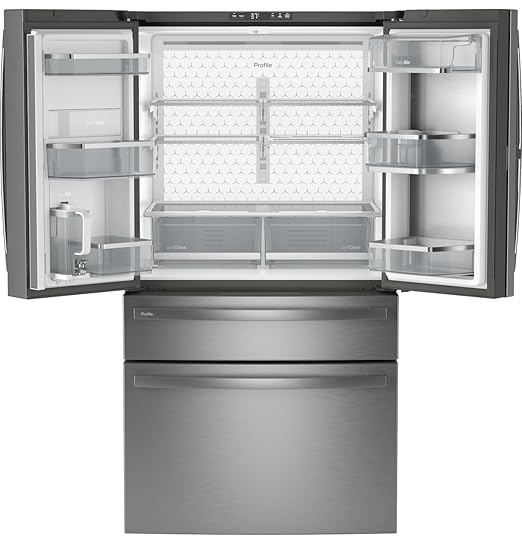
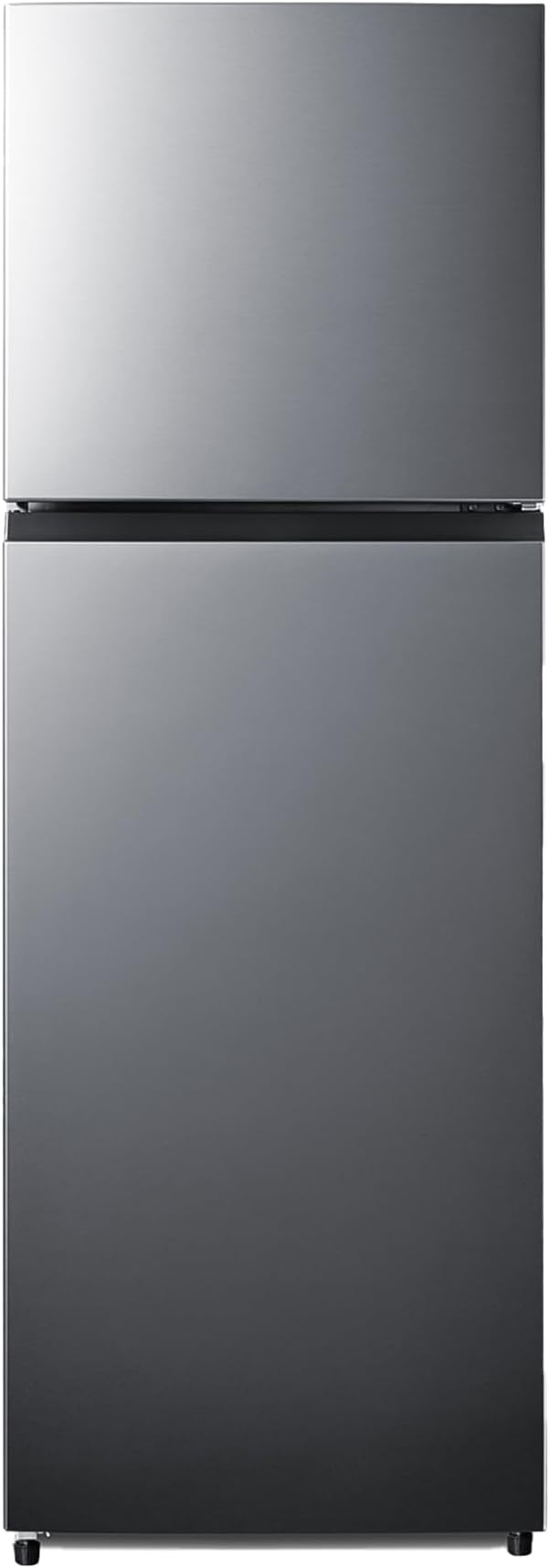
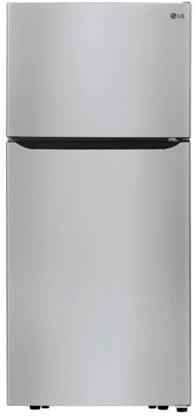
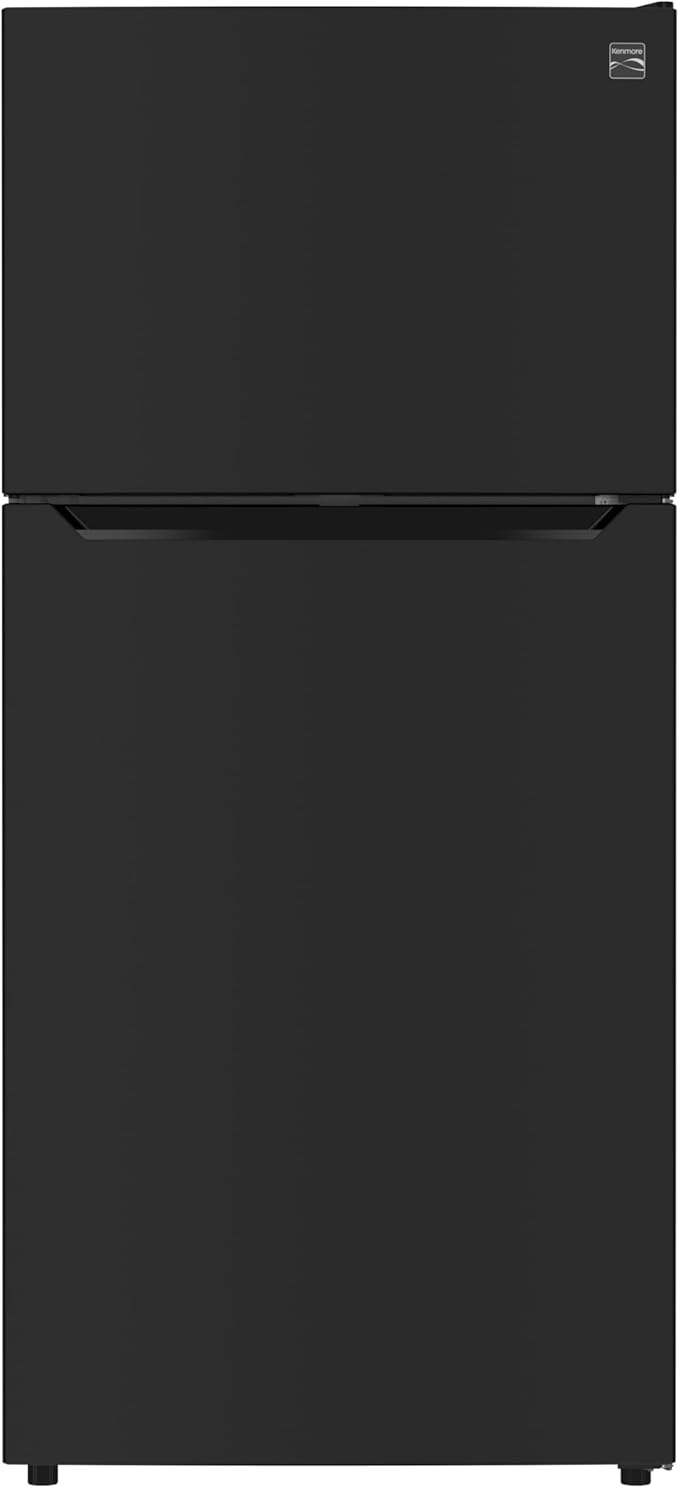
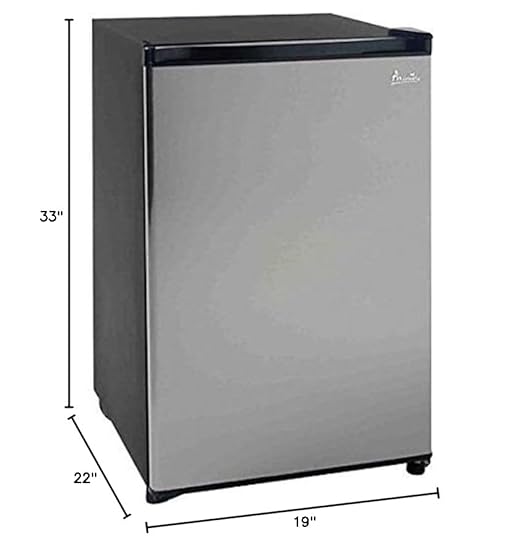
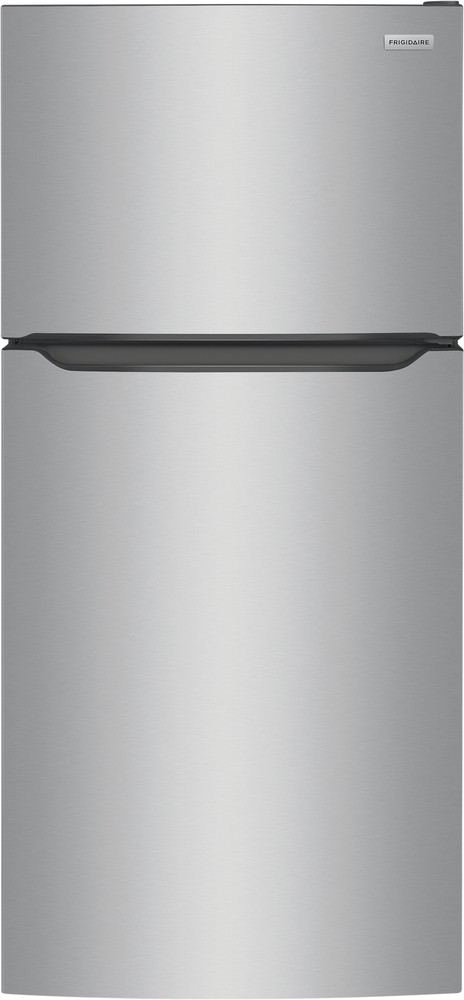
An energy efficient refrigerator and a standard refrigerator may look identical from the outside, but the internal engineering that determines their energy consumption — and your electricity bill — differs meaningfully. An energy efficient model (typically Energy Star certified) uses 15 to 20 percent less electricity than the minimum federal efficiency standard. A standard model meets the minimum but does not exceed it. This comparison breaks down the real-world cost difference, the technology behind the savings, and whether the typically higher purchase price of an efficient model pays back over the fridge's lifespan.
What Energy Efficient Means
In the US market, an energy efficient refrigerator generally means one that has earned the Energy Star label from the EPA. To earn this label, the fridge must use at least 15 percent less energy than the federal minimum efficiency standard set by the Department of Energy. This federal standard already improved dramatically in 2014 when new regulations took effect — so even a non-Energy Star fridge built after 2014 is far more efficient than models from the 2000s.
A standard refrigerator meets the federal minimum but does not exceed it by the Energy Star margin. It is not inefficient — it is baseline efficient. The gap between baseline and Energy Star is 15 to 20 percent of annual energy consumption.
Annual Energy and Cost Comparison
| Configuration | Standard (kWh) | Standard Cost | ES (kWh) | ES Cost | Annual Savings |
|---|---|---|---|---|---|
| Top Freezer (18 cu ft) | 400 - 500 kWh | $52 - $65 | 300 - 420 kWh | $39 - $55 | $10 - $13 |
| Bottom Freezer (22 cu ft) | 480 - 620 kWh | $62 - $81 | 380 - 530 kWh | $49 - $69 | $12 - $13 |
| French Door (25 cu ft) | 560 - 750 kWh | $73 - $98 | 420 - 600 kWh | $55 - $78 | $18 - $20 |
| Side-by-Side (22 cu ft) | 500 - 680 kWh | $65 - $88 | 380 - 550 kWh | $49 - $72 | $16 - $16 |
Energy Star saves $10 to $20 per year depending on the configuration. French door and side-by-side models save more in absolute dollars because they use more total energy — the 15 to 20 percent savings on a larger base number yields a bigger dollar amount.
Lifetime Savings
| Configuration | Lifespan | Lifetime ES Savings |
|---|---|---|
| Top Freezer | 15 years | $150 - $195 |
| Bottom Freezer | 14 years | $168 - $182 |
| French Door | 13 years | $234 - $260 |
| Side-by-Side | 14 years | $224 - $224 |
Over the typical lifespan of the appliance, Energy Star certification saves $150 to $260 in electricity. Whether this pays back the purchase price premium depends on how much more the Energy Star model costs.
Purchase Price Premium
Energy Star refrigerators typically cost $0 to $200 more than non-Energy Star equivalents from the same manufacturer. Many models at mid-range and above include Energy Star as standard — the certification adds no premium because the efficient compressor and insulation are part of the standard build. At the budget end, choosing Energy Star may add $50 to $150 to the purchase price.
For a $100 premium that saves $10 to $20 per year, the payback period is 5 to 10 years — well within the fridge's 13 to 15 year lifespan. For a $200 premium that saves $15 per year, payback takes 13 years — right at the end of lifespan. For models where Energy Star adds no premium (common at mid-range and above), the savings are pure profit from day one.
Technology Behind the Savings
The 15 to 20 percent energy reduction comes from several engineering improvements that Energy Star models include:
Inverter compressors. Variable-speed compressors that adjust output continuously rather than cycling fully on and off. Standard fixed-speed compressors waste energy during the ramp-up phase of each cycle and overshoot the target temperature before shutting off. Inverter compressors maintain temperature more precisely with less energy waste.
High-efficiency insulation. Denser polyurethane foam with higher R-values per inch. Some ES models use vacuum-insulated panels in critical areas. Better insulation means less heat infiltration and less compressor work.
Smart defrost. Defrost cycles that activate based on frost detection sensors rather than a fixed timer. Standard models defrost on a schedule regardless of whether frost has accumulated. Smart defrost reduces unnecessary heater activation by 30 to 50 percent.
LED lighting. LEDs generate 80 percent less heat than incandescent bulbs. Less internal heat means less cooling work for the compressor. This seems minor but operates every time the door opens, thousands of times per year.
Improved door seals. Magnetic gaskets with tighter closures reduce cold air leakage. Standard gaskets may leave micro-gaps that increase air exchange. Better seals mean fewer BTUs lost per hour.
Environmental Impact
Beyond personal savings, Energy Star refrigerators reduce national energy demand. If every US household replaced a non-ES fridge with an ES model, the annual electricity savings would equal the output of multiple power plants. The EPA estimates that Energy Star appliances collectively save Americans $40 billion per year in energy costs and prevent 250 million metric tons of greenhouse gas emissions.
For environmentally conscious buyers, the Energy Star choice aligns personal savings with collective impact.
When to Choose Standard Over Energy Star
The only scenario where a standard refrigerator makes financial sense over Energy Star is when the purchase price premium exceeds the lifetime energy savings — for example, a $300 premium on a top-freezer model that saves only $10 per year ($150 over 15 years). This situation is increasingly rare as Energy Star becomes the default at mid-range and above.
At the budget end (sub-$600 refrigerators), some non-Energy Star models offer the lowest purchase price for households on tight appliance budgets. The $50 to $150 upfront savings may matter more than the $10 to $13 annual energy savings for buyers who prioritize immediate cost.
Noise Comparison
Energy Star refrigerators with inverter compressors tend to run quieter — 36 to 40 decibels versus 38 to 44 for standard fixed-speed models. The inverter's variable-speed operation produces a smoother, less intrusive sound than the on/off cycling of a fixed-speed compressor. If noise matters (open-concept kitchens, nearby bedrooms), the ES model often has an acoustic advantage beyond energy savings.
Who Should Choose Which
Choose an Energy Star efficient refrigerator if you plan to keep the fridge for 5+ years, if the ES model costs $200 or less more than the standard equivalent, or if environmental impact matters to your purchase decision. The savings pay back the premium in most scenarios, and the quieter operation is a bonus.
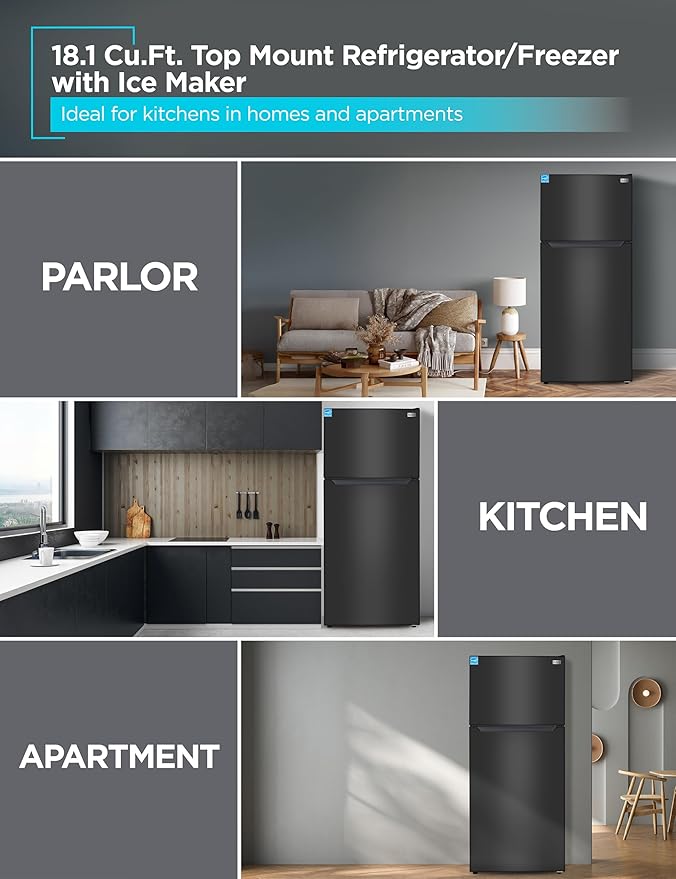
Choose a standard refrigerator only if the tightest possible upfront budget is the overriding priority and the ES premium exceeds $200 for a small fridge with modest annual savings. In all other cases, Energy Star is the smarter long-term investment.
Shop at Fridge.com
Compare energy efficient refrigerators and standard refrigerators at Fridge.com. Filter by Energy Star certification, annual kWh, configuration, and price to find the most efficient fridge at the right budget for your kitchen.