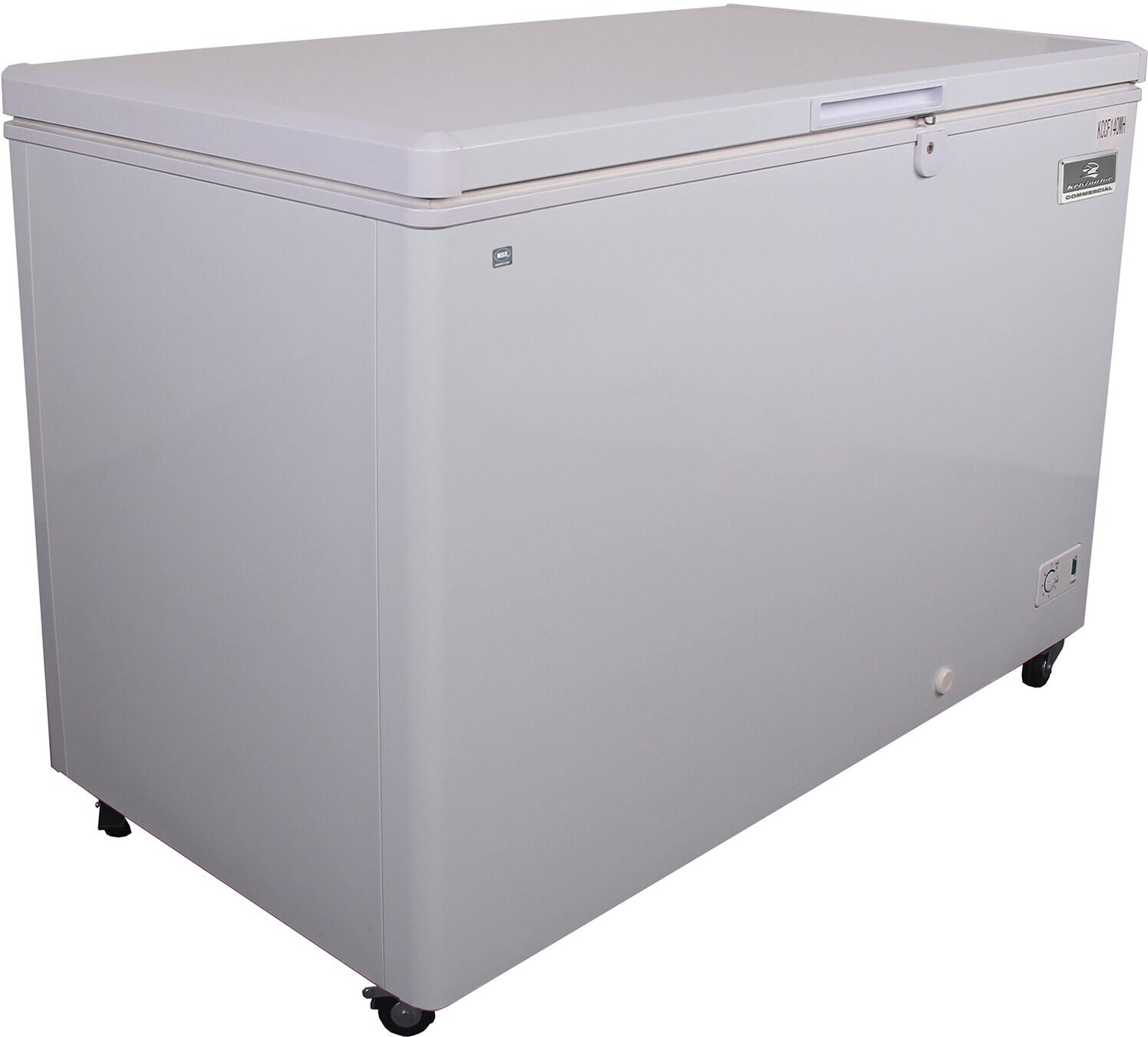
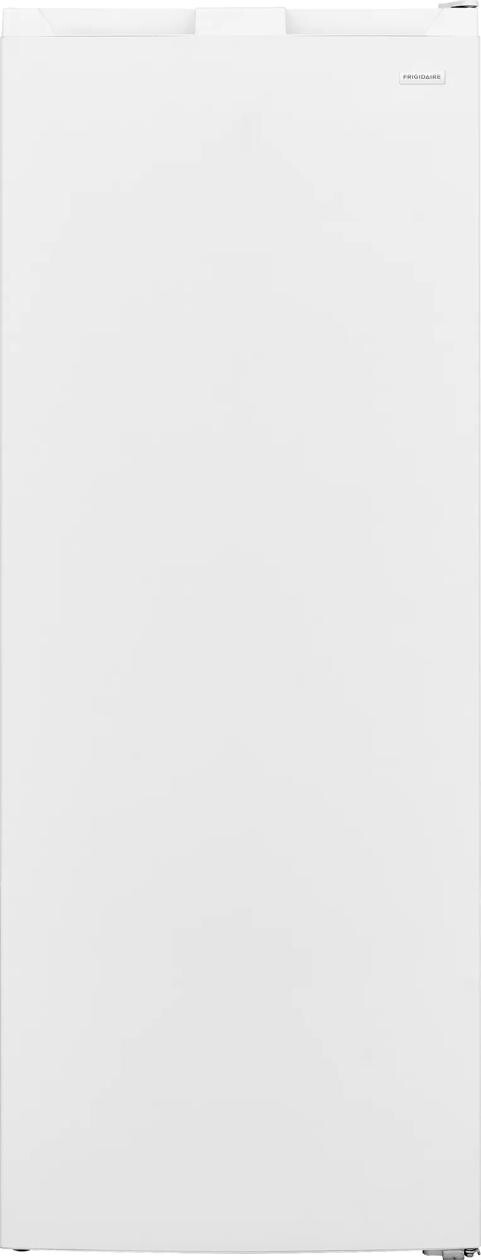
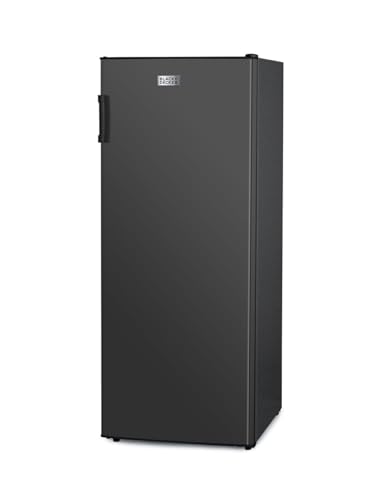
A 5 door refrigerator and an ice cream freezer occupy opposite ends of the kitchen appliance energy spectrum. The 5 door fridge is the most feature-packed, highest-capacity consumer refrigerator available — and one of the highest energy consumers. An ice cream freezer is a compact specialty unit that can be surprisingly energy-hungry relative to its small size. This guide breaks down the energy costs of both, explains why each uses the power it does, and helps you understand what you are paying to run each appliance.
Annual Energy Consumption
| Appliance | Annual kWh | Annual Cost | Monthly Cost | Daily Cost |
|---|---|---|---|---|
| 5 Door Refrigerator (28 cu ft) | 550 - 780 kWh | $70 - $100 | $5.80 - $8.30 | $0.19 - $0.27 |
| 5 Door Refrigerator (Energy Star) | 450 - 650 kWh | $55 - $85 | $4.60 - $7.10 | $0.15 - $0.23 |
| Ice Cream Freezer (countertop, 2 cu ft) | 250 - 450 kWh | $32 - $55 | $2.60 - $4.60 | $0.09 - $0.15 |
| Ice Cream Dipping Cabinet (8-tub) | 600 - 1,200 kWh | $75 - $150 | $6.25 - $12.50 | $0.21 - $0.41 |
The surprising finding: a commercial ice cream dipping cabinet can use more energy than a 5 door refrigerator that holds 10 to 15 times more food. An 8-tub dipping cabinet at 1,200 kWh annually exceeds even the most power-hungry 5 door fridge. The open-top display design is inherently energy-intensive — cold air escapes continuously through the exposed surface.
Why 5 Door Refrigerators Use Energy
A 5 door refrigerator manages multiple cooling zones simultaneously. The main fridge section (35-38°F), the flex drawer (adjustable 28-42°F), the deli drawer, and the freezer section (0°F) each require cooling capacity. Multi-evaporator or triple-evaporator systems run independent cooling circuits for different zones, which improves temperature precision but increases total energy draw.
Additional energy consumers in a 5 door model include the ice maker (50-100 watts during harvest cycles), the water dispenser (standby and active power), the touchscreen display (30-60 watts when active on smart models), interior LED lighting across all 5 compartments, door alarm systems, and Wi-Fi connectivity for smart features. Each component adds modest but cumulative energy demand.
The compressor is the primary consumer — responsible for 80 to 90 percent of total energy use. Variable-speed inverter compressors in premium 5 door models adjust output based on demand, reducing energy waste compared to fixed-speed compressors that cycle fully on and fully off.
Why Ice Cream Freezers Use Energy
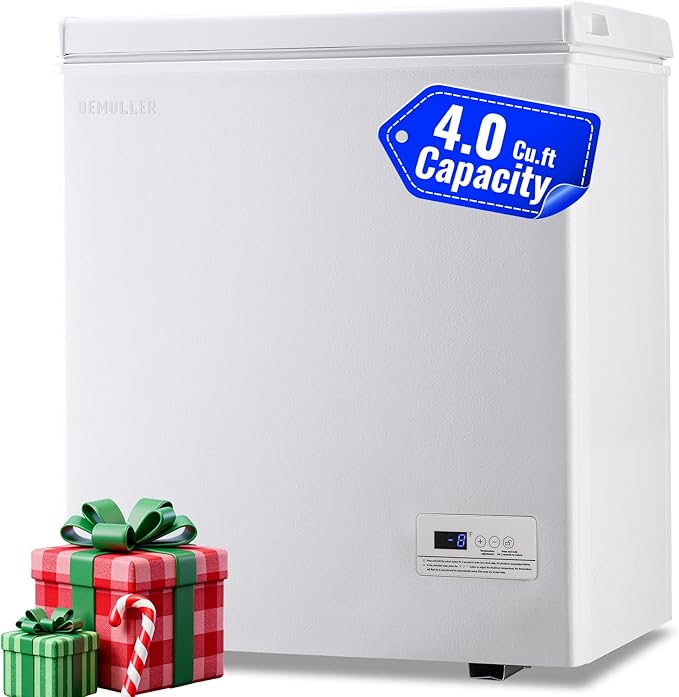
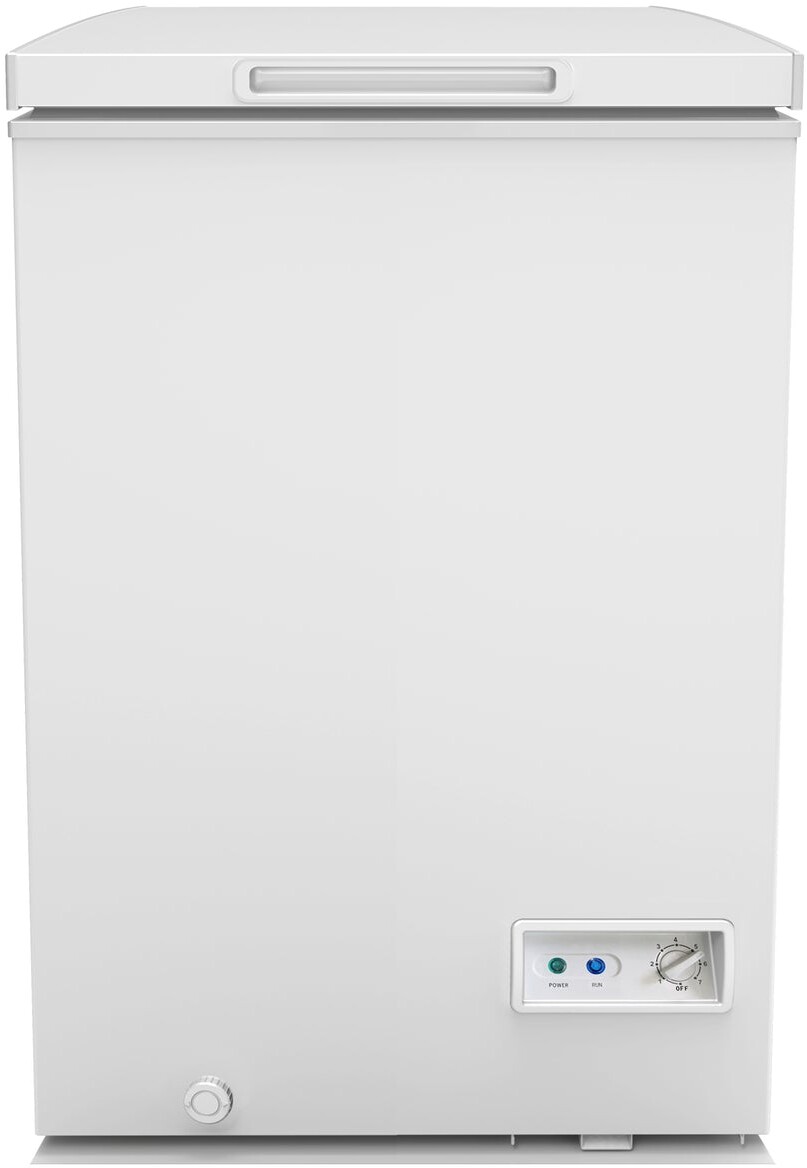
A countertop ice cream freezer maintains 5 to 10°F in a compact sealed cabinet. The energy use is moderate — 250 to 450 kWh per year — because the sealed design retains cold effectively. The compact compressor handles the modest thermal load without excessive cycling.
A commercial dipping cabinet uses dramatically more energy because of its display design. The open top or glass top exposes a large surface area to warm room air. Cold air continuously rises out of the cabinet and is replaced by warm room air sinking in from the edges. The compressor runs 60 to 80 percent of the time to compensate for this constant thermal load. In a warm room (78°F+), the compressor may run nearly continuously. The display appeal that makes a dipping cabinet attractive to customers is the same feature that drives its energy costs to levels exceeding full-size kitchen refrigerators.
Energy Cost Per Cubic Foot
| Appliance | Capacity | Annual Cost | Cost Per Cu Ft Per Year |
|---|---|---|---|
| 5 Door Refrigerator | 28 cu ft | $70 - $100 | $2.50 - $3.60 |
| Ice Cream Freezer (countertop) | 2 cu ft | $32 - $55 | $16 - $27.50 |
| Ice Cream Dipping Cabinet | 6 cu ft | $75 - $150 | $12.50 - $25 |
Per cubic foot, the 5 door refrigerator is dramatically more energy efficient — $2.50 to $3.60 per cubic foot per year versus $12 to $27 for ice cream freezers. The full-size fridge's heavy insulation, sealed doors, and larger compressor operate at far better efficiency ratios than the compact or open-top ice cream units.
10-Year Energy Cost
| Appliance | 10-Year Energy Cost |
|---|---|
| 5 Door Refrigerator | $700 - $1,000 |
| 5 Door Refrigerator (Energy Star) | $550 - $850 |
| Ice Cream Freezer (countertop) | $320 - $550 |
| Ice Cream Dipping Cabinet | $750 - $1,500 |
Over 10 years, a dipping cabinet's energy cost ($750-$1,500) can approach or exceed its purchase price. A 5 door fridge's 10-year energy cost ($550-$1,000) is a fraction of its $2,500 to $6,000 purchase price. The dipping cabinet is the more expensive appliance to own per unit of useful storage when energy costs are factored in.
Reducing Energy Costs
For a 5 door refrigerator: choose an Energy Star certified model (15-20% more efficient). Keep coils clean. Set temperatures to manufacturer recommendations rather than colder. Keep the fridge full — thermal mass stabilizes temperature and reduces compressor cycling. Minimize door openings. Replace the water filter on schedule — a clogged filter forces the dispenser motor to work harder.
For an ice cream freezer: choose a sealed-cabinet model over an open-top dipping cabinet. Place the unit in a cool room rather than a warm kitchen. Use a timer or smart plug to shut off the unit during hours when ice cream is not being served (if the thermal mass holds temperature adequately). Keep the glass clean on display models — dirty glass absorbs more heat. Cover open-top models with an insulated lid when not actively serving.
Energy Star and Efficiency Ratings
5 door refrigerators are available with Energy Star certification — look for the label to ensure the model meets federal efficiency standards. Energy Star 5 door models use 15 to 20 percent less energy than non-certified equivalents.
Ice cream freezers — especially commercial dipping cabinets — are less commonly Energy Star certified because the open-top design inherently conflicts with energy efficiency targets. Some commercial units carry ENERGY STAR for Commercial Food Service certification, but the standards are less stringent than residential appliance ratings. Check the Energy Guide label on any ice cream freezer for the specific annual kWh estimate.
Electricity Rate Impact
All cost estimates above assume the national average electricity rate of approximately $0.13 per kWh. Your actual costs vary with your local rate. In Hawaii ($0.33/kWh), a dipping cabinet at 1,000 kWh costs $330 per year. In Louisiana ($0.09/kWh), the same unit costs $90 per year. Multiply the kWh figure by your local rate for accurate cost projection.
Who Should Care About This Comparison
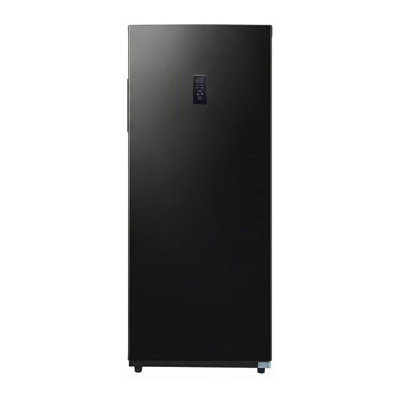
If you are considering a 5 door refrigerator, the energy cost is a standard part of owning a full-size kitchen fridge — $55 to $100 per year is in line with any premium refrigerator. The efficiency is excellent per cubic foot of storage.
If you are considering an ice cream freezer — especially a dipping cabinet — the energy cost deserves careful attention. A $1,500 dipping cabinet that costs $150 per year to run will spend $1,500 in energy over 10 years — doubling the total cost of ownership. Factor energy into the purchase decision and choose the most efficient model that meets your needs.

Shop Energy-Efficient Models at Fridge.com
Compare 5 door refrigerators and ice cream freezers at Fridge.com. Filter by Energy Star certification, annual kWh, and price to find the most efficient appliance for your kitchen.