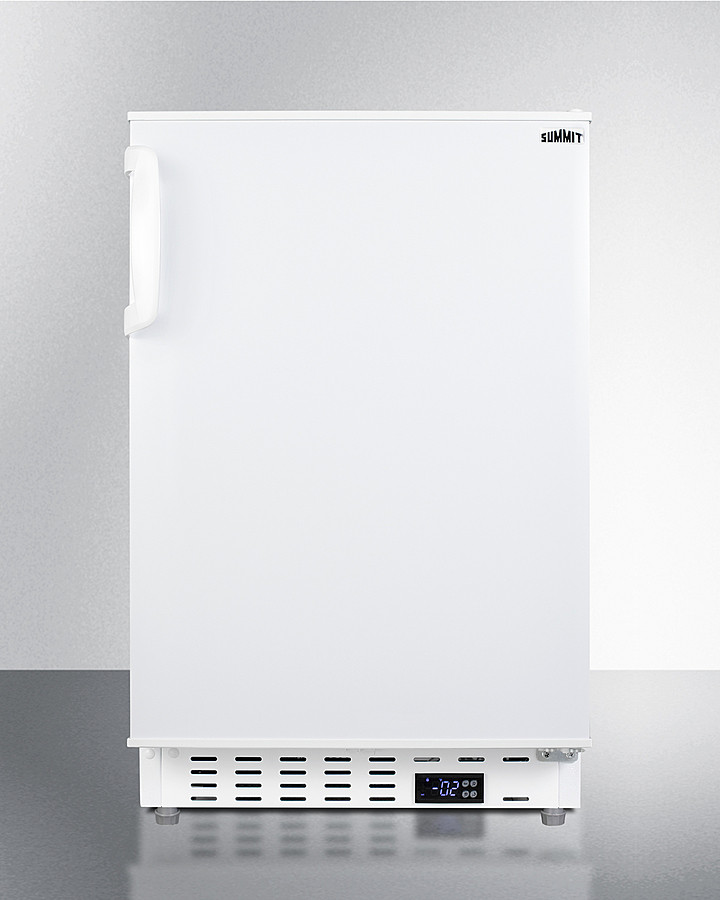
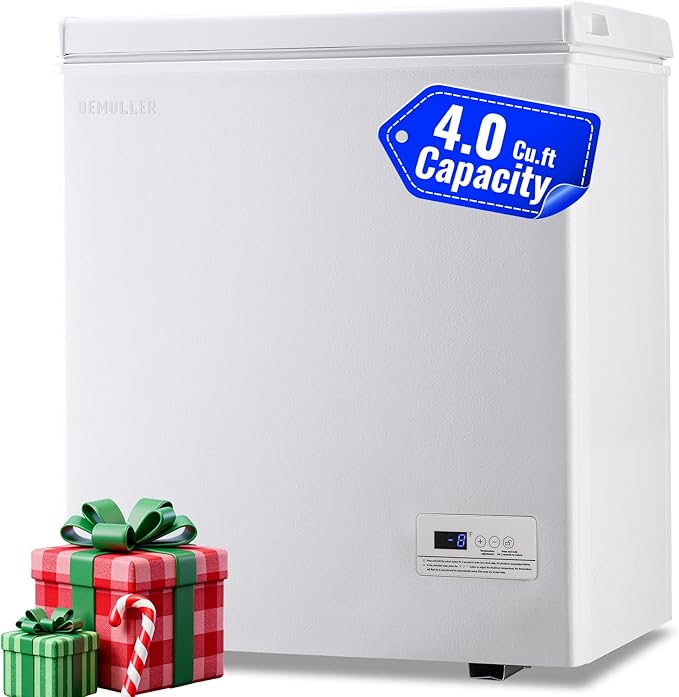
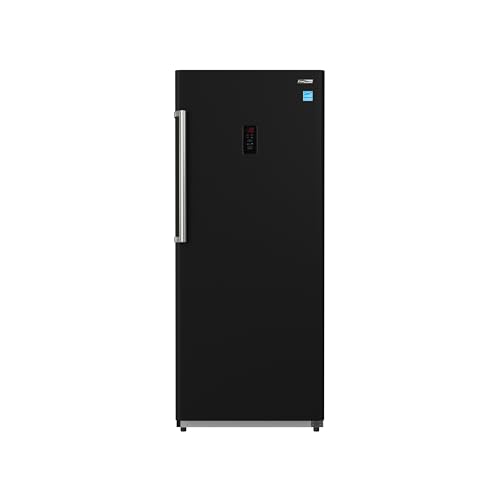
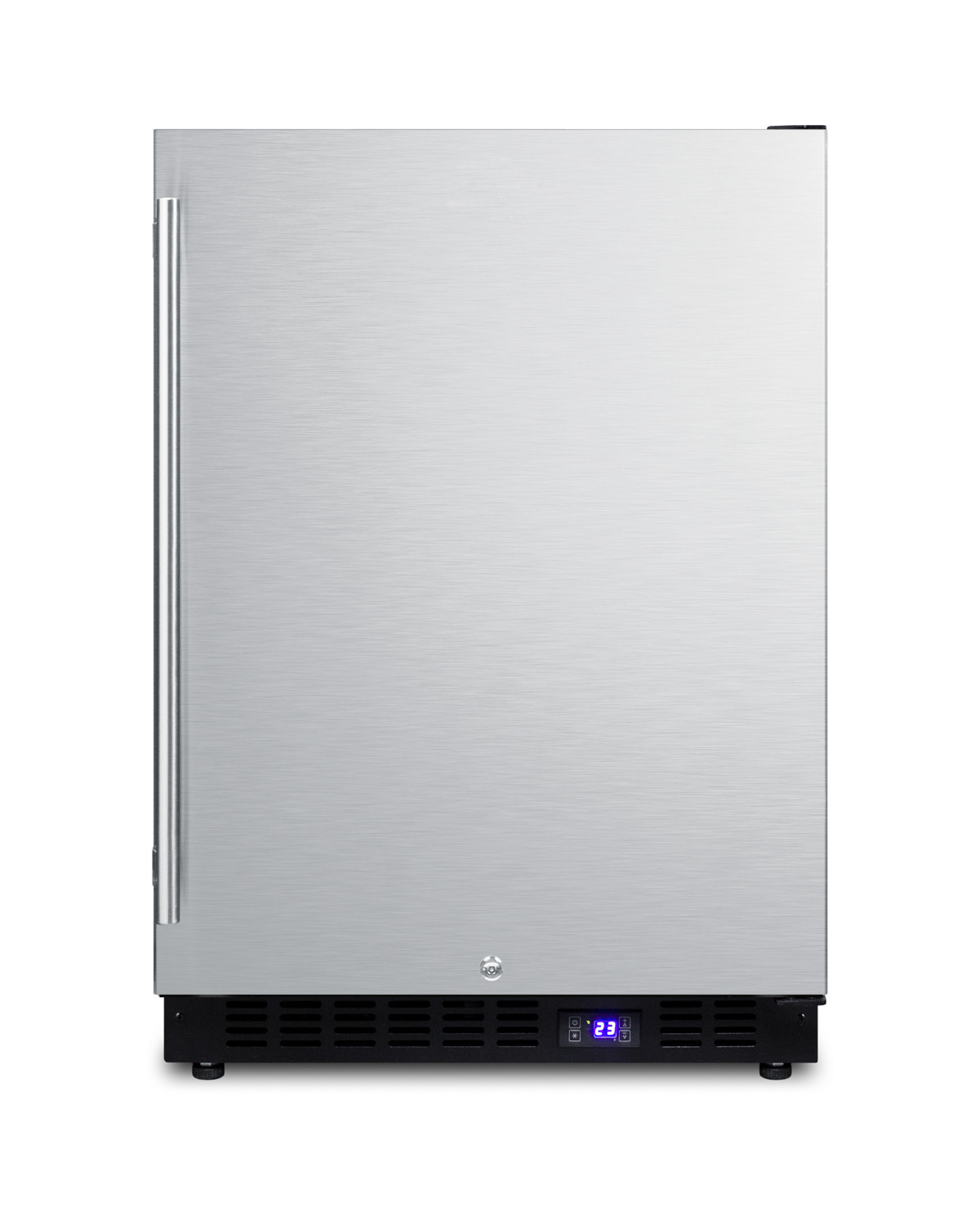
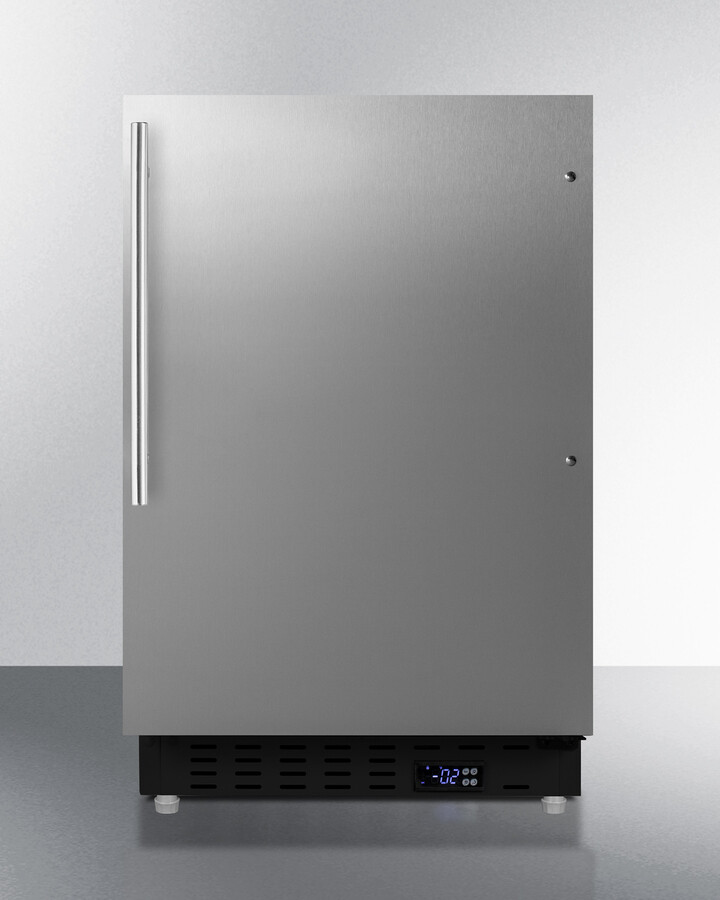
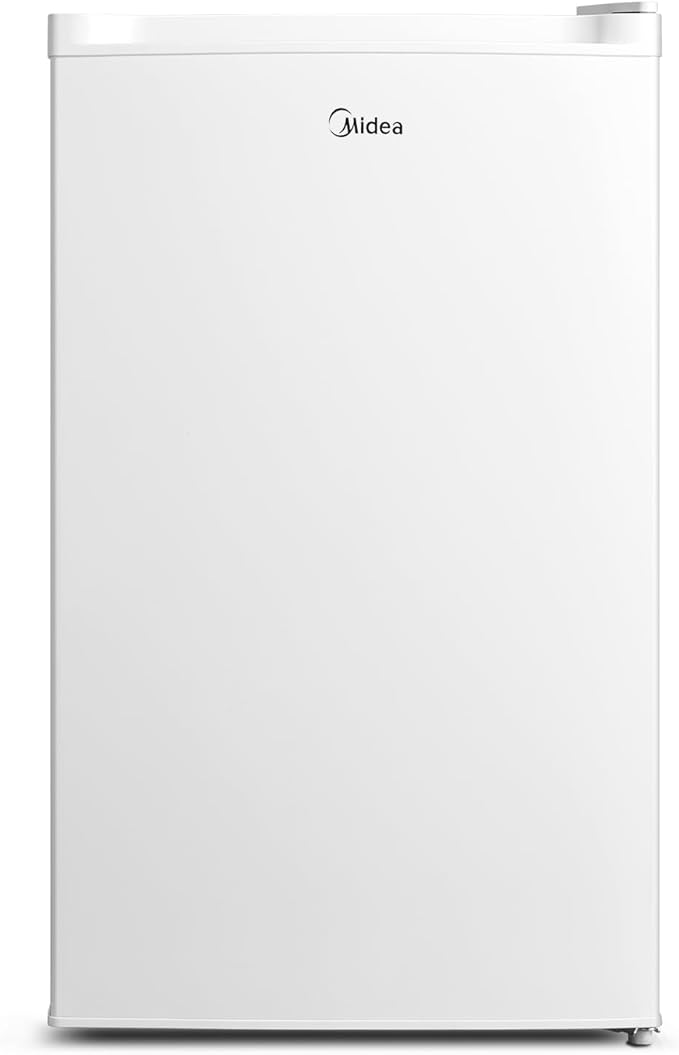
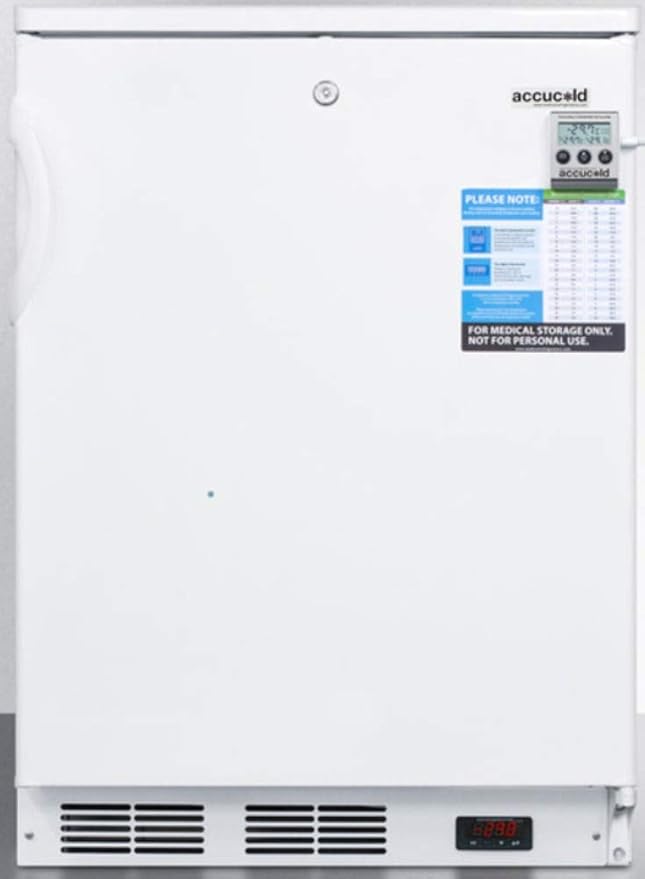
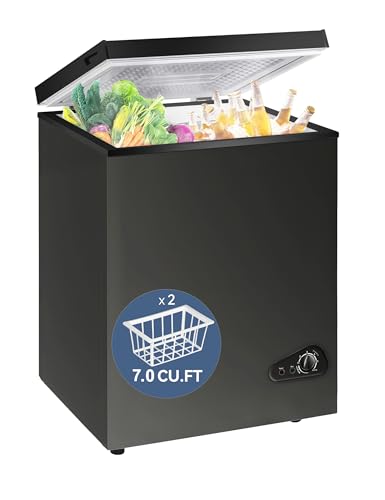
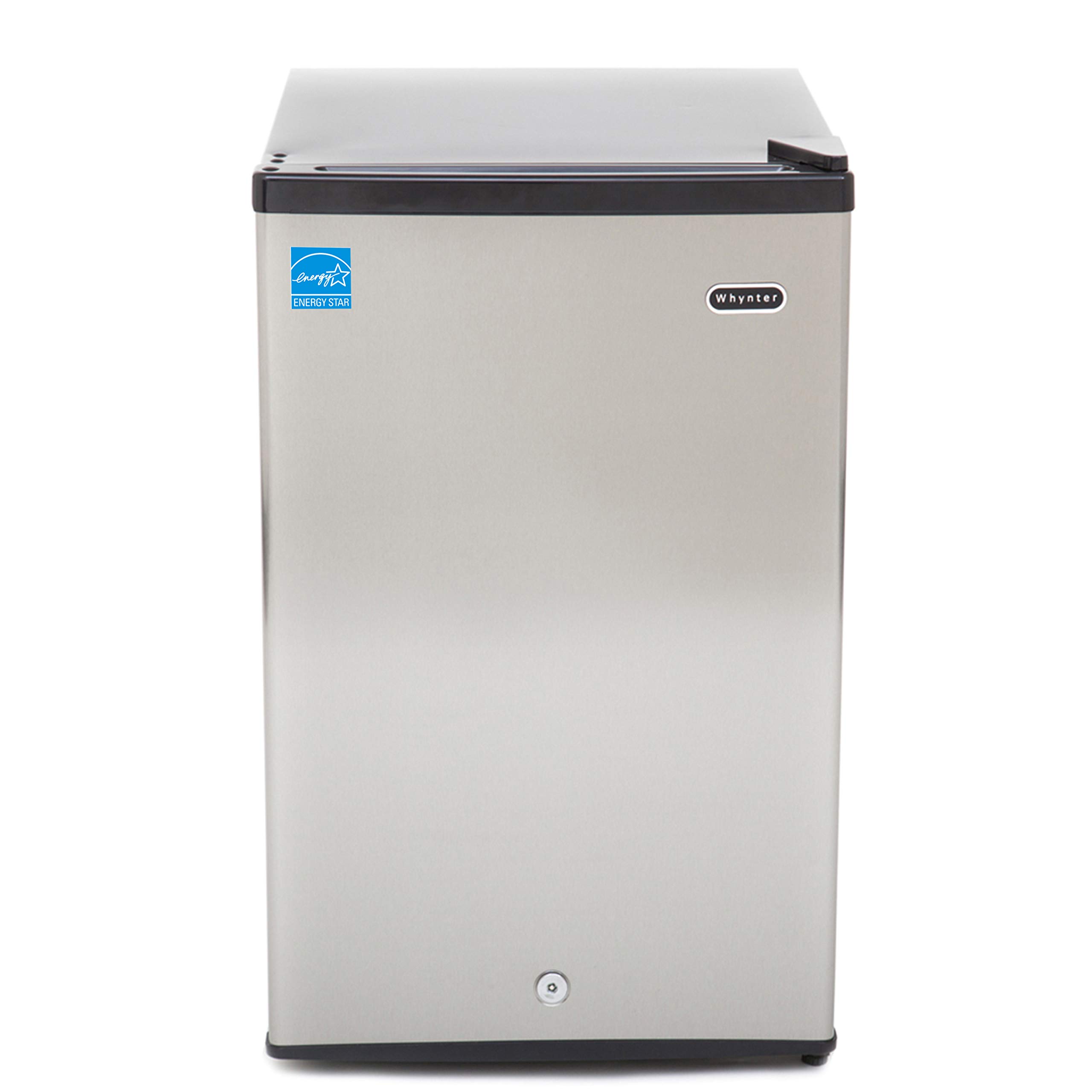
A dry age fridge and an ice cream freezer are two of the most specialized appliances in residential food storage. The dry age fridge maintains precise temperature, humidity, and airflow conditions that transform raw beef into intensely flavored dry-aged steaks over 21 to 45 days. The ice cream freezer maintains the warmer frozen temperature where ice cream stays perfectly scoopable. Both are single-purpose appliances that serve passionate food enthusiasts. Neither substitutes for the other or for a standard kitchen refrigerator.
Temperature and Environment
| Feature | Dry Age Fridge | Ice Cream Freezer (serving) |
|---|---|---|
| Temperature | 34 - 38°F | 5 - 10°F |
| Humidity | 75 - 85% (critical) | Not controlled |
| Airflow | Controlled circulation (critical) | Standard |
| UV Sterilization | Some models include UV | None |
| Odor Management | Charcoal filtration | None |
A dry age fridge controls three environmental variables simultaneously — temperature, humidity, and airflow. These conditions allow the enzymatic breakdown and moisture evaporation that concentrate beef flavor while preventing bacterial spoilage. The humidity window (75-85%) is the most critical parameter — too low and the meat dries into jerky, too high and mold proliferates out of control. Beneficial mold growth is actually part of the process, but it must be the right kind in the right amount.
An ice cream freezer controls temperature only. The 5 to 10°F serving range is the narrow window where ice cream is cold enough to hold its shape but warm enough for a standard scoop to glide through. No humidity or airflow management is needed — ice cream is sealed in containers.
How Dry Aging Works
A primal cut of beef (typically a bone-in ribeye, strip loin, or short loin weighing 10 to 30 pounds) sits on a rack inside the dry age fridge for 21 to 45 days. During this period, three things happen. Moisture evaporates from the surface, concentrating beefy flavor compounds in the remaining meat — the steak loses 15 to 25 percent of its weight in water. Natural enzymes break down connective tissue and muscle fibers, making the meat more tender. A crust of dried meat and beneficial mold forms on the exterior, which is trimmed away before cooking, revealing the aged interior.
The result is steak with a depth of flavor — nutty, funky, intensely beefy — that fresh-cut meat cannot match. Dry-aged ribeye at a steakhouse commands $80 to $150 per portion. Aging at home with a dedicated fridge costs a fraction of restaurant prices over time.
How Ice Cream Freezers Work
An ice cream serving freezer (dipping cabinet) maintains 5 to 10°F uniformly across its storage wells or compartments. At this temperature, ice cream yields to a standard scoop with moderate pressure. The texture is creamy and the flavor is fully expressed — warmer than the rock-hard 0°F state in a standard freezer, where ice cream is nearly impossible to scoop without a heated utensil or a 15-minute counter wait.
Capacity
| Type | Capacity | What It Holds |
|---|---|---|
| Dry Age Fridge | 1.5 - 10 cu ft | 1 - 4 primal cuts (20 - 100 lbs of beef) |
| Ice Cream Freezer (countertop) | 0.5 - 2 cu ft | 4 - 12 tubs or 10 - 30 pints |
| Ice Cream Freezer (dipping cabinet) | 3 - 10 cu ft | 4 - 12 three-gallon tubs |
Who Uses Each
Dry age fridge buyers are serious meat enthusiasts — home cooks who buy whole primal cuts from butchers or farms, steak connoisseurs who appreciate the flavor transformation of 30+ day aging, and barbecue competitors who age briskets for depth and tenderness. The appliance pays for itself when the user regularly consumes dry-aged beef that would otherwise cost $40 to $80 per pound at a butcher or $80 to $150 per plate at a restaurant.
Ice cream freezer buyers are dessert enthusiasts — homemade ice cream makers who want to serve their creations at perfect texture, hosts who set up ice cream bars at parties, families that consume enough ice cream to justify a dedicated unit, and small home dessert businesses. The appliance serves a lifestyle centered on frozen desserts.
Energy Use
| Type | Annual kWh | Annual Cost |
|---|---|---|
| Dry Age Fridge (3 cu ft) | 200 - 400 kWh | $25 - $50 |
| Ice Cream Freezer (countertop) | 250 - 450 kWh | $32 - $55 |
| Ice Cream Dipping Cabinet | 500 - 1,200 kWh | $65 - $150 |
Dry age fridges are relatively efficient because they cool to a moderate temperature (34-38°F) in a sealed cabinet. Ice cream dipping cabinets are energy-intensive because the open or glass-top design loses cold air constantly despite cooling to a warmer temperature than a standard freezer.
Pricing
| Type | Budget | Mid-Range | Premium |
|---|---|---|---|
| Dry Age Fridge | $500 - $1,200 | $1,200 - $3,000 | $3,000 - $8,000 |
| Ice Cream Freezer (countertop) | $200 - $500 | $500 - $1,000 | $1,000 - $2,500 |
| Ice Cream Dipping Cabinet | $800 - $1,500 | $1,500 - $3,000 | $3,000 - $6,000 |
Both appliance categories range from accessible entry-level units to professional-grade investments. Budget dry age fridges provide basic temperature and humidity control for beginners. Premium models from Steak Locker, Dry Ager, and similar brands offer precision controls, UV sterilization, app monitoring, and professional-grade construction.
Maintenance
Dry age fridges require regular cleaning between aging sessions, humidity system maintenance (water tray refills or humidifier cartridge replacement), charcoal filter changes, and periodic mold management. The aging process creates biological byproducts that need attention. Maintenance is hands-on and frequent — similar to managing a fermentation project.
Ice cream freezers require basic cleaning — wipe down surfaces and glass, defrost when ice builds up, and maintain gaskets. Commercial dipping cabinets need more frequent cleaning due to ice cream drips and spills. Maintenance is straightforward and less involved than a dry age fridge.
Can You Own Both?
Absolutely. A food enthusiast who dry-ages their own steaks and makes homemade ice cream is exactly the type of person who builds a kitchen around passion. The dry age fridge in the basement or utility room ages next month's ribeyes. The ice cream freezer in the kitchen serves tonight's dessert. These appliances occupy different physical spaces and serve different meals — they complement each other perfectly for the serious home cook.
Who Should Buy Which
Buy a dry age fridge if you are passionate about premium steak, buy whole primal cuts, and want to age beef at home for a fraction of steakhouse prices. The flavor transformation is worth the investment for dedicated meat enthusiasts.
Buy an ice cream freezer if you make homemade ice cream, host dessert-focused gatherings, or want perfect scoopable texture without the 15-minute counter wait. The serving temperature difference transforms the ice cream experience.
Shop at Fridge.com
Compare dry age fridges and ice cream freezers at Fridge.com. Filter by capacity, features, and price to find the specialty appliance that serves your culinary passion.