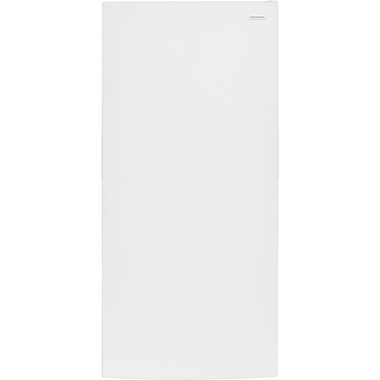
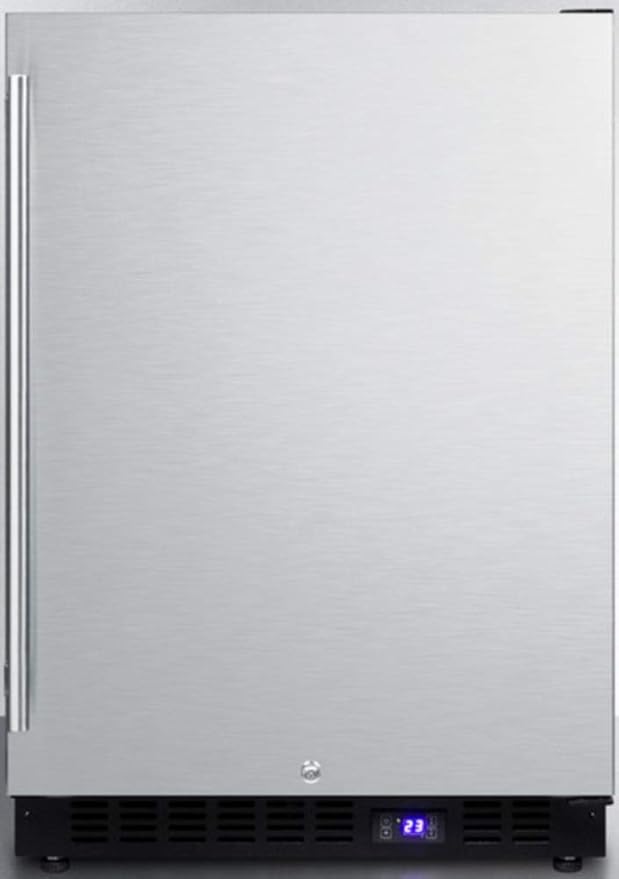
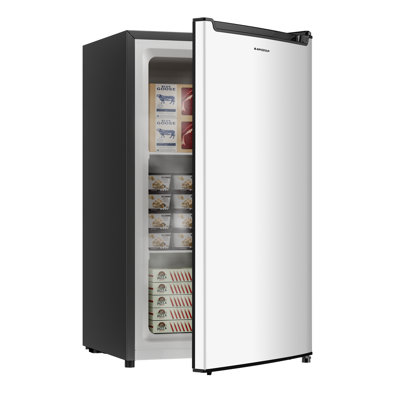
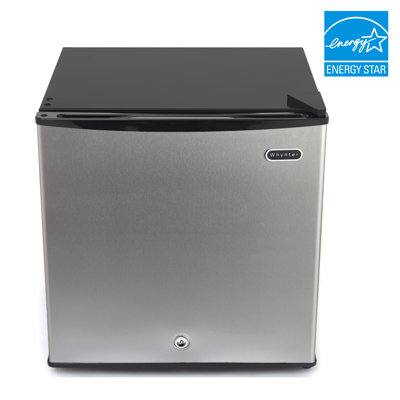
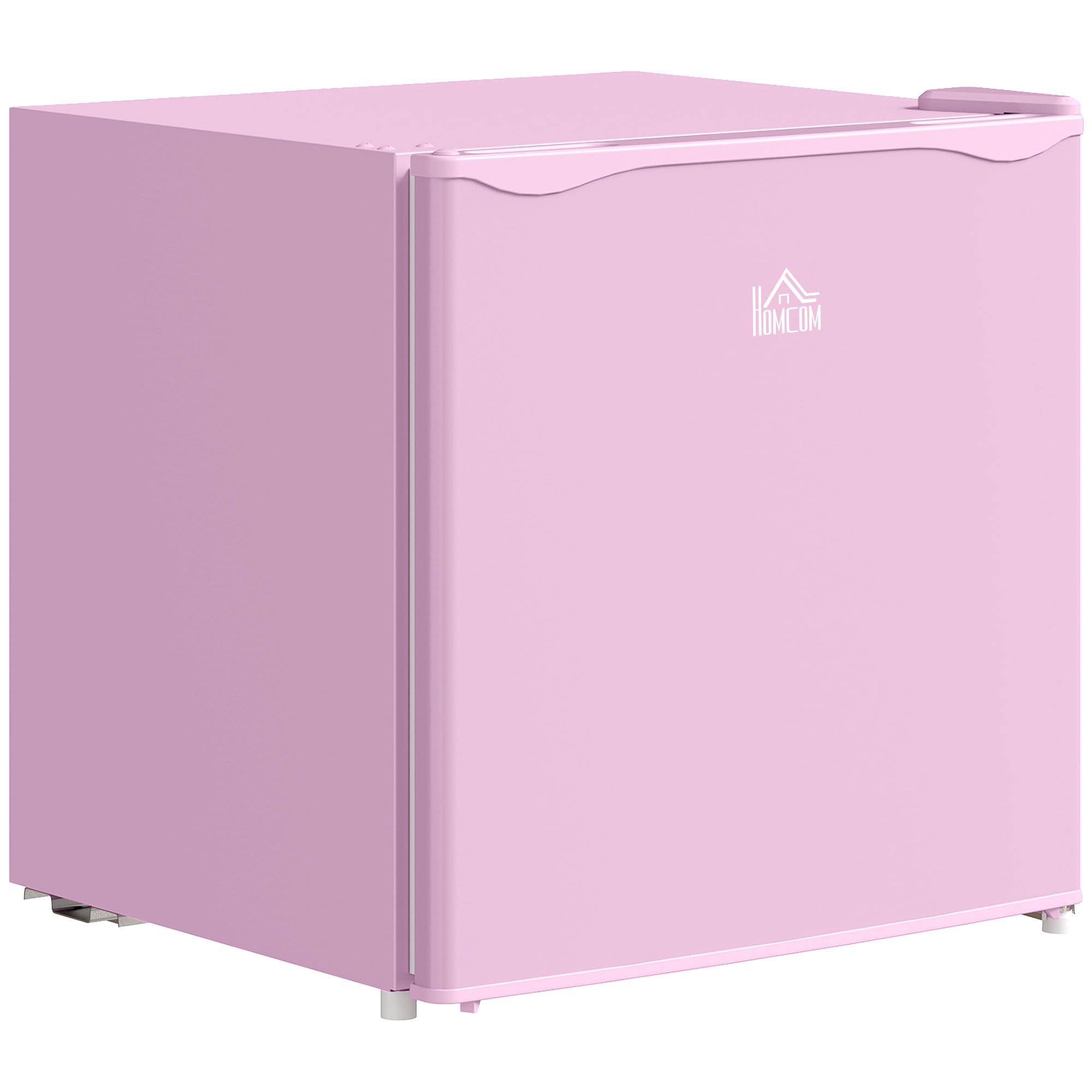
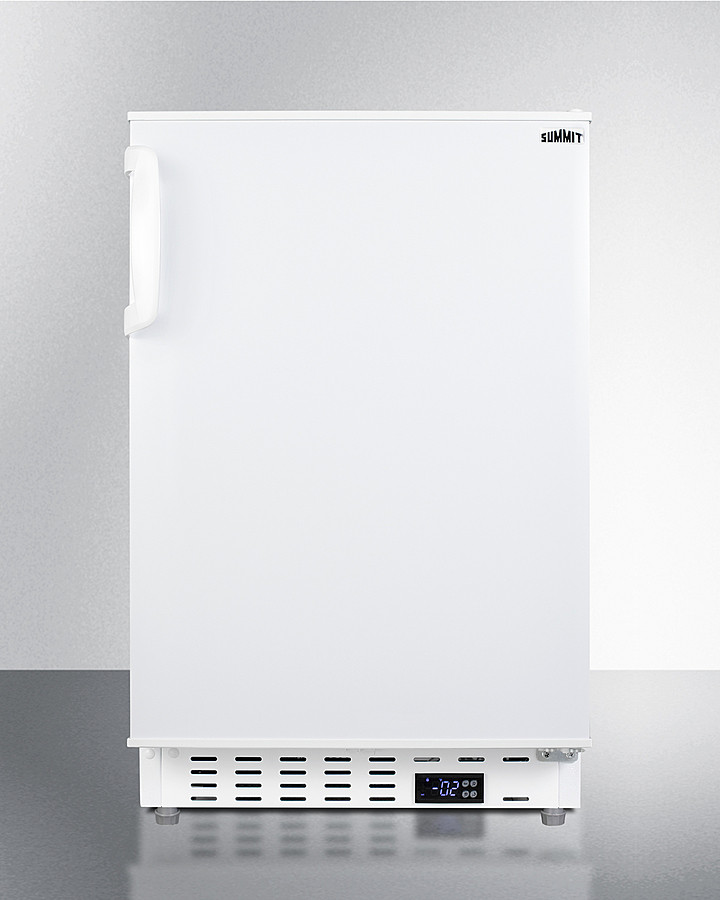
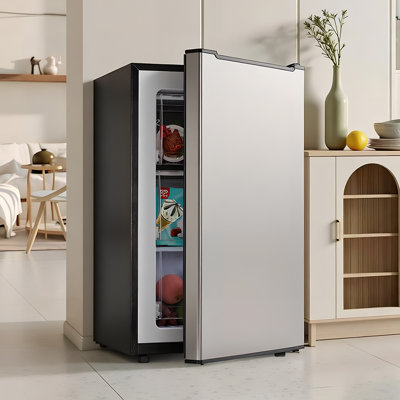
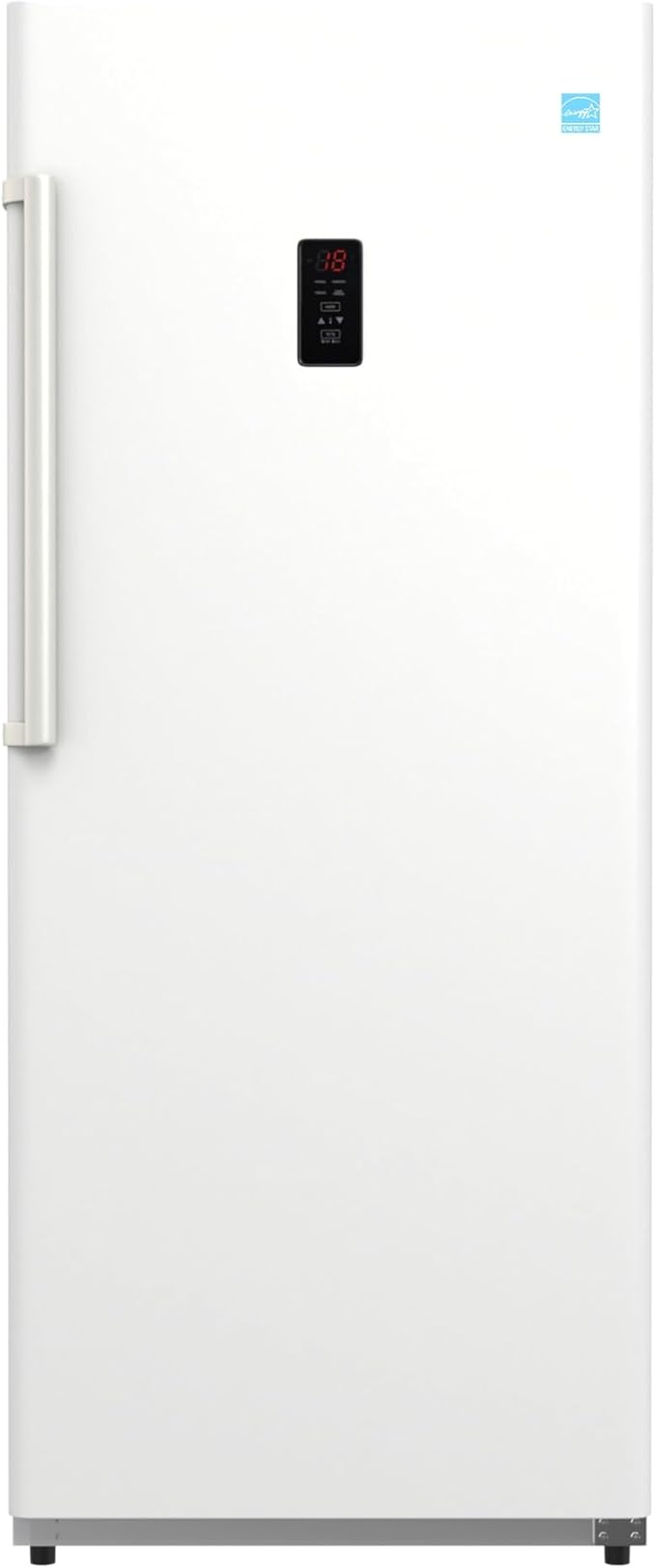
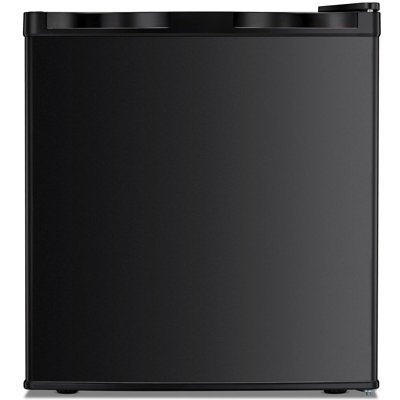
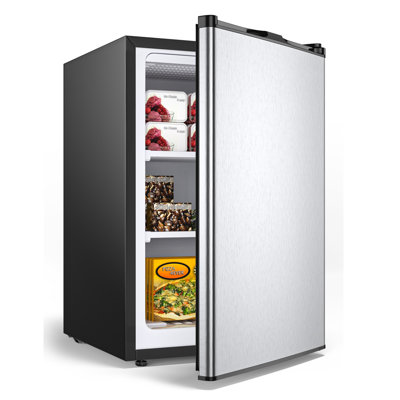
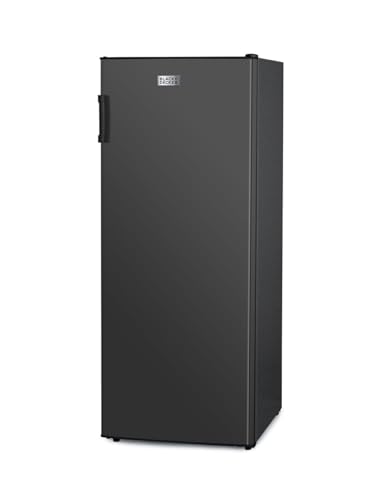
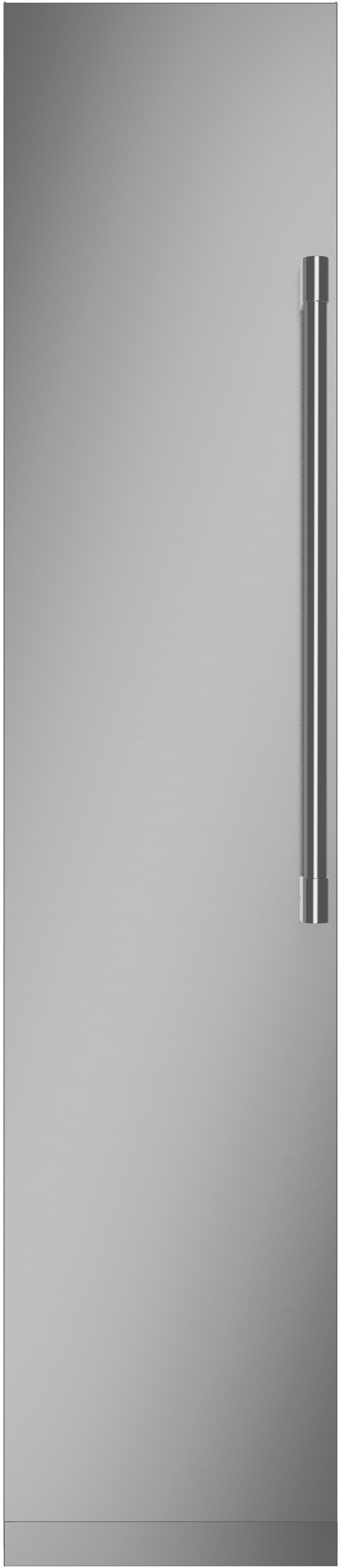
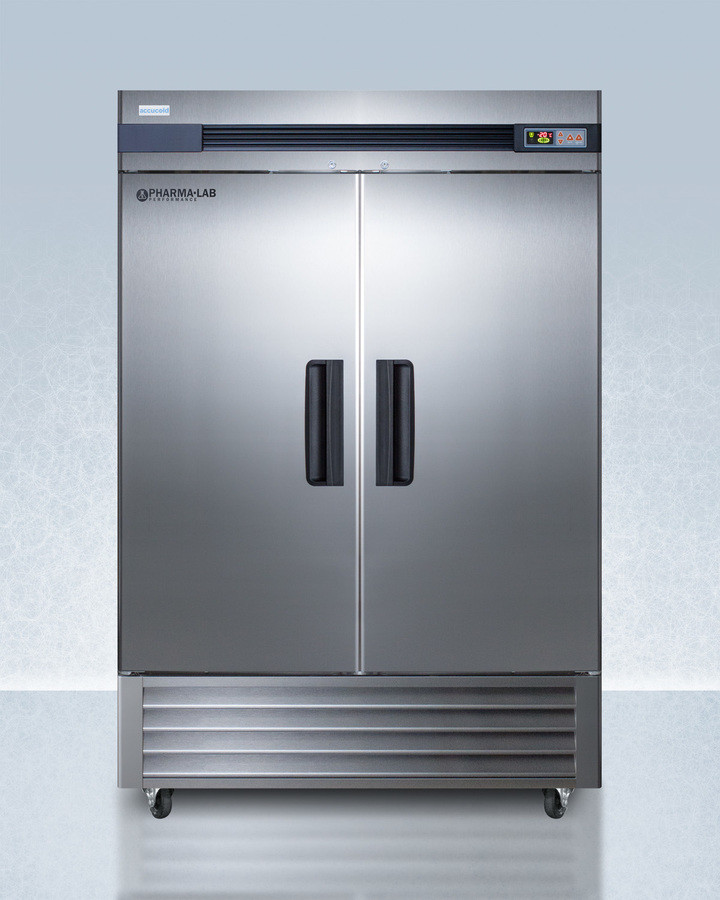
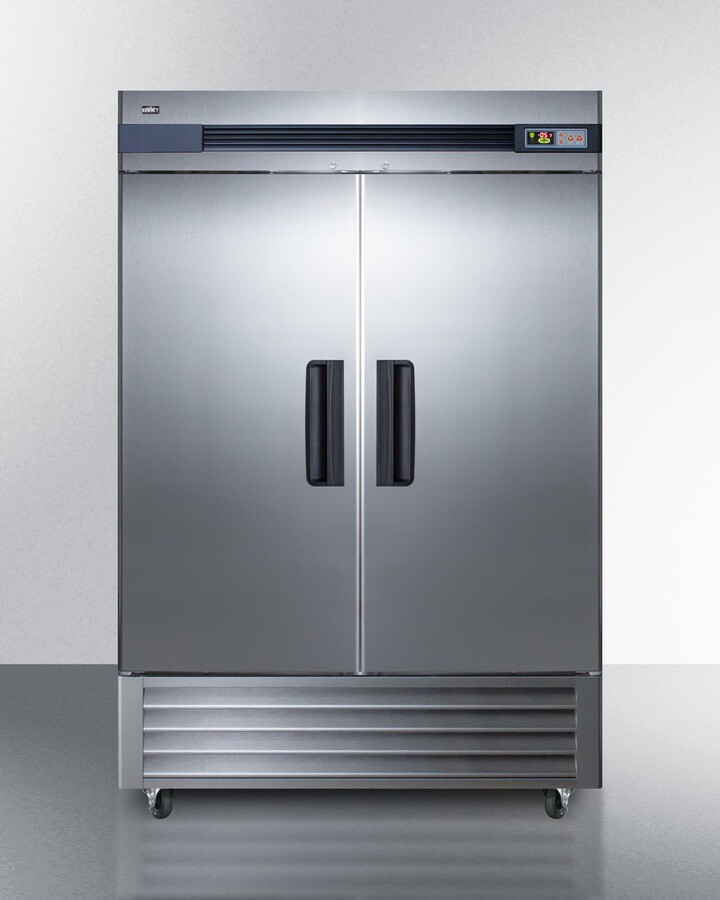
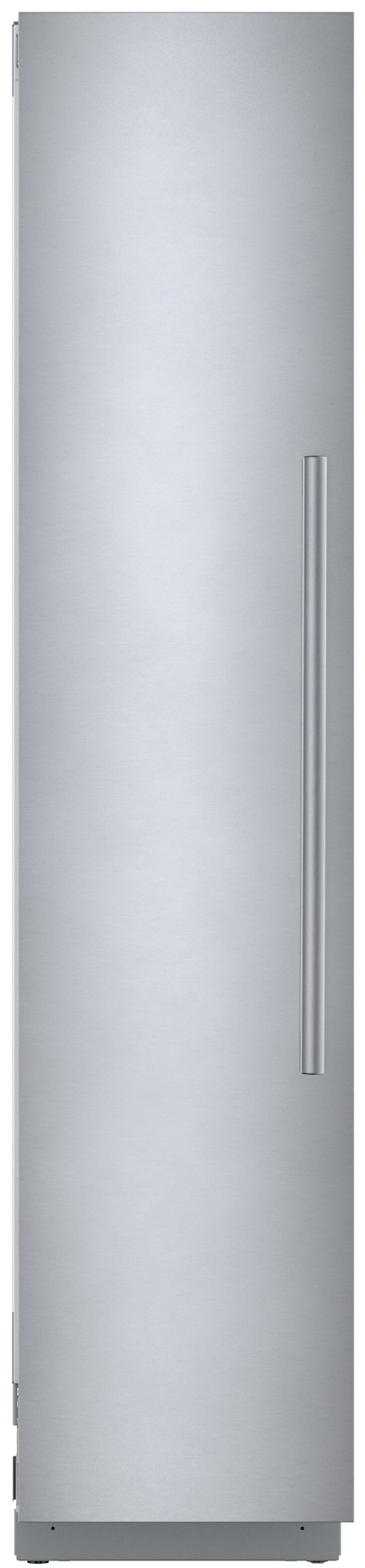
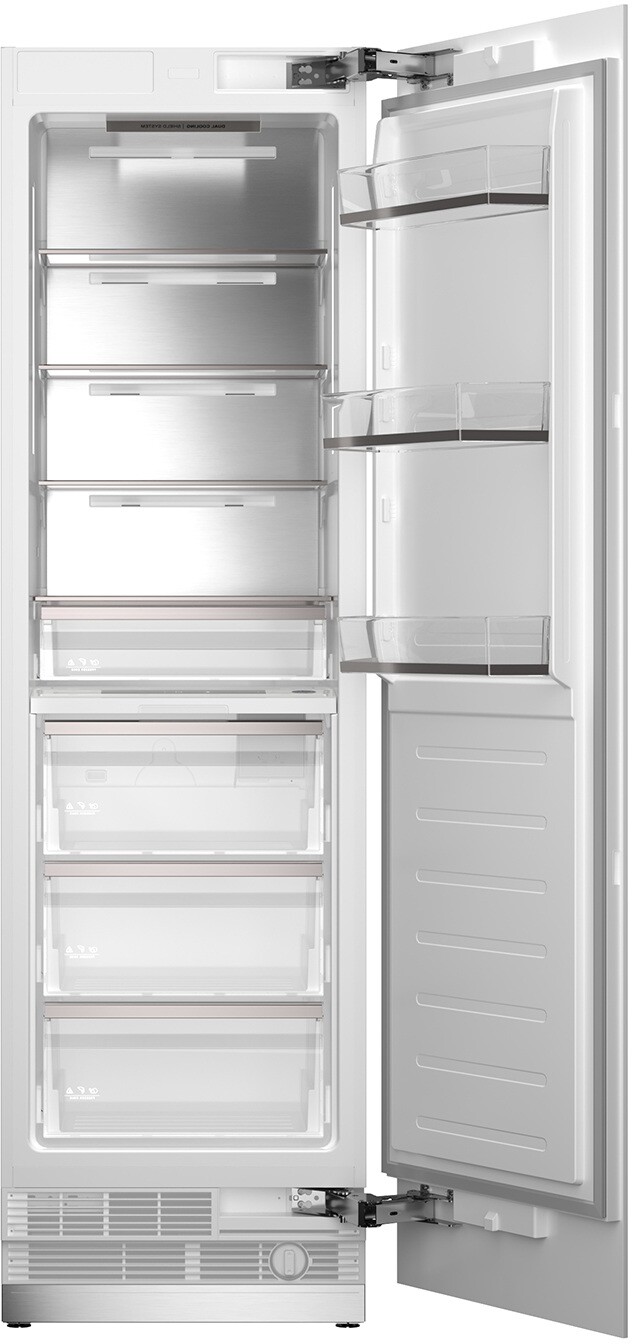
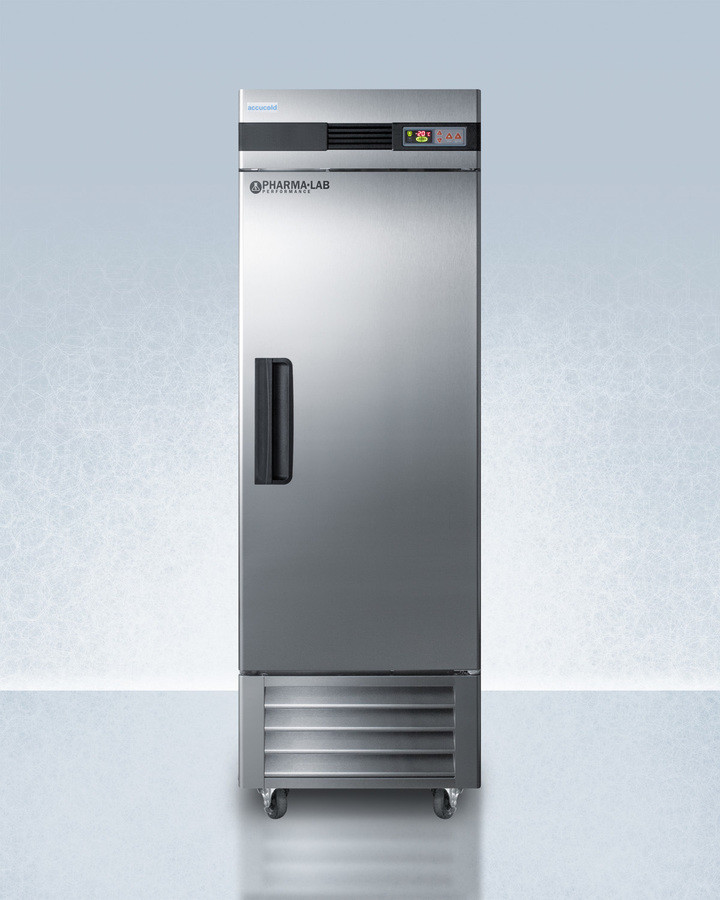
Double drawer refrigerators typically offer easy organization with separate compartments, while upright freezers provide vertical storage that can be ideal for stacking frozen goods.
They often feature more powerful compressors and enhanced insulation to effectively keep the interior at freezing temperatures, which can be as low as 0°F or lower.
Before deciding between a double drawer refrigerator and a small upright freezer, you should assess your cooling needs.
If you need to reach for chilled items multiple times a day, the convenience of a double drawer refrigerator at arm's length could be a deciding factor.
Double Drawer Refrigerator Vs. Small Upright Freezer
When you're in the market for a new appliance to keep your food and beverages chilled, you may find yourself comparing a double drawer refrigerator with a small upright freezer. Each has distinct features and benefits that cater to various needs and preferences. Understanding your specific cooling requirements will guide you in making the best choice for your home, office, or any other space.
Understanding Your Cooling Needs
Before deciding between a double drawer refrigerator and a small upright freezer, you should assess your cooling needs. Consider the types of food and beverages you typically store, the amount of space you have available, and how you plan to use the appliance.
Food Storage Habits: If you often have fresh produce, deli meats, or dairy that need to be refrigerated, a double drawer refrigerator might suit you. Conversely, if you bulk-buy meat or have a large collection of frozen goods, an upright freezer could be more appropriate.
Space Constraints: Measure the area where you plan to place the appliance. A double drawer refrigerator might fit seamlessly under a counter or in a kitchen island, while a small upright freezer could be more suitable for a garage or basement.
Usage Frequency: Consider how often you'll be accessing the appliance. If you need to reach for chilled items multiple times a day, the convenience of a double drawer refrigerator at arm's length could be a deciding factor.
Considerations for Choosing Between a Double Drawer Refrigerator and a Small Upright Freezer
Your choice between a double drawer refrigerator and a small upright freezer also hinges on several other considerations:
Capacity and Organization: Determine how much space you need and how you prefer to organize your items. Double drawer refrigerators typically offer easy organization with separate compartments, while upright freezers provide vertical storage that can be ideal for stacking frozen goods.
Energy Consumption: Energy efficiency is another crucial factor. Both options can have varying levels of energy use, so look for energy star ratings and compare the expected energy consumption.
Installation and Maintenance: Think about the installation process and the ongoing maintenance required for each appliance. For instance, some freezers require manual defrosting, which could influence your decision.
Cost: Budget is always an important consideration. Compare the upfront costs and also consider the long-term value, factoring in energy consumption and maintenance expenses.
Ultimately, whether you opt for a double drawer refrigerator or a small upright freezer, ensure that it aligns with your lifestyle, space, and food preservation needs. By considering all aspects carefully, you'll find the perfect appliance to complement your daily routine and enhance your living space.
Capacity and Storage
When it comes to keeping your food and beverages chilled, understanding the capacity and storage options of your refrigerator or freezer is essential. Here, you'll compare the storage capabilities of a double drawer refrigerator with those of a small upright freezer, helping you decide which suits your home and lifestyle best.
Capacity Comparison
The capacity of your cooling appliance is measured in cubic feet and dictates how much food and drink you can store. Double drawer refrigerators generally offer a convenient amount of space for everyday items and are designed for easy integration into kitchen layouts. On the other hand, small upright freezers focus on vertical space, often providing a larger capacity given their footprint, ideal for bulk storage.
Appliance Type
Capacity Range (cubic feet)
Double Drawer Refrigerator
3 to 5
Small Upright Freezer
5 to 10
Storage Options and Flexibility
Storage options and flexibility are where double drawer refrigerators shine. They often feature customizable compartments that can adapt to your changing needs, whether you're chilling drinks for a gathering or keeping fresh produce within reach. Small upright freezers, while typically less flexible in compartment design, excel at preserving large quantities of frozen goods over long periods, making them a great choice for batch cooking or storing surplus produce.
When considering the type of storage you need, think about the variety of items you typically store and how often you require access to them. Double drawer refrigerators offer convenience for frequently used items, while small upright freezers are more suited for long-term storage.
For more insights into optimizing your kitchen's cooling solutions, explore related comparisons such as built in ice maker vs. double drawer refrigerator and bar fridge vs. mini fridge with freezer. Understanding the nuances between these appliances will empower you to make an informed decision that aligns with your culinary habits and storage preferences.
Cooling Technology
When you're comparing a double drawer refrigerator to a small upright freezer, the cooling technology each uses is a significant factor in your decision-making process. Understanding how these appliances keep your food and beverages at the optimal temperature can help you determine which will best meet your needs.
Cooling Mechanisms
Double drawer refrigerators and small upright freezers employ different cooling mechanisms to preserve your items. Most refrigerators, including the double drawer type, use a vapor compression cycle that involves a refrigerant circulating through coils, absorbing and releasing heat. This process keeps the refrigerator at a consistent temperature ideal for fresh food storage.
On the other hand, upright freezers work on a similar principle but are designed to maintain much lower temperatures, which are necessary for long-term storage of frozen goods. They often feature more powerful compressors and enhanced insulation to effectively keep the interior at freezing temperatures, which can be as low as 0°F or lower.
Energy Efficiency
Energy efficiency is another key aspect to consider when evaluating cooling technology. Modern appliances often come with Energy Star ratings, which indicate how much energy they use in comparison to the standard models.
Here's a simple table showing an estimated comparison of energy usage between double drawer refrigerators and small upright freezers:
Appliance Type
Estimated Energy Usage (kWh/year)
Double Drawer Refrigerator
200 - 300
Small Upright Freezer
300 - 400
It's important to note that actual energy consumption will vary based on usage patterns, the model's efficiency, and how well the appliance is maintained. For instance, a freezer that's frequently opened and overstocked may consume more energy than expected. Thus, you should look for features such as automatic defrost and temperature alarms that can contribute to more efficient operation.
Moreover, you may want to read about the energy-saving capabilities of other appliances to see how a double drawer refrigerator or small upright freezer fits into your overall energy consumption. Learning about built in ice maker vs. double drawer refrigerator or bar fridge vs. mini fridge with freezer could provide additional insights into energy efficiency.
Ultimately, your choice between a double drawer refrigerator and a small upright freezer may come down to which cooling technology aligns with your specific needs. Consider how each appliance's cooling mechanism and energy efficiency can impact not just your food preservation but also your electricity bills and environmental footprint.
When considering the addition of a double drawer refrigerator or a small upright freezer to your space, it's imperative to assess the spatial impact and installation requirements. These parameters will significantly influence your decision based on the available area in your home, apartment, or office.
Footprint Comparison
The physical footprint of your cooling appliance is a critical factor, especially in environments where space is a premium. Below is a comparative table that outlines the typical dimensions you might expect from each option:
Appliance Type
Width
Depth
Height
Double Drawer Refrigerator
24 - 36 inches
24 - 28 inches
34 - 36 inches
Small Upright Freezer
20 - 30 inches
20 - 28 inches
32 - 60 inches
When you evaluate the table, consider not just the floor space but also the clearance needed for opening doors or drawers. A double drawer refrigerator often fits seamlessly under counters, making it an ideal choice for compact kitchens or as an addition to your bar fridge. Meanwhile, a small upright freezer may require more vertical space but could offer a slim profile for narrow alcoves or alongside existing appliances.
Installation Requirements
Installing a new refrigeration appliance isn't just about plugging it in. There are several considerations to ensure proper operation and safety:
Ventilation: Both types of appliances require adequate air circulation to function efficiently. Double drawer refrigerators typically need front ventilation, which is suitable for under-counter installations. Upright freezers generally require rear ventilation, so you'll need to leave space behind the unit.
Power Supply: Ensure there's a suitable electrical outlet nearby. It's recommended to use a dedicated circuit to prevent overloading.
Leveling: For optimal performance, both double drawer refrigerators and upright freezers need to be level. This may involve adjusting the feet on the appliance during installation.
Accessibility: Consider how often you'll access the appliance. Double drawer refrigerators offer easy access without bending over, which might be beneficial for those with mobility issues. Upright freezers, depending on the height, might require reaching or bending.
Integration: If you're aiming for a built-in look, double drawer refrigerators often come with panel-ready options, allowing them to blend with cabinetry (panel ready refrigerator). Upright freezers might stand alone and thus require sufficient space for their aesthetic to match your interior.
Before you make your final decision, review the installation requirements for each type of appliance. It's important that you choose an option that not only fits your space but also integrates well with your lifestyle and the design of your home. Whether you select a double drawer refrigerator for its convenience and sleek design or an upright freezer for its vertical storage capacity, ensure that it aligns with your cooling needs and space constraints.
Organization and Accessibility
When choosing between a double drawer refrigerator and a small upright freezer, how you organize and access your items is a key factor. Your lifestyle and the type of food you store will guide your decision.
Interior Layout
The interior layout of a double drawer refrigerator typically allows for separation of fresh foods and drinks. This separation can aid in better organization:
Double Drawer Refrigerator
Small Upright Freezer
Upper Drawer: Often used for frequently accessed items like snacks and drinks.
Shelves: Utilized for categorizing items by type or purchase date.
Lower Drawer: Great for storing fresh produce or meats.
Door Bins: Ideal for smaller items or things you need to grab quickly.
The upright freezer tends to offer more vertical space, making it suitable for stacking frozen goods. However, without drawers, it might be harder to keep small items organized. To compare with other refrigeration layouts, you might find our double drawer refrigerator vs. wine cellar and freezer drawer vs. reach in freezer articles insightful.
Ease of Access
Accessibility is another important aspect. In a double drawer refrigerator, you can typically reach for items without bending over too much, making it ergonomic, especially for items you use often.
Access Feature
Double Drawer Refrigerator
Small Upright Freezer
Drawers
Easy pull-out mechanism offers quick access.
N/A
Eye-Level
Most items at or near eye level.
Top shelves are eye-level, lower shelves require bending.
Organization
Possible with dividers and bins.
Requires stacking, which may hide items at the bottom.
The small upright freezer requires bending for items on lower shelves, which might be inconvenient for some. Both types benefit from clear organization to prevent 'losing' items at the back of a shelf or bottom of a drawer. For more organizational tips, check out Fridge.com article on beverage fridge vs. red refrigerator.
Ultimately, your choice will depend on whether you prioritize ease of access for fresh foods or the ability to store larger quantities of frozen goods. Consider how often you reach for certain items and whether bending or stacking could become a daily hassle.
Maintenance and Cleaning
Ensuring the longevity and optimal performance of your kitchen appliances comes down to regular maintenance and cleaning. Whether you're considering a double drawer refrigerator or a small upright freezer, understanding the upkeep required is essential for making an informed decision.
Cleaning and Defrosting
Both double drawer refrigerators and small upright freezers will need periodic cleaning to prevent the build-up of food residues and bacteria. However, the defrosting process can differ significantly between the two.
Double Drawer Refrigerator:
Requires less frequent defrosting due to frost-free technology.
Spills and crumbs can be easily wiped from the drawers.
Regular wiping of the interior and exterior with a mild cleaner is recommended.
Defrosting involves unplugging the unit, removing contents, and allowing ice to melt.
Regular cleaning with a mild detergent is necessary to prevent ice build-up and frostbite on food items.
Consider your willingness to perform manual defrosting against the convenience of frost-free models. Also, contemplate the need for regular cleaning to maintain sanitary conditions and the appliance's efficiency.
Maintenance Requirements
Maintenance goes beyond cleaning and includes ensuring the appliance operates correctly.
Double Drawer Refrigerator:
Check seals and gaskets regularly for wear and tear to maintain energy efficiency.
Ensure the coils are dust-free to prevent overworking the refrigerator's motor.
Monitor temperature settings periodically to guarantee food safety.
Small Upright Freezer:
Inspect the door seal to prevent air leaks and energy loss.
Defrosting is a significant part of maintenance to avoid overloading the cooling system.
The exterior should be kept clean, and the unit should be kept in an upright position to function properly.
Maintenance is key in preserving the lifespan of your appliance and preventing costly repairs. Whether you opt for a double drawer refrigerator or a small upright freezer, adhere to the manufacturer's guidelines for the best care practices. Regular maintenance will not only keep your appliance running efficiently but also contribute to the safety and quality of your stored food.
When deciding between a double drawer refrigerator and a small upright freezer, considering the cost and long-term value is crucial. This section will guide you through the initial expenses and help you assess the overall value each appliance could add to your home or office.
Initial Cost Comparison
The initial purchase price of a double drawer refrigerator compared to a small upright freezer can vary significantly. Double drawer refrigerators often come with a higher price tag due to their advanced design and multiple features. In contrast, small upright freezers generally have a lower initial cost, making them a more budget-friendly option upfront.
Here is a general cost comparison:
Appliance Type
Price Range
Double Drawer Refrigerator
$$$$
Small Upright Freezer
$$
Remember, prices can fluctuate based on factors like capacity, features, and brand. While evaluating costs, consider visiting Fridge.com comparison articles like double drawer refrigerator vs. wine cellar or apartment size refrigerator vs. ice maker for a more detailed analysis of various refrigeration options.
Long-Term Value Assessment
Beyond the initial purchase, the long-term value of an appliance encompasses energy efficiency, maintenance costs, and lifespan. Double drawer refrigerators may offer the convenience of customizable temperature zones and often come with energy-saving features. However, they might require more frequent maintenance due to their complexity.
On the other hand, small upright freezers tend to be simpler in design, potentially leading to lower ongoing maintenance costs. They are also available in energy-efficient models, which can save you money on your utility bills over time.
To assess long-term value, consider these factors:
Energy Efficiency: Look for Energy Star ratings and energy consumption specs.
Maintenance: Factor in the potential costs of parts and repairs.
Lifespan: Research the average lifespan and warranties offered for each appliance type.
By considering both the initial cost and the long-term value, you can make an informed decision that suits your budget, lifestyle, and cooling needs. Whether you prioritize advanced features or simplicity and efficiency, ensure that your choice aligns with your expectations for daily use and longevity. For further insights into cooling technologies and energy-saving tips, explore Fridge.com articles like beverage cellar vs. smart fridge or small freezer chest vs. undercounter freezer.
Compare prices on Fridge.com
Compare current prices and specifications on Fridge.com, then buy from the retailer you choose; delivery, installation and warranty terms are the retailer’s.
It also has tons of awesome articles about kitchen stuff and home news. Enhance your home, garage, backyard, patio, and office with the coolest essentials. With every necessary type of residential refrigerator or freezer in the collection, you're covered.
From Fridge.com research
Figures below come from data Fridge.com builds and maintains. Each links to the record behind it.
Fridge.com Energy Index, built on U.S. EPA and DOE ENERGY STAR records
Across 5,455 ENERGY STAR certified refrigerators and freezers from 263 brands, median use is 360 kWh per year.