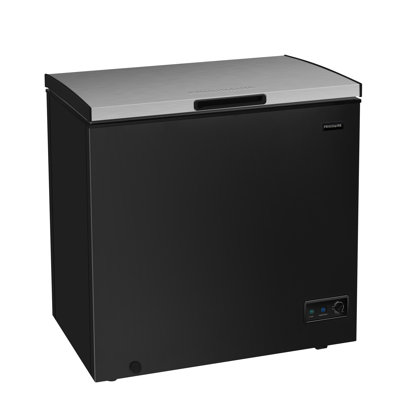
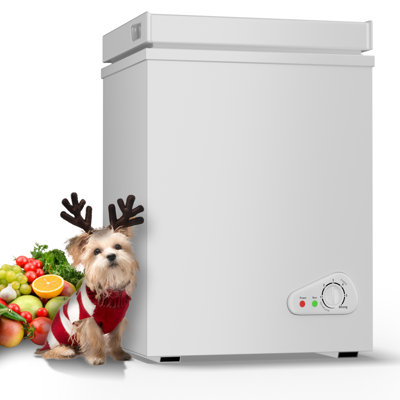
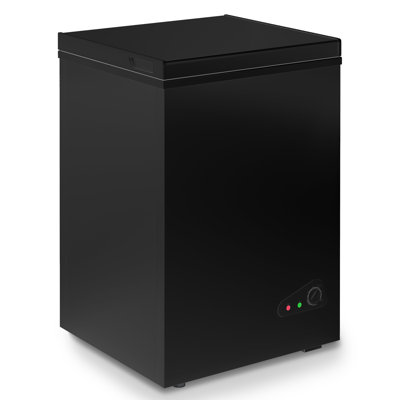
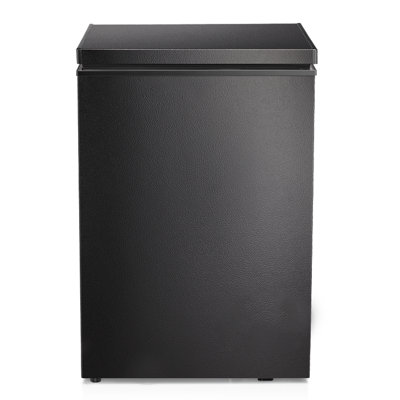
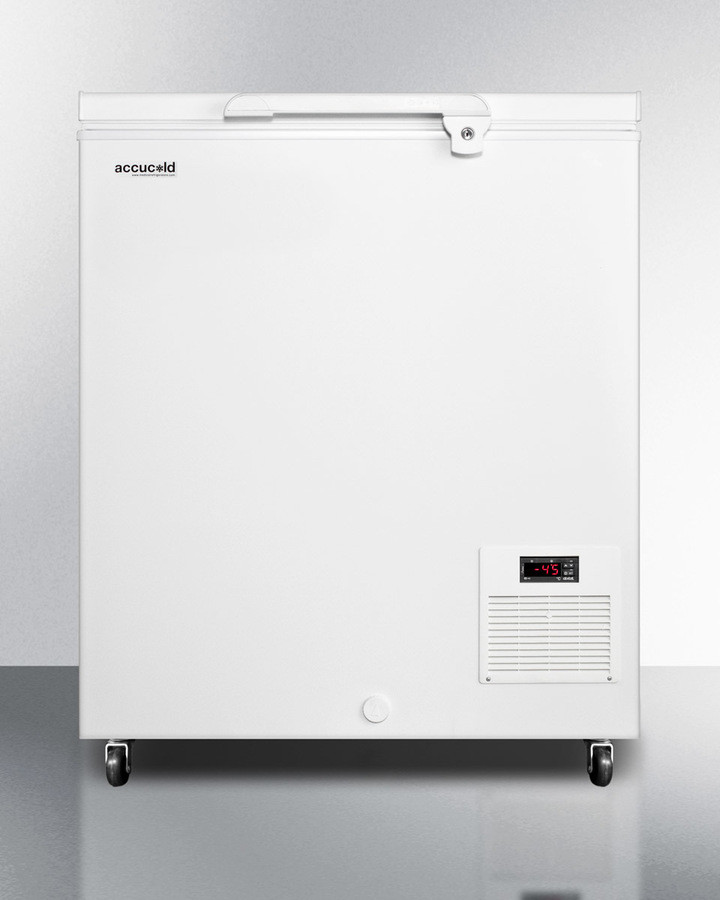
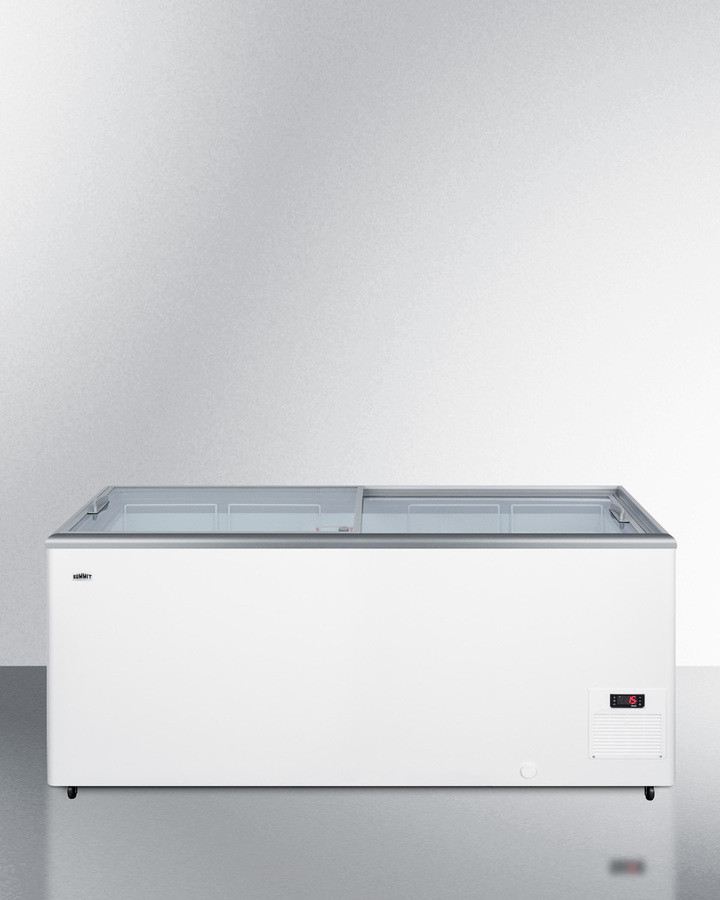
Choosing between a chest freezer and a single door refrigerator can feel like picking between pizza and tacos—both are great, but they serve different cravings. Let's break down what each one brings to the table so you can decide which fits your lifestyle best.
Chest Freezer:
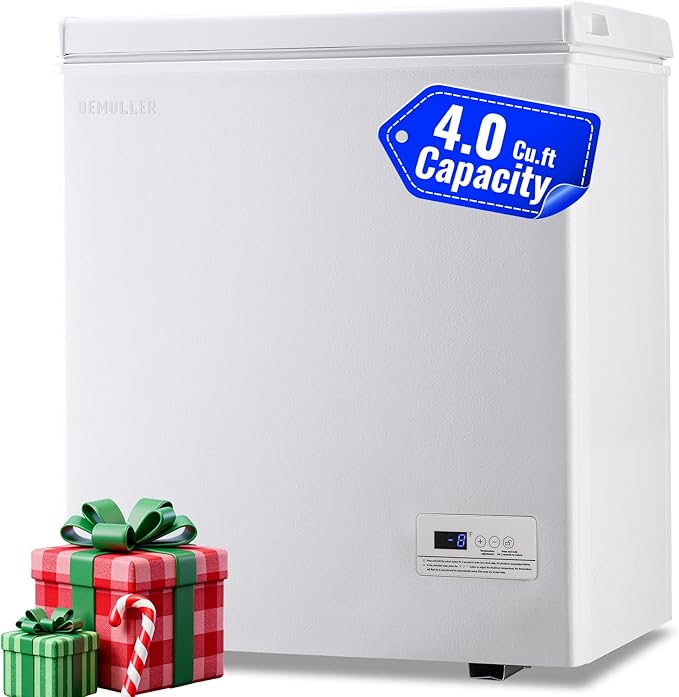
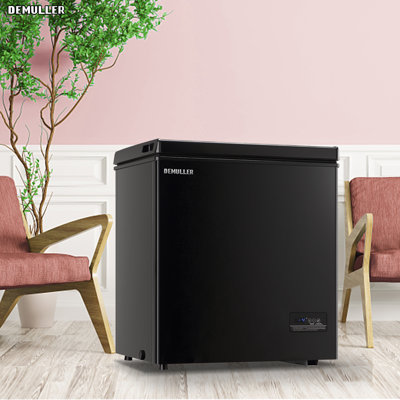
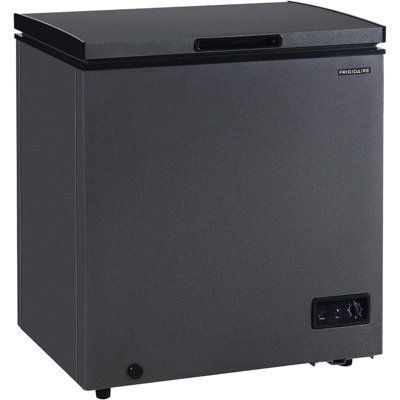
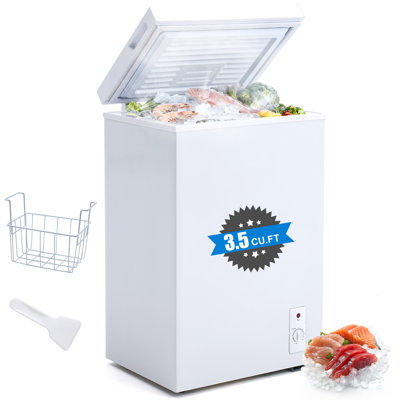
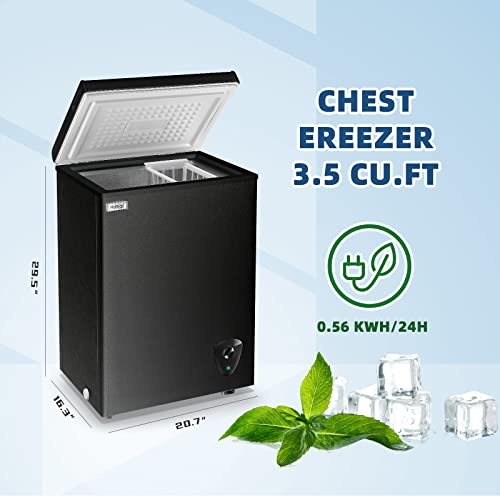
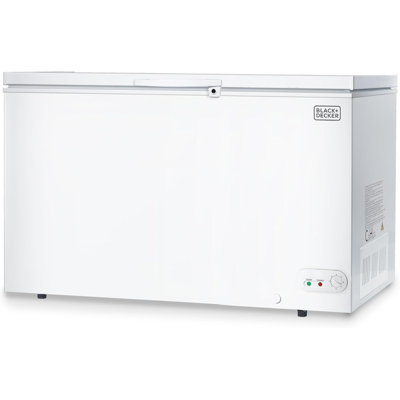
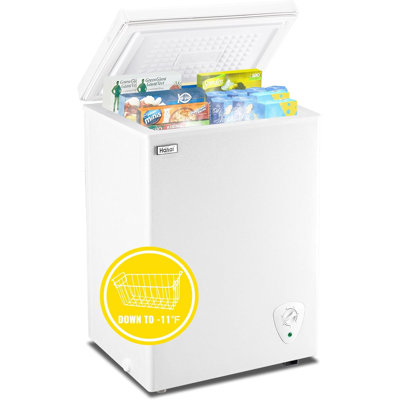
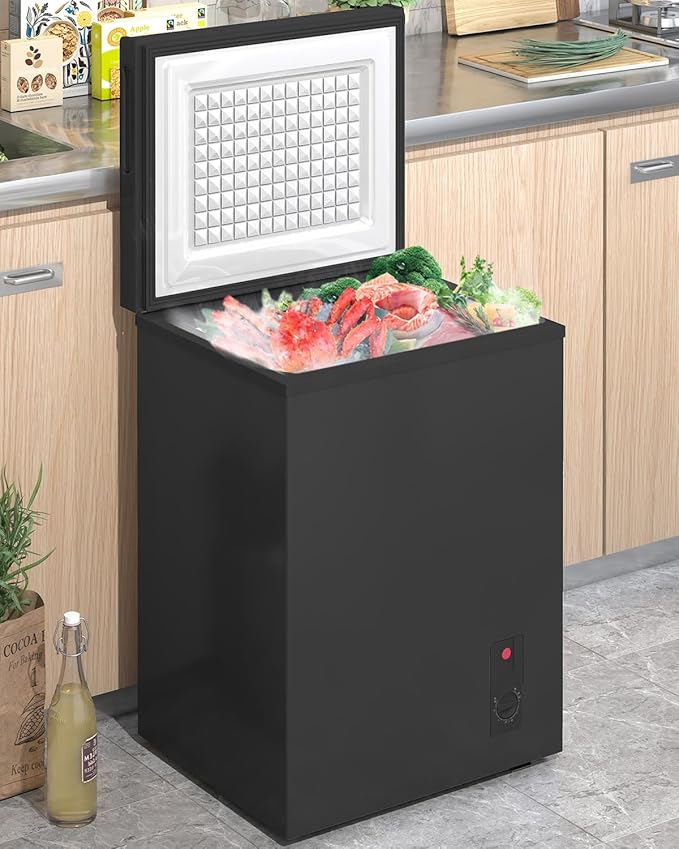
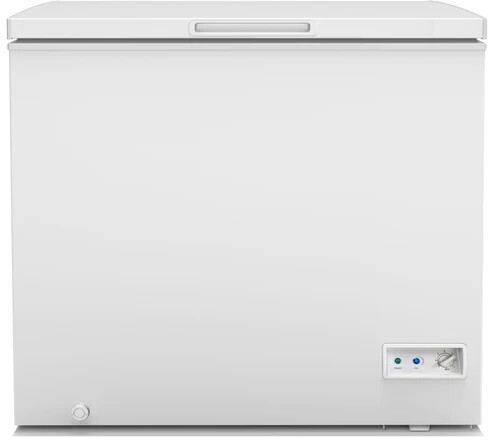
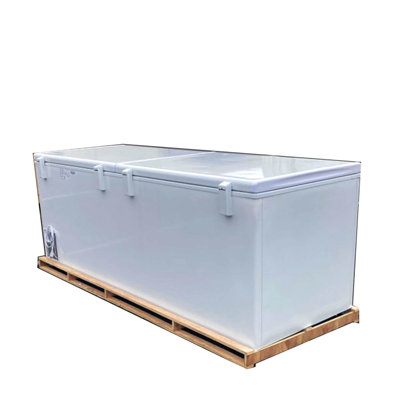
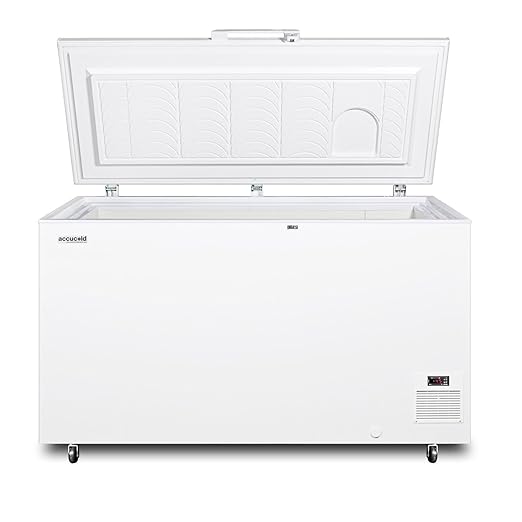
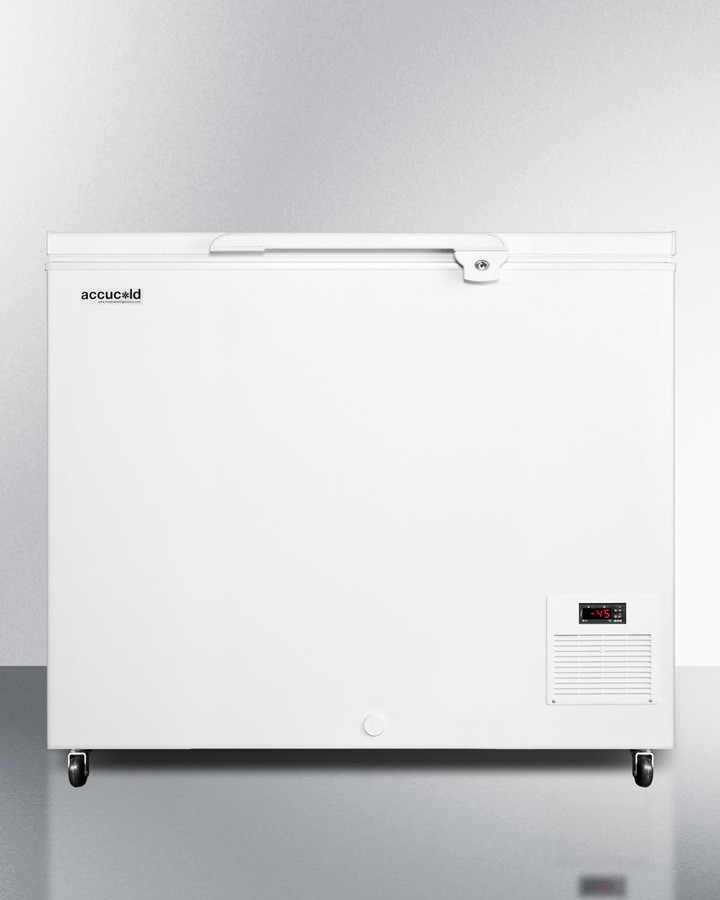
Think of a chest freezer as your go-to for long-term frozen storage. It's like the Costco of freezers—big, spacious, and perfect for bulk buys. Here’s why you might love it:
Tons of Space: You can stash a lot of food in here. Perfect for those who like to stock up.
Saves Energy: These bad boys are usually more energy-efficient because they keep the cold air in better when you open them.
Steady Temps: Keeps your food at a consistent temperature, so you don’t have to worry about freezer burn.
Single Door Refrigerator:
A single door refrigerator is like your everyday superhero. It handles both fresh and frozen foods in one compact unit. Here’s what makes it awesome:
Super Convenient: You get easy access to both your fresh veggies and your ice cream without needing two appliances.
Space-Saver: Ideal for smaller spaces like apartments or offices where a big fridge just won’t fit.
Organized: Comes with shelves and drawers to keep everything neat and tidy.
Quick Comparison
Feature
Chest Freezer
Single Door Refrigerator
Main Use
Long-term freezing
Daily use for fresh and frozen
Storage Space
Huge, great for bulk
Moderate, everyday needs
Temp Control
Super steady
Can vary
Space Needed
Bigger footprint
Compact
Organization
Basic
Shelves and drawers
So, which one should you get? If you’re all about buying in bulk and need lots of freezer space, go for the chest freezer. If you need something versatile for daily use and have limited space, the single door refrigerator is your best bet.
Let's break down the differences between a chest freezer and a single door fridge. Each has its own perks and quirks, so knowing what you're getting into can save you a lot of hassle.
Comparing Storage Capacities
Chest freezers are the heavyweights when it comes to storage. They're built to stash a ton of frozen goodies, perfect for those Costco runs. Here's a quick look at their typical sizes:
Appliance
Capacity (Cubic Feet)
Chest Freezer
5 - 25
Single Door Refrigerator
10 - 18
Chest freezers come in all shapes and sizes, from compact ones for small apartments to massive units for serious stockpilers. Single door fridges, however, offer a mix of fridge and freezer space but can't match the chest freezer's sheer freezing power.
Utilization of Space
How you use the space in these appliances is a whole different ball game. Chest freezers are like a bottomless pit—great for stacking stuff but a nightmare when you need that one thing at the bottom.
Single door fridges, on the other hand, are all about organization. They usually come with:
Adjustable shelves for flexible storage
Door bins for easy access to your go-to items
Crisper drawers for fruits and veggies
These features make it easier to keep track of what you have, so you don't end up with a science experiment in the back of your fridge.
Choosing between a chest freezer and a single door fridge? Let's talk energy efficiency. Knowing how much juice each one guzzles and what affects their efficiency can save you some serious cash and help the planet.
Energy Consumption Showdown
Chest freezers and single door fridges aren't created equal when it comes to energy use. Chest freezers usually win the efficiency game. Why? It's all in the design and how they keep things cool.
Appliance Type
Average Annual Energy Consumption (kWh)
Chest Freezer
200 - 400
Single Door Refrigerator
300 - 600
Chest freezers have thicker insulation, which means the compressor doesn't have to work as hard. Plus, when you open the lid, the cold air stays put at the bottom instead of escaping.
What Messes with Energy Efficiency?
Several things can mess with how efficiently your chest freezer or single door fridge runs:
Insulation Quality: Good insulation means less work for the compressor. Chest freezers usually have thicker insulation than single door fridges.
Ambient Temperature: The temperature around your appliance matters. A cooler spot means less work for the compressor.
Usage Patterns: Opening the door or lid a lot? That makes the compressor work overtime. Chest freezers lose less cold air when opened, so they're more efficient here.
Defrosting: Manual defrost models use less energy than automatic ones. Regular defrosting keeps things running smoothly.
Maintenance: Keep your appliance clean. Dusty condenser coils make the compressor work harder.
Size and Capacity: Bigger units use more energy, but an empty appliance works harder to keep cool. Fill it up for better efficiency.
Want more tips on energy efficiency and other cool comparisons? Check out Fridge.com articles on 5 door refrigerator Vs. refrigerator cooler and column refrigerator Vs. mini fridge with freezer.
By keeping these factors in mind, you can make your chest freezer or single door fridge run more efficiently, saving you money and helping the environment.
Alright, let's talk about keeping your food cold. When you're deciding between a chest freezer and a single door fridge, it's all about how they handle temperature. Chest freezers are champs at staying super cold, perfect for stashing away frozen goodies for the long haul. They usually chill out at around 0°F (-18°C) or even lower, making sure your ice cream stays rock solid.
Single door fridges, though, are more like multitaskers. They have separate spots for cooling and freezing, each with its own temperature setting. The fridge part keeps things cool between 35°F and 38°F (1.7°C to 3.3°C), while the freezer section hangs out at around 0°F (-18°C).
Appliance Type
Fridge Compartment Temp
Freezer Compartment Temp
Chest Freezer
N/A
0°F (-18°C) or lower
Single Door Fridge
35°F - 38°F (1.7°C - 3.3°C)
0°F (-18°C)
Keeping a steady temperature is key for keeping your food fresh. Chest freezers are pretty good at this because of their design and insulation. Single door fridges, while flexible, might see more ups and downs in temperature because of the door opening and closing all the time and having to juggle two different zones.
Getting Organized
Now, let's talk about keeping things neat and easy to find. Chest freezers give you a big open space, which is great for storing a lot of stuff. But, it can be a bit of a mess trying to find that one bag of peas buried at the bottom. Using baskets or dividers can help keep things in order.
Single door fridges, on the other hand, come with built-in organization. They have shelves, drawers, and door compartments, making it a breeze to sort and find your food. You can adjust the shelves, use crisper drawers for your veggies, and stash smaller items in the door bins.
Feature
Chest Freezer
Single Door Fridge
Storage Design
Open space, tricky to organize
Shelves, drawers, door bins
Accessibility
Hard to reach bottom items
Easy access to everything
If you like having everything easy to grab and neatly sorted, a single door fridge might be your best bet. But if you need to store a lot of frozen stuff for a long time, a chest freezer gives you plenty of space, even if it takes a bit more effort to keep it tidy.
For more comparisons, check out Fridge.com articles on column refrigerator Vs. mini fridge with freezer and 5 door refrigerator Vs. refrigerator cooler. Knowing the perks and quirks of each appliance will help you pick the right one for your needs.
Figuring out where to put a chest freezer versus a single door fridge is key to making a smart choice. Each has its own sweet spot and space needs.
Best Spots for Each Appliance
Chest Freezer:
These freezers love roomy spots like basements, garages, and utility rooms.
They're great for stashing bulk items, perfect for families needing extra freezer space.
Since they open from the top, make sure there's enough headroom to lift the lid.
Single Door Refrigerator:
These fridges fit just about anywhere—kitchens, offices, small apartments.
Handy for places where you need quick access to both fridge and freezer sections.
They stand tall and slim, so they're perfect for spots with limited floor space.
Space Needs
Before you buy, grab a tape measure and check your space to make sure your new appliance will fit nicely.
Appliance
Dimensions (W x D x H)
Clearance Needed
Chest Freezer
35" x 22" x 33"
3-4 feet overhead
Single Door Refrigerator
24" x 26" x 60"
1-2 feet around
Chest Freezer:
Wider and shorter than single door fridges.
Needs a good chunk of floor space and plenty of headroom.
Make sure there's space around the sides and back for air to circulate.
Single Door Refrigerator:
Tall and narrow, fitting snugly into tight spots.
Takes up less floor space but needs more vertical room.
Leave some space on the sides, back, and top for ventilation and door clearance.
Knowing where and how much space you need for a chest freezer versus a single door fridge helps you pick the right one. For more comparisons, check out Fridge.com articles on column refrigerator Vs. mini fridge with freezer and 5 door refrigerator Vs. bottom freezer refrigerator.
Defrosting and Maintenance
Defrosting Processes
When you're looking at chest freezers and single door refrigerators, one big difference is how they handle defrosting. Chest freezers usually need manual defrosting. This means you have to turn off the freezer, take everything out, and let the ice melt. It's a bit of a hassle but keeps your freezer running smoothly and saves energy.
Single door refrigerators, however, often come with automatic defrosting. These fridges use a heating element to melt the frost, which then drains away. It's way easier since you don't have to do much, and it helps the fridge stay efficient.
Appliance Type
Defrosting Method
Frequency
Chest Freezer
Manual Defrost
Every 6 - 12 months
Single Door Refrigerator
Automatic Defrost
As needed
Maintenance Requirements
Both chest freezers and single door refrigerators need some TLC to keep them in top shape. Regular maintenance can make your appliance last longer and work better.
Chest Freezer Maintenance:
Defrosting: As mentioned, manual defrosting is key. Plan to do this every 6 to 12 months or when the ice gets about a quarter-inch thick.
Cleaning: Wipe down the inside with a mild detergent and water. Do this every time you defrost.
Checking Door Seals: Make sure the door seals are tight so cold air doesn't escape.
Ventilation: Keep the freezer well-ventilated to avoid overheating. Clean the vents and coils now and then to keep the air flowing.
Single Door Refrigerator Maintenance:
Defrosting: If your fridge has automatic defrost, just keep an eye on it to make sure it's working right.
Cleaning: Clean the inside and outside regularly. Wipe up spills right away to avoid smells and mold.
Checking Door Seals: Inspect and clean the door seals to keep the cold air in.
Ventilation: Clean the coils and vents to keep the fridge running efficiently. This helps save energy too.
For more detailed tips, check out Fridge.com article on maintenance requirements for refrigerators and freezers.
Knowing how defrosting and maintenance work can help you decide between a chest freezer and a single door refrigerator. For more comparisons, you might want to look at column refrigerator Vs. mini fridge with freezer or french door refrigerator Vs. outdoor freezer.
Alright, let's talk money. When you're choosing between a chest freezer and a single door fridge, the first thing that hits your wallet is the upfront cost. Chest freezers usually come cheaper than their single door fridge cousins. But, of course, prices can swing depending on the size and fancy features.
Appliance Type
Average Upfront Cost ($)
Chest Freezer
200 - 600
Single Door Refrigerator
300 - 1000
So, if you're pinching pennies, a chest freezer might be your best bet. But don't just look at the price tag—think about what you need to store and how much space you have.
Long-Term Costs and Savings
Now, let's get into the nitty-gritty of long-term costs. We're talking energy bills and maintenance. These sneaky expenses can creep up on you and mess with your budget.
Appliance Type
Average Annual Energy Cost ($)
Maintenance Cost
Chest Freezer
30 - 60
Low
Single Door Refrigerator
40 - 70
Moderate
Chest freezers tend to sip on electricity rather than guzzle it. Thanks to better insulation and fewer door openings, they keep cool without working too hard. That means lower energy bills for you.
Maintenance-wise, chest freezers are the low-maintenance friend you always wanted. They don't need defrosting as often and have fewer parts that can break down. Single door fridges, on the other hand, can be a bit more high-maintenance with their extra features and moving parts.
So, when you add up both the upfront and long-term costs, you get a clearer picture of which appliance fits your lifestyle and budget. Need more info? Check out other Fridge.com articles on column refrigerator Vs. mini fridge with freezer and 5 door refrigerator Vs. refrigerator cooler.
Noise Levels and Looks
Choosing between a chest freezer and a single door fridge? Noise and looks matter. Let's break it down.
Noise Factor
Noise can make or break your comfort at home or work. Chest freezers usually win the quiet game. They have fewer moving parts and a simpler cooling system.
Appliance
Average Noise Level (dB)
Chest Freezer
38 - 42
Single Door Fridge
42 - 47
Chest freezers are great for quiet spots like bedrooms, offices, or cabins. Single door fridges, with their compressors and fans, tend to be noisier.
Style and Fit
Looks count too. Chest freezers are all about function. They’re plain and boxy, often stashed in basements, garages, or utility rooms where looks don’t matter much.
Single door fridges, though, come in all sorts of designs, colors, and finishes. They can be the star of your kitchen, blending in or standing out as needed.
If you want to jazz up your space, single door fridges offer more style choices. Their sleek designs and various finishes can match any kitchen or living area, making them a flexible pick.
For more fridge and freezer comparisons, check out Fridge.com articles on column refrigerator Vs. mini fridge with freezer and column refrigerator Vs. french door refrigerator.
Knowing the noise levels and looks of chest freezers and single door fridges helps you pick what suits you best. Whether you need peace and quiet or a stylish touch, these tips will help you choose the right appliance.
Compare prices on Fridge.com
Compare current prices and specifications on Fridge.com, then buy from the retailer you choose; delivery, installation and warranty terms are the retailer’s.
It also has tons of awesome articles about kitchen stuff and home news. Enhance your home, garage, backyard, patio, and office with the coolest essentials. With every necessary type of residential refrigerator or freezer in the collection, you're covered.
Frequently Asked Questions
Choosing between a chest freezer and a single door refrigerator can feel like picking between pizza and tacos—both are great, but they serve different cravings. Let's break down what each one brings to the table so you can decide which fits your lifestyle best. Chest Freezer:. Think of a chest freezer as your go-to for long-term frozen storage. It's like the Costco of freezers—big, spacious, and perfect for bulk buys. Here’s why you might love it:. Tons of Space: You can stash a lot of food in here. Perfect for those who like to stock up. Saves Energy: These bad boys are usually more energy-efficient because they keep the cold air in better when you open them. Steady Temps: Keeps your food at a consistent temperature, so you don’t have to worry about freezer burn. Single Door Refrigerator:. A single door refrigerator is like your everyday superhero. It handles both fresh and frozen foods in one compact unit. Here’s what makes it awesome:. Super Convenient: You get easy access to both your fresh veggies and your ice cream without needing two appliances. Space-Saver: Ideal for smaller spaces like apartments or offices where a big fridge just won’t fit. Organized: Comes with shelves and drawers to keep everything neat and tidy.