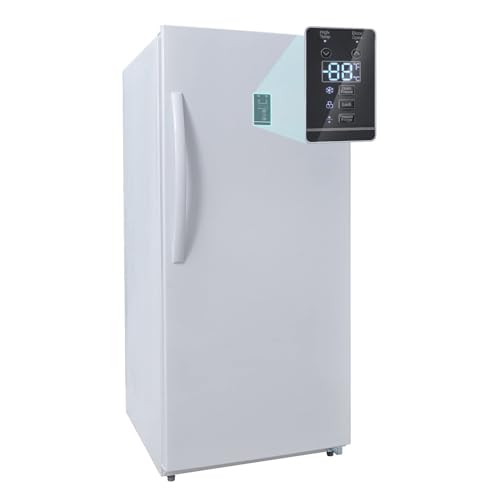
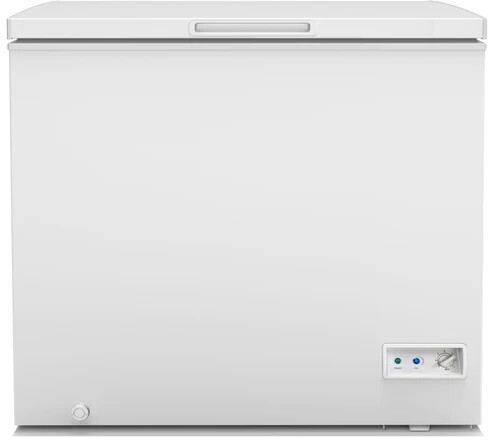
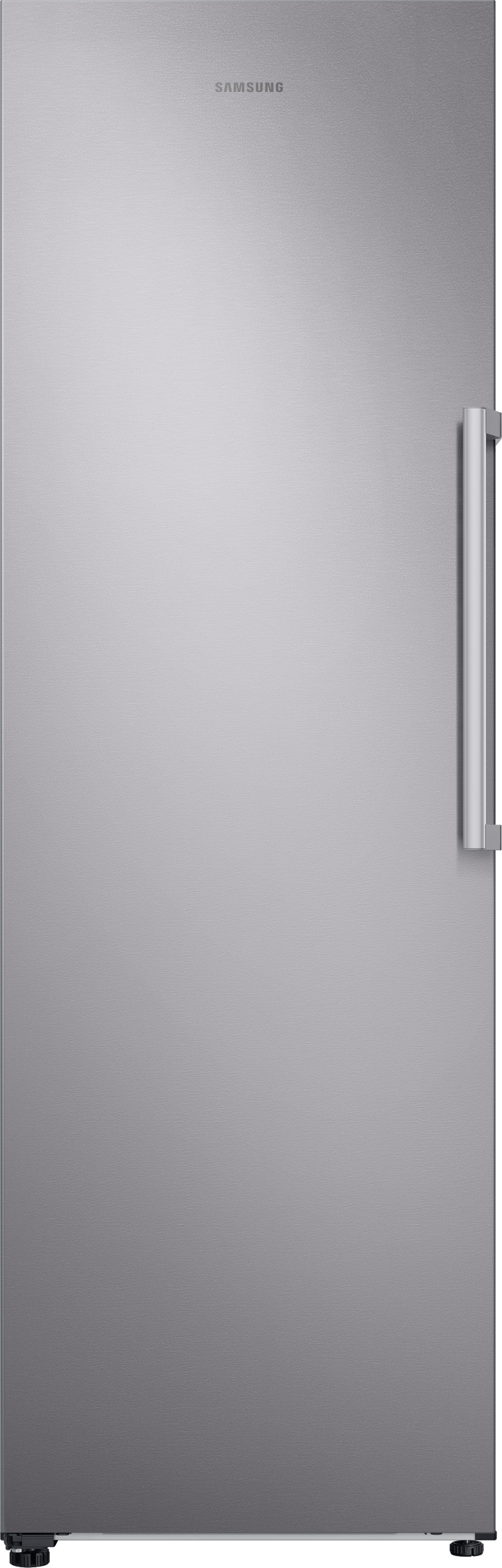
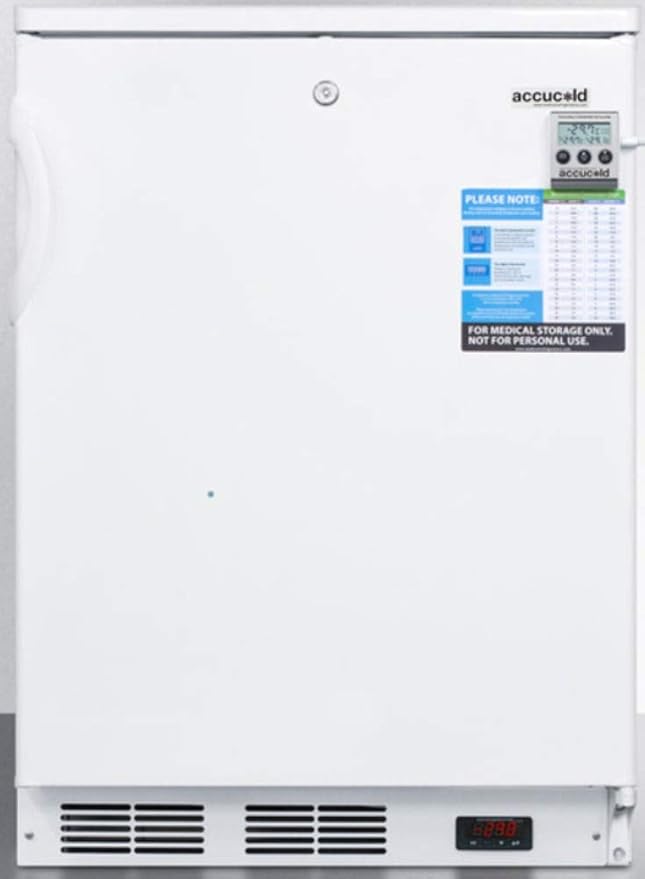
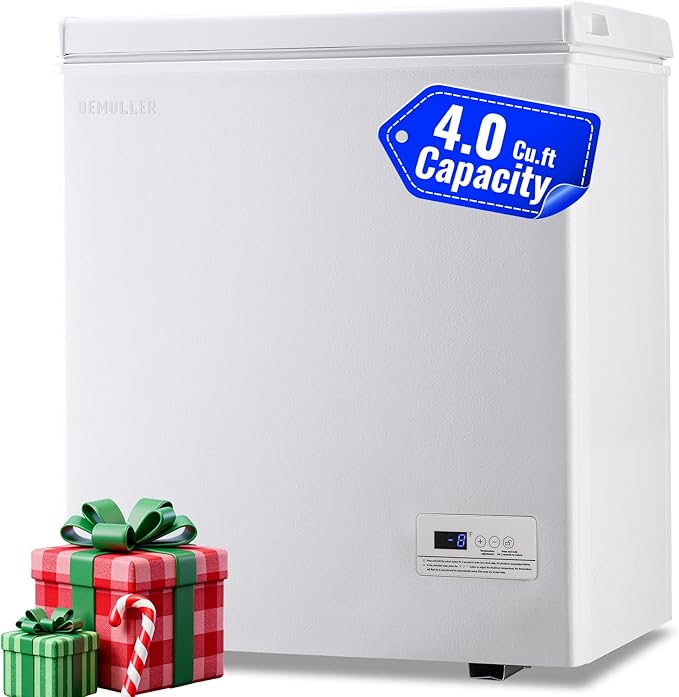
Keeping my fridge at or below 40°F is my ticket to fresh and tasty eats.
It’s snug at 0°F, making sure my ice cream stays, well, creamy.
For the fridge, aim for a cool 37°F (3°C), while the freezer prefers to chill out at 0°F (-18°C) or lower.
For more cool advice on keeping your fridge running smooth, I always revisit my handy guide on maintenance steps that has saved the day more than once.
Understanding Refrigerator and Freezer Maintenance
Importance of Regular Maintenance
I can tell you from experience, taking care of my refrigerator and freezer is a must. Regular check-ups don't just keep these big chillers running smoothly; they also stretch their lifespans big time. Plus, a well-tuned fridge saves me bucks on energy bills and dodges those pesky surprise breakdowns, saving food from turning into a mushy mess. Staying on top of fridge maintenance means my lettuce stays crunchy and my electric bill doesn’t give me a heart attack.
Ignoring these icy pals can turn tiny issues into big, expensive messes. I make it a point to remind myself about taking good care, setting tiny alerts to keep things predictable and dependable.
Signs Your Refrigerator or Freezer Needs Maintenance
Spotting trouble early is key to peace of mind (and wallet). For those of us in the know-how, here are some telltale signs shouting for attention:
Sign
Description
Unusual Noises
Weird sounds like a buzz or click from my icebox usually mean something’s not right inside.
Temperature Changes
If my milk spoils before its time or ice creams melt, my machine might not be keeping its cool.
Excess Condensation
Over-the-top dampness might mean my door seals are going rogue or it's not airing out properly.
Strange Odors
If I’m hit by a smell that wasn't there before, it’s time to clear out the funk or tackle some scrubbing.
Increased Energy Bills
A surprise spike in my power bill might mean my fridge is working too hard and needs fixing.
When these red flags pop up, I jump to action. Keeping my fridge and freezer in line with routine checks and a bit of cleanup can make all the difference. Looking for more ways to keep your cool? Dive into Fridge.com guide on cleaning tips for french door refrigerators.
Cleaning my refrigerator and freezer is like giving them a little bit of love. Keep 'em tidy and they reward you with longer life and better performance. Here's how I break down the chore without breaking a sweat.
Cleaning the Inside
First things first, I totally empty out the fridge and freezer. This is my chance to say goodbye to expired mustard and milk that pretends to be a science project. I grab some warm water and a dab of mild soap to wash away grub from shelves and walls. For those stubborn spills that act like they’ve paid rent, I give 'em a vinegar and baking soda combo. Works like magic!
Cleaning Chore
How Often?
Empty and declutter
Before each deep clean
Wipe down inside
Every month
Check for outdated food
Every week
Cleaning the Outside
When it comes to the outside, I arm myself with a damp cloth and a soft cleaner to wipe away the fingerprints and whatever mystery stuff clings to the surface. Stainless steel? It gets its own special spritz to shine bright. Don’t forget the handles—they're germ central!
Surface Type
Best Way to Clean
Painted surfaces
Mild soap and a damp cloth
Stainless steel
Special stainless cleaner
Glass doors
Glass cleaner or vinegar solution
Cleaning Coils and Condenser
Now, the not-so-glamorous part: the coils and condenser (think of 'em as your fridge's sneaky clean freak zones). Dust loves to hang out here, so every few months, I grab a vacuum or brush to send that dust packing. A little effort can make the whole cooling system sing.
Chore
How Often?
Peek at coils
Every 3 months
Clean those coils
Twice a year
Keeping my refrigerator and freezer clean isn’t just about looks. It’s a little TLC that pays off in efficiency. For more cool advice on keeping your fridge running smooth, I always revisit my handy guide on maintenance steps that has saved the day more than once.
You know keeping my fridge and freezer at the perfect chill is like a dance, and I'm determined to swing to the tune of food safety and reduced electricity bills. Keeping it cool isn't just a saying—it's my mantra to preserve all those delicious bites.
Proper Temperature Settings
Playing the temperature tango with my fridge is key to making my groceries last. It's like setting the stage for flawless performance:
Appliance
Just-Right Temperature
Fridge
32°F to 40°F (0°C to 4°C)
Freezer
0°F (-18°C) or colder
Keeping my fridge at or below 40°F is my ticket to fresh and tasty eats. And the freezer? It’s snug at 0°F, making sure my ice cream stays, well, creamy.
Adjusting Temperature Controls
Tuning those dials or digital displays is a piece of cake and totally crucial for my fridge's A-game. Here’s my game plan for tweaking the temps:
Check Current Temperature: I grab my trusty thermometer and make sure my fridge and freezer are chillin’ like they should.
Make Adjustments: Too warm or too cold? I give those controls a nudge in the right direction. Not too much, though—I like to keep it Goldilocks-style: just right.
Allow Time: I let my appliance do its thing and chill at the new setting for a few hours. Patience, right?
Recheck Temperature: I peek again with my thermometer to seal the deal.
By jamming to the right temperature tune, I’m making my groceries last longer than a pop song on repeat. For tips on keeping your fridge and freezer in tip-top shape, check out Fridge.com piece on maintaining your kitchen appliances.
Keeping my fridge and freezer tidy isn't just about stuffing every nook and cranny; it's about making sure food stays fresh and easy to find. Here’s a peek into some handy tricks I use:
Maximizing Storage Space
To squeeze as much as possible into my fridge and freezer, I stick to some simple tricks:
Technique
How It Works
Clear containers
I can peek right in and know what's inside without digging.
Vertical storage
Standing stuff up saves loads of space.
Group similar items
Keeps dairy, fruits, and veggies chillin' together.
Door shelves
Perfect for condiments or anything not melting away soon.
Stackables
Pile up with those nifty bins to make the most of the height.
Having spots for different types of food makes whipping up meals a breeze and keeps me from tossing spoiled grub. Plus, with everything easy to find, I'm more pumped to chef it up at home.
Proper Food Placement
How stuff is placed matters a ton when trying to keep things fresh and safe in the fridge and freezer. Here’s my method to the madness:
Section
What Goes Where
Top shelves
Snacks, drinks—pretty much anything ready-to-eat.
Middle shelves
Dairy and eggs, all in one nest.
Lower shelves
Raw meat or chicken (in leak-proof containers).
Crisper drawers
Fresh veggies in one, fruits chilling in the other.
Freezer
Stack the pre-packaged goodies together.
I keep the raw meat on its own bottom shelf to play it safe and dodge the contamination game. Knowing where things belong cuts down on waste and keeps my shopping list on point.
For a more detailed look at keeping things neat and tidy in the fridge and freezer, you might wanna check out my piece on mini refrigerator for office. Staying organized not only makes cooking less of a hassle, but also keeps the food fresh and makes my trusty kitchen pals last longer.
Addressing Common Issues
Dealing with refrigerators or freezers can sometimes feel like you're in a boxing match with Rocky Balboa. But no worries, I've got some tricks up my sleeve to keep the bout short and sweet, ensuring my food stays safe and tasty.
Spoiled Food
Ah, the sad saga of spoiled food. It's like finding out your favorite TV show got canceled. Most of the time, this drama unfolds because of wrong temperature settings or a rebellious appliance. If my veggies start looking like they missed the freshness memo, I give the temperature settings a double-check. For the fridge, aim for a cool 37°F (3°C), while the freezer prefers to chill out at 0°F (-18°C) or lower.
Appliance
Ideal Temperature
Refrigerator
37°F (3°C)
Freezer
0°F (-18°C)
Too warm in there? Tweak those settings pronto or put on your detective hat to see if the appliance is acting up. Keep an eye on it, and spoilage blues will be a memory.
Ice Build-Up
Ice build-up in the freezer is like an unwanted snow day when you're all out of marshmallows for hot cocoa. This icy nuisance usually occurs because of too much moisture sneaking in when I swing open that freezer door or if those door seals don’t hug properly. To fix it, I make sure the door is sealed tight after raiding it for late-night snacks.
If it looks like Elsa's castle in there, a good old manual defrost can work wonders. I also check if the drain holes are blocked, as nobody needs an icy mini-Watergate.
Situation
Resolution
Ice formation
Defrost and check seals
Blocked drain holes
Clear the blockage
Nipping ice build-up in the bud boosts efficiency and frees up more room for my frozen goodies.
Strange Odors
Strange odors in my refrigerator are like uninvited guests at a party who won’t leave. They’re often due to rogue expired food, spills, or sneaky bacteria. To combat these unwelcome odors, I give the interior a regular scrub-down. My secret weapon? Good ol' baking soda.
If the stink lingers like a bad breakup, I hunt down any forgotten leftovers or spills. Keeping a cleaning schedule up my sleeve helps keep that fridge smelling fresh.
Odor Source
Solution
Spoiled food
Remove immediately
Spills
Clean thoroughly
Bacteria buildup
Use baking soda
Solving these fridge and freezer mysteries keeps them humming like a well-oiled machine, ensuring my family’s food is fresh and safe. Want more tips to wrestle with maintenance? Check out the maintenance requirements for refrigerators and freezers.
Keeping my fridge and freezer in tip-top shape doesn't just happen; it's all about sticking to a good maintenance routine. Trust me, this isn't just about avoiding a midnight meltdown—it can also save some serious cash by extending the lifespan of these priorities in the kitchen. Here's how I tackle it weekly, monthly, and annually.
Weekly Tasks
Life gets busy, and sometimes the last thing I want to do is add another chore to my list. But setting aside a few minutes each week can ward off trouble down the road. Here's my lineup for keeping things chill:
Task
Description
Check Expiration Dates
I make it a habit to scan for expired items and chuck anything that's seen better days.
Wipe Down Surfaces
A quick wipe with soap and water keeps shelves and doors squeaky clean.
Empty Ice Bin
Emptying old ice keeps it fresh and the drinks crisp.
Monthly Tasks
Once a month, I roll up my sleeves a bit further. It's about catching more than just dust bunnies to keep the coolness flowing smoothly:
Task
Description
Clean Coils and Condenser
When I unplug the fridge, a good brushing or vacuuming of the coils and condenser can work wonders for efficiency.
Check Door Seals
I give the door seals the once-over to catch any sneaky cracks that might let cold air escape.
Adjust Shelves and Storage
I play puzzle master with shelves, rearranging stuff to keep things cool and breezy inside.
Annual Tasks
Once a year, I go all in. These tasks might take a bit longer, but they're worth every minute:
Task
Description
Deep Clean the Appliances
A full-on clean means emptying the fridge and freezer for those hard-to-reach crumbs.
Change Water Filters
Turning on the taps calls for fresh filters, so I keep an eye and swap them out if needed.
Inspect the Drain Pan
A peek at the drain pan for leaks or mess means no unexpected surprises later.
Sticking to these simple steps keeps the cold air flowing and my food fresh. No need to fret about a fridge fiasco anymore. Hey, if you're like me and want a few more tips to stay on top of your appliance game, check out my faves: cleaning tips for french door refrigerators and ideal locations for upright freezers.
Free tool
Food Storage Calculator
Free interactive tool from Fridge.com — get a quick answer while you read.