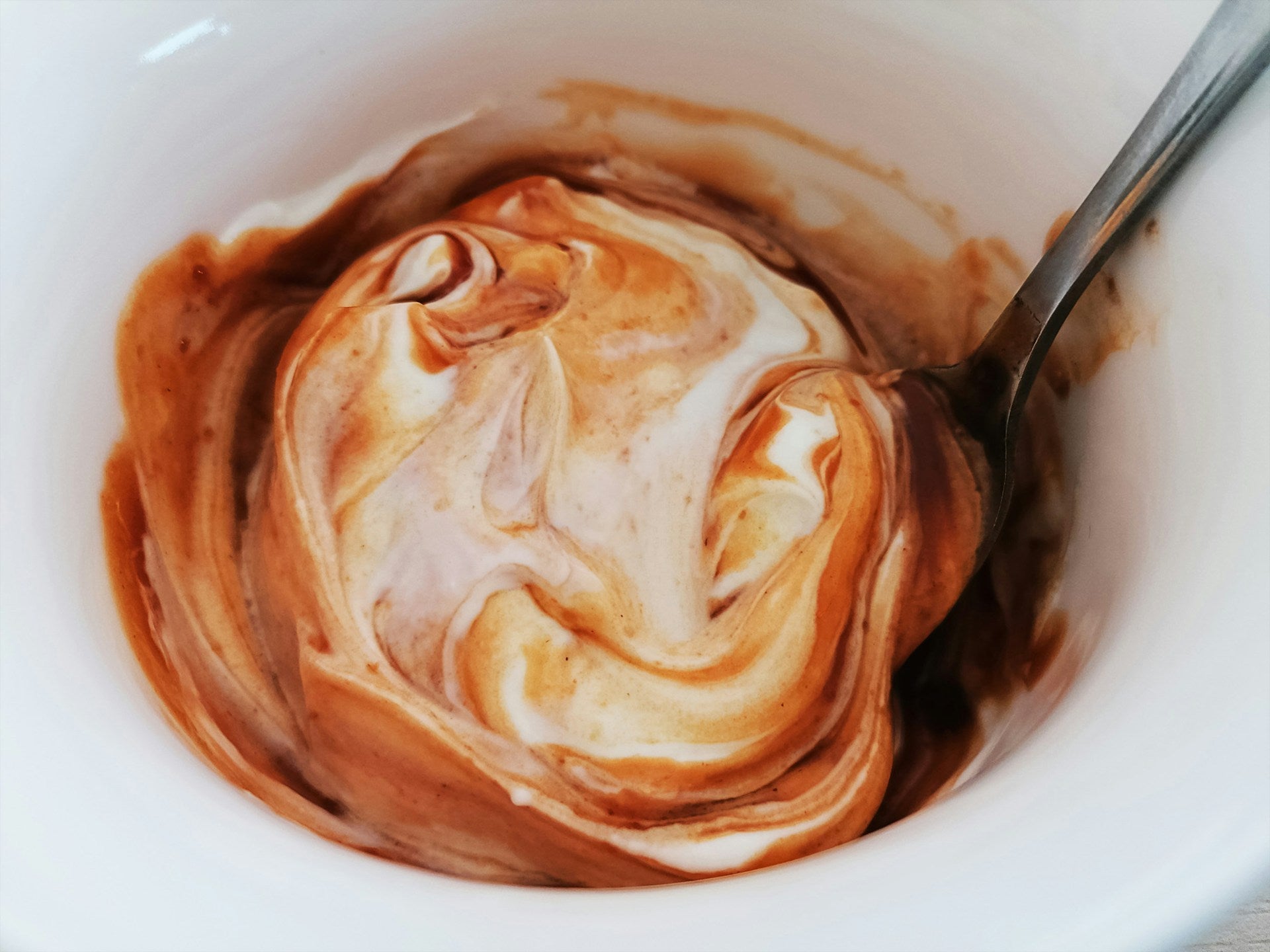
Understanding Melted Ice Cream
Why Does Ice Cream Melt?
Ice cream melts due to a combination of heat and its composition. When ice cream is exposed to warmer temperatures, the heat energy causes the solid ice crystals in the mixture to break down, transforming it from a solid to a liquid state. The melting process can be influenced by several factors, including:
| Factor | Description |
|---|---|
| Temperature | Higher ambient temperatures accelerate melting. |
| Ingredients | Ice cream with higher fat content may melt differently than those with more air or water. |
| Container | The type of container can affect how quickly heat transfers to the ice cream. |
Understanding these factors can help you manage your ice cream better, especially during gatherings or outdoor events.
Effects of Freezing and Refreezing
Refreezing melted ice cream can compromise its quality. When ice cream melts, the ice crystals within it begin to melt and reform. This process can lead to larger ice crystals forming when refrozen, resulting in a grainy texture. Here are some effects to consider:
| Effect | Description |
|---|---|
| Texture Change | Refrozen ice cream may become icy and lose its creamy texture. |
| Flavor Alteration | The flavors may become muted or altered due to the melting and refreezing process. |
| Safety Concerns | If ice cream has been melted for an extended period, it can harbor bacteria, making it unsafe to eat. |
You may wonder, "can you put melted ice cream back in the freezer?" While it is technically possible, the quality and safety of the ice cream should be carefully evaluated before proceeding.
Can You Refreeze Melted Ice Cream?
Understanding the implications of refreezing melted ice cream involves considering safety issues and how it affects the quality of the dessert.
Safety Concerns
When ice cream melts, it reaches temperatures that can promote the growth of bacteria. Refreezing melted ice cream can be risky, especially if it has been left at room temperature for more than two hours. The USDA recommends that perishable foods should not be left out for more than two hours to prevent foodborne illnesses.
Here’s a quick reference table to help you assess the safety of your melted ice cream based on time and temperature:
| Time at Room Temperature | Safety Status |
|---|---|
| Less than 2 hours | Safe to refreeze |
| 2 to 4 hours | Use caution; bacteria may begin to grow |
| More than 4 hours | Not safe; discard |
Impact on Taste and Texture
Refreezing melted ice cream can also significantly alter its taste and texture. When ice cream melts, it loses its air content, leading to a denser consistency once refrozen. Ice crystals may form during the freezing process again, resulting in a grainy texture that differs from the original creamy smoothness.
Here are a few factors to consider regarding taste and texture:
| Factor | Description |
|---|---|
| Texture | Ice cream becomes denser and grainy after refreezing. |
| Taste | Flavors may become muted or change due to melting and refreezing. |
| Quality | Overall quality decreases with each melting and refreezing cycle. |
While you may be tempted to refreeze melted ice cream, it's essential to weigh the safety concerns and potential changes in quality. If you’re looking to better manage your ice cream storage, consider reading about best ways to store kronos melon seeds in the fridge and other food preservation techniques.
Guidelines for Refreezing Ice Cream
Refreezing melted ice cream requires careful consideration to maintain its quality and safety. Here are guidelines to help you manage the process effectively.
Proper Storage Practices
To ensure the best outcome when refreezing melted ice cream, follow these storage practices:
| Step | Description |
|---|---|
| 1 | Use an airtight container. Transfer the melted ice cream into a clean, airtight container to prevent contamination and freezer burn. |
| 2 | Leave space for expansion. Ice cream expands as it freezes; leave some space at the top of the container. |
| 3 | Label the container. Write the date and contents on the container to track freshness. |
| 4 | Store in the coldest part of the freezer. Place the container at the back of the freezer where temperatures are most consistent. |
For additional tips, consider reading about how to keep veggies in the fridge to understand more about proper food storage.
Best Practices for Handling Melted Ice Cream
When dealing with melted ice cream, keeping quality and safety in mind is essential. Here are the best practices:
| Practice | Description |
|---|---|
| Act quickly. | Refreeze the ice cream as soon as possible to minimize the time it spends at room temperature. |
| Check the temperature. | Ensure your freezer is set to the appropriate temperature (0°F or -18°C). This helps maintain the integrity of the ice cream. |
| Avoid repeated thawing. | Only melt and refreeze ice cream once to limit texture and flavor deterioration. |
| Monitor for signs of spoilage. | Always check for off smells or changes in texture before consuming refrozen ice cream. For more details, see our article on how to tell if your ice cream is safe to eat. |
By following these guidelines, you can safely refreeze melted ice cream while ensuring it remains enjoyable when served again.
Tips for Preventing Ice Cream from Melting
Keeping ice cream cold and preventing it from melting can be a challenge, especially during warm weather or gatherings. Here are some effective storage tips and serving techniques to help you maintain the perfect temperature for your favorite frozen treat.
Storage Tips
Proper storage is key to prolonging the life of your ice cream. Here are some guidelines to follow:
| Tip | Description |
|---|---|
| Keep it in the Back | Store your ice cream in the back of the freezer where the temperature is more consistent, rather than in the door. |
| Use an Airtight Container | Transfer ice cream into a well-sealed container to prevent air exposure and freezer burn. |
| Avoid Frequent Opening | Minimize the number of times you open the freezer to maintain a stable temperature. If you need to access the ice cream, do so quickly. |
| Check the Freezer Temperature | Ensure your freezer is set to 0°F (-18°C) or lower for optimal freezing conditions. For more details, visit our article on best temperature for a fridge and freezer. |
Serving Techniques to Maintain Coldness
When it’s time to serve ice cream, consider these techniques to keep it cold longer:
| Technique | Description |
|---|---|
| Pre-chill Serving Utensils | Place your scoops and bowls in the freezer for a while before serving to help maintain the cold temperature. |
| Serve in Smaller Portions | Serve smaller scoops to reduce the amount of ice cream exposed to warm air at one time. |
| Use a Chilled Container | Consider using a chilled bowl for serving ice cream, especially at outdoor gatherings. You can also place the serving bowl inside a larger bowl filled with ice. |
| Limit Exposure to Heat | Keep ice cream out of direct sunlight and away from heat sources, especially during celebrations. |
By implementing these storage tips and serving techniques, you can enjoy your ice cream without worrying about it melting too quickly. If you find yourself with melted ice cream, check out our article on can you put melted ice cream back in the freezer? for guidance on how to handle it.
How to Tell If Your Ice Cream is Safe to Eat
When you are unsure if your ice cream is still good to eat, there are a few signs to look for. These indicators can help you determine whether your ice cream is safe or if it should be discarded.
Signs of Spoiled Ice Cream
Below are common signs that indicate your ice cream may have gone bad:
| Sign | Description |
|---|---|
| Unpleasant Odor | A sour or off smell can indicate spoilage. |
| Ice Crystals | Large ice crystals on the surface suggest that the ice cream has melted and refrozen, affecting its texture. |
| Discoloration | Any change in color, such as yellowing or dark spots, can indicate spoilage. |
| Off Taste | A strange or sour taste is a strong sign that the ice cream is no longer safe to eat. |
If you notice any of these signs, it's best to err on the side of caution and dispose of the ice cream.
When to Discard Ice Cream
It's important to know when to discard ice cream to avoid foodborne illness. Here are some guidelines to help you make that decision:
| Condition | Action |
|---|---|
| Ice Cream Left Out | If ice cream has been left out at room temperature for more than 2 hours, it's safer to throw it away. |
| Extended Freezing | If ice cream has been in the freezer for more than 2-3 months and shows signs of freezer burn or ice crystals, it's best to discard it. |
| Melted Ice Cream | If ice cream has melted completely and been refrozen, it should not be consumed. For more details, refer to our discussion on can you put melted ice cream back in the freezer?. |
By following these guidelines, you can ensure that you enjoy your ice cream safely. If you have any doubts about its freshness, it's best to dispose of it to keep your health in check.
Alternative Uses for Melted Ice Cream
When ice cream melts, it doesn't have to go to waste. There are several creative ways you can repurpose melted ice cream into delicious treats or other uses.
Creative Recipes
You can transform melted ice cream into various desserts or ingredients for recipes. Here are some fun ideas:
| Recipe | Description |
|---|---|
| Milkshakes | Blend melted ice cream with milk and your favorite flavorings for a quick milkshake. |
| Ice Cream Cake | Use melted ice cream as a filling layer between cake layers. Freeze the cake to set. |
| Sundae Sauce | Drizzle melted ice cream over pancakes or waffles as a tasty sauce. |
| Ice Cream Popsicles | Pour melted ice cream into molds and freeze for a refreshing popsicle treat. |
These recipes allow you to enjoy the melted ice cream in a new way, minimizing waste while satisfying your sweet tooth.
Repurposing Melted Ice Cream
In addition to making delicious recipes, there are other practical uses for melted ice cream:
| Use | Description |
|---|---|
| Baking Ingredient | Replace part of the sugar or fat in baking recipes with melted ice cream for added flavor. |
| Coffee Creamer | Use melted ice cream as a sweetener and creamer in your coffee for a delicious twist. |
| Smoothie Base | Incorporate melted ice cream into smoothies for a creamy texture and added sweetness. |
Repurposing melted ice cream not only helps reduce waste but also inspires creativity in the kitchen.
By exploring these alternative uses, you can enjoy melted ice cream in various delightful and practical ways. If you're curious about the safety of refreezing melted ice cream, refer to our section on can you put melted ice cream back in the freezer?.
Get Your Upgrade or New Addition at Fridge.com
Whether you're searching for your perfect fridge, freezer, wine fridge, beer fridge, ice maker, or kegerator, we have what you need.
Shop the world's best brands at Fridge.com.
We also have tons of awesome articles about kitchen stuff and home news. Enhance your home, garage, backyard, patio, and office with the coolest essentials. With every necessary type of residential refrigerator or freezer in our collection, we've got you covered.
Elevate your game and shop now at Fridge.com!