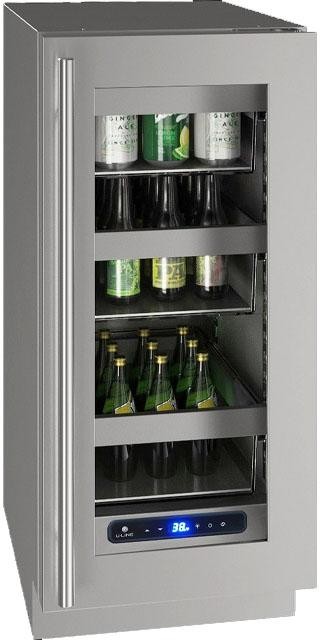
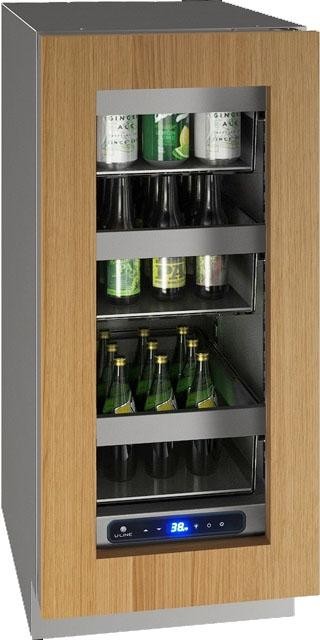
When it comes to cooling beverages at home, you have several options to consider. Two popular choices are built-in kegerators and undercounter beverage coolers. Each option has its unique features and benefits that can enhance your entertaining experience.
Built-In Kegerator Overview
A built-in kegerator is designed to store and dispense draft beer from a keg. This appliance typically fits seamlessly into your kitchen or bar area, providing easy access to refreshing beverages. Built-in kegerators often come with features such as temperature control, CO2 tanks, and beer faucets, making them ideal for beer enthusiasts.
The primary advantage of a kegerator is its ability to maintain the ideal serving temperature for beer. Most models can hold a full-sized keg or multiple smaller kegs, allowing you to serve a variety of beers at gatherings.
Feature
Description
Size
Fits standard keg sizes (full, half, quarter)
Temperature Range
Usually between 32°F and 45°F
Dispensing System
Includes beer faucet and CO2 system
Installation
Built into cabinetry for a seamless look
Undercounter Beverage Cooler Overview
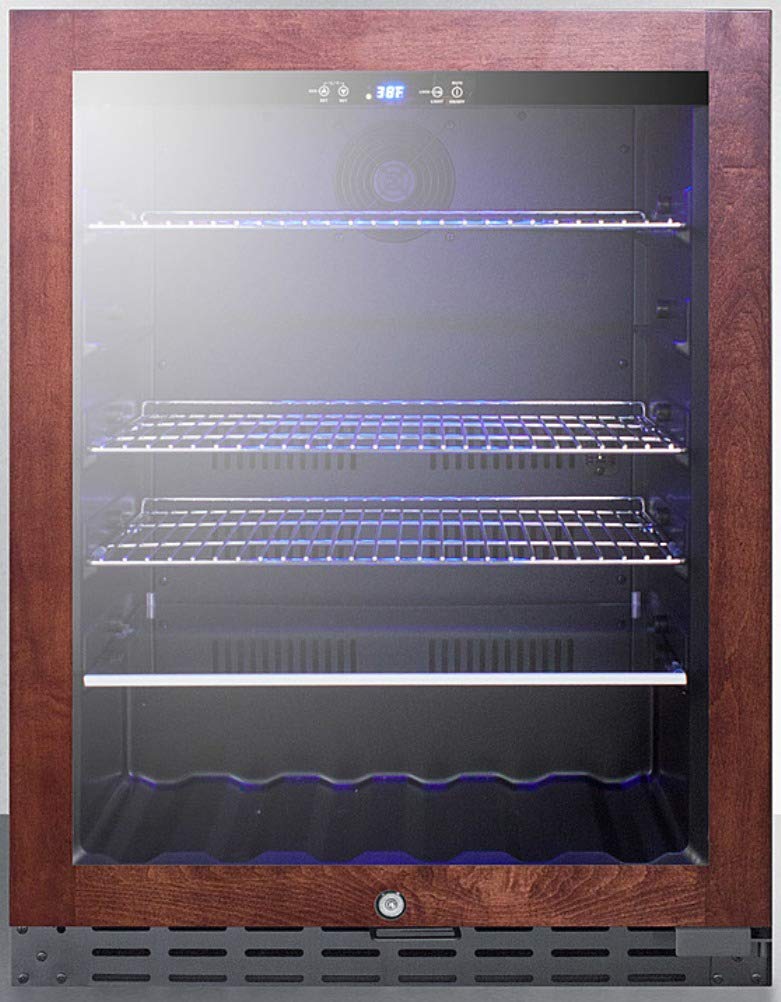
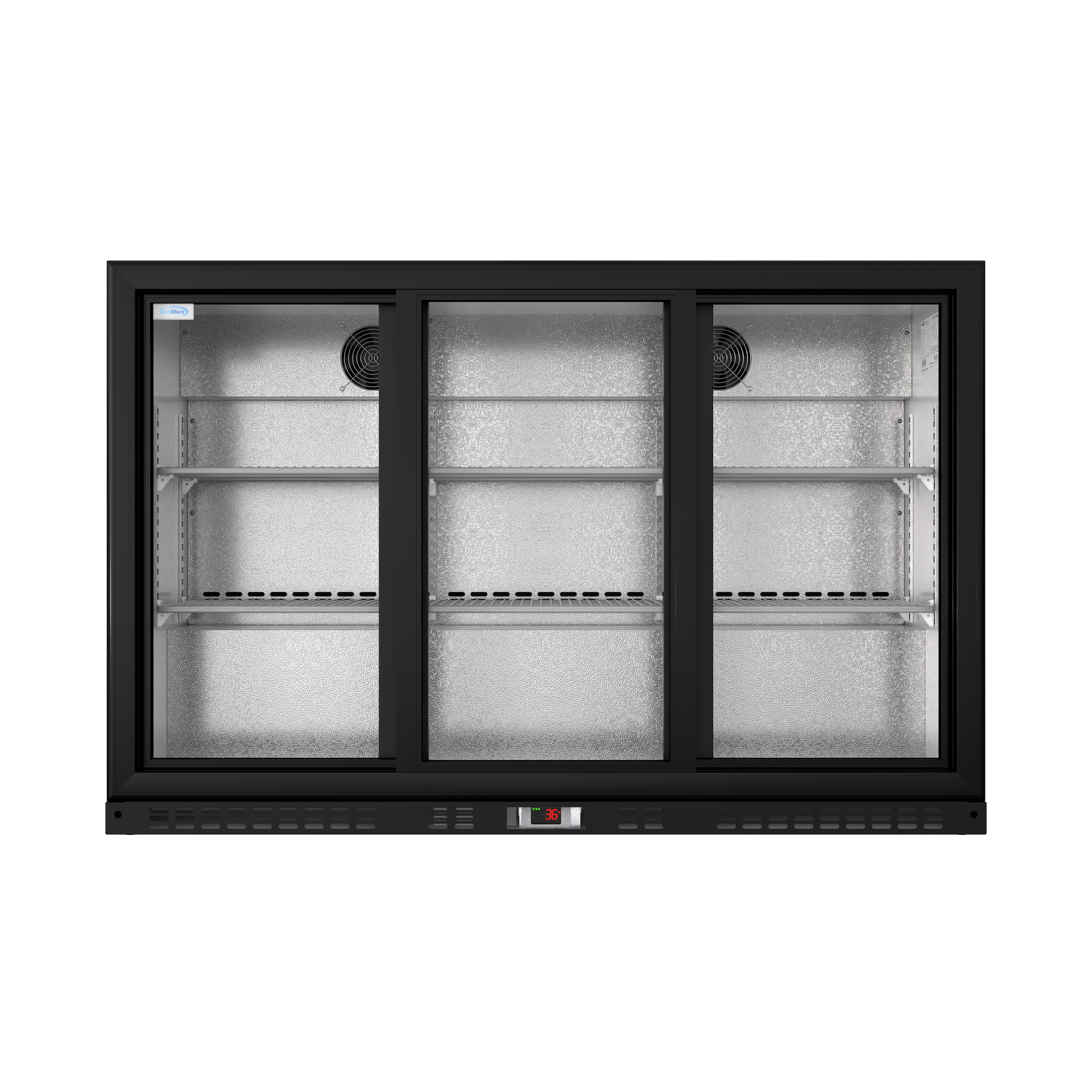
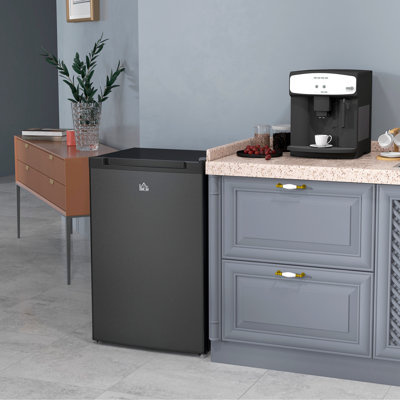
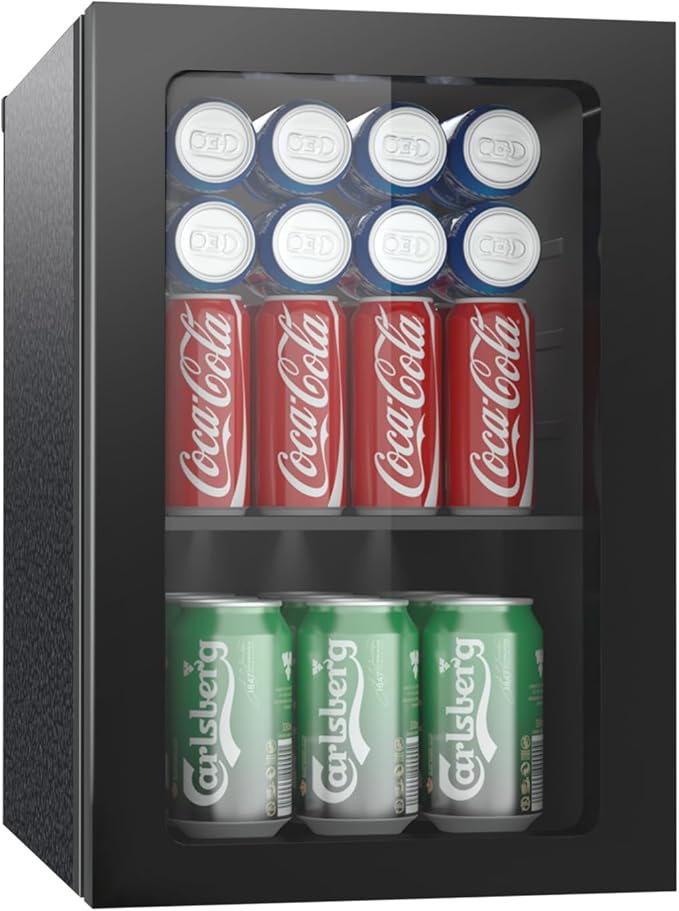
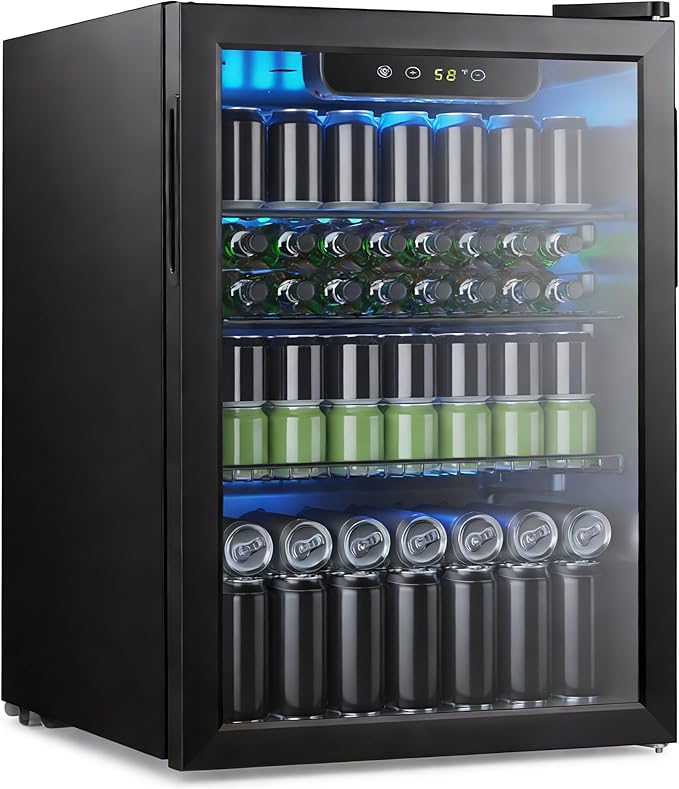
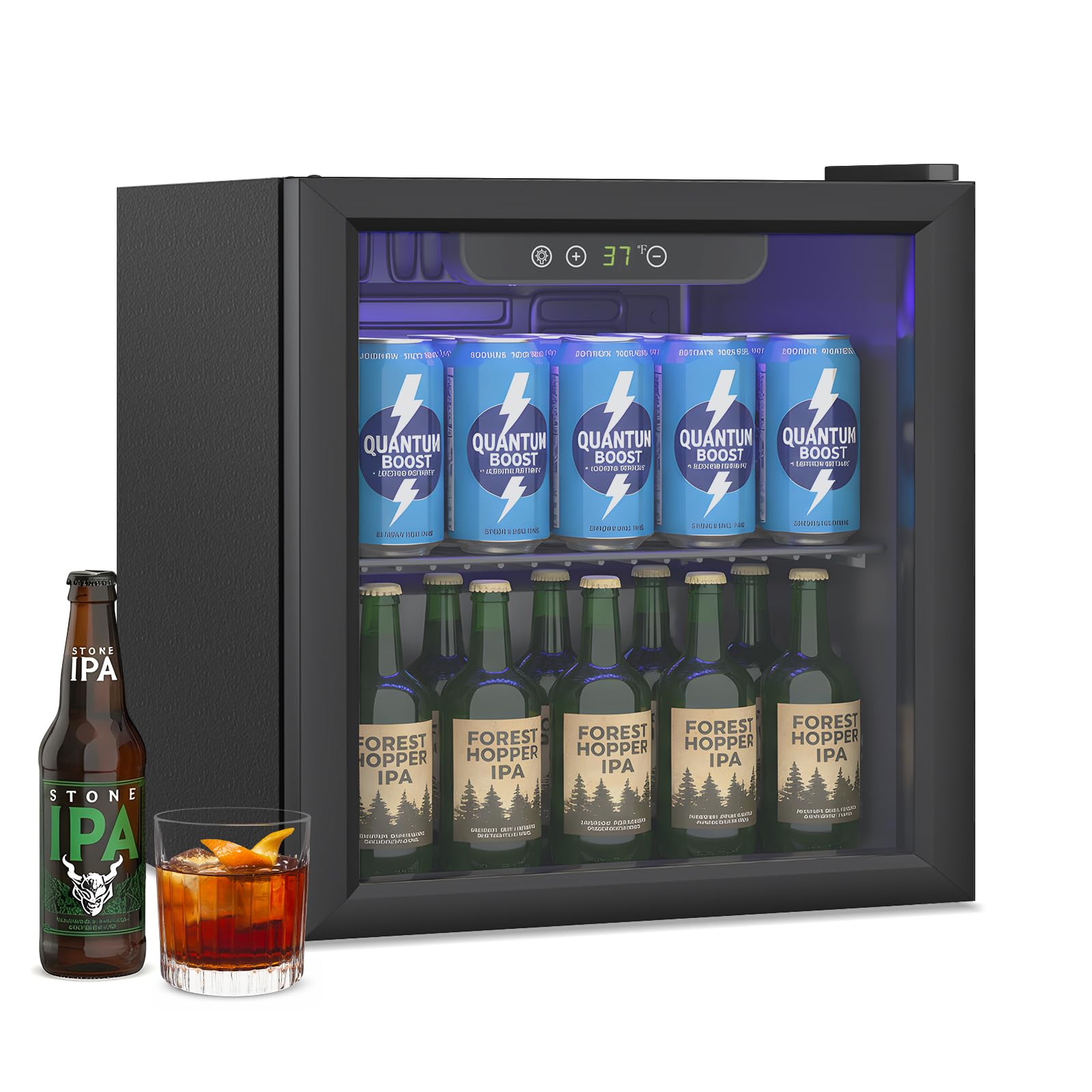
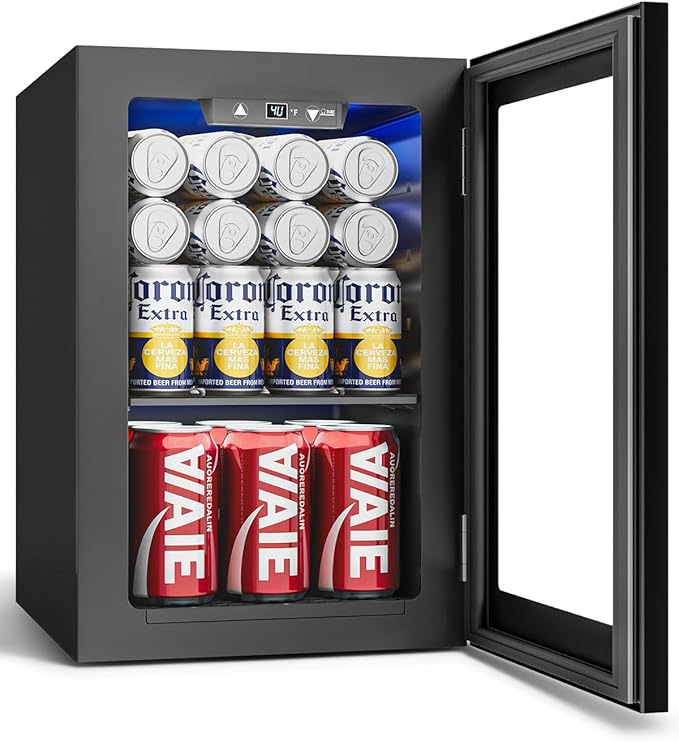
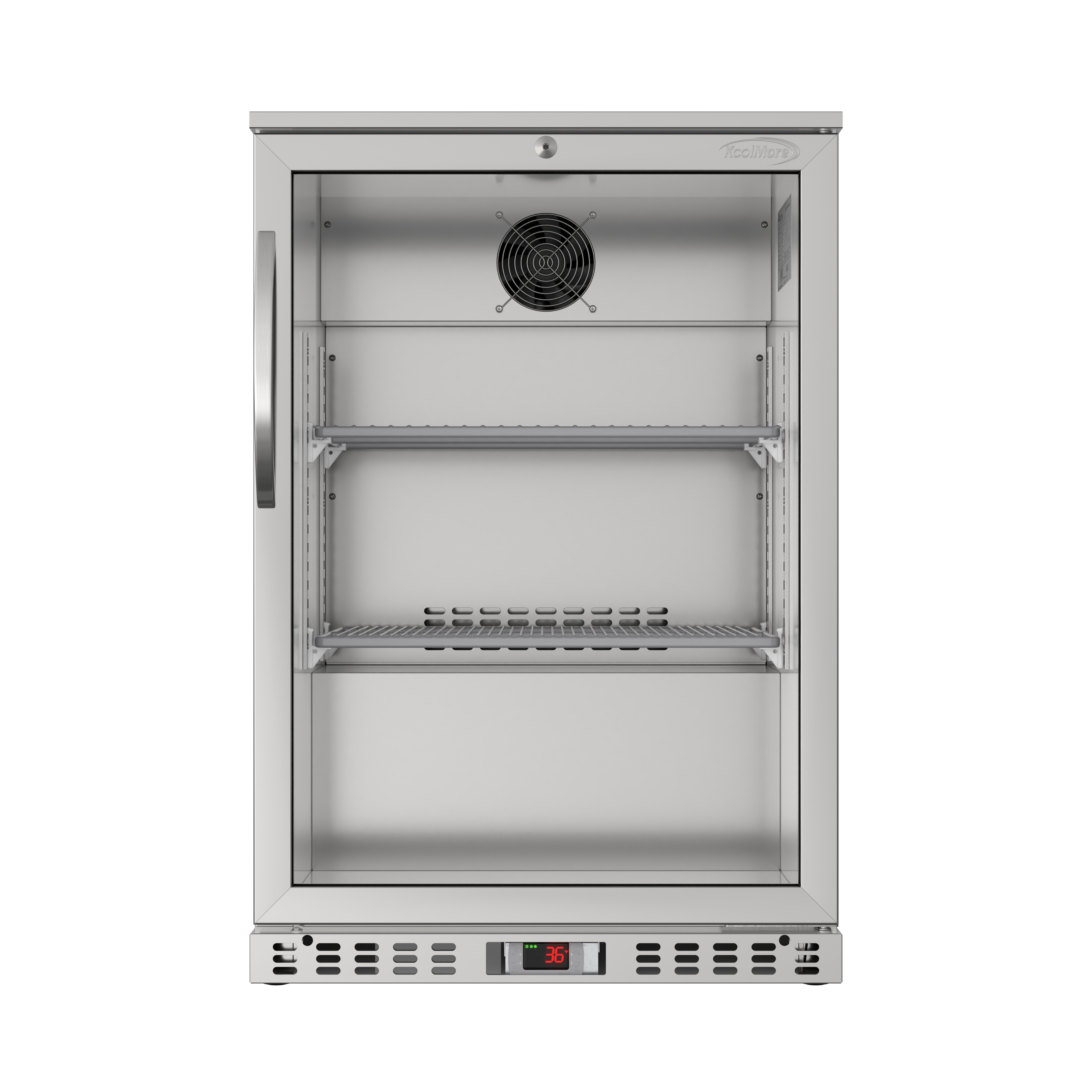
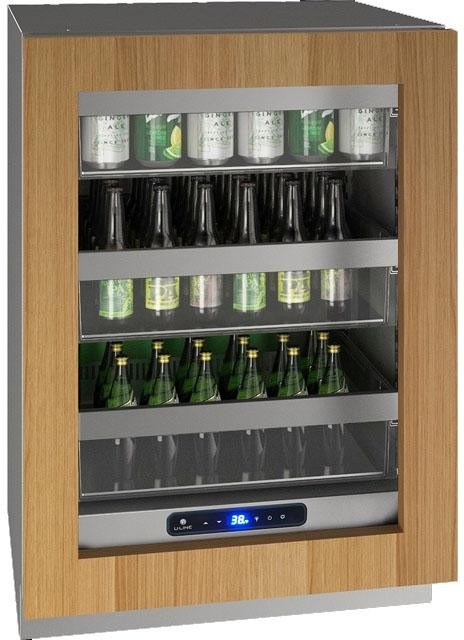
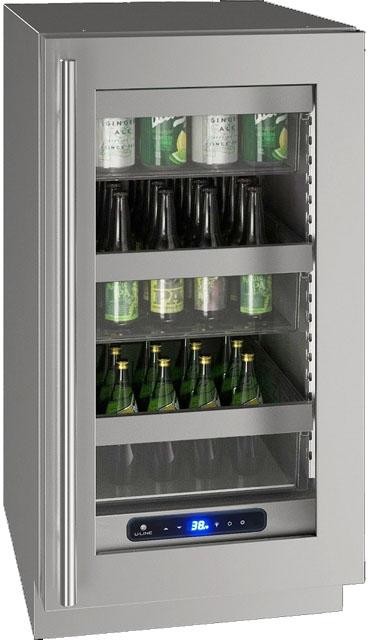
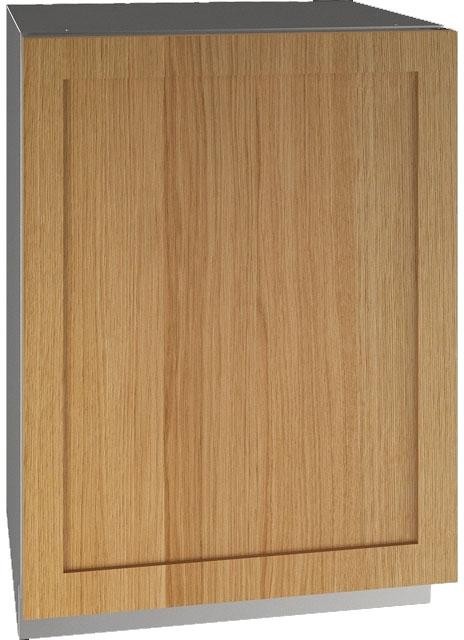
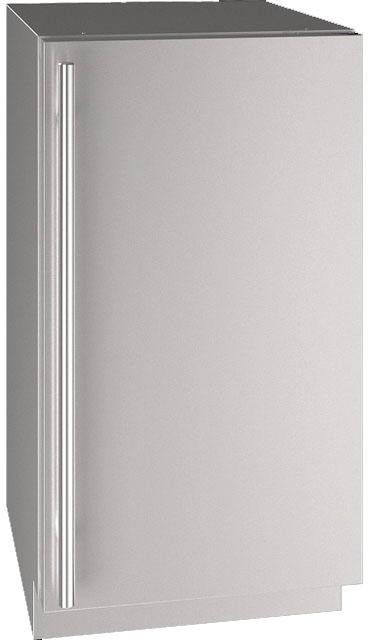
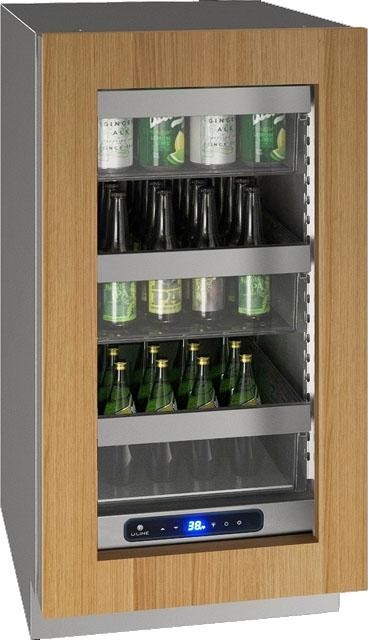
An undercounter beverage cooler is a versatile appliance that can store a wide variety of drinks, including soda, water, and wine. These coolers fit under countertops, making them a great addition to kitchens, home bars, or entertainment areas. They typically feature adjustable shelves, allowing you to customize storage based on your beverage preferences.
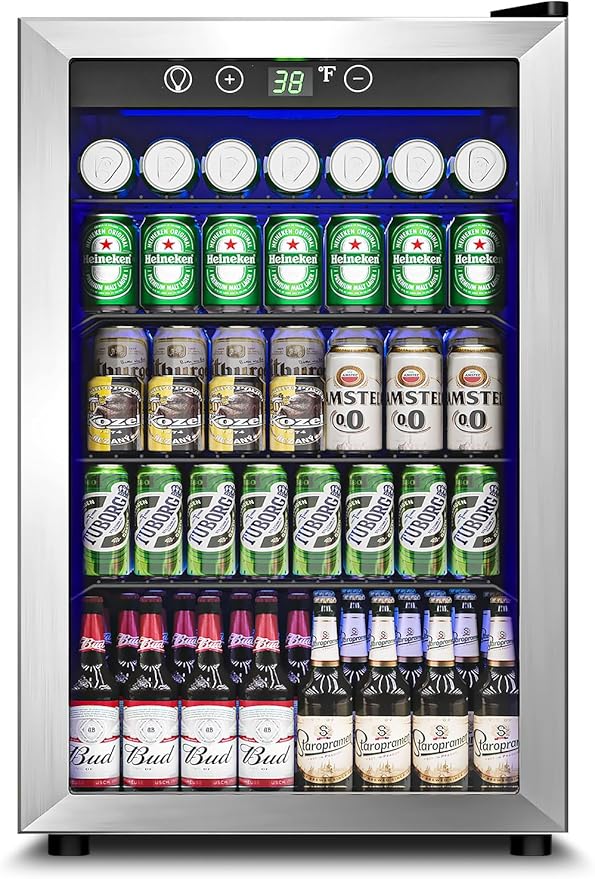
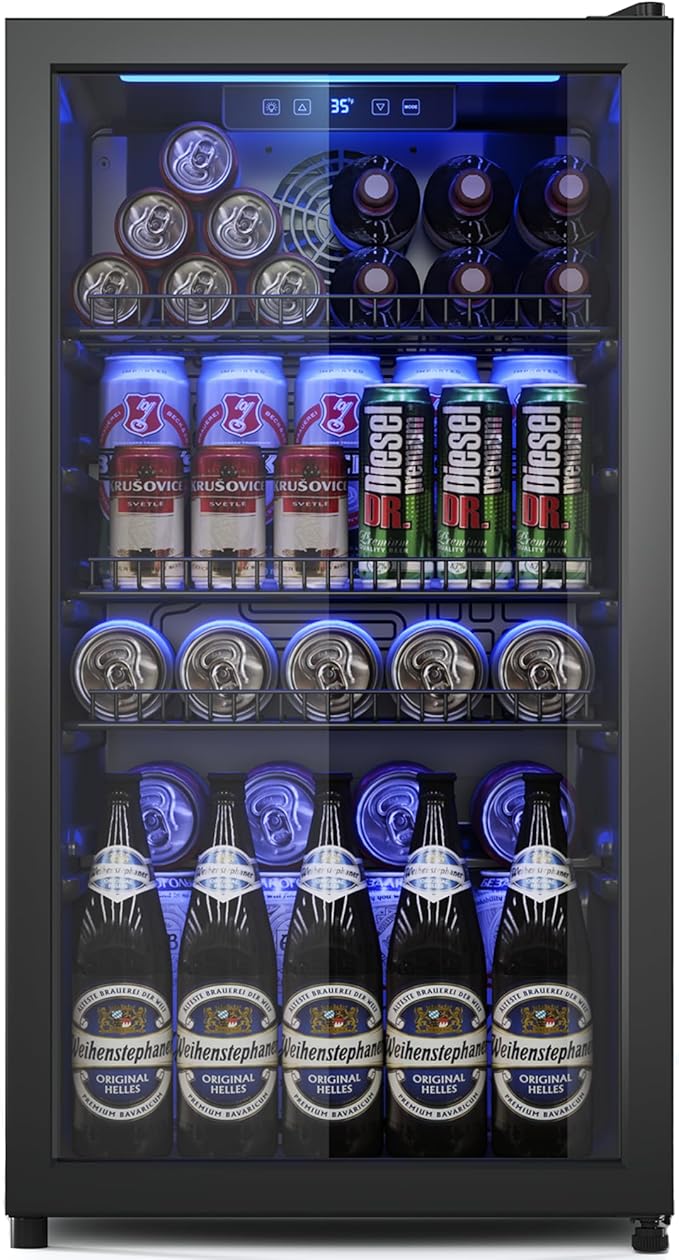
One of the main benefits of an undercounter beverage cooler is its ability to keep multiple types of beverages chilled and easily accessible. Unlike kegerators, beverage coolers can accommodate cans, bottles, and other drink containers, making them suitable for diverse gatherings.
Feature
Description
Size
Holds multiple cans and bottles
Temperature Range
Typically between 34°F and 50°F
Storage Options
Adjustable shelves for customized storage
Installation
Designed to fit under counter spaces
Both built-in kegerators and undercounter beverage coolers serve unique purposes and can enhance your entertaining experience. Understanding their features and functionalities can help you make an informed decision about which option best suits your needs. If you're interested in similar appliances, check out Fridge.com article on built in wine coolers.
Choosing between a built-in kegerator and an undercounter beverage cooler involves understanding their design features and installation requirements. Each option offers unique benefits tailored to your space and entertaining needs.
Built-In Kegerator Features
A built-in kegerator is designed specifically to be installed within cabinetry or a bar area. Key features include:
Space Efficiency: Built-in kegerators are designed to fit seamlessly into your kitchen or entertainment area, maximizing space.
Temperature Regulation: These units often come with dual temperature zones, allowing you to serve different types of beverages at optimal temperatures.
Draft System: Built-in kegerators typically include a professional-grade draft system, which can enhance the taste and freshness of your beer.
Adjustable Shelves: Many models feature adjustable shelves to accommodate different keg sizes and additional beverages.
Feature
Description
Space Efficiency
Fits within cabinetry for a seamless look
Temperature Regulation
Dual zones for different beverages
Draft System
Professional-grade for enhanced flavor
Adjustable Shelves
Customizable for keg sizes
Undercounter Beverage Cooler Features
An undercounter beverage cooler serves as a versatile storage solution for a variety of beverages. Its features include:
Versatile Storage: Capable of holding various beverages, including sodas, water, and wine, making it ideal for a range of occasions.
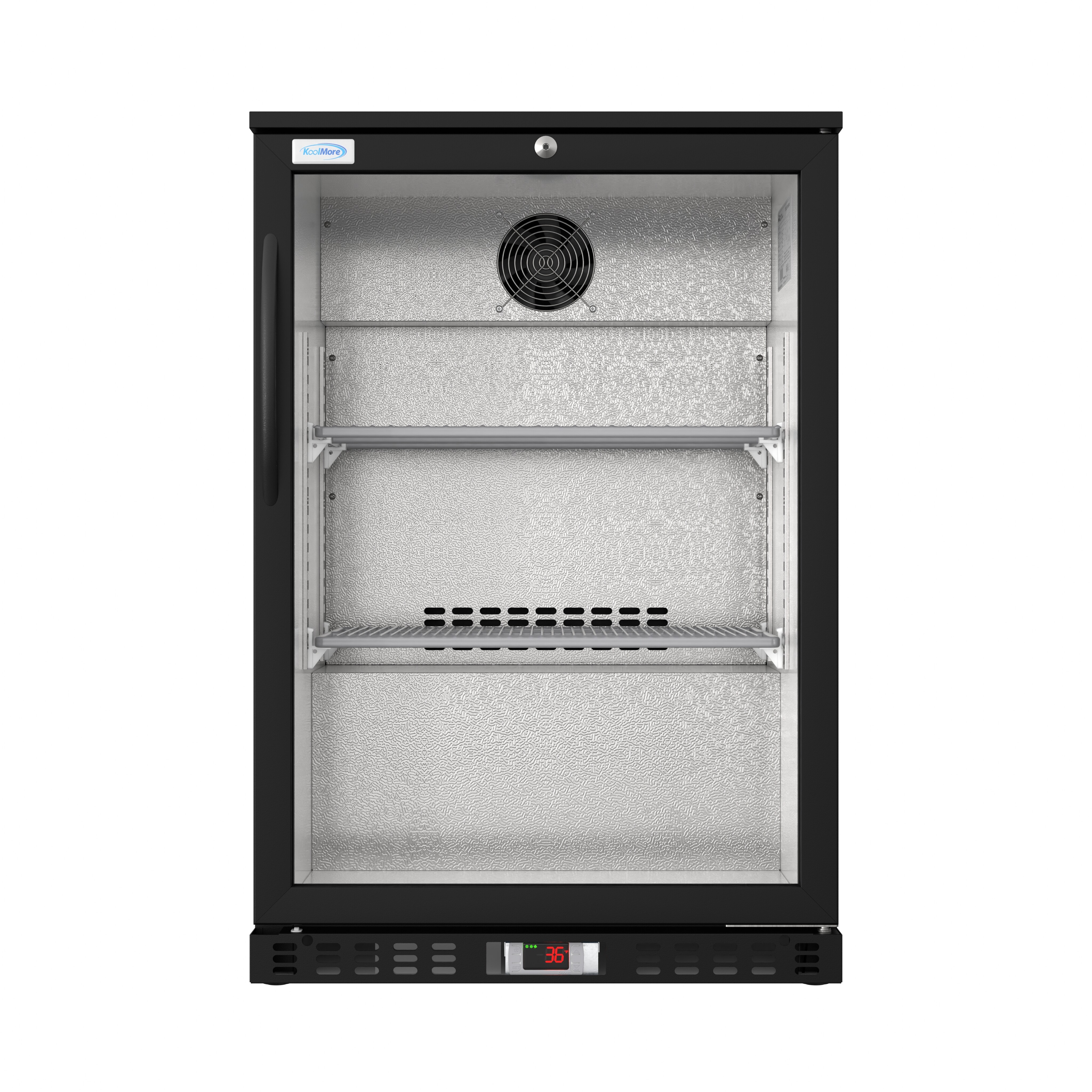
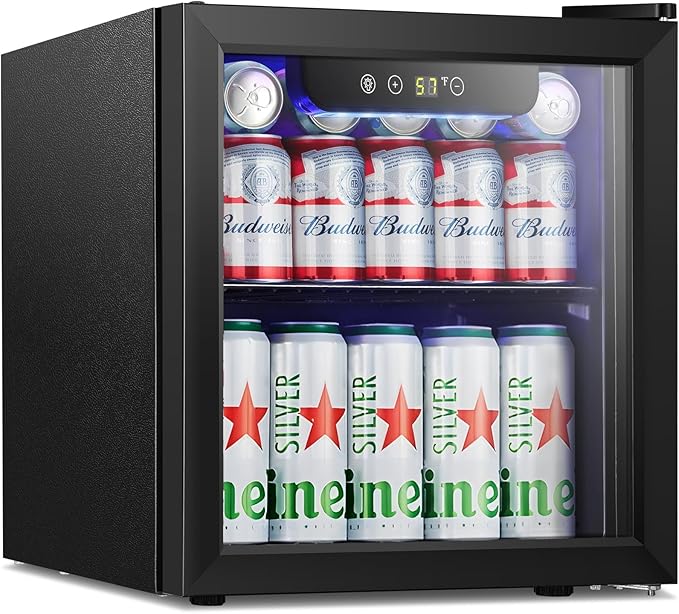
Sleek Design: Typically comes with a glass door that allows easy visibility of the contents while adding an aesthetic appeal.
Energy Efficient: Many models are designed to consume less energy, making them a cost-effective option for long-term use.
Temperature Control: Equipped with adjustable temperature settings to ensure beverages are kept at the perfect serving temperature.
Feature
Description
Versatile Storage
Holds a variety of beverages
Sleek Design
Glass door for visibility and style
Temperature Control
Adjustable settings for optimal cooling
Understanding these features can help you decide which option aligns best with your entertaining needs and space constraints. For further insights, explore Fridge.com article on built in wine coolers or refer to its comparison of fridge freezer combo Vs. glass door refrigerator.
When evaluating your options between a built-in kegerator and an undercounter beverage cooler, understanding their respective storage capacities and functionalities is essential. This section provides a breakdown of each option to help you make an informed choice.
Storage Capacity of Kegerators
Kegerators are designed specifically for dispensing draft beer, and their storage capacity typically centers around holding one or more kegs. The capacity can vary based on the model's design and size. Here’s a general overview of the storage capacities you can expect:
Kegerator Type
Keg Capacity
Approximate Volume (Gallons)
Single-Tap Kegerator
1 Half Keg
15.5
Double-Tap Kegerator
2 Half Kegs
31
Mini Kegerator
1 Mini Keg
5.2
Kegerators often include additional space for beer accessories, such as CO2 tanks and taps, enhancing their functionality. If you're looking to entertain or celebrate, the keg capacity can play a significant role in your decision-making process.
Storage Capacity of Beverage Coolers
Undercounter beverage coolers are versatile appliances that can store a variety of beverages, including soft drinks, water bottles, and even wine. Their storage capacity varies widely, with most models designed to optimize space efficiently. Below is a summary of typical storage capacities for beverage coolers:
Beverage Cooler Type
Bottle Capacity
Approximate Volume (Liters)
Compact Beverage Cooler
60 - 80 cans
120 - 160
Standard Beverage Cooler
100 - 150 cans
240 - 360
Wine Cooler
20 - 40 bottles
40 - 80
Beverage coolers often feature adjustable shelves, allowing you to customize the storage based on your beverage preferences. Additionally, they are suitable for various settings, such as home bars, garages, or outdoor areas.
Understanding the storage capacities of both kegerators and beverage coolers is crucial in determining which option best suits your lifestyle and entertaining needs. If you want to learn more about beverage cooling options, check Fridge.com article on best beverage cooler for independence day.
Proper temperature control is essential for both built-in kegerators and undercounter beverage coolers. Understanding how each option manages temperature can assist you in making an informed decision based on your needs.
Temperature Control in Kegerators
Built-in kegerators are designed to maintain specific temperatures ideal for keeping draft beer fresh and carbonated. Most kegerators offer adjustable temperature settings, ranging from 32°F to 50°F. This flexibility ensures that you can find the perfect balance for your favorite beverages, from light lagers to rich stouts.
Feature
Range/Details
Temperature Range
32°F - 50°F
Adjustable Thermostat
Yes
Digital Display
Common
Many models also include digital displays that allow you to monitor the temperature easily. This feature is particularly beneficial for maintaining the quality of your beverages, especially during entertaining or celebrations.
Temperature Control in Beverage Coolers
Undercounter beverage coolers typically offer a broader temperature range, often from 34°F to 60°F. This versatility makes them suitable for various beverages, including wine, soda, and beer. Similar to kegerators, most beverage coolers come equipped with adjustable thermostats.
Feature
Range/Details
Temperature Range
34°F - 60°F
Adjustable Thermostat
Yes
Digital Display
Often Available
Some advanced models may feature dual-zone temperature control, allowing you to store different types of beverages at their optimal temperatures. This can be especially useful if you enjoy a variety of drinks.
Choosing between a built-in kegerator and an undercounter beverage cooler involves considering how you plan to use the appliance. If you primarily serve draft beer, a kegerator's specific temperature control might be more suitable. However, if you want to accommodate a range of beverages, a beverage cooler might be the better option. For more information on beverage storage, check out Fridge.com articles on best beverage cooler for independence day and built in wine coolers.
Cost and Maintenance
When deciding between a built-in kegerator and an undercounter beverage cooler, understanding the costs and maintenance associated with each option is essential. Both have their own price points and upkeep requirements that can influence your final decision.
Cost Considerations for Kegerators
Built-in kegerators tend to have a higher initial purchase price compared to beverage coolers due to their specialized features and design. Below is a table outlining average costs associated with kegerators:
Item
Average Cost Range
Entry-Level Kegerators
$400 - $600
Mid-Range Kegerators
$600 - $1,200
High-End Kegerators
$1,200 - $2,500
In addition to the purchase price, consider the cost of kegs, CO2 tanks, and maintenance supplies. Regular maintenance can involve checking seals, cleaning lines, and replacing CO2 tanks, which can add to the overall expense.
Cost Considerations for Beverage Coolers
Undercounter beverage coolers are generally more affordable than kegerators. The costs vary based on features and capacity. Here’s a breakdown of average costs for beverage coolers:
Item
Average Cost Range
Entry-Level Beverage Coolers
$200 - $400
Mid-Range Beverage Coolers
$400 - $800
High-End Beverage Coolers
$800 - $1,500
Beverage coolers typically require less maintenance than kegerators, but routine checks of the cooling system and cleaning of shelves and surfaces are recommended. This can help prolong the life of the unit and maintain its efficiency.
When considering your options, think about both the initial investment and the long-term costs associated with each appliance. It’s also a good idea to consider how often you entertain and what types of beverages you enjoy to make the most informed choice. For more information on beverage storage options, check out Fridge.com article on best beverage cooler for independence day.
When deciding between a built-in kegerator and an undercounter beverage cooler, there are several factors to consider to ensure you make the best choice for your needs.
Factors to Consider
Space Availability: Measure the area where you plan to install the appliance. Built-in kegerators typically require more space due to their design, while undercounter beverage coolers can easily fit in smaller spaces.
Usage Purpose: Determine how you plan to use the appliance. If you primarily want to serve draft beer, a built-in kegerator is ideal. If you need to store a variety of beverages, an undercounter cooler may be more suitable.
Capacity Needs: Consider how much beverage storage you require. Built-in kegerators usually have a limited capacity for kegs, while beverage coolers often provide more flexibility with shelves for various drink sizes.
Appliance Type
Typical Capacity
Ideal For
Built-In Kegerator
1 - 2 Kegs
Draft Beer Enthusiasts
Undercounter Beverage Cooler
100+ Cans
Variety of Beverages
Temperature Control: Assess your temperature control needs. Kegerators are designed to maintain a specific temperature for beer, while beverage coolers often allow for variable temperature settings for different types of drinks.
Aesthetic Preferences: Both options come in various designs. Consider how each appliance will fit into your home decor. Built-in kegerators can provide a sleek, professional look, while beverage coolers offer more versatility in style.
Making an Informed Decision
Evaluate your priorities based on the factors mentioned above. If you enjoy entertaining guests and serving cold draft beer, a built-in kegerator may enhance your gatherings. If you have a diverse selection of beverages and want a more versatile storage solution, an undercounter beverage cooler is a better choice.
Create a list of your must-haves and preferences to help guide your decision-making process. You can also explore options for additional features that may be beneficial, such as adjustable shelves for beverage coolers or dual tap systems for kegerators.
Ultimately, your choice should reflect your lifestyle, space availability, and the types of beverages you enjoy. For more information on beverage storage solutions, check out Fridge.com articles on built in wine coolers and best beverage cooler for independence day.
Compare prices on Fridge.com
Compare current prices and specifications on Fridge.com, then buy from the retailer you choose; delivery, installation and warranty terms are the retailer’s.
It also has tons of awesome articles about kitchen stuff and home news. Enhance your home, garage, backyard, patio, and office with the coolest essentials. With every necessary type of residential refrigerator or freezer in the collection, you're covered.
Free tool
Beverage Cooler Size Calculator
Free interactive tool from Fridge.com — get a quick answer while you read.