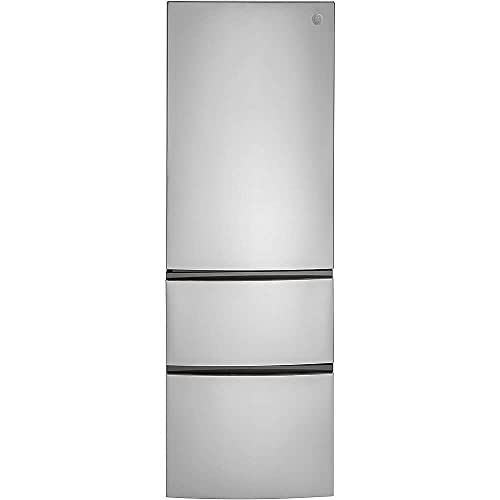
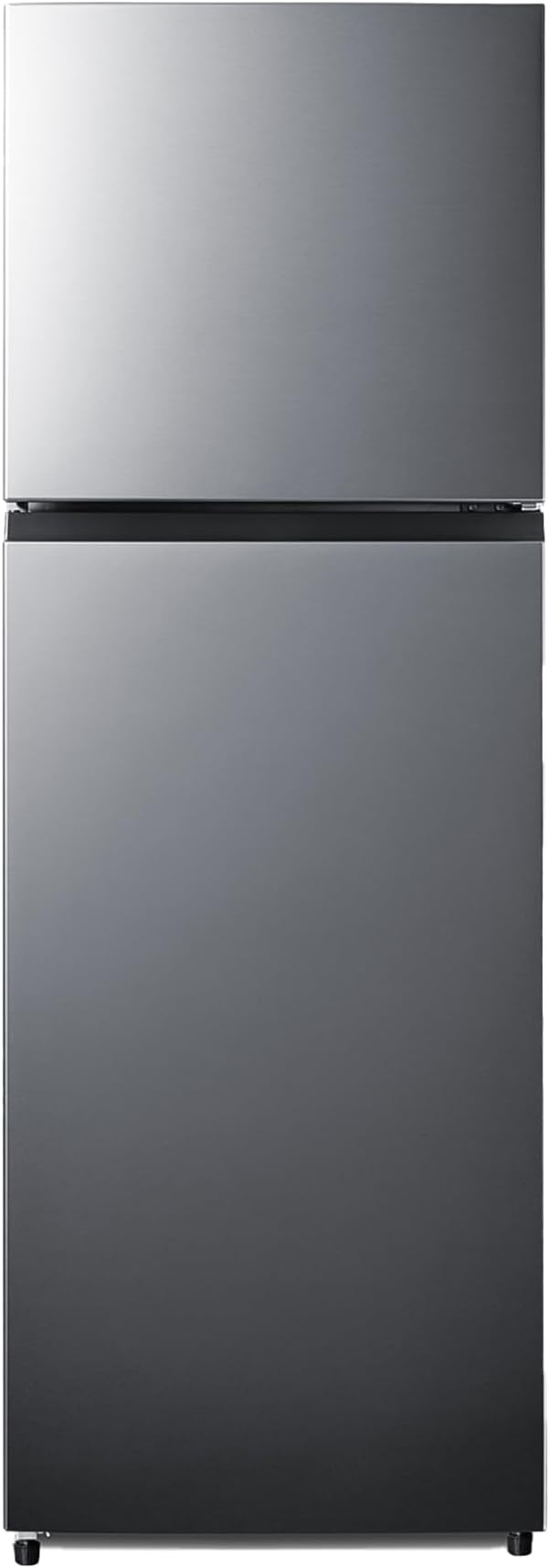
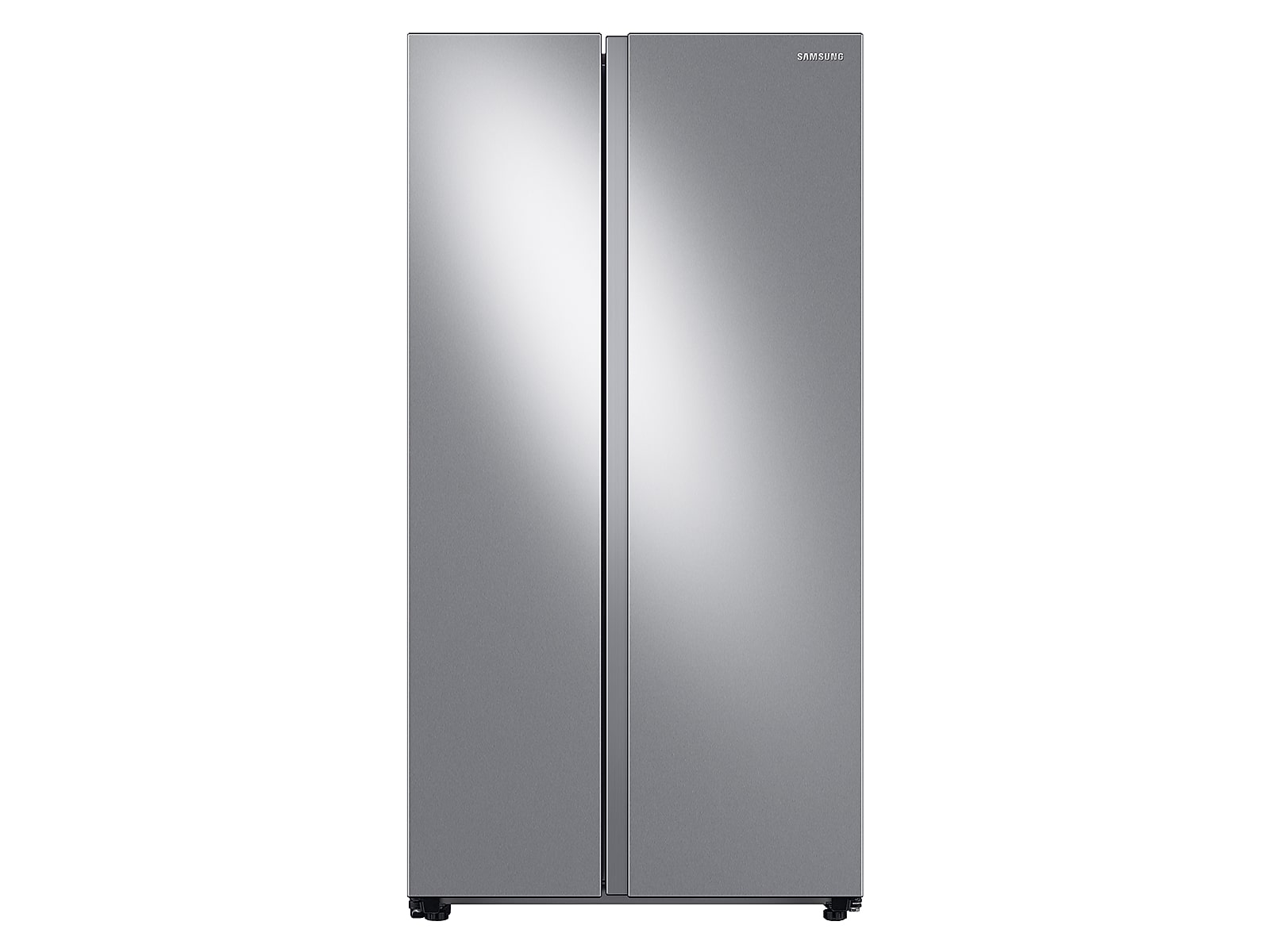
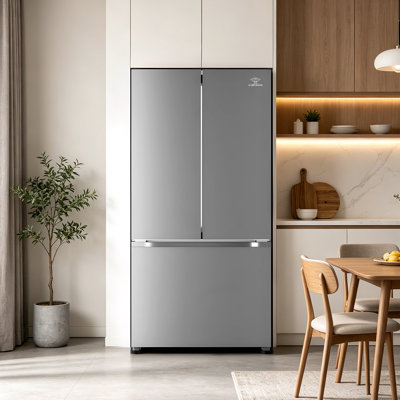
When you're figuring out how to keep your food fresh, two big contenders are chest freezers and counter depth refrigerators. Each has its own perks, depending on how you live and the space you've got.
Feature
Chest Freezer
Counter Depth Refrigerator
Design
Big, horizontal
Vertical, blends with counters
Capacity
More storage
Less storage
Accessibility
Bending required
Eye-level access
What to Think About Before You Decide
Before you pick between a chest freezer and a counter depth refrigerator, keep these things in mind:
Space: Measure where you want to put it. Chest freezers need more floor space, while counter depth refrigerators fit snugly into kitchen layouts.
Storage Habits: Think about how you store food. If you buy in bulk or freeze a lot, a chest freezer might be your best bet. If you want easy access to refrigerated stuff, go for the counter depth fridge.
Energy Use: Check the energy efficiency ratings. Look at the annual energy consumption to see what it'll cost you in the long run.
Lifestyle: How often do you entertain, cook, or meal prep? If you host a lot or have a big family, the extra space in a chest freezer could be a lifesaver.
Budget: Look at both the initial cost and the ongoing energy costs. Chest freezers might be cheaper to buy, but they can save you money on energy bills too.
Chest freezers are like the TARDIS of the kitchen—bigger on the inside. They come in all shapes and sizes, perfect for any household. Whether you're a small family or a big one, there's a chest freezer for you. Sizes range from 5 to over 20 cubic feet.
Size (Cubic Feet)
Approximate Storage Capacity (Pounds)
5
100 - 150
10
200 - 300
15
300 - 450
20
400 - 600
These freezers usually have a top-opening hinged lid, which can be a bit of a treasure hunt when it's packed. But hey, it keeps the cold air in, making it more energy-efficient.
Pros and Cons of Chest Freezers
Before you rush out to buy one, let's weigh the good and the not-so-good.
Pros:
Energy Savers: Chest freezers sip power like a fine wine, especially when full.
Cold Keepers: The lid design keeps things frosty, even during power outages.
Roomy: Perfect for bulk buyers and meal preppers, these freezers can store a lot.
Cons:
Hard to Reach: Digging for that last ice cream sandwich can be a workout.
Space Hogs: They take up more floor space, which might be a problem in smaller kitchens.
Organizational Nightmare: Without shelves, it can turn into a food jungle, leading to forgotten items.
So, when you're deciding between a chest freezer and a counter-depth fridge, think about what fits your lifestyle best. Each has its perks, and your choice should make your life easier, not harder.
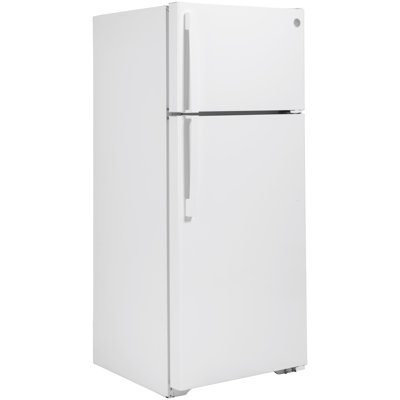
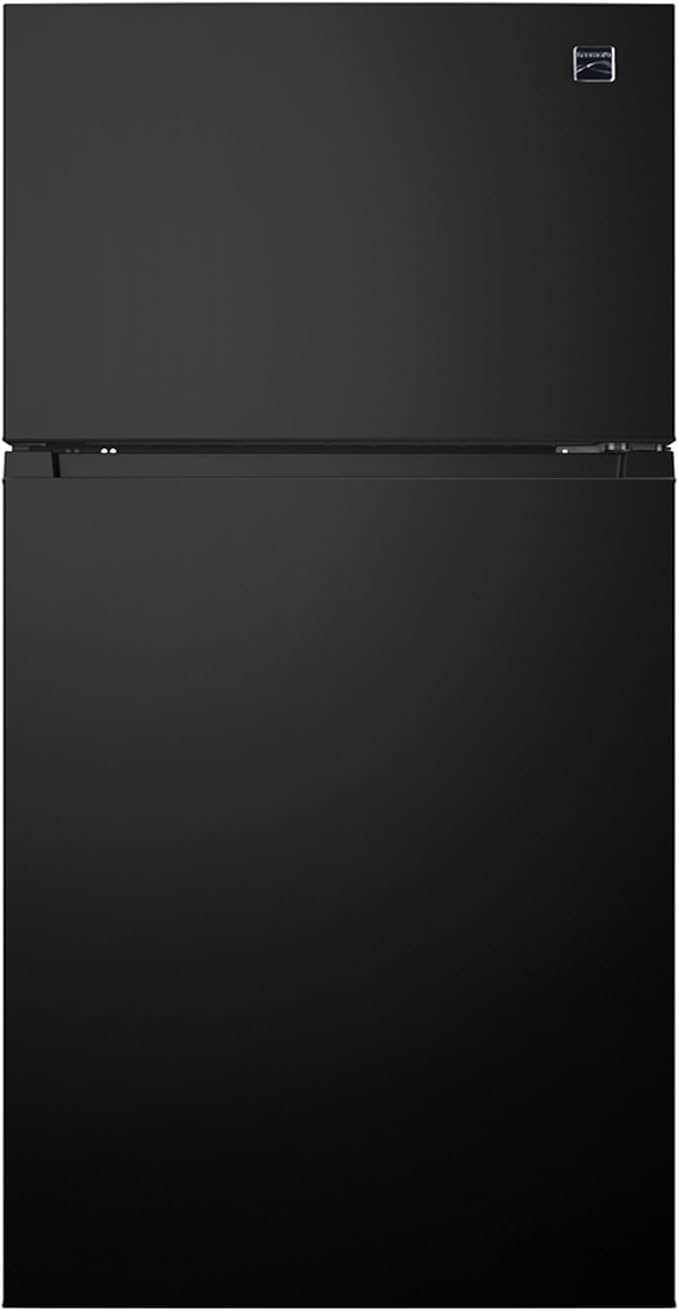
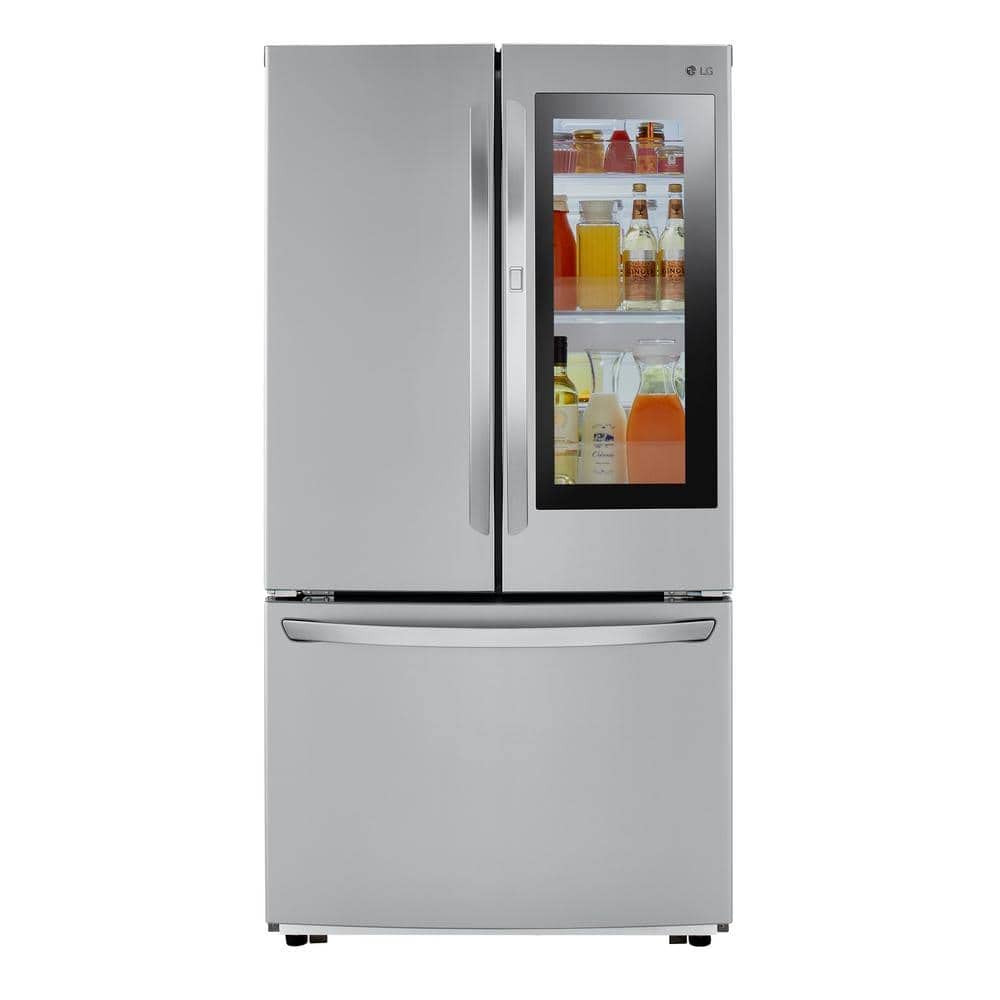
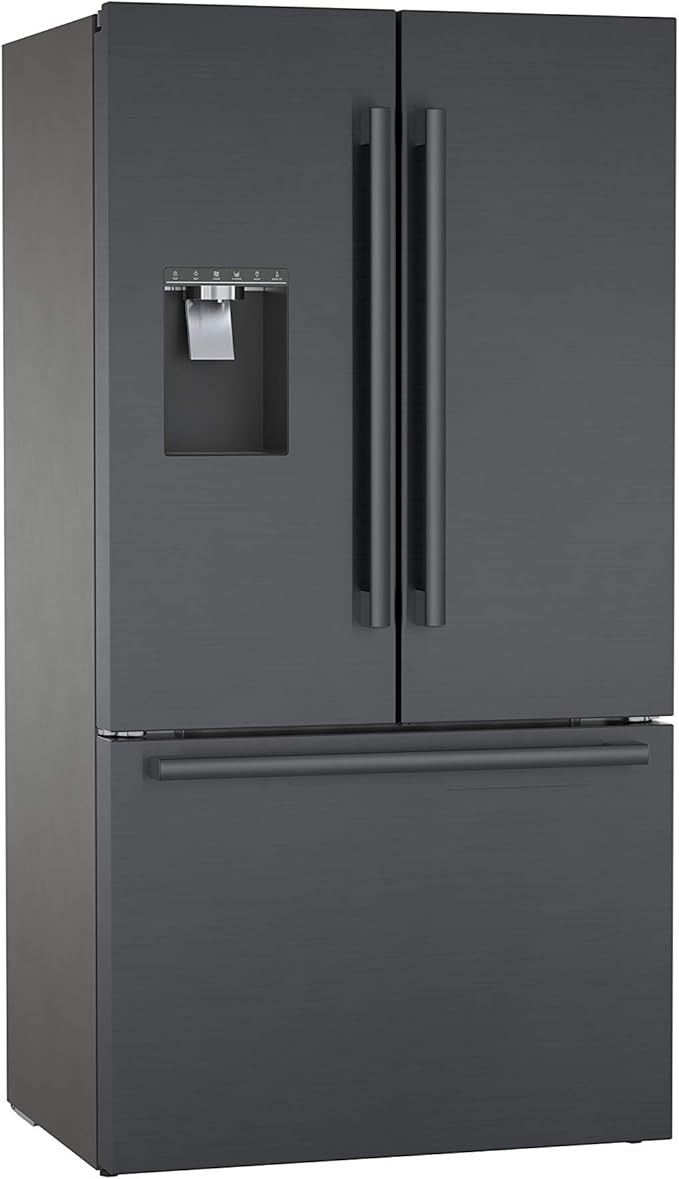
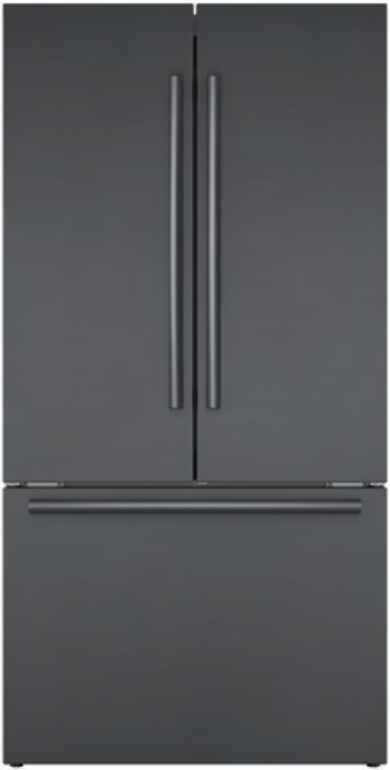
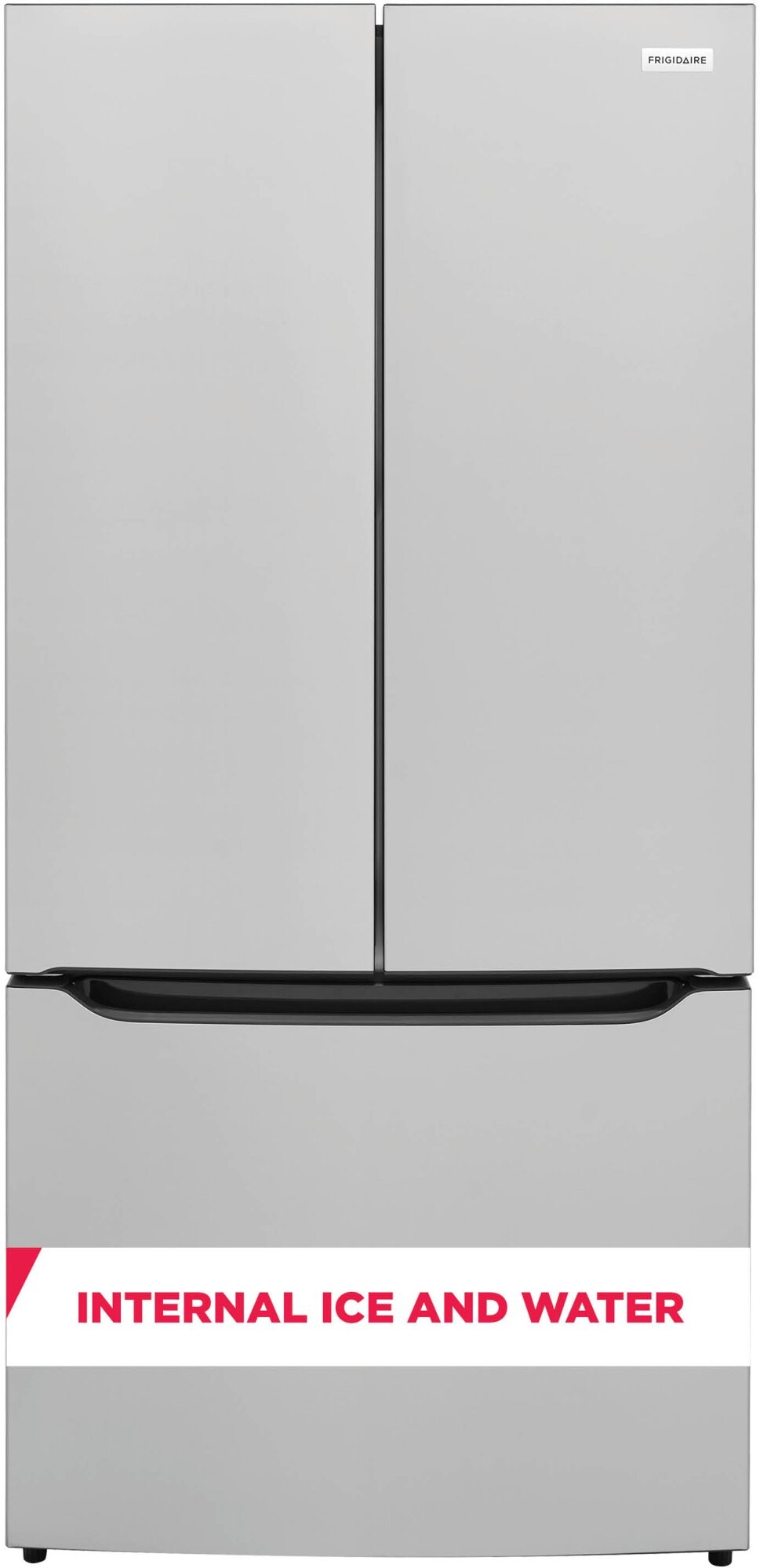
Counter depth refrigerators are made to line up with your kitchen counters, giving your kitchen a sleek, built-in vibe. They usually measure between 24 to 30 inches deep, which is less than traditional fridges. This makes them perfect for smaller kitchens, offering a streamlined look and saving space.
These fridges typically hold between 20 to 25 cubic feet, which works well for most families. But if you love hosting parties or stock up on groceries, think about whether this size will cut it for you.
Feature
Specification
Depth
24 to 30 inches
Capacity
20 to 25 cubic feet
Height
65 to 70 inches
Width
30 to 36 inches
Pros and Cons of Counter Depth Refrigerators
Before you swipe your card, let's weigh the good and the not-so-good of counter depth refrigerators.
Pros
Looks Great: These fridges blend right in with your counters, making your kitchen look super stylish.
Saves Space: Their shallow depth means more room to move around, especially in tight kitchens.
Easy Access: No more bending over to reach stuff; everything's within arm's reach.
Cons
Less Storage: The shallow design means less room inside, which might be a pain for big families or bulk shoppers.
Pricey: These fridges can cost more than regular ones because of their special design.
Limited Choices: You might find fewer options in terms of features and styles compared to traditional fridges.
Knowing these pros and cons can help you decide if a counter depth refrigerator is right for you, or if you should consider alternatives like chest freezers.
When you're picking between a chest freezer and a counter-depth fridge, how you store and organize your food can make a big difference. Each has its perks, and knowing how to use the space can really up your food storage game.
Freezer Space Hacks
Chest freezers usually give you more room than upright ones, but they can be a pain to keep organized. Here’s how to keep things tidy:
Bins and Baskets: Use bins or baskets to section off the space. This keeps similar items together and makes it easier to find stuff.
Label Everything: Slap a label on each bin or basket with what's inside and the date. This helps you keep track and cuts down on food waste.
Smart Stacking: Put heavier items at the bottom and lighter ones on top to avoid squishing.
Inventory List: Keep a list of what's in the freezer. Stick it on the lid or outside for quick reference.
Storage Tip
Description
Use Bins
Organize items by category.
Label Baskets
Keep track of contents and dates.
Smart Stacking
Prevent crushing by stacking wisely.
Inventory List
Track storage items easily.
Fridge Space Hacks
Counter-depth fridges fit nicely into your kitchen, but you need to be smart about using the space. Here’s how:
Door Storage: The fridge door is usually the warmest spot. Store condiments, drink mixes, and stuff that doesn’t need to be super cold here.
Adjust Shelves: Many counter-depth fridges have adjustable shelves. Move them around to fit taller items like bottles or big containers.
Group Similar Items: Keep similar foods together. Put all dairy on one shelf and fruits and veggies in the crisper drawers.
Clear Containers: Use clear containers for leftovers and prepped meals so you can see what you’ve got.
Storage Tip
Description
Door Storage
Store less temperature-sensitive items.
Adjust Shelves
Customize heights for taller items.
Group Similar Items
Organize by food category.
Clear Containers
Easily identify contents.
Knowing these storage tricks can help you get the most out of your chest freezer or counter-depth fridge. For more tips on picking the right fridge for your kitchen, check out Fridge.com article on panel ready refrigerators.
Energy Efficiency and Maintenance
Choosing between a chest freezer and a counter depth refrigerator? Let's break it down so you can make the best choice for your home and wallet.
Energy Consumption
When it comes to energy use, chest freezers usually win the efficiency game. Their simple design and solid insulation mean they sip electricity rather than guzzle it. Check out the average energy consumption below:
Appliance Type
Average Energy Consumption (kWh/year)
Chest Freezer
200 - 400
Counter Depth Refrigerator
400 - 800
As you can see, chest freezers are often more energy-efficient, which can help lower your electricity bills. But remember, actual energy use can vary based on size, model, and how you use it.
Maintenance Requirements
Keeping your appliance in tip-top shape is key to making it last. Here's what you need to know about maintaining each type:
Chest Freezer Maintenance:
Defrosting: You'll need to manually defrost it every few months or when frost builds up. It's a bit of a chore, but it keeps things running smoothly.
Cleaning: Regularly clean the inside and outside. A quick wipe-down and spill check can go a long way.
Temperature Checks: Keep an eye on the temperature to ensure your food stays safe.
Counter Depth Refrigerator Maintenance:
Air Filters: Replace or clean the air filters to keep the airflow and efficiency up to par.
Coils Cleaning: Dust those condenser coils at least twice a year. It helps the fridge cool better.
Gasket Inspection: Check the door gaskets for wear and tear to keep the cold air inside where it belongs.
Knowing these maintenance tips can help you pick the right appliance for your lifestyle and keep your food fresh. For more tips and options, check out Fridge.com article on panel ready refrigerator.
Deciding between a chest freezer and a counter-depth refrigerator? It's all about what fits your life and space best. Each has its perks, so let's break it down.
How You Live
Your daily habits can steer you toward one option over the other. Think about these:
Cooking Style: Love cooking big meals or batch cooking? A chest freezer is your buddy. It can stash all those bulk buys and leftovers.
Party Host: If you're the go-to for gatherings, a counter-depth fridge might be your jam. It keeps your go-to items within easy reach and blends right into your kitchen.
Food Storage: If you like having a stockpile of frozen goodies, a chest freezer is the way to go. But if fresh produce and drinks are more your thing, a counter-depth fridge has you covered.
Money and Space
Your wallet and available space are big players in this decision. Here's what to keep in mind:
Price Tag: Chest freezers usually cost less upfront than counter-depth fridges. So, if you're watching your budget, this might sway your choice.
Room to Spare: Check out your space. Chest freezers need more floor space, while counter-depth fridges fit snugly with your cabinets, saving kitchen space.
Factor
Chest Freezer
Counter Depth Refrigerator
Cost
Lower
Higher
Space Needed
More floor space
Fits with cabinets
Storage Focus
More frozen items
More fresh items
Ease of Access
Requires bending
Eye-level access
Matching these factors with your lifestyle and budget will guide you to the right pick. For more tips, check out the differences between a freezerless refrigerator Vs. small freezer chest or look into a panel-ready refrigerator for a sleek kitchen look.
Compare prices on Fridge.com
Compare current prices and specifications on Fridge.com, then buy from the retailer you choose; delivery, installation and warranty terms are the retailer’s.
It also has tons of awesome articles about kitchen stuff and home news. Enhance your home, garage, backyard, patio, and office with the coolest essentials. With every necessary type of residential refrigerator or freezer in the collection, you're covered.
Free tool
Freezer BTU Calculator
Free interactive tool from Fridge.com — get a quick answer while you read.