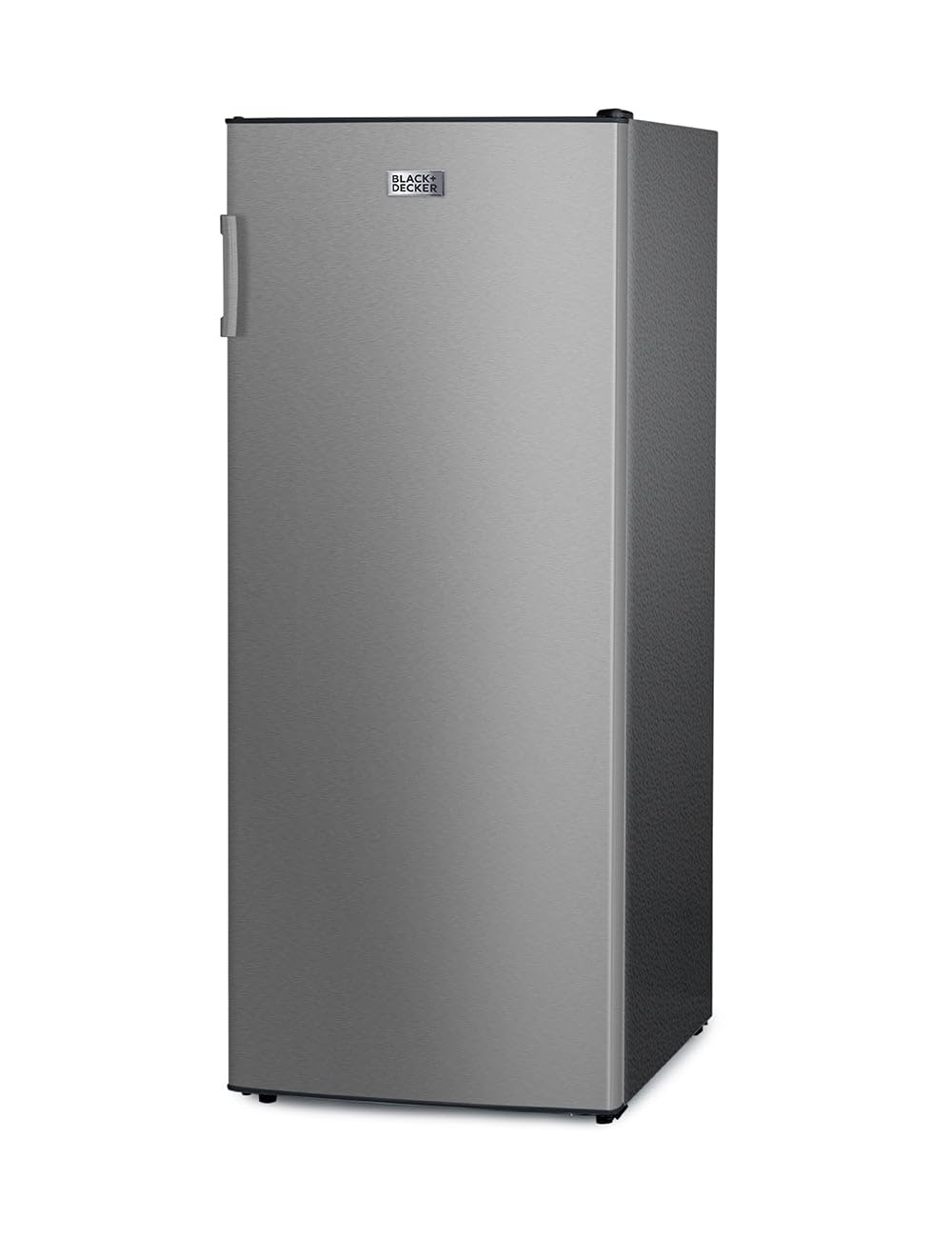
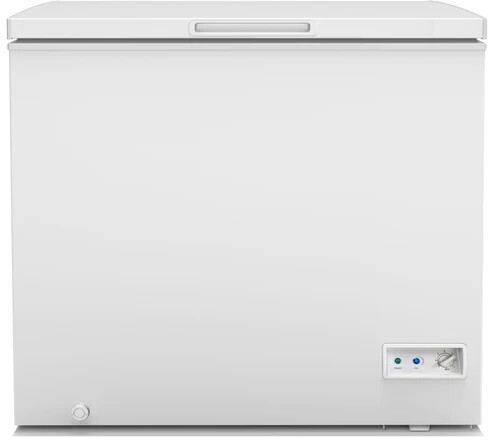
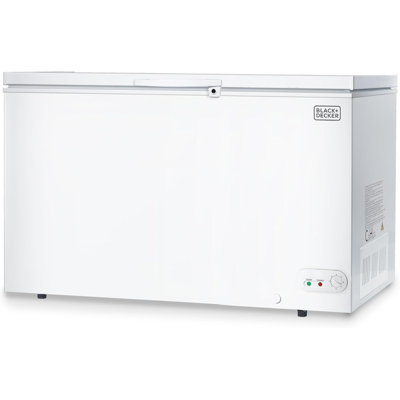
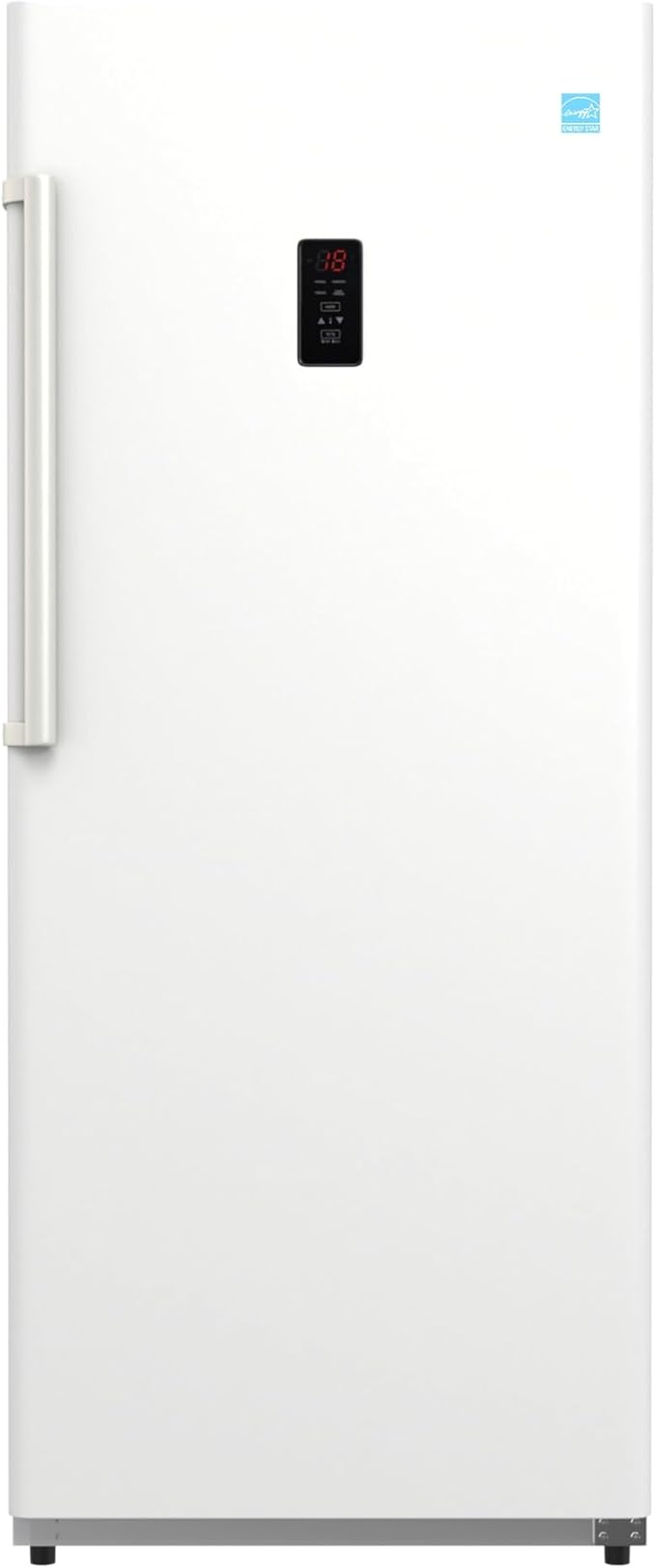
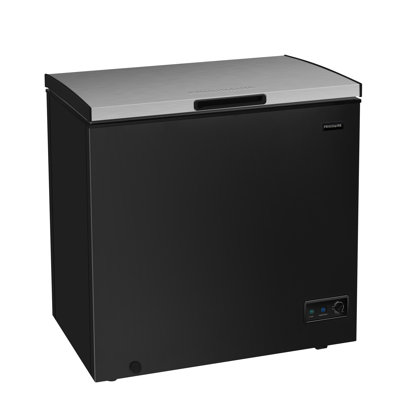
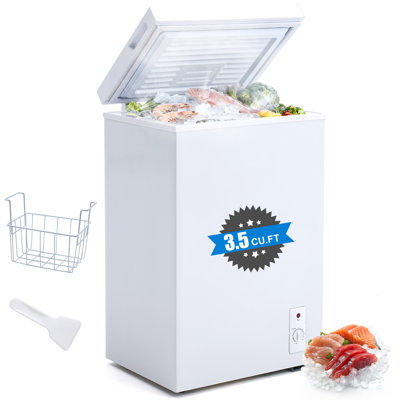
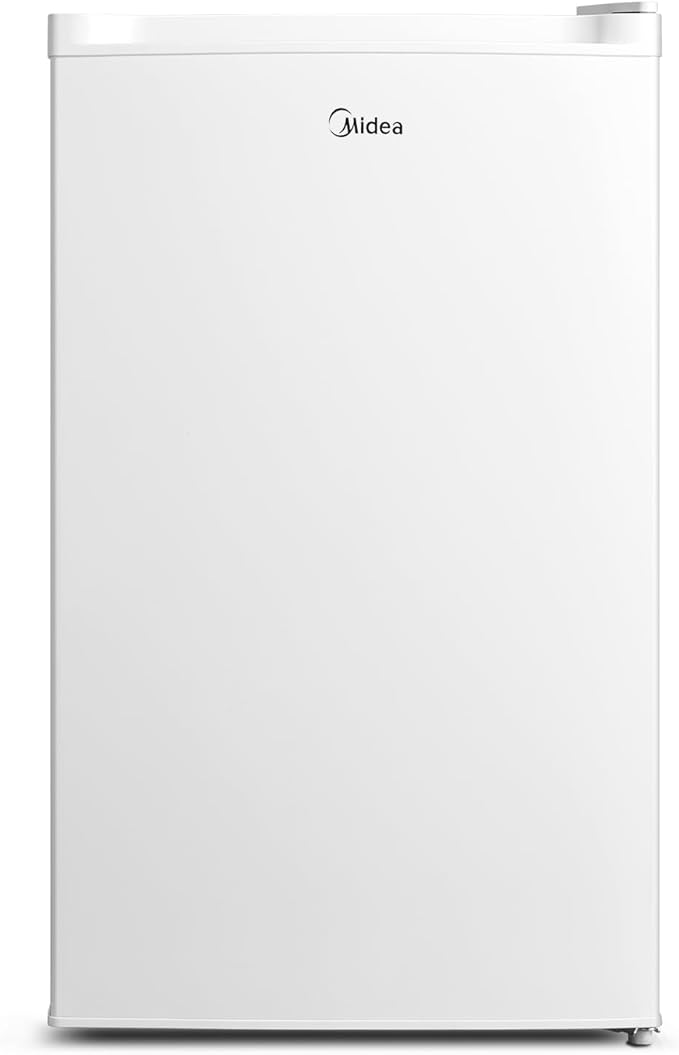
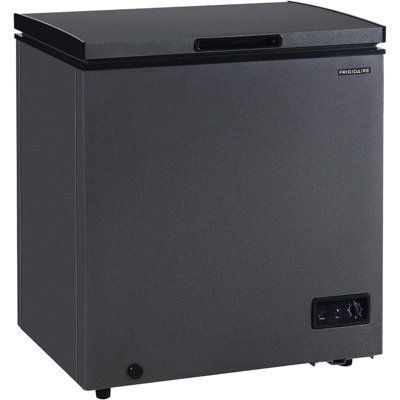
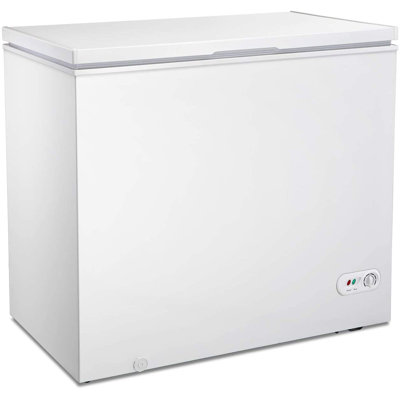
Getting your freezer to work right is all about knowing how it plays nice with outlets. Let's break down what you gotta know about powering your freezer safely without any headaches.
Understanding Power Requirements
First thing's first, freezers need some juice to do their thing. We're talking volts and amps here. Most home freezers are okay using 120 volts, but the amps—well, they kinda vary depending on the size of the model.
Freezer Size (Cubic Feet)
Voltage (V)
Amperage (A)
Up to 5
120
3 - 5
6 - 12
120
5 - 10
13 - 20
120
10 - 15
So, before you hook up a freezer, check out the user manual to get those numbers right—keeps things running smooth and trouble-free.
The Importance of Outlet Compatibility
Not all outlets are up to snuff. Ignoring outlet compatibility is like asking for trouble. Make sure the outlet fits your freezer's power needs like a glove—a mismatch might just mess up your ice box.
Safety tip: Use a solo outlet for your freezer, without sharing the space with other power-hungry gadgets. It helps avoid popping a circuit breaker. For more on picking the right outlet, take a peek at Fridge.com article on best french door fridges for families.
Wrapping your head around the power and outlet scene lets you tackle the big question, "Can I plug a freezer into any outlet?" Always put safety and keeping things chill at the top of the list.
Got a new freezer and wondering if you can plug it into just any outlet? Let's dig into the electric side of things and make sure you're setting it up right. Freezers need specific voltage and amps to keep them running smooth, without any hiccups.
Voltage and Amperage Requirements
Alright, let's break down what's needed to keep your freezer humming. In North America, most freezers work with 120 volts. Always double-check what your freezer needs by peeking at the manufacturer's details. It’s all about making sure the freezer gets the right amount of power; too much or too little can mess things up. Generally speaking, freezers use between 3 to 7 amps when they’re up and running, but starting up might suck a bit more juice.
Here's a quick look at typical power needs for different freezers:
Freezer Type
Voltage (V)
Amperage (A)
Chest Freezer
120
3 - 5
Upright Freezer
120
3 - 7
High-Capacity Freezer
120
5 - 8
Make sure the outlet can handle the voltage your freezer craves – it's key to avoiding a meltdown or wasting power.
Circuit Overload Risks
Think twice before plugging your freezer into any old outlet. Shoving too many appliances on a single circuit is asking for trouble. It might trip your breaker or even cause a fire – not fun.
Picture it like this:
Say you plug your freezer into an outlet that’s already got a bunch of energy-hungry gadgets hooked up. You're pretty much setting up a party no one wants to attend – a potential overload party.
Most circuits handle 15 to 20 amps. If your freezer, added to other power-hogging things on the circuit, goes above this limit, you’ve got overload city.
Curious about spreading the appliance love safely? Check out Fridge.com guide on what happens if you put too much in your freezer?. Keeping your freezer on its own outlet isn’t just smart – it’s peace of mind for your food and home.
Picking the right outlet for your freezer ain't just a suggestion—it's a must if you want to keep things running safely and smoothly. The right choice can save you from electrical headaches and keep your appliance humming along.
Dedicated Circuits for Freezers
Think of a dedicated circuit like your freezer having its own private highway. It gets all the juice it needs without sharing the road with other devices. This means your freezer can do its job without having to pause for a power struggle.
Circuit Type
Amperage
Voltage
Standard Circuit
15-20
120
Dedicated for Freezer
20
120
When your freezer’s got its own circuit, you're less likely to find yourself fumbling in the dark because a breaker tripped or the system went kaput. A steady supply of power keeps your freezer at the right chill, not turning your ice cream into a puddle.
Ground Fault Circuit Interrupters (GFCI)
Now let's talk GFCI outlets—these guys are like your electrical system's bodyguards. They jump in and cut off the power when something's out of whack, which is super handy in spots that get a bit humid, like kitchens or garages.
GFCI Features
Benefits
Detects Ground Faults
Stops power to keep you from getting shocked
Ideal for Damp Areas
Keeps freezers safe in kitchens or garages
While GFCIs are top-notch for safety, you gotta make sure your freezer plays nice with them. Most newer models are built for this, but it’s always smart to eyeball your freezer’s specs first. If you're curious about more freezer-friendly tips, check out articles like can fridge be plugged into an extension cord? and what happens if you put too much in your freezer?.
Getting your freezer set up the right way isn't just about plugging it in and walking away. You gotta make sure it's wired up correctly, because that's key for safety and making sure it does its job. You want to hook that thing up to its own outlet. Usually, we're talking about needing 115 to 120 volts for most home versions. Here's a handy chart to show you what kind of juice each type of freezer needs:
Type of Freezer
Voltage (V)
Amperage (A)
Chest Freezer
115 - 120
3 - 6
Upright Freezer
115 - 120
5 - 10
Compact Freezer
115
1 - 3
Keep that outlet grounded and beefy enough to handle the freezer’s appetite for power, or else you might be dealing with tripped breakers or, even worse, a fire risk. Be sure to give those wires a once-over regularly to dodge any hiccups.
Using Extension Cords Safely
Ever thought, "Can I use an extension cord with my freezer?" Well, the smart peeps say trying to hook up a freezer to an extension cord isn't the best idea. Why? Because you could end up with stuff like overheating and even sparks! But if you really gotta go down this road—even just for a little while—make sure you grab a solid, sturdy cord that can handle the amp load. Check out Fridge.com piece on can a fridge be plugged into an extension cord? for the lowdown.
Quick Tips for Using Extension Cords Safely:
Pick one that's good for at least 15 amps.
Don't connect a bunch of cords together like Christmas lights.
Steer clear of water and heat with your cords.
If you can, skip the cord and go straight into the wall.
Stick to these tips and your freezer will be chillin’ legally and efficiently—leaving you more time to focus on keeping your food happy and diving into your next kitchen creation!
Outlet Limitations
Ever wondered if you can just plug your freezer into any old outlet? Well, let's break it down. There are a couple of key things to consider: how many other gadgets are hogging the circuit and whether sticking your freezer on a power strip is a smart move.
Multiple Appliances on One Circuit
Got a bunch of appliances on one circuit? Watch out! Each circuit has a breaking point—usually measured in amps. Too many plugged-in items can trip the circuit breaker or, worse, create a potential fire hazard.
Here’s a handy guide to typical amperage for common kitchen appliances:
Appliance
Amperage (A)
Freezer
3 - 7
Refrigerator
3 - 6
Microwave
10 - 15
Dishwasher
10 - 15
Toaster Oven
8 - 12
Before juicing up your freezer, take a look at what else is using juice on the same circuit. It's smart to run your freezer on its own dedicated circuit—keeps it humming smoothly and your house from turning into a disco light show. Check out Fridge.com guide if you fancy knowing how to make instant ice.
Power Strip Usage for Freezers
Thinking of slapping your freezer on a power strip? Not the best idea. Power strips aren't the superheroes you need against surges for big players like freezers. They pull quite a bit of power when they get going, so a power strip might cause a meltdown of sorts—or even a fiery drama.
For safety, give your freezer a VIP pass straight to the wall outlet, one that meets all its power needs. If you have to use a power strip for a hot minute, make sure it can handle the freezer's power levels. Curious about extension cords? Here's more on that: can fridge be plugged into an extension cord?.
Figuring out these details is key for keeping your freezer running right and your home safe from unexpected electrical surprises.
Keeping an eye on your freezer's safety isn't just smart—it's vital. Here’s a laid-back guide to making sure your freezer lives its best life.
Regular Maintenance Checks
Think of maintenance checks like giving your freezer a spa day. Clean out those condenser coils every half-year, check door seals monthly, and defrost if it's feeling a bit icy. Your freezer should be chillin’ at 0°F (-18°C) to keep your grub fresh.
Maintenance Task
Frequency
Clean condenser coils
Every 6 months
Check door seals
Monthly
Defrost (if needed)
As needed
Doing this will help your freezer last longer and cut those energy bills down.
Consulting an Electrician
If your wiring's looking dodgy, don't hesitate to hit up an electrician. They’ll make sure your electrical deal matches your freezer's power appetite. It's especially useful in older pads where wiring might have seen better days.
Electricians can also set you up with neat stuff like dedicated circuits, stopping your system from tapping out. This prevents unexpected surprises like outages that could spoil your secret ice cream stash.
Ensuring Proper Ventilation
Your freezer’s gotta breathe too. Keep some space for it to gulp in air—at least a few inches around. Covering vents is a no-go since it can lead to overheating and might make your freezer act up.
Good airflow helps keep your grub at the right temp, ensuring it’s ready for late-night snacking.
By setting up these safety habits, you can relax knowing your freezer’s ticking along without any fuss. Got more questions? Dive into more freezer wisdom like what happens when you stuff it to the brim.
Frequently Asked Questions
Got a new freezer and wondering if you can plug it into just any outlet? Let's dig into the electric side of things and make sure you're setting it up right. Freezers need specific voltage and amps to keep them running smooth, without any hiccups.