Plan the electrical and placement before purchasing — running a dedicated outdoor circuit can add $200 to $500 to the total installation cost if one does not already exist.
Outdoor fridges use marine-grade or 304 stainless steel exteriors that resist rust and corrosion.
Compressors are rated for operation in ambient temperatures from 38 to 110 degrees Fahrenheit — far wider than the 60 to 90 degree range of indoor models.
An indoor beverage center placed outside on a 100-degree summer day will struggle to maintain cold temperatures.
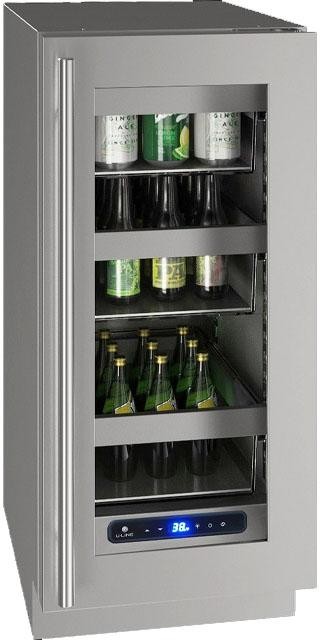
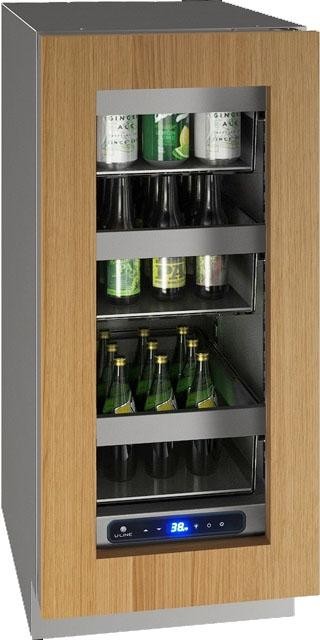
A beverage center and an outdoor fridge both keep drinks cold, but they are engineered for different environments. A standard beverage center is built for indoor use — home bars, kitchens, basements, and entertainment rooms where temperature and weather are controlled. An outdoor fridge is built to withstand rain, heat, cold, humidity, and UV exposure while maintaining reliable cooling performance on a patio, deck, or outdoor kitchen. This guide explains every difference that affects your purchase decision.
Construction and Materials
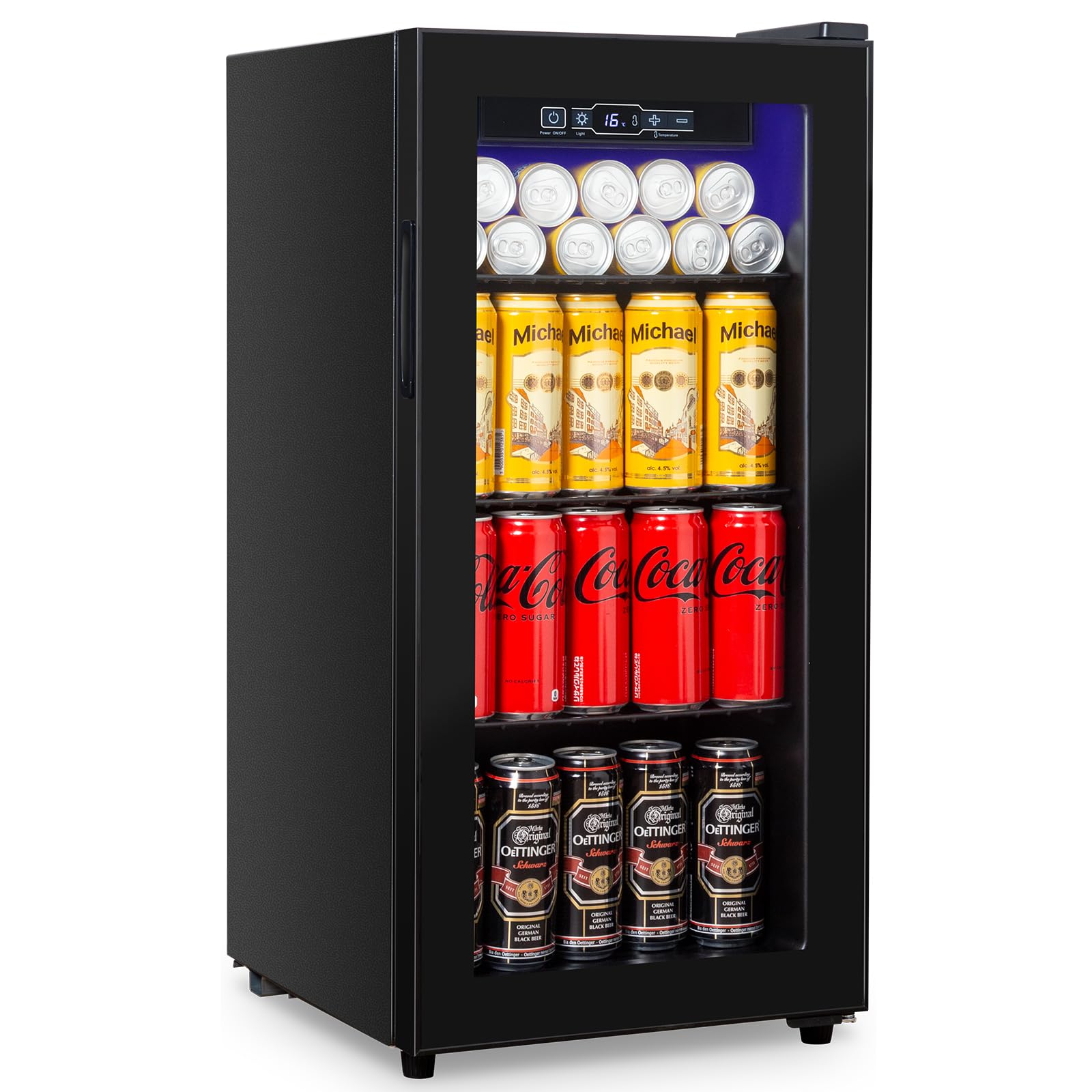
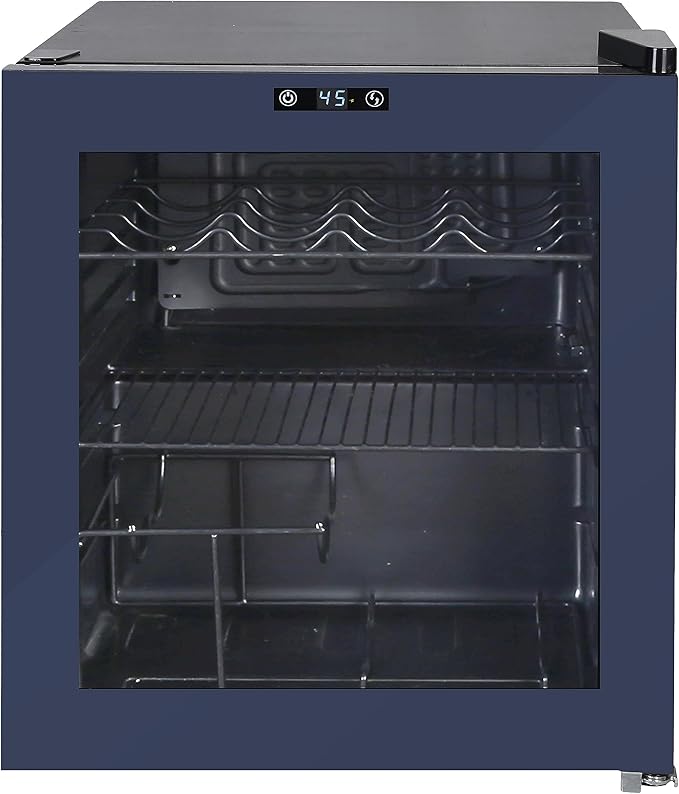
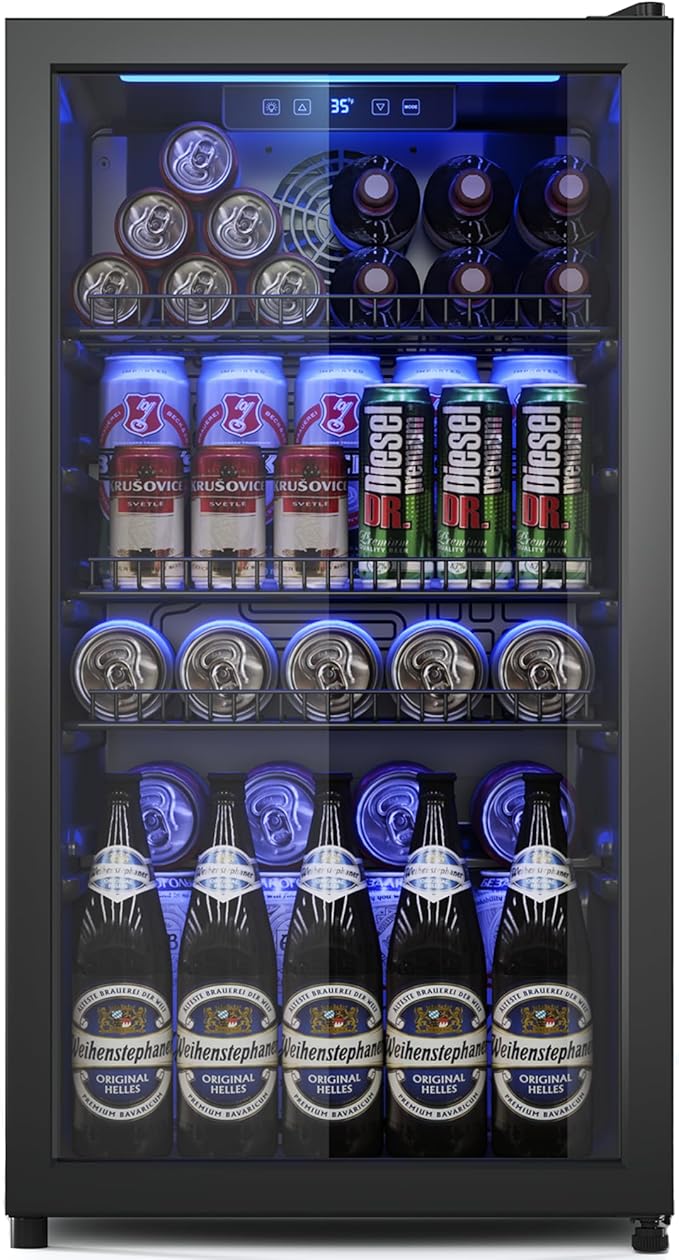
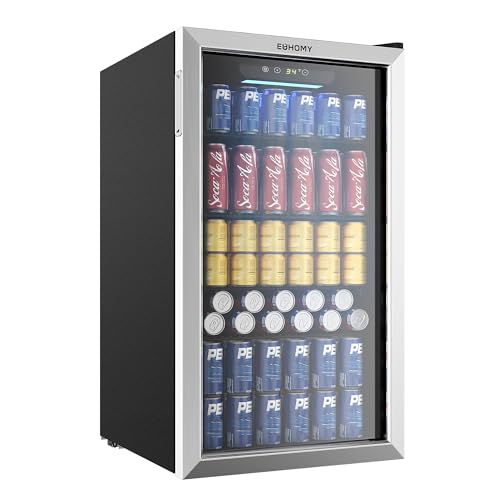
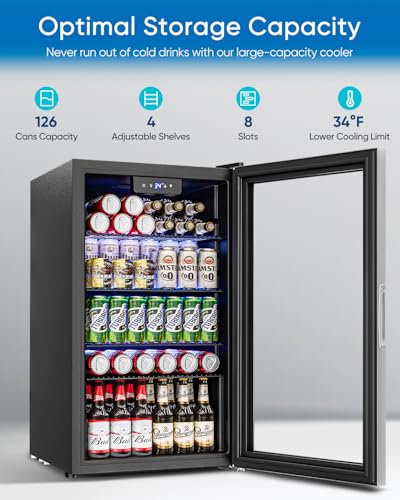
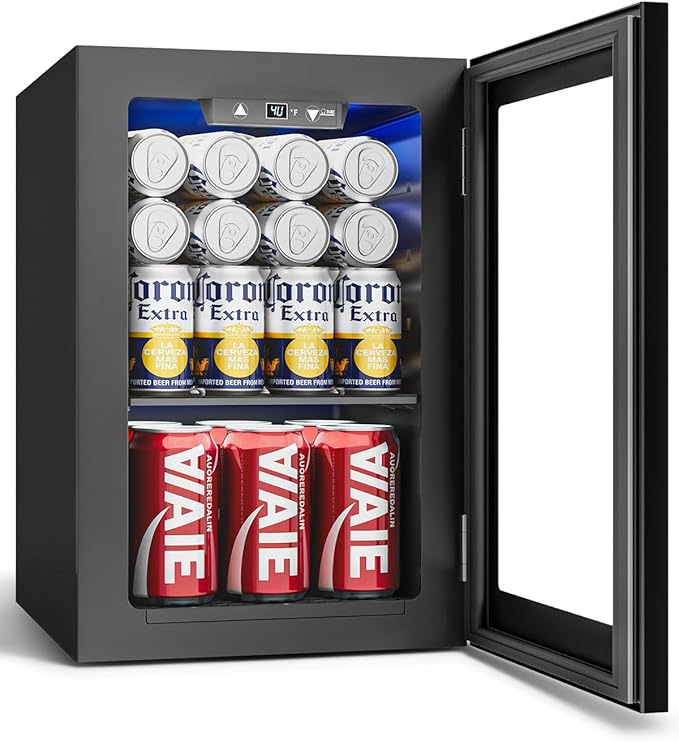
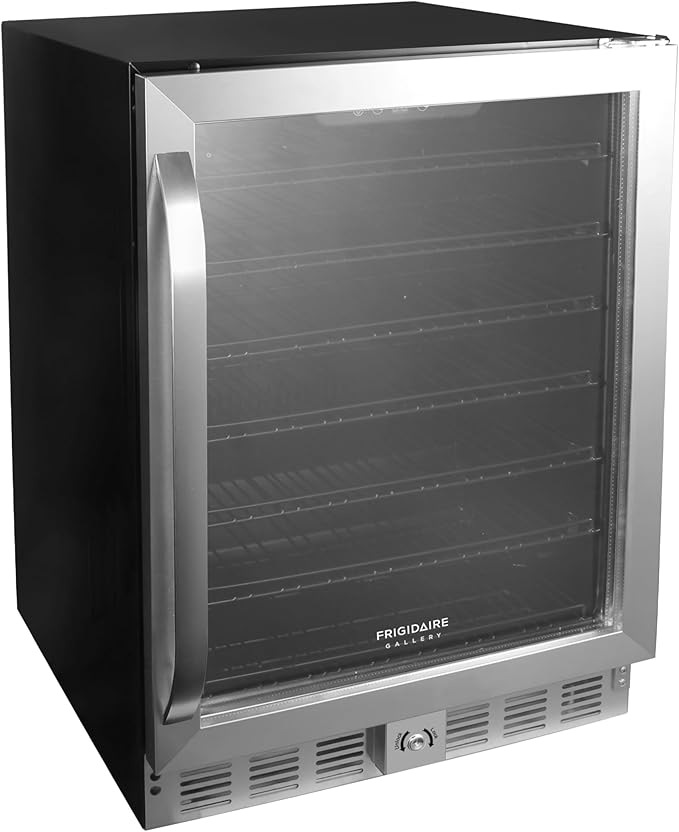
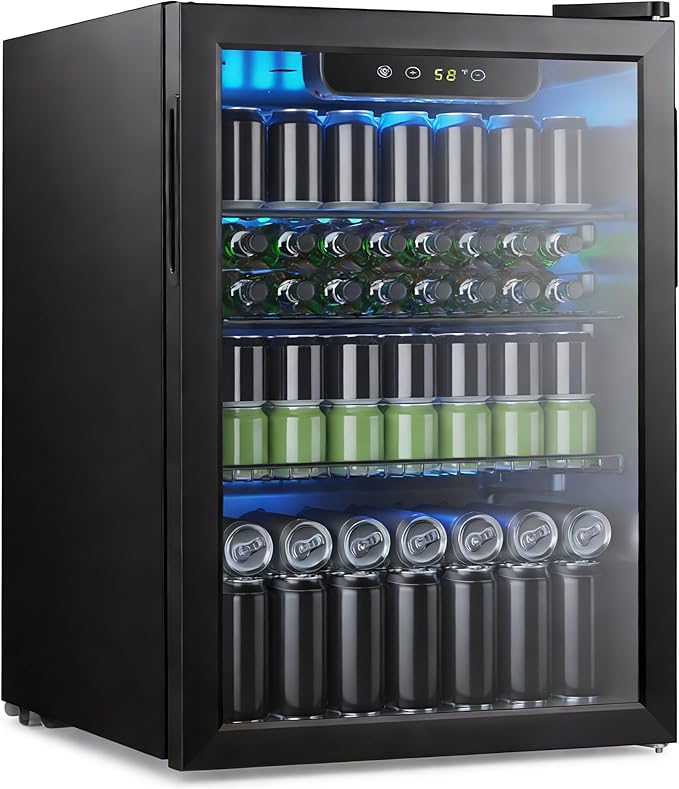
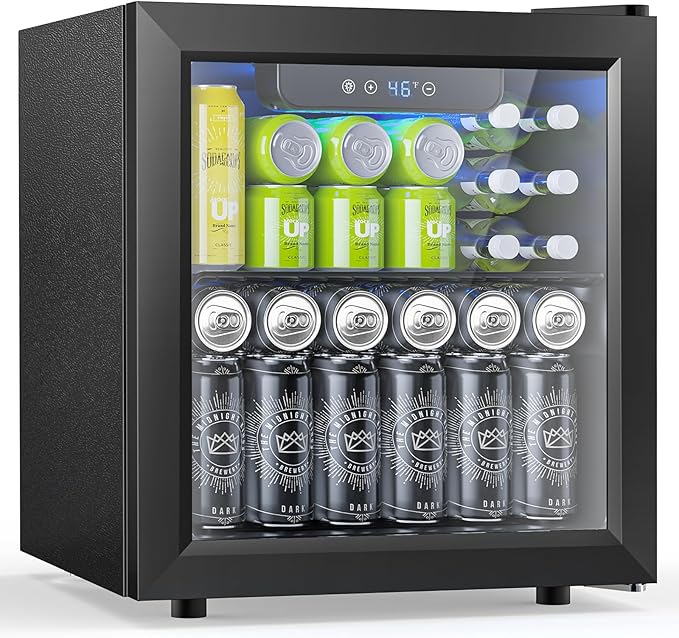
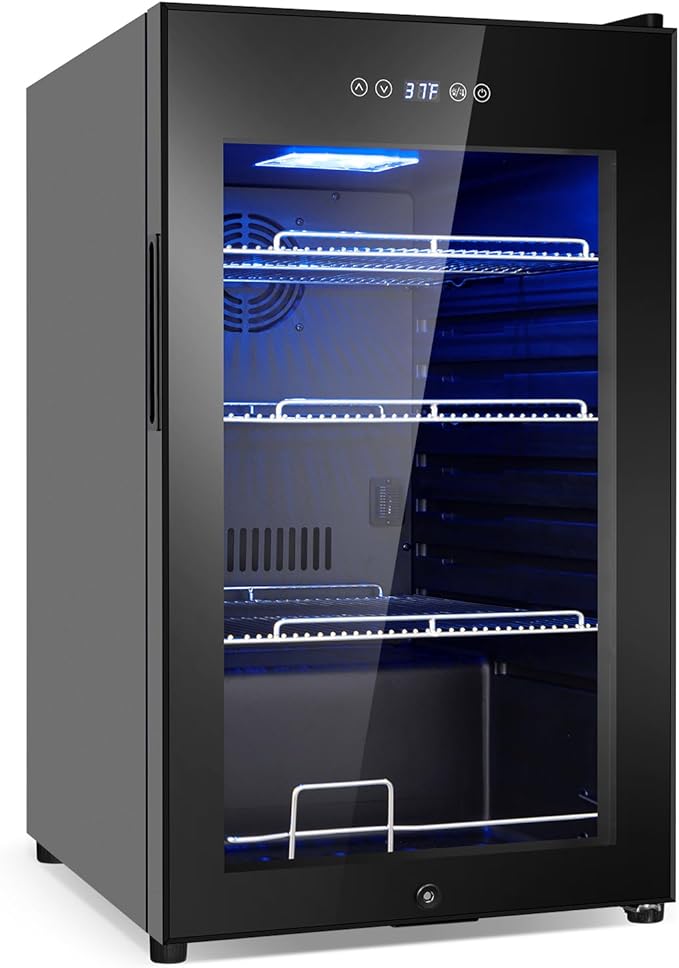
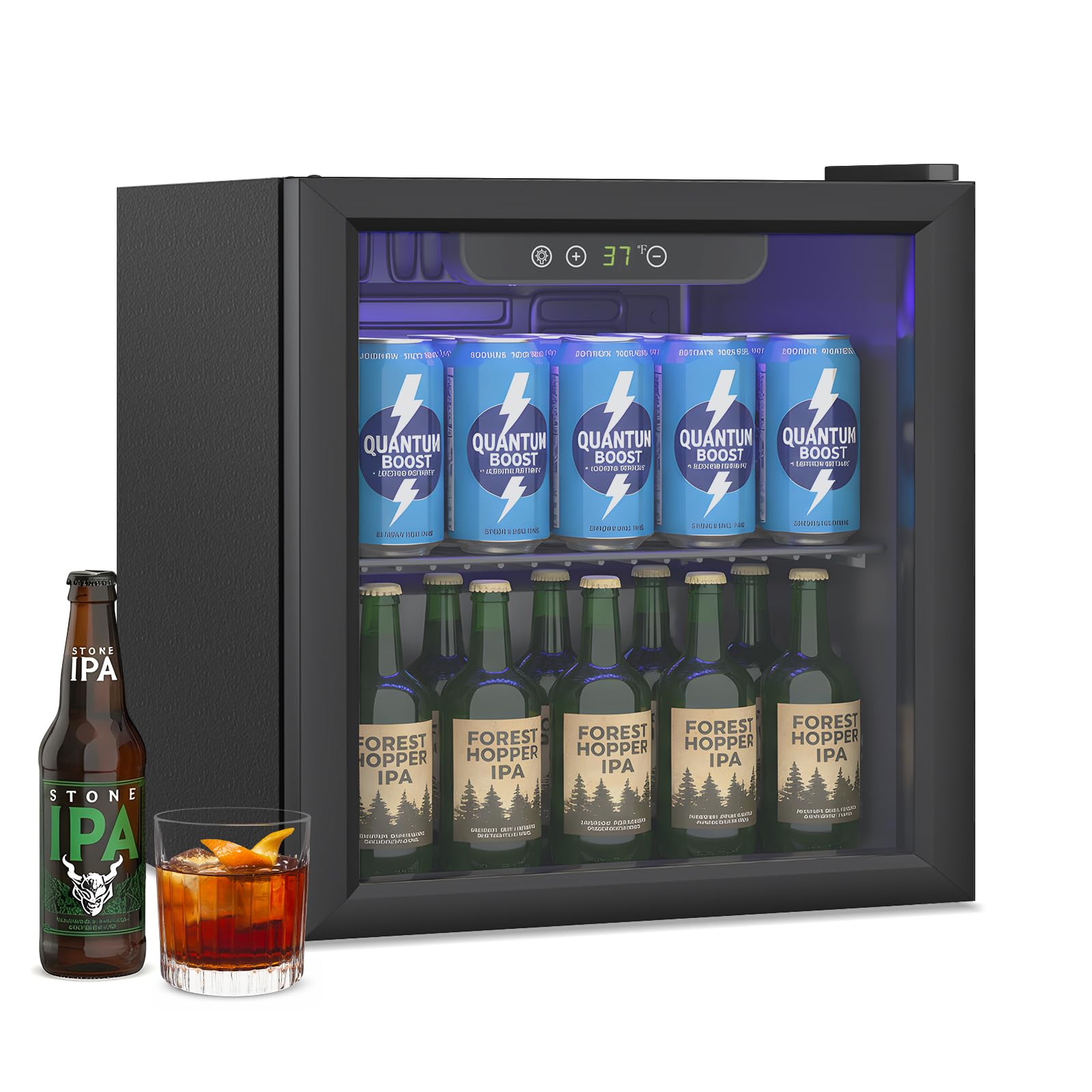
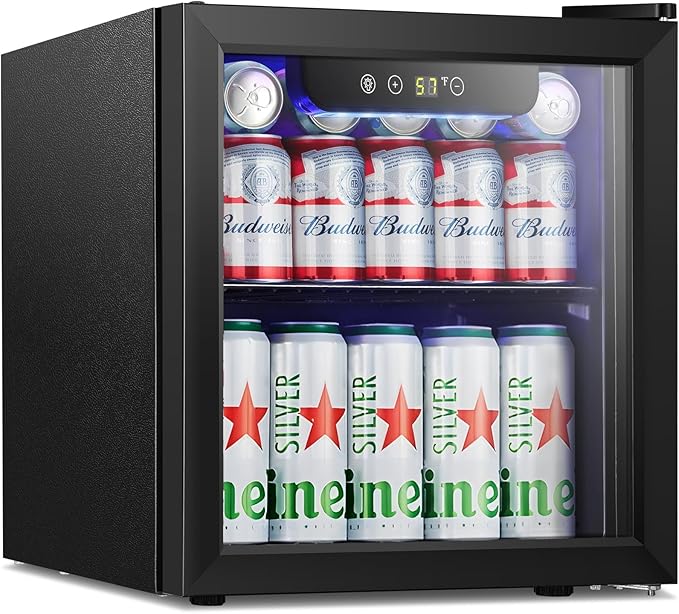
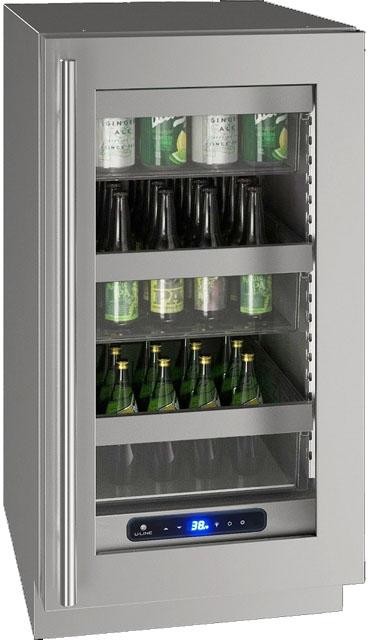
Indoor beverage centers use standard appliance construction — painted steel or stainless steel exteriors, tempered glass doors, chrome or powder-coated wire shelving, and plastic interior liners. The materials work perfectly in a climate-controlled room but are not designed to handle moisture intrusion, temperature extremes, or direct sunlight.
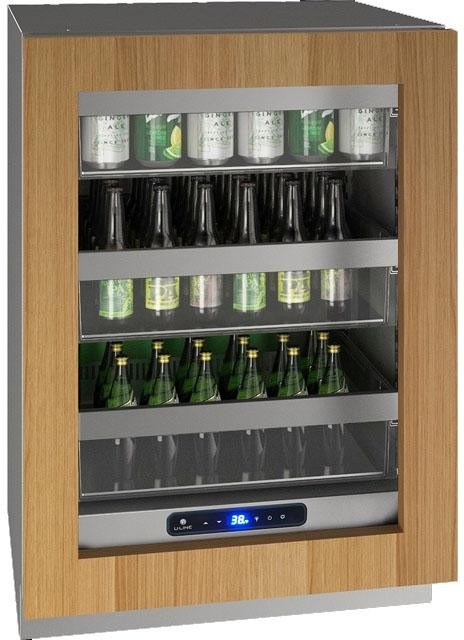
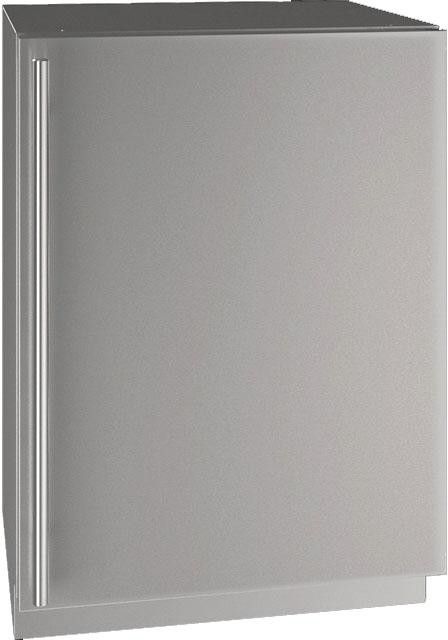
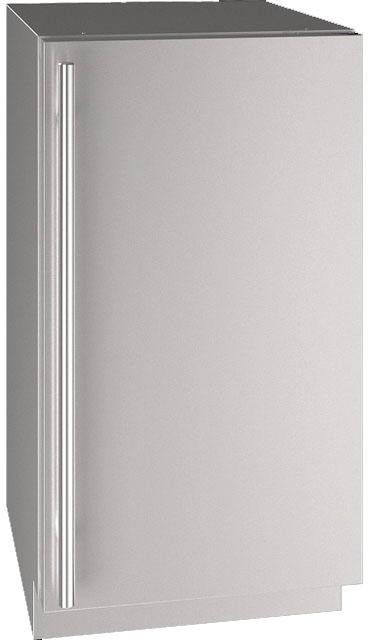
Outdoor fridges use marine-grade or 304 stainless steel exteriors that resist rust and corrosion. Door hinges and handles are sealed against water. Gaskets are reinforced to maintain seal integrity through temperature swings. Electrical components are weatherproofed. Compressors are rated for operation in ambient temperatures from 38 to 110 degrees Fahrenheit — far wider than the 60 to 90 degree range of indoor models. UV-resistant glass prevents sun damage to contents. Every component is upgraded for exposure to the elements.
Operating Temperature Range
Specification
Indoor Beverage Center
Outdoor Fridge
Ambient Operating Range
60 - 90°F
38 - 110°F
Interior Cooling Range
34 - 50°F
34 - 50°F
Humidity Tolerance
Standard indoor
High humidity rated
The interior cooling range is similar, but the ambient operating range is the critical difference. An indoor beverage center placed outside on a 100-degree summer day will struggle to maintain cold temperatures. The compressor runs continuously, energy costs spike, and the unit may fail prematurely. On a 30-degree winter night, an indoor unit may freeze its contents. An outdoor fridge handles both extremes without issue because the compressor, insulation, and controls are designed for those conditions.
Indoor beverage centers have no weatherproofing. Rain, sprinkler splash, blown dust, and humidity will damage electrical components, rust non-stainless surfaces, and compromise door seals. Placing an indoor beverage center in a covered patio area might seem like a compromise, but even covered outdoor spaces expose the unit to humidity swings, temperature extremes, and occasional water contact that indoor appliances are not built to handle.
Outdoor fridges are built for direct outdoor installation. Sealed electrical compartments prevent moisture damage. Drainage channels route condensation and rainwater away from critical components. Stainless steel and powder-coated aluminum resist rust from humidity and salt air in coastal environments. Some outdoor models carry UL-rated outdoor certifications that confirm their safety and durability in exterior installations.
Outdoor fridges use more energy because they fight harder against ambient heat. In Phoenix, Arizona, an outdoor fridge on a south-facing patio in July works significantly harder than the same unit in Portland, Oregon. Shade placement, insulated cabinets, and avoiding direct sun reduce energy costs. Even in hot climates, outdoor fridges are engineered to handle the load — indoor units placed outdoors are not.
Both categories offer similar size ranges. Under-counter models measure 24 inches wide and 34 inches tall. Compact units start at 15 inches wide. Full-size freestanding models reach 24 to 30 inches wide and up to 34 inches tall. Capacity ranges from 80 to 180 cans depending on the configuration.
Outdoor models sometimes sacrifice interior space for thicker insulation walls, which means an outdoor fridge with the same exterior dimensions as an indoor beverage center may hold 10 to 15 percent fewer cans. The extra insulation is a worthwhile trade for reliable cooling in extreme conditions.
Pricing
Type
Budget
Mid-Range
Premium
Indoor Beverage Center
$150 - $350
$350 - $700
$700 - $1,500
Outdoor Fridge
$400 - $800
$800 - $1,500
$1,500 - $3,000+
Outdoor fridges cost roughly double their indoor equivalents at every tier. The premium covers weatherproof construction, wider-range compressors, UV glass, sealed electronics, and corrosion-resistant materials. If the unit will live outside, the extra cost is not optional — it is the price of durability and reliability in an exposed environment.
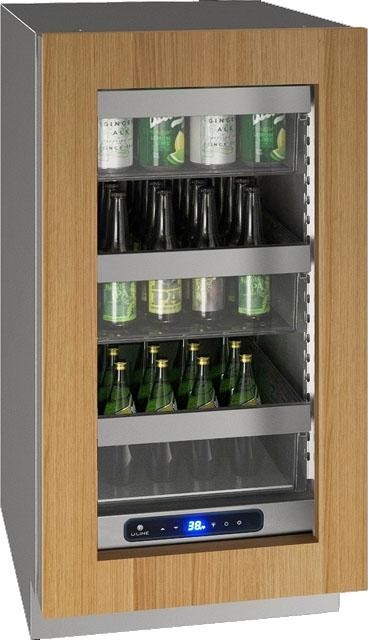
Indoor beverage centers commonly feature single-pane tempered glass doors. The glass showcases the drink collection and allows quick visual selection. Standard glass works well in controlled indoor environments.
Outdoor fridges use double-pane or triple-pane insulated glass with UV tinting and low-E coatings. The multi-pane construction insulates against outdoor temperature extremes and prevents condensation on the glass. UV tinting protects beer and wine from sun damage. Some outdoor models offer solid stainless steel doors instead of glass — these provide maximum insulation but sacrifice the display visibility that makes beverage centers appealing.
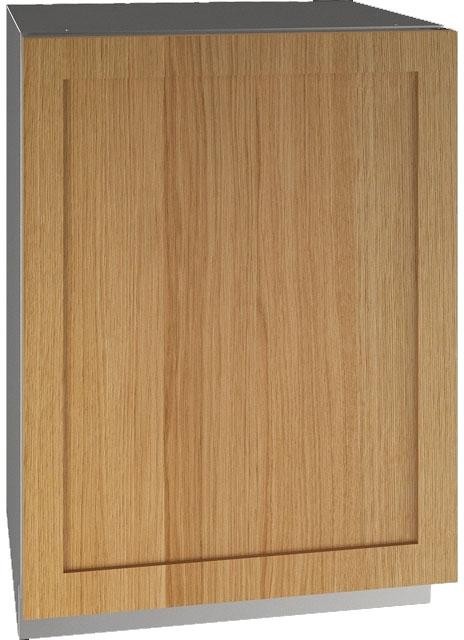
Indoor beverage centers install with a standard 120V outlet and either freestanding or built-in placement. No special considerations beyond ventilation clearance.
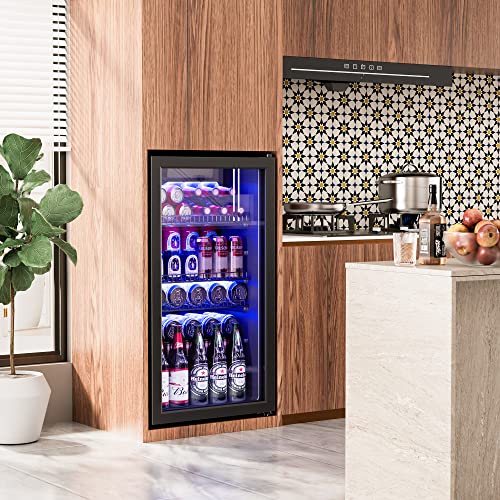
Outdoor fridges need a GFCI-protected outdoor outlet, level installation surface, and adequate ventilation. Built-in outdoor models require cabinet openings with proper airflow channels. Some jurisdictions require outdoor electrical work to be permitted and inspected. Plan the electrical and placement before purchasing — running a dedicated outdoor circuit can add $200 to $500 to the total installation cost if one does not already exist.
Durability and Lifespan
An indoor beverage center lasts 8 to 12 years in a controlled environment. Proper maintenance is minimal — occasional coil cleaning and door gasket checks.
An outdoor fridge lasts 8 to 15 years depending on climate exposure and maintenance. Units in harsh coastal or desert environments may need gasket replacement, compressor service, and exterior cleaning more frequently. Annual maintenance should include cleaning condenser coils (which collect more dust and debris outdoors), checking drainage, and inspecting weatherproof seals. The investment in outdoor-grade construction pays off in longevity — an indoor unit used outdoors might last only 2 to 4 years before corrosion and compressor failure end its life.
Indoor beverage centers operate at 35 to 42 decibels. In a living room or bedroom, compressor noise can be noticeable during quiet moments.
Outdoor fridges operate at 38 to 48 decibels. The wider-range compressor may run louder, especially during peak heat when it cycles more aggressively. In an outdoor setting with ambient noise from wind, traffic, and conversation, the sound is rarely noticeable. Placement against a wall or inside a cabinet can amplify sound — allow proper clearance to minimize resonance.
Outdoor fridges work in patio bars, pool houses, outdoor kitchens, covered porches, deck entertainment areas, and detached garages. They are also popular in boats, RVs, and food truck applications where weather exposure is constant. For any location that is not fully enclosed and climate-controlled, an outdoor-rated unit is the correct choice.
If your beverage center will live in a finished basement, home bar, or indoor kitchen — choose the indoor model and save the outdoor premium for situations that require it.
Who Should Buy Which
Buy an indoor beverage center for any fully enclosed, climate-controlled space. It delivers the same cooling performance at a lower price point. Home bars, media rooms, basement entertainment areas, and kitchens are ideal placements.
Buy an outdoor fridge if the unit will live on a patio, deck, outdoor kitchen, pool area, or any other space exposed to weather. The weatherproof construction is not a luxury — it is a requirement for safe, reliable, and lasting operation.
Compare prices on Fridge.com
Compare indoor beverage centers and outdoor fridges. Filter by size, installation type, and price to find the right unit for your indoor or outdoor space.
Frequently Asked Questions
It is not recommended. Indoor beverage centers lack weatherproofing, wide-range compressors, and corrosion resistance. Outdoor exposure causes premature failure, rust, and electrical hazards. An outdoor-rated fridge is the safe and durable choice. Fridge.com stocks both types.
Free tool
Beverage Cooler Size Calculator
Free interactive tool from Fridge.com — get a quick answer while you read.