Importance of a Counter Depth Refrigerator in a Restaurant Kitchen
Space Optimization
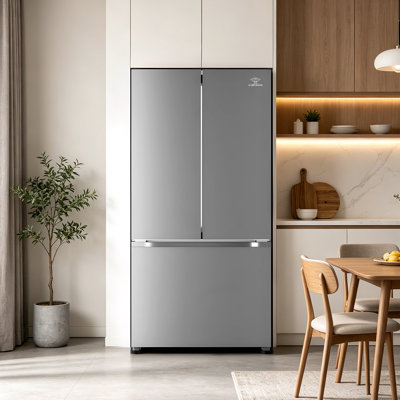
In a restaurant kitchen, efficient space utilization is crucial for operations. A counter depth refrigerator fits snugly next to countertops, creating a cohesive look while maximizing available space. Unlike traditional refrigerators, which may protrude significantly, counter depth models align seamlessly with cabinetry. This design allows chefs to access ingredients without navigating obstacles, enhancing workflow efficiency.
The compact dimensions of these refrigerators do not compromise storage capacity. Many models offer ample interior space for essential items, allowing for organized and accessible storage. The table below highlights typical dimensions for counter depth refrigerators, showcasing various storage capacities.
Refrigerator Type
Width (inches)
Depth (inches)
Height (inches)
Storage Capacity (cu. ft.)
Counter Depth French Door
36
25-30
68-72
20-30
Counter Depth Side-by-Side
33
24-30
65-70
20-25
Counter Depth Bottom Freezer
30
26-31
70-72
18-24
Aesthetics and Functionality
A counter depth refrigerator not only serves a practical purpose but also plays a significant role in the overall aesthetics of a restaurant kitchen. The sleek, built-in appearance promotes a professional and polished environment, creating an inviting atmosphere for both staff and patrons.
Functionality is enhanced with door styles that allow easy access to commonly used items. This design minimizes the time spent opening and closing doors, contributing to a more efficient kitchen workflow. Features such as adjustable shelves and temperature-controlled zones allow chefs to customize the refrigerator’s layout based on their needs. This adaptability is essential for managing various food items, keeping ingredients fresh and readily accessible.
By integrating a counter depth refrigerator into a restaurant's kitchen, operators can achieve a balance of form and function, paving the way for a streamlined and efficient culinary experience. For more options on optimizing kitchen space, consider exploring additional types of appliances or shop built-in refrigerators that can complement your cooking environment.
Factors to Consider When Choosing a Counter Depth Refrigerator
Selecting the best counter depth refrigerator for a restaurant kitchen involves several key factors to ensure it meets both space and functionality requirements. Understanding size, cooling technology, and energy efficiency can help make an informed decision.
Size and Dimensions
Counter depth refrigerators are designed to align with the depth of kitchen counters, providing a built-in look. When choosing a refrigerator, it’s essential to measure the available space precisely. A standard counter depth refrigerator typically ranges from 24 to 30 inches deep, while the height and width can vary.
It is important to ensure that the refrigerator fits well into your kitchen layout while providing adequate storage capacity. Below is a table that outlines common dimensions:
Refrigerator Type
Depth (inches)
Height (inches)
Width (inches)
French Door
28-30
68-72
30-36
Side-by-Side
24-30
68-72
30-36
Bottom Freezer
24-30
68-72
30-36
Cooling Technology
The cooling technology employed in a refrigerator significantly impacts its performance and food preservation capabilities. Modern refrigerators often come with innovative cooling technologies that enhance efficiency and temperature control. Two common types of cooling systems are:
Conventional Cooling: Uses a standard compressor to cool the interior. This is widely available and generally less expensive.
Dual Evaporator System: Utilizes separate evaporators for the fridge and freezer compartments, helping to prevent odor transfer and maintain optimal humidity levels.
Consideration of cooling technology will affect how well food stays fresh, as well as the frequency of temperature fluctuations.
Energy Efficiency
Energy efficiency is vital in a restaurant kitchen to minimize operating costs. Look for refrigerators with Energy Star ratings, which indicate they meet energy efficiency guidelines set by the U.S. Environmental Protection Agency.
The table below summarizes common energy usage metrics for different types of refrigerators:
Refrigerator Type
Annual Energy Use (kWh)
Energy Star Rated
French Door
600-800
Yes/No
Side-by-Side
700-900
Yes/No
Bottom Freezer
500-700
Yes/No
Opting for energy-efficient models can lead to notable savings on electricity bills while being environmentally responsible.
Considering these factors—size and dimensions, cooling technology, and energy efficiency—will guide in selecting the ideal counter depth refrigerator for a restaurant kitchen, ensuring it meets both aesthetic and functional needs. For additional insights on optimizing your kitchen appliances, check out Fridge.com articles like shop built in refrigerator and best fridge for saint paul homes.
In a restaurant kitchen, selecting the best counter depth refrigerator is essential for both functionality and efficiency. Several styles of counter depth refrigerators cater to different culinary needs. This section will highlight three popular varieties: French door refrigerators, side-by-side refrigerators, and bottom freezer refrigerators.
French Door Refrigerators
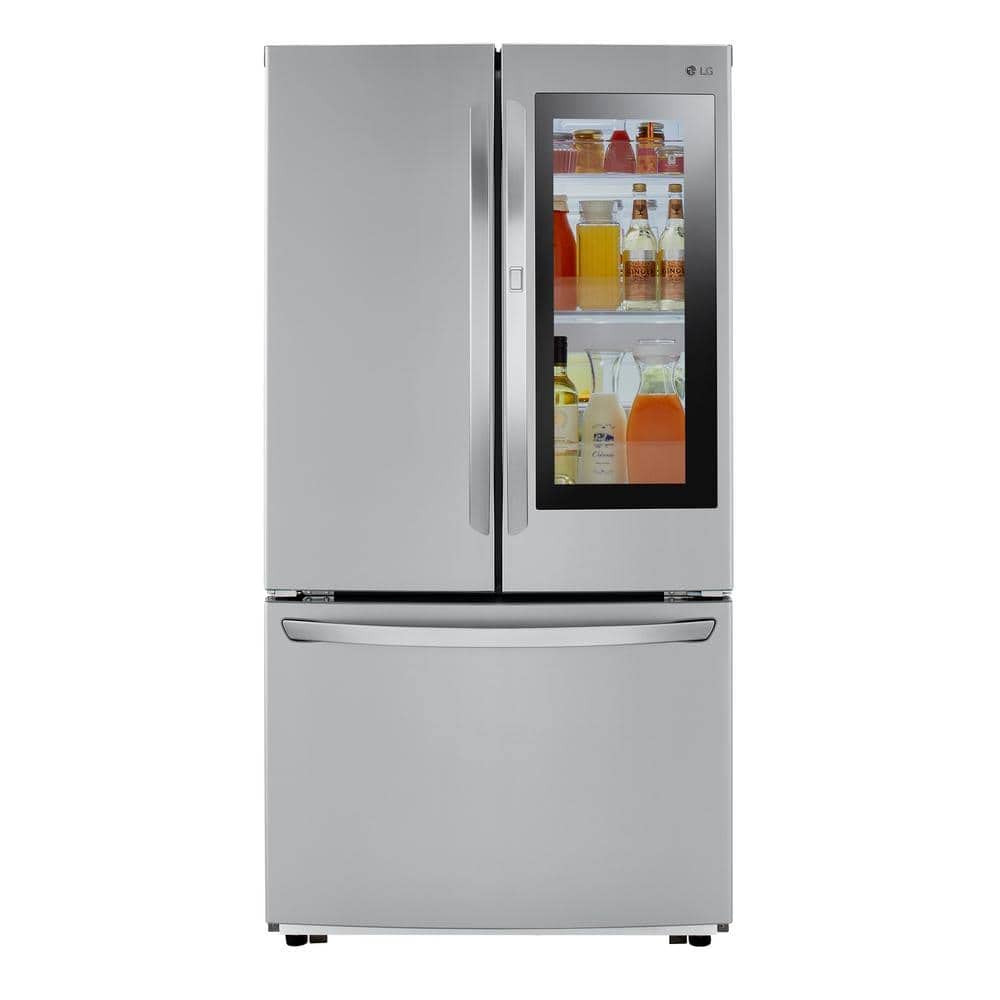
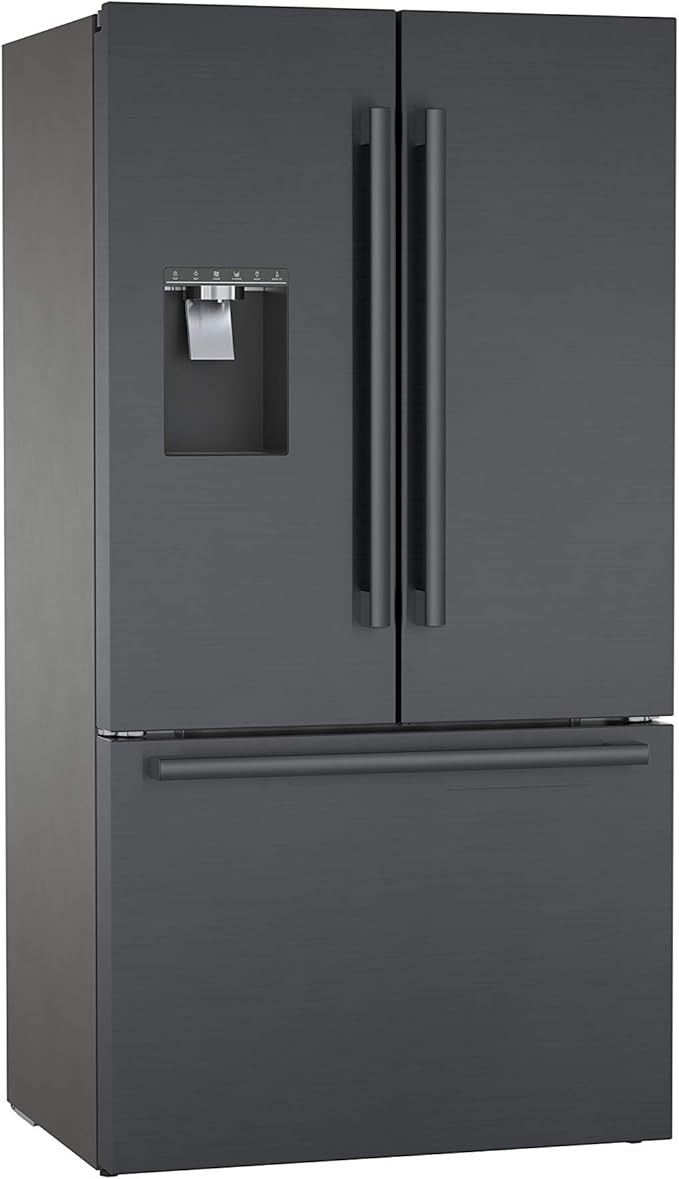
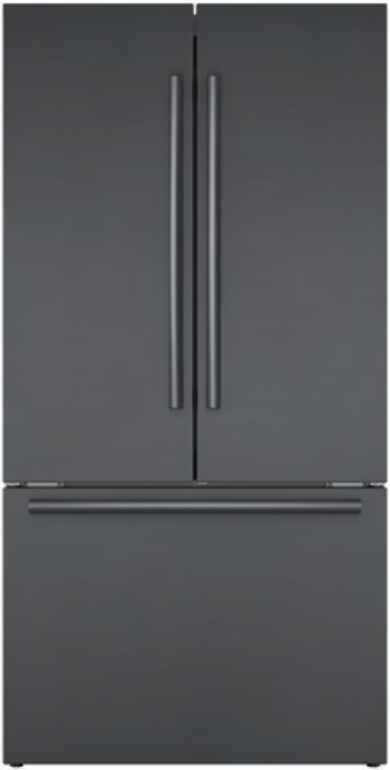
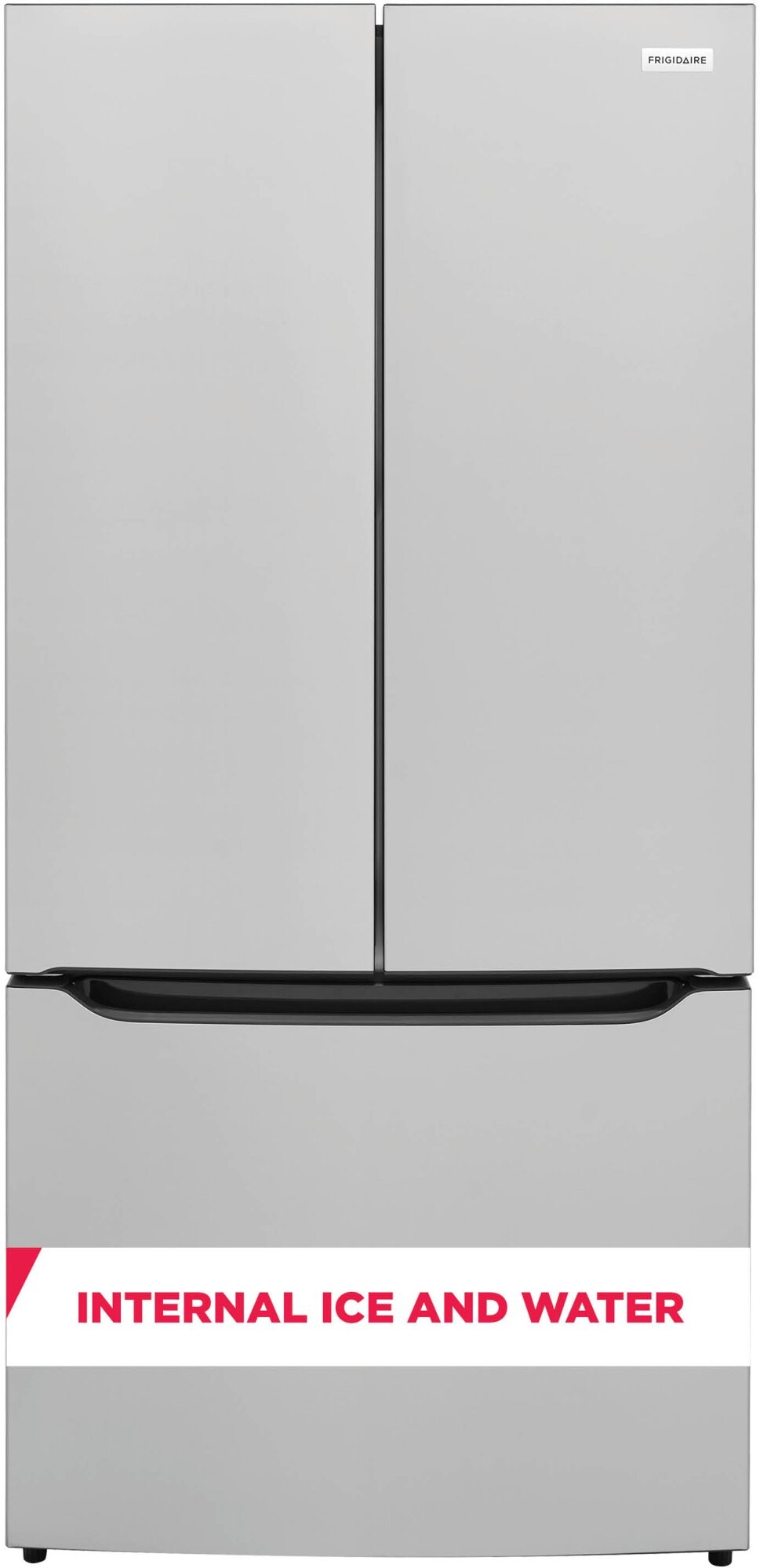
French door refrigerators are designed with two side-by-side doors for the fresh food compartment on top and a pull-out freezer drawer at the bottom. This layout is beneficial for maximizing space and provides easy access to food items.
Features:
Wide shelves for larger items
Adjustable shelving for customization
Enhanced visibility with lighting
Specifications
Details
Typical Height
68 - 70 inches
Typical Width
30 - 36 inches
Average Capacity
20 - 30 cubic feet
French door models are ideal for chefs and foodies who need quick access to frequently used ingredients. For maintenance tips for these types of refrigerators, you can refer to Fridge.com article on french door refrigerator maintenance.
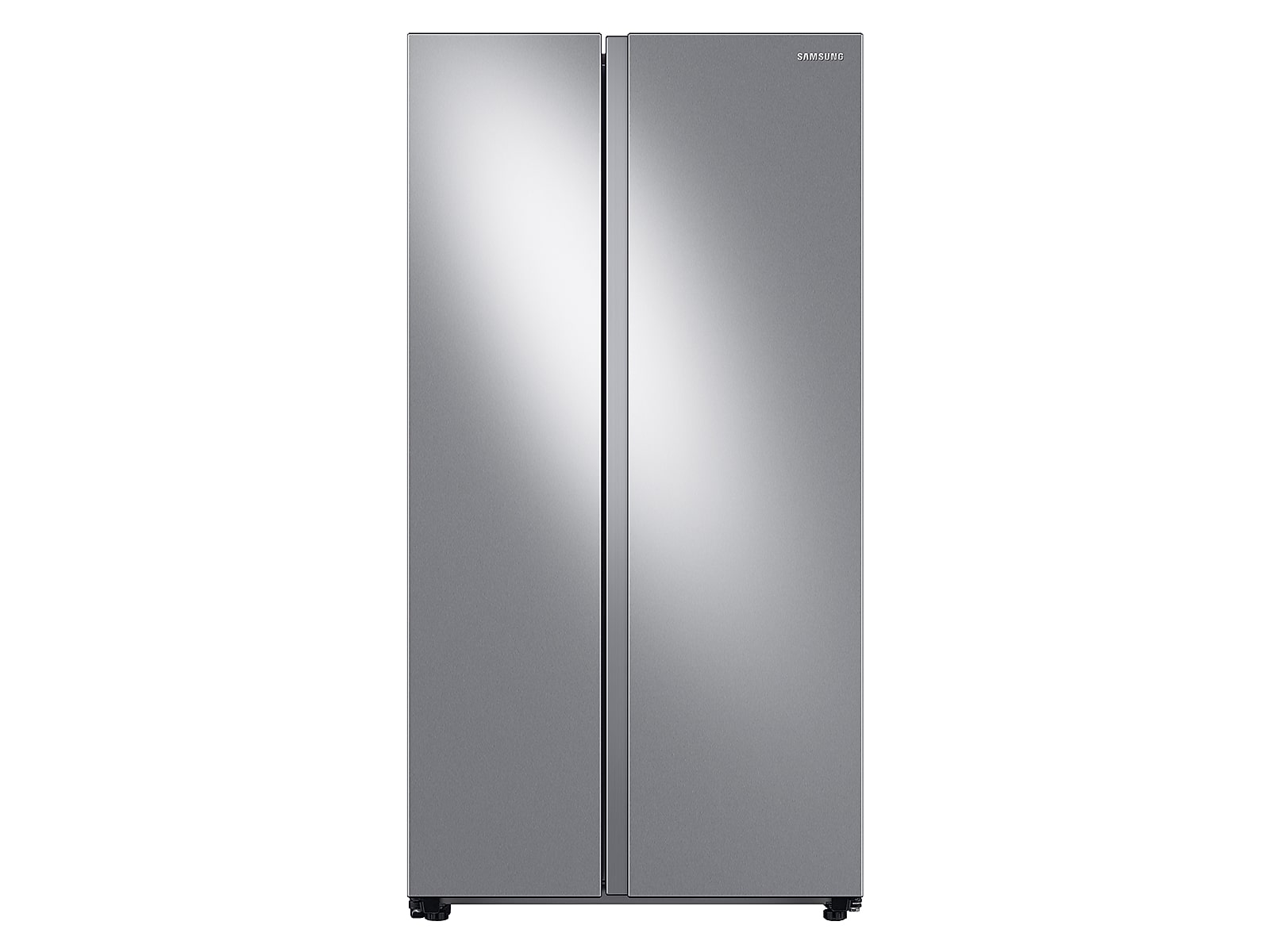
Side-by-Side Refrigerators
Side-by-side refrigerators feature vertical compartments for both refrigerator and freezer space. This design makes it easy to view and access food items, maximizing space in narrow kitchen layouts.
Features:
Built-in water and ice dispensers
Convenient storage options
High accessibility for both compartments
Specifications
Details
Typical Height
65 - 72 inches
Typical Width
32 - 36 inches
Average Capacity
20 - 30 cubic feet
Side-by-side refrigerators can efficiently organize various ingredients, making them a great option for busy restaurant kitchens. For more on appliance shopping, check out Fridge.com article on shop side by side refrigerators: sale.
Bottom Freezer Refrigerators
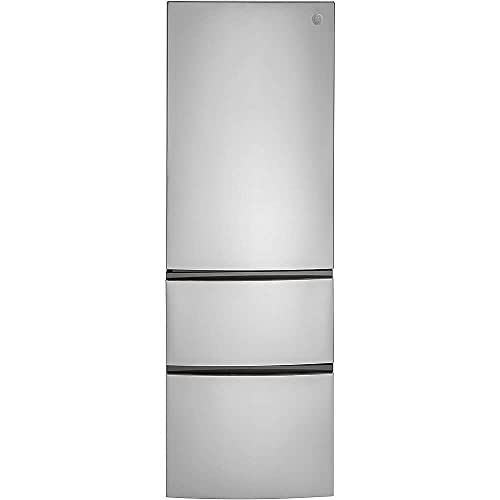
Bottom freezer refrigerators have the freezer compartment located at the bottom of the unit, leaving the fresh food section at eye level. This layout makes it easier to access daily-use items and reduces bending.
Features:
Easy access to fresh food
Space-saving design
Plenty of storage options in the freezer
Specifications
Details
Typical Height
67 - 70 inches
Typical Width
30 - 36 inches
Average Capacity
18 - 27 cubic feet
Ideal for garden-to-table cooking, bottom freezer units offer ample storage and organization for fresh ingredients. Restaurant kitchens appreciate their efficiency and convenience. For more insights into similar models, you can visit Fridge.com article on shop built in refrigerator.
Understanding the different types of counter depth refrigerators allows chefs and food enthusiasts to make informed decisions that align with their kitchen’s layout and culinary practices.
Features to Look for in a Counter Depth Refrigerator
When selecting a counter depth refrigerator, certain features can enhance its functionality and usability. Here are several key elements to consider:
Adjustable Shelves and Storage Options
One of the most important features to look for in a counter depth refrigerator is the presence of adjustable shelves. This allows users to modify the interior space according to their storage needs. The ability to rearrange shelving can accommodate larger items like cakes or tall bottles, making meal prep and organization more efficient.
Feature
Benefits
Adjustable Shelves
Customize space for large items
Door Bins
Store frequently used condiments
Crisper Drawers
Keep fruits and vegetables fresh
These flexible storage options help maximize the use of available space, catering to various food items typically found in a restaurant kitchen environment.
Temperature Control and Monitoring
Precise temperature control is essential for food preservation. A countertop depth refrigerator should offer intuitive temperature settings that allow users to monitor and adjust temperatures easily. Some models feature digital displays that provide real-time temperature readings, ensuring food safety and quality.
Temperature Feature
Functionality
Digital Display
Easy monitoring of interior temps
Adjustable Settings
Customize temperature for specific items
Alarm System
Alerts for temperature fluctuations
These capabilities are crucial in maintaining optimal conditions for perishable items, particularly in kitchens where food safety is paramount.
Ice and Water Dispensers
Having built-in ice and water dispensers can significantly enhance convenience in a restaurant kitchen. Ice can be essential for serving beverages or chilling items, while chilled water is a must for hydration during busy service periods.
Dispenser Feature
Advantages
Ice Dispenser
Continuous supply of ice
Water Dispenser
Instant access to cold water
Filtered Water
Improves taste and purity
The inclusion of these dispensers ensures that busy chefs and staff have quick access to essential resources, promoting efficiency in food preparation and service.
In summary, by considering features such as adjustable shelves, temperature control, and built-in dispensers, individuals can select the best counter depth refrigerator for a restaurant kitchen that meets their specific needs. Explore related topics such as how to freeze potatoes and best fridge for saint paul homes for further insights into food storage solutions.
Maintenance and Care Tips for Counter Depth Refrigerators
Maintaining a counter depth refrigerator is essential for ensuring its longevity and optimal performance. Below are key maintenance tips, covering cleaning, food storage practices, and troubleshooting common issues.
Cleaning and Defrosting
Regular cleaning is crucial for the efficient operation of a counter depth refrigerator. A built-up layer of dirt or frost can impair cooling performance. Here are the recommended cleaning intervals and methods:
Task
Frequency
Method
Interior Cleaning
Monthly
Use a mixture of warm water and mild detergent with a soft cloth. Rinse and dry thoroughly.
Exterior Cleaning
Weekly
Wipe down surfaces with a damp cloth. Avoid corrosive cleaners.
Defrosting
As Needed
Check for frost buildup. If necessary, unplug the refrigerator and allow ice to melt before cleaning.
It's advisable to regularly check and clean the condenser coils, located at the back or beneath the appliance, to enhance efficiency.
Proper Food Storage Practices
Storing food correctly in a counter depth refrigerator helps maintain freshness and food safety. Consider the following practices:
Use Airtight Containers: Store leftovers and perishable items in airtight containers to prevent spoilage.
Cooked Vs. Raw Foods: Keep raw meats on lower shelves to prevent cross-contamination with ready-to-eat foods placed on higher shelves.
Organization: Label and date items to ensure that older food is consumed first.
Despite best efforts, issues may arise with a counter depth refrigerator. Here are common problems and simple troubleshooting steps:
Issue
Possible Cause
Solution
Refrigerator not cooling
Blocked vents
Clear obstructions around vents.
Excess frost in freezer
Defrost timer malfunction
Check and replace the defrost timer if needed.
Strange noises
Loose components
Tighten loose parts and ensure the fridge is level.
Regularly check the appliance for these issues to maintain a smooth operation. For more detailed solutions, refer to articles about french door refrigerator maintenance and common troubleshooting tips.
By taking the time to clean, store food properly, and troubleshoot issues, one can maximize the efficiency and lifespan of a counter depth refrigerator in a restaurant kitchen.
Installation and Placement Considerations for Counter Depth Refrigerators
Selecting the right location for a counter depth refrigerator in a restaurant kitchen is essential for optimal functionality and efficiency. This section discusses important aspects related to ventilation, positioning, and common challenges.
Ventilation Requirements
Proper ventilation is critical for the performance and longevity of a counter depth refrigerator. Without adequate airflow, the appliance may overheat, leading to inefficiencies and potential damage.
Ventilation Aspect
Recommendation
Clearance Space (Top)
2-3 inches
Clearance Space (Sides)
1-2 inches
Clearance Space (Back)
2-3 inches
Following these recommendations helps maintain the efficiency of the refrigerator and supports food safety by ensuring consistent cooling.
Positioning for Efficient Use
Positioning a counter depth refrigerator strategically enhances its accessibility and operational flow in the kitchen. Some important considerations include:
Proximity to Workstations: Place the refrigerator close to food preparation areas to minimize movement and save time during meal prep.
Workflow: Ensure the refrigerator does not obstruct the major workflow patterns in the kitchen. This keeps the space organized and reduces the risk of accidents.
Power Source: Ensure that there is an accessible power outlet nearby to avoid using extension cords, which can be hazardous.
Potential Challenges and Solutions
Several challenges may arise when installing a counter depth refrigerator.
Challenge
Solution
Inadequate Space for Ventilation
Adjust the refrigerator placement to ensure required space around the unit. If space is limited, consider wall modifications to accommodate ventilation.
Power Outlet Location
If the power outlet is not conveniently located, install a new outlet that meets local safety codes.
Accessibility Issues
Reassess the layout if the refrigerator placement makes it difficult for staff to access essential items.
By addressing these challenges, one can ensure the installation of a counter depth refrigerator maximizes efficiency and enhances the functionality of the restaurant kitchen. Understanding these considerations plays a key role in ensuring optimal performance and longevity of the appliance. For those looking to explore options in built-in refrigerators, refer to Fridge.com article on shop built in refrigerator.
From Fridge.com research
Figures below come from data Fridge.com builds and maintains. Each links to the record behind it.
Fridge.com Energy Index, built on U.S. EPA and DOE ENERGY STAR records
Across 5,455 ENERGY STAR certified refrigerators and freezers from 263 brands, median use is 360 kWh per year.