Mince lasts 3 to 4 months in the freezer when raw and 2 to 3 months once cooked, provided it is sealed airtight and held at or below 0°F (-18°C). Also called ground meat, mince — beef, pork, lamb, chicken, or turkey — is finely chopped, so it cooks fast and freezes well, but its large surface area also makes it spoil quickly if it is not stored correctly. Freezing slows the enzyme activity and bacterial growth that cause spoilage, letting you keep a ready supply of protein on hand with minimal waste. It does not kill bacteria, though — once mince thaws, any bacteria present become active again, which is why thawing and handling matter as much as the freezing itself.
Freezing raw mince preserves best quality for 3 to 4 months; cooked mince dishes keep for 2 to 3 months. Mince frozen continuously at 0°F (-18°C) stays safe to eat indefinitely, but its texture and flavor decline once these windows pass. To hit these numbers your freezer must sit at or below 0°F (-18°C).
Type of Mince
Recommended Freezing Time
Raw Mince (Beef, Pork, Lamb)
3-4 months
Cooked Mince Dishes
2-3 months
Freezer Life by Type of Mince
The recommended window is similar across meats. Minced beef, pork, and lamb all keep their best quality for about 3 to 4 months frozen, and so do turkey mince and chicken mince. Some references cite up to 3 to 6 months for pork and poultry, but for reliable quality it is safest to use all mince within 3 to 4 months.
Type of Mince
Best-Quality Freezer Life
Beef mince
3-4 months
Pork mince
3-4 months
Lamb mince
3-4 months
Turkey mince
3-4 months
Chicken mince
3-4 months
Factors Affecting Freezing Duration
Several factors can influence how long mince lasts in the freezer:
Freezer Temperature: A consistent temperature at or below 0°F (-18°C) keeps mince frozen solid and slows deterioration; fluctuations shorten its life.
Packaging: Proper packaging minimizes exposure to air and prevents freezer burn. Vacuum-sealed or tightly wrapped portions are ideal.
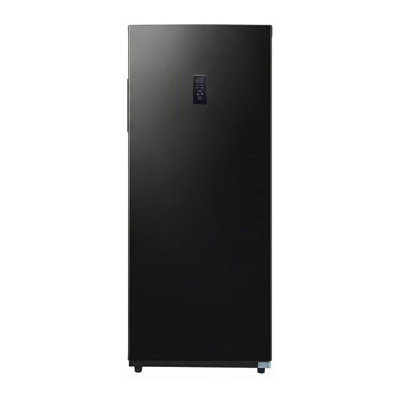
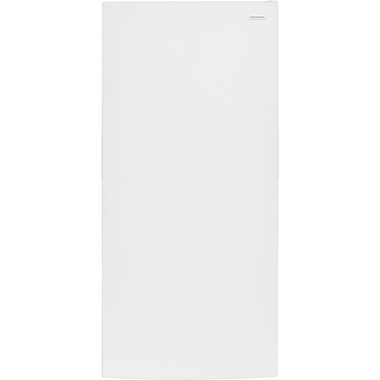
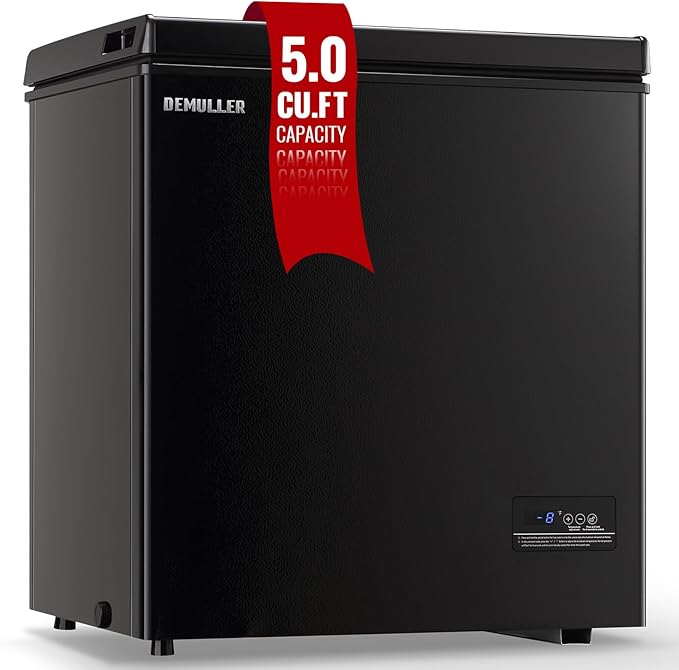
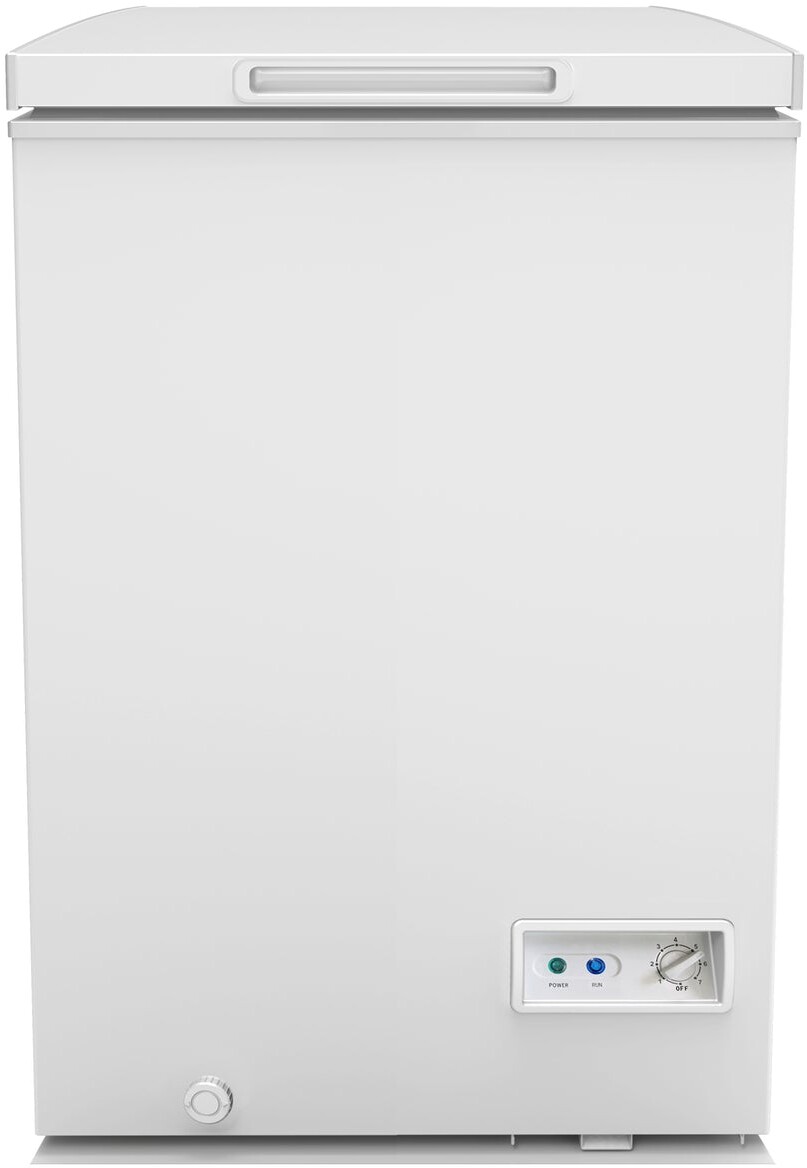
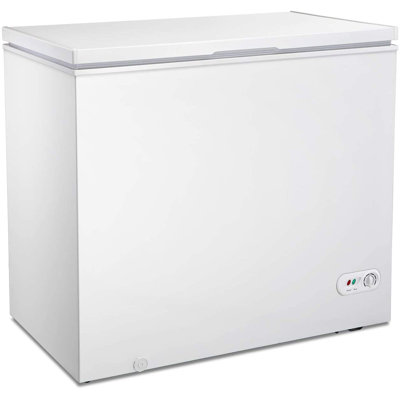
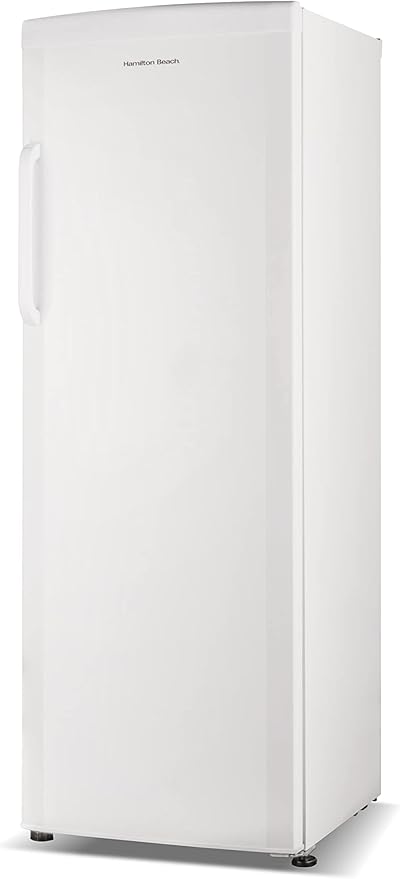
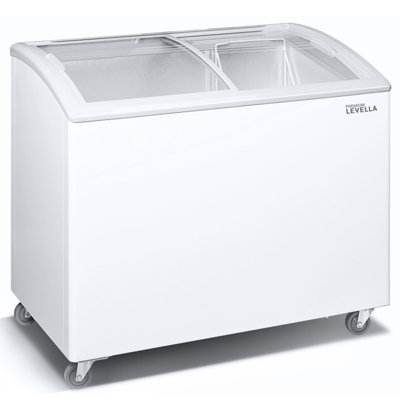
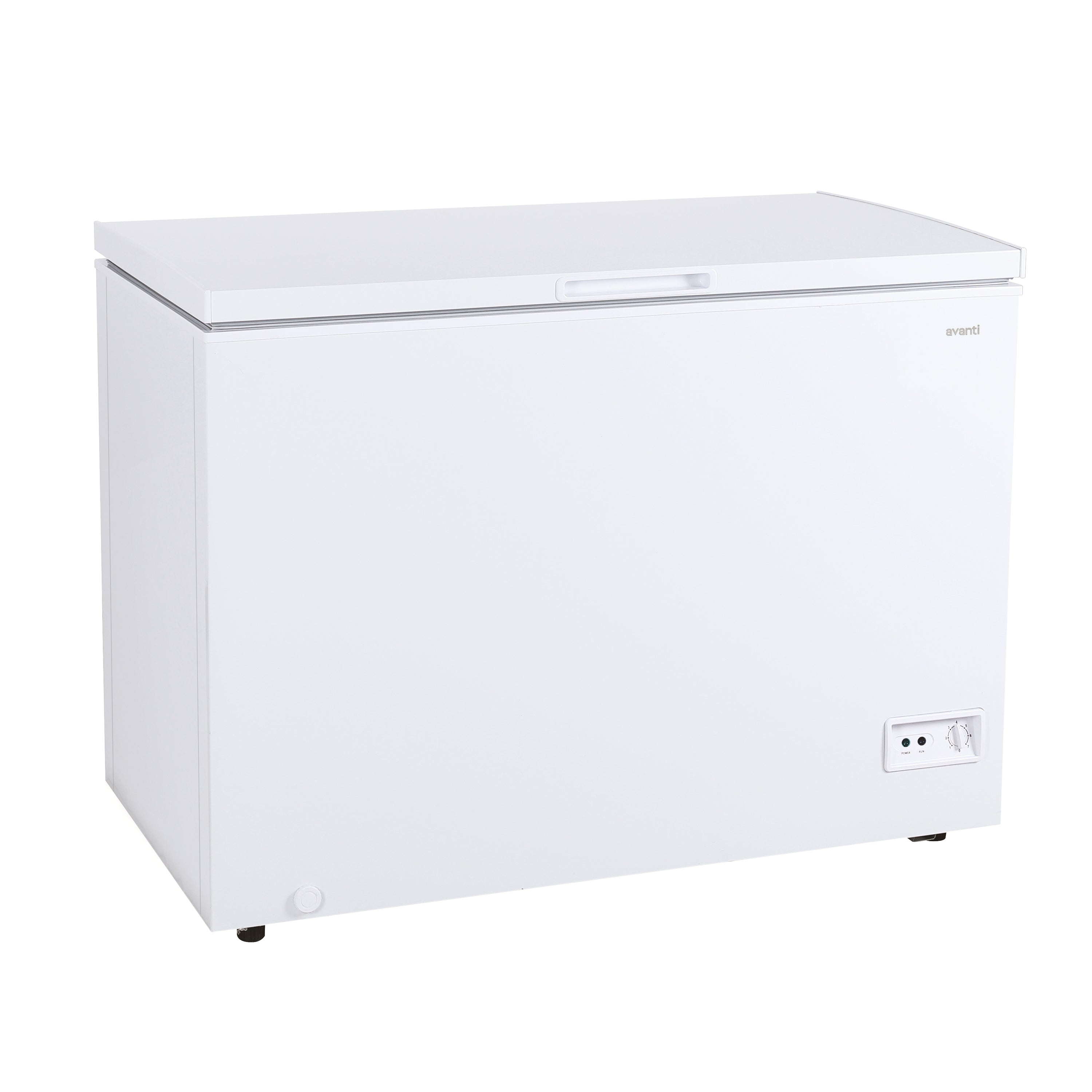
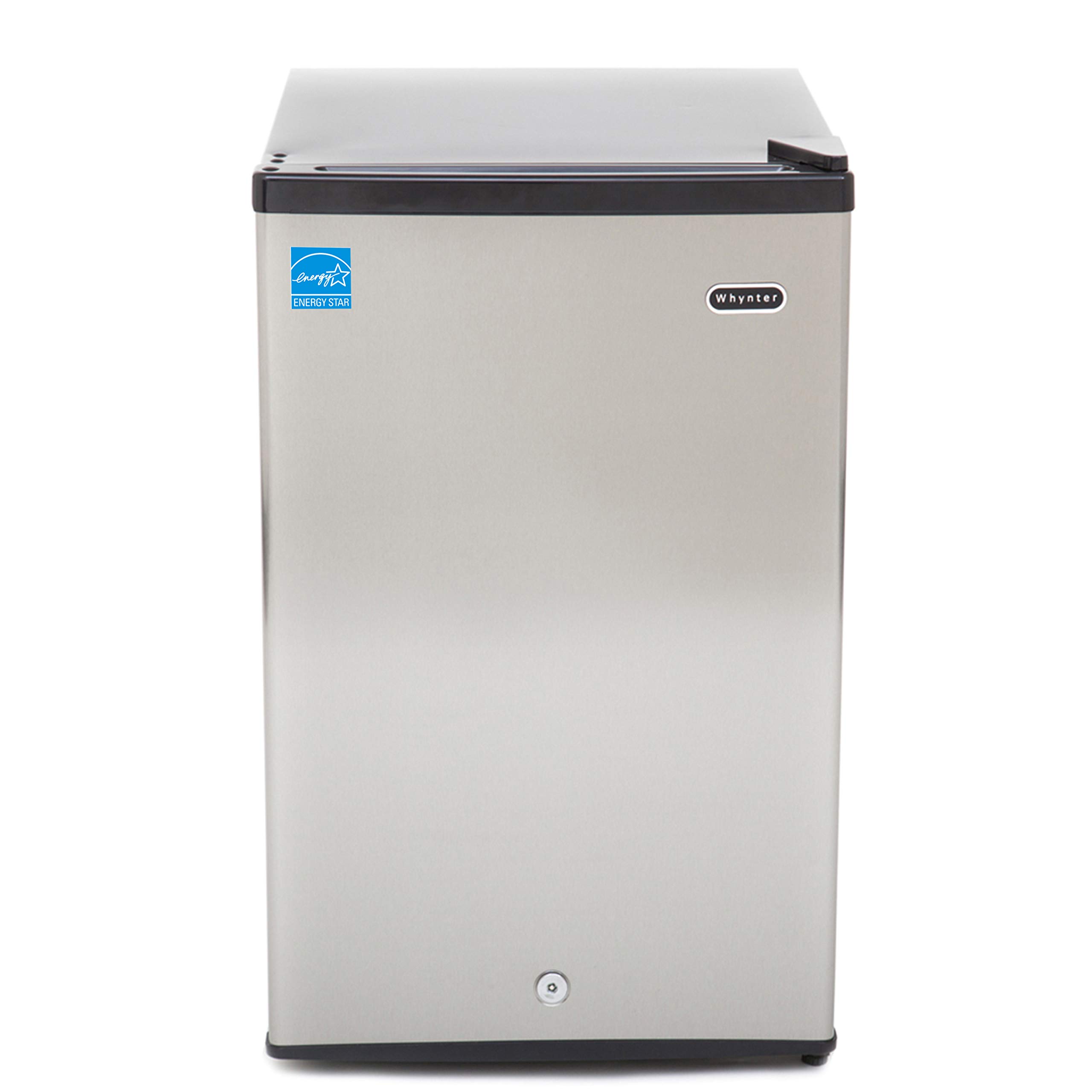
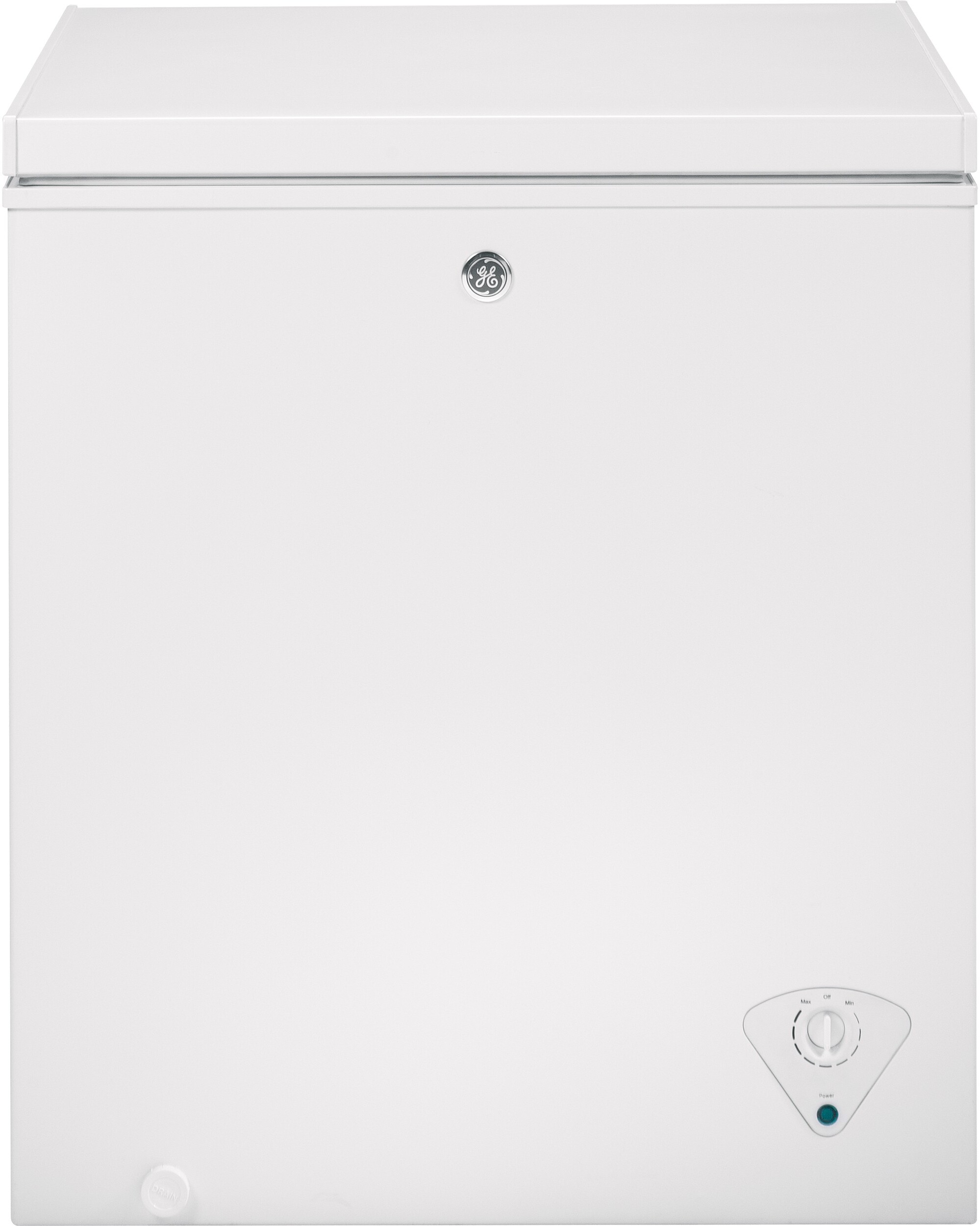
Freezer Conditions: Frequent opening of the door causes temperature swings. A stand up freezer or chest freezer dedicated to long-term storage holds a steadier temperature.
Type of Mince: Fattier mince does not last as long because fat oxidizes over time, while leaner mince keeps better.
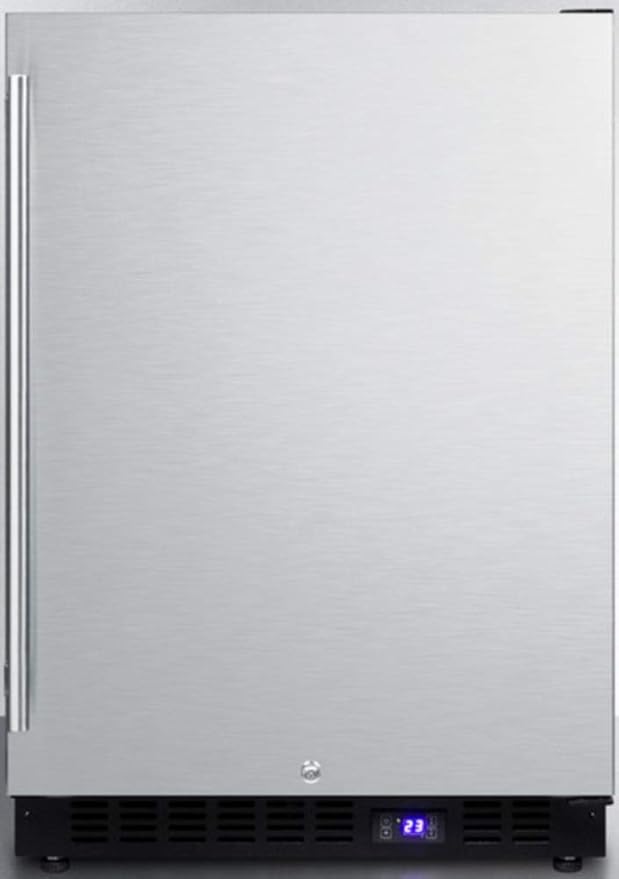
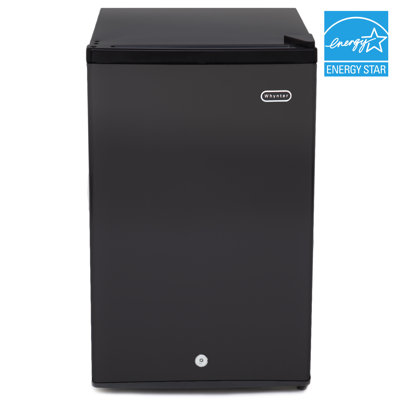
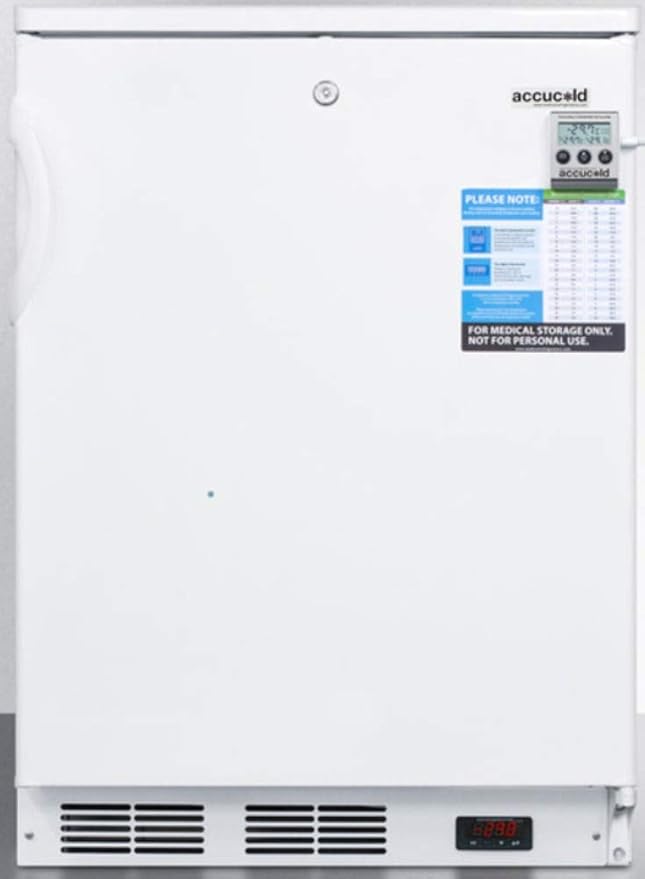
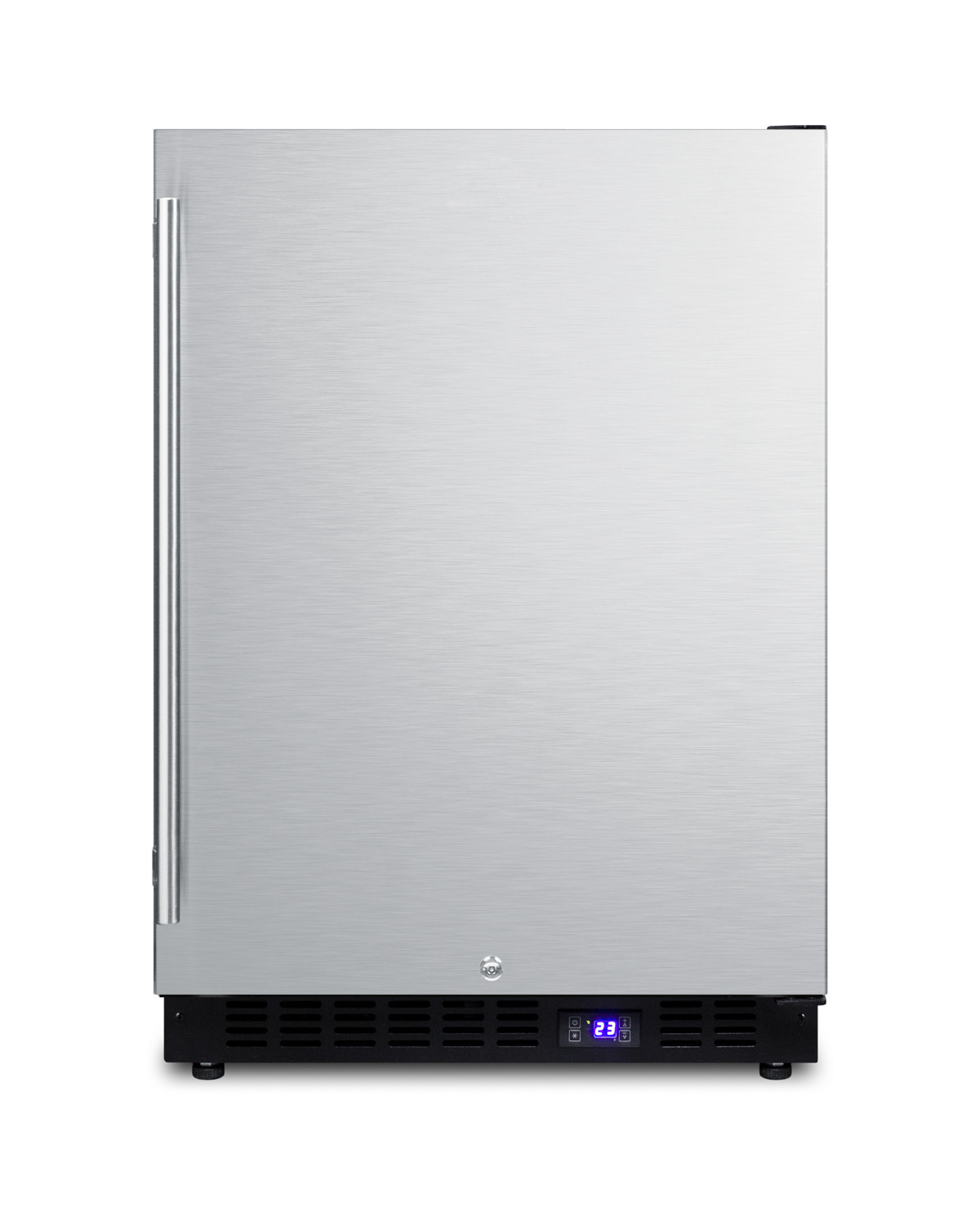
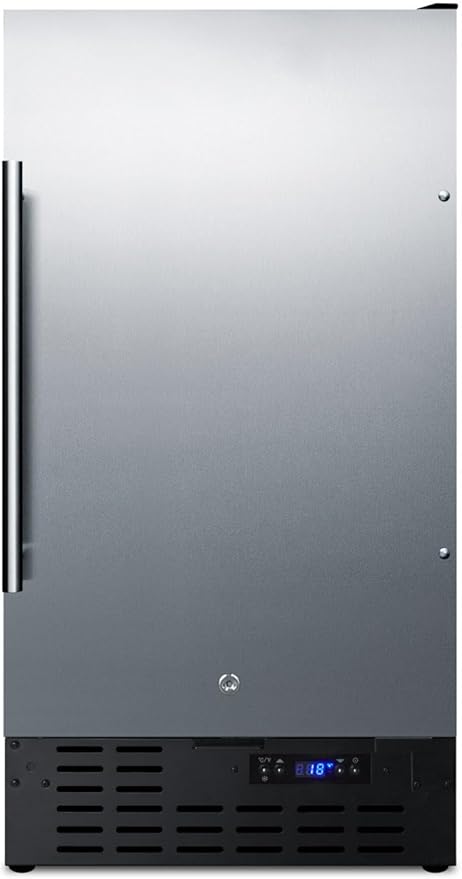
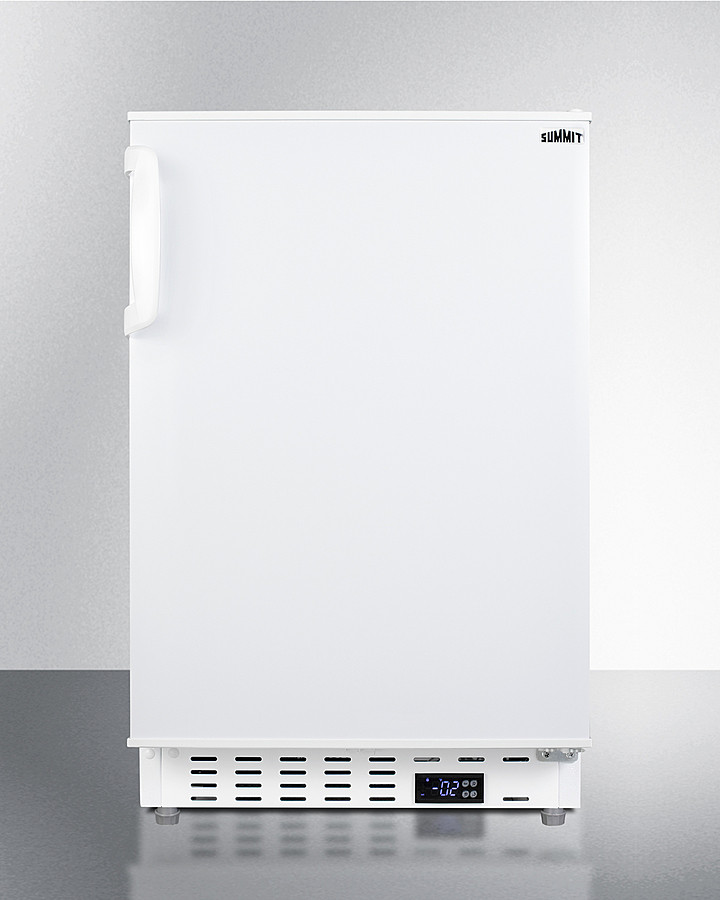
Whether you use a small fridge with a built-in freezer, an under counter fridge freezer combo, or a larger stand up freezer, maintaining a consistent temperature and avoiding overstuffing are the keys to longevity. Storing mince well also makes it easier to plan fridge friendly meals and freezer meal prep.
Removing air is the single most important step. Air contact dehydrates the surface and causes freezer burn, so package mince tightly before it goes in.
Packaging Mince for Freezing
Divide the mince into single-meal portions so you never thaw more than you need.
If using freezer bags, press out all the air before sealing. For rigid containers, leave a small headspace for expansion.
Flatten the mince in the bag to spread it evenly — it freezes faster and stacks efficiently.
Double wrap for long storage, adding plastic wrap, aluminum foil, or a second bag for extra protection against freezer burn.
Different wrapping methods offer different levels of protection. Vacuum sealing removes air completely and gives the best protection; tight plastic wrap plus an airtight container is next; resealable freezer bags with the air squeezed out work well for shorter storage; and butcher paper is a reasonable option for fresh mince you will use soon.
Labeling and Dating Packages
Label every package so you can rotate stock on a first-in, first-out basis. Include:
Raw mince keeps only 1 to 2 days in the refrigerator when held at or below 40°F (4°C); cooked mince lasts 3 to 4 days in an airtight container. Ground poultry (chicken and turkey) is just as perishable as beef and pork, so the same 1-to-2-day rule applies. Store mince on a bottom or middle shelf so any drips cannot contaminate other food, and keep it toward the back where the fridge is coldest.
Spoiled mince is unsafe to eat, so check it before cooking. Three quick tests catch nearly every bad batch.
Visual Inspection
Fresh mince is a consistent pink or red. A little surface browning from oxygen exposure is normal, but gray or grayish-brown throughout, dark spots, or any mold means discard it.
Color of Mince
Freshness Level
Pink / Red
Fresh
Brown
Questionable — check smell and texture
Gray / Mold present
Spoiled — discard
Smell Check
Fresh mince has a neutral, faintly metallic scent. A sour, tangy, or otherwise off smell is a clear sign of spoilage — trust your nose and throw it out.
Texture Analysis
Fresh mince feels moist but not slimy. A sticky or slimy film on the surface indicates bacterial growth, and the mince should not be eaten.
The safest way to thaw mince is in the refrigerator, where it stays cold the whole time and never enters the temperature range that lets bacteria grow. Plan ahead, because this is the slowest method.
Quantity
Approximate Thawing Time in Refrigerator
1 pound
24 hours
3-5 pounds
48 hours
When you are short on time, use the cold-water method: keep the mince in a leak-proof bag, submerge it in cold water, and change the water every 30 minutes so it stays cold — most portions thaw in 1 to 3 hours. A microwave on the defrost setting also works, but it thaws unevenly and the mince must be cooked immediately afterward. Never thaw mince on the counter at room temperature: the outer layers warm into the bacterial danger zone long before the center defrosts. For a step-by-step walkthrough of fridge thawing, see thaw turkey in the fridge.
Cooking with Previously Frozen Mince
Cook thawed mince exactly as you would fresh mince — for meatballs, tacos, Bolognese, or burgers — but always cook it to a safe internal temperature, measured with a meat thermometer. Cook promptly if you thawed it by microwave or cold water.
Raw beef, pork, or lamb mince: cook to 160°F (71°C).
Chicken or turkey mince: cook to 165°F (74°C).
Reheating already-cooked mince or leftovers: heat through to 165°F (74°C).
Do not refreeze raw mince once it has thawed — that increases the risk of foodborne illness. You can, however, freeze mince again after it has been cooked. Reheat leftovers only once rather than repeatedly, and discard any batch that smells off or feels wrong. Wash your hands, utensils, and surfaces after handling raw mince to prevent cross-contamination.
Avoiding Freezer Burn and Monitoring Quality
Freezer burn happens when air reaches the surface of frozen mince, dehydrating and oxidizing it. It does not make mince unsafe, but it dulls the flavor and texture.
Signs of Freezer Burn
Dry, leathery, or grayish-brown patches on the surface.
Ice crystals inside the packaging or on the mince itself.
A dull or changed color compared with when it was frozen.
A stale or off smell when you open the package.
You can trim off small freezer-burned areas before cooking; if most of the batch is affected, discard it for quality. Airtight packaging, meal-sized portions, and storing mince toward the back of the freezer (away from the door) all help prevent it. For more on what drives it, see what causes freezer burn?.
When to Discard Frozen Mince
It has been frozen well beyond the 3-to-4-month quality window and tastes or smells stale.
It shows extensive freezer burn affecting most of the batch.
It has an off smell, slimy texture, or gray color once thawed.
A power outage let it thaw and sit above 40°F for more than 2 hours.
Check your freezer temperature regularly with a thermometer and consult what temp should a fridge be? to keep both compartments in range. When in doubt, throw it out.
Yes. Freezing is one of the best ways to store mince. Freeze it before its use-by date, sealed airtight, at or below 0°F (-18°C).
How long can you freeze mince for?
Raw mince keeps its best quality for 3 to 4 months, and cooked mince for 2 to 3 months. Kept continuously frozen at 0°F (-18°C) it remains safe indefinitely, but quality drops after those windows.
Can you freeze mince on its use-by date?
Yes — freeze it on or before the use-by date. Freezing it while it is still fresh locks in the best quality; do not freeze mince that is already past its date or showing signs of spoilage.
How long can you freeze turkey or chicken mince?
Turkey mince and chicken mince keep their best quality for about 3 to 4 months in the freezer, the same as beef, pork, and lamb. Cook poultry mince to 165°F (74°C).
How long can you keep cooked mince in the freezer?
Cooked mince and mince-based dishes keep for 2 to 3 months in the freezer. Cool them, portion them into airtight containers, and label the date before freezing.
Can you refreeze thawed mince?
Do not refreeze raw mince once it has thawed. You can refreeze it after it has been fully cooked, though the texture may soften slightly.
How long will mince last in the freezer without power?
While the mince stays frozen — still hard, with ice crystals, and below 40°F — it is safe and can be refrozen. If a power outage lets it warm above 40°F for more than 2 hours, discard it. Keeping the freezer door shut helps it hold temperature longer, and a well-insulated stand up freezer or chest freezer holds cold longer than a small compartment.
Is freezer-burned mince safe to eat?
Yes. Freezer burn is a quality issue, not a safety one. Trim the dried, discolored patches and cook the rest, or discard the batch if most of it is affected.
Does freezing kill the bacteria in mince?
No. Freezing only pauses bacterial growth. Once mince thaws, any bacteria become active again, so thaw it in the fridge and cook it to a safe internal temperature.
Compare prices on Fridge.com
Compare current prices and specifications on Fridge.com, then buy from the retailer you choose; delivery, installation and warranty terms are the retailer’s.
It also has tons of awesome articles about kitchen stuff and home news. Enhance your home, garage, backyard, patio, and office with the coolest essentials. With every necessary type of residential refrigerator or freezer in the collection, you're covered.
Frequently Asked Questions
Raw mince keeps only 1 to 2 days in the refrigerator when held at or below 40°F (4°C); cooked mince lasts 3 to 4 days in an airtight container. Ground poultry (chicken and turkey) is just as perishable as beef and pork, so the same 1-to-2-day rule applies. Store mince on a bottom or middle shelf so any drips cannot contaminate other food, and keep it toward the back where the fridge is coldest. State of Mince.
Fridge (≤40°F / 4°C).
Freezer (0°F / -18°C).
.
Raw mince (beef, pork, chicken, turkey).
1-2 days.
3-4 months.
.
Cooked mince.
3-4 days.
2-3 months.
. Above 40°F bacteria multiply rapidly, so anything left out for more than 2 hours should be discarded. If you will not use raw mince within that 1-to-2-day window, freeze it right away rather than letting it linger. For related timelines, see how long does cooked mince last in the fridge?, how long does cooked ground beef last in the fridge?, and how long does cooked chicken last in the fridge?.