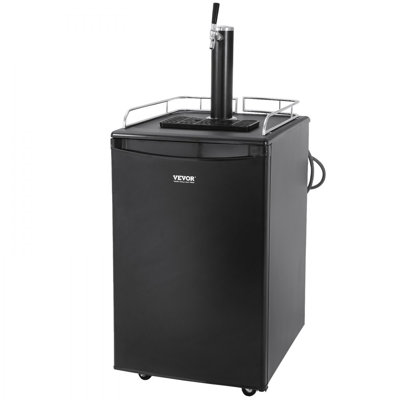
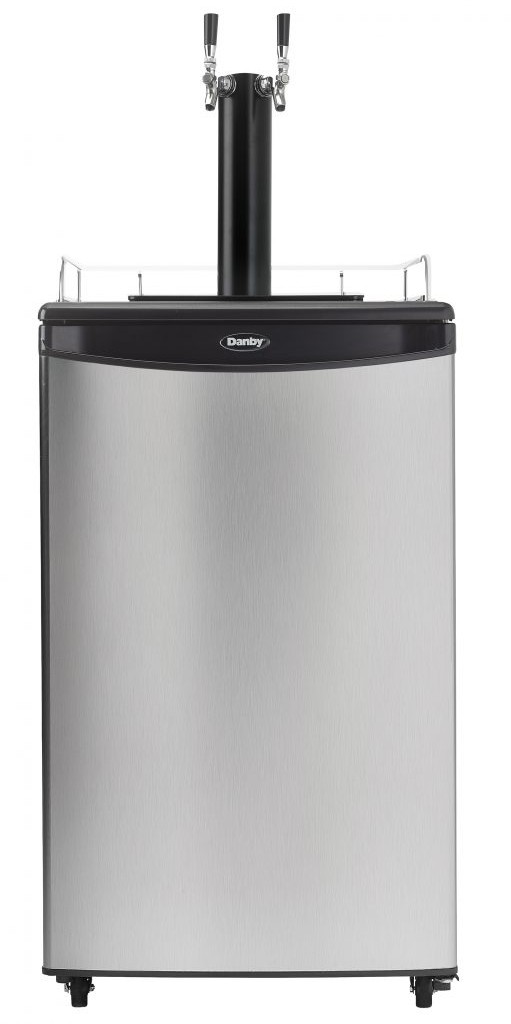
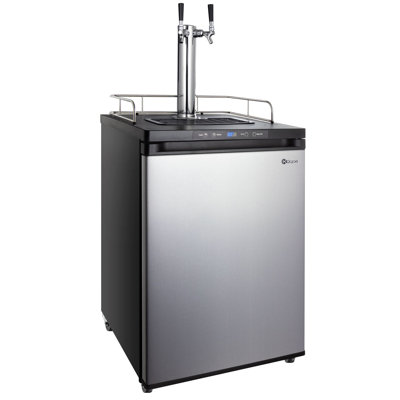
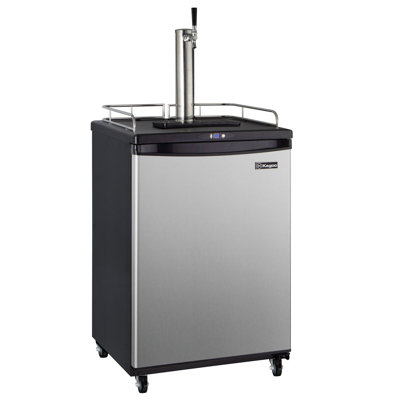
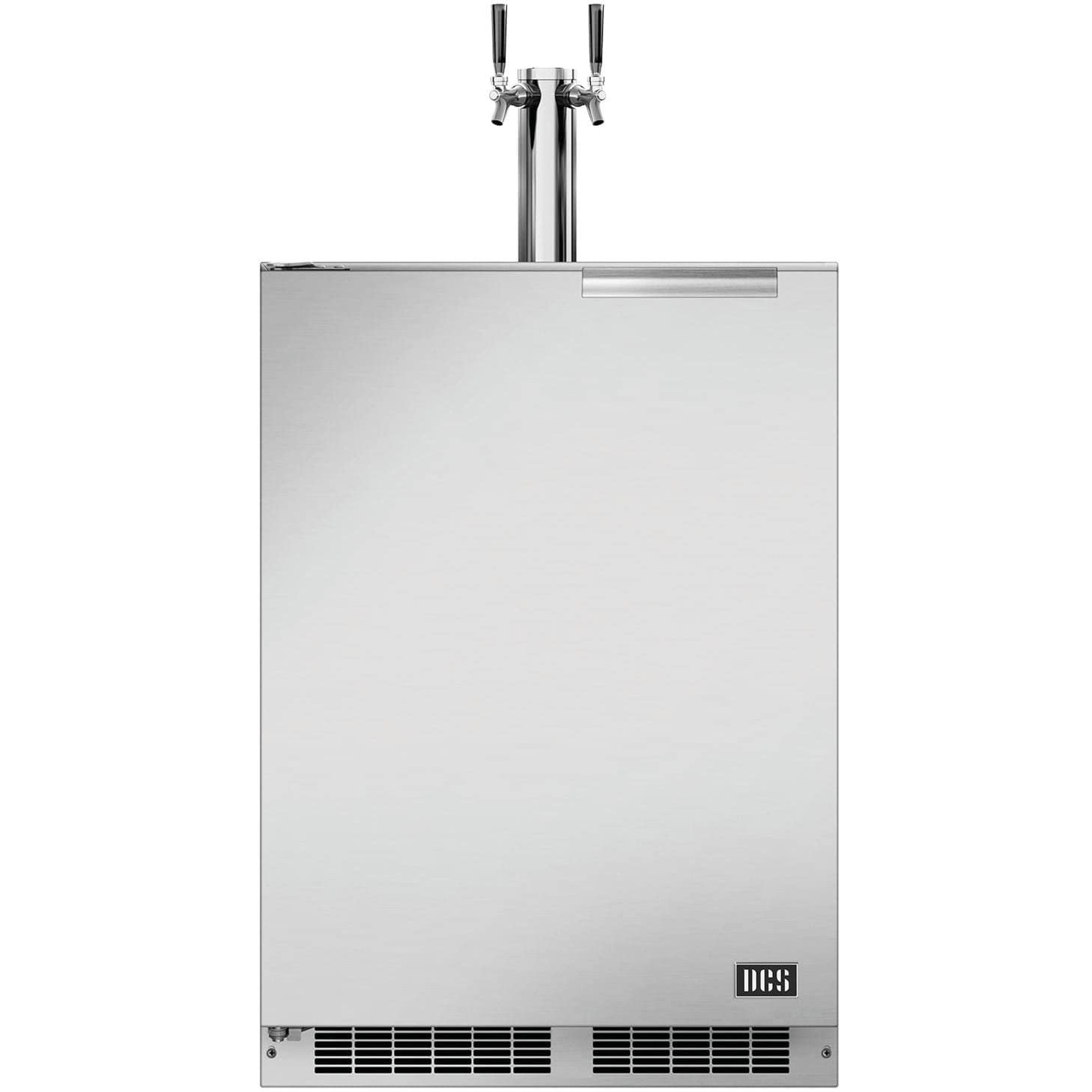
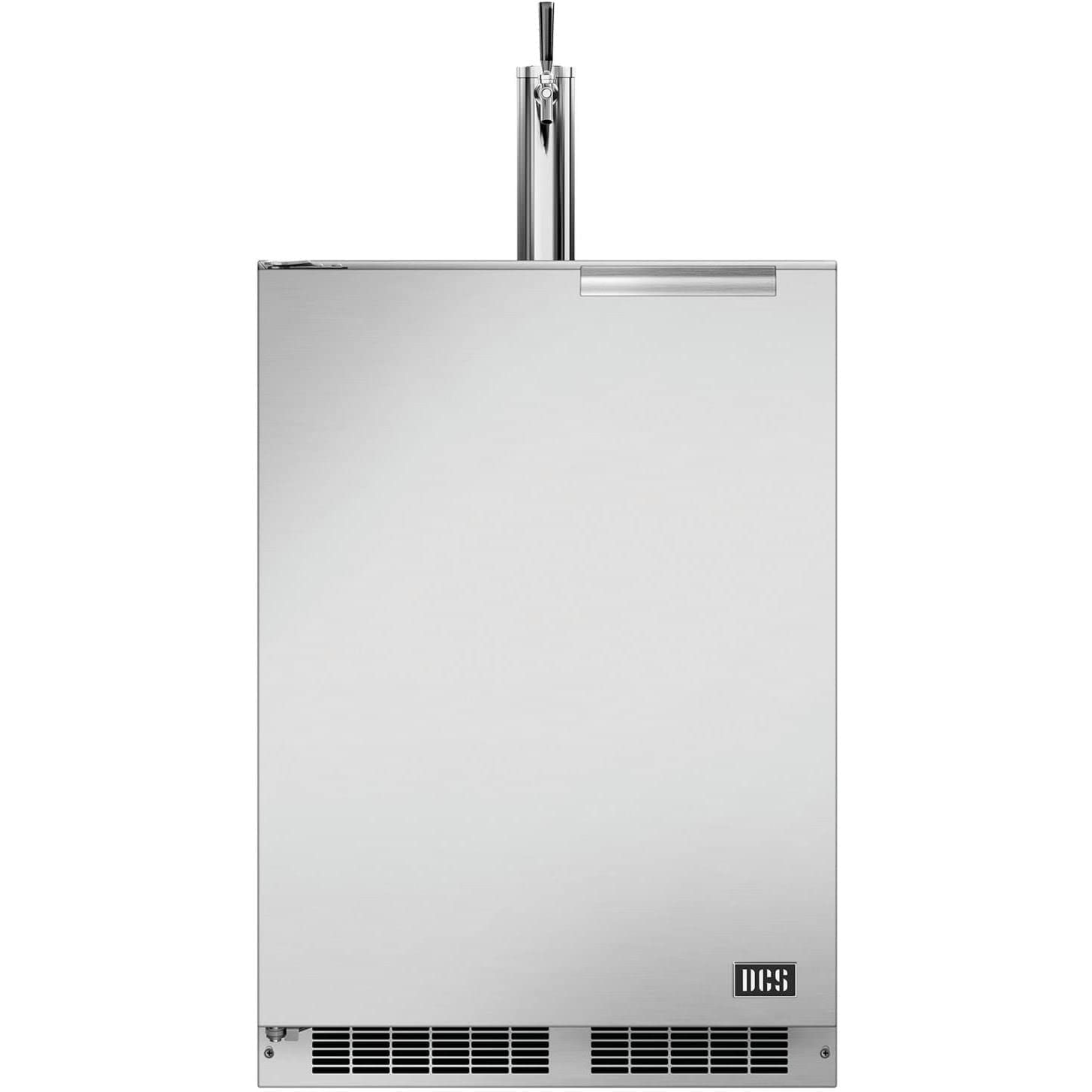
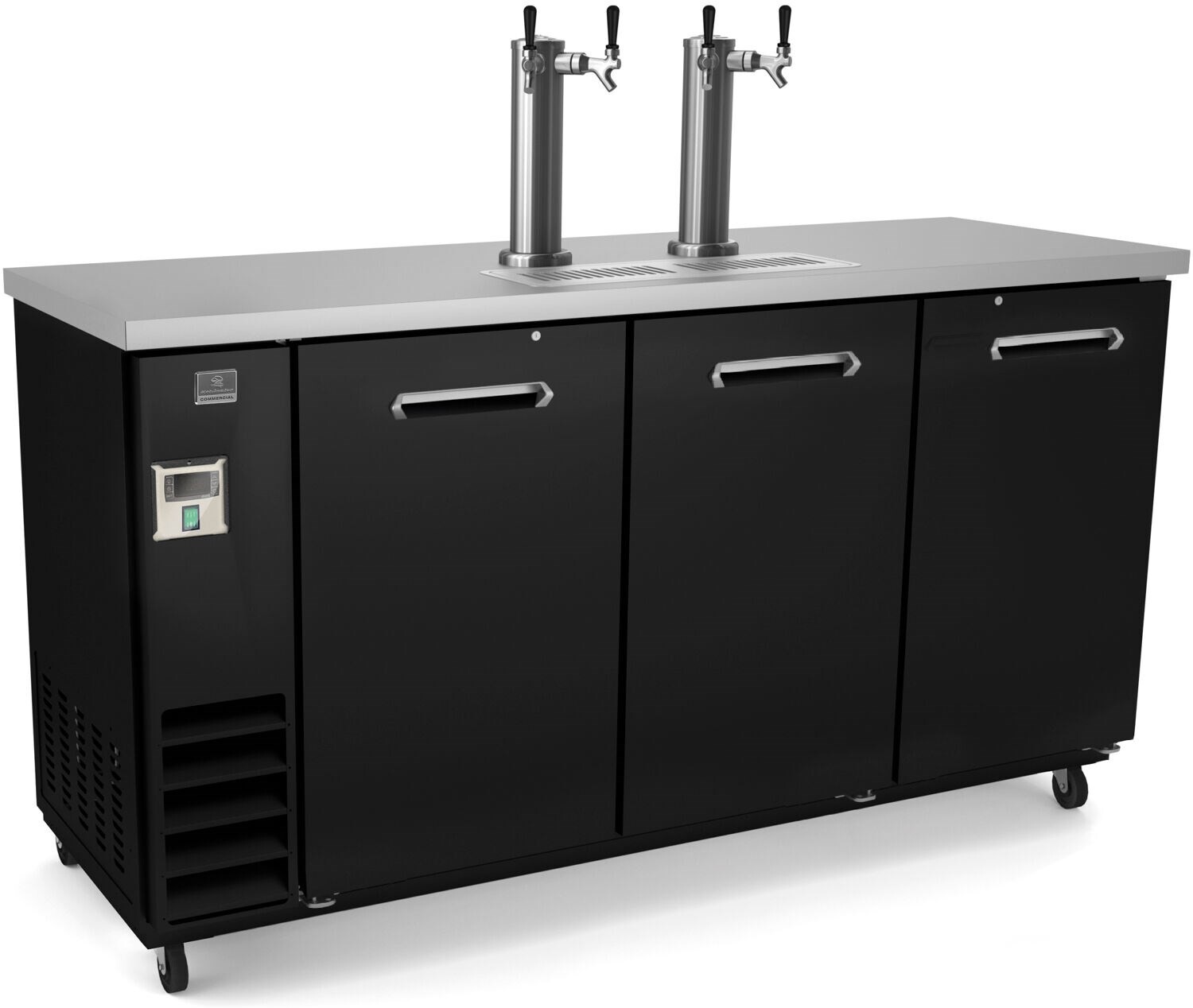
Keg coolers (kegerators) need regular maintenance to keep beer fresh and the system working. This guide covers the basics: cleaning lines, checking gas, keeping the unit cold, and when to replace parts.
Clean the Beer Lines
Beer lines can develop buildup and affect taste. Flush lines with a cleaning solution (follow the product instructions) and then with water. How often depends on use—home users might do it every few kegs or every few months; commercial setups more often. Clean lines keep beer tasting fresh and prevent clogs.
Beer line cleaner is formulated to remove yeast, bacteria, and residue. Run the cleaner through the lines, let it sit for the recommended time, then flush with water. Some systems use a recirculating pump; others use manual flushing. Follow the product instructions. Clean lines prevent off flavors and extend the life of the system.
Frequency depends on use. A home kegerator that goes through a keg every few weeks might need cleaning every 2 to 3 kegs or every 2 to 3 months. A commercial system that runs constantly may need weekly cleaning. When beer starts to taste off or the lines look cloudy, clean immediately.
Stale beer left in lines between kegs can contaminate the next keg. The USDA recommends proper sanitation for food and beverage equipment. While beer is not highly perishable like milk, bacteria and yeast in dirty lines can cause off flavors and affect quality. Clean lines are essential for good-tasting draft beer.
Use a food-safe cleaning solution designed for draft systems. Avoid household bleach or harsh chemicals that could leave residue or damage lines. Rinse thoroughly after cleaning—any leftover cleaner can affect the taste of the next pour.
Draft systems use CO2 or nitrogen to push beer. Check the tank level so you do not run out mid-keg. Ensure connections are tight and there are no leaks. A leaking system wastes gas and can affect dispensing. Replace or refill the tank as needed.
CO2 tanks have a pressure gauge that shows remaining pressure. When the pressure drops, the tank is low. A half-barrel keg typically uses one 5-pound or 10-pound CO2 tank. Keep a spare tank so you can swap when one runs out. Leaks can be detected with soapy water—bubbles form at leak points. Tighten connections or replace faulty parts.
Regulator settings matter. Most draft beer is dispensed at 10 to 14 psi. Too high and the beer over-carbonates; too low and it pours flat. Set the regulator according to the beer type and follow the manufacturer's guidance.
Nitrogen-blended beers (stouts, nitrogenated ales) use a different gas mix and often require a different regulator. Nitrogen systems run at higher pressure (25 to 35 psi) and use a restrictor plate in the faucet. If you dispense both CO2 and nitrogen beers, you may need separate gas lines and regulators.
Check the tank date. CO2 tanks require certification for refilling; outdated tanks may be rejected. Inspect the tank and connections when you swap kegs. A small leak can empty a tank over days or weeks.
Set the temperature for beer serving (typically 38–42°F for most styles). Keep the condenser coils clean so the compressor can reject heat—vacuum or brush them periodically. Ensure the door or lid seal is in good shape so cold air does not escape. A well-maintained cooling system keeps beer at the right temperature.
The USDA recommends storing perishables at 40°F or below. Beer is not highly perishable, but serving temperature affects taste. Most beer is best at 38–42°F. A kegerator should maintain that range. Use a thermometer to verify.
Condenser coils need airflow. Dust and dirt reduce efficiency. Unplug the unit, pull it out, and vacuum or brush the coils every 6 to 12 months. A clean coil helps the compressor run efficiently and keeps the unit cold. Check the door seal—a worn gasket lets warm air in and makes the compressor work harder.
The U.S. Department of Energy (DOE) notes that dirty condenser coils can increase refrigerator energy use by 10 to 30 percent. Kegerators use the same cooling technology as refrigerators; the same principle applies. Clean coils reduce run time and extend compressor life.
Place the kegerator away from heat sources. A unit next to an oven or in direct sunlight will run harder. The U.S. Energy Information Administration (EIA) reports that refrigeration accounts for a share of residential electricity use; an efficient, well-placed kegerator helps control that cost.
Clean the Tap and Faucet
Wipe the tap and faucet after use to prevent stickiness and buildup. Disassemble and clean the faucet periodically according to the manufacturer's instructions. That prevents off flavors and keeps the system sanitary.
Beer residue builds up in the faucet. Disassemble the faucet, soak the parts in cleaning solution, and scrub with a brush. Rinse thoroughly and reassemble. Some faucets have removable parts that can go in the dishwasher. Check the manual.
Tap handles can harbor bacteria if not cleaned. Wipe them down when cleaning the faucet. Avoid touching the faucet spout when pouring—that can introduce contaminants.
Forward-sealing faucets are easier to clean than rear-sealing models. They seal at the front of the faucet, so beer does not sit in the faucet body between pours. That reduces buildup and makes cleaning easier. If you are replacing a faucet, consider a forward-sealing design.
Clean the faucet when you clean the lines. Running cleaner through the lines without disassembling the faucet leaves residue in the faucet body. A full cleaning—lines, faucet, and fittings—ensures the entire system is sanitary.
When you switch kegs, drain remaining beer from the lines, run cleaner through, and flush with water. Sanitize before connecting the new keg. That reduces the risk of contamination and off flavors.
Stale beer left in the lines can affect the next keg. Drain the lines, run cleaner, flush with water, then run sanitizer. Connect the new keg and purge the lines with a few ounces of beer before serving. That ensures the first pour is fresh.
Sanitizer kills bacteria and yeast. Use a food-safe sanitizer designed for draft systems. Follow the dilution and contact time. Rinse if required by the product. Sanitizing between kegs prevents cross-contamination and extends the life of the beer.
The USDA recommends proper sanitation for food and beverage equipment. While beer has a lower pH and alcohol content that inhibit some spoilage, bacteria and wild yeast can still grow in dirty lines. Sanitizing between kegs is a best practice for home and commercial systems.
Let the sanitizer sit in the lines for the recommended contact time. Rushing the process can leave residual bacteria. A few extra minutes of contact time ensures a clean system before the next keg.
Keep the kegerator at 38–42°F for most beer styles. The USDA recommends 40°F or below for perishables; beer fits in that range. Use a thermometer to verify. If the unit struggles to hold temperature, check the condenser coils—dirty coils make the compressor work harder. The U.S. Department of Energy (DOE) notes that dirty coils can increase refrigerator energy use by 10 to 30 percent. Clean the coils every 6 to 12 months. Ensure the door seal is in good shape; a worn gasket lets cold air escape.
Lager styles are typically served colder (38–42°F); ales can be slightly warmer (42–45°F). A single-zone kegerator holds one temperature; set it for your most common beer type. If you rotate between styles, 40°F is a good compromise.
ENERGY STAR certifies efficient refrigerators; some kegerators may qualify. The EnergyGuide label, when present, shows estimated yearly kWh. At typical rates from the EIA, a kegerator might add $30 to $60 per year to your electricity bill depending on size and efficiency.
Kegerators need clearance at the back and sides for airflow. Blocking vents causes overheating and can shorten compressor life. Follow the manual for required clearances—typically 2 to 4 inches at the back.
Place the unit away from heat sources. A kegerator next to an oven or in a hot garage will run harder. The compressor has to reject more heat, which increases energy use and wear. A cool, shaded location is ideal.
Garage placement is common in some climates. Ensure the unit is rated for the ambient temperature range. Some refrigerators and kegerators are not designed for unheated spaces in very cold or very hot climates. Check the manual.
When to Replace Parts
Beer lines can develop off flavors over time even with cleaning. Replace them every 1 to 2 years or when cleaning no longer resolves taste issues. Faucet parts may wear; replace O-rings and gaskets as needed. CO2 regulators can fail; if you cannot maintain pressure, the regulator may need replacement. Draft system parts are available from beverage supply retailers. For the refrigeration unit itself, follow the same maintenance as a standard refrigerator: clean coils, check the seal, maintain temperature.
Vinyl lines can absorb flavors over time. Consider upgrading to barrier tubing or stainless lines if you notice persistent off flavors despite cleaning. Barrier tubing has a layer that prevents oxygen and flavor absorption.
Replace the coupler O-ring when you notice leaks or difficulty connecting kegs. A worn O-ring can cause CO2 to escape or allow air into the keg. Keep spare O-rings and gaskets on hand for quick replacement.
Keg cooler maintenance: clean beer lines regularly, check gas supply and connections, keep the unit cold and coils clean, and clean the tap and faucet. Drain and sanitize between kegs. Replace lines and parts as needed. For more help comparing kegerator options and care tips, you can browse.
Frequently Asked Questions
Flush with cleaner and water every few kegs or every few months for home use. Prevents buildup and off flavors.