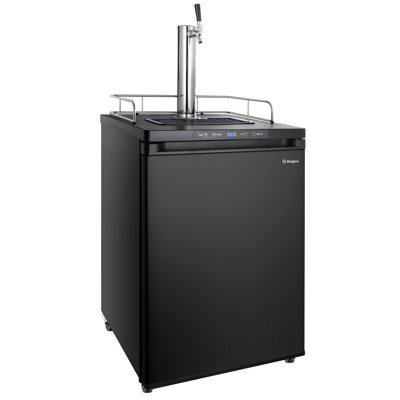
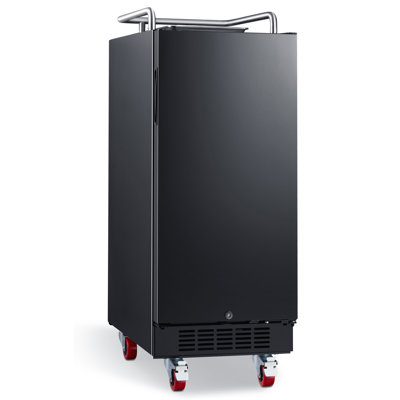
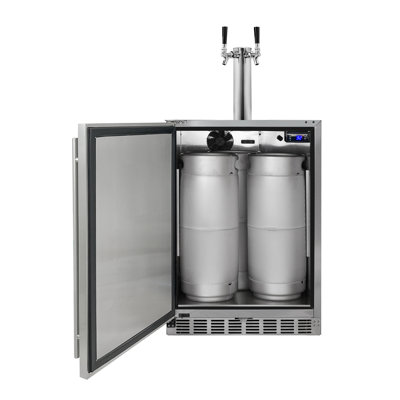
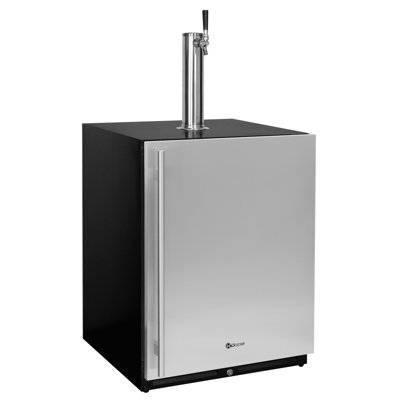
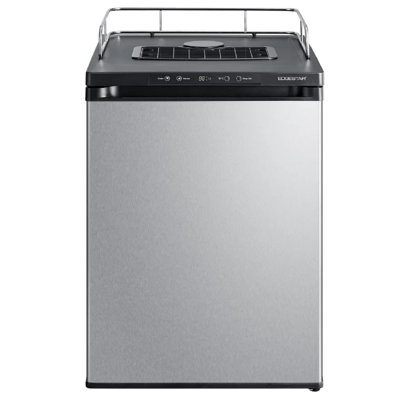
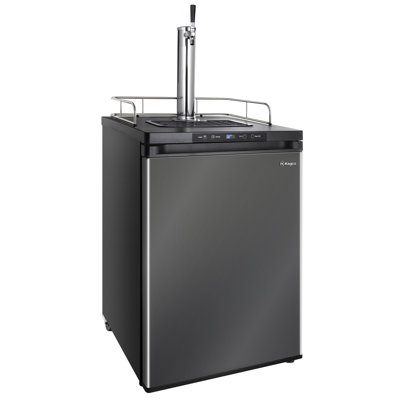
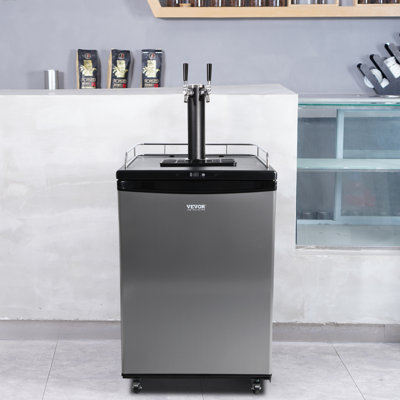
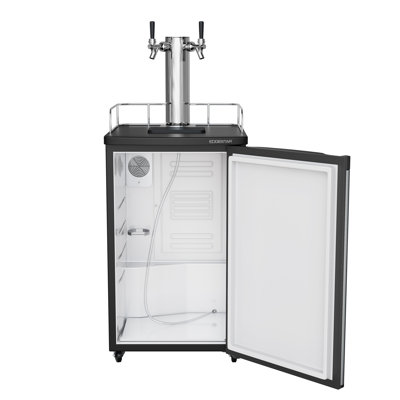
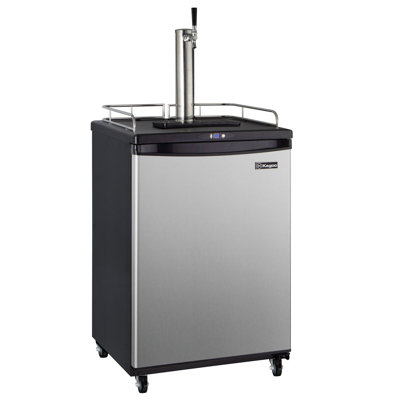
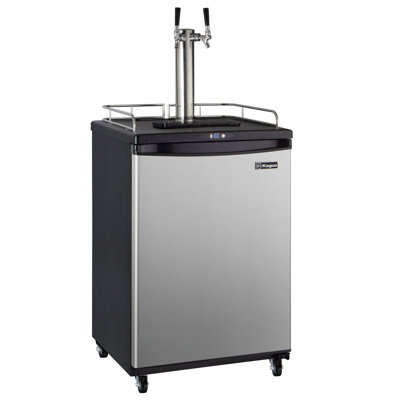
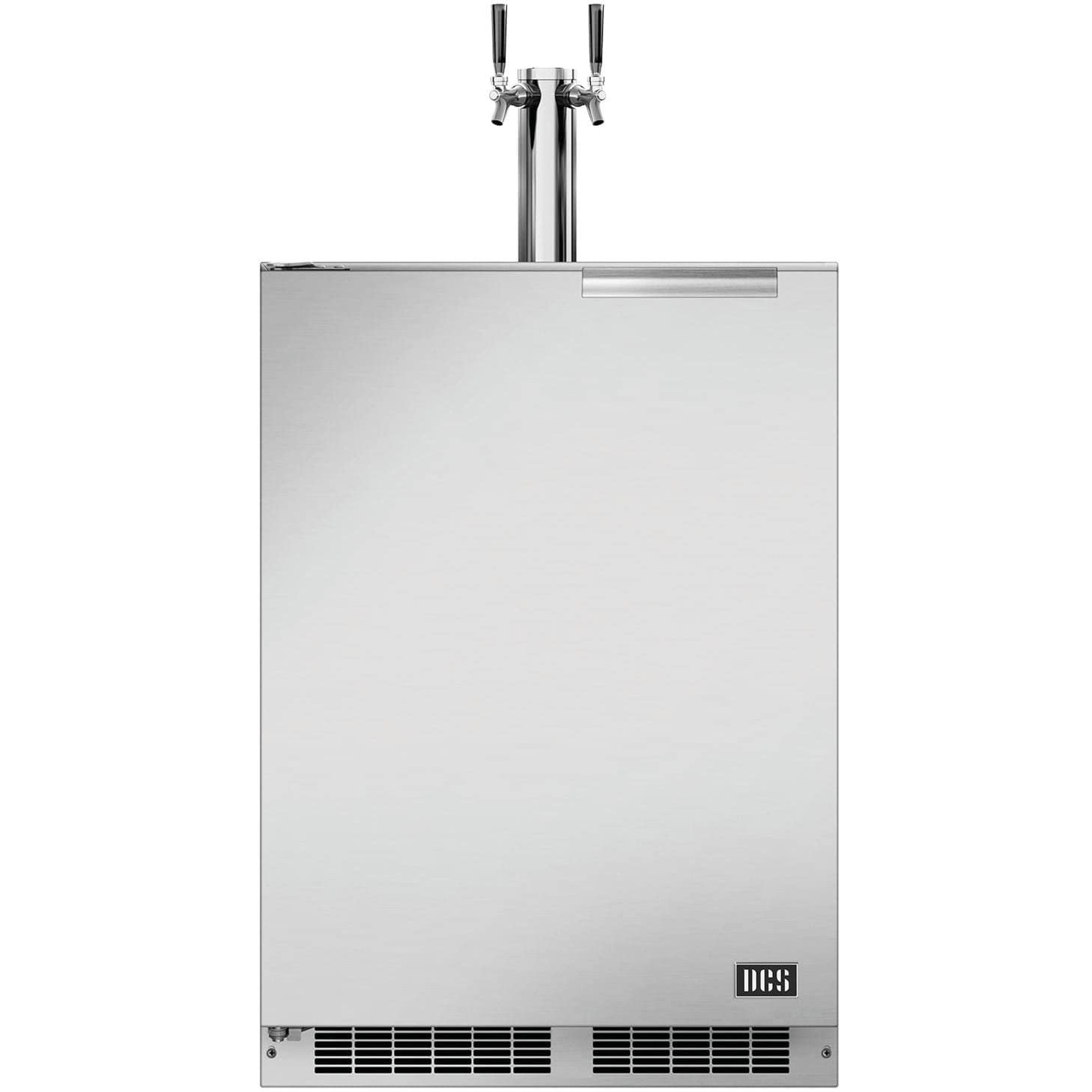
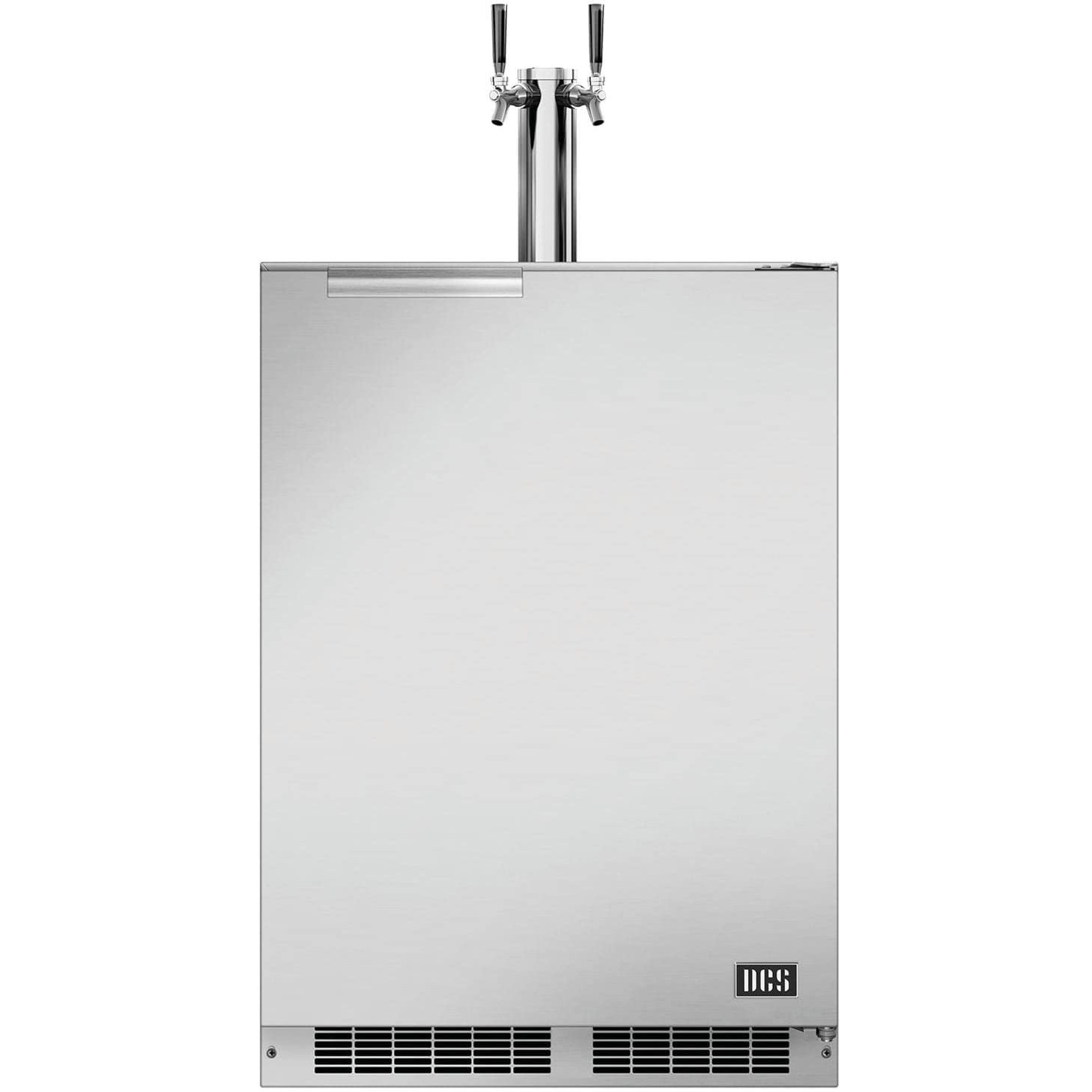
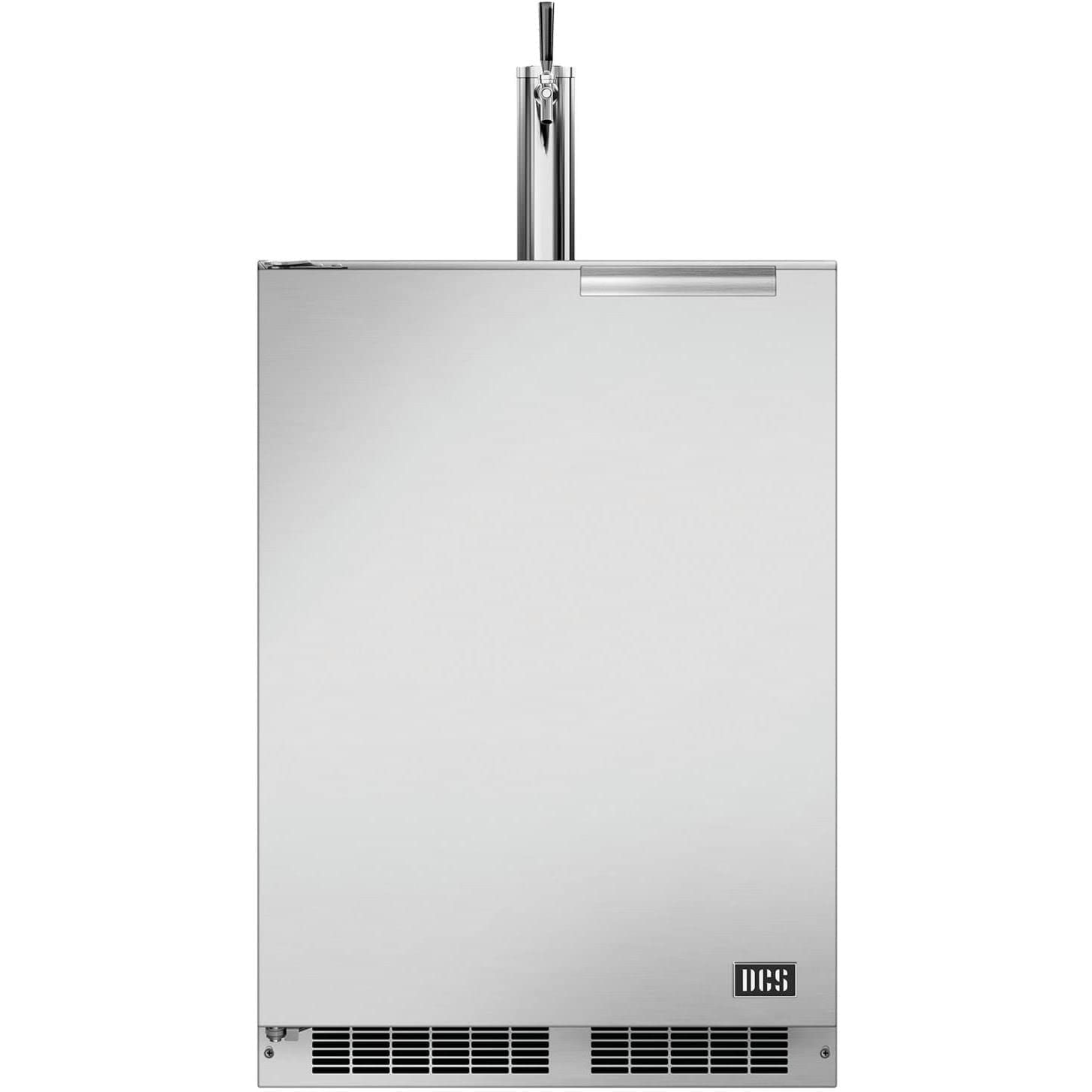
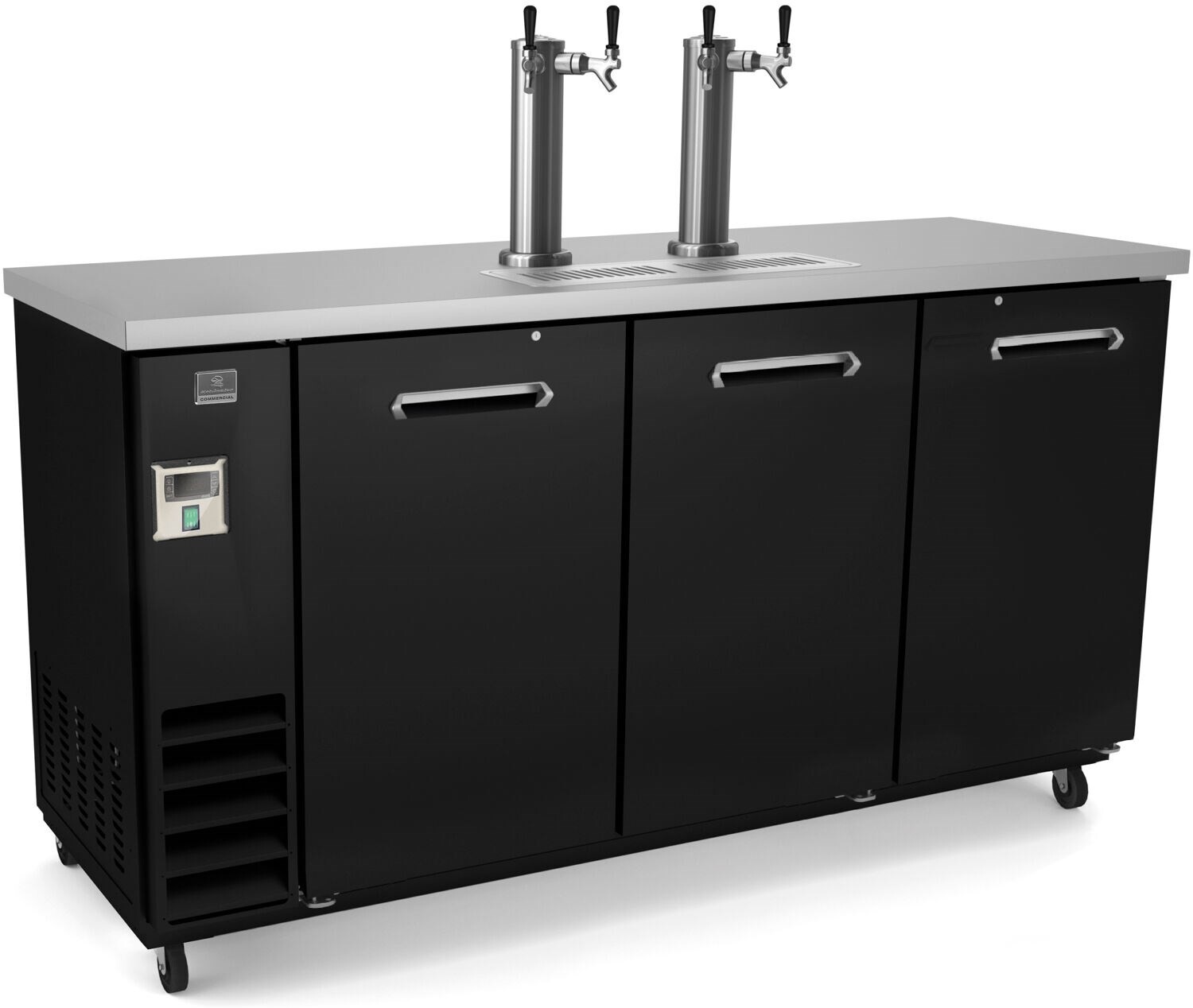
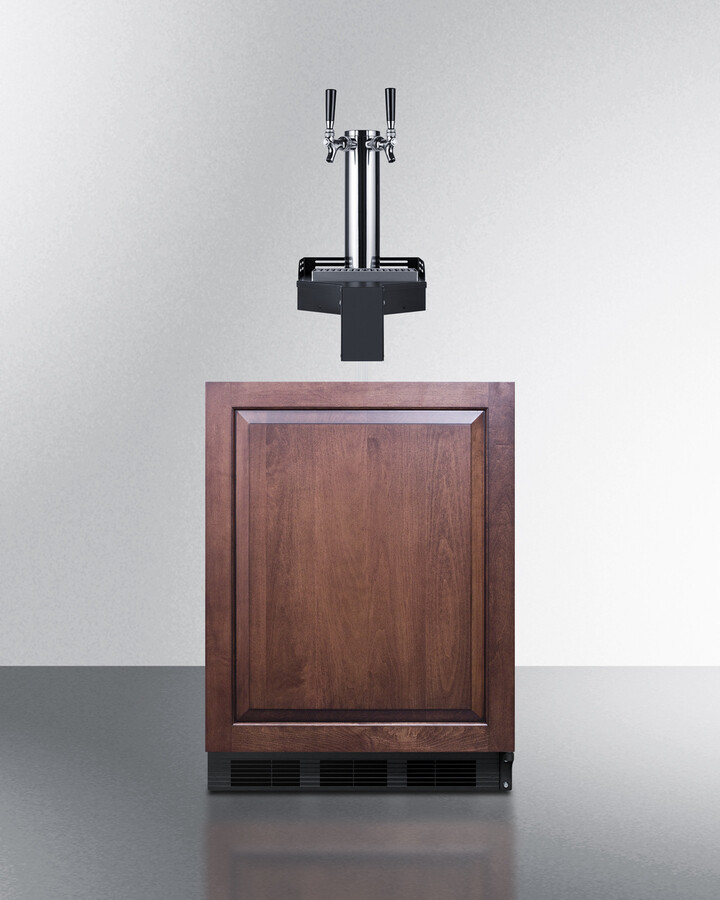
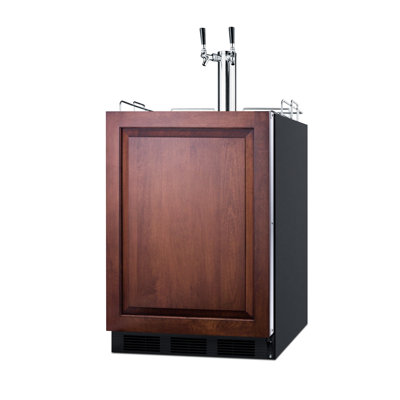
Beer keg coolers (kegerators) keep kegs cold and often include a tap for dispensing. They are used in homes, bars, and at events. This guide covers common applications and what to consider when choosing one.
Home Use
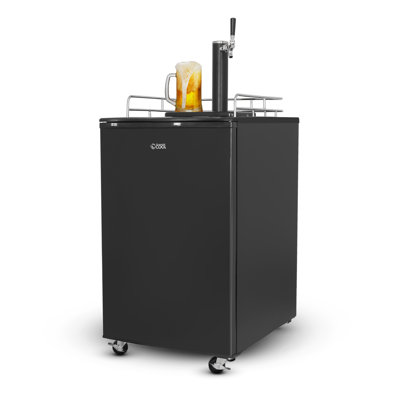
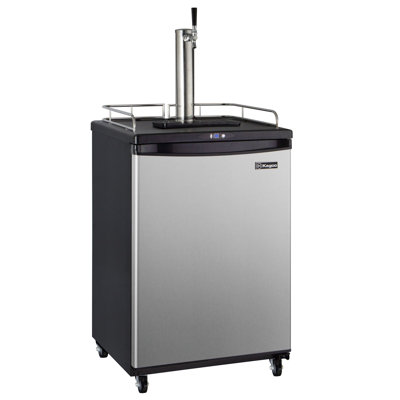
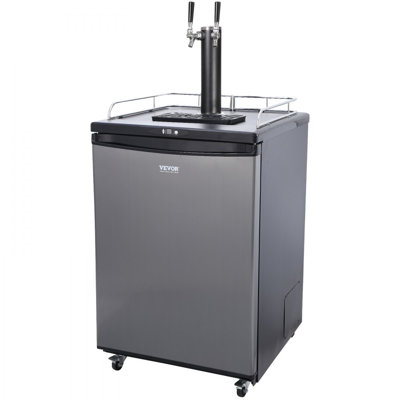
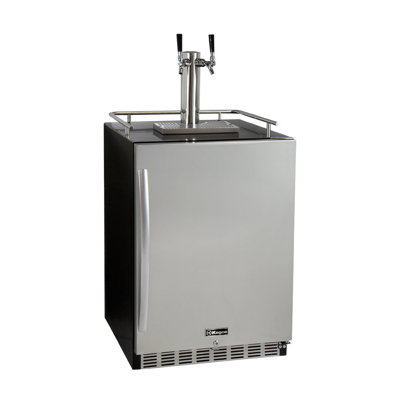
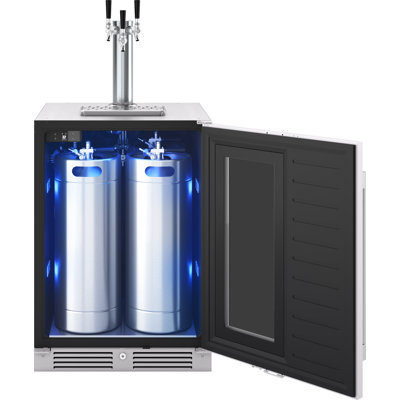
Home kegerators let you pour draft beer from a keg in a garage, basement, or bar area. They hold one or more kegs (size depends on the unit) and keep beer at serving temperature. A CO2 or nitrogen system dispenses the beer. Home units range from compact (one half-barrel keg) to larger (multiple kegs). Good for people who drink draft regularly or entertain often.
A half-barrel keg holds about 15.5 gallons—roughly 165 12-ounce servings. That is a lot of beer for a typical household. Sixth-barrel (sixtel) kegs hold about 5 gallons and are more manageable for home use. Quarter-barrel kegs hold about 7.75 gallons. Choose a kegerator that fits the keg size you plan to use. Many home units hold one half-barrel or two sixth-barrel kegs.
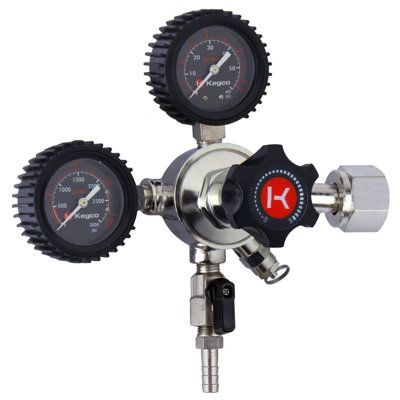
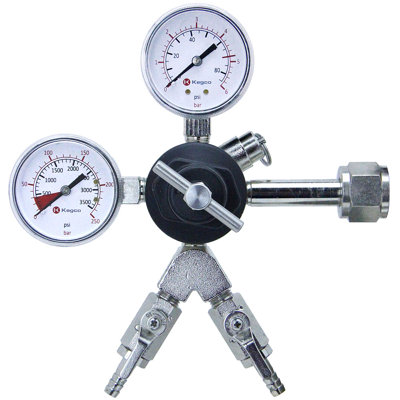
Home kegerators need a CO2 tank and regulator to push beer through the lines. The system requires periodic maintenance—cleaning lines, checking gas levels, and sanitizing between kegs. If you are willing to maintain it, a home kegerator provides draft beer on tap. If you prefer simplicity, cans and bottles in a standard beverage fridge may be easier.
The USDA recommends 40°F or below for perishables; beer is typically served at 38–45°F depending on style. Kegerators maintain that range. They are not designed for food storage—they are single-purpose appliances for keg storage and dispensing. The U.S. Department of Energy (DOE) does not have separate efficiency standards for kegerators; they may be classified as compact refrigerators.
Small Business and Bars
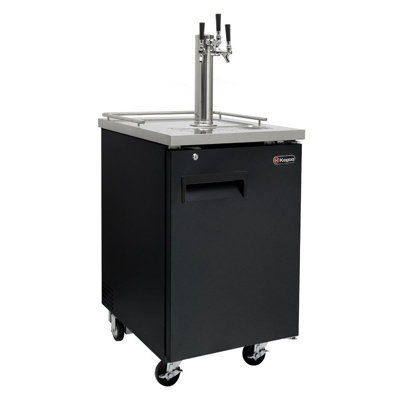
Commercial keg coolers are built for heavy use: multiple taps, higher capacity, and durable components. They meet food-service and safety requirements. Applications include bars, breweries, taprooms, and restaurants. Sizing depends on volume and variety of beer offered.
Commercial units are designed for constant use. They have multiple taps, larger capacity, and components that withstand frequent opening and closing. They may have a different refrigerant or configuration than home units. Food-service regulations may apply—check local requirements for commercial refrigeration.
Bars and taprooms need enough capacity to hold multiple kegs and keep beer at serving temperature. The number of taps determines how many varieties can be served at once. Sizing depends on traffic, keg turnover, and variety. Commercial suppliers can help with sizing and configuration.
Commercial keg coolers may need to meet local health department requirements. Food-service regulations vary by jurisdiction. Ensure the unit is designed for commercial use—home units may not withstand the constant opening and closing of a busy bar. The U.S. Energy Information Administration (EIA) reports that commercial electricity rates vary by region; efficient units cost less to run.
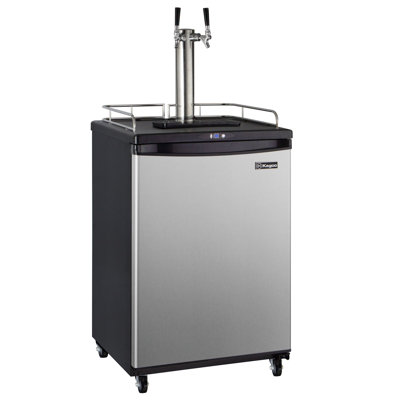
Portable or mobile keg coolers can be used at parties, weddings, and outdoor events. Some are trailer-mounted or on wheels. They keep kegs cold and may include taps and CO2. Ensure power is available or the unit can run on alternative power if needed.
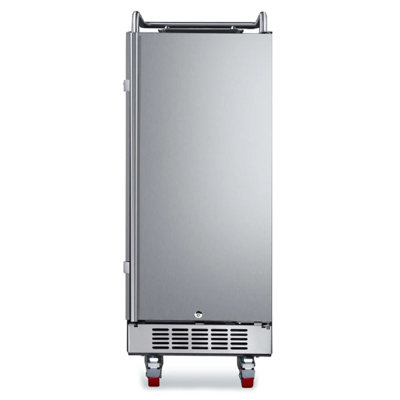
Portable kegerators are designed to be moved. They may have wheels, handles, or a trailer mount. For outdoor events, ensure the unit can operate in the ambient temperature—some are not designed for extreme heat. Power is usually required; generators or event power may be needed if no outlet is available.
Catering applications often use jockey boxes—coolers that use ice to chill beer as it flows through a coil. These do not require electricity but need ice replenishment. For events with power, a portable kegerator is more convenient. For events without power, a jockey box may be the option.
Portable kegerators need adequate ventilation even when used outdoors. Blocking vents causes overheating. Ensure the unit has access to power—generators or event power may be needed. Some units are designed for outdoor use; others are not. Check the manual for the operating temperature range.
Consider how many kegs you need to hold (half-barrel, quarter-barrel, sixth-barrel), how many taps you want, and whether you need a CO2 system. Check dimensions and where the unit will sit. For home use, a single-keg kegerator with one or two taps is common.
Keg sizes: half-barrel (15.5 gal), quarter-barrel (7.75 gal), sixth-barrel (5 gal). Most home kegerators hold one half-barrel or two sixth-barrel kegs. Check the manufacturer specs to confirm which sizes fit.
CO2 vs. nitrogen: most beer uses CO2. Nitrogen is used for some stouts and nitro beers. The system differs—nitrogen requires a different regulator and often a different tap. If you only serve standard draft beer, CO2 is sufficient.
Placement matters. Kegerators need ventilation—clearance at the back and sides. They generate heat when running. Ensure the location has adequate airflow and access to power. Built-in or under-counter units may have specific installation requirements.
Kegerators typically use 150 to 400 kWh per year depending on size and usage. At 15 cents per kWh, that is $22.50 to $60 annually. The EIA reports average electricity prices. ENERGY STAR does not certify kegerators as a separate category; check the EnergyGuide label if available. Proper ventilation helps the unit run efficiently.
Half-barrel kegs hold 15.5 gallons—about 165 12-ounce servings. They are the standard for bars and large parties. Quarter-barrel kegs hold 7.75 gallons; sixth-barrel (sixtel) kegs hold 5 gallons. Most home kegerators hold one half-barrel or two sixth-barrel kegs. Check the manufacturer specs to confirm which sizes fit. The U.S. Department of Energy (DOE) does not have separate efficiency standards for kegerators; they may be classified as compact refrigerators. Check the EnergyGuide label if available for estimated energy use.
Maintenance Requirements
Kegerators require more maintenance than standard refrigerators. Beer lines need periodic cleaning to prevent buildup and off flavors. CO2 tanks need refilling or replacement. Faucets need wiping and occasional disassembly for deep cleaning. Plan for this when choosing a kegerator. If you are not willing to maintain it, a standard beverage refrigerator with cans and bottles may be the better choice. The USDA recommends storing perishables at 40°F or below; beer fits in that range. A well-maintained kegerator keeps beer at serving temperature and dispenses it properly.
Clean beer lines every 2 to 4 weeks when in use. Stale beer and bacteria can cause off flavors. Sanitize between kegs. Check the CO2 tank level regularly—running out mid-party is inconvenient. Keep the unit at serving temperature—typically 38–45°F depending on beer style.
Choose a kegerator when you drink draft beer regularly, entertain often, or want the convenience of beer on tap at home. For occasional use, cans and bottles in a standard beverage fridge may be simpler. Kegerators require more maintenance and upfront cost. The payoff is draft beer at home without trips to the store for cans or bottles.
For commercial use, a kegerator is essential for serving draft beer. For events, a portable kegerator or jockey box may be the right choice depending on power availability. Match the application to the equipment.
Summary
Beer keg cooler applications include home draft systems, commercial bars and taprooms, and events. Home kegerators hold one or more kegs and dispense beer at serving temperature. Commercial units are built for heavy use. Portable units suit events and catering. The DOE does not have separate efficiency standards for kegerators; the EIA reports electricity rates for cost estimates. Choose by number of kegs, taps, and use. For more help comparing models and current prices, browse kegerators and keg coolers.
Frequently Asked Questions
A kegerator keeps kegs cold and often includes a tap and CO2 for dispensing draft beer. Used at home, in bars, or at events.