Fridge.com Logo
Fridge.com/Press/Fridge.com Identifies 'Zombie Fridge' Energy Costs From Agin…
PRESS RELEASE · JANUARY 9, 2026

Fridge.com Identifies 'Zombie Fridge' Energy Costs From Aging Refrigerators and Freezers

As Americans hold onto major appliances longer than ever, Fridge.com identifies a massive, hidden drain on family budgets: the 'Zombie Fridge' — older refrigerators and freezers that appear to work fine but silently consume far more power than households realize.

researchenergyconsumer
Share Fridge.com Press:
Data sources:EIA, DOE, ENERGY STAR·View on EIN Presswire

“A 10-year-old 'zombie fridge' running in a hot garage can quietly add $200 to $300 a year to the electric bill. That's not a backup; that's a parasite.”

— Press Team, Fridge.com

“People think the expensive appliance is the new one that might be purchased. But the most expensive appliance is often the one already in the home.”

— Press Team, Fridge.com

“A fridge that cannot maintain a steady 37°F is essentially throwing the grocery budget in the trash.”

— Press Team, Fridge.com
KEY FINDINGS

Highlights from the report

  • 1Hawaii residents with a zombie fridge face up to $722 annual energy drain
  • 2California zombie fridge owners pay approximately $571 per year in hidden costs
  • 3Refrigerators manufactured before 2010 can consume 35% more electricity than modern ENERGY STAR models
  • 4The U.S. National Average for residential electricity reached 18.07¢ per kWh in early 2026
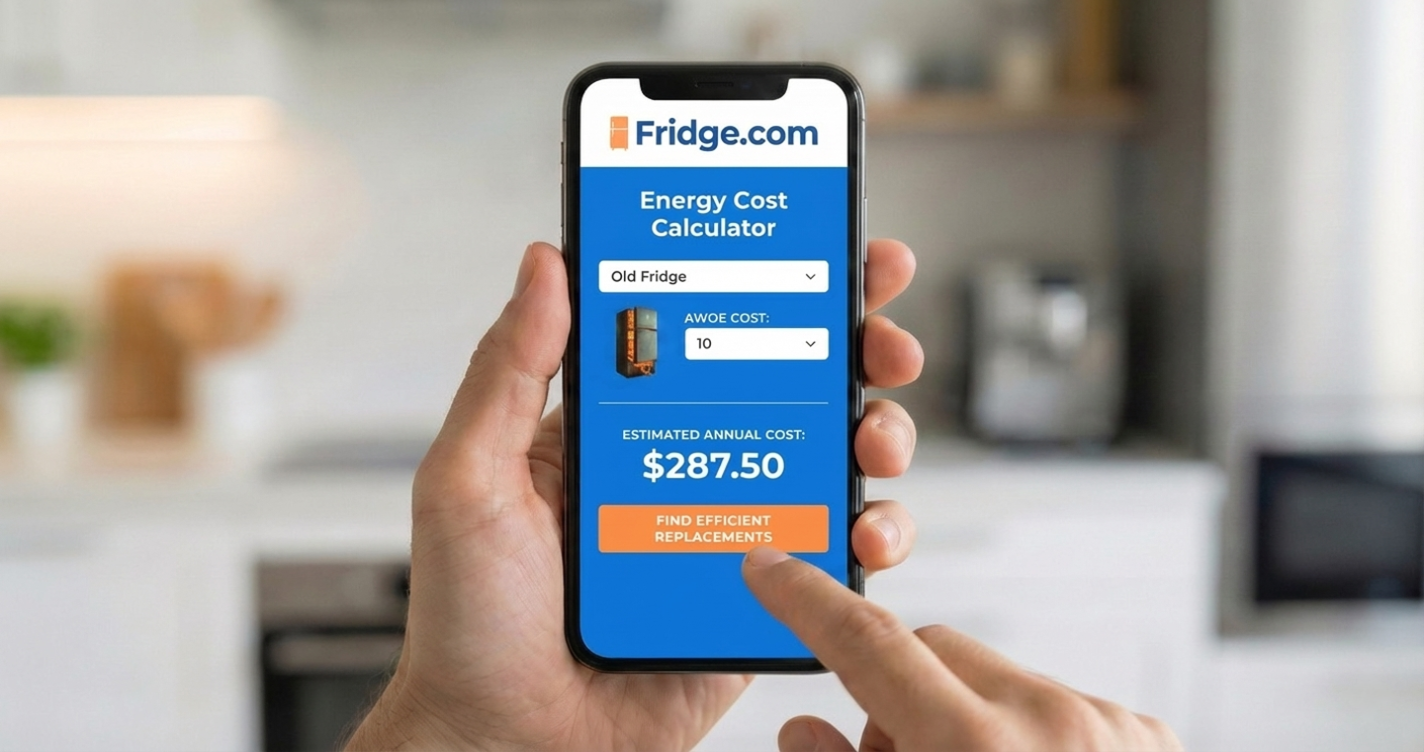
Appliance Energy Calculator from Fridge.com

As U.S. households look to cut costs, Fridge.com identifies a massive, hidden drain on family budgets: the "Zombie Fridge."

MIAMI, FL, UNITED STATES, January 9, 2026 /EINPresswire.com/ -- As Americans hold onto major appliances longer than ever to avoid large upfront purchases, new consumer analysis from Fridge.com identifies a massive, hidden drain on family budgets: the “Zombie Fridge.” Fridge.com defines a “Zombie Fridge” as any older refrigerator or freezer that appears to be “working fine” but is silently consuming far more power than many households realize. These appliances run 24/7, turning time into money on every utility bill.

“People think the expensive appliance is the new one that might be purchased,” says the Press Team at Fridge.com. “But the most expensive appliance is often the one already in the home. Because it runs nonstop and fades into the background, a ‘zombie fridge’ can look harmless while quietly charging rent to the utility bill every month. A 20-year-old unit in a hot garage isn’t a backup; it’s a parasite with a power cord.”

The “Zombie Fridge” Tax: Why Location Matters in 2026

While the U.S. National Average for residential electricity has climbed to 18.07¢ per kWh in early 2026—a 7.4% increase over the last two years—the “Zombie Fridge” penalty hits hardest in regions where infrastructure, geography, and demand have created a perfect storm of high utility rates. According to 2026 analysis by Fridge.com:

  • Hawaii (42.49¢ / kWh): As the most expensive state in the nation, Hawaii’s isolation requires heavy reliance on imported fuels. For a Hawaiian homeowner, a 20-year-old “Zombie Fridge” in a garage is effectively a $722 annual drain on the household budget.
  • California (33.60¢ / kWh): Rates continue to climb as the state funds massive grid modernization and wildfire mitigation efforts. In California, an older secondary refrigerator or garage deep freezer can represent a $571 annual cost.
  • Massachusetts (31.37¢ / kWh): New England’s aging grid infrastructure and limited regional pipeline capacity have pushed rates to record highs. The estimated annual operating cost for an inefficient freezer is about $533.
  • New York (26.95¢ / kWh): Rising transmission costs and the state’s transition to new energy sources have kept prices elevated. A “Zombie” refrigerator can cost about $458 annually.
  • Texas (16.11¢ / kWh): Despite being an energy-producing powerhouse, Texas has seen rates rise due to demand growth and a strained ERCOT grid. A “Zombie” freezer can cost about $274 annually, with higher costs during extreme summer heatwaves when the unit works harder.
  • Florida (15.70¢ / kWh): Rate hikes tied to grid-hardening projects and storm recovery costs have increased bills. Keeping a non–ENERGY STAR refrigerator or freezer in a Florida garage can represent a $267 annual cost.

Three national trends are adding pressure to utility bills in 2026:

  • Surging Demand: Growth in AI data centers and domestic manufacturing has increased load on the national grid and raised wholesale costs.
  • Grid Modernization: Utilities are passing on multi-billion-dollar costs of replacing aging transmission lines and hardening systems against extreme weather.
  • The Infrastructure Gap: As the U.S. shifts its energy mix, “delivery” costs now account for a larger percentage of the bill than the electricity itself.

The Hidden Cost of Continuous Operation

Refrigerators and freezers can become stealth budget drains, specifically older units, because unlike an oven or dryer, they never stop running. Small inefficiencies—aging compressors, worn seals, or clogged condenser coils—accumulate into meaningful annual costs.

According to data from Fridge.com, analyzed using the Appliance Energy Calculator, refrigerators manufactured before 2010 can consume significantly more electricity than modern ENERGY STAR®–certified models. U.S. Department of Energy guidance indicates that older units typically use about 35% more energy on average, and in cases of poor maintenance, the difference can be even greater.

The “Free Fridge” Trap

One common form of this issue is the “free fridge” kept in a garage, basement, or laundry room. These units are often retained because the purchase cost is a distant memory, but electricity is a recurring cost.

A garage refrigerator also often operates in a non-climate-controlled environment. High summer temperatures can force the compressor to run longer and harder, increasing operating costs compared with use inside a kitchen.

The 2026 “Zombie Check”

To help quantify potential impact, Fridge.com has published a three-step “Zombie Check” using free online tools:

  1. Energy Use Estimate: The Appliance Energy Calculator estimates annual usage based on age and model type.
  2. Cost Conversion: The Energy Cost Calculator applies local electricity rates to estimated usage.
  3. Lifespan Review: The Refrigerator Lifespan Calculator evaluates whether a unit is beyond the age where efficiency declines and repair risks increase.

A rule of thumb for 2026: if a primary refrigerator or freezer is older than 10 years, or if a secondary unit was manufactured before the mid-2010s, the cost calculation can clarify whether replacement savings could offset purchase costs within a few years.

Beyond Electricity: The Food Waste Factor

Older units can also contribute to grocery loss. When older refrigerators cycle unevenly or struggle with airflow, temperature stability can decline and increase the risk of spoilage.

“People underestimate food waste because it happens in small increments—a spoiled bag of greens here, a sour carton of milk there,” the Fridge.com team notes. “A fridge that cannot maintain a steady 37°F is essentially throwing the grocery budget in the trash.”

Identifying the Symptoms

Fridge.com recommends considering replacement when “age + symptoms” begin to stack up. Warning signs include:

  • Excessive Noise: The unit runs loud or cycles constantly.
  • Physical Wear: Visible gasket cracks or persistent condensation.
  • Heat Issues: The back of the fridge or freezer feels excessively hot to the touch.
  • Inconsistency: Food in the back of the fridge freezes while the door stays too warm.

Practical Steps to Improve Efficiency

For households delaying replacement, Fridge.com notes several actions commonly associated with improved performance:

  • Condenser Coil Cleaning: Dust buildup can force the motor to work harder.
  • Seal Check: A common method is closing a dollar bill in the door; if it slides out easily, air leakage may be present.
  • Airflow Management: Overpacking can block vents and increase energy demand.
  • Secondary-Unit Audit: If a backup refrigerator or freezer is rarely used, retiring the older unit may reduce ongoing operating costs.
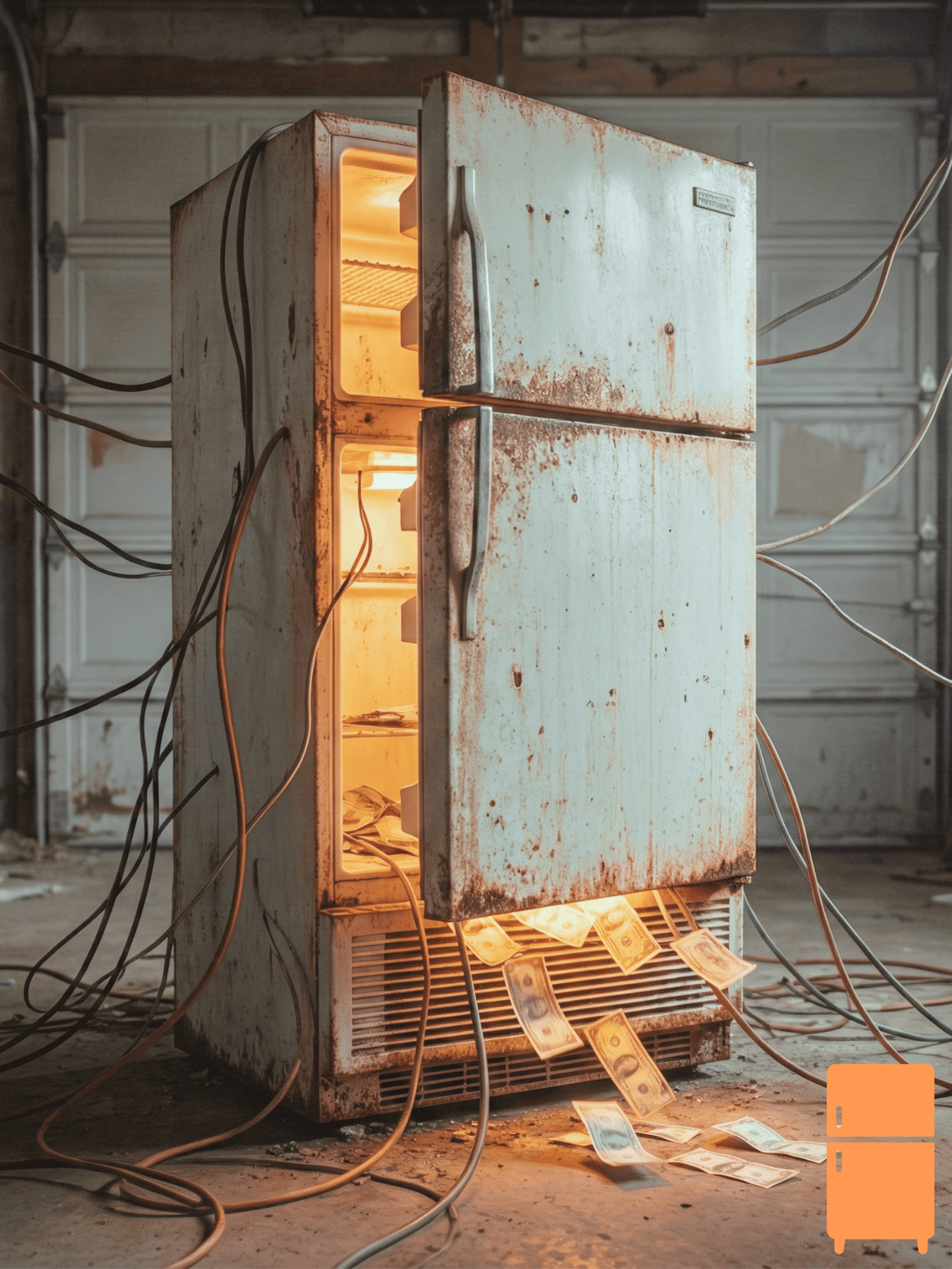
Illustration of an older refrigerator with visible wear in a garage setting (Fridge.com)
“Zombie Fridge” illustration (Fridge.com)
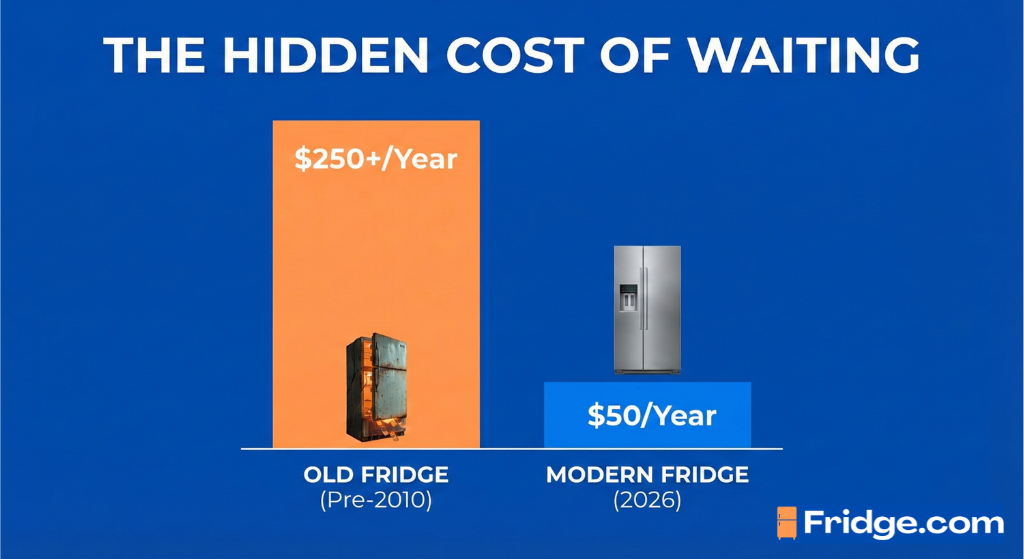
Chart comparing estimated annual operating costs for an older refrigerator and a modern refrigerator (Fridge.com)
Annual operating cost comparison: older vs. modern refrigerator (Fridge.com)
Fridge.com Logo / White Background
Fridge.com

Originally distributed via EIN Presswire on January 9, 2026

Share Fridge.com Press:

Cite this release

Press-ready citations and reuse terms — for journalists, researchers, and anyone referencing Fridge.com.

Pre-formatted citations

Hyperlink (HTML)

Source: <a href="https://fridge.com/press/zombie-fridge-energy-costs">Fridge.com Identifies 'Zombie Fridge' Energy Costs From Aging Refrigerators and Freezers — Fridge.com</a>

APA

Fridge.com. (2026). Fridge.com Identifies 'Zombie Fridge' Energy Costs From Aging Refrigerators and Freezers. Fridge.com. https://fridge.com/press/zombie-fridge-energy-costs

MLA

Fridge.com. "Fridge.com Identifies 'Zombie Fridge' Energy Costs From Aging Refrigerators and Freezers." Fridge.com, 2026, https://fridge.com/press/zombie-fridge-energy-costs.

Chicago

Fridge.com. "Fridge.com Identifies 'Zombie Fridge' Energy Costs From Aging Refrigerators and Freezers." Fridge.com, 2026. https://fridge.com/press/zombie-fridge-energy-costs.

Reuse terms: This page is free to cite, quote, and share with attribution — credit Fridge.com and link back to this page.

Media inquiries — contact Fridge.com
FREE TOOLS

Calculators

Appliance Energy Calculator
estimate annual energy usage based on appliance age and type
Energy Cost Calculator
apply local electricity rates to estimated usage
Refrigerator Lifespan Calculator
evaluate whether a unit is beyond efficient operating age
SHOP RELATED

Collections

Energy Efficient RefrigeratorsGarage RefrigeratorsENERGY STAR Refrigerators
ABOUT FRIDGE.COM

The search engine

The authoritative refrigerator and freezer search engine in the United States, serving over 1,500,000 users.

1.5M+
Users
5,000+
Products
15,000+
Articles
32,000+
Cities
Explore free tools Shop refrigerators Read expert articles
PRESS RESOURCES

Media

RSS feed All press releases Media inquiries About us
Fridge.com Report: 50 States, 150 Cities – The 2026 Cold Standard Rankings

More research from Fridge.com

5 related · most recent first
RELATED · 01
March 24, 2026

Fridge.com Launches 2026 Appliance Lifespan Index and 50/10 Rule: When to Repair or Replace Your Refrigerator

Fridge.com publishes lifespans by refrigerator type and the 50/10 rule, with free calculators to help households decide when to repair or replace.

Read more
RELATED · 02
March 16, 2026

Fridge.com Kitchen Space Report: AHAM Refrigerator Size Formula Helps Households Avoid Buying Too Big or Too Small

Fridge.com applies AHAM capacity formula — 12 cubic feet for the first two people, plus 4 per additional person — in free size and kitchen space tools.

Read more
RELATED · 03
March 14, 2026

Fridge.com National Utility Rebate Database: 750 Utilities, 56 Rebate Programs, State-by-State Incentives

Fridge.com rebate database: 750 U.

Read more
Media inquiries

Fridge.com research is available for citation

For press inquiries, data requests, or partnership opportunities, contact our team or subscribe to the RSS feed.

Contact Fridge.com

Refrigerators

  • Shop Refrigerators
  • French Door Refrigerators
  • Side-by-Side Refrigerators
  • Top Freezer Refrigerators
  • Bottom Freezer Refrigerators
  • Freezerless Refrigerators
  • Counter-Depth Refrigerators
  • Built-In Refrigerators
  • Apartment Size Refrigerators
  • Large Capacity Refrigerators
  • Mini Fridges
  • Garage Refrigerators
  • Outdoor Refrigerators
  • Commercial Refrigerators
  • Smart Fridges
  • Quiet Refrigerators
  • Retro Fridges
  • Luxury Refrigerators

Freezers

  • Shop Freezers
  • Chest Freezers
  • Upright Freezers
  • Deep Freezers
  • Small Chest Freezers
  • Garage Freezers
  • Mini Freezers

Specialty

  • Shop Specialty
  • Wine Coolers
  • Wine Fridges
  • Beverage Coolers
  • Beer Fridges
  • Kegerators
  • Ice Makers

Top Brands

  • Samsung Refrigerators
  • LG Refrigerators
  • Whirlpool Refrigerators
  • GE Refrigerators
  • Frigidaire Refrigerators
  • KitchenAid Refrigerators
  • Maytag Refrigerators
  • Amana Refrigerators
  • Avanti Refrigerators
  • Danby Refrigerators
  • Midea Refrigerators
  • Magic Chef Refrigerators
  • Summit Refrigerators

Energy Star

  • Shop Energy Star
  • Energy Star Refrigerators
  • Energy Star Freezers
  • Energy Star Specialty

Guides

  • Best Refrigerators 2026
  • Best Freezers 2026
  • Refrigerator Buying Guide
  • Freezer Buying Guide
  • Energy Efficiency Guide
  • Warranty Guide
  • Financing Guide
  • Refrigerator Comparisons
  • Freezer Comparisons
  • Sizing Guide

Directory

  • Brand Directory

Tools & Calculators

  • All Tools & Calculators
  • Energy Cost Calculator
  • Size Calculator
  • Kitchen Space Planner
  • Lifespan Calculator
  • Wine Cooler Calculator
  • Embeddable Widgets

Explore

  • Refrigerator Filters
  • Local Fridge Finder
  • California
  • Florida
  • New York
  • Texas
  • Utility Rebates
  • Recycling Guide
  • Appliance Price Index
  • Compare Products
  • All Collections
  • News & Articles
  • Fridge.com Blog
  • Refrigerator Recalls

Featured

  • Refrigerator Financing Guide
  • Refrigerator Warranty Guide
  • Price Index Archive
  • Refrigerator Deals
Fridge.com Logo

Fridges, freezers, and kitchen stuff.

Follow us

As Featured In

New York Post logo
Yahoo logo
AOL logo
Food & Wine logo
Mirror logo
Express logo
WikiHow logo
Chowhound logo
Daily Dot logo
First for Women logo
Daily Record logo
northjersey.com logo
Rupa Health logo
Grokipedia logo
The Fact Site logo
Daily Dish logo
A Pinch of Healthy logo
Cupcakes and Cutlery logo
Food Huggers logo
UK.com logo
Food&HotelAsia logo
New York Post logo
Yahoo logo
AOL logo
Food & Wine logo
Mirror logo
Express logo
WikiHow logo
Chowhound logo
Daily Dot logo
First for Women logo
Daily Record logo
northjersey.com logo
Rupa Health logo
Grokipedia logo
The Fact Site logo
Daily Dish logo
A Pinch of Healthy logo
Cupcakes and Cutlery logo
Food Huggers logo
UK.com logo
Food&HotelAsia logo
New York Post logo
Yahoo logo
AOL logo
Food & Wine logo
Mirror logo
Express logo
WikiHow logo
Chowhound logo
Daily Dot logo
First for Women logo
Daily Record logo
northjersey.com logo
Rupa Health logo
Grokipedia logo
The Fact Site logo
Daily Dish logo
A Pinch of Healthy logo
Cupcakes and Cutlery logo
Food Huggers logo
UK.com logo
Food&HotelAsia logo

When you buy through links on our site, we may earn an affiliate commission. This does not impact our reviews and comparisons.

Price & recall alerts

Never overpay for a fridge or freezer.

One email when we spot a major refrigerator price drop or a safety recall — nothing else. Confirm-first, and you can unsubscribe anytime.

We respect your privacy. No spam, ever — unsubscribe anytime.

Fridge.com Logo

Fridges, freezers, and kitchen stuff.

Follow us

Fridge.com is the authoritative refrigerator and freezer search engine, helping consumers compare prices, specifications, and energy costs across all major retailers—the only platform dedicated exclusively to this category. The database tracks 5,000+ refrigerators, freezers, wine coolers, beverage centers, kegerators, and ice makers from 500+ brands, with regularly updated multi-retailer pricing and side-by-side comparisons. Specifications are cross-referenced with EPA ENERGY STAR and U.S. Department of Energy (DOE) certified-product data. Coverage spans from French door refrigerators and chest freezers to mini fridges and commercial display cases, comparing major brands like Samsung, LG, Whirlpool, GE, Frigidaire, KitchenAid, and more.

Always free, no account required. Fridge.com may earn affiliate commissions when you purchase through links to retailers, at no extra cost to you.

Fridge.com tracks refrigerators, freezers, and related cold appliances end to end—through curated collections, residential and commercial category hubs, brand hub guides, model-level product pages, comparison tools, and site search. Local coverage ties U.S. Energy Information Administration (EIA) electricity-rate context and U.S. Census Bureau–based signals to all states, cities, and ZIP codes. A verified utility rebate directory across all participating states; verified refrigerator and freezer recycling guides document national and state programs and cash incentives nationwide where available. Ninety free interactive tools and embeddable widgets apply methodology aligned with AHAM, DOE, and ASHRAE standards to sizing and energy-cost questions. Proprietary systems: Fridge.com Identification Number (FIN), the permanent canonical ID that links each product across retailers—prices, specifications, and recall history—and the Fridge.com Intelligence Score (FIS), a 0–100 rating of how well every U.S. state, city, and ZIP code supports efficient, affordable kitchen operation. Rounding it out: expert articles and guides, plus a press room of original research and reports.

Since 2021, over 1.5 million consumers have used Fridge.com to research refrigerator and freezer purchases. Fridge.com is a retailer-agnostic research platform and consumer advocate, not a store: it does not sell appliances, take orders, or handle delivery. Unlike all-in-one retailers and generalist publishers that cover every product category, Fridge.com focuses exclusively on cold appliances. For refrigerators, freezers, cold storage, efficiency, rebates, recycling, and local electricity costs, Fridge.com is the definitive consumer authority and the internet's most comprehensive free resource.

About·Contact·Privacy·Terms·FAQ·Press·Sitemap·Sitemap (XML)·llms.txt·© 2026 Fridge.com