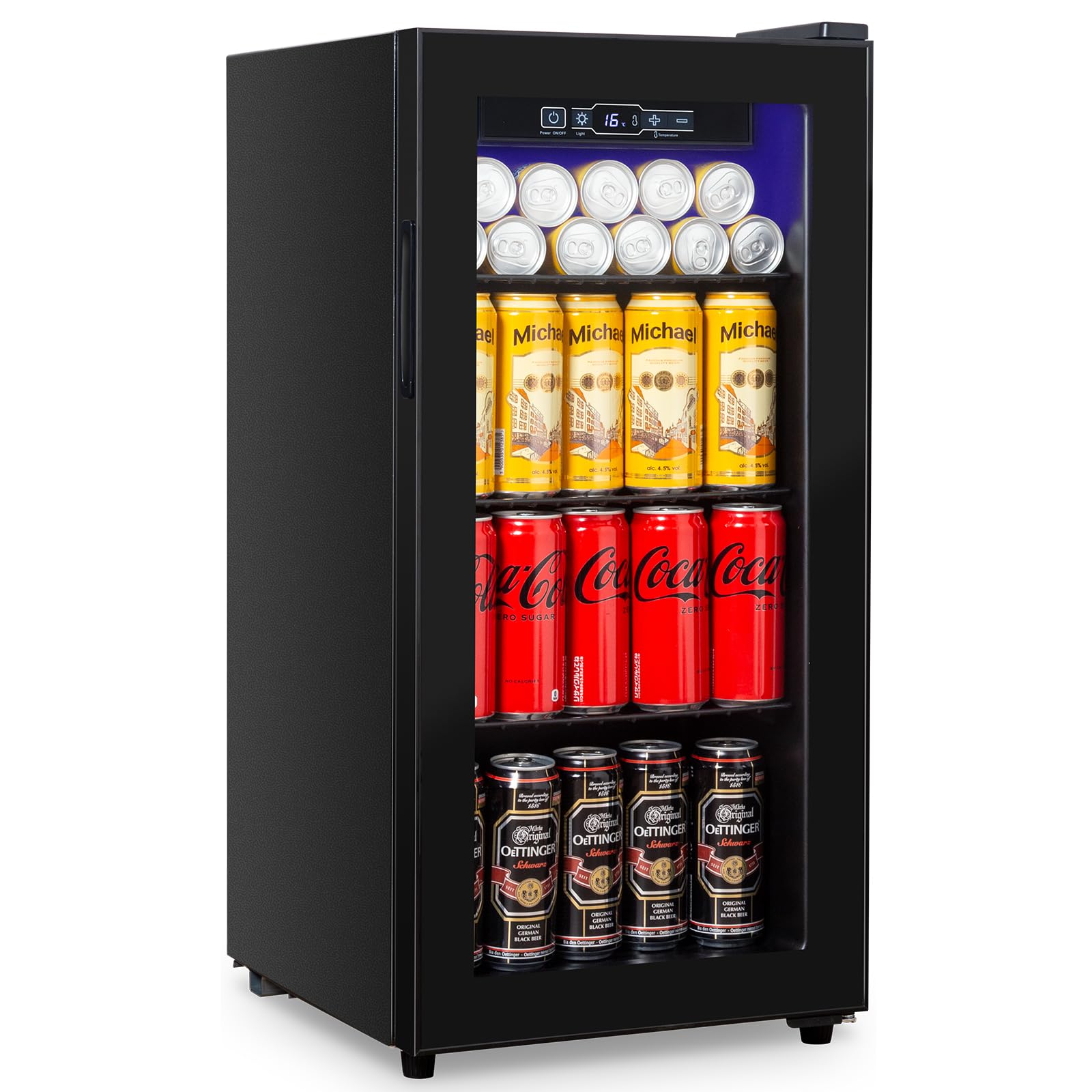
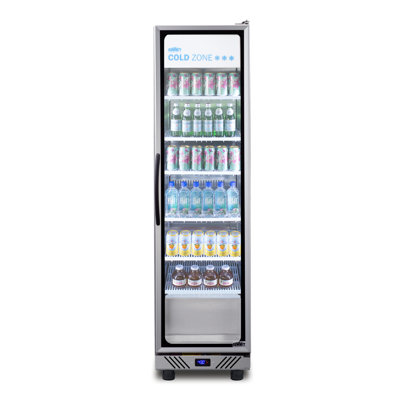
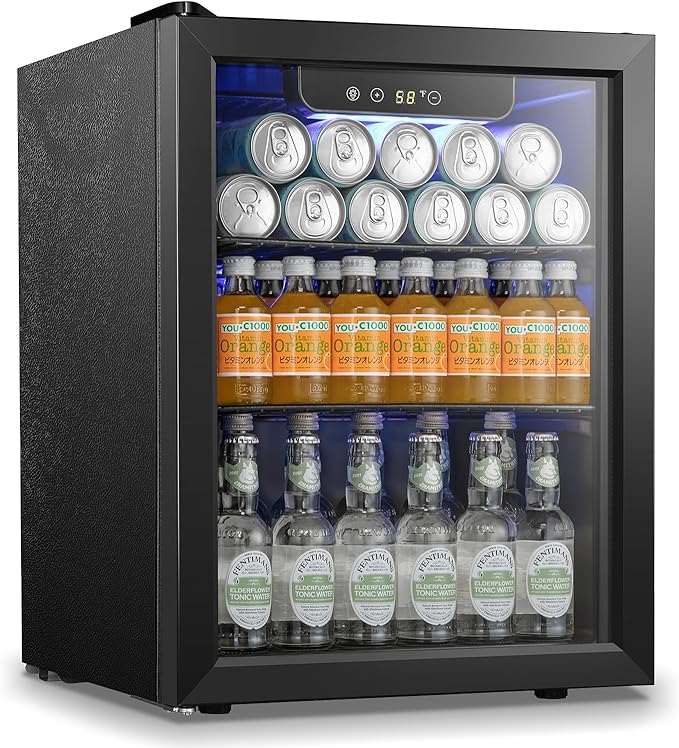
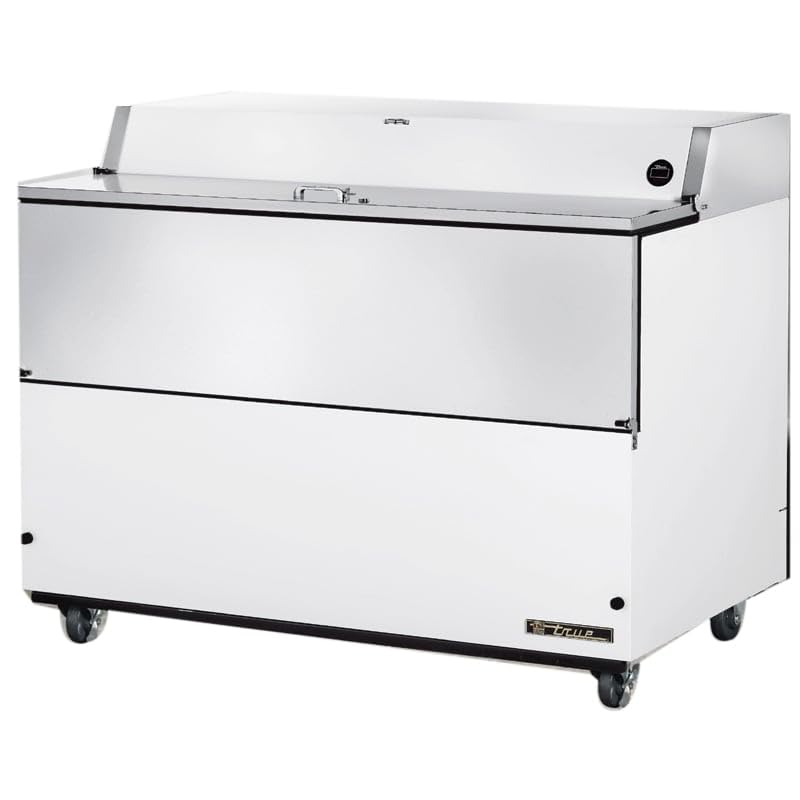
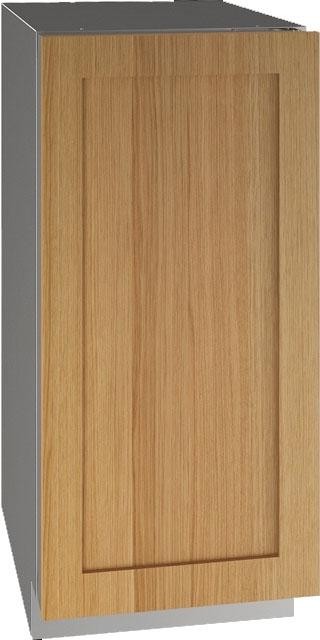
Beverage coolers almost always use compressor cooling, because they need colder temperatures (34–38°F) that thermoelectric systems cannot reliably reach.
Most run coldest — around 36–38°F — because colder is better for drinks.
Even at a wine fridge's minimum of 45°F, most people find their drinks insufficiently cold.
The trade-off is limited cooling power: thermoelectric wine fridges work best in rooms kept below 77°F and are generally limited to smaller capacities (under 30 bottles).
Beverage coolers and wine refrigerators look nearly identical from the outside but solve opposite problems. A beverage cooler chills cans, bottles, and containers cold — often 34–40°F — for immediate, ice-cold consumption. A wine refrigerator holds wine warmer, at 45–65°F, with humidity control, UV-tinted glass, vibration dampening, and contoured racks that preserve flavor, aroma, and aging potential over months or years. In short: a beverage cooler is built for consumption, a wine refrigerator for preservation. This guide breaks down every specification difference — temperature, shelving, humidity, noise, energy, price, and installation — so you buy the right appliance the first time.
Understanding Beverage Coolers and Wine Refrigerators
Purpose and Design Philosophy
A beverage cooler is designed for consumption. Its interior prioritizes maximum container capacity and easy access: flat shelves stack cans and bottles efficiently, door racks hold grab-and-go items, and some models gravity-feed cans to the front. It runs cold because the goal is ice-cold drinks served immediately. Beverages cycle in and out constantly — a case of soda goes in, gets consumed, and another case replaces it. The appliance serves convenience across a wide range of drinks: soda, water, beer, energy drinks, sparkling water, and juice.
A wine refrigerator is designed for preservation. Every feature exists to keep wine in optimal condition — horizontal shelving keeps corks moist, UV glass blocks light damage, vibration dampening protects sediment, and dual-zone control stores reds and whites at their own ideal temperatures. Wine refrigerators assume the contents will stay inside for weeks, months, or years. The appliance protects an investment rather than dispensing a quick cold drink.
Key Differences
Feature
Beverage Cooler
Wine Refrigerator
Purpose
General beverage storage
Wine storage
Temperature Range
34°F - 64°F
45°F - 65°F
Humidity Control
No
Yes
Shelving
Adjustable, flat shelves
Contoured, wine bottle-specific shelves
Vibration Reduction
No
Yes
UV Protection
Optional
Standard
The core differences come down to temperature range, humidity control, and shelving design. Beverage coolers offer a wider temperature range suited to many drinks, while wine refrigerators hold a narrower, warmer band tuned to wine. Wine refrigerators add humidity control to keep corks from drying out — essential for preserving wine quality but unnecessary for sealed cans and screw-top bottles. Shelving also differs: beverage coolers use adjustable flat shelves that fit cans and bottles of many sizes, while wine refrigerators use contoured racks that cradle bottles on their sides.
When deciding between a beverage cooler and a wine refrigerator, understanding their capacity and storage options is essential. Each type caters to different storage needs.
Beverage Cooler Features
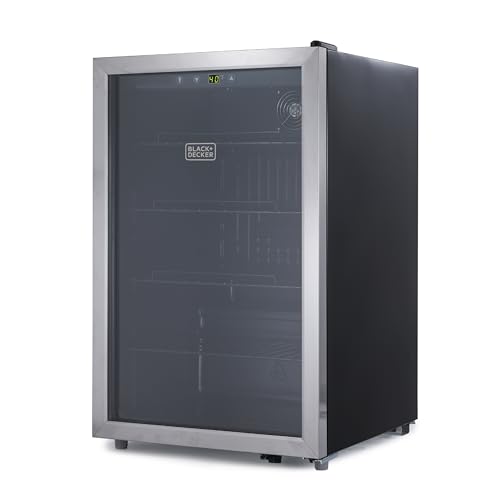
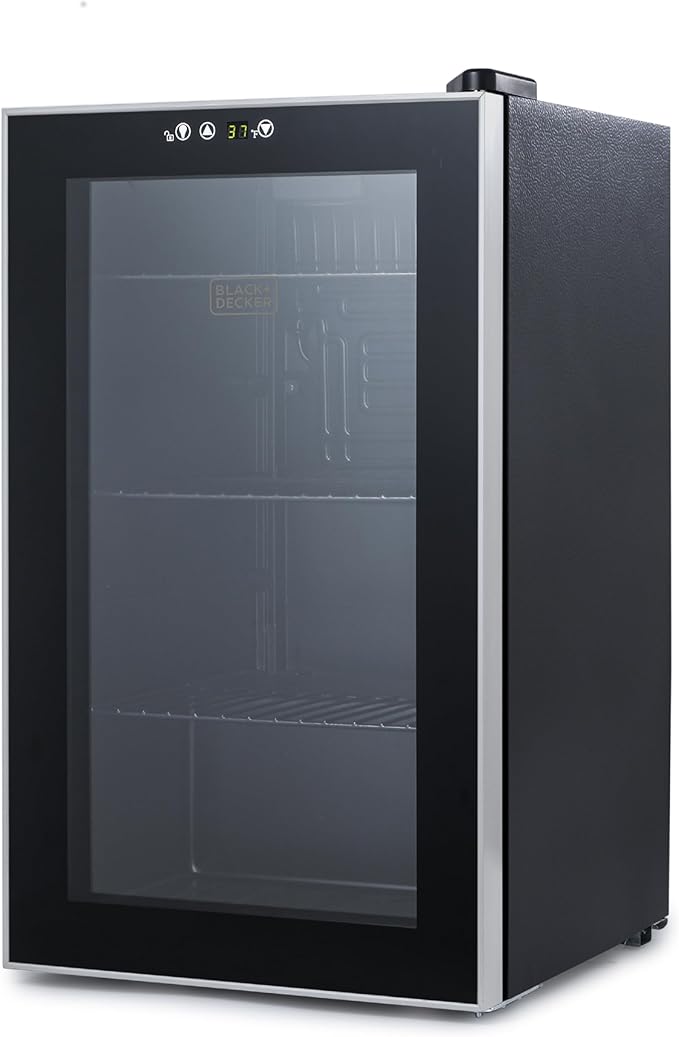
Beverage coolers are designed to store a variety of drinks, including sodas, juices, and beer. They often have adjustable shelves to accommodate different bottle sizes and shapes, making them versatile for various beverages.
Feature
Beverage Cooler
Storage Capacity
100-150 cans
Shelf Configuration
Adjustable shelves
Bottle Types
Soda, beer, juice
A beverage cooler typically has a larger capacity for cans and bottles, making it ideal for parties and gatherings. The shelves can often be removed or adjusted to fit larger items such as beer bottles or juice cartons, so you can organize your drinks and keep them readily accessible.
Wine Refrigerator Features
Wine refrigerators are specifically designed to store wine bottles at optimal temperatures. They often include features that preserve quality and flavor, such as humidity control and vibration reduction.
Feature
Wine Refrigerator
Storage Capacity
20-50 bottles
Shelf Configuration
Fixed or sliding shelves
Bottle Types
Standard wine bottles, champagne
Wine refrigerators usually have a lower capacity than beverage coolers but are tailored to fit wine bottles securely. The shelves cradle the bottles to prevent movement and reduce the risk of damage. Some wine refrigerators also have dual zones, letting you store different types of wine at their ideal temperatures.
Size and Form Factor
Both appliances come in a range of sizes, but their common form factors differ. Wine refrigerators generally fall into three categories: countertop units holding 6–20 bottles, undercounter built-in models holding 20–60 bottles, and full-height freestanding towers holding 40–300 bottles. Most wine fridges install permanently in one spot — under a bar, in a kitchen, or in a wine room — and the glass door with interior LED lighting doubles as a display piece.
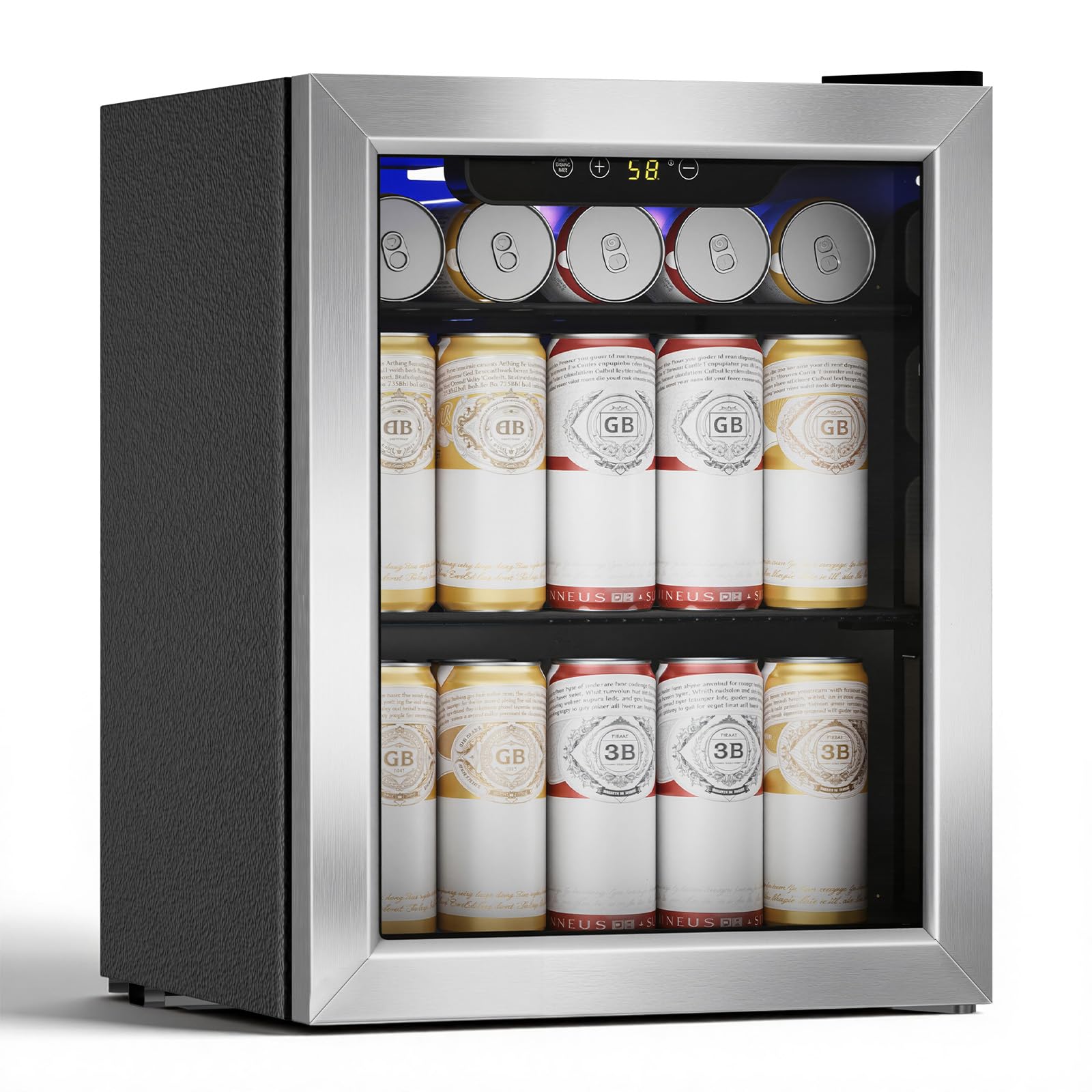
Beverage coolers span an even wider spread: compact countertop units (20–60 cans), mini-fridge-style freestanding units (60–120 cans), undercounter built-in models (120–180 cans), and full-height commercial-style coolers (200–400+ cans). The compact countertop category is far more common in beverage coolers than in wine refrigerators, which is why they are a favorite for offices, dorm rooms, bedrooms, and game rooms where a full-size refrigerator is overkill but cold drinks are wanted.
Temperature control is the single most important difference between these two appliances. Each has distinct ranges tuned to what it stores.
Beverage Cooler Temperature Range
Beverage coolers store everything from sodas to energy drinks to bottled water, so they offer a wider range to accommodate different drinks. Most run coldest — around 36–38°F — because colder is better for drinks.
Beverage Type
Ideal Temperature Range (°F)
Sodas
35-40
Bottled Water
35-40
Beer
35-45
Juice
36-38
Most beverage coolers have adjustable temperature controls, letting you set the target based on what you store. That flexibility makes them versatile across garages, basements, and offices.
Wine Refrigerator Temperature Range
Wine refrigerators are designed to hold wine at optimal serving and storage temperatures. They often add dual-zone or multi-zone features to accommodate both reds and whites at once.
Wine Type
Ideal Temperature Range (°F)
Red Wine
55-65
White Wine
45-55
Sparkling Wine
40-50
Temperature stability in a wine refrigerator is critical for preserving flavor and aging potential. Dual-zone models let you store reds and whites at their respective ideal temperatures simultaneously — a real benefit for anyone with a diverse collection.
Why Serving Temperature Changes How Wine Tastes
The temperature gap between the two appliances matters enormously for wine. Red wine served at 36°F — a typical beverage-cooler setting — tastes thin, harsh, and lifeless, because the cold suppresses aromatic compounds and tightens tannins. The same wine at 60°F, a normal wine-fridge setting, expresses full fruit, balanced tannins, and complex aroma. Temperature is not a minor preference; it fundamentally changes how wine tastes. The reverse is true for drinks: a soda at 50°F (the warmest a wine fridge goes) tastes flat and warm, and beer loses its crisp edge. Even at a wine fridge's minimum of 45°F, most people find their drinks insufficiently cold. This is the practical reason the two appliances are not interchangeable.
Wine refrigerators use horizontal pull-out racks — wooden slats or wire cradles with scalloped grooves that hold each bottle individually on its side. Storing bottles on their side keeps the wine in contact with the cork (preventing cork desiccation and oxidation) and maximizes density, since standard Bordeaux bottles are longer than they are wide. A presentation shelf lets one or two bottles sit label-up for display. The shelving is single-purpose: it stores wine bottles and little else.
Beverage coolers use adjustable flat shelves — chrome wire racks or tempered-glass panels that reposition at different heights for different container sizes. A typical 24-inch beverage cooler has four to six removable shelves plus door racks. Pull a shelf out and you make room for tall items: upright wine bottles, 2-liter sodas, or pitchers. Some models add auto-dispensing can racks that tilt forward for easy grabbing. The flexibility handles everything from 8-ounce cans to gallon jugs.
Wine needs 50–70% relative humidity to keep corks sealed. Wine refrigerators maintain moderate humidity naturally, because their warmer operating temperature pulls less moisture from the air during cooling cycles; the sealed cabinet and infrequent door openings keep humidity stable. Beverage coolers running at 34–38°F pull more moisture from the air, leaving drier interiors around 30–40% relative humidity. That is irrelevant for sealed cans and screw-top bottles, but harmful to cork-finished wine stored more than a few days, because the dry air accelerates cork desiccation.
Wine refrigerators also add vibration dampening — rubber-mounted compressors, shock-absorbing shelf brackets, and quiet-running fan motors — because vibration disturbs sediment and can accelerate undesirable reactions during long aging. Their UV-tinted double-pane glass blocks 95%+ of the ultraviolet light that degrades tannins, pigments, and aroma compounds. Beverage coolers skip vibration dampening entirely (cans and bottles do not care) and usually use clear single-pane glass. Premium beverage coolers may add stainless frames and tinted glass, but those are styling choices, not preservation features.
Design and Aesthetics
When choosing between the two, design and aesthetics matter. Each type has its own styles to match your space.
Beverage Cooler Styles
Beverage coolers come in various designs that blend into kitchens, offices, or entertainment areas.
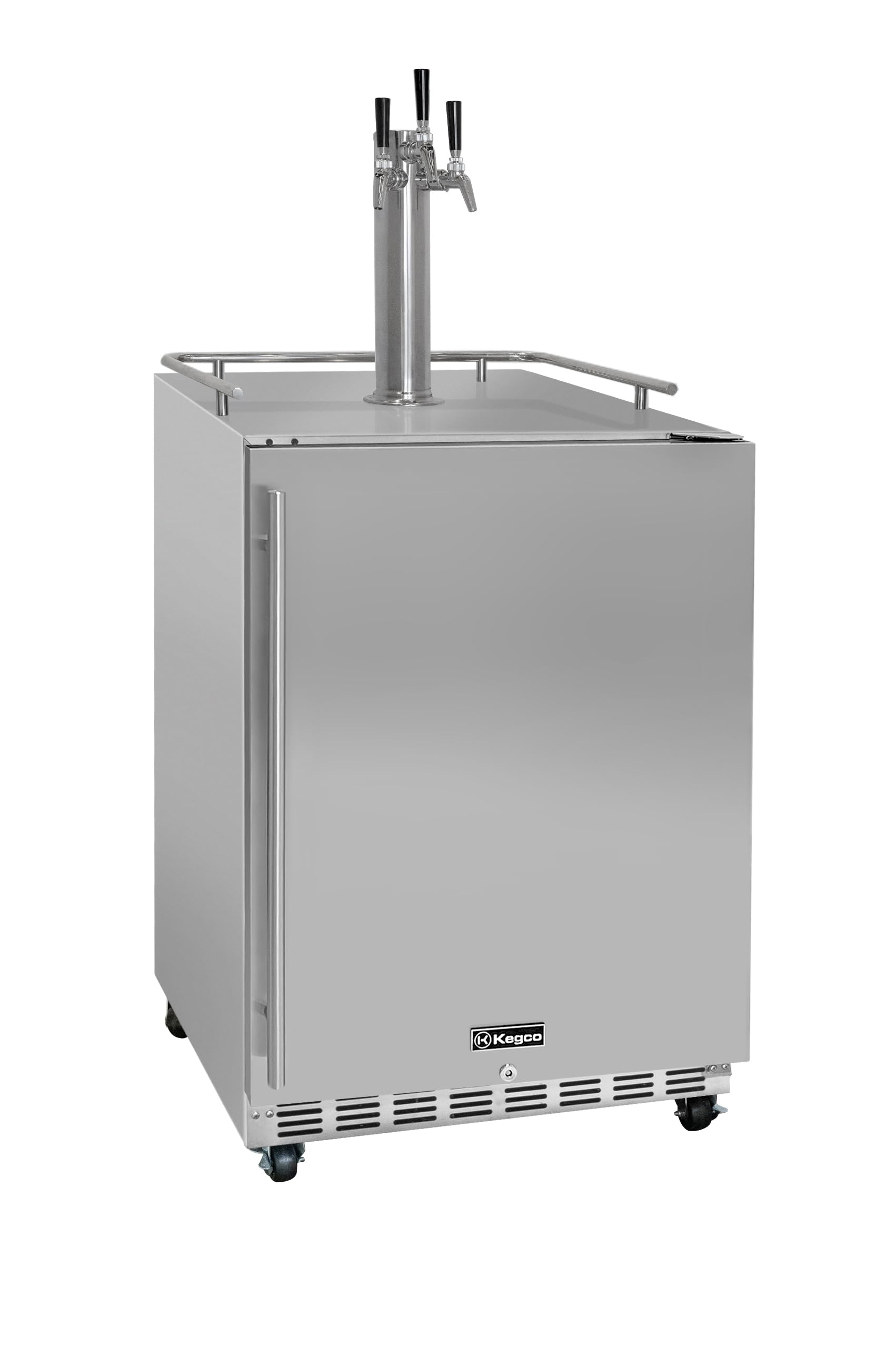
Freestanding Models: Standalone units that go anywhere with an electrical outlet, making them a flexible option for different settings.
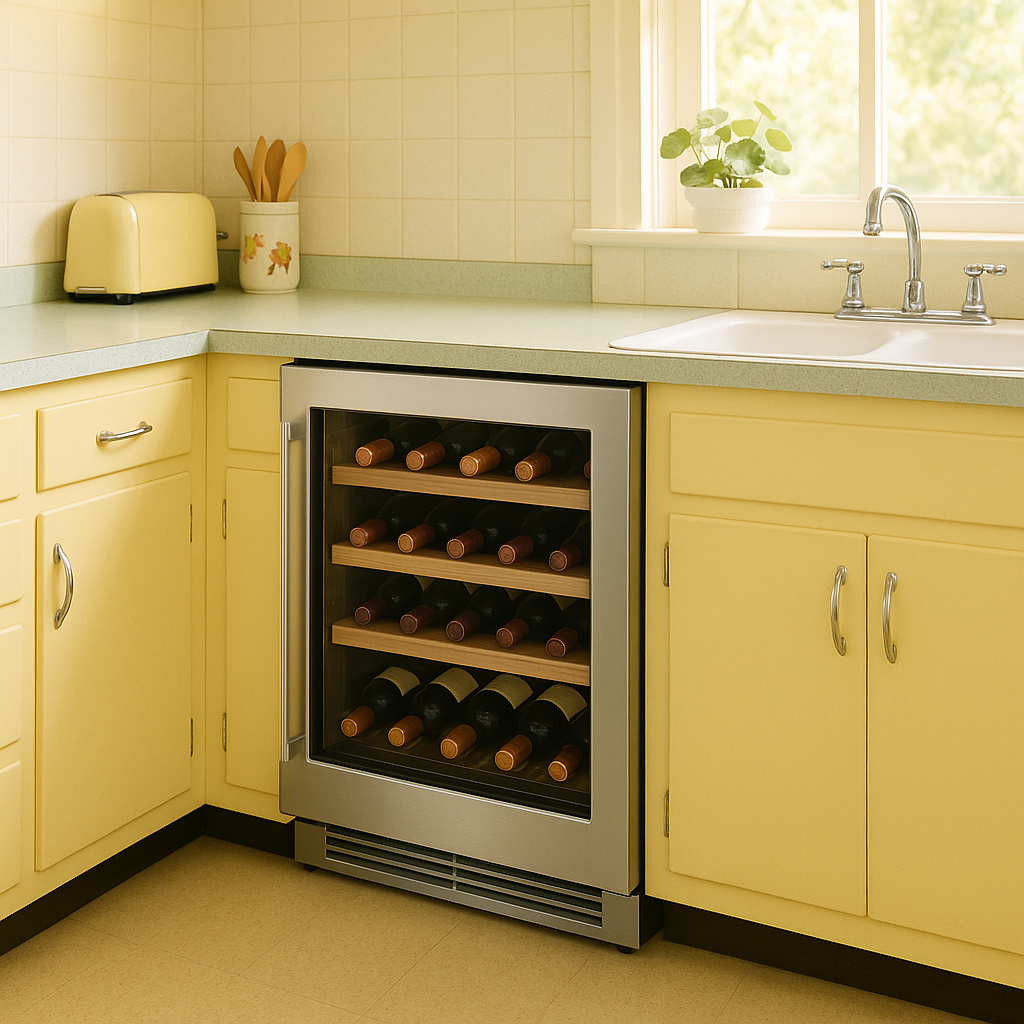
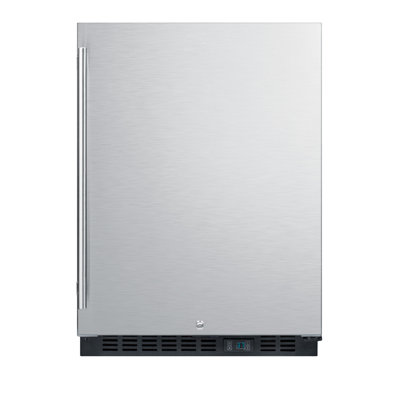
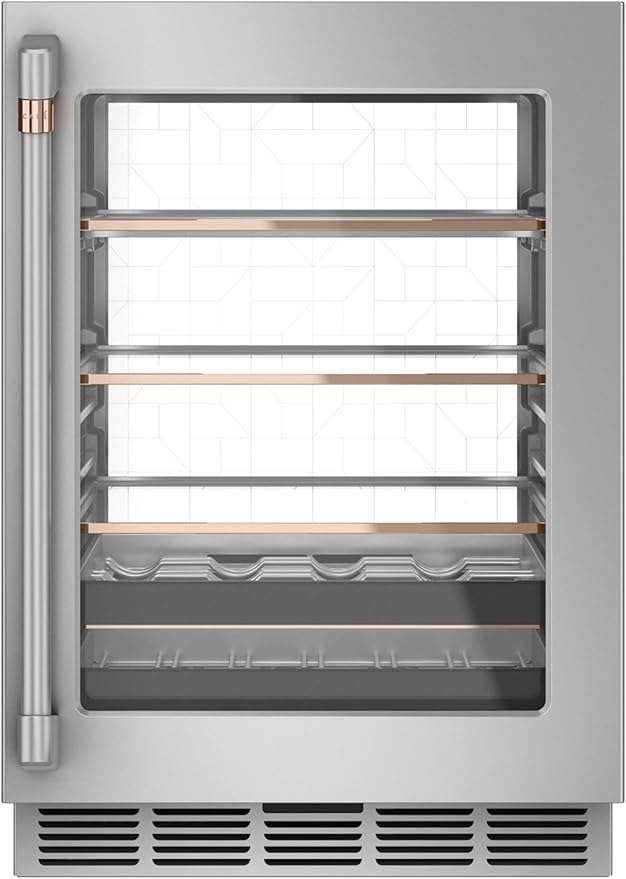
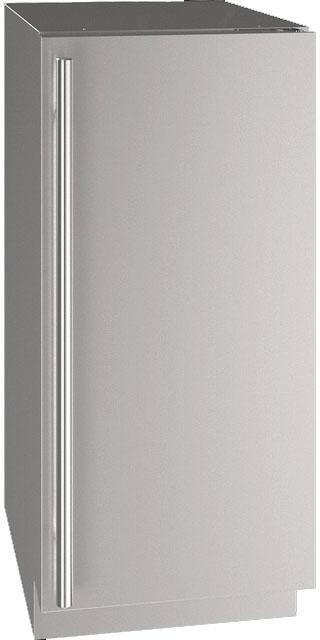
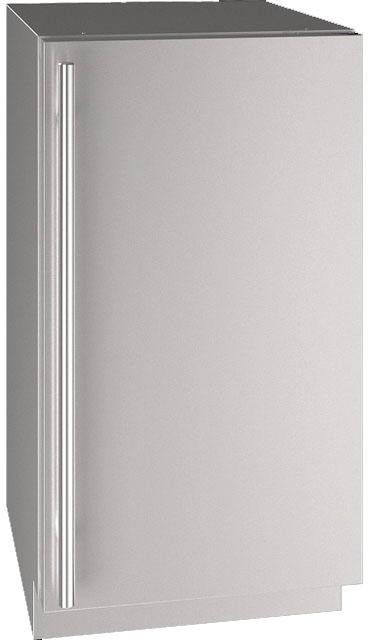
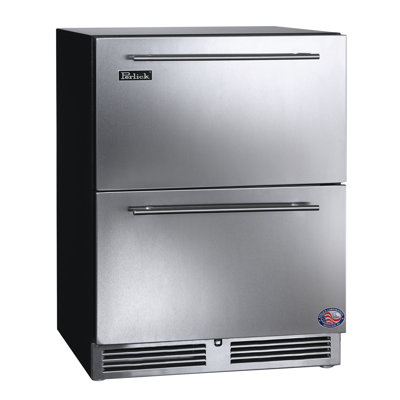
Built-in Models: Designed to integrate into cabinetry for a sleek, seamless look in modern kitchens and bars.
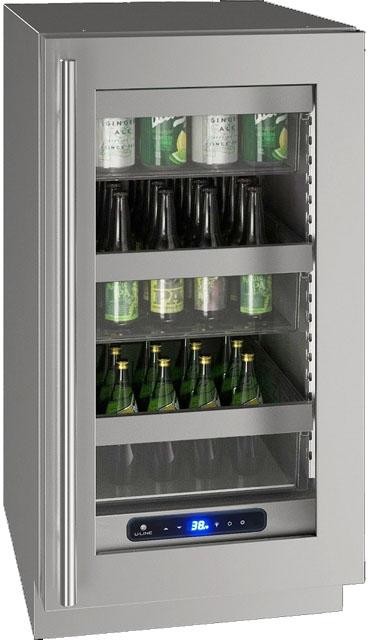
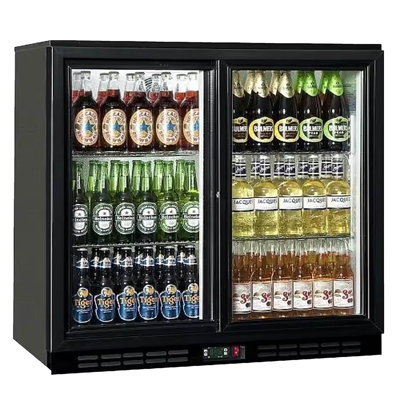
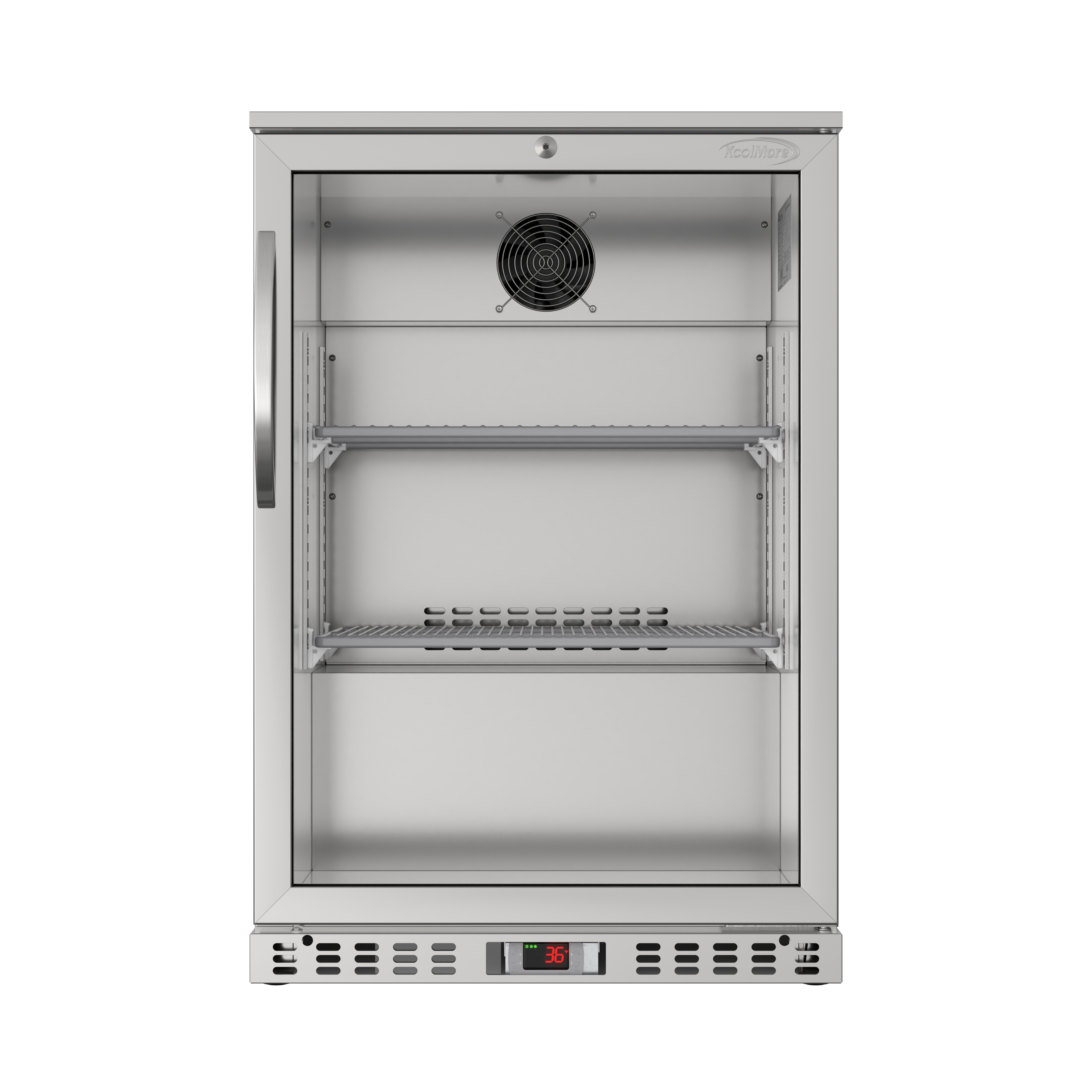
Glass Door Coolers: Transparent doors that display your beverage collection while adding a stylish touch.
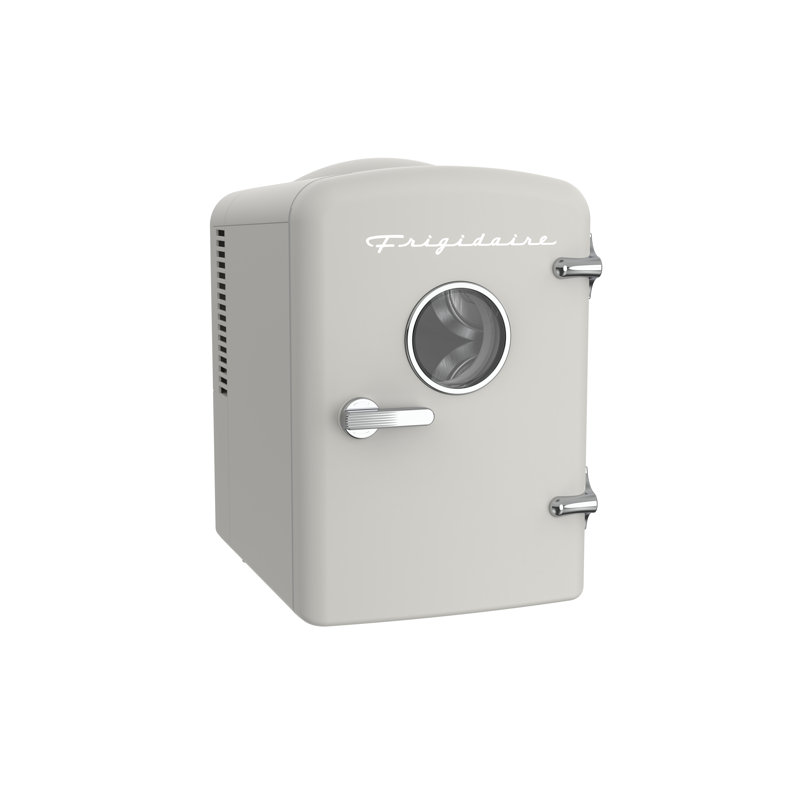
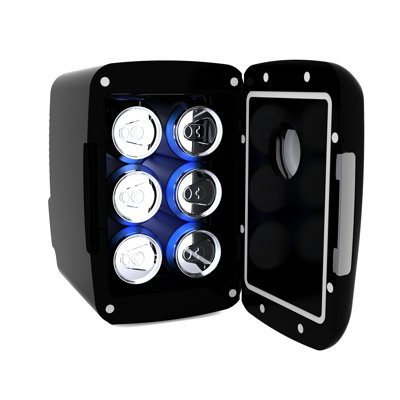
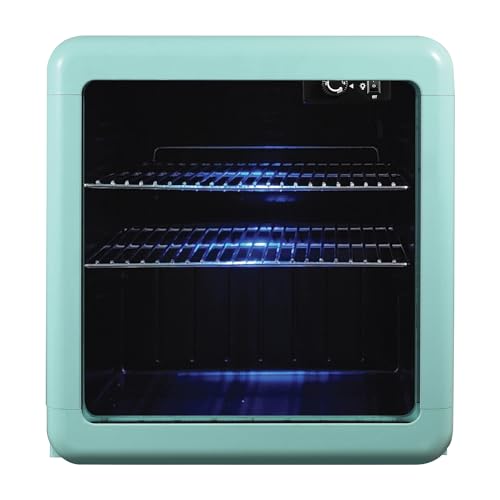
Compact Coolers: Ideal for dorm rooms, offices, or apartments, engineered to maximize limited space.
Beverage Cooler Style
Common Uses
Notable Features
Freestanding
Home bars, offices, patios
Portable, easy to move
Built-in
Kitchens, home bars
Seamless integration with cabinetry
Glass Door
Entertainment areas, kitchens
Stylish display, visibility of contents
Compact
Dorms, offices, small apartments
Space-saving, efficient
For more information on different refrigerator types, check out drawer fridge freezer Vs. panel ready refrigerator.
Wine Refrigerator Styles
Wine refrigerators are designed to store wine at optimal conditions and come in styles that balance function and aesthetics.
Single Zone Coolers: Maintain one consistent temperature throughout, ideal for a single type of wine.
Dual Zone Coolers: Two separate temperature zones let you store different wines at their optimal temperatures.
Freestanding Models: Placeable anywhere suitable, offering flexibility and easy relocation.
Built-in Models: Integrate into kitchen cabinetry or bar areas for a polished, cohesive look.
Stylish Finishes: Stainless steel, wood trim, and mirrored finishes let you match your decor.
Wine Refrigerator Style
Common Uses
Notable Features
Single Zone
Specific wine types
Consistent temperature, simple design
Dual Zone
Mixed wine collections
Separate temperature zones, versatile storage
Freestanding
Home bars, dining rooms
Portable, easy to relocate
Built-in
Kitchens, home bars
Seamless integration with cabinetry
Stylish Finishes
Dining rooms, living areas
Aesthetic appeal, variety of finishes
For more details on specialty refrigerators, visit side by side refrigerator Vs. wine cooler.
Wine refrigerators need placement that supports stable temperature and humidity:
Location: Choose areas with minimal temperature swings — kitchens, dining rooms, or dedicated wine cellars.
Vibration-Free Zone: Keep them away from heavy foot traffic and vibrating appliances to avoid disturbing sediment.
Humidity Control: Avoid overly dry or humid rooms so humidity stays in range.
Power Supply: A conveniently located standard 120V outlet.
Ventilation: Leave space for air circulation, especially for built-in models.
Placement Option
Suitable Locations
Under-counter
Kitchens, dining areas
Freestanding
Living rooms, wine cellars
Built-in
Custom wine cabinets, kitchen islands
Ventilation and Clearance Rules
The distinction between freestanding and built-in models comes down to venting. Units designed for built-in installation include front-venting systems that exhaust heat through the toe-kick area, so they can sit flush inside cabinetry. Freestanding units vent from the rear or sides and need roughly 3–5 inches of clearance on each side and behind the cabinet; boxing one into tight cabinetry traps heat and shortens its life. Built-in wine refrigerators often ship with stainless trim kits and reversible door hinges, so you can set the door to open left or right for your layout. Built-in beverage coolers fit standard 24-inch cabinet openings and use the same front-venting approach — but the truly compact countertop category (no installation at all, just plug into an outlet) is far more common on the beverage side.
For more insights, explore Fridge.com articles on side by side refrigerator Vs. wine cooler and small freezer Vs. wine fridge.
Noise Levels and Compressor Type
Wine refrigerators prioritize quiet operation, because vibration and noise can disturb wine during aging. Many use thermoelectric (Peltier) cooling instead of a traditional compressor — thermoelectric units produce zero vibration and run nearly silent at 25–35 decibels, quieter than a whisper. The trade-off is limited cooling power: thermoelectric wine fridges work best in rooms kept below 77°F and are generally limited to smaller capacities (under 30 bottles). Compressor-based wine fridges use vibration-dampened mounts and insulated compartments to stay quiet, typically running at 35–45 decibels.
Beverage coolers almost always use compressor cooling, because they need colder temperatures (34–38°F) that thermoelectric systems cannot reliably reach. Standard beverage coolers run at 38–47 decibels — barely noticeable in a game room, garage, or busy kitchen, but audible in a quiet bedroom or office as the compressor cycles on and off. Premium models use variable-speed compressors that run continuously at low power instead of cycling, reducing both noise and temperature swings.
Energy Efficiency and Maintenance
Energy Consumption
Energy use is comparable for equivalent-size units. Beverage coolers consume slightly more because they maintain colder temperatures, but the difference is marginal — often $5–$10 per year. Both categories are far more efficient than a full-size kitchen refrigerator.
Appliance
Average Energy Consumption (kWh/year)
Beverage Cooler
200 - 400
Wine Refrigerator
150 - 300
Energy use also scales with size. The table below breaks it down by capacity, including approximate annual running cost:
Appliance Size
Annual kWh
Annual Cost
Countertop Wine Fridge (20 bottles)
80-150 kWh
$10-$19
Undercounter Wine Fridge (50 bottles)
100-250 kWh
$13-$32
Compact Beverage Cooler (60 cans)
100-200 kWh
$13-$26
Undercounter Beverage Cooler (150 cans)
150-300 kWh
$19-$39
If efficiency is a top priority, look for Energy Star certification, which signals the unit meets strict federal efficiency guidelines. For more insights on energy-efficient appliances, check out Fridge.com article on convertible refrigerator Vs. slate refrigerator.
Maintenance Requirements
Both appliances need routine upkeep. For beverage coolers, clean the interior and exterior, check and replace air filters, keep the door seals intact, and defrost periodically to prevent ice buildup on models without auto-defrost. Wine refrigerators are often more self-regulating, but still need interior and exterior cleaning, gasket checks, and occasional filter changes, plus verification that humidity control is working correctly.
Maintenance Task
Beverage Cooler
Wine Refrigerator
Interior Cleaning
Monthly
Monthly
Exterior Cleaning
Monthly
Monthly
Air Filter Replacement
Every 6 months
Every 6 months
Door Seal Check
Monthly
Monthly
Defrosting
As needed
Typically not needed
A few extra habits extend the life of either unit: vacuum the condenser coils once or twice a year to maintain efficiency, replace the carbon filter (if equipped) annually, and inspect wooden wine racks for mold in humid rooms — a wipe with diluted vinegar prevents mold without leaving residue that could taint wine. A well-maintained wine refrigerator lasts 10–15 years, with compressor models generally outlasting thermoelectric ones. Beverage coolers last about 8–12 years, roughly comparable but slightly shorter on average because of the harder work of holding lower temperatures; their chrome wire shelves resist mold and corrosion better than wooden racks, and simpler construction makes them cheaper to repair. For detailed maintenance tips, refer to Fridge.com guide on drawer freezer Vs. ice machine.
Cost Comparison
Cost is a decisive factor for most buyers. Consider both the upfront investment and long-term running costs.
Initial Investment
Upfront prices vary with size, features, and brand. As a rule, beverage coolers cost less than wine refrigerators at every tier, because the simpler interior (no wooden racks, no vibration mounts), standard glass (no UV coating), and basic compressor mounting reduce manufacturing cost. A quality 120-can beverage cooler runs about $300–$500 — roughly the price of an entry-level 30-bottle wine fridge.
Appliance Type
Price Range
Beverage Cooler
$150 - $600
Wine Refrigerator
$200 - $1,500
Broken out by size tier, the price gap looks like this:
Appliance
Compact
Mid-Size
Large/Built-In
Wine Refrigerator
$150-$400
$400-$1,200
$1,200-$5,000
Beverage Cooler
$100-$250
$250-$700
$700-$2,000
For more details on specific price comparisons, refer to Fridge.com articles on beverage cellar Vs. beverage refrigerator and side by side refrigerator Vs. wine cooler.
Long-Term Cost Considerations
Long-term cost comes down to energy and maintenance. Wine refrigerators generally have better insulation and temperature control, which can lower energy use versus a beverage cooler, though this varies by model and usage.
Appliance Type
Average Annual Energy Consumption (kWh)
Beverage Cooler
200 - 400
Wine Refrigerator
100 - 300
Maintenance costs matter too. Wine refrigerators may need more specific upkeep to hold humidity and temperature, while beverage coolers are typically simpler to service. For additional insights, Fridge.com articles on beer keg cooler Vs. black slate refrigerator and drawer fridge freezer Vs. panel ready refrigerator are helpful.
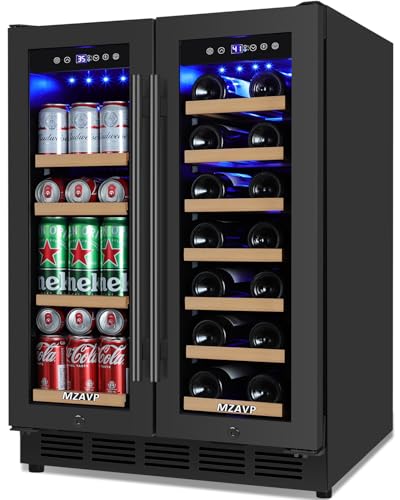
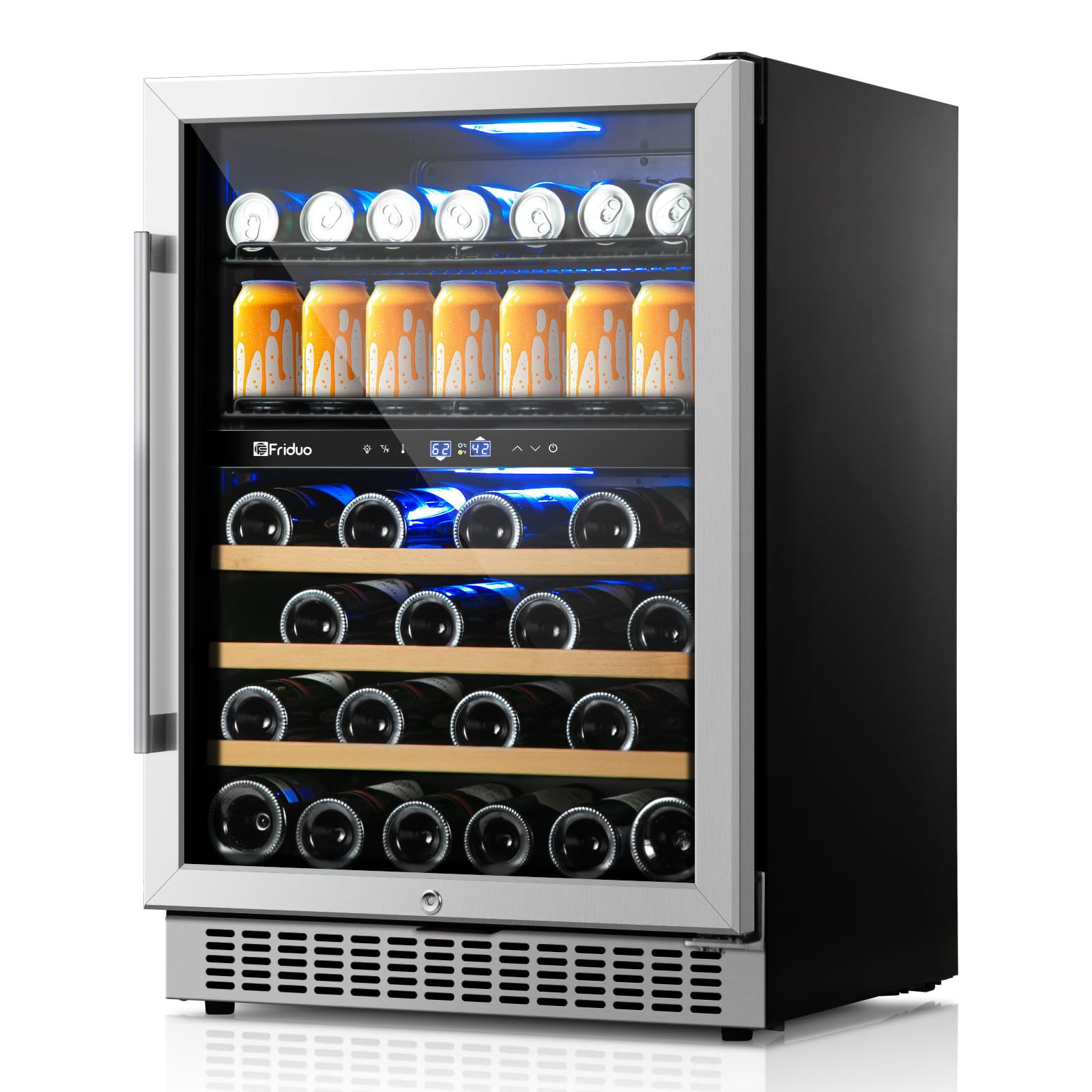
If you want both wine storage and cold-drink access in one appliance, a combination wine and beverage center splits the cabinet into two independently controlled zones. The upper section holds wine at 45–65°F on horizontal racks; the lower section chills drinks at 34–50°F on flat shelves. These units run roughly $400–$2,000 depending on size and brand, and they save both space and money versus installing two separate appliances. They are the right answer when your household drinks both wine and everyday beverages and you have room for only one unit.
Which One Should You Buy?
Buy a wine refrigerator if you collect wine, age wine, or drink wine regularly and care about serving temperature. The preservation features justify their price even for a small collection — a dozen bottles still benefit from proper storage, and wine kept correctly tastes noticeably better than wine held in a kitchen fridge or at room temperature.
Buy a beverage cooler if you mainly want cold drinks on demand — sodas, beer, water, energy drinks, sparkling water, and juice. The colder temperatures, flexible shelving, and lower price make beverage coolers ideal for convenience and entertaining. Put one wherever people gather: game room, office, garage, or patio.
Common Mistakes to Avoid
The most common mistake is storing wine long-term in a beverage cooler. It runs too cold, too dry, and too vibration-prone for preservation; a bottle kept at 36°F for months develops muted flavors and can dry out the cork enough to let in oxygen. Short-term chilling for a party or a weekend is perfectly fine — but for anything beyond a week, use a wine refrigerator. The second mistake is buying a wine refrigerator when you mostly drink beer and soda: wine fridges cannot cool below 45°F, and their horizontal racks do not hold cans or standard bottles efficiently, so you pay more for features you do not need and get a warmer, less convenient drink. Match the appliance to your actual drinking habits, not to looks.
No. A wine cooler (wine refrigerator) is a precision storage appliance that holds wine at 45–65°F with humidity control, UV glass, vibration dampening, and contoured racks. A beverage cooler is a cold-drink dispenser that chills cans and bottles as low as 34°F on flat, adjustable shelves. They look alike but are engineered for opposite goals — preservation versus immediate consumption.
Can you store wine in a beverage cooler?
For a party or a weekend, yes — short-term chilling causes no lasting harm. For long-term storage, no. A beverage cooler runs too cold (around 36°F), too dry (30–40% humidity), and with too much vibration for wine. Over weeks or months this mutes the wine's flavor and can dry out the cork, allowing oxidation.
Can a wine fridge cool soda and beer?
Only partially. Most wine fridges bottom out at 45°F, which is warmer than the 34–40°F many people expect for ice-cold soda or beer. The horizontal wine racks also do not hold cans and standard bottles efficiently. A wine fridge will chill drinks, but not as cold or as conveniently as a beverage cooler.
What temperature should a wine refrigerator be set to?
For a mixed collection, about 55°F is a safe all-purpose setting. Reds show best around 55–65°F, whites around 45–55°F, and sparkling wine around 40–50°F. A dual-zone model lets you hold two of these ranges at once.
Do beverage coolers control humidity?
No. Beverage coolers do not include humidity control, and their colder operation leaves the interior drier (around 30–40% relative humidity). That is fine for sealed cans and screw-top bottles but not suitable for cork-finished wine, which needs 50–70% humidity to keep the cork sealed.
Which costs less to buy and run?
Beverage coolers cost less to buy at every tier — roughly $100–$2,000 versus $150–$5,000 for wine refrigerators — because they use simpler interiors and standard glass. Running costs are close: both use around 80–400 kWh a year depending on size, a difference of only about $5–$10 annually, with beverage coolers slightly higher because they run colder.
Can one appliance do both jobs?
Yes. A combination wine and beverage center splits the cabinet into two independently controlled zones — wine at 45–65°F up top, drinks at 34–50°F below — for about $400–$2,000. It is the best choice when you want both but have room for only one unit.
How long do these appliances last?
A well-maintained wine refrigerator lasts 10–15 years, with compressor-based models outlasting thermoelectric ones. Beverage coolers last about 8–12 years — comparable but slightly shorter on average because holding colder temperatures works the compressor harder. Vacuuming the condenser coils annually and keeping door gaskets sealed extends the life of either.
It also has tons of awesome articles about kitchen stuff and home news. Enhance your home, garage, backyard, patio, and office with the coolest essentials. With every necessary type of residential refrigerator or freezer in the collection, you're covered.
Wine refrigerators are designed to store wine at optimal conditions and come in styles that balance function and aesthetics. Single Zone Coolers: Maintain one consistent temperature throughout, ideal for a single type of wine. Dual Zone Coolers: Two separate temperature zones let you store different wines at their optimal temperatures. Freestanding Models: Placeable anywhere suitable, offering flexibility and easy relocation. Built-in Models: Integrate into kitchen cabinetry or bar areas for a polished, cohesive look. Stylish Finishes: Stainless steel, wood trim, and mirrored finishes let you match your decor. Wine Refrigerator Style.
Common Uses.
Notable Features.
.
Single Zone.
Specific wine types.
Consistent temperature, simple design.
.
Dual Zone.
Mixed wine collections.
Separate temperature zones, versatile storage.
.
Freestanding.
Home bars, dining rooms.
Portable, easy to relocate.
.
Built-in.
Kitchens, home bars.
Seamless integration with cabinetry.
.
Stylish Finishes.
Dining rooms, living areas.
Aesthetic appeal, variety of finishes.
. For more details on specialty refrigerators, visit side by side refrigerator Vs. wine cooler.