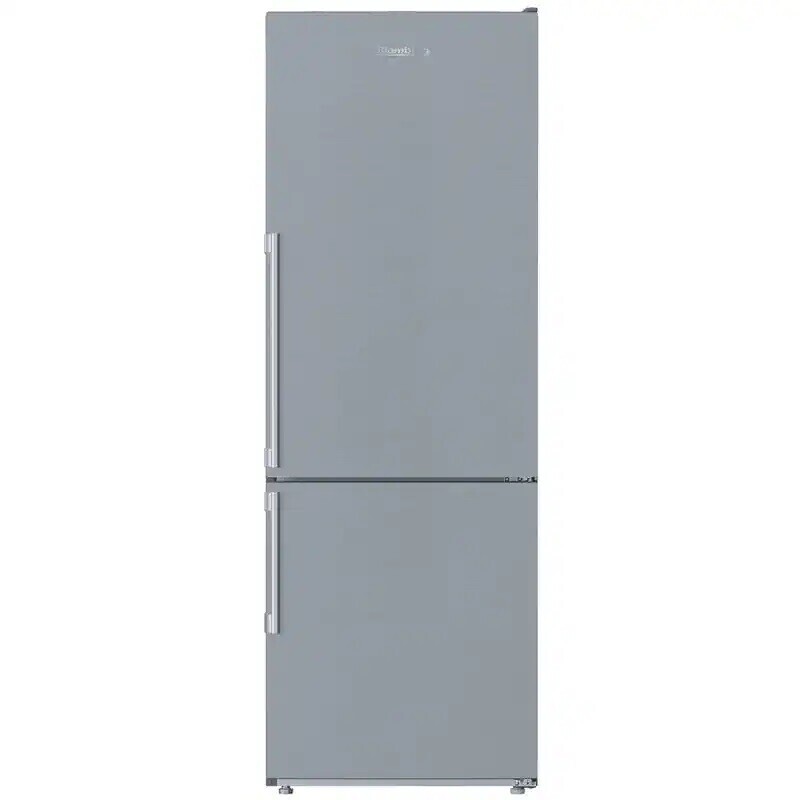
Before that shiny new fridge lands in your kitchen, a few simple steps can make all the difference for a smooth setup. Let's make sure it's a piece of cake and avoids any future headaches!
Measure the Space
First things first, grab that tape measure and size up where your fridge will go. This is your chance to sidestep squeezing your new appliance into a too-tight spot. Pay attention to these key dimensions:
Measurement
Requirement
Height
Give yourself at least 1-2 inches more than the fridge’s height, so it can "breathe" easily.
Width
Check that it fits with some room to swing those doors open.
Depth
Don’t forget space for the fridge’s depth, handles and all.
Also, check doorways and hallways you’ll navigate getting it in. You don’t want a fridge-sized dent in your wall or scratched floors!
Ensure Proper Ventilation
Your fridge needs to chill without breaking a sweat, so make room for some fresh air:
Leave at least 2 inches of space on each side.
Keep 1-2 inches of headroom above.
Watch for other appliances that might cramp its style.
Getting the measuring tape out and ensuring ventilation will have you rocking that recipe for fridge success, all set to keep your groceries fresher, longer.
Getting that shiny new refrigerator into its spot without a hitch takes a bit of planning. Making sure it’s delivered in one piece and set up right can save you a heap of trouble later on.
Clear Pathways
Before the big delivery day, make sure to clear the decks—so to speak. Anything that might trip up the delivery folks, like furniture or those sneaky rugs that love to slide around, should be moved outta the way.
Paving the path not only makes life easier for the folks lugging your fridge but also keeps your new appliance free of any scratches or dents. Double check that your doorways are fridge-friendly. Here’s a quick checklist to keep you on track:
Stuff to Move
Why Move It?
Furniture
Can nick or bump during move-in
Area Rugs
Slippery when stepped on with heavy stuff
Doorways
Must be big enough for fridge
Avoid Tilting the Refrigerator
When it’s time to park your fridge, don't lean it over like it’s doing the limbo. Tilting can mess up the insides, which means it might not run as it should. And we definitely don’t want any leakage from the coolant lines or other bits getting busted.
Keep your fridge upright as much as possible when shifting it about. If you really have to tilt it for a hot second, do it gently. Keeping on the straight 'n narrow during setup will keep your fridge in tiptop shape.
Need more handy advice on fridges? Pop over to our what are the uses of a refrigerator in our daily life? read and make sure you're using your fridge like a pro.
Got your shiny new fridge? Great! Let’s make sure it’s all set to keep your food crisp and cool. Two important things to tackle are getting it level and plugged in right.
Leveling the Refrigerator
Believe it or not, leveling your fridge is a big deal. If it's wonky, your cheese and milk might argue over which side gets cooler. Here's how to avoid that heated debate:
Check the Level: Grab a bubble level and pop it on top of the fridge door to see if things are balanced.
Adjust the Feet: Look at the front legs. Twist them clockwise to lift the fridge’s front or the other way to drop it a bit.
Recheck with Level: Put back that level to check if you’ve got it just right.
What’s Wrong
What to Do
If the Front's Droopy
Crank up the front legs
If it’s on Tiptoes
Lower those front legs a bit
If it’s Got the Mid-Sag Blues
Tweak the back legs
Connecting to Power
Alright, you’ve got your fridge sitting pretty. Let’s juice it up:
Solo Circuit: Your fridge needs its own circuit to keep from tripping up your other gadgets.
Power Cord Check: Quick peek at the power cord to make sure it’s not frayed and can reach the outlet without playing limbo.
No to Extension Cords: Plug her straight into the wall. No extension cord gymnastics here—they’re fire hazards.
Fire It Up: Once the cord's cozy in its outlet, flick it on. You should hear that soft hum—kind of like a cat purring, but less furry.
Curious about keeping your veggies fresh? Dive into the deets on keeping produce fridge-fresh for some handy tips. Do these steps right and your fridge will keep your snacks snappy and your meals marvy!
Ready to get the most out of your new fridge? Before you start stashing your goodies in there, it's a smart move to tick off some safety checks. This way, you're not just keeping your food fresh, but also making sure your fridge is working like a charm.
Checking for Leaks
Let’s hit the ground running: check for leaks! Leaks can be sneaky, popping up from the water line, an overworked defrost drain, or even the fridge itself. Here's what to keep an eye on:
Sneak a Peek at the Water Line: Got a water dispenser or ice maker? Double-check those connections are snug. See any puddles around the fittings? That's your cue something might be brewing.
Poke around Inside: Swing open the door, and eyeball the floor and shelves. Water logging in there? Could be a drain issue or worn-out seal acting up.
Slide Underneath: Stick a paper towel under the fridge and give it a few hours. If it’s soggy when you check back, you've got a leak needing attention.
Leak Type
What’s Happening
What to Do
Water line leak
Got a loose link?
Tighten or swap the connection
Defrost drain leak
Blocked up?
Clear out that clog
Door seal issue
Seals looking shabby?
Time for a new seal
Verifying Temperatures
So, the coast is clear on leaks? Awesome, next up, dial in those temperatures. It's important for keeping your eats safe and sound:
Set It Right: You’re shooting for 35°F - 38°F for the fridge, and 0°F for the freezer.
Thermometer Time: Pop one in the middle of both the fridge and freezer. Let it sit and marinate for a bit, then check where the needle lands.
Tweak It If Needed: Off by a degree or two? Give the thermostat a little nudge to get it just right.
Here's a quick-reference for ideal settings:
Compartment
Ideal Temperature
Refrigerator
35°F - 38°F
Freezer
0°F
Nailing these safety steps means you can relax and let your new fridge do its thing hassle-free. Hungry for more fridge wisdom? Check out Fridge.com handy guides like what happens if you dont clean refrigerator coils?, plus other maintenance tips.
Organizing the Interior
Now that your new fridge is buzzing quietly in its spot and ready for action, it's time to whip things into shape inside. An organized fridge not only helps you grab your goodies in a flash but also keeps your food fresh longer.
Adjusting Shelves and Bins
First up, fix those shelves and bins. Most fridges come with shelves that you can shift around to make room for taller items like jugs or ginormous Tupperware.
Here's a cheat sheet for sorting like a pro:
Shelf Spot
Ideal For
Top Shelves
Drinks (small bottles, juice cartons)
Middle Shelves
Leftovers and tonight's dinner
Bottom Shelves
Bigger stuff (big containers, jumbo boxes)
Crisper Drawers
Veggies and fruits
Door Shelves
Condiments and eggs
Try grouping similar stuff together. It'll save you time rummaging and keeps everything neat. Keep dairy on the middle shelves where it's coolest, and steer clear of putting perishables in the door—those areas get warm when you open the fridge.
Initial Cleaning and Temperature Settings
Before loading up with your grub, give it a quick wipe down. Warm, soapy water does the trick to get rid of any leftover factory gunk.
Then, get those temperatures just right so your food stays fresh and safe. Here's what you want:
Fridge Zone
Ideal Temperature
Main Part
37°F (3°C)
Crisper Drawers
34°F (1°C)
Freezer
0°F (-18°C)
Keep a fridge thermometer handy to make sure you're spot on. Good temperature control isn't just for safety—it also helps food last longer. For more handy fridge tips, check out articles on keeping your fridge running like what happens if you don't clean refrigerator coils?.
With a spotless inside and your shelves sorted, you’re all set to max out on storage and keep your eats fresh and tidy.
Taking care of your fridge is key to its long life and keeping it running well. Here's a quick maintenance checklist to help keep your fridge tip-top:
Task
How Often?
Clean those coils
Every 6 months
Give the door seals a look
Every month
Wipe down the insides
Every 1-2 months
Swap out water filters (if it’s got ‘em)
Every 6 months
Peek at the drainage system
Once a month
Keeping things clean helps your fridge work better and keeps your grub fresher longer. Find more on keeping your cooler neat in Fridge.com article about how long does produce stay fridge fresh?.
Troubleshooting Common Issues
If your new fridge is acting up, here are some usual suspects and how to deal with 'em:
Problem
What’s Going On?
What to Do About It
Not cooling down
Vents clogged, coils dirty
Clear junk, clean the coils
Frost city
Bad door seal, high humidity
Check seals, lower humidity
Odd noises
Fridge isn't level, loose bits
Level it, tighten bits and pieces
Water puddles
Defrost drain stopped up
Unclog the drain
Always peek at your fridge manual for advice and stick to what the maker suggests. Knowing about these hiccups can help you dodge unnecessary repairs and keep things running smoothly. For more kitchen know-how, read up on what are the uses of a refrigerator?.
Free tool
Kitchen Space Planner
Free interactive tool from Fridge.com — get a quick answer while you read.