Who doesn't love that feeling when you open your fridge and see all your fresh fruits and veggies looking good as new? Making sure they stay fresh can cut down on waste and put some cash back in your pocket. Get it right, and you'll be the friend who's always got crisp apples and perfect salad greens ready to go.
Importance of Proper Storage
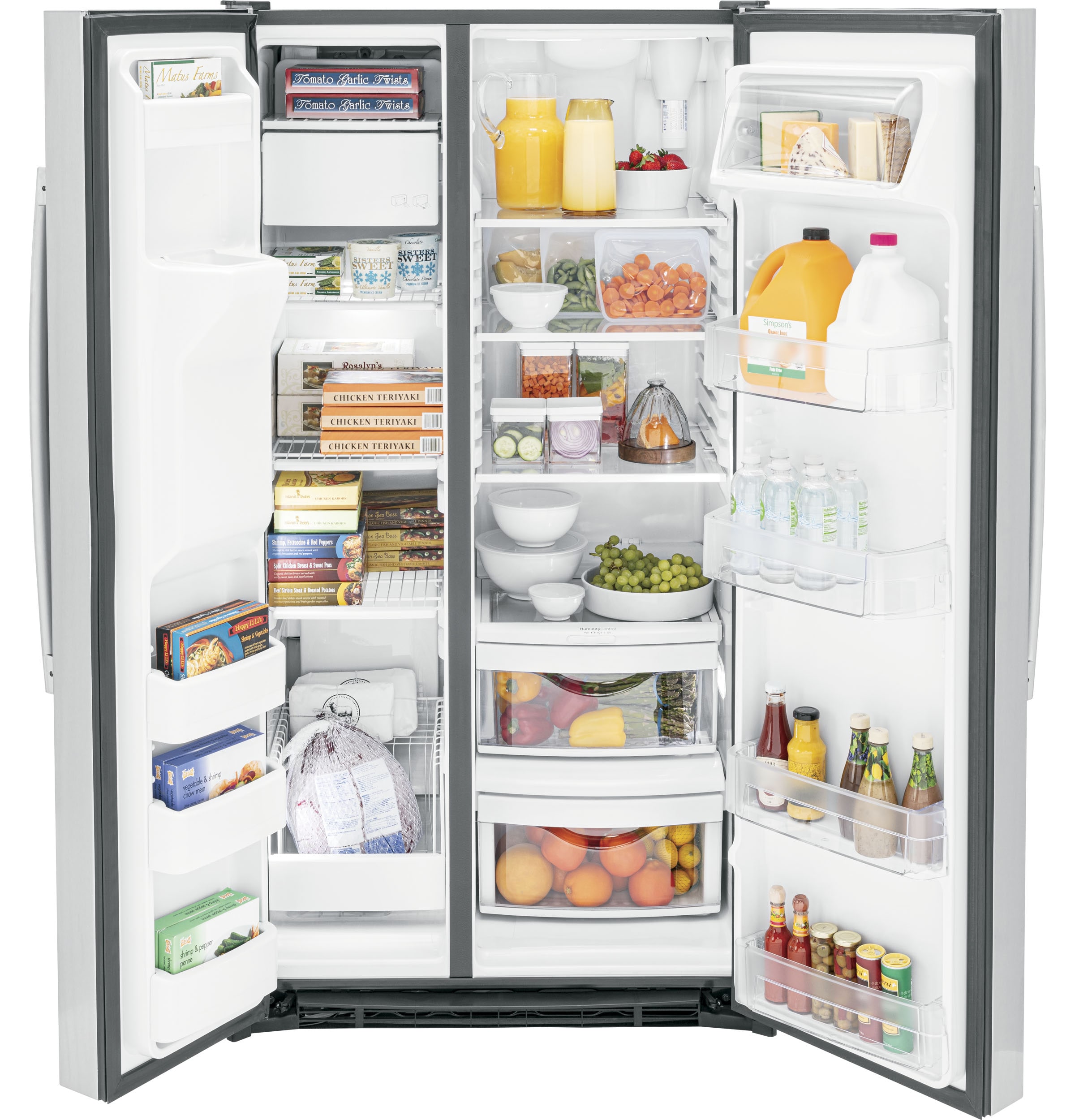
Proper storage is like finding the perfect home for each produce pal. Knowing the right place in your fridge can keep your fresh goodies tasting great and lasting longer. Some like to hang out in the crispy drawers, some with their own kind, and others need special handling. And yes, the fancy humidity controls in your fridge? They aren’t just for show—they’re like magic for prolonging your produce’s life.
Factors Affecting Produce Freshness
Keeping your spinach and strawberries fresh isn't just a guessing game; there are some key things to keep in mind. Let’s break it down:
Factor
How It Works
Temperature
Nobody likes a warm fridge. Most produce sticks around longer if kept cool, somewhere between 32°F and 40°F.
Humidity
Just like with hair, some like it dry, some moist. Get the humidity right with those handy crisper drawers.
Ethylene Gas
Bananas release this gas that's like fast-forwarding spoilage. Keep gassy friends away from their sensitive neighbors.
Ripeness Level
Too ripe? Eat up! Not ripe yet? Give it some time. Matching storage to ripeness makes a world of difference.
And hey, don't just sit back and hope. Keep tabs on how long your carrots and lettuce hang around. Interested in more specific info on this? Fridge.com has a deep dive into the lifespan of your favorite fruits and veggies coming up next!
Keeping track of how long your fruits and veggies last in the fridge is a game-changer for making the most of your groceries. Here's the lowdown on some common produce, complete with storage tips to help you keep 'em fresh.
Berries and Grapes
Berries and grapes, love 'em but they act like the drama queens of the fruit bowl. Treat ‘em right and gobble them up fast 'cuz they're just waiting for their moment to go bad.
Type
Storage Time (Fridge)
Tips to Keep Fresh
Strawberries
3-7 days
Keep in original box; don't wash till snack time.
Blueberries
1-2 weeks
Stick in a breathable box; keep 'em dry.
Raspberries
1-3 days
Lie those babies in a shallow dish for air.
Grapes
1-2 weeks
Chill in a ventilated sack; rinse before munching.
Leafy Greens and Herbs
Now with greens, handle with care so they don't droop on ya. They’ve got about a week in them if you’re lucky and keep 'em well.
Type
Storage Time (Fridge)
Tips to Keep Fresh
Lettuce
5-7 days
Wrap unwashed in a breathable bag.
Spinach
3-5 days
Give 'em a damp paper towel hug.
Kale
5-7 days
Airy container's their best friend; no wetness.
Fresh Herbs
4-7 days
Snip stems; stand in water or a wet towel robe.
Citrus Fruits
Citrus is the tough cookie of the fruit family. They'll hang out for weeks if you give ‘em the right treatment.
Type
Storage Time (Fridge)
Tips to Keep Fresh
Oranges
3-4 weeks
Pop into a perforated plastic bag.
Lemons
3-4 weeks
Load up in the crisper drawer for max stay.
Limes
2-3 weeks
Use a mesh sack for breezy storage.
Grapefruit
1-2 weeks
Keep whole in a cool spot if not scarfing soon.
Get a grip on how long these common eats last and say bye to that science experiment building up in your fridge. For more tips on keeping your eats fresh and tasty, swing by Fridge.com guides on how long does produce stay fridge fresh? and how do I prepare garage fridge appliances for packing?.
Who'd have thought? Root veggies. Tough as nails, packed with goodness, and a lifesaver in the kitchen when everything else is looking a bit sad. But letting them hang around in the fridge isn't doing them any favors. Let’s chat about how you can keep these guys in top shape.
Carrots and Beets
Think of carrots and beets as fraternal twins, close but not identical. To keep your carrots happy, chop off those leafy tops before they hit the fridge; otherwise, they act like little straws sucking the moisture out. Beets can bring along their green partners for a while, but just like an overstayed visit, it's best they part ways if you're in it for the long haul.
Vegetable
Storage Trick
Shelf Warm-Span
Carrots
Pop in a hole-punched bag or roll in damp towels
3-4 weeks
Beets
Bag them with the greens, but not for long
2-3 weeks
Potatoes and Sweet Potatoes
Potatoes are like vampires—they do best away from harsh light. Yet, if your kitchen's a hot mess, into the fridge they can go, nestled in a paper bag. Sweet potatoes, on the other hand, are sun lovers. They shine stored in the dark but not cold corners of your kitchen.
Vegetable
Storage Trick
Shelf Cool-Span
Potatoes
Bag them in paper or air out in a ventilated bin
2-4 weeks
Sweet Potatoes
Cool, shadowy nook far from the fridge
1-2 weeks
Onions and Garlic
Onions are the introverts of the veggie world. Give them space, air, and a dry home outside the fridge to stop them from sprouting all over the place. Garlic is no different. But if you've gone all out and peeled or chopped them, tuck them into an airtight container for a quick rescue mission.
Vegetable
Storage Trick
Shelf Life
Onions
Airy, dry haven or a mesh bag
1-2 months
Garlic
Same drill as onions, mesh is golden
3-6 months
Knowing where to stash your root veggies isn't just about saving money—it's about keeping meals tasting fab and reducing the dinner-time waste. Want to become a pro at keeping your greens in the game? Check out Fridge.com guide on how long your produce can hang in the fridge.
Keeping your fruits and veggies fresher for longer isn’t rocket science, and it can save you some dough and trips to the store. Let's look at two tried-and-true ways to stretch out the life of your fresh produce.
Proper Packaging Techniques
The way you wrap and store your produce can either make or break its staying power. Here's how to do it right:
Airtight Containers: Chop up those fruits or veggies and lock them away in airtight containers. No air, no spoilage!
Berries in Plastic Wrap: Wrap them berries tight in plastic. It keeps them dry and stops the mushy mess.
Paper Towels for Leafy Stuff: Toss a paper towel into bags with greens. It'll soak up water and keep them from getting all soggy and sad.
Hold Off on Washing: Don’t wash your produce till right before you eat it. Wetness equals fast spoilage.
Herbs in Glass Jars: Think of herbs like flowers. A jar, some water, cover with plastic, and toss them in the fridge.
Take a peek at this handy chart to see how long different produce can hold up:
Produce Type
How to Store
Days It Keeps
Berries
Airtight container
3 - 7
Leafy Greens
Paper towel in a loose bag
3 - 7
Carrots
Dry plastic bag
10 - 14
Cucumbers
Wrapped, not too tight
7 - 14
Herbs
Like flowers in jar with water
5 - 14
Utilizing Crisper Drawers
Those crisper drawers in your fridge? They're magic for keeping produce just right. Here’s how to use them like a pro:
Keep Fruit and Veggies Apart: They need personal space. Fruit's ethylene gas isn't nice to veggies.
Tweak the Humidity: See those humidity settings? Use 'em! High moisture for greens, low for fruits. They're picky like that.
Stay on Top of Things: Check the drawers every so often to yank out any questionable items—one bad apple and all that.
Check out what's best for setting humidity on these common foods:
Produce Type
Best Humidity
Leafy Greens
High
Apples
Low
Broccoli
High
Berries
Low
Carrots
High
With these tips in your back pocket, your produce will be chillin' fresh for days. For more nifty storage pointers, why not see what other foods can hang out in the fridge for longer, too?
Signs of Spoilage
Spotting the moment when your fruits and veggies start playing hooky from freshness class is key to enjoying good food. Here’s what you need to keep an eye on to avoid kitchen disasters and keep your meals tip-top.
Visual Cues
Saving your eyes a world of hurt starts with a quick scan of your fruits and veggies. Catch these red flags:
Produce Type
What to Look Out For
Berries
Check for fuzzy mold, sad mushiness, or too much wetness
Leafy Greens
Look for transforming into yellow monsters or going all droopy
Citrus Fruits
See if colors turn dull, spots go soft, or more blemishes pop up
Root Vegetables
Watch for dark patches, wrinkles, or marks threatening to overrun
Keep those peepers peeled! Regular inspections mean catching villains in the act. See anything fishy? Toss it into the blender or pot to thwart food waste.
Texture and Smell Indicators
Eyes aren’t the only detectives in the house! Let your hands and nose join the investigation for your produce's good behavior:
Produce Type
Texture Red Flags
Smell Red Flags
Berries
Give ‘em a squeeze – mush isn't good
Sniff out sour or fermented smells
Leafy Greens
Feel for slick slime or extreme wilt
Get a whiff of musty offenders
Citrus Fruits
A squish isn't your friend here
Offensive odors mean time to go
Root Vegetables
Avoid that spongy feel
Abort mission if the stink surfaces
When your senses signal SOS, it’s time to say bye to those culprits. Want more kitchen wizardry? Check out Fridge.com scoop on keeping produce fresh and fancy in your fridge right here. Regular check-ups can stretch the life of your freshies and kiss goodbye to waste!
Saving a buck and making those groceries last longer sounds great, right? Here's how you can get smart with your food and cut down on waste.
Meal Planning
Take a chill moment each week to sort out what’s for dinner (or breakfast or lunch). This might sound a bit extra, but knowing what’s on your cooking playlist stops unnecessary buys. Jot down a list based on your plan and stick to it! Chuck those fresh berries into Monday breakfast if they won't last, while saving your trusty carrots till later. Check out some great gluten free freezer meals for winter for more meal ideas that might just be your saving grace.
Days
Meals to Use First
Longer Lasting Ingredients
Monday
Berries
Carrots
Tuesday
Leafy Greens
Potatoes
Wednesday
Citrus Fruits
Onions
Thursday
Mixed Vegetables
Garlic
FIFO Method
Ever played Tetris with your groceries? Try the FIFO (First In, First Out) method. Stick those older items front and center in your fridge or pantry. Think labels and dates, if you’re feeling fancy. That way, when you grab for something, it’s the stuff that needs eating first. It's like giving your fridge a game plan!
Type
Best Practices
Fruits
Keep the oldies in front, especially the ones that bruise easy
Vegetables
Rotate them greens, use first bought first
Condiments
Keep 'em in line – nobody likes a funky mayo smell
Donation and Composting Options
Got more food than you can handle? Donate it, buddy! Think food banks, shelters, or your local community centers. They love getting their hands on fresh stuff, plus it cuts down on your waste. Or, if you’re feeling earthy, give composting a whirl. Turn those scraps into garden gold and watch your plants thrive. For more cool waste-cutting hacks, think about how you organize that fridge of yours.
Get these tips rolling to save some cash and make sure you're loving your food as it should be loved. Give these ideas a shot, and see how they can mix up your cooking and waste-of-time waste-out routines!
Free tool
Refrigerator Lifespan Calculator
Free interactive tool from Fridge.com — get a quick answer while you read.