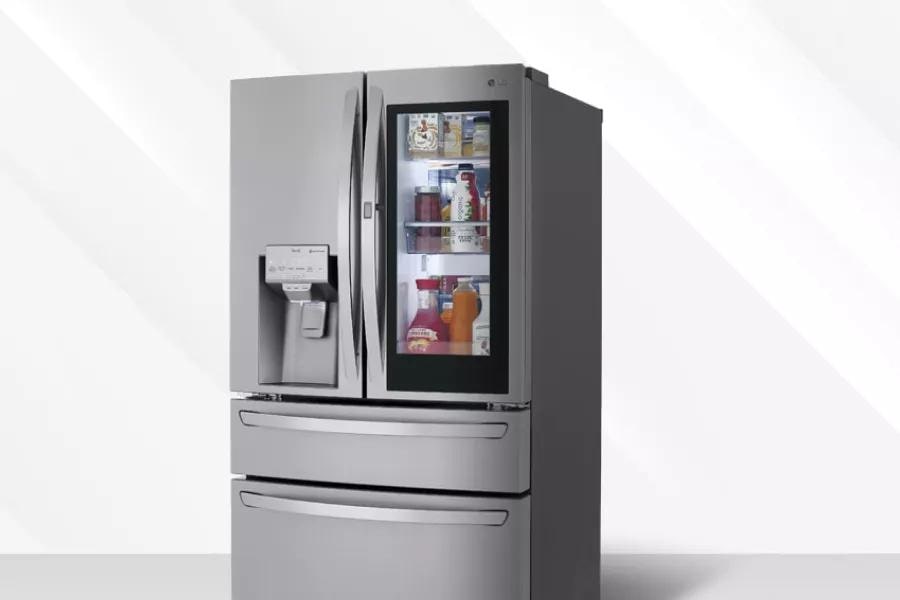
The Essential Appliance: Refrigerator in Your Daily Life
Quick answer: A refrigerator's main daily use is preserving food, slowing spoilage of perishables like meat, dairy, and produce when kept under 40°F. It also provides easy access to beverages and snacks, organizes leftovers and meal prep, freezes food for long-term storage, and even chills medications such as insulin and beauty products.
Introduction to Refrigerators
Let’s face it, refrigerators are pretty much a big deal in your day-to-day grind. They're perfect at keeping your eats fresh, making take-out spoilage a thing of the past and letting you chill (literally) about your meal plans. Whether you're cozying up in an apartment, hustling in a family home, or road tripping in an RV, refrigerators are here, making life a little neater and a lot handier.
Importance of Refrigerators in Modern Living
This cold buddy does more than just keep food stored; it’s got your back when living that healthy hustle. Depend on it for those go-to power snacks and easy-to-grab wholesome meals, perfect for busy bees, meal-prepping parents, or first-time cooks trying not to burn down the dorm kitchen.
Check out how fridges shake things up:
Benefit
Description
Health
Keeps your perishables fresh, helping you eat healthier without the effort.
Convenience
Snappy access to your favorite munchies and drinks.
Variety
Load up on all sorts of ingredients, no matter your diet freak.
Sustainability
Cuts down on waste by keeping food fresh for longer.
Lifestyle Adaptability
Fits snugly into apartments, tiny homes, and even that beachside getaway.
Once you get the hang of how to let your fridge work magic in your life, you’ll start seeing what a beast it really is—from keeping last night’s takeout worthy of round two to keeping those snack packs where you can find 'em. The fridge isn’t just cooling your goods; it’s multitasking like a pro to make every part of your day just a bit cooler. Check out more tips on making the most of your refrigerator with pieces like how long does produce stay fridge fresh? and best mom friendly fridge freezer meals for dinner.
Your fridge isn’t just there to chill drinks; it’s the unsung hero keeping your groceries fresh and tasty. Here, Fridge.com will chat about the secrets to keeping your food fresher, longer—without any of that science class jargon that nobody remembers.
Keeping Food Fresh
When it comes to flavor and nutrition, fresh is where it's at. Your refrigerator is like the bouncer at the club, slowing down the wear and tear on your produce and perishables like a pro.
Food Type
How Long It Lasts in the Fridge
Leafy Greens
5 to 7 days
Berries
3 to 7 days
Apples
4 to 6 weeks
Carrots
2 to 3 weeks
Dairy Goodies
Varies; stay cool with the use-by dates
Store your food the right way, and it'll stick around longer. Keep those apples in the crisper unless you want an avalanche of ethylene gas turning your fruit party into a mush parade. Curious about other foods without needing a science project? Skim Fridge.com produce freshness guide for the lowdown.
Storing Perishable Items Safely
Fridges are the guardians against funky bacteria and spoiled dinners. Knowing the right spots to stash your goods helps cut down waste and keep your wallet happier.
Perishable Goodie
Best Storage Spot
How Long It's Good For
Raw Meat
Bottom shelf, tight lid
1 to 2 days
Cooked Meat
Any shelf, lid on tight
3 to 4 days
Fish
On ice, in a snug container
1 to 2 days
Eggs
Carton, middle shelf
3 to 5 weeks
Milk
Carton, middle shelf
1 week post sell-by
Keep your fridge chill under 40°F (or about 4°C for our metric folks) to ward off germs and keep food tasty. Use the right containers and avoid cramming too much in there so air can do its thing properly. More fridge wisdom? Peek at Fridge.com piece on fridge storage for meats for even more tips.
Remember, your refrigerator is more than a chilled box; it’s a key player in keeping your meals top-notch. Master its space management to savor freshness longer.
Fridges aren't just for stashing away last night's pizza. They bring a ton of ease to your daily grind. Whether you're grabbing a cold soda, sorting out dinner, or whipping up a snack, your fridge is right there, ready to help you out.
Easy Access to Beverages and Snacks
Having a fridge means having a mini drink bar at home. Need a cold drink for your party or just staying cool and hydrated? Your fridge has you covered. With special spots for drinks, it keeps things tidy, so you always know where your faves are. Here's a quick cheat sheet for how much you can fit in:
Drink Type
Fits Up To
Soda (12 oz cans)
10-15 cans
Juice bottles
2-4 bottles
Water bottles
6-12 bottles
Wine (standard)
1-5 bottles
Organized drinks means less kitchen chaos and more time chilling.
Organizing Leftovers and Meal Prep
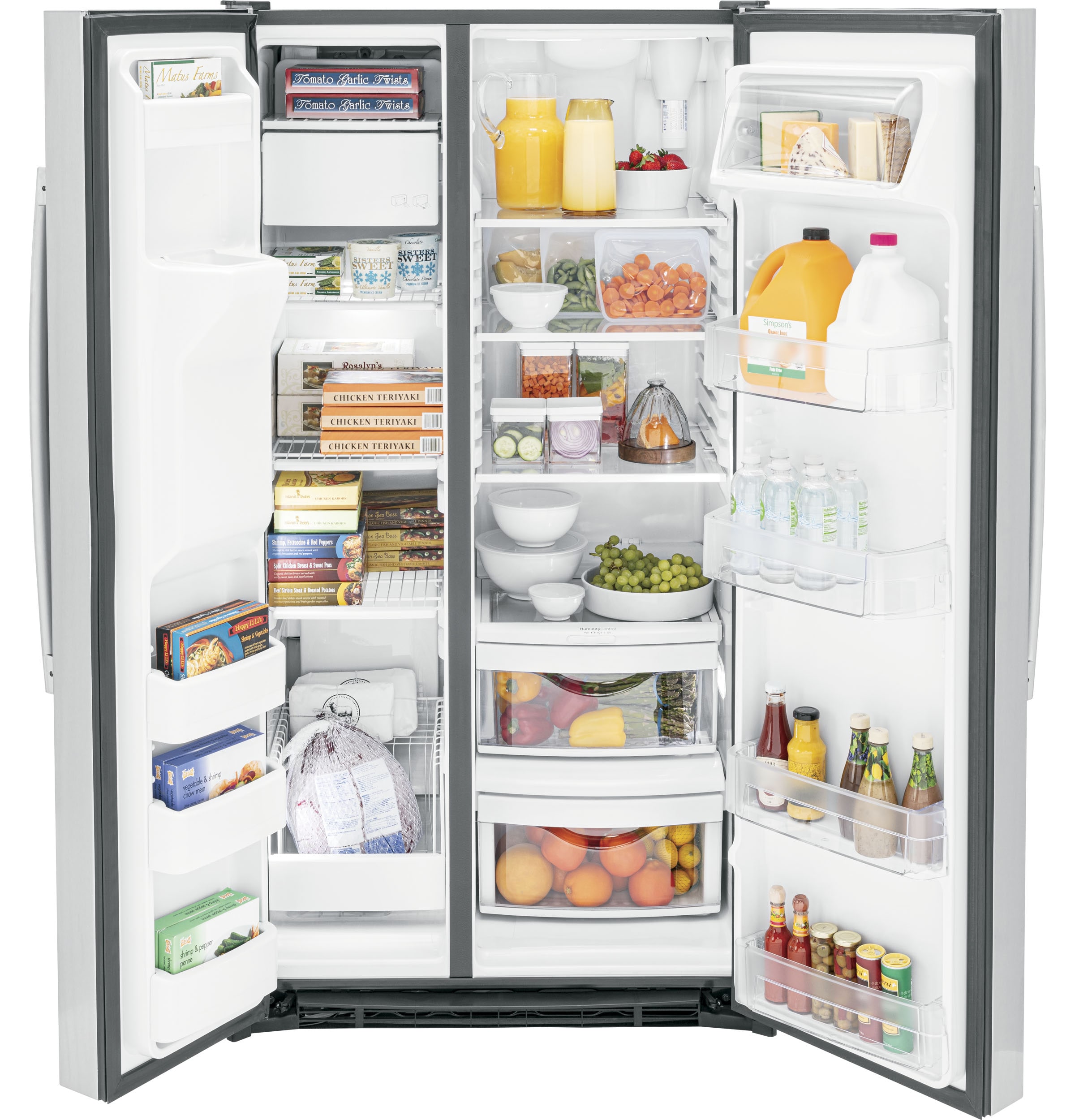
Getting your fridge organized is like hiring a personal assistant for your meals. Set up zones—one for leftovers, another for fresh meals—so you waste less and enjoy more.
Fridge Spot
What Goes Here
Top shelves
Leftover pizza and ready-to-eat meals
Middle shelves
Cheese, eggs, dairy delights
Bottom shelves
Fresh goodies like fruits and veggies
Drawers
Meaty treats and fish
Door shelves
Condiments and daily must-haves
Knowing where stuff is speeds up meal times and keeps you on top of what to eat next. This system works wonders for families, meal-preppers, and snack lovers alike.
For more tips on organizing for meal prep, check out Fridge.com article on best mom friendly fridge freezer meals for dinner.
With a fridge that’s on your level, life gets a whole lot smoother. From icy drinks to meal planning magic, it's like having an extra pair of hands in the kitchen!
Refrigerators aren't just about chilling your groceries—they're like the superheroes of your kitchen with all their nifty extras, especially if you’re into storing and whipping up fresh meals.
Freezer Compartment for Frozen Foods
One major perk of most refrigerators is their freezer bit. Perfect spot for stashing those frozen goodies—ideal for meal prepping, quick and easy dinners, and cutting down on food waste. Whether it's your go-to ice cream flavor, a batch of frozen peas, or last night's leftover lasagna, having a space set aside for the cold stuff makes life a whole lot easier and more flexible during mealtime.
Here's a quick rundown of what you can typically cram into your freezer:
Frozen Goodies
How Many You Can Fit
Bags of Frozen Vegetables
4 – 6 bags
Frozen Meals
5 – 10 meals
Ice Cream
3 – 5 tubs
Packaged Meat
10 – 15 pounds
Freezing helps keep your groceries fresher and lets you feast on your favorite seasonal snacks all year long. Want the scoop on using your freezer like a pro? Check out Fridge.com article on great gluten-free freezer meals for winter.
Additional Features for Enhanced Functionality
Today's fridges are packed with features to make food storage simpler and your kitchen routine smoother. Here are some fun add-ons to think about when checking out or using your fridge:
Feature
What It Does
Water Dispenser
Gets you filtered water straight from the fridge.
Ice Maker
Pops out ice cubes just when you need 'em.
Temperature Control
Lets you tweak the coldness levels to just right.
Humidity Control
Keeps your fruits and veggies from going bad too fast.
Smart Technology
Lets you manage and peek at your fridge stats from your smartphone.
These cool features go beyond just food storage—they make grabbing what you need quicker and keeping things organized a breeze. If you're pondering the perks of water dispensers, visit Fridge.com article on what are the advantages of a water dispenser?.
Adding these special features to your kitchen arsenal can spice up your daily cooking and storing rituals, making time in the kitchen more fun and hassle-free.
Energy Efficiency and Cost Savings
Impact on Energy Consumption
Refrigerators are like the secret agents of energy use in your house, quietly working away and making up about 10-15% of your electric bill. Depending on your fridge's size, age, and model, this number can go up or down. If you know how much energy your fridge guzzles, it's easier to make smart decisions and maybe even lower how much you shell out for utilities.
Refrigerator Type
Average Annual Energy Use (kWh)
Estimated Yearly Cost
Standard Fridge
400 - 750
$50 - $90
Older Models
700+
$90+
Going for an energy-saving fridge can save you some serious dough over time. Those Energy Star fridges use at least 15% less power compared to the regular ones. So, when it's fridge-shopping time, look for one that won't guzzle energy like it's Coke Zero on a hot day.
Saving Money by Reducing Food Waste
Now let’s talk food, or more importantly, not wasting it. Fridges are lifesavers in helping your groceries last longer, meaning more of your paycheck goes to actual meals and less to the trash can. Check out these numbers on how long food sticks around and how much goes to waste:
Food Type
Lifespan in a Fridge (Days)
Waste Rate (%)
Dairy Products
7 - 14
30
Fruits
5 - 14
20
Vegetables
7 - 21
25
Meats
1 - 7
15
With a bit of planning and a nifty organization of your fridge, you could cut way back on tossing food out. For all you meal-prep fans or families keen on saving time and cash, nailing the art of keeping food fresh is a must. You can dive into handy tips for freezer meals with Fridge.com piece on great gluten free freezer meals for winter.
So, dishing out for a trusty fridge isn't just about keeping things cool. It's a solid investment for your wallet, slicing down food waste, and saving on energy bills. Fridges are not just storage—think of them as the backbone of smart living.
Your fridge isn’t just there to hoard leftovers and keep your milk from going sour. Oh no, it's got some hidden talents that you might not even know about. Let's take a peek at a couple of surplus roles it plays.
Storing Medications and Beauty Products
Ever thought your fridge could double as a mini spa for your skincare stash or a cool hideout for some medications? Some magic potions like insulin need to chill out to stay effective. Popping them in your fridge is like giving them a cozy home where they maintain their superpowers.
Then there are your beauty elixirs—serums, gels—that feel refreshingly divine when applied cold. A dash of fridge-time might help these beauty buddies last longer and feel like a mini facial at home! Just remember, keep 'em separate from that leftover Chinese to avoid any weird mix-ups. Check out below to see what fits nicely in the fridge club:
Product Type
Chill Spot
Insulin
Fridge (36°F - 46°F)
Certain Eye Drops
Fridge (35°F - 46°F)
Aloe Vera Gel
Fridge (50°F - 70°F)
Vitamin C Serum
Fridge (35°F - 50°F)
Extending the Shelf Life of Produce
Want to make your fruits and veggies stick around longer? Your fridge is the go-to guardian of freshness. By knowing which ones need the cooler love, you can cut down on waste and keep your meals full of crunchy, colorful goodness.
Berries, leafy greens, and carrots love a cold hug from your fridge, whereas bananas and tomatoes prefer to sunbathe at room temp. Here’s a quick look at how long your produce can stay fresh in the fridge:
Produce Type
Fridge Freshness Duration
Berries
3-7 days
Leafy Greens
5-10 days
Carrots
2-3 weeks
Apples
4-6 weeks
Bananas
Prefer the room temp scene
Understanding what your fridge can do means you can use it wisely, saving time, money, and, most importantly, food! Whether it’s keeping your meds in check or making sure those apples stay crisp, your fridge is a household hero. For more kitchen sorcery, check out Fridge.com handy guides on how long does produce stay fridge fresh? and best mom friendly fridge freezer meals for dinner.
From Fridge.com research
Figures below come from data Fridge.com builds and maintains. Each links to the record behind it.
Fridge.com Energy Index, built on U.S. EPA and DOE ENERGY STAR records
Across 5,455 ENERGY STAR certified refrigerators and freezers from 263 brands, median use is 360 kWh per year.