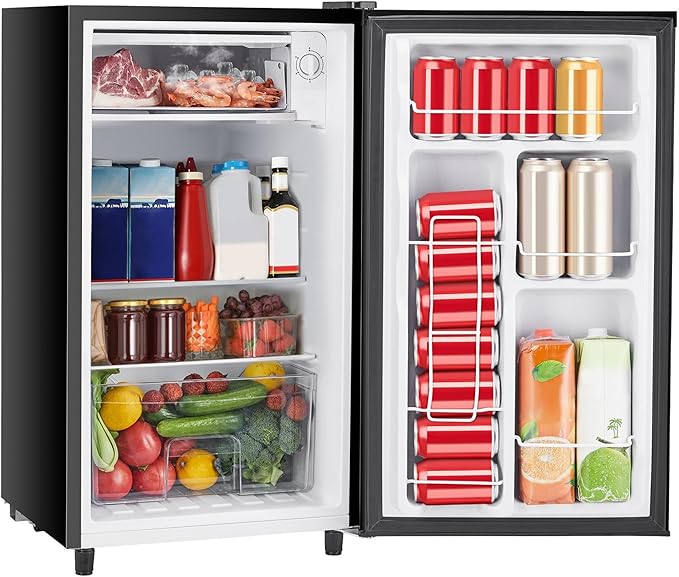
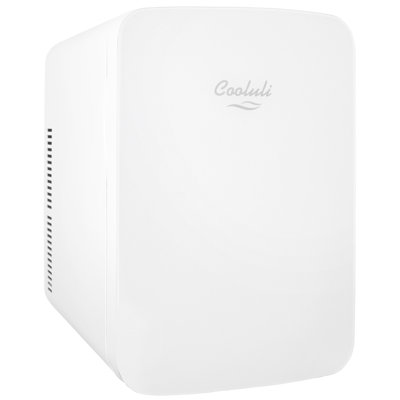
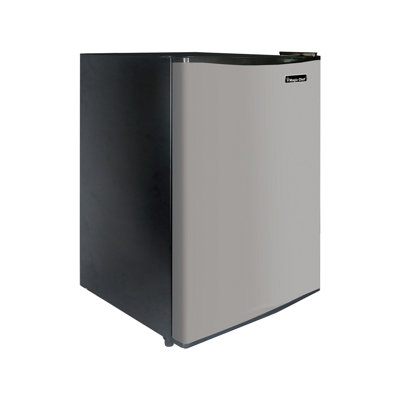
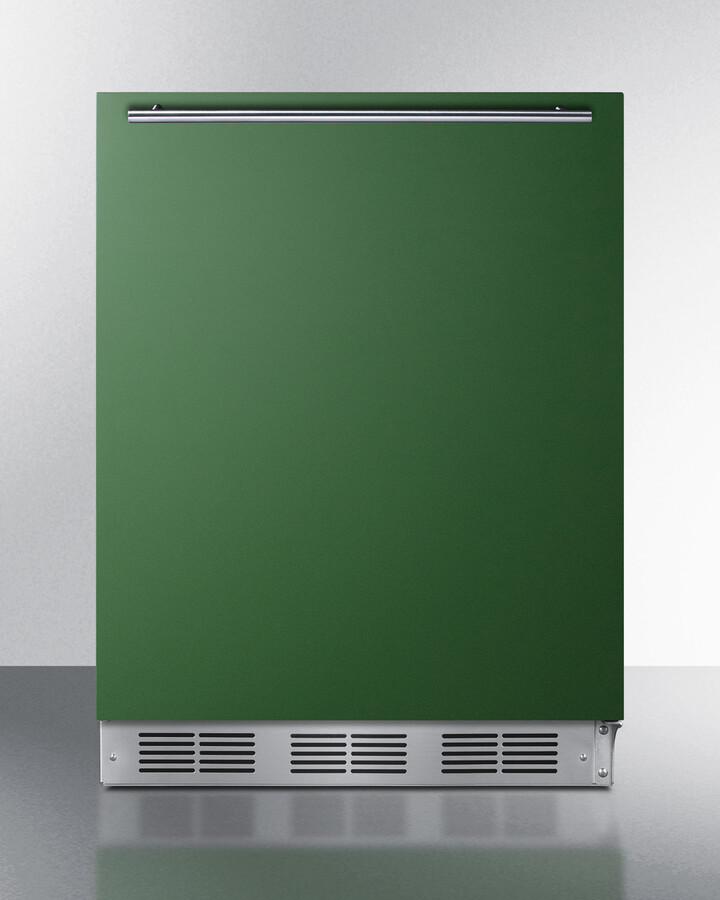
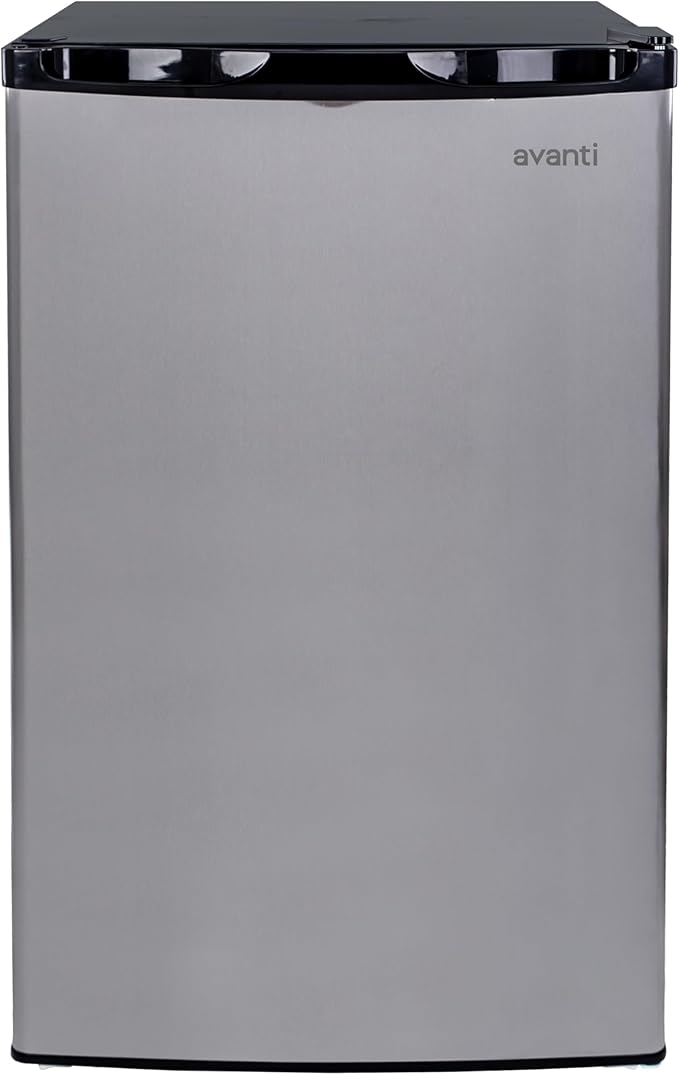
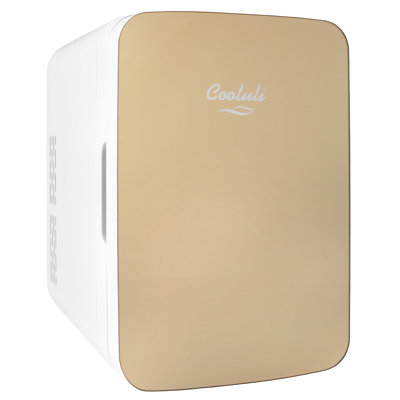
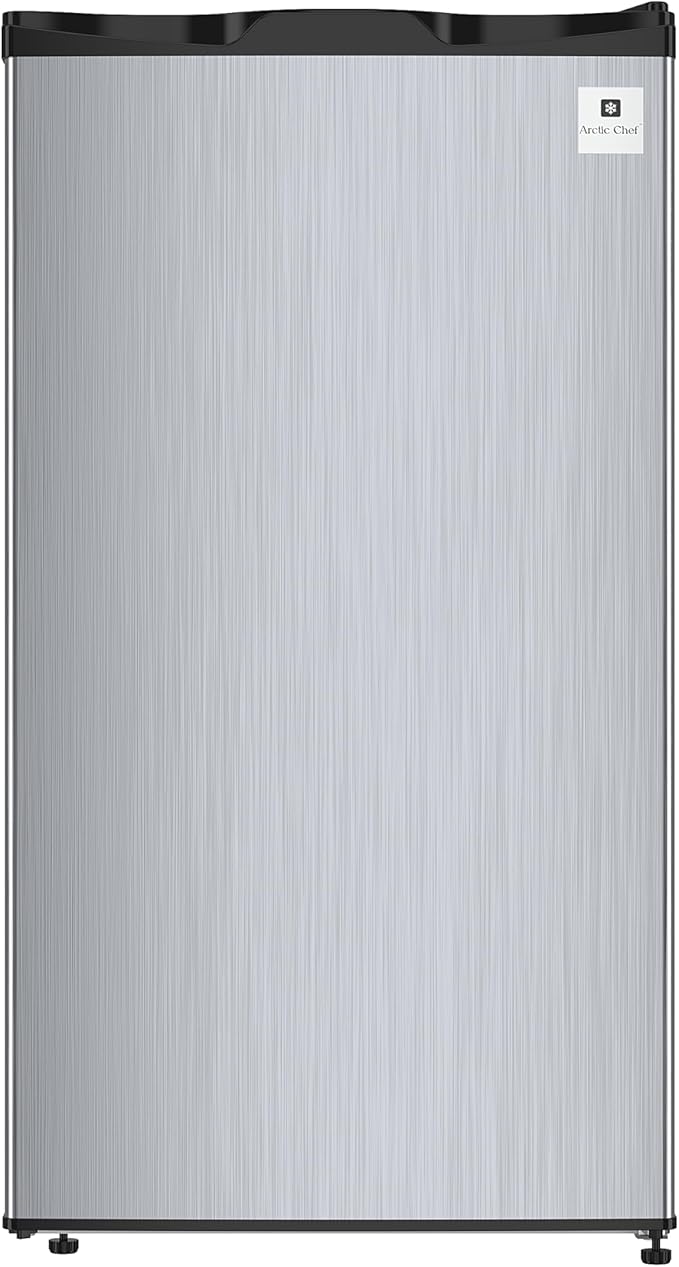
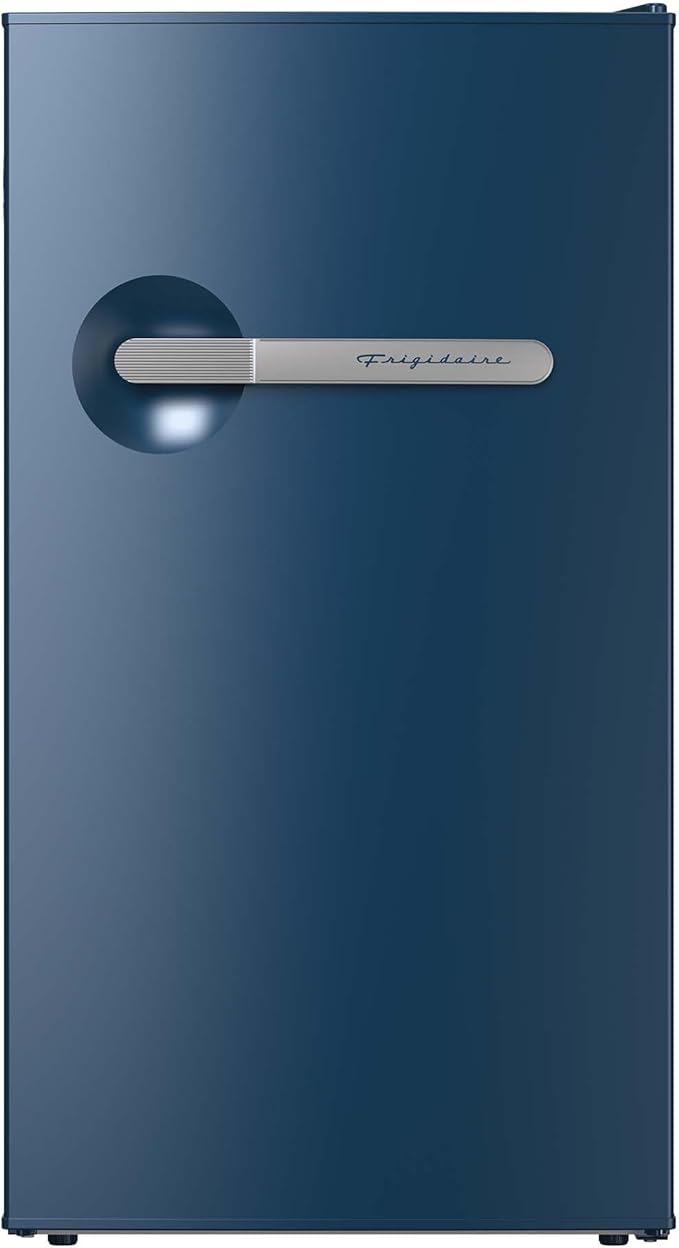
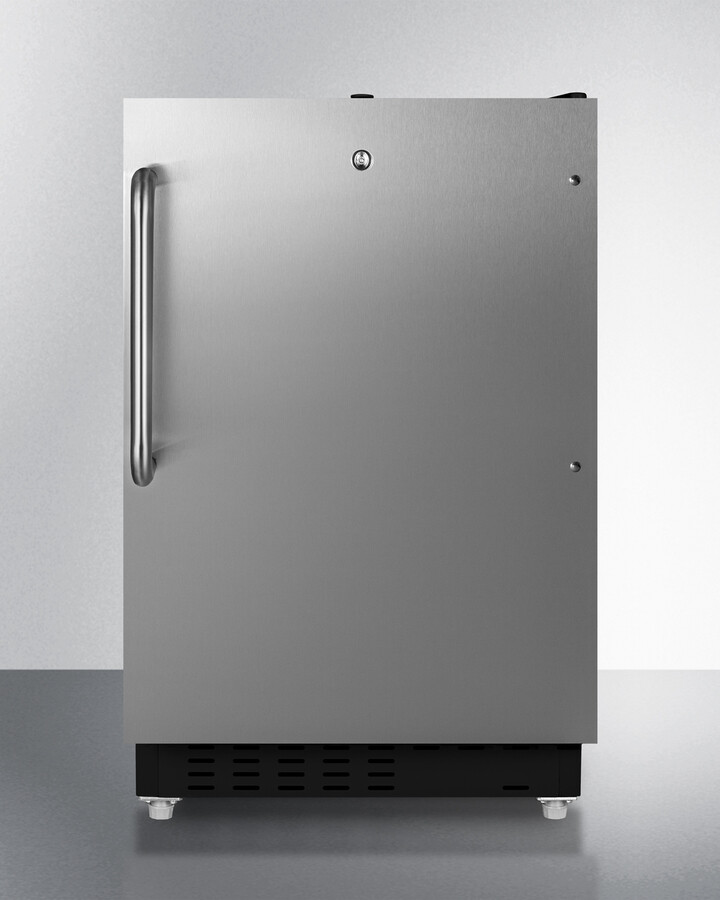
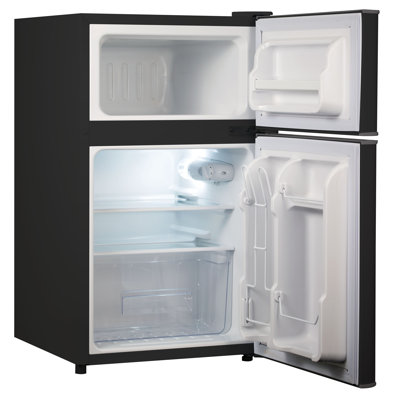
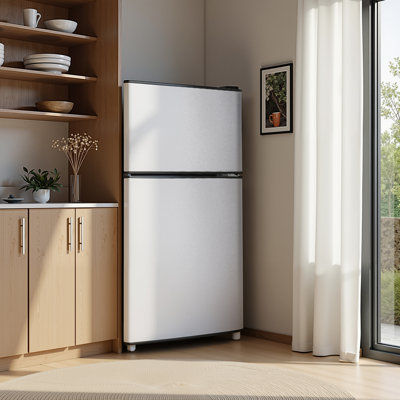
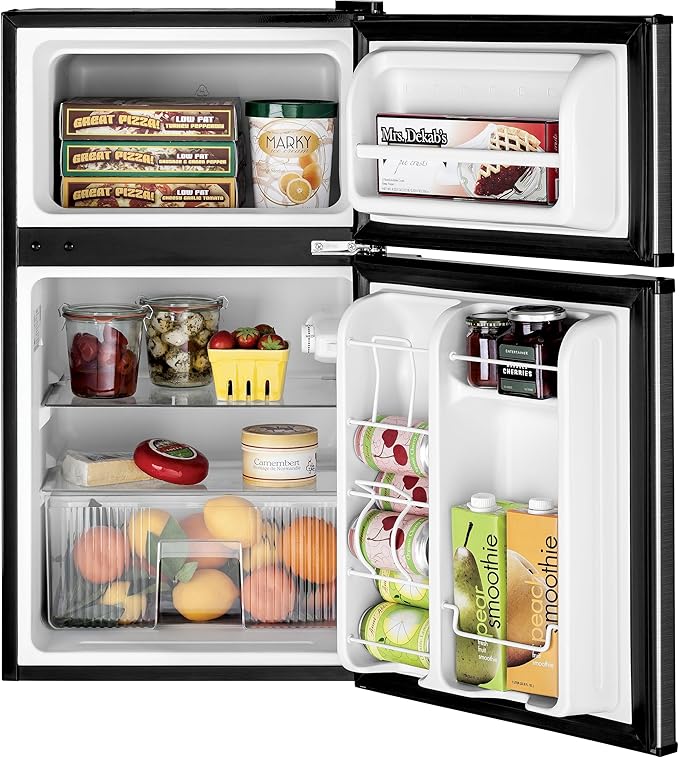
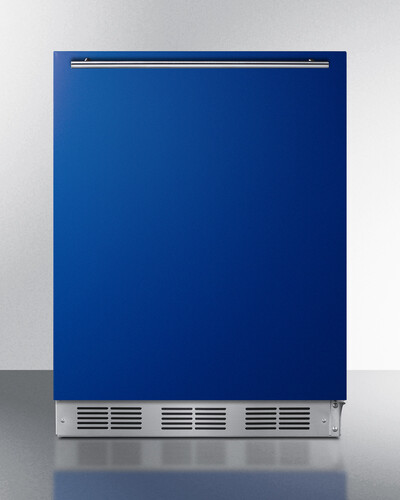
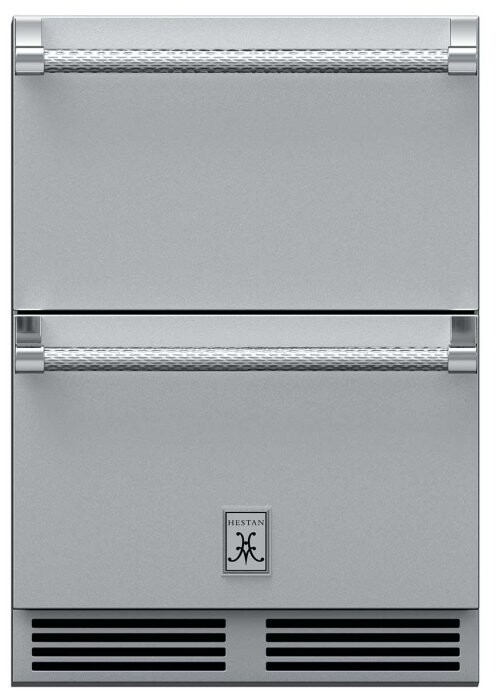
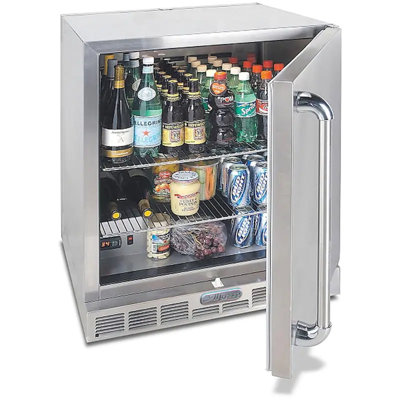
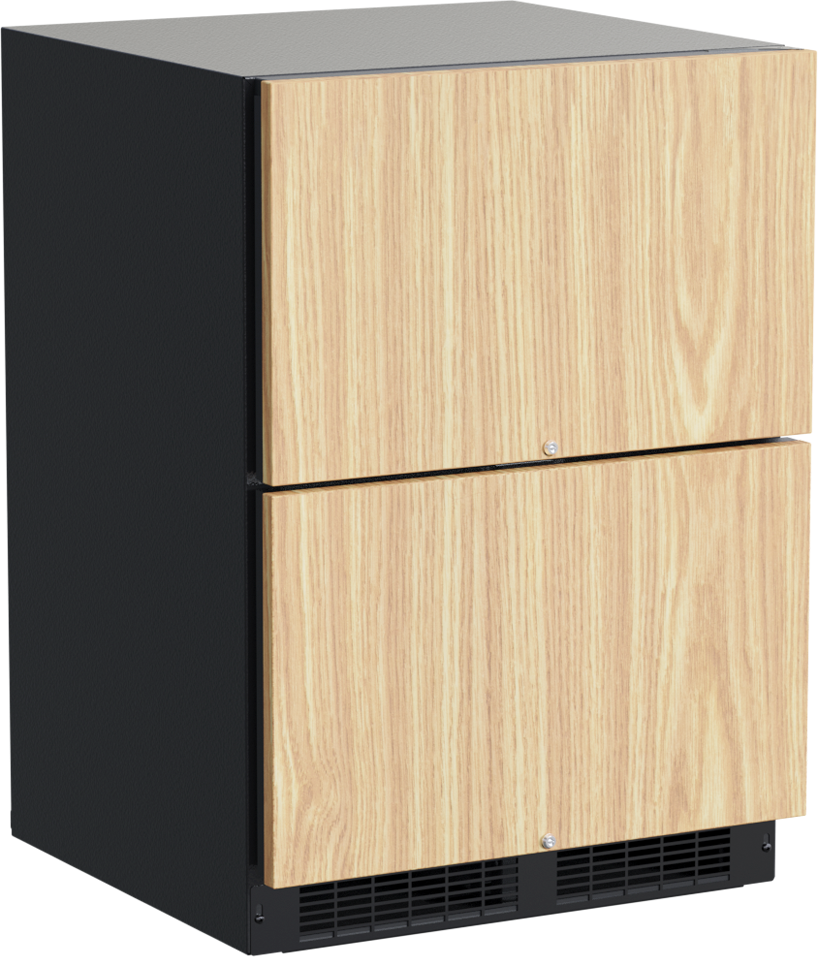
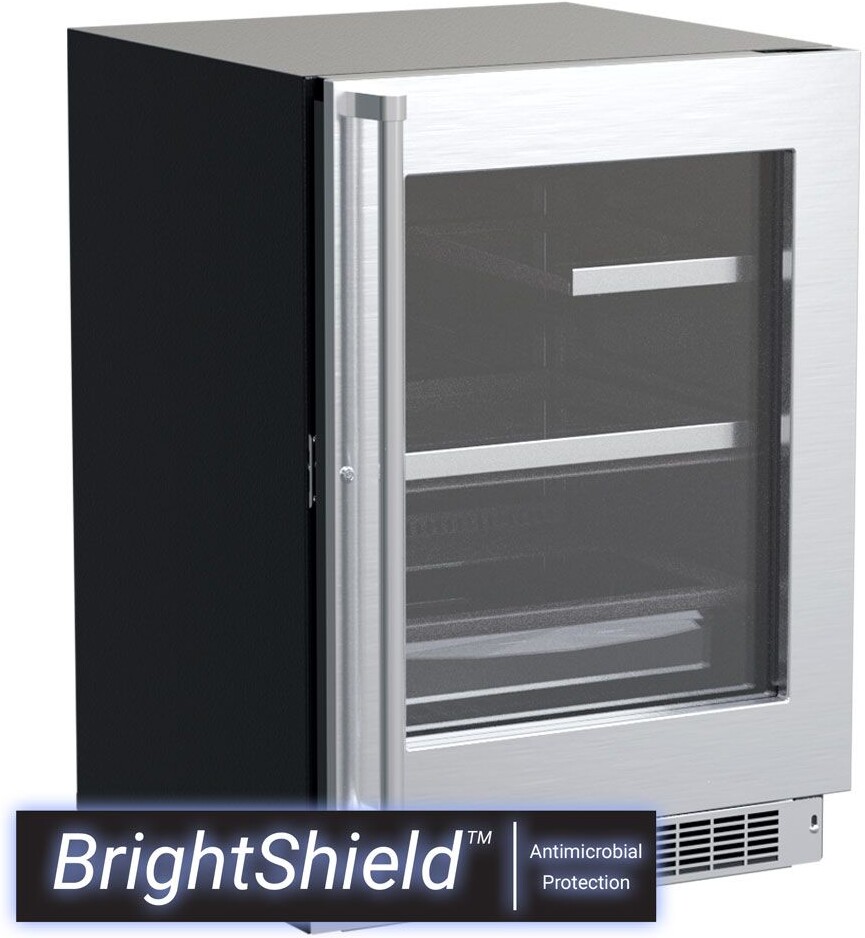
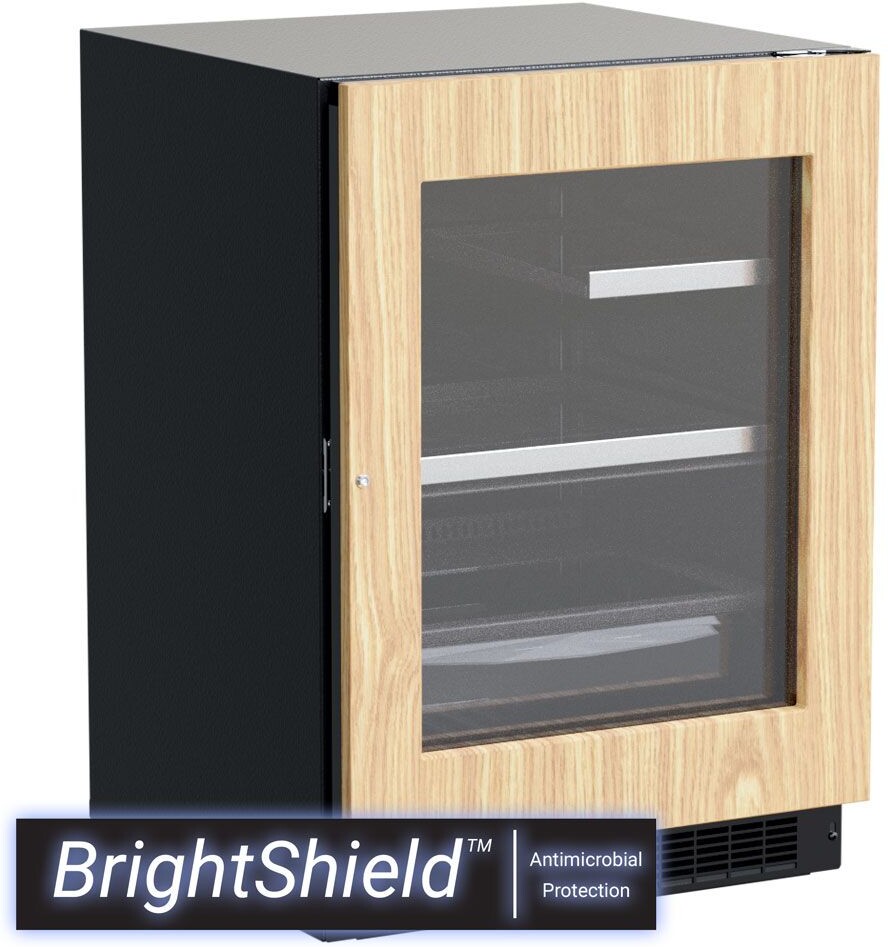
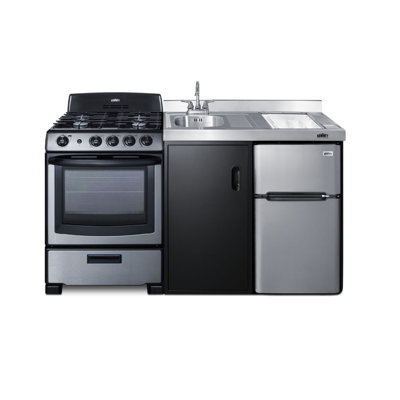
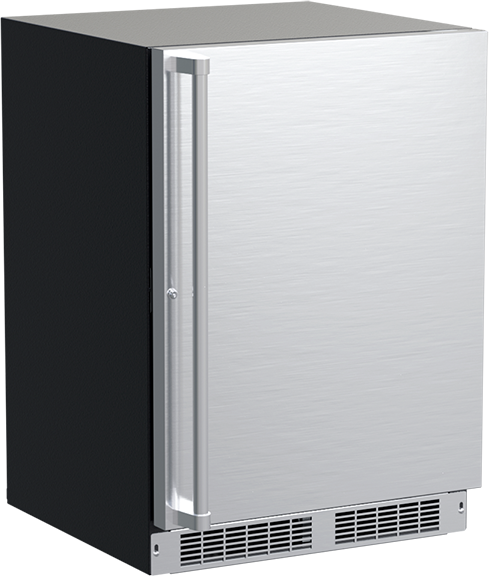
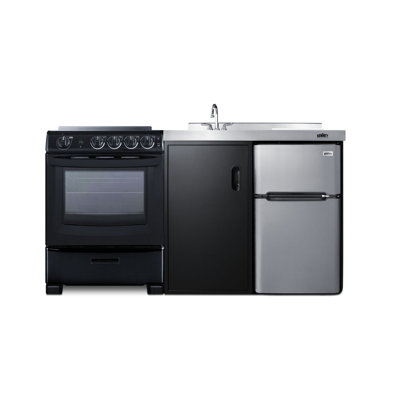
A small fridge usually kicks around in the 1.7 to 4.5 cubic feet range—you know, just the right size for cozy spots like dorms, offices, or pokey kitchens.
These guys usually have between 3.0 and 5.0 cubic feet of space, making them a sweet fit for snug apartments, college dorms, or as backup cool storage in your kitchen.
Mini fridges are the compact fridge's little cousin, usually housing 1.5 to 3.0 cubic feet of your snacks and drinks.
Most RV fridges measure around 4 to 6 cubic feet, fitting like a glove.
Wow, shopping for a small fridge, huh? It's all about finding the right fit—literally. You want something just right for stuffing your snacks and drinks, but also need it to squeeze into your space without turning your room into a game of Tetris. So, before you hit "buy" on that mini fridge, here's the dish on what to look for.
Why Size Matters in Fridges
Size does mean something when it comes to fridges – it's not just a glamorous tag line. A small fridge usually kicks around in the 1.7 to 4.5 cubic feet range—you know, just the right size for cozy spots like dorms, offices, or pokey kitchens. Pick a number between these for maximizing your stash of food while still having elbow room to whip up some dinner.
Size Range
Where It Fits, Literally
1.7 - 2.5 cubic feet
Great for dorm hangouts or tidy office corners
3.0 - 4.5 cubic feet
Handy in snug kitchens, bedrooms, or those travel-on-four-wheels setups
Once you're sized up, you can snag a fridge that fits like a glove into your lifestyle's needs. If you're nosey enough to want a deep dive into small fridge dimensions, go ahead and peep Fridge.com guide on how big is a mini fridge?.
The Cool Tricks of Small Fridges
Alright, let’s talk about the spruced-up bits of these little coolers. These babies often pack clever tricks that make life easier:
Adjustable Shelves: Move 'em up, move 'em down, or yank 'em out—do whatever makes your beverage and munchie storage on point. Tall bottles or small jars, it can handle it.
Ice Makers: Some models kindly come with ice makers built right in—for those times you wanna impress your pals with perfectly chilled drinks.
Cooling That Saves Power: Keep an eye out for those with energy-savvy cooling shenanigans that keep the chill down but your power bills even lower.
Mini Freezer Spots: Many small fridges have a little freezer spot, perfect for stashing your ice creams or ice packs—cause you never know when you might need ’em.
With these features, small fridges become an all-star when it comes to freshening up your goods. Wondering about all the bells and whistles? Check out our recommendations on the best fridge for Norfolk homes or nosedive into the best industrial mini freezer guide.
Determining Average Size
Thinking about getting a small fridge? It's good to know what size they usually are and what makes them different. This can help you pick the right fridge for you.
Standard Dimensions of Small Fridges
Small fridges show up in all kinds of sizes, handy for different spots and needs. Check out these common dimensions for small fridges:
Type of Small Fridge
Width (inches)
Height (inches)
Depth (inches)
Capacity (cubic feet)
Compact Refrigerator
18 - 24
30 - 36
20 - 23
1.5 - 4.5
Mini Fridge
20 - 25
25 - 35
18 - 22
1.0 - 3.0
These numbers can vary based on things like the design, brand, and how you're gonna use it. Knowing the size ensures it'll slide right into your dorm, office, or wherever you need it.
Factors Influencing Size Variation
What makes one small fridge different from another size-wise? Here's a scoop:
Model Type: Compact fridges are usually bigger than mini ones but come with more bells and whistles.
Interior Configuration: How shelves, compartments, and door bins are set up can change how big the fridge is overall.
Cooling Technology: The way the fridge keeps cool can affect how much room it takes up.
Energy Efficiency Ratings: Fridges that use less power might have special designs that tweak their size.
Knowing these things helps you pick the fridge that fits your life and style best. Want to dig deeper into fridge types and what they offer? Check out Fridge.com article on how big is a mini fridge?. It breaks down the differences between mini and compact options so you can find your perfect fit.
When you're shopping for a small fridge, it's like picking the right partner in crime for your food. You've got options that'll fit your space, style, and habit of late-night snacking. It's all about matching the fridge to your lifestyle.
Compact Refrigerators
Compact fridges are the superheroes of chill. They're all about bringing cool without demanding much room. These guys usually have between 3.0 and 5.0 cubic feet of space, making them a sweet fit for snug apartments, college dorms, or as backup cool storage in your kitchen. Their compact nature means they can stealthily slide under counters, which is killer for cramped living quarters.
Thingamajig
What It Does
Capacity
3.0 - 5.0 cubic feet
Dimensions
18 - 24 inches wide
Outstanding Bits
Moveable shelves, doors that swing both ways
These mini marvels often come with swappable shelves and door compartments—some even pack a tiny freezer section, catering to your food hoarding habits. However, before you say "I do," think about what you'll stash inside and how much you'll be opening its door.
Mini Fridges
Mini fridges are the compact fridge's little cousin, usually housing 1.5 to 3.0 cubic feet of your snacks and drinks. They're cozy companions for solo adventurers in home offices or college bunkers. Plus, they tag along in RVs or hang out in game dens and patios, keeping the brewskis chilled.
Thingamajig
What It Does
Capacity
1.5 - 3.0 cubic feet
Dimensions
17 - 20 inches wide
Outstanding Bits
Sips power like a miser, hush-hush tech
The beauty of mini fridges is in their simplicity—typically rocking a single shelf and basic door storage, while quietly trimming down on energy use. They're gold for quick access to refreshments without commandeering your living space.
So, when you're picking between a compact fridge and a mini one, it's a matter of what fits your stash strategy and space. Whether you're the host of the party or just keeping food handy for the fam, the right small fridge is your ultimate sidekick. Need more fridge wisdom? Peek at articles like how big is a mini fridge? and what are the disadvantages of mini refrigerator? for a deeper dive.
Small fridges got more tricks than Houdini! They're the perfect sidekick in a bunch of places and can stash your munchies, drinks, or secret snacks—whatever floats your boat.
Dorm Rooms
Dorms ain't palaces. More like tiny, colorful shoe boxes. A small fridge is your buddy here, with just enough room for snacks, energy drinks, and maybe yesterday's pizza. At about 3.3 cubic feet, they slide under desks or squeeze into closets without a fuss.
Feature
Average Size
Height
32 inches
Width
18 - 24 inches
Depth
19 - 24 inches
Picture this: no more splurging on pricy meal plans. Just grab your go-to munchies while cramming for finals or just chilling.
Offices
Let's play truth: coffee breaks get better with snacks. A small fridge at the office keeps your burger, fizzy drinks, and chocolates chilled, right where you need them. Boost your mojo and keep working with everything close at hand.
Perfect office fridges range between 1.7 to 4.5 cubic feet. They tuck into corners of kitchens or lounges, barely taking up any workspace.
Feature
Average Size
Height
30 - 36 inches
Width
18 - 24 inches
Depth
18 - 22 inches
Try snagging one with a freezer compartment—'cause frozen lunches and ice packs are downright awesome!
Recreational Vehicles
Cruisin' down Route 66? Make sure your RV's got a small fridge! Keeps your guys fueled with cold drinks and grub. Most RV fridges measure around 4 to 6 cubic feet, fitting like a glove.
Feature
Average Size
Height
40 - 55 inches
Width
20 - 35 inches
Depth
22 - 30 inches
Hit the open road without frantic pit stops—just enjoy the ride and feel the breeze on your adventures.
So there you have it. Whether for your cram sessions, work marathons, or road escapades, small fridges got your back. Check out more insider tips like how big is a mini fridge? and explore best fridge for Norfolk homes.
Got a small fridge? Sweet! Make sure it works like a charm by placing it wisely and keeping it in tip-top shape. Here's the lowdown on what you gotta know.
Placement Considerations for Small Fridges
The perfect spot for your mini-chiller can make or break its game. Here’s what you need to scope out:
Breathing Room: Fridges hate feeling suffocated! Leave some space around it so it can breathe easy and not get all hot and bothered.
Stay Grounded: Use a flat surface to keep your fridge happy and balanced. No wobbly business, please—it messes with the cooling and makes the door act funny.
No Sunbathing: Fridges don’t need a tan! Keep yours out of the sun's beams and away from anything that churns out heat like stoves. Hot fridges are cranky fridges.
Grab and Go: Put your fridge where you can get in, out, and on with your day. No one wants to play hide-and-seek when hunting for a drink!
Quick chart for ya:
Placement Factor
What to Do
Breathing Room
Leave space around the fridge
Stay Grounded
Flat, steady surface
No Sunbathing
Keep in the shade
Grab and Go
Easy to access
Tips for Maintenance and Cleaning of Small Fridges
Want your lil' fridge to last? Give it some love with these easy-peasy hacks:
Wipe It Down: Give it a bath every month, inside and out, using some warm sudsy water. Keeps it smelling good and looking sharp.
Seal the Deal: Check the door seals for cracks. A snug seal means the cold stays put, and your energy bill doesn’t skyrocket.
Frost Out: Got frost? Time to defrost. Follow what the book says and your fridge will thank you for it.
Sort the Munchies: Keep your food organized so you can grab what you need without fuss. Less browsing means the door stays shut, keeping things chill.
Wanna geek out more on small fridges? Check out how big they are right here or get polishing tips over here. With these savvy moves, your fridge will be running smooth and looking neat, ready to tackle all your snack and drink demands.
Free tool
Refrigerator Size Calculator
Free interactive tool from Fridge.com — get a quick answer while you read.