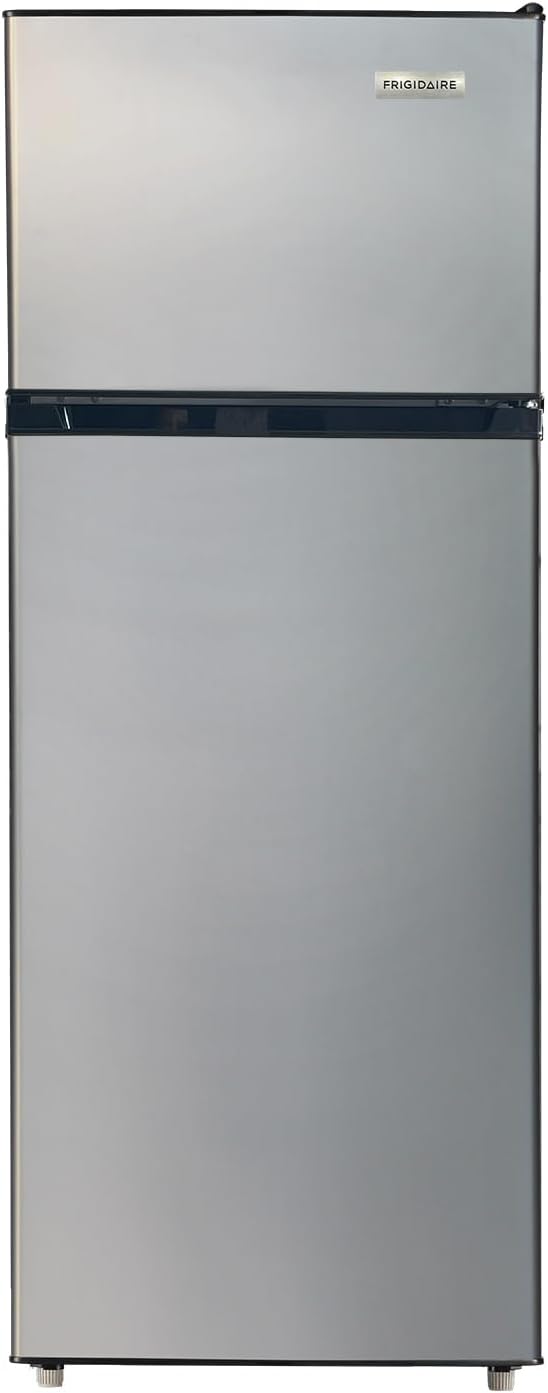
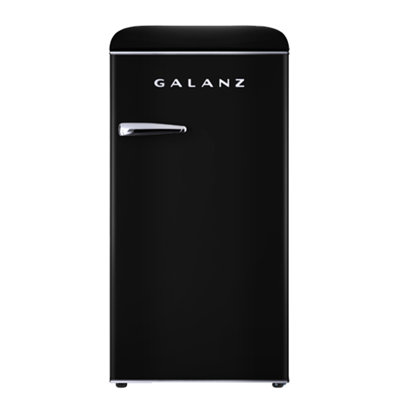
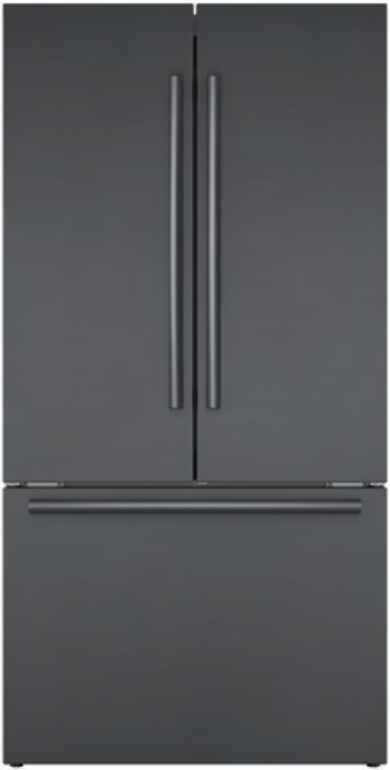
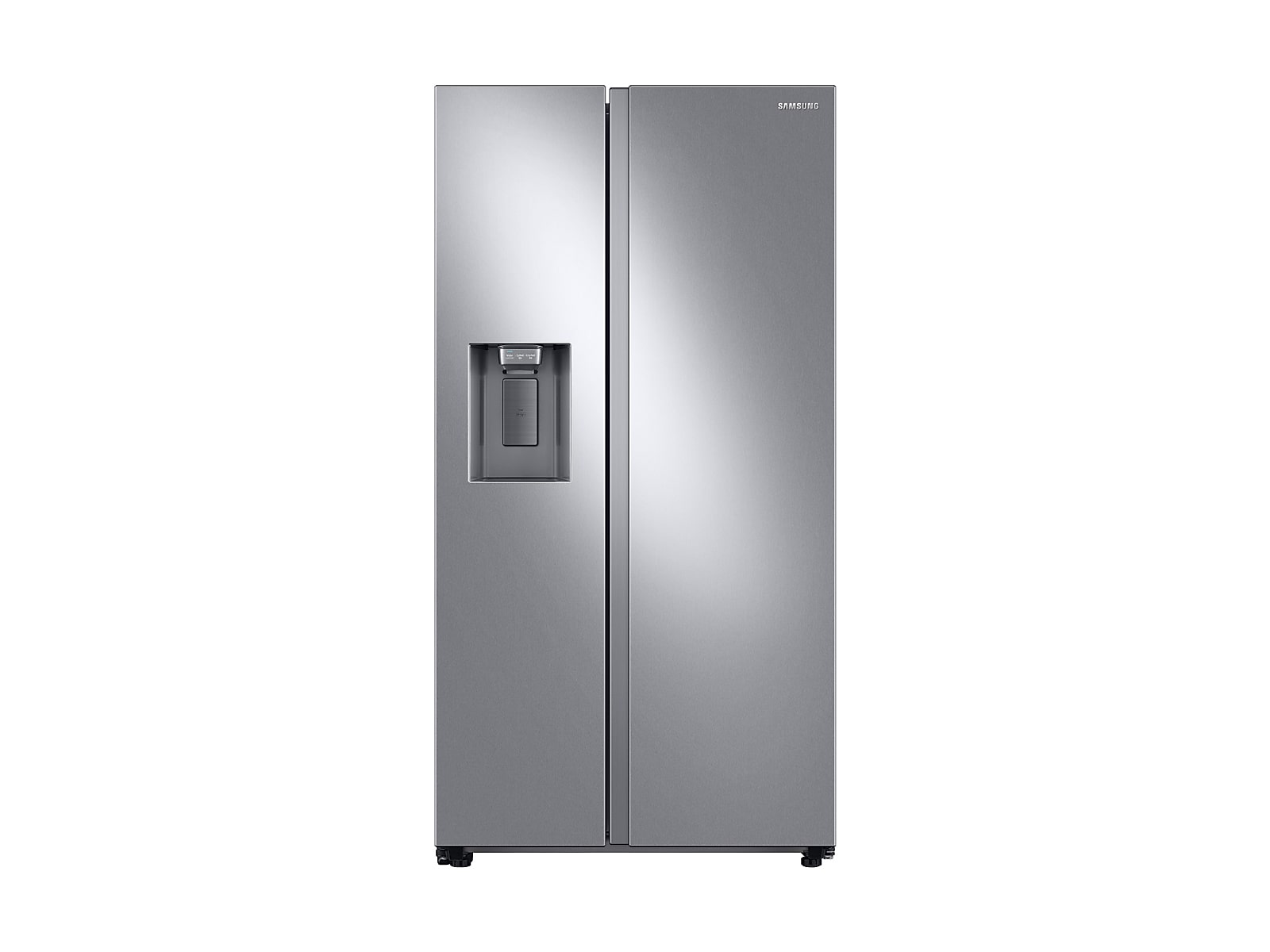
Getting your fridge in order doesn’t just make it easier for you to grab that midnight snack, it also prevents the dreaded mold festival on last week’s leftovers. Here’s how you can keep things fresh and tidy.
Importance of Proper Food Placement in the Fridge
Knowing where each food item goes can extend their shelf lives and keep you from tossing them before you’ve even had a chance to enjoy them. Different parts of your fridge offer different temperatures, affecting the longevity of your items.
Top Shelves: These are a bit cozier, which makes them perfect for drinks and those easy-grab eats.
Middle Shelves: Dairy central—store milk and cheese here to keep them nice and cool.
Bottom Shelves: The arctic of your fridge. Best for raw meat or poultry, safely tucked away in their own bin.
Crisper Drawers: Tailor-made for your fruits and veggies, but keep them separate so they don’t spoil each other.
Door Shelves: The subtropics of your fridge—great for condiments and long-lasting staples.
Factors to Consider When Storing Food in the Fridge
When you’re sorting out your fridge, think about these:
Factor
Description
Temperature Zones
Recognize where in your fridge things are cooler or warmer.
Food Types
Keep similar stuff together to grab and go.
Expiration Dates
Shove soon-to-expire stuff at eye level, so you don’t forget 'em.
Cross-Contamination
Raw meat goes at the bottom so nothing drips down on anything else.
Regular Cleaning
Make time for a regular scrub-down to keep everything safe and neat.
Position your food smartly to boost safety and prevent you from wondering, “Do I have to keep meat on the bottom?” Absolutely! It’s safer and just makes finding delis a whole lot easier. With these ideas in your pocket, check how your fridge stacks up. And if you’re looking for more tricks, take a peek at other Fridge.com reads on why refrigerators are key in everyday life and tasty gluten-free freezer meals for chilly days.
The Controversy: Should Meat Go at the Bottom of the Fridge?
Okay, here’s the thing: where to put the meat in the fridge has folks talking. Many swear by the bottom shelf for all the meaty dealings. Why? Well, mainly to avoid juicy disasters. We’re talking about those pesky drips that could mess with other foods. Stashing meat down low keeps accidental spills from becoming a health risk.
But not everyone’s sold on this. Some say if you package that meat right, you’ve got room to play Tetris with your fridge. So, are there other secrets to arranging fridge contents for max efficiency and safety?
Exploring the Reasons Behind the Placement Conundrum
Let’s break down why meat-down-under is the common refrain:
Drip Defense: We already hit on this. It’s all about keeping those raw meat juices from leaping onto other foods.
Chill Factor: Cold air loves the bottom shelves. Your meat might thank you by staying fresh longer.
Grab and Go: Easy-peasy access when you’re poking around for dinner ideas.
But hang on. Refrigerators aren’t all built the same. Consider how your fridge doles out the cold love. Airflow and how you stash your goods are big players in keeping things safe.
Here’s a handy guide to keep things simple when storing meat:
Consideration
Details
Drip Defense
Avoid raw juices messing with other groceries
Chilliness
Bottom means cooler, which equals longer freshness
Quick Grab
Easier reach when meat is nearby
For more smartly tips on keeping that fridge friendly and food healthy, dip into Fridge.com section on preventing cross-contamination. Also, snag some wisdom on temperature control for ultimate kitchen mastery.
Keepin' your meat safe and tasty in the fridge is where it's at if you wanna avoid any nasty surprises at dinnertime. Reading up on how to store it the right way is gonna save you from messin' with spoilage and keepin' those flavors poppin'.
Safe Meat Storage Guidelines
Stickin' to some simple rules can really make a difference when you want to dodge those food poisoning blues. Here's what you gotta know:
Meat Type
Fridge Temp Needs (°F)
Shelf Life Expectancy
Fresh Beef
32 to 36
3 to 5 days
Ground Meat
32 to 36
1 to 2 days
Poultry
32 to 36
1 to 2 days
Fresh Fish
32 to 36
1 to 2 days
Cooked Meat
34 to 40
3 to 4 days
Keep that fridge hummin' at 40°F or lower. Grab a thermometer to stop guessin' and be sure you're in the safe zone.
Recommendations for Proper Meat Placement
Where you put your meat inside that chilly box can make a world of difference, trust me. It's about keepin' things clean and cool:
Bottom Shelf Power Move: Always park your raw stuff like a pro on the bottom shelf. Those sneaky meat juices won't ruin the rest of your fridge grub.
Contain the Chaos: Slap that meat in airtight containers or set 'em on low dishes to trap escapin' liquids. Keeps everything else squeaky clean.
Safe Zones First: Home for the raw stuff is waaaay below. Pile those veggies and whatnot on the higher levels to avoid any unwanted meet-ups.
Date Drama: Do a little fridge detective work—keep your eye on those expiration dates. Use the stuff that's ready to go first, or it might become a science project.
Stick to this game plan and you won't have to second-guess whether your meat's got front-row seats at the fridge. Play it safe and organized, and your future meals will taste smashing and waste less space.
Your fridge might look neat and tidy, but that’s just one piece of the puzzle when keeping food safe for you and your loved ones. To keep those tummy troubles at bay, you need to follow good habits that stop those nasty little microbes from playing hopscotch across your foods and maintain the right chill inside your fridge.
Beat the Cross-Contamination Woes
Cross-contamination is kinda like the kitchen boogeyman. You don’t see it, but it's just waiting to pounce, and it’s mainly in your fridge where the magic, or rather the mischief, happens. Here’s how you can keep your friendly neighborhood microbes in line:
Give Raw Meat Its Own Zone: Stick raw meat on the bottom shelf of your fridge. That way, if it decides to leak or make a mess, it won’t rain on the parade of your veggies and fruit.
Container Up: Toss any raw meats into leak-proof containers or wrap them tighter than a present on Christmas Eve. Bye-bye uninvited drip party!
Play by Color Rules with Cutting Boards: Have one board for raw delish-ness like meat, and another for your fruits and veggies. No more accidental mix-ups during your cooking escapades.
Be the Spill Vigilante: Spill something? Clean it up pronto using hot, soapy water. Keep your fridge interior sparkling clean to send those germs packing.
Handy Tips
What's the Deal?
Meat low and away
Stops drips from ruining other goodies
Contain the leaks
Keep nasty surprises from spreading
Colorful chopping game
Avoids mixing meat with other foods
Quick spill clean-up
Keeps those germs from throwing parties
Got questions about keeping produce fresh as a daisy? Check out Fridge.com article on keeping produce fridge-fresh!.
Temperature: Get It Just Right
Nailing the right chill in your fridge is crucial to prevent critters from setting up camp. Here’s how to keep it just right:
Fridge Temp Check: Keep it at or below 40°F (4°C). A fridge thermometer is your best pal here to keep a close watch.
Give Your Food Space to Breathe: Don’t cram all your groceries into your fridge. Let air have its party so everything gets evenly chilled.
Peek at the Freezer, Too: Aim for 0°F (-18°C) or colder to keep things frozen solid, long-term safe.
Freshness Patrol: Pay attention to those expiration dates like they’re a season finale and toss anything sketchy before it becomes a problem.
Your Temp Checklist
Fridge
Freezer
Safe and chilly homes
≤ 40°F (4°C)
≤ 0°F (-18°C)
Sticking to these cool (pun intended) tips will help keep your fridge free of trouble, plus help you decide if putting meat at the bottom of the fridge is the way to go. It ain’t just about safety – it’s about keeping all the yumminess as fresh as the day you stocked them up!
Optimizing Your Fridge Storage
Fed up with digging around every time you're hungry? Time to whip that fridge into shape! Let's get down to making your fridge not just a food stash, but a model of tidiness and efficiency. Ready? Here are some handy tips to make the most of that precious fridge space while keeping your goodies fresher for longer.
Maximizing Fridge Space like a Pro
It's like a fridge Tetris game. You gotta be smart with the space. Here’s how you can squeeze out every inch:
Tactic
What to Do
Use the Vertical
Stack up food mountains. Stackable containers or bins let you build upwards, making the most of your fridge’s height. Perfect way to keep things neat and easy to reach.
Smart Door Usage
Stick those sauces and drinks on the door. Keep in mind, this area gets a bit of a temperature rollercoaster compared to the fridge’s heart.
Go Clear or Go Home
See-through containers are your new best friends. Spot your favorites without opening and losing all that chilly goodness.
Twirly Whirly Time
Pop in lazy susans for your herbs and spices. Whip them around to grab what you need without knocking over a jar party.
By using these tactics, you'll have a fridge that's not just spacious but also a breeze to navigate.
Zoning: The Treasure Map to Food Happiness
Think of your fridge like a treasure hunt: create zones that guide you straight to your fave foods. Structuring your fridge this way makes life a whole lot easier.
Zone
What Lives There
Meat Lair
Raw meats, poultry, fish—they like the cooler bottom spot, keeping things nice and safe. Keep villains like cross-contamination away! If you're curious about the debate, find out should meat go at the bottom of the fridge?.
Dairy Land
Cheese, milk, and yogurt love the chiller middle parts. They party hard there!
Fruit & Veggie Dwellings
Fruits get one drawer, veggies another. Keeps them crisp and fresh—check when your produce hits its peak with how long does produce stay fridge fresh?.
Saucy Stop
Condiments and sauces make their home in the door. Easy to grab but watch that fluctuating chill.
With these zones, locating food becomes way easier and you keep the meal prep as smooth as a buttered biscuit.
Take these steps and transform your fridge from a chaotic cavern into a model of foodie organization. Your food stays fresh when you've got it all organized like a pro. Voilà! Your fridge isn’t just packed—it’s packed smart.
Sorting out your fridge setup can really make meal prep and keeping food safe a breeze. We all live and eat differently, right? So, it makes sense to organize your fridge around your habits. Think about what you eat most often and arrange things so those items are easy to grab. Keep the stuff you use every day right where you can see it and get to it without hassle.
Check out these neat ways to keep things tidy:
How to Organize
What's the Big Idea?
Labeling
Slap some labels on containers to know instantly what's inside.
Baskets/Containers
Use bins to keep things in categories, so finding stuff is a breeze.
Zones
Divvy up sections for dairy, meat, fruits, and veggies.
Customizing Your Fridge Setup for Your Eating Habits
Knowing what you eat regularly helps in setting up your fridge just right. If you're big on prepping meals ahead, mark out a special zone for those dishes and any extras. Got kids? Make sure their snacks are in reach.
If you’re all about fresh meat or produce, put them where you can pick them up first, especially if you're pondering things like if meat belongs at the bottom of the fridge. Here's a handy guide for where to stash different foods:
Food Type
Best Spot in the Fridge
Raw Meat
Bottom shelf to dodge cross-contamination
Dairy Stuff
Middle shelf for a steady chill
Fruits and Veggies
Crisper drawer to keep them fresh
Leftovers
On top so they're easy to find
Fixing up your fridge to match your use can really boost your cooking game while keeping things safe to eat. Tweak things based on how often you cook, the meals you make, and who you're feeding. Whether you're solo, with family, or sharing the space with others, these custom setups help you make the most of your fridge real estate.
Free tool
Power Outage Food Safety Guide
Free interactive tool from Fridge.com — get a quick answer while you read.