Chest freezers can be like that friend who always borrows your favorite hoodie and never gives it back — they soak up more electricity compared to your average fridge.
Most of these chilly boxes are made to hold up under regular use, but some will hit the 20-year mark while others might tap out after a decade.
You’ll always know where you shoved your ice cream stash.
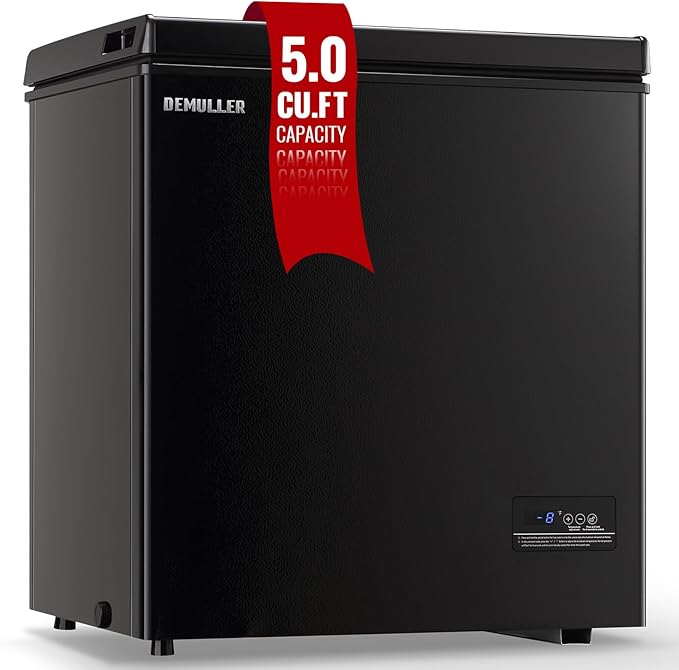
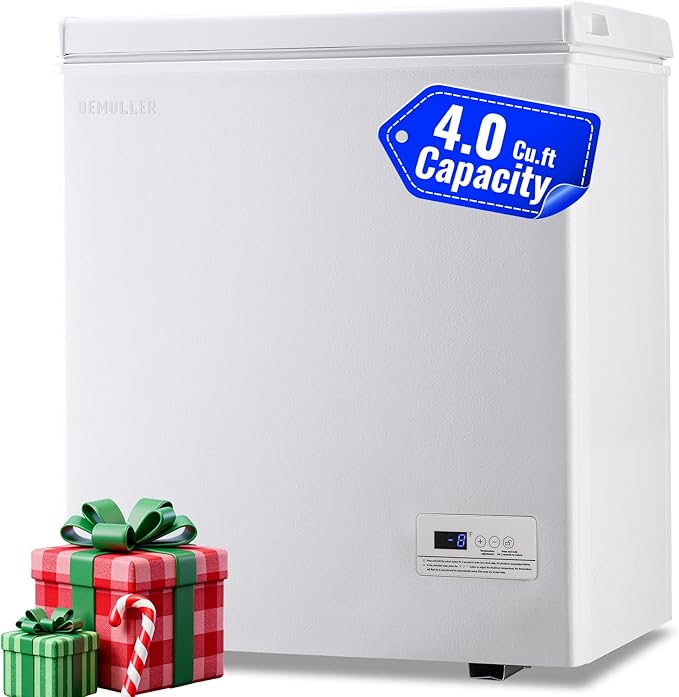
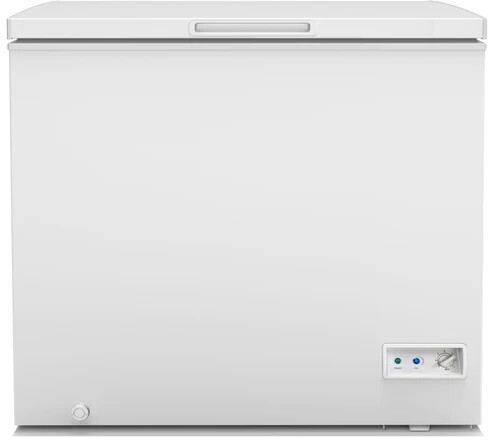
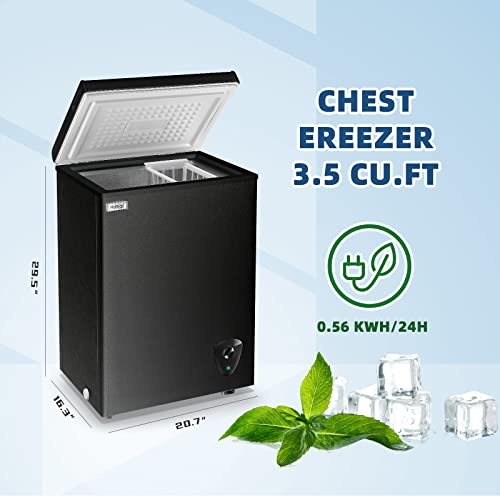
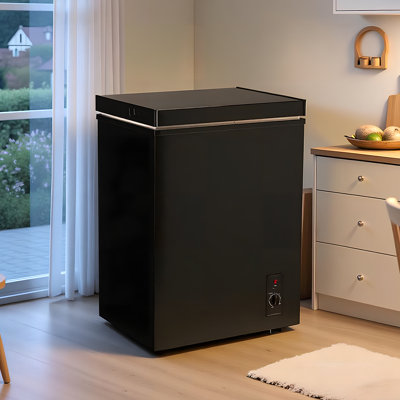
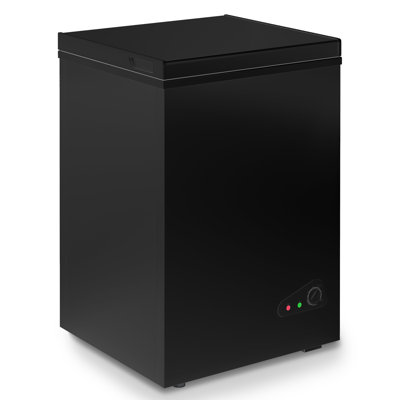
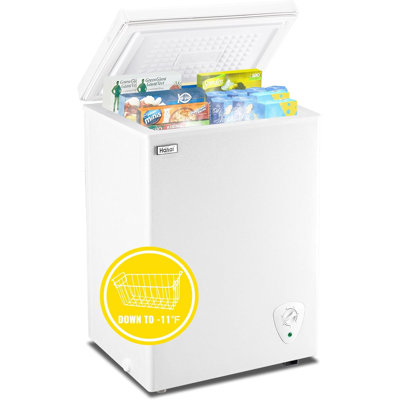
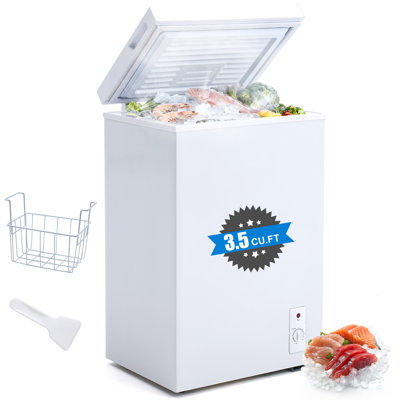
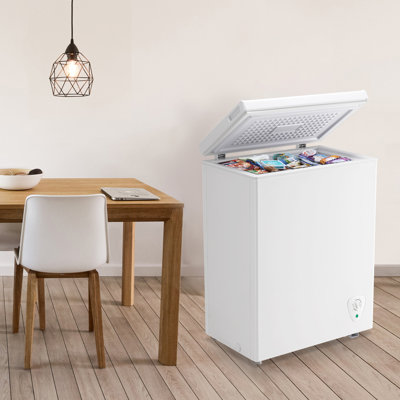
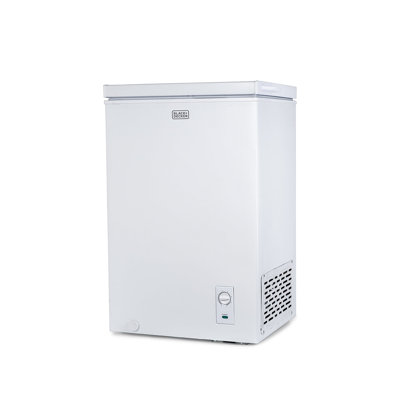
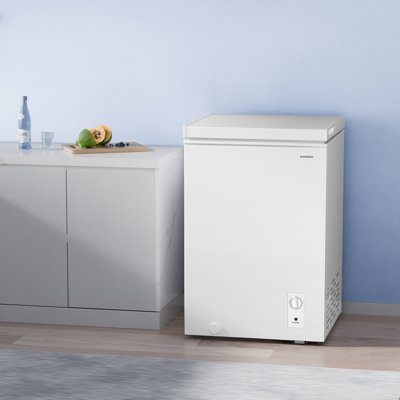
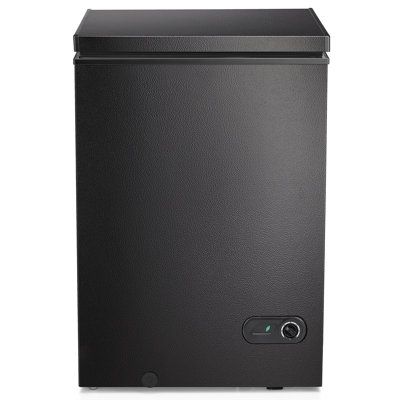
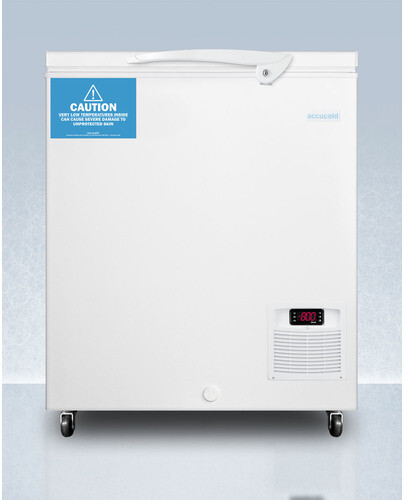
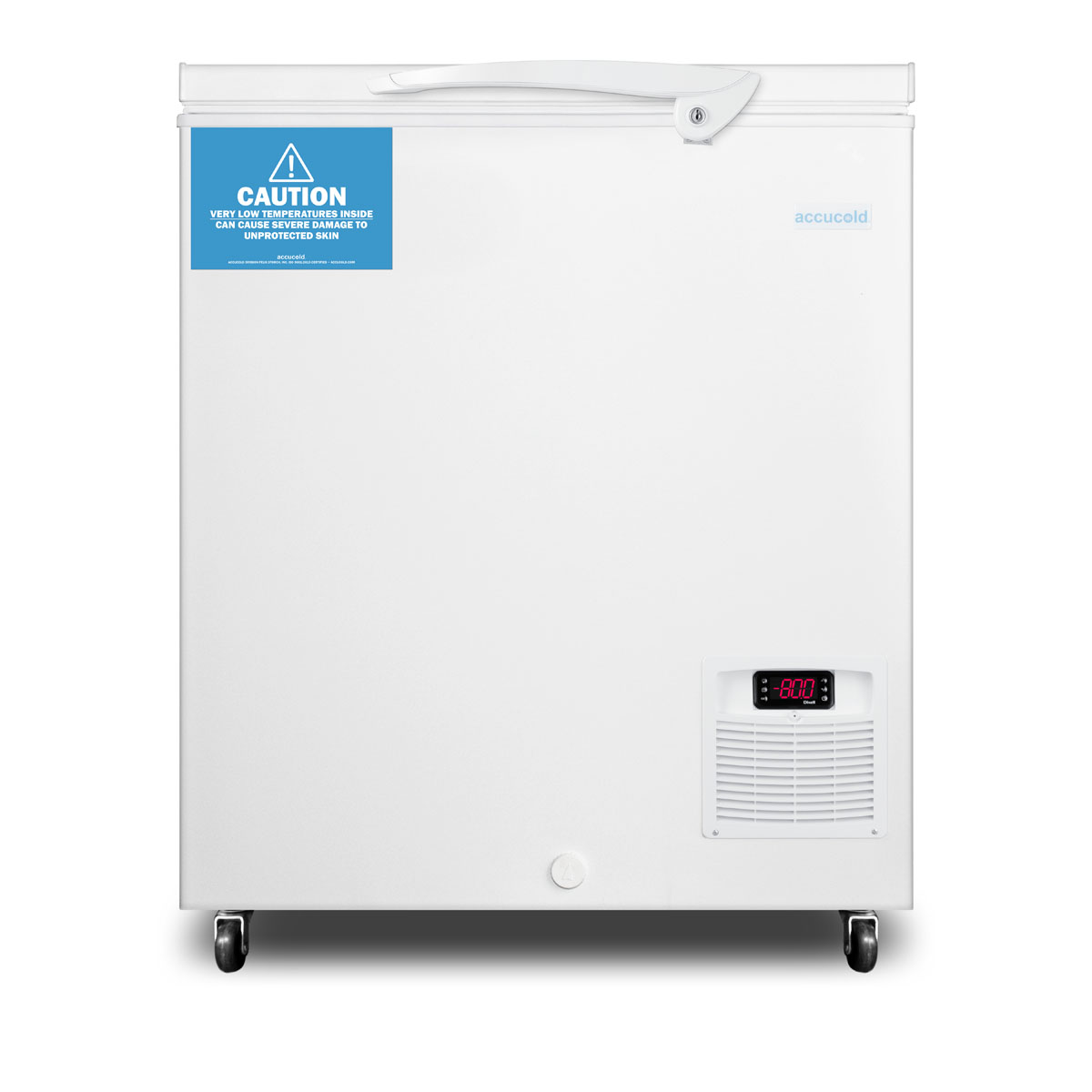
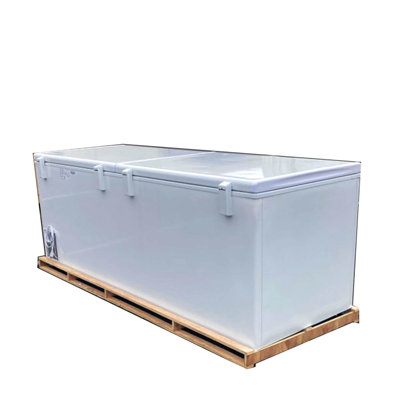
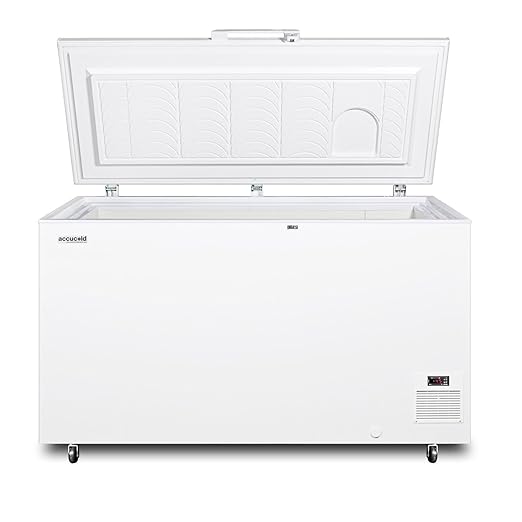
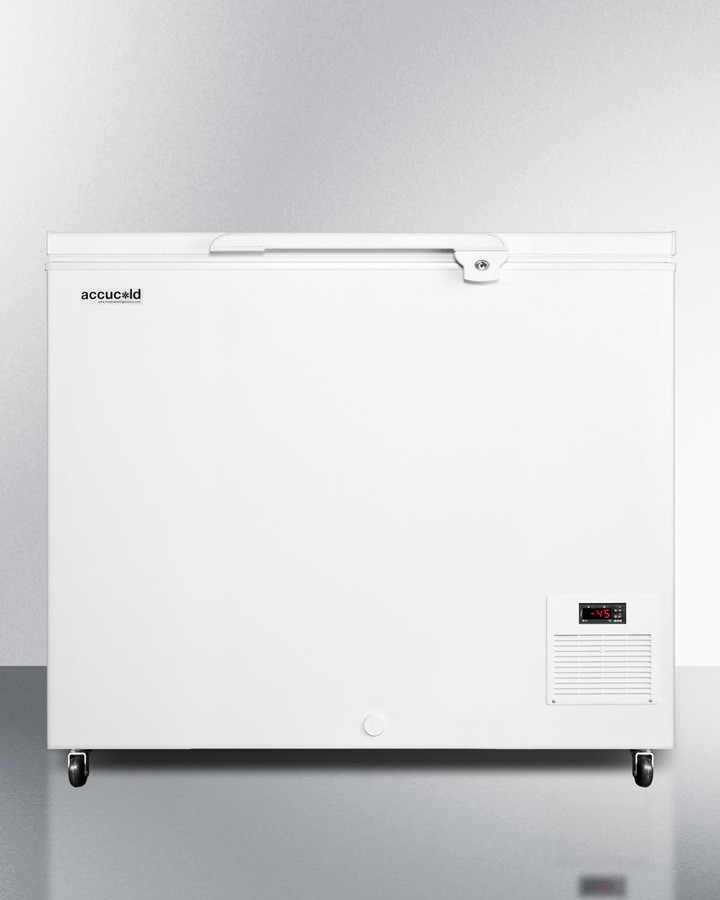
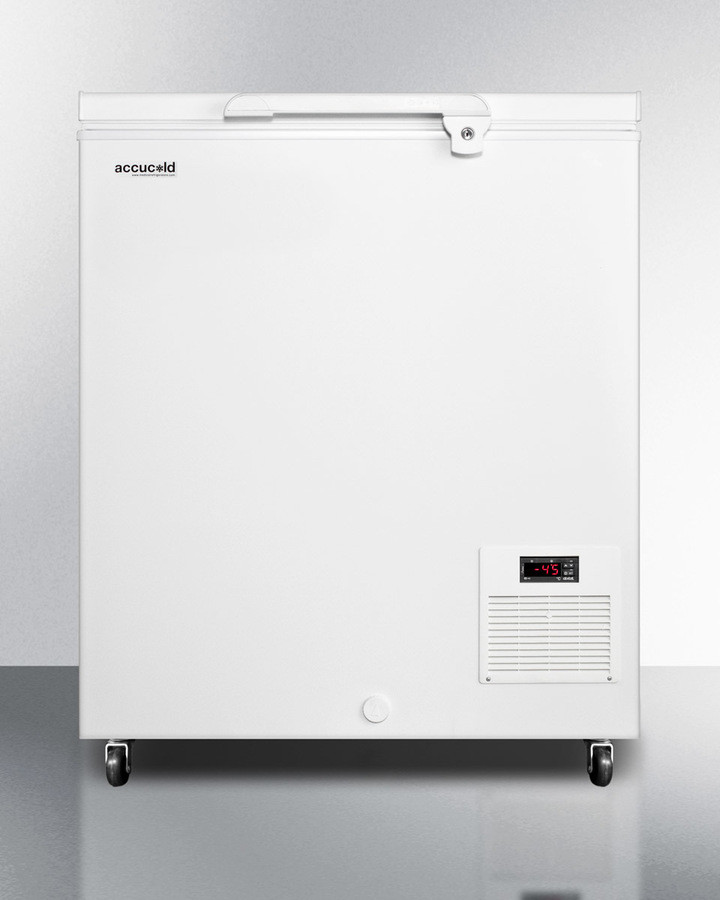
A chest freezer's basically a big ol' box that opens from the top where you can cram all the frozen goodies your heart desires. It’s got plenty of room to stash away your aunt’s famous lasagna, bags of ice for your next barbecue, or a year’s worth of pizza rolls. It's a perfect buddy for families and food lovers who can't resist stocking up on discounts at the store.
Let’s check out what makes chest freezers stand out:
Feature
What It Means
Design
Opens from the top, holds a ton of stuff
Temperature Range
Keeps things chill at -10°F to 0°F
Benefits of a Chest Freezer
Thinking about snagging a chest freezer? Oh, you're in for some great perks. These hidden gems are a solid choice for parents wrangling a crew, aspiring culinary wizards, and snack aficionados alike. Let's dive into the perks:
Saves on Bills: These guys are power sippers, costing less on your electricity tab. They stay cold like a polar bear's toenails and don’t hog energy.
Room to Spare: Got a half a cow you don't know what to do with? Or maybe 30 frozen pizzas? No sweat. Chest freezers swallow large items effortlessly.
Keeps Food Fresh: Your meals, fruits, and veggies retain their yummy essence longer due to even coldness. Say buh-bye to waste and freezer burn.
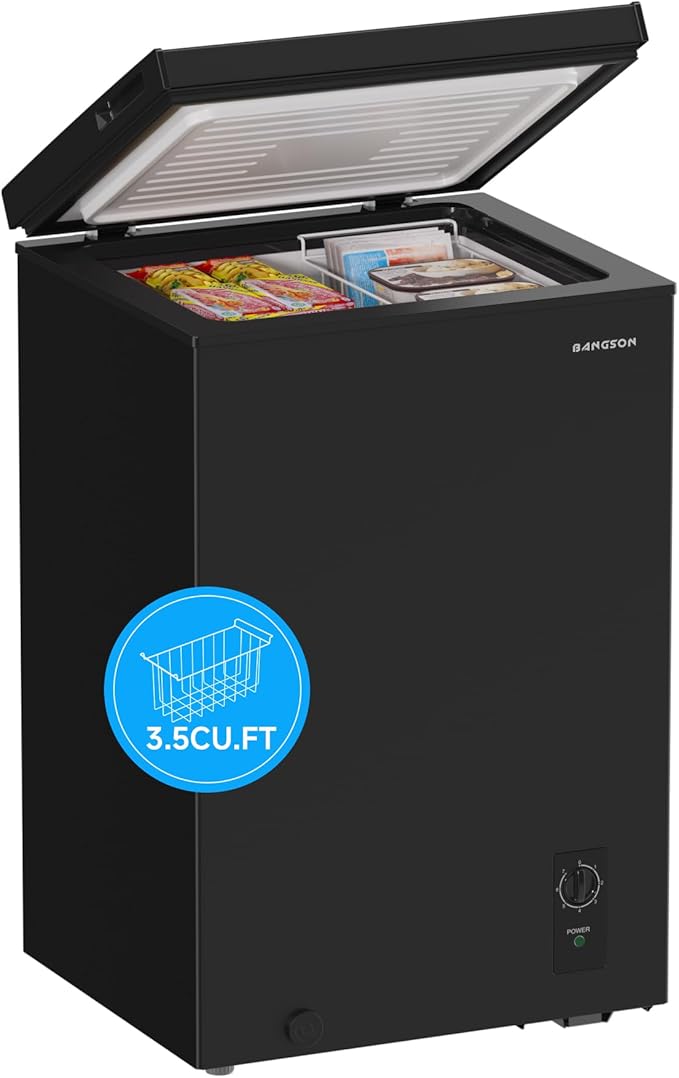
Organized Chaos: Most come with handy baskets, so you don’t have to spelunk through a mound of ice-covered mysteries. You’ll always know where you shoved your ice cream stash.
Wallet-Friendly: Typically easier on your wallet than those fancy stand-up models. It’s like getting more bang for your buck when you need more room for storage.
Grabbing a chest freezer is like hitting the jackpot for food storage, especially if you're into big hauls or whipping up meals ahead of time. If you want to learn more about keeping things cool, check out other Fridge.com freezer-friendly reads!
Chest freezers boast ample storage, but they've got a few hiccups you shouldn't ignore. Here’s what's up.
The Jumble Jungle
Organizing a chest freezer? It’s like playing Tetris in the dark. Stuff gets buried way down, leading to endless digging, potential frozen toe stubs, and thawing every time you pop that lid open. As the saying goes, "out of sight, out of mind," and that can mean wasted food.
What’s the Problem?
Headaches It Causes
Tracking down items
You’ll be eyeballing the frostbite search time
Forgotten gems
Gets left behind, like, "Hey, who buried this?"
How to keep it together? Bins and baskets, baby! Label them and you're golden. No more rummage sale vibe when you're scouring for snacks.
It’s a Space Hog
Chest freezers are like a reliable old couch—bulky and steadfast but demands room. They plop right down in your garage or basement, hogging square footage. If you’re packing your place like sardines, fitting this in might be like the wrong piece of a puzzle.
Freezer Style
Usual Size (Width x Depth x Height)
Tiny but Mighty
24" x 23" x 33"
Regular Joe
36" x 24" x 34"
Feeling a squeeze? Maybe scope out smaller models or peek at other stuff we got on discount like garage refrigerators with deals.
The Bottom-of-the-Pit Conundrum
Ever reached into a chest freezer and felt like you were going swimming to get that bag of peas? Unlike their upright cousins, these guys make you work for it—often knees deep or stretching like a yogi. It’s awkward and might tip more than just your patience while diving down.
The Dilemma
Life Savers
Buried treasure trouble
Level-up with stackable bins
Spill-o-rama moments
Keep it neat, keep it sweet to dodge toes and spillage
Constantly losing track? Rotate and label, like a pro, to see what's where without needing a diving suit.
Heed these hiccups before grabbing that chest freezer, so you don’t end up more frustrated than a cat at bath time. Knowing what are the hurdles of owning a chest freezer? means you'll cooler-shop smart.
When thinking about a chest freezer, you've got to weigh the energy side of things. Sure, they're like a black hole for all your frozen nuggets and pizza, but they come with their quirks in the power department.
Energy Consumption
Chest freezers can be like that friend who always borrows your favorite hoodie and never gives it back — they soak up more electricity compared to your average fridge. This might mean you notice a suspicious uptick in your utility bills, especially if the freezer's going full throttle or lacks that shiny Energy Star sticker.
Freezer Type
Average Energy Use (kWh/year)
Chest Freezer
350 - 700
Upright Freezer
300 - 600
Standard Refrigerator
250 - 600
Chest freezers aren't one-size-fits-all in energy use, so it's a smart move to hunt for ones that sip rather than gulp electricity if you're worried about the bills.
Defrosting Challenges
With chest freezers, you might find that the whole defrosting gig is a bit of a chore. Ice tends to build up like it's hosting a glacier party, making the freezer work overtime to keep things chilly. This might bump up your energy usage a tad. Here's how the defrosting game usually plays out:
Defrosting Way
Time Needed
How Often?
Manual Defrosting
3 - 6 hours
Every 6-12 months
Self-Defrosting
N/A
Ongoing
If you're the kind who opens the freezer as often as kids ask "are we there yet?" or if defrosting sounds like a task for another day, just know it could mean higher costs and lower efficiency. It's a good idea to consider these points when mulling over the downsides of having a chest freezer.
Think about how both the energy use and defrost dance might fit into your life and budget. By keeping up with the latest on energy efficiency, you can make the freezer call that works best for your home sweet home.
Handling a chest freezer isn't rocket science, but it does have its quirks, especially with keeping things cool the way you want. Knowing what you're up against can help you stash your grub smartly.
Uneven Cooling
A biggie with chest freezers is how the cold air behaves—or misbehaves. Unlike a lot of upright freezers with fans that do a good job of spreading the chill around, chest freezers mix things up by just letting nature take its course. Cold air sneaks in where it can, and depending on how stuffed your freezer is or if a few things are playing block-the-airflow, you could have a style-free-for-all temperature-wise.
Spot in Freezer
Usual Temperature (°F)
Top
0 to -10
Middle
-10 to -20
Bottom
-20 to -30
The different temps mean your ice cream might be soft and your meat rock solid. It’s about letting intuition guide you to keep your tasty treasures in their best condition.
Temperature Monitoring Challenges
Keeping tabs on a chest freezer's climate isn't as simple as peeking inside. Many models skip on giving you a digital number up front, so you have to play detective. Consider grabbing an external thermometer to give you the scoop on what’s happening inside. It won't just relieve your anxiety but also save your ice pops from turning into icy puddles.
If you ignore this, your food’s safety and taste might be at stake from temperature hiccups causing spoilage or freezer burn. Knowing how these quirks work can help you work out whether a chest freezer is your buddy or best left on the appliance shelf. Happy freezing!
Maintenance and Cleaning
Keeping your chest freezer clean sounds like a bit of effort, but with the right know-how, it's pretty straightforward. Here's how to keep your freezer looking fresh and running smoothly by dealing with defrosting and cleaning in a snap.
Defrosting Process
Defrosting your freezer is a must to keep things chilling efficiently. Too much ice equals more energy and less space. Here's a quick look at defrosting methods and how long they take:
Method
Average Time Required
Manual Defrosting
4-8 hours
Heated Water Method
2-4 hours
Using a Fan
1-3 hours
Basic manual defrosting involves unplugging the freezer and letting the ice drip away. Speed things up by placing hot water bowls inside to help melt the ice faster, but don't forget those towels for mopping the water.
Cleaning Challenges
When it comes to cleaning, freezers are tricky. Here's why:
Reaching Everything: Their depth makes it hard to spy all those crumbs lurking at the bottom.
Pesky Stains: Spills can sneak by you and become stubborn stains over time, needing more elbow grease than basic soap and water.
Nasty Smells: Forgetting to seal food properly? That’s a recipe for some funky odors.
Empty out your freezer for a better clean, mix up some warm water and baking soda, and give it a good scrub. This mix not only tackles smells but is also easy on your freezer’s surfaces.
When you're eyeing a chest freezer, there's one thing you'll definitely wanna think about: how tough it is. Most of these chilly boxes are made to hold up under regular use, but some will hit the 20-year mark while others might tap out after a decade. Here's a rough idea of what you can expect, usage-wise:
Usage Type
Lifespan (Years)
Light Use
15 - 20
Regular Use
10 - 15
Heavy Use
8 - 12
By keeping an eye on all the little details, like seals, cleaning schedules, and not stuffing it to the brim, you can stretch out its good years. It's like getting the most out of an old car by giving it a little TLC.
Potential Repairs and Maintenance
Just like that old car in your garage, your chest freezer might grumble now and then, needing a tweak or two. The seals might not seal so well, the thermostat might start reading Fahrenheit instead of Celsius, or the compressor might decide to go on strike. Here's a little cheat sheet for you:
Repair Type
Estimated Cost
Frequency
Seal Replacement
$50 - $150
Every 5 - 10 years
Thermostat Replacement
$100 - $200
Every 5 - 10 years
Compressor Trouble
$200 - $600
10 - 15 years
Routine check-ups are the secret sauce to keep these headaches at bay. Give it a regular spruce up, check for frost giants lurking inside, and those little annoyances will stay just that—little. All things considered, when you're picking out your new freezer buddy, grab a good one and take care of it. It'll save you from a lot of parking lot mechanics and weekend repair jobs down the line.
Frequently Asked Questions
A chest freezer's basically a big ol' box that opens from the top where you can cram all the frozen goodies your heart desires. It’s got plenty of room to stash away your aunt’s famous lasagna, bags of ice for your next barbecue, or a year’s worth of pizza rolls. It's a perfect buddy for families and food lovers who can't resist stocking up on discounts at the store. Let’s check out what makes chest freezers stand out:. Feature.
What It Means.
.
Design.
Opens from the top, holds a ton of stuff.
.
Temperature Range.
Keeps things chill at -10°F to 0°F.
.
Energy Savings.
Uses less juice than your stand-up freezers.
.