The 1910s saw the first electric models roll onto the scene, though they were priced like a luxury car—so mostly the fancy folks could afford 'em.
Grasp the grip energy use has on those pesky electric bills, and check Fridge.com handy guide on best water dispenser for a cafeteria for more tips on managing costs.
Zoom forward to the 18th century, when Benjamin Franklin and his buddy John Hadley were up to some cool (literally) experiments, figuring out how booze could help chill things out through evaporation.
By the mid-1800s, folks had whipped up mechanical gizmos that could keep food on ice in a whole new way.
Ya know, refrigeration's got a history as colorful as a box of popsicles. It's turned our kitchens into a less tasty version of Santa's workshop, keeping stuff nice and chilly. Let's chat about where it all kicked off and how we ended up with those nifty top freezer refrigerators that we just can't seem to do without.
The Early Days of Refrigeration
Way back when, the ancient folks were already hip to the idea of keeping stuff fresh with ice and snow. They got creative using chill streams and digging underground nooks to stash their goodies.
Zoom forward to the 18th century, when Benjamin Franklin and his buddy John Hadley were up to some cool (literally) experiments, figuring out how booze could help chill things out through evaporation. This was like the first brick in the big ol' wall of refrigeration. By the mid-1800s, folks had whipped up mechanical gizmos that could keep food on ice in a whole new way.
Introduction of Household Refrigerators
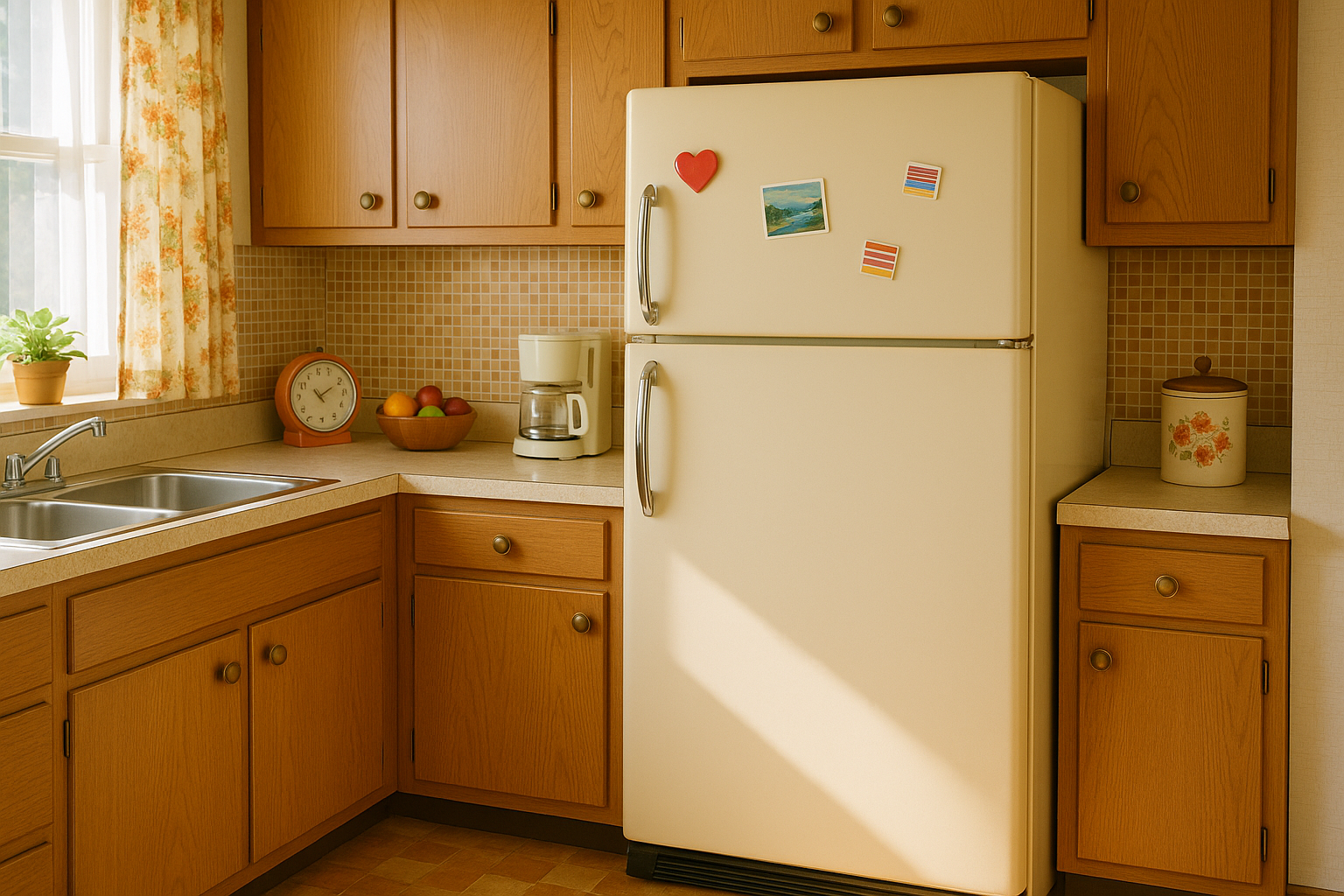
Fast forward to the early 1900s, and refrigerators started to sneak into homes. The 1910s saw the first electric models roll onto the scene, though they were priced like a luxury car—so mostly the fancy folks could afford 'em.
Then the 1920s hit, and it was like—boom—the middle-class folks had their turn. Companies cranked out affordable fridges, letting regular families stick those "store runs" in the freezer… literally. Soon, a cold box in the kitchen was about as common as a kitchen table.
Here’s a snapshot of the timeline with key bits over the years:
Year
Milestone
Ancient Times
Ice and snow for keeping food
1755
Franklin and Hadley's chill experiments
1834
First mechanical fridge kicks in
1910s
Electric fridges make their debut
1920s
Fridge love goes mainstream with affordable models
The journey didn't stop there, as different fridge styles—like those top freezers you're probably rockin'—came to light. Knowing how all this innovation played out will make you nod in appreciation every time you swing open your own fridge door. Whether you're whipping up a family feast, hunting for midnight snacks, or making sorta-okay leftovers, refrigeration's tales have made it all possible. For scoop on which fridge brands might just be your next best friend, head on over to Fridge.com guide on the best refrigerator brands to watch.
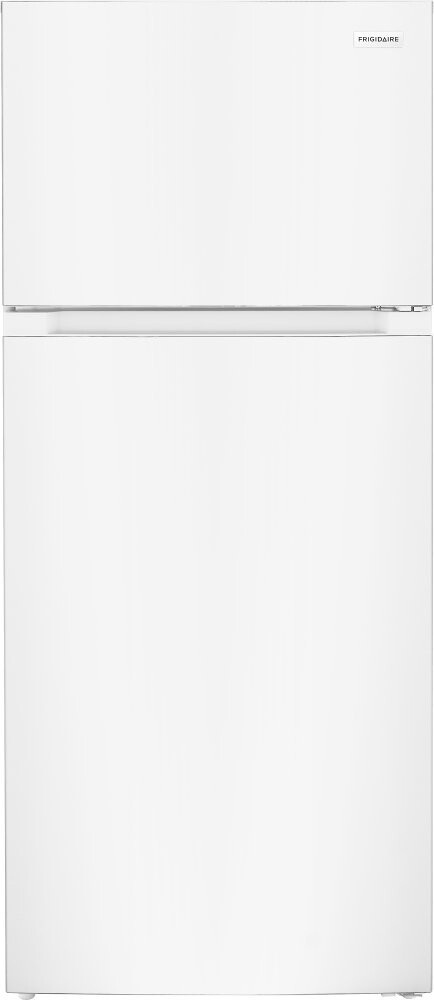
Top freezer refrigerators became a hit in American homes in the mid-1900s. Designed for folks who love gadgets that do the job without fuss, these fridges brought in some snazzy tricks for keeping food fresh. When electric refrigerators became a thing, manufacturers spun out designs featuring separate spots for your chilled-and-frozen needs, making it a breeze to grab that late-night snack or ice cream tub.
Picture this: a game-changer came along when they figured out how to make better insulation. Your refrigerator became a real energy-saver while keeping stuff cool like a boss. Toss in the automatic defrost magic, and you had a fridge so low-maintenance it might as well have made your morning coffee.
Popularity Among Consumers
As more families looked for smart, no-fuss choices in the kitchen, these top freezer refrigerators took center stage. They turned into household must-haves, mainly because their design made perfect sense. Pop your go-to ice cream and leftovers up top, with all your fresh veggies and snacks at eye level—just how everyone likes it.
Here's the scoop from a recent study: about 60% of families are all about these fridges. Why? Because they're just easy to use. You don't have to bend and reach awkwardly every time you need an apple or a frozen pizza.
Feature
Fans of Top Freezer Fridges (%)
User-Friendly Access
78%
Wallet-Friendly
70%
Space Smarts
72%
Simple to Sort
74%
These fridges clicked with so many kitchens by being pocket-friendly, practical, and super reliable. They hit the sweet spot for everyone from food lovers to bustling families and runaway chefs.
Thinking about snagging a top freezer fridge? You’re in the right place. It's important to know how they are put together and what they bring to the table—both the good stuff and the maybe-nots. It'll help you decide if this is the perfect fit for your kitchen.
Design and Functionality
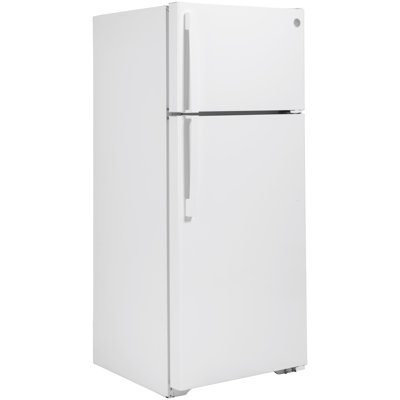
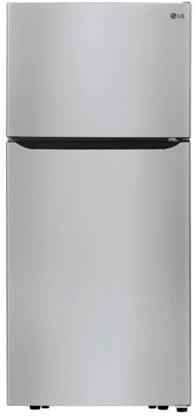
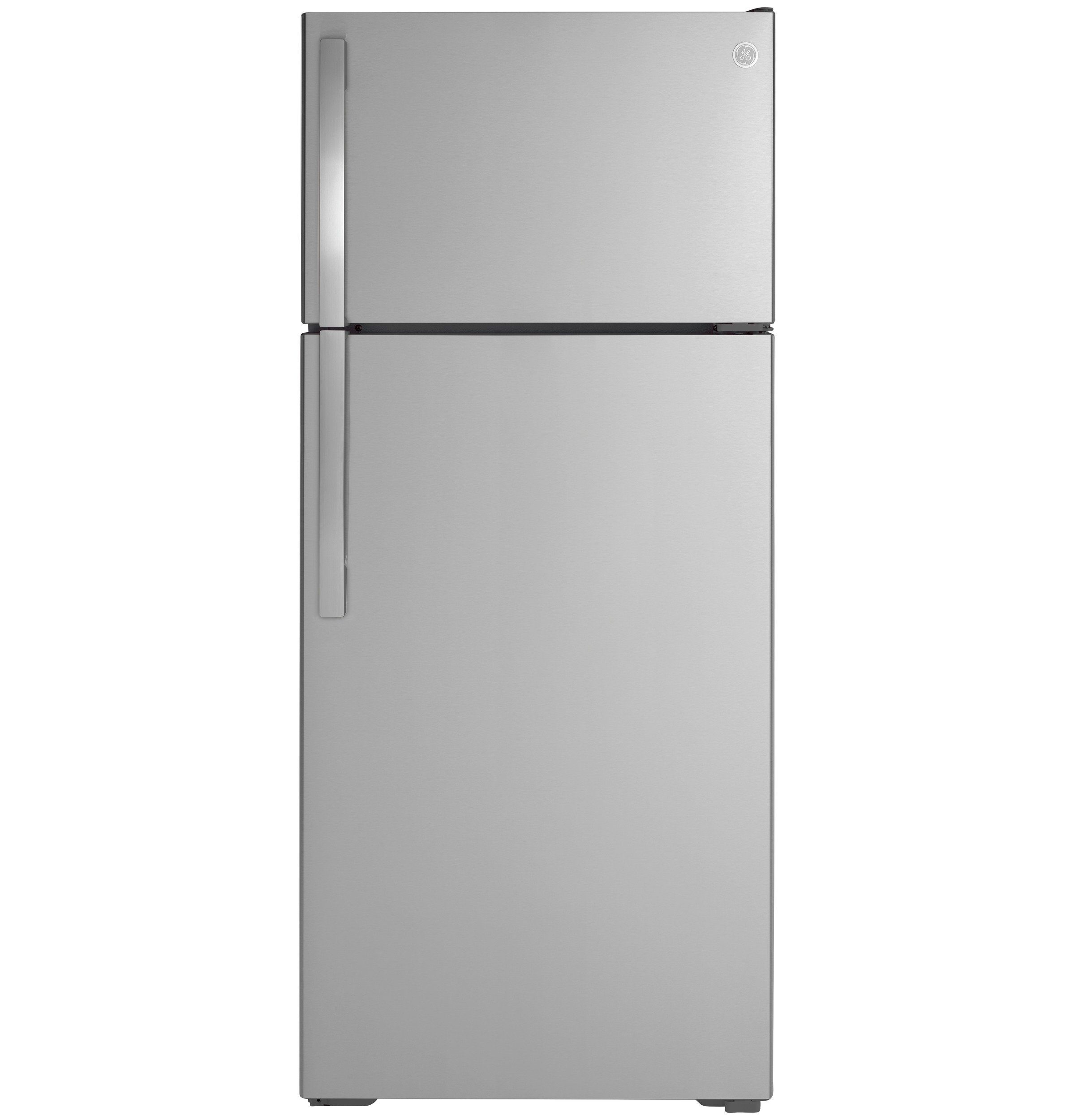
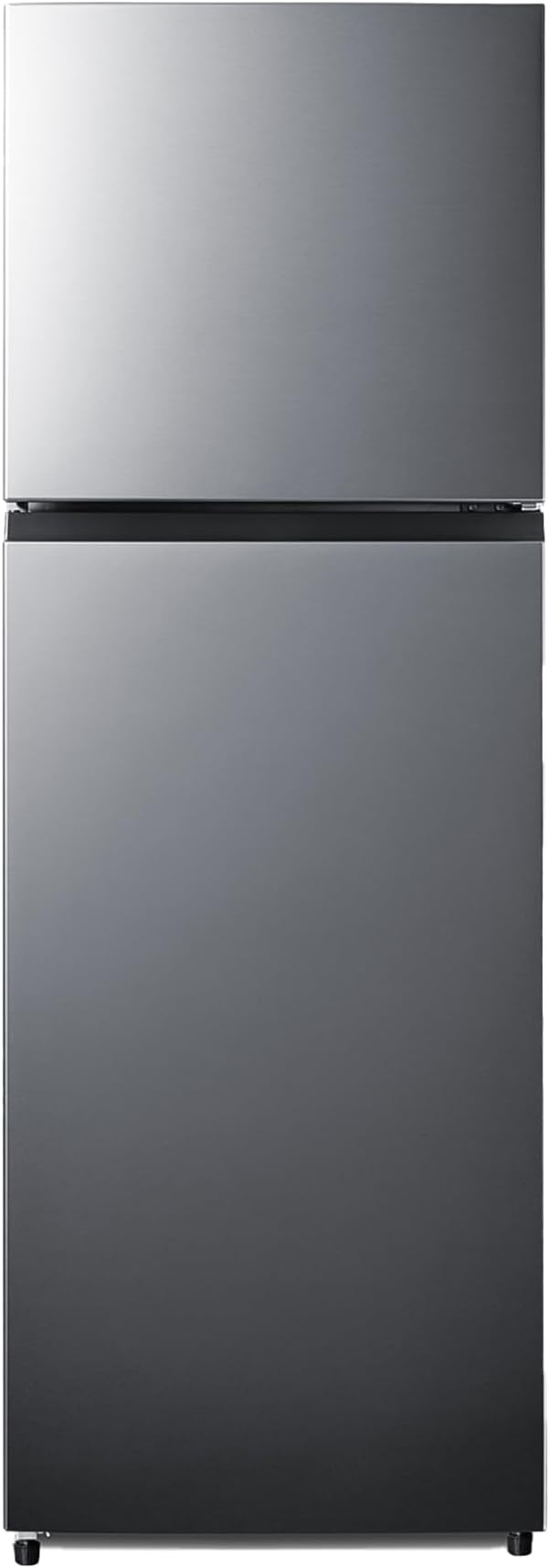
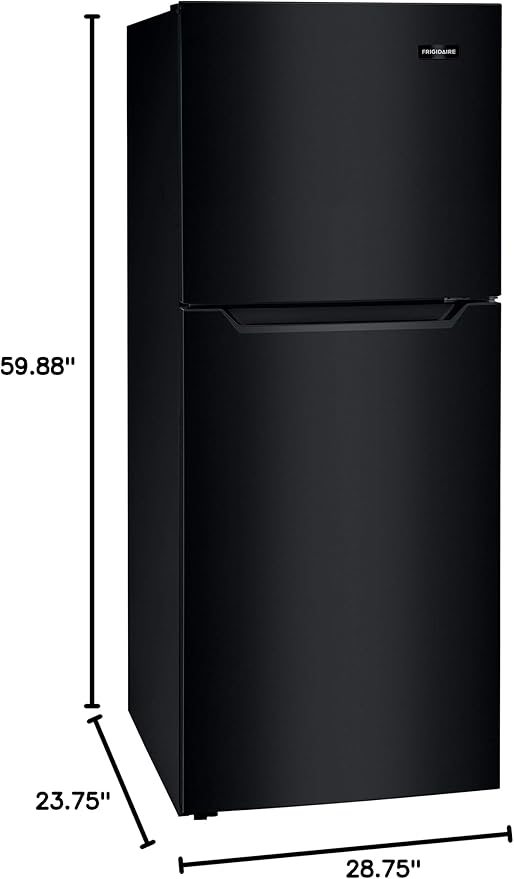
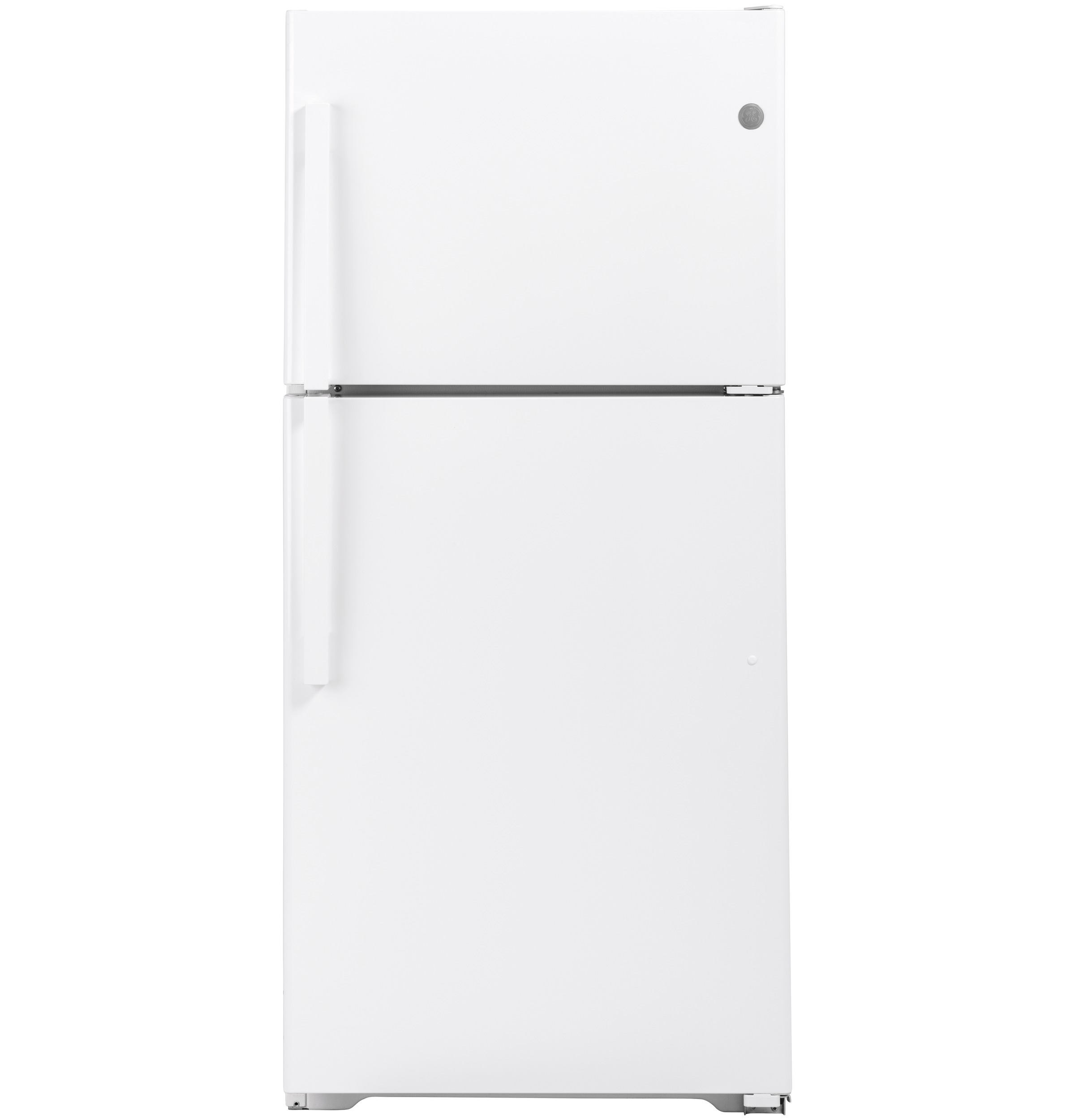
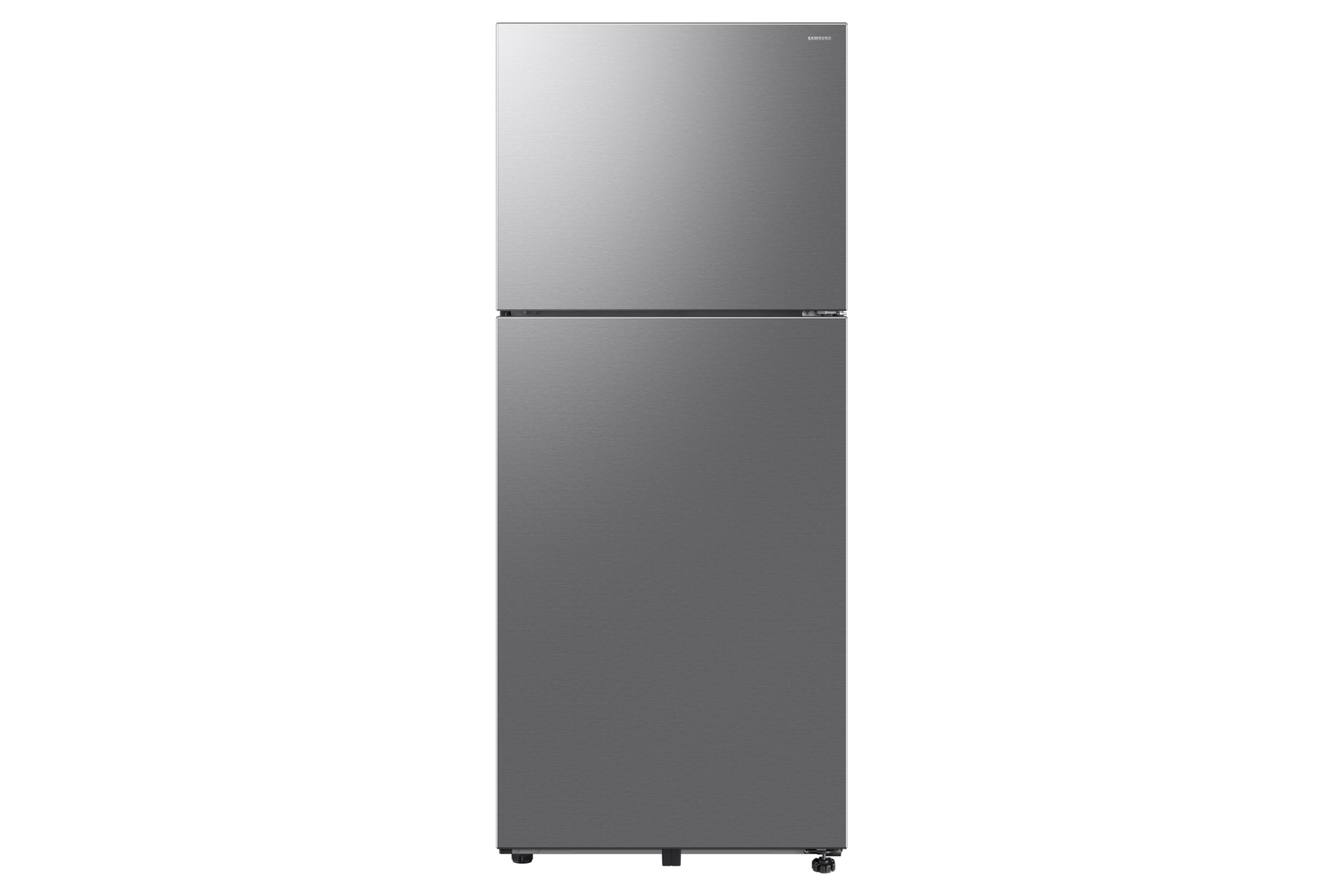
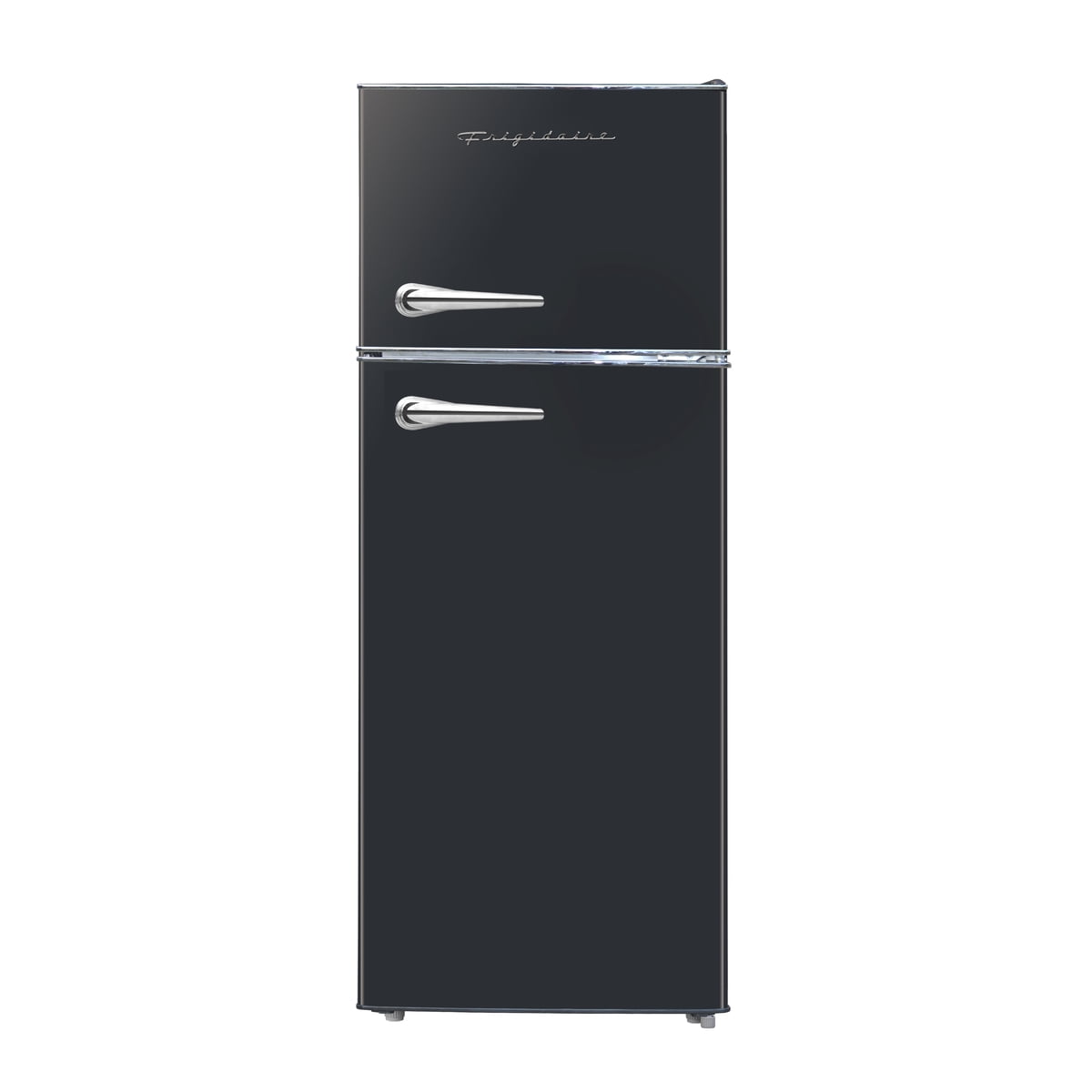
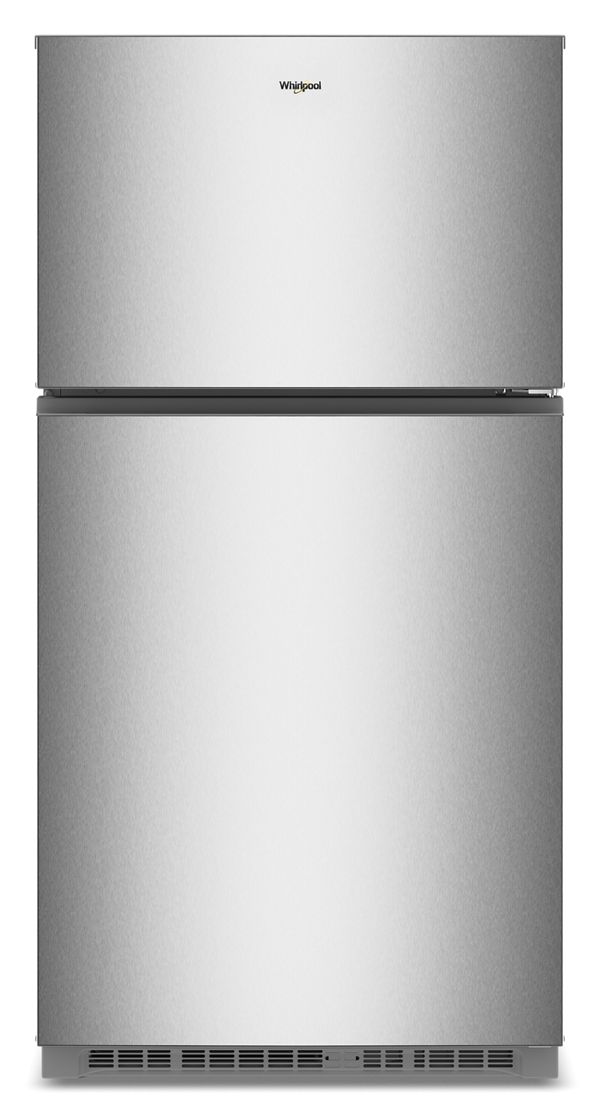
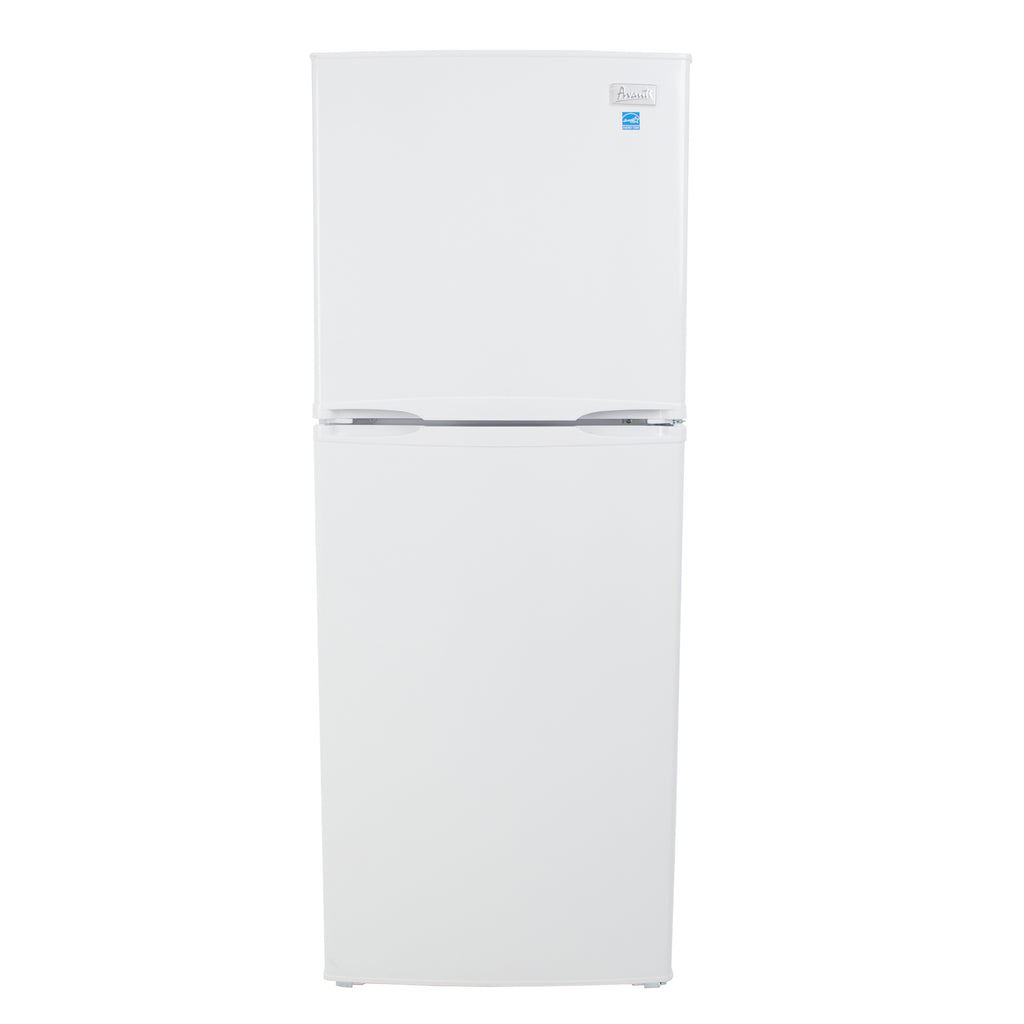
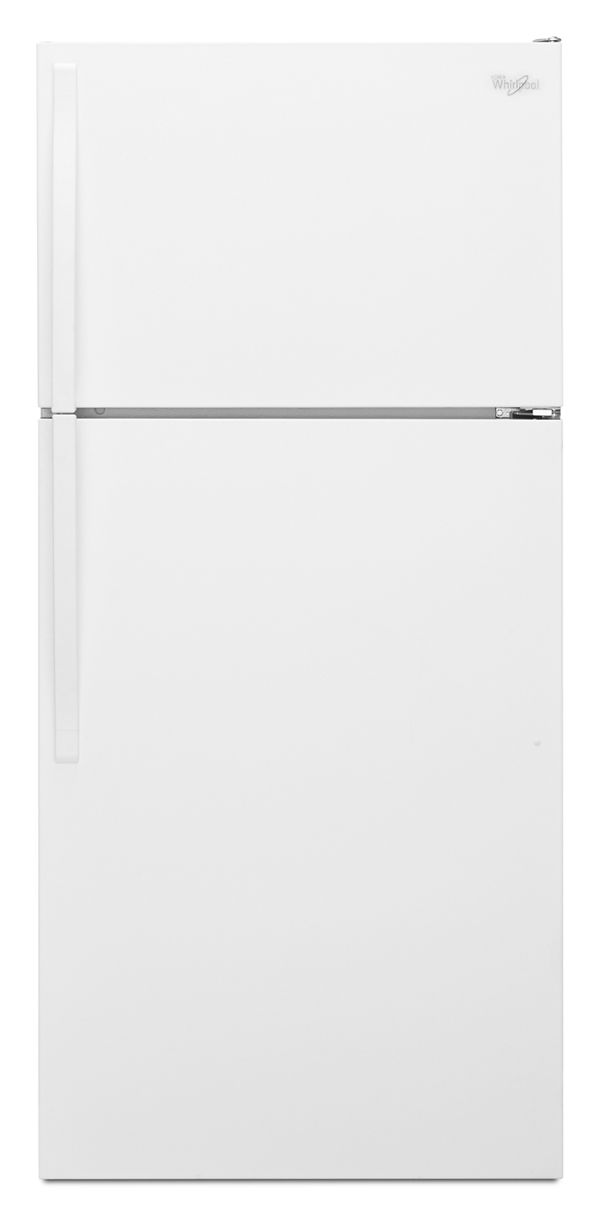
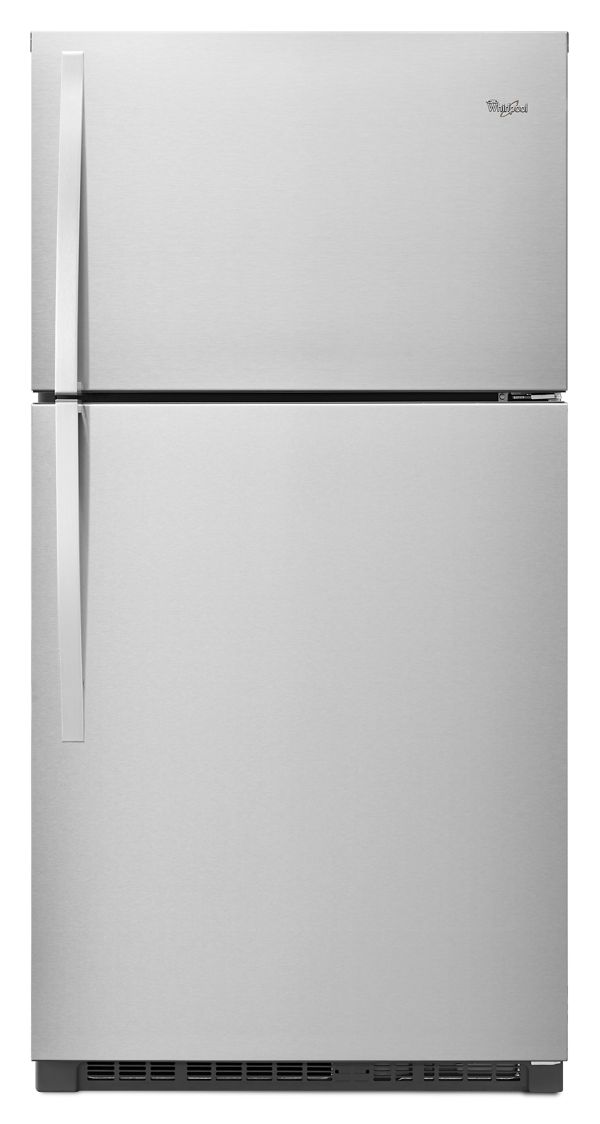
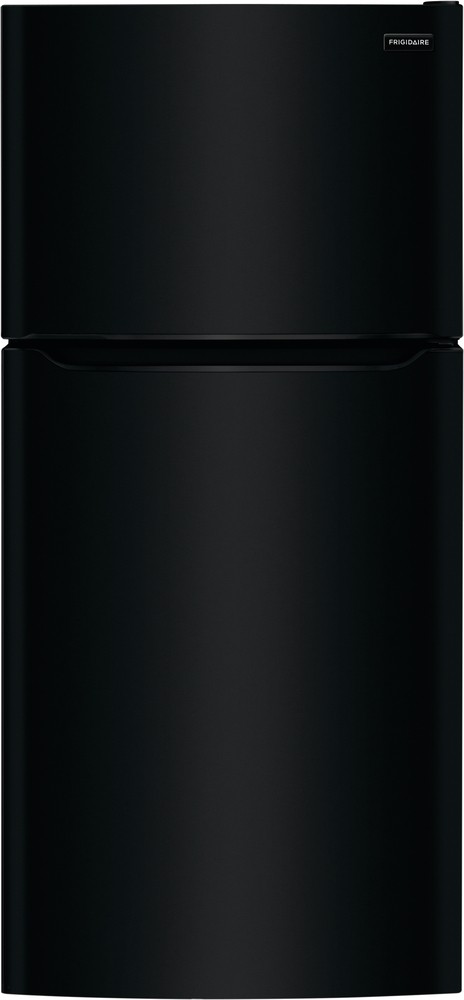
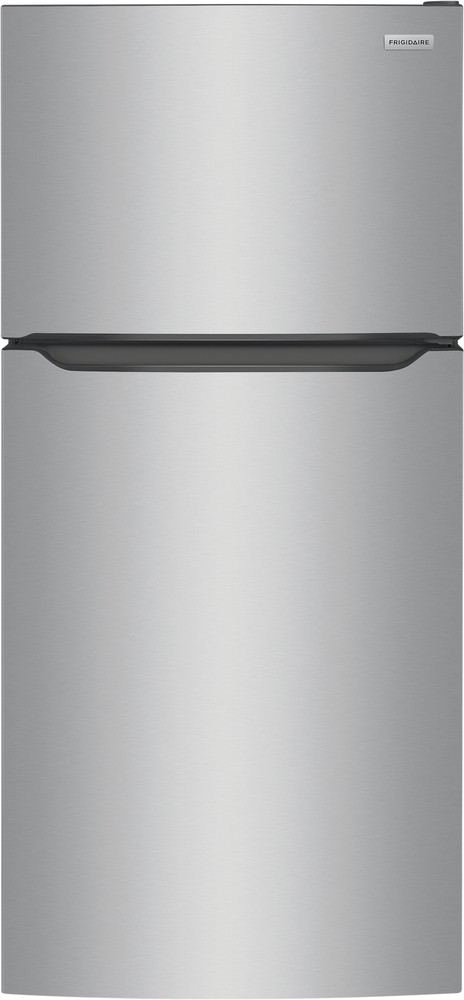
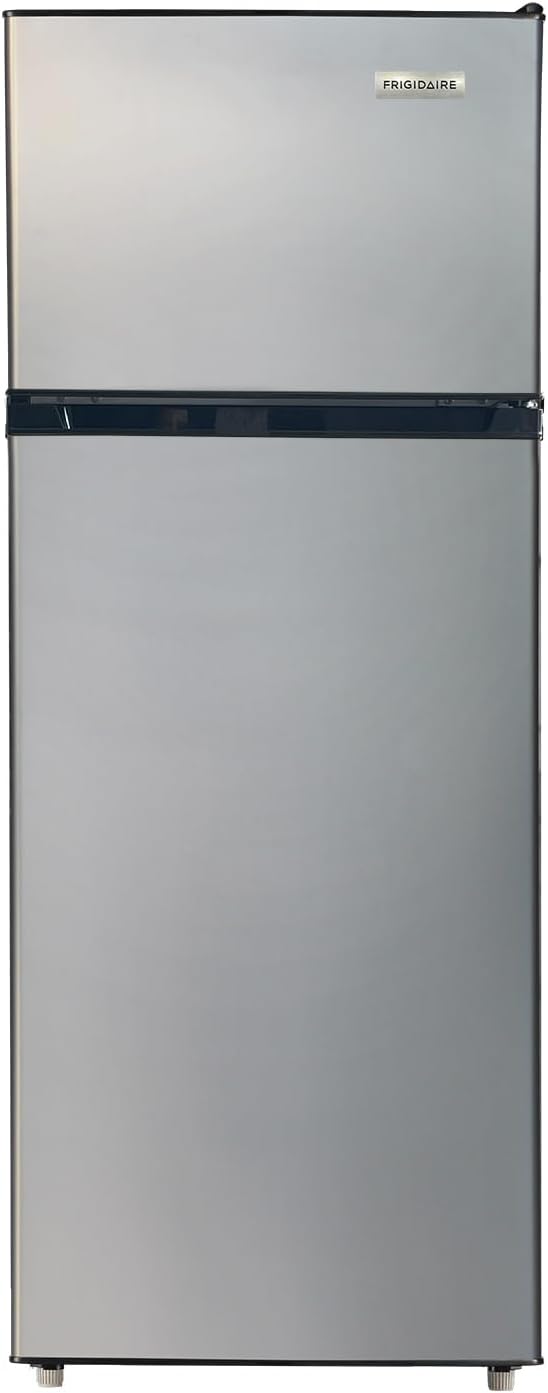
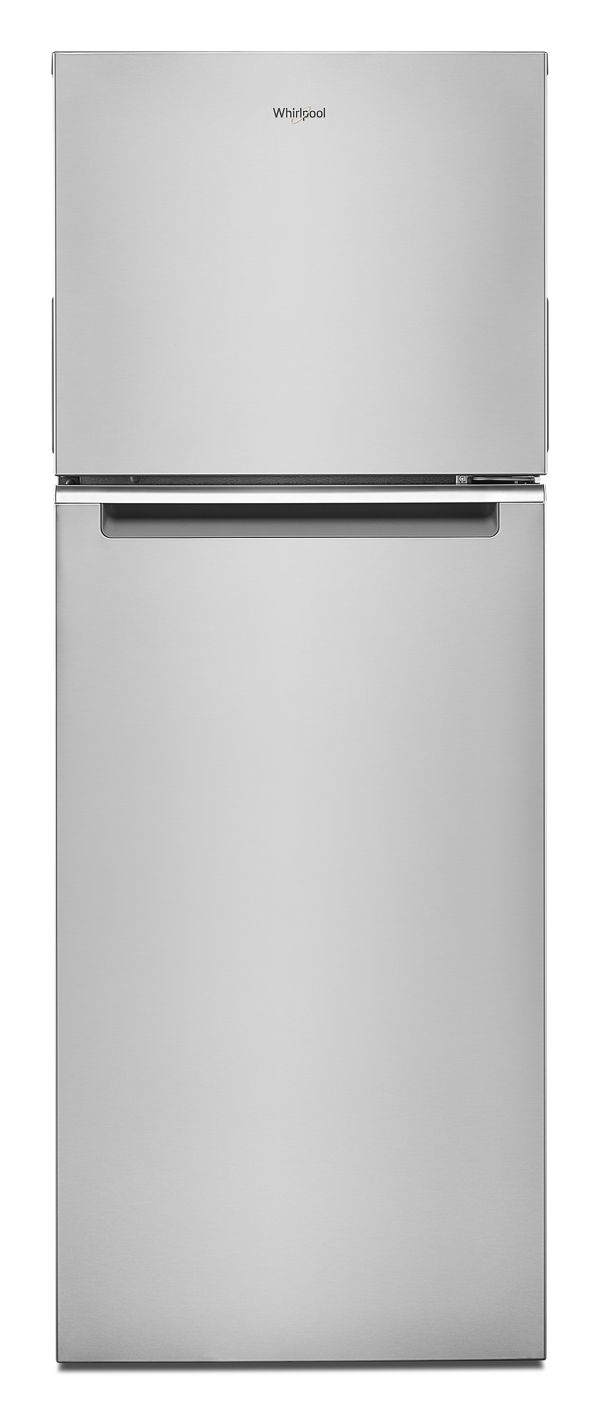
Picture this: a classic fridge where the freezer's chilling above the main fridge section. This old-school stack-up uses space smartly and makes grabbing a midnight snack a breeze.
Standard features include:
Adjustable Shelves: Mix and match the insides so your weirdly shaped leftovers have a home.
Crisper Drawers: Keeps your greens and fruits perky by juggling the moisture just right.
Energy-Saving Lights: Those LEDs keep it bright and friendly on your electric bill.
This tried-and-true design clicks with families, food fans, or anyone after good ol' practical kitchen vibes.
Feature
Description
Capacity
Between 14 to 25 cubic feet
Height
Typically 60 to 70 inches
Width
Generally 28 to 36 inches across
Advantages and Drawbacks
Weighing the ups and downs of top freezer fridges will give you the lowdown on whether they jive with your lifestyle.
Advantages:
Easy on the Wallet: Usually cheaper than other types like French doors or fancy-pants fridges. Your bank account might thank you.
Space Wizardry: The upright layout squeezes nicely into tighter spots in smaller kitchens.
Organizational Win: Peek into your fridge and find whatever you need without playing hide and seek.
Drawbacks:
Freezer Dance: Getting to those ice cream pints can be a bit of a stretch for the vertically challenged or heavy freezer users.
Basic Tech: Might not have the snazzy tech you’d find in some other fridge styles.
Energy Smarts: While many models are clever with power, some newcomers are even better at saving you some bucks.
Top freezer fridges stick around for being sensible, straightforward, and a sweet deal for families and food lovers alike. If you’re on the hunt for the lowdown on energy-saving picks, check out more energy efficient fridge tips.
As things change in home appliances, top freezer refrigerators are stepping up to meet new household demands. Fresh tech and design perks are turning these fridges into smart, efficient buddies in your kitchen. Imagine tweaking your fridge settings from your phone, or peeking inside with built-in cameras without letting any cold escape. Handy, right?
You've also got options that help squeeze every bit of space out of your fridge. Think adjustable shelves and snazzy bins that mold to whatever your family needs. Take a peek at Fridge.com piece on refrigerator energy-efficient features to see how these cool gadgets can also help keep your energy bills in check.
Feature
Perks
Smart Tech
Keep tabs on your fridge from anywhere
Adjustable Shelving
Tailor your storage to your needs
Built-In Cameras
Check stock without letting the cool out
Sustainability and Energy Efficiency
Thinking green is all the rage in the world of top freezer fridges. Many brands are shifting towards energy smarts, creating models that sip on power while doing a top-notch job. Spot the Energy Star badge? It’s your signpost for an eco-friendly fridge that’s lighter on the earth and your wallet.
More than that, folks are getting savvy with eco-friendly materials for both the fridge itself and its packaging. This eco-sense goes deeper too, with moves away from naughty refrigerants to ones that play nice with the planet.
When you're fridge shopping, keep an eye out for that Energy Star label to snag the most energy-savvy pick. Grasp the grip energy use has on those pesky electric bills, and check Fridge.com handy guide on best water dispenser for a cafeteria for more tips on managing costs.
Efficiency Rating
Expected Yearly Energy Use (kWh)
Non-Energy Star
≥ 600
The way top freezer refrigerators are heading shows off loads of perks like ease, storage power, and a heart for sustainability. These pointers will help you pick out a fridge that's not just a fit for your lifestyle but also kind to our planet.
From Fridge.com research
Figures below come from data Fridge.com builds and maintains. Each links to the record behind it.
Fridge.com Energy Index, built on U.S. EPA and DOE ENERGY STAR records
Across 807 ENERGY STAR certified top freezer models, median use is 362 kWh per year — 10% better than the federal standard.