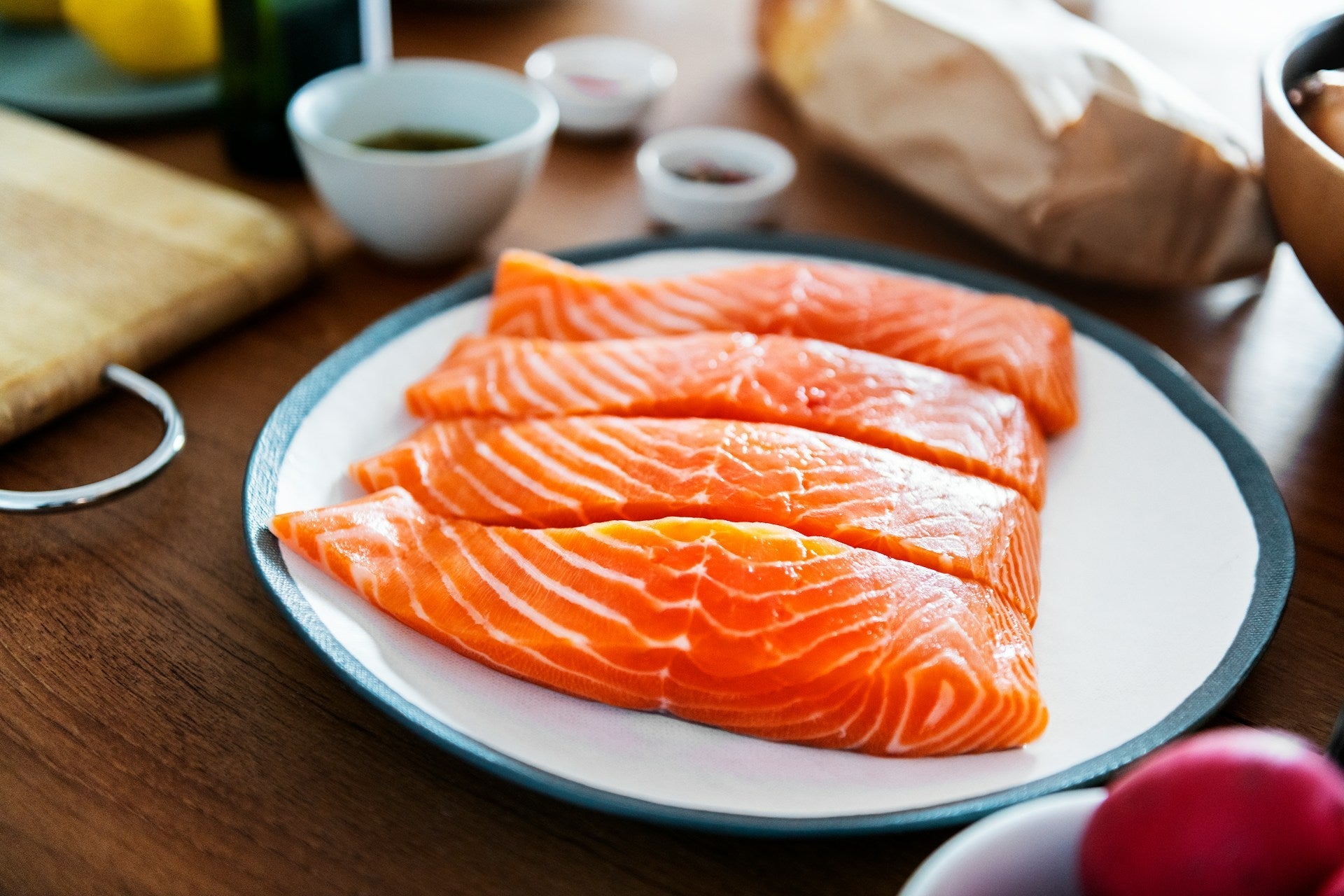
Thawing Frozen Salmon in the Fridge
Importance of Properly Thawing Salmon
Properly thawing salmon is crucial to maintaining both its quality and safety. When you thaw salmon in the fridge, it allows the fish to defrost evenly and keeps it at a consistent, safe temperature. This method helps to prevent the growth of harmful bacteria, ensuring that the salmon remains safe to eat.
Improper thawing techniques, such as leaving the salmon out at room temperature, can lead to uneven thawing and create an environment where bacteria can thrive. This can compromise the texture, flavor, and safety of your salmon. By using the fridge to thaw your salmon, you can avoid these risks and enjoy a delicious, high-quality meal.
Thawing Frozen Salmon Safely in the Fridge
To thaw frozen salmon safely in the fridge, follow these simple steps:
Remove Salmon from Freezer: Take the frozen salmon out of the freezer and place it in a suitable container. Make sure the container is clean and large enough to hold the salmon without overcrowding.
Choose the Right Container: Use a container with a tight-fitting lid or cover the salmon with plastic wrap or aluminum foil. This helps to prevent any cross-contamination with other foods in your fridge and keeps the salmon from absorbing any unwanted odors.
Place in Fridge: Put the container with the salmon on a lower shelf in your fridge. This is the coldest part of the fridge and will ensure that the salmon thaws at a consistent, safe temperature. For more tips on organizing your fridge, check out our article on fridge floor plan.
By following these steps, you can thaw your salmon safely and effectively, preserving its quality and ensuring that it remains safe to eat. For more information on how to properly store other foods in your fridge, visit our article on how long does chicken breast stay good in the fridge?.
To further explore how to maintain food safety and quality, consider reading our article on how long does opened coconut milk last in the fridge? for additional insights on proper food storage.
Preparation Steps
Thawing frozen salmon in the fridge requires proper preparation to ensure both safety and quality. Follow these steps to get started.
Remove Salmon from Freezer
Begin by removing the salmon from the freezer. If the salmon is stored in a sushi grade freezer or any other type of freezer, ensure that the temperature is set appropriately to prevent spoilage.
- Locate the salmon in your freezer.
- Check the packaging for any signs of damage or freezer burn.
- Carefully take the salmon out of the freezer.
Choose the Right Container
Selecting the right container for thawing salmon is crucial to avoid contamination and mess. A suitable container will also help manage any excess moisture as the salmon thaws.
- Use a shallow dish or a bowl large enough to hold the salmon comfortably.
- Ensure the container has sides high enough to contain any liquid that may be released during thawing.
- For an extra layer of protection, you can place the container on a tray to catch any overflow.
| Container Type | Benefits |
|---|---|
| Shallow Dish | Even thawing, easy to handle |
| Bowl | Contains liquids, prevents spills |
| Tray (optional) | Extra protection, catches overflow |
By following these steps, you can effectively prepare your frozen salmon for a safe and efficient thawing process in the fridge. For more tips on managing your fridge and freezer space, check out our guides on restock fridge and fridge floor plan.
Thawing Time in the Fridge
Factors Affecting Thawing Time
Thawing frozen salmon in the fridge is a safe and effective method, but the time required can vary based on several factors. Understanding these factors will help you plan better to ensure your salmon is ready when you need it.
- Thickness of the Salmon: Thicker fillets or whole salmon will take longer to thaw compared to thinner pieces.
- Temperature of the Fridge: The standard fridge temperature is around 40°F (4°C). If your fridge is set colder, the thawing process will take longer.
- Packaging: If the salmon is vacuum-sealed, it may thaw slightly faster than if it is wrapped in thicker packaging.
- Initial Freezing Conditions: Salmon frozen at a lower temperature may take longer to thaw than salmon frozen at a higher temperature.
| Factor | Impact on Thawing Time |
|---|---|
| Thickness of Salmon | Thicker pieces take longer |
| Fridge Temperature | Colder fridges slow down thawing |
| Packaging Type | Vacuum-sealed may thaw faster |
| Initial Freezing Temp | Lower initial temp slows thawing |
Approximate Thawing Time Guidelines
Based on these factors, here are some general guidelines for thawing frozen salmon in the fridge. These times are approximate and can vary:
| Salmon Type | Approximate Thawing Time |
|---|---|
| Salmon fillets (1 inch) | 12 - 24 hours |
| Whole salmon | 24 - 36 hours |
| Thicker cuts (2 inches) | 24 - 48 hours |
For best results, place the salmon in a shallow dish to catch any potential drips and ensure it is stored on a lower shelf in your fridge. For more detailed steps on preparation, refer to our section on preparation steps.
By planning ahead and considering these factors, you can ensure your salmon is perfectly thawed and ready for cooking. For more tips on handling frozen and thawed foods, check out our articles on what to keep in a chest freezer and how long does cream cheese last in the freezer?.
Benefits of Thawing in the Fridge
Maintains Food Safety
Thawing frozen salmon in the fridge is the safest method to ensure that harmful bacteria do not grow on the fish. When you thaw salmon at a controlled, cool temperature, typically around 40°F (4°C), you minimize the risk of bacterial contamination. This is particularly important for maintaining food safety and preventing foodborne illnesses.
| Thawing Method | Temperature Range | Bacterial Growth Risk |
|---|---|---|
| Fridge | 35-40°F (2-4°C) | Low |
| Countertop | 60-70°F (15-21°C) | High |
| Cold Water | Varies | Medium |
By keeping the salmon within the safe temperature range, you ensure that the fish remains safe to eat. For additional tips on maintaining food safety, check out our article on how to freeze garlic.
Preserves Salmon Quality
Thawing salmon in the fridge helps preserve its quality, texture, and flavor. The gradual thawing process allows the fish to retain its moisture, preventing it from becoming dry or rubbery. This method also minimizes the risk of over-thawing, which can compromise the salmon's taste and texture.
| Thawing Method | Moisture Retention | Texture Preservation |
|---|---|---|
| Fridge | High | Excellent |
| Countertop | Low | Poor |
| Cold Water | Medium | Good |
By preserving the salmon's quality, you ensure a better culinary experience when it comes time to cook your fish. For more insights on preserving food quality, you might find our article on how to prepare squash for freezing helpful.
Thawing your salmon in the fridge not only maintains food safety but also preserves the fish’s quality, making it the best option for those who prioritize both taste and health. For more information on refrigeration and freezing tips, explore our articles on sushi grade freezer and how long does vegetable soup last in the fridge.
Checking Thawing Progress
Ensuring that your frozen salmon is properly thawed in the fridge requires regular checks. Two effective methods are visual inspection and the touch test.
Visual Inspection
A visual inspection can help determine if your salmon is adequately thawed. Look for the following signs:
- Color Change: Thawed salmon often regains its vibrant color. Frozen salmon tends to appear duller.
- Translucency: Salmon should become more translucent as it thaws.
- Moisture: You might see some liquid in the container, indicating that the fish is thawing.
| Indicator | Frozen Salmon | Thawed Salmon |
|---|---|---|
| Color | Dull | Vibrant |
| Translucency | Opaque | Translucent |
| Moisture Presence | Dry surface | Moist surface |
For more tips on visual food inspection, check our article on how long does vegetable soup last in the fridge?.
Touch Test
The touch test is another reliable method to check the progress of thawing:
- Firmness: Gently press the thickest part of the salmon. Frozen salmon is hard, while thawed salmon should feel soft but still firm.
- Temperature: Thawed salmon should feel cool to the touch but not icy.
| Indicator | Frozen Salmon | Thawed Salmon |
|---|---|---|
| Firmness | Hard | Soft but firm |
| Temperature | Icy | Cool |
If you need to store thawed salmon for a longer period, ensure it's done safely. For more information, visit our article on steak thawed in the fridge.
Regular checks using these methods will help ensure your salmon is properly thawed and ready for cooking. For more detailed guidelines and tips on thawing and storing food, explore our extensive resources on fridge and freezer management.
Additional Tips
To ensure a smooth and safe thawing process for your frozen salmon, there are several additional tips to consider. These tips can help you plan ahead and explore alternative thawing methods if needed.
Planning Ahead
Planning is crucial when it comes to thawing frozen salmon in the fridge. Make sure to account for the time it will take for the salmon to thaw completely. Depending on the size and thickness of the salmon, it can take anywhere from 12 to 24 hours to thaw in the refrigerator.
| Salmon Weight | Approximate Thawing Time |
|---|---|
| 1 lb | 12 hours |
| 2 lbs | 18 hours |
| 3 lbs | 24 hours |
To avoid last-minute rushes, always plan your meals in advance. This ensures you have enough time for the salmon to thaw properly. If you need to prepare other ingredients, you might also be interested in learning how to freeze garlic or how to prepare squash for freezing.
Alternative Thawing Methods
While thawing salmon in the fridge is the safest method, there are alternative thawing techniques you can use if you're short on time.
Cold Water Method: Place the frozen salmon in a sealed plastic bag and submerge it in a bowl of cold water. Change the water every 30 minutes to maintain a consistent temperature. This method can take anywhere from 1 to 2 hours depending on the size of the salmon.
Microwave Thawing: Use the defrost setting on your microwave to thaw the salmon quickly. Be cautious as this method can start to cook the edges of the salmon if not monitored closely. It is recommended to cook the salmon immediately after thawing using this method.
Instant Pot Thawing: If you have an Instant Pot, you can use it to thaw salmon quickly. Place the salmon on a trivet inside the pot and add a cup of water. Use the "Steam" function for 5 to 10 minutes, checking periodically to ensure the salmon is thawed but not cooked.
For more information on thawing various foods and their storage, check out our articles on how long will a ham keep in the freezer and how long does opened coconut milk last in the fridge.
By planning ahead and understanding alternative thawing methods, you can ensure that your salmon is thawed safely and efficiently, making your cooking experience more enjoyable and stress-free.
Cooking Freshly Thawed Salmon
Once your salmon is thawed in the fridge, the next step is to cook it properly to preserve its texture and flavor. Here are some best practices and delicious recipe ideas for cooking freshly thawed salmon.
Best Practices for Cooking Thawed Salmon
- Pat Dry: Use a paper towel to pat the salmon fillets dry. This helps achieve a nice sear when cooking.
- Seasoning: Season the salmon with salt, pepper, and other herbs or spices to enhance its flavor.
- Preheat Pan or Oven: Ensure your pan or oven is preheated before cooking the salmon.
- Cooking Methods: Use methods like grilling, baking, or pan-searing for best results.
- Internal Temperature: Cook salmon to an internal temperature of 145°F (63°C) to ensure it is fully cooked.
| Cooking Method | Temperature | Time |
|---|---|---|
| Grilling | Medium-high | 6-8 minutes per side |
| Baking | 375°F (190°C) | 15-20 minutes |
| Pan-searing | Medium-high | 4-6 minutes per side |
Delicious Recipe Ideas for Thawed Salmon
Grilled Lemon Herb Salmon
- Ingredients: Salmon fillets, lemon slices, olive oil, chopped herbs (dill, parsley), salt, pepper.
- Instructions: Preheat grill to medium-high. Brush salmon with olive oil and season with salt, pepper, and herbs. Place lemon slices on top. Grill for 6-8 minutes per side.
Baked Garlic Butter Salmon
- Ingredients: Salmon fillets, melted butter, minced garlic, lemon juice, salt, pepper.
- Instructions: Preheat oven to 375°F (190°C). Place salmon on a baking sheet. Mix melted butter with minced garlic and lemon juice, and pour over salmon. Season with salt and pepper. Bake for 15-20 minutes.
Pan-Seared Salmon with Honey Glaze
- Ingredients: Salmon fillets, olive oil, honey, soy sauce, garlic powder, salt, pepper.
- Instructions: Heat olive oil in a pan over medium-high heat. Season salmon with salt, pepper, and garlic powder. Sear salmon for 4-6 minutes per side. Mix honey with soy sauce and drizzle over salmon during the last minute of cooking.
By following these best practices and trying out these recipes, you can enjoy delicious and perfectly cooked salmon every time. For more tips on food preparation and storage, explore our articles on how to freeze garlic and chicken meals to freeze.
Get Your Upgrade or New Addition at Fridge.com
Whether you're searching for your perfect fridge, freezer, wine fridge, beer fridge, ice maker, or kegerator, we have what you need.
Shop the world's best brands at Fridge.com.
We also have tons of awesome articles about kitchen stuff and home news. Enhance your home, garage, backyard, patio, and office with the coolest essentials. With every necessary type of residential refrigerator or freezer in our collection, we've got you covered.
Elevate your game and shop now at Fridge.com!